Watch the Film Festival HERE: https://www.wildsound.ca/videos/solvent-feature-film
Go to the Daily Film Festival Platform http://www.wildsound.ca and sign up for the free 7 day trial to watch a new and original festival every single day.
Go to the festival page directly and watch dozens of films:
https://www.wildsound.ca/todays-film-festival/
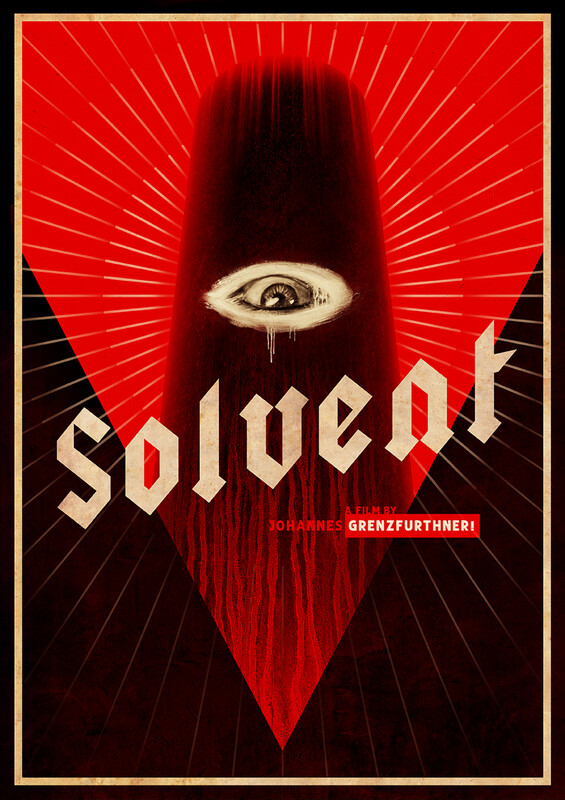
SOLVENT, 94min,. Austria
Directed by Johannes Grenzfurthner
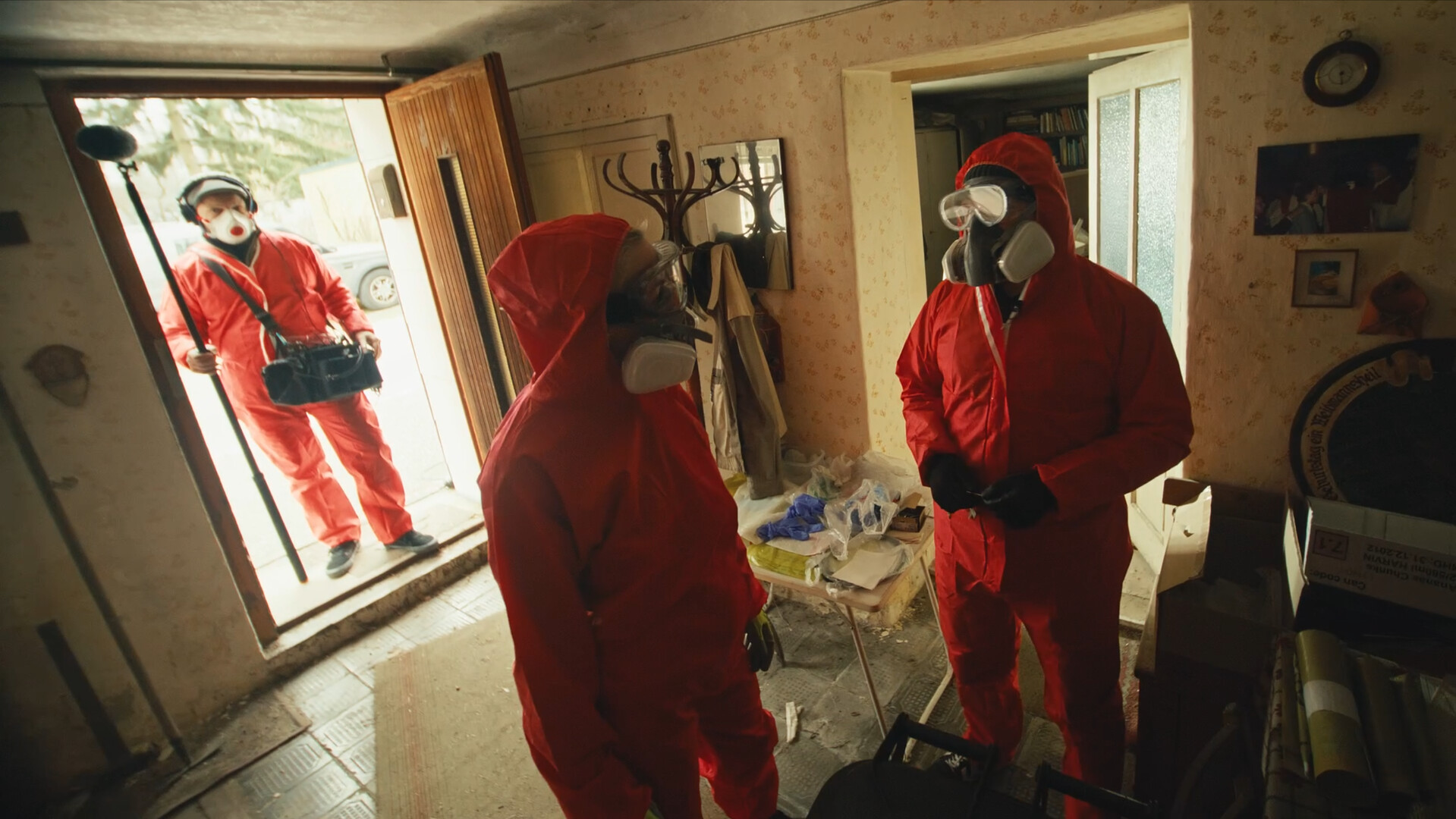
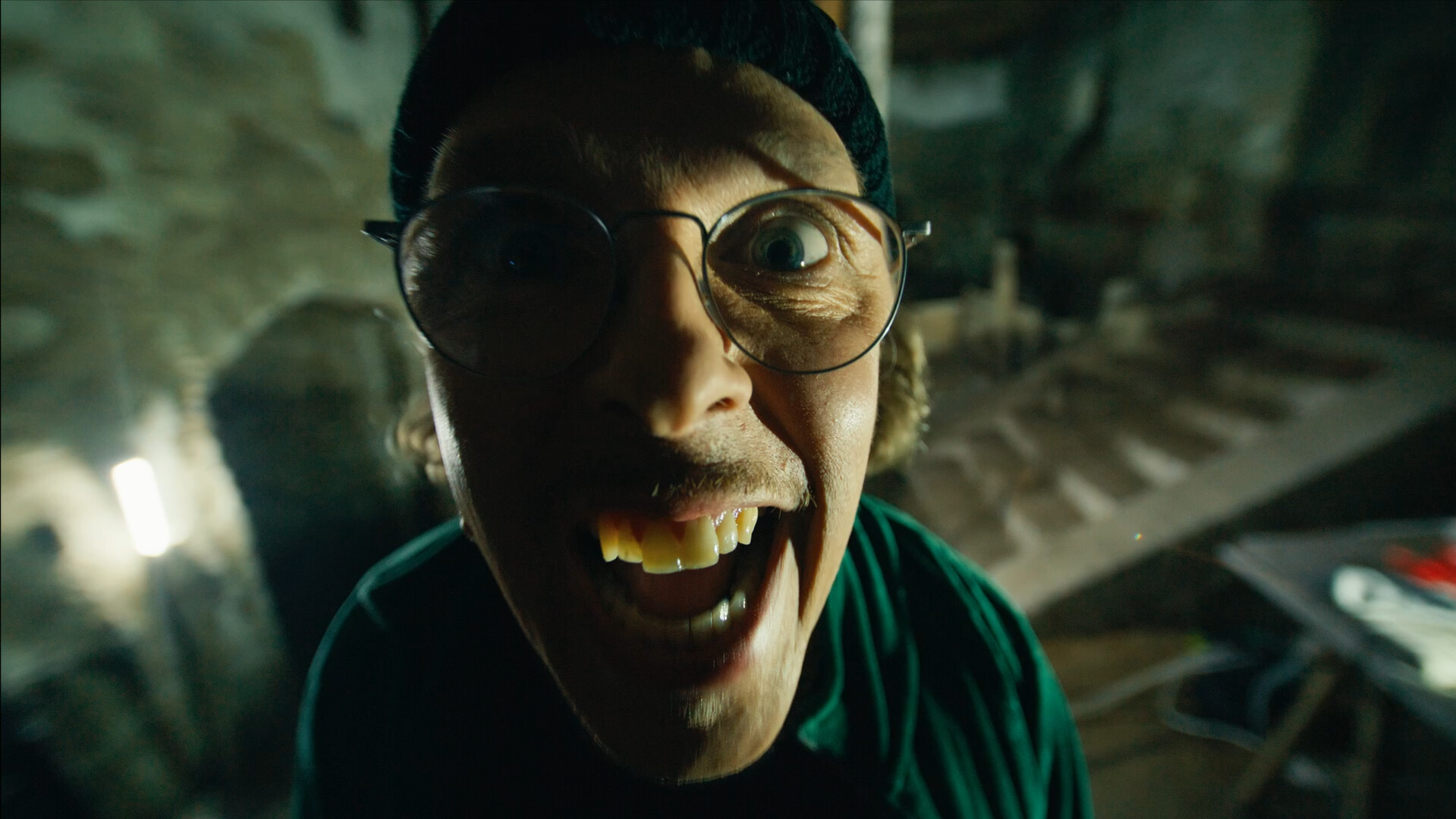
While searching for Nazi documents in an Austrian farmhouse, a team of experts uncovers a hidden secret buried in its bowels. American expatriate Gunner S. Holbrook becomes obsessed with solving the mystery, and as his sanity wanes, he must confront an insatiable evil. Can he find redemption before it drains the life out of him?
http://monochrom.at/solvent
https://www.facebook.com/solvent.film/
https://www.instagram.com/monochrom.film/
Director Statement
Though not directly linked in plot, “Solvent” is the spiritual successor to “Masking Threshold” (2021) and “Razzennest” (2022), forming a trilogy bound by a shared spirit. These films are kindred works, forbidden siblings.
“Solvent” delves into the haunting shadows of history, where past sins resurface in surreal and unexpected ways. At its heart, the film confronts the true horror of history by weaving it into a narrative that disturbs yet entertains. A project that explores memory, guilt, and the human struggle to face our darkest secrets.
My connection to this story is deeply personal. Set and shot on my maternal grandparents’ derelict farm, the location underscores the link between past and present, bridging the real and imagined. The character Wolfgang Zinggl, depicted through photographs of my grandfather, Otto Zucker, embodies the complex legacy of World War II history. This representation addresses the silence and reluctance that have plagued generations of German and Austrian families, including my own. Many of Zinggl’s lines are directly quoted from conversations I’ve overheard—whether from neighbors, passersby, or participants in online forums. There are many references and much subtext in Zinggl’s story, such as the right-wing obsession with esoterica and new-age medicine. Additionally, the Nazi character initially “disappears” in 2014: 70 years after his work at the KZ, and briefly before the Syrian refugee crisis that reignited severe racism in Europe. The fictional timeline of the film plays out in the months leading up to the October 7 attacks.
Body horror and grotesque elements add complexity to the exploration of guilt and memory, incorporating almost Freudian tropes about filth, destruction, and eroticism. Character transformations symbolize the inner turmoil of confronting the past, bringing these horrors to the surface. The film’s grotesque imagery underscores its themes, depicting the twisted and deformed nature of the past that shapes our present. One of my historical consultants, a member of the Jewish Association of Austria, praised the depiction of post-war family psychodynamics and what he calls “realism through grotesqueness.” While “Solvent” features an artistically exaggerated core, it diverges from typical horror films that use Nazis as central motifs. My goal is to use this stylized approach to explore the enduring effects of Nazi ideology and its infiltration into modern society.
For my co-author Ben Roberts, “Solvent” became a meditation on authority and quietism. It explores Martin Luther’s concept of total submission to authority, akin to divine command, and connects it to the quietism that followed the devastation of World War I. The film grapples with the humanist reckoning of the millions lost and forgotten, highlighting the silent suffering of history’s overlooked voices. It aims to challenge viewers to reflect on the cost of blind obedience and the balance between authority and individuality.
+++ Update, October 2024: Premiering “Solvent” on September 26, 2024, just days before Austria’s election, made the film’s themes even more urgent. With the far-right FPÖ emerging as the leading party, Oskar Deutsch, President of the Israelitische Kultusgemeinde (IKG) Wien, warned of its ties to nationalist Burschenschaften linked to Nazi ideology. His statement that the FPÖ’s rise feels “threatening to many” added chilling relevance to my film’s theme.


 Festival Reviews