Month: August 2023
Short Film Review: The Great Basin! Or: How I Learned to Stop Worrying and Love the Desert
Synopsis:
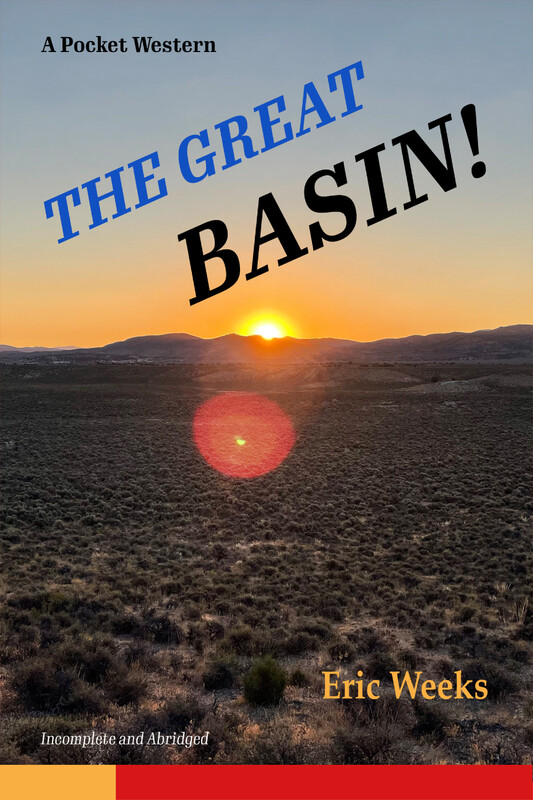
The Great Basin! Or: How I Learned to Stop Worrying and Love the Desert is a film, book and print project that addresses climate change, the severe drought in the Western United States, gun culture, the military’s use of the basin and range of Nevada for atomic testing, cultural stereotypes, my own personal history, and my experiences in this mostly remote area. In the 15 minute short film I am creating complex collages of my still and motion captures made in Nevada with appropriated short clips from Mutual of Omaha’s Wild Kingdom, recent weather footage, The Lone Ranger, as well as John Wayne’s and other historic films, cartoons, and many other cultural artifacts, in order to speak to the place and its significance.
Review by Andie Karvelis
Filmmaker Eric Weeks takes you on a unique journey centering around his experience in the remote regions of the Western United States.
What intrigued me most about this film was the creative way Weeks used existing footage from the past to bring attention to present day issues. Climate change, the drought and the Nevada military Atomic testing areas to name a few.
You have super quick cuts of footage and dialogue ranging from the local news to The Lone Ranger and even some Davey & Goliath thrown in for good measure. It’s a creative way to drive your point home about these important issues. The moments of overlapping audio and repeating footage leaves you feeling helpless and confused, but I think that is exactly what you’re supposed to feel. Apathy won’t bring about change, we have to feel in order to act. .
Project Links
Directed by Eric Weeks
Watch the Audience FEEDBACK Video:
Short Film Review: FIRST SLOVAK PRIDE. 29min., Slovakia
Synopsis:
What is PRIDE? How it came about in Slovakia? Was the 2010 PRIDE parade in Bratislava the first one in Slovakia? Activists from the 2010 PRIDE team as well as Hana Fabry, Jaroslav Gyurik, which where present in queer activism in the early 90s talk about important events which led to the creation of the first PRIDE parade in Slovakia.

Review by Parker Jesse Chase
“First Slovak Pride” is a poignant and inspiring documentary capturing a pivotal historical moment, shedding light on the long road this LGBTQ+ community travels towards true equality and acceptance. Roman Stráñai masterfully guides us through the journey of the first creation of Slovak Pride, providing an intimate glimpse into the struggles, triumphs, and heartfelt experiences of individuals fighting for their right to be seen, heard, and celebrated.
Set against the backdrop starting in the early 90s, the film follows the remarkable journey of LGBTQ+ activists as they embark on the groundbreaking mission to establish a safe haven for public expressions of homosexuality and the forging of connections among like-minded souls. Through personal accounts and powerful imagery, the film delves into the complex and emotional process of coming out, emphasizing the importance of fostering understanding and compassion within a society who has long suppressed these voices.
The documentary’s standout moment is when two brides, adorned in rainbow veils, leave a trail of hope and symbolism through the rainy streets of Slovakia. As raindrops fall, a radiant rainbow emerges in a fountain – a timeless memory that encapsulates both the struggles and the inherent beauty of the LGBTQ+ community’s fight for visibility.
“First Slovak Pride” doesn’t shy away from the challenges faced by the activists. The narrative paints a vivid picture of the difficulties they encountered in their bid to organize the Pride March, including the threat of extremist opposition and the eventual cancellation of the first event held. However, the film expertly shifts the focus to the silver linings, highlighting the accidental formation of a rainbow-flag-adorned human chain across a bridge, a testament to the resilience and unity of those pushing for change.
As the years progress, the documentary artfully illustrates the evolution of Slovak Pride from a human rights campaign to a vibrant week-long celebration. Stráñai takes us through the transformation, demonstrating that while progress is being made, the fight for equality is an ongoing battle, a marathon rather than a sprint.
Through compelling storytelling and a well-crafted narrative, “First Slovak Pride” emphasizes the importance of activism and community-building. It serves as a reminder even in the face of adversity, individuals can come together to challenge societal norms, and gradually transform a nation’s perspective. The film underscores the significance of pride, not just as a colorful spectacle, but as a powerful force for social change and acceptance.
Roman Stráñai’s direction shines as he captures the emotional highs and lows of this inspiring journey. With an eye for detail, he guides the audience through the streets of Slovakia, effectively translating the atmosphere and emotions of the era onto the screen. The documentary’s culmination, an awe-inspiring shot of the expanding crowd overlooking the country, leaves a lasting impact, symbolizing the triumph of unity and the emergence of a brighter future.
“First Slovak Pride” is an extraordinary cinematic exploration of a crucial turning point in Slovak LGBTQ+ history. Through Stráñai’s lens, the film honors the bravery of those who dared to demand equality, celebrate diversity, and pave the way for a more inclusive society. This documentary is a testament to the indomitable human spirit, an eloquent call to action, and a vibrant tapestry of hope, resilience, and the unbreakable bonds of community.
Project Links
Directed by Roman Stráňai
Watch the Audience Feedback Video:
Short Film Review: BEST DAY. Musical Animation. Directed by Woody Yocum
Synopsis:
An early morning bicycle ride becomes a magical celebration of Today.

Project Links
Review by Parker Jesse Chase
Best Day! is a delightful stop-motion animation embodying the spirit of positivity and seizing the day. Directed and animated by Woody Yocum, this film takes us on a whimsical journey where the main character whose warmth and vibrancy solidify the brightness of the day.
The artistry in Best Day! truly stands out, with a mix of warm and cool colors that beautifully capture the contrast between the main character’s exuberance and the city’s developed ambiance. The use of tissue paper to craft the characters adds a charming and delicate touch to the overall visual experience.
The story centers around our main character, who embarks on a bike ride to a destination on the horizon, accompanied by a canine companion nestled in a basket. The film encourages its audience to shed worries and embrace the moment beneath the warm embrace of the sun. Let the wind blow through ones hair. Best Day! serves as a gentle reminder to be present, to face anxieties head-on, and to focus on cultivating positive thoughts, ultimately bringing the best day of one’s life to fruition.
Klaus Ebert’s composed music elevates the film’s dreamlike happiness, further enhancing the sense of freedom felt when watching our main character embrace life like a soaring bird. The spirit of the film is infectious, leaving the audience feeling uplifted and motivated to go about living their best day ever.
Overall, Best Day! is a heartwarming film encouraging its younger audiences to let their spirits soar, basking in the joy of living in the moment and embracing the possibilities that lie ahead. Woody Yocum’s direction, combined with Klaus Ebert’s music and the vocal talents of Cathy Kawasaki and Han Mi, delivers a truly enchanting experience that will leave you with a lasting impression of hope and happiness. So, sit back, relax, and set forth to have the best day ever!
Watch the Audience Feedback Video:
Short Film Review: MI NIÑA (MY LITTLE GIRL). Directed by Emanuel Loarca
Synopsis:
A touching and uplifting mother-daughter journey through time. You experience how love overcomes suffering and builds lasting memories that give meaning to life and strengthen the soul.
Review by Andie Karvelis
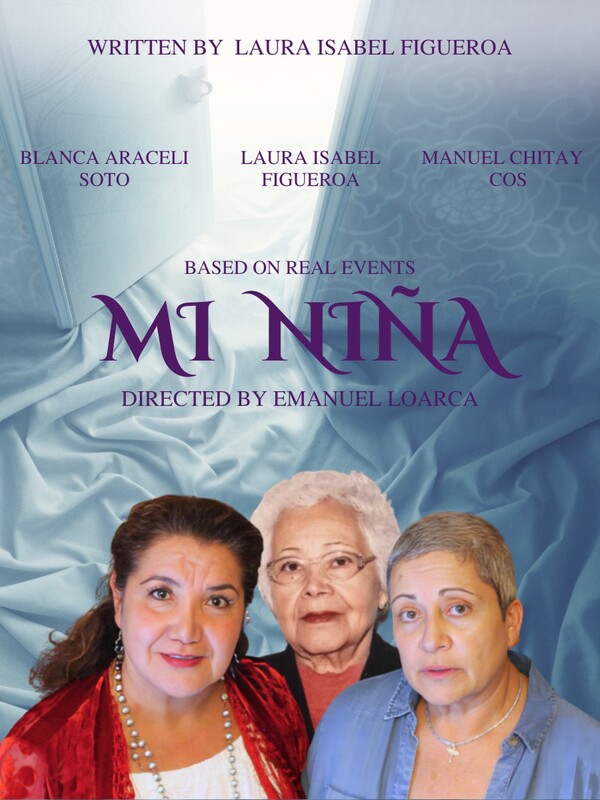
Laura Isabel Figueroa invites you to celebrate the beauty of family with this heartfelt tribute to her mother, Dominga. The bond between mother and daughter is a special one and this film captures the emotion and essence of that bond.
From the start, you’re drawn into this film by the melodious voice of the narrator. Not to be presumptuous but I’m going to say the voice belongs to Laura, who wrote and starred in the film. There was something so lovely about how she described her mom. It made you feel welcome, like you knew Laura and Dominga personally and were a part of their family.
Director of Photography, Cecilia Memor did a sensational job with the cinematography. The clever way we visited Laura’s past memories using black and white was sensational. You can clearly see the bond between mother and daughter and the love they shared, thanks to director Emanuel Loarca. The interactions between Laura and her mother, portrayed by Blanca Araceli Soto, were so joyful that you couldn’t help but smile.
The film’s score compliments this journey of remembrance and reminds us that even when our loved ones have departed, they live on in our hearts and memories.
Watch the Audience Feedback Video:
 Festival Reviews