Film Review: EIGHT OF SWORDS. Directed by Patricia Downey

EIGHT OF SWORDS, 19min., UK, Drama
Directed by Patricia Downey
Set in Belfast, in an ordinary house, in an ordinary street – it could be your street or next door. Helena from Poland and locals Patsy and Eva fight for survival under the rein of Russian Human traffickers.

Review by Victoria Olson:

The film, EIGHT OF SWORDS, gives an inside look at the world of human trafficking from the perspective of the women who’ve been victimized to the point that they’ve become numb to the harsh realities of their world. Director Patricia Downey did a wonderful job at depicting the coldness of a subject many artists refuse to capture in ways that feel realistic. This film was nuanced, showing the reasons each of the women became involved in trafficking drugs and sex while still portraying them as human beings that can easily hide amongst the general public without anyone suspecting that something might be wrong behind closed doors.

The leader of this particular operation, Patsy, at first glance appears cold and callous. She’s merely doing what it takes to survive so that her daughter is not killed in Cairo. This is something she proves when she’s willing to kill Helena to protect her own child. Helena is quite the opposite, protecting her own son but wanting to go to the police to be done with this world.

This film also has an important aspect that anyone addicted to social media and desperate for fame should see as it portrays the real dangers behind apps such as TikTok. Olivia should have had a bright future, but she trusted who she met online and ends up in a would where she might never see her family again as she’s trafficked to different parts of the world. This is something many individuals, particularly adolescents, should see because it puts the scenario into a real world situation that is understandable and frightening rather than just words that often fall on deaf ears.

Downey used a brilliant technique of not using a score, making this film feel more like a documentary rather than a narrative. This method is a way that will stick with the viewer as they witness what the world is like from the victims and that it is not an easy situation to walk away from to get help.

Human trafficking is a relevant topic discussed on social media platforms and in the news media on how to end it and who’s involved, when a film like EIGHT OF SWORDS shows that it would be difficult to discern who truly is involved as the victims can blend in with the rest of the society. This film can bring further discussion on the travesty that is drug and sex trafficking so that perhaps one day it can be put in the past as a moment of the world’s dark past.

Watch the Audience Feedback Video:
Film Review: THE BEF. Directed by Eric Burleson

THE BEF, 9min., USA
Directed by Eric Burleson
While being pursued by a police officer, a young boy struggles with his
decisions for the baby in his care and how to help his sick mother.

Review by Andie Karvelis

I love films that surprise me. Films that take me on an emotional journey through compassion, sadness, hope, tenderness, suspense, unease and then jaw dropping shock! When a film can do THAT in under 10 minutes, that’s pretty damn amazing! The Bef did exactly that.

Producer and Director Eric Burleson co-wrote this with Matt Noll and they expertly crafted a riveting story. They left clues along the way, but withheld enough to keep you guessing and ingeniously deliver a twist you don’t see coming. Matt Noll also handled the Cinematography and it is beyond perfect. Eric Burleson’s directorial skills are equally as impressive, as was our main actor, Jacob Shapiro who played “Sammy”.

It’s Sammy’s story that we are following and Jacob does an amazing job conveying a wide range of emotion for a young actor. Part of what makes this story so marvelous is the talent of Eric’s directing and Jacob’s acting skills. What helps tie it all together is a great Make-up artist, Nicolete Tereshko and Visual Effects artist, Mitch Reaser. Roy James is so believable as the cop looking for Sammy and Allison Granite gave an incredible performance as the Mom.

This is one of those films I could go back and watch over and over and still find something new that I missed. I’m going to amend my earlier statement, I love clever films that surprise me.

Watch the Audience Feedback Video:
Film Review: FIRST SLOVAK PRIDE. Doc Short. Slovakia

FIRST SLOVAK PRIDE, 29min,. Slovakia
Directed by Roman Stranai
What is PRIDE? How it came about in Slovakia? Was the 2010 PRIDE parade in Bratislava the first one in Slovakia? Activists from the 2010 PRIDE team as well as Hana Fabry, Jaroslav Gyurik, which where present in queer activism in the early 90s talk about important events which led to the creation of the first PRIDE parade in Slovakia.

Review by Parker Jesse Chase

“First Slovak Pride” is a poignant and inspiring documentary capturing a pivotal historical moment, shedding light on the long road this LGBTQ+ community travels towards true equality and acceptance. Roman Stráñai masterfully guides us through the journey of the first creation of Slovak Pride, providing an intimate glimpse into the struggles, triumphs, and heartfelt experiences of individuals fighting for their right to be seen, heard, and celebrated.

Set against the backdrop starting in the early 90s, the film follows the remarkable journey of LGBTQ+ activists as they embark on the groundbreaking mission to establish a safe haven for public expressions of homosexuality and the forging of connections among like-minded souls. Through personal accounts and powerful imagery, the film delves into the complex and emotional process of coming out, emphasizing the importance of fostering understanding and compassion within a society who has long suppressed these voices.

The documentary’s standout moment is when two brides, adorned in rainbow veils, leave a trail of hope and symbolism through the rainy streets of Slovakia. As raindrops fall, a radiant rainbow emerges in a fountain – a timeless memory that encapsulates both the struggles and the inherent beauty of the LGBTQ+ community’s fight for visibility.

“First Slovak Pride” doesn’t shy away from the challenges faced by the activists. The narrative paints a vivid picture of the difficulties they encountered in their bid to organize the Pride March, including the threat of extremist opposition and the eventual cancellation of the first event held. However, the film expertly shifts the focus to the silver linings, highlighting the accidental formation of a rainbow-flag-adorned human chain across a bridge, a testament to the resilience and unity of those pushing for change.

As the years progress, the documentary artfully illustrates the evolution of Slovak Pride from a human rights campaign to a vibrant week-long celebration. Stráñai takes us through the transformation, demonstrating that while progress is being made, the fight for equality is an ongoing battle, a marathon rather than a sprint.

Through compelling storytelling and a well-crafted narrative, “First Slovak Pride” emphasizes the importance of activism and community-building. It serves as a reminder even in the face of adversity, individuals can come together to challenge societal norms, and gradually transform a nation’s perspective. The film underscores the significance of pride, not just as a colorful spectacle, but as a powerful force for social change and acceptance.

Roman Stráñai’s direction shines as he captures the emotional highs and lows of this inspiring journey. With an eye for detail, he guides the audience through the streets of Slovakia, effectively translating the atmosphere and emotions of the era onto the screen. The documentary’s culmination, an awe-inspiring shot of the expanding crowd overlooking the country, leaves a lasting impact, symbolizing the triumph of unity and the emergence of a brighter future.

“First Slovak Pride” is an extraordinary cinematic exploration of a crucial turning point in Slovak LGBTQ+ history. Through Stráñai’s lens, the film honors the bravery of those who dared to demand equality, celebrate diversity, and pave the way for a more inclusive society. This documentary is a testament to the indomitable human spirit, an eloquent call to action, and a vibrant tapestry of hope, resilience, and the unbreakable bonds of community.

Watch Audience Feedback Video:

Film Review: A Way for Tomás

A WAY FOR TOMAS, 29min., Columbia
Directed by Andrés Ricaurte / Martín Agudelo Ramírez

Tomás, desperate, knocks insistently on the door of a lonely house. Nobody opens it. When he leaves the place, he sees some bushes moving and goes into a wooded path. Along the way, from his memories, he faces several episodes of fear in his life until he reaches the exit of the path, which takes him back to the door of the house. Tomás enters and talks with a woman (who represents death), at which point he decides to face his fears.

REVIEW by Victoria Angelique

The powerful Columbian film, A WAY FOR TOMÁS imparts a powerful message that will stick with the viewer. The idea of confronting Death head on certainly isn’t unique, but it’s rarely done in such a profound and memorable way through every part of a film is rare. The attention is captured instantly through the beautiful cinematography. Every shot is carefully designed, to enhance the struggles that Tomás has been going through his entire life.

The story begins with Tomás meeting with his younger self, at the moment where his ability to dream of the future died with the death of his father. The focus of a toy airplane signifying life to the young boy when Death takes his dad is a powerful tool to show how significant a parent’s role plays in a person’s life. He allows himself to become afraid to live and love as Tomás goes through his past selves, relishing in the dark moments over the happy ones. The soundscape aids in the storytelling by allowing sound and visuals to tell the story, overshadowing the dialogue as the struggles Tomás faces plays out on the screen.

The dialogue is carefully crafted, especially in regards to Death. The wisdom in her words could be spoken to anyone resigned to sadness and anger like Tomás when he confronts her face to face. She’s straightforward, but a message that many need to actually live their life rather than just existing in this world. The fact that Death gives Tomás a choice shows the importance of free will. She could have very easily gone on her way without confronting this particular lost soul, but his emotional state was taking over his entire world so it left her with no choice but to force him to face his fears.

The filmmakers leave it open to interpretation whether Tomás chooses to finally live or if he’ll disregard Death’s message, but the important part is the powerful sentiment behind the mythical character’s words. She allowed him to confront his fear of living and of death, but to still continue on his way with the choice to live as he has been or actually live life to its fullest.

A WAY FOR TOMÁS is a beautiful film that directors Andrés Ricaurte and Martin Agudelo Ramierz created as their passion for the material shines through in every frame. It’s a film that deserves every award it has received and stands as a gorgeous work of art.

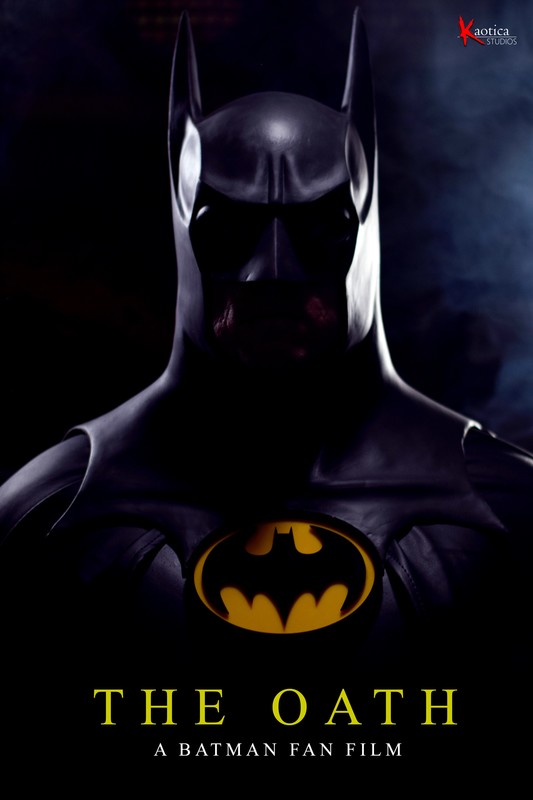
Short Film Review: THE OATH: A BATMAN FAN FILM. Directed by Johnny K.

Synopsis:

Sergeant Frank Kelly is one of the last good cops in Gotham, and his life is about to change forever. This fan film takes a trip back to the mean streets of Gotham when “the Bat” was just a rumor chased by reporter Alexander Knox, and the city was powerless against crime bosses like Carl Grissom.

Review by Parker Jesse Chase:

“The Oath: A Batman Fan Film” takes us on a journey back to the gritty streets of Gotham City when the Batman was still a whispered rumor. Written and directed by Johnny K., this short film centers around Sergeant Frank Kelly (Jerry Morgan), a dedicated police officer in a city overrun by crime and corruption.

The film begins with a moody orchestral score, setting the tone for a classic superhero story arc. The title sequence artfully transitions from comic book inspiration to visual reality, immersing viewers into the world of Gotham through a scenic painting executed by Joe Granski. The attention to detail in the location and production design shines through, particularly in the exterior shots of Sgt. Kelly’s surroundings and the play of shadows against brick walls, capturing the essence of a grim and atmospheric Gotham City.

Rather than relying on action-packed scenes, the film uses dialogue-driven moments to convey the struggles faced by Sgt. Kelly and his partner. The writing effectively presents the systemic issues and moral dilemmas plaguing the city’s law enforcement. These issues come to a head when Kelly is faced with a choice that challenges his principles—a choice many officers before him have made. The film portrays the inner conflict well, exploring the temptation to compromise for personal gain in a broken system.

Central to the story is the arrival of Batman (Guillermo Mejía), a symbol of justice and vigilantism. The film’s strength lies in its ability to incorporate Batman into a narrative that primarily focuses on the perspective of an everyday officer. The costume design adds a unique touch by giving the police uniforms a superhero spin, while maintaining the noir aesthetics Gotham City is known for.

The film doesn’t shy away from tackling deeper themes, such as the struggle between doing what’s right and succumbing to the darkness. Sgt. Kelly’s journey serves as a microcosm of the larger battle for the soul of Gotham. The fight sequences, choreographed by Stunt Coordinator Jason White, are well-executed and enhance the film’s visual appeal in the editing process.

However, “The Oath” doesn’t offer much in terms of groundbreaking storytelling. The narrative arc feels familiar, echoing themes Batman fans have encountered before. The film’s strength lies in its attempt to humanize the world of Gotham by showcasing the perspective of an ordinary officer.

The performances are solid, with Jerry Morgan capturing the internal conflict of Sgt. Kelly effectively. Guillermo Mejía’s portrayal of Batman exudes the iconic presence expected of the Dark Knight. The film benefits from its commitment to visual authenticity with Gotham City contributing to the film’s noir-inspired atmosphere.

Ultimately, “The Oath: A Batman Fan Film” is a love letter to Batman’s world. While it doesn’t break new ground, it successfully combines familiar elements from the Gotham universe with a fresh perspective on the city’s struggles. It’s a reminder even in the darkest of times, there are those who are willing to remind you to stand up for justice and do the right thing.

Directed by Johnny K.

Project Links

Watch the Audience Feedback Video:

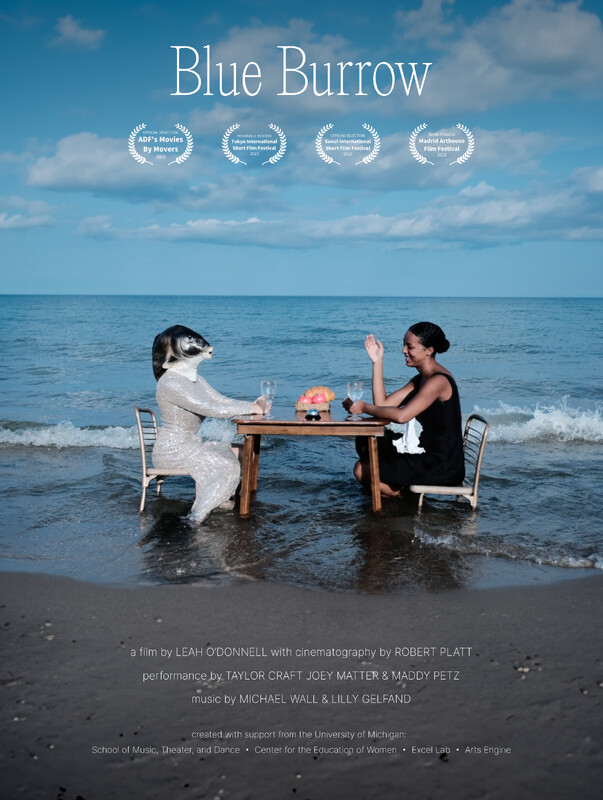
Short Film Review: BLUE BURROW. Directed by Leah O’Donnell

Synopsis:

Blue Burrow is a short movement based film fully immersed in the sun, sand, and water of Lake Huron. The shore is the meeting place for characters of different species, while the world underwater comes to represent the subconscious. Perspectives shift from fish to human to sun, and metaphors about our relationship to the natural world emerge.

Review by Parker Jesse Chase:

“Blue Burrow” is a mesmerizing short film in which transports its audience to the serene landscapes of Lake Huron, where elements of sun, sand, and water intertwine with the lives of humanity. Director Leah O’Donnell takes us on a visual journey in which seamlessly blends human nature to aquatic plantlike worlds, crafting a unique narrative that dives into exploring our relationship with the natural world.

The film begins with capturing the vulnerability of human nature when the camera provides an extreme close-up of a paddle boat as it gives way to a high-angle shot, symbolizing the emotional currents that bind us all. The connection between music and emotion becomes evident as the characters, dressed in intimate flesh-toned undergarments, engage in meaningful gestures of connection. These moments highlight the grounded relationships we build within the elements – water, sand, and seashells – underlining the primal human need for connection, both with each other and with nature.

The color blue, typically associated with melancholy, is transformed into a symbol of calmness and serenity throughout the film. The blue of the water and sky provide a soothing backdrop, fostering a sense of peace that resonates deeply. This multifaceted approach to storytelling mirrors our complex interactions with the world around us.

A standout scene that involves humans holding water plants in their own mouths as the audience is suspended in the aquatic realm, offers an elemental twist on the familiar image of human interactions with plants. This creative approach reinforces the interconnectedness of all life forms and introduces an innovative visual metaphor, deriving from inspirations from plant surrealist photographer Supinatra.

Leah O’Donnell’s direction and choreography expertly guide the cast through a fluid dance that bridges the boundaries between humans, animals, and nature. The film’s cinematography, under the skilled hand of Robert Platt, is nothing short of breathtaking. From the floating water mattress sequences to the challenging in the body of water shots, every frame captures the ethereal beauty of the lake and its counterpart surroundings.

The collaboration between Michael Wall and Lily Gelfand results in a musical score that is both emotionally evocative and healing. The classical compositions complement the visuals, guiding the audience through the emotional journey of the characters as they seek physical and emotional connections.

The film’s location, Lake Huron, becomes a character in itself. Its sun-drenched shores and shimmering waters provide the perfect backdrop for the exploration of human relationships and their ties to the environment. The film successfully marries experimental, surrealist and abstract elements with the grounded nature of its subject matter. In “Blue Burrow,” humanity’s innate need for connection and physical touch is portrayed with poignant sensitivity. O’Donnell’s masterful direction, combined with Platt’s cinematography and Wall and Gelfand’s music, create a symphony of emotions that resonates long after the credits roll. As the characters embrace elements of earth, they remind us of the natural world we are privileged to inhabit. This film is a beautiful ode to life, earth, and nature, an experience in which truly immerses the audience in the depths of our collective existence.

Project Links

Directed by Leah O’Donnell

Watch the Audience Feedback Video:

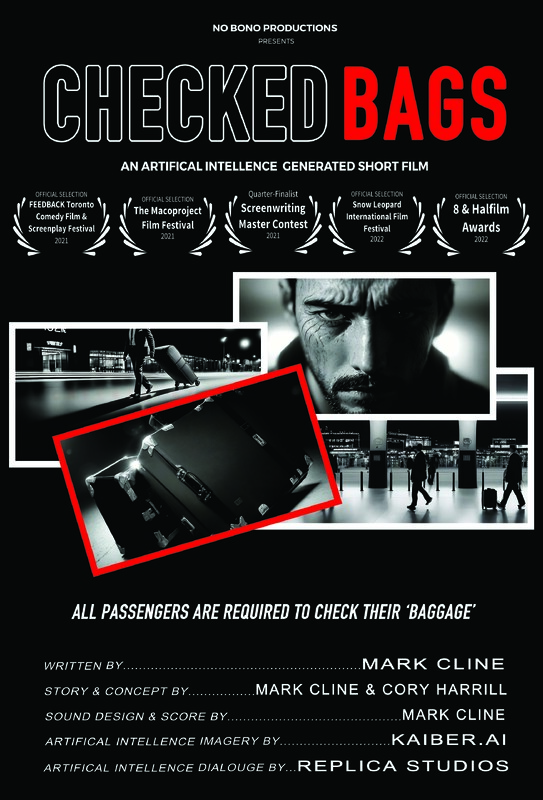
Short Film Review: CHECKED BAGS. Directed by Mark Cline

Synopsis:

A combat veteran is traveling by a civilian airline. The airline now requires all passengers to check their emotional baggage before boarding any flight. After checking his bags, the man experiences the serenity of becoming unburdened by the guilt and trauma that he carries inside all the time.

Review by Victoria Olson

Artificial intelligence is generating multiple conversations in the world today. The film CHECKED BAGS shows exactly what it looks like when it comes to filmmaking. The images are pristine as if an artist carefully designed every aspect of the frame. A soothing voice of a female British airline attendant opens the short narrative by explaining the process for her particular airline. This simple, but familiar voice instantly relaxes the viewer through the dialogue. 

The scene quickly changes to an artificially generated man who looks familiar, almost a blend of several popular actors, with a rough beard. The shots are rapid black and white images that represent the memories of this particular character. The quickness shows he is being forced to release his emotional baggage before the scene opens to a bright and colorful terminal. He is now relaxed and clean shaven, signifying that he has dropped his emotional baggage. 

The film is composed of still images giving the illusion of movement through the use of time-lapsed illustrations. This allows the film to progress rapidly in order to give an example of artificial intelligence to create a concept of what could eventually be a full film. The concept of using emotional baggage before being allowed to board a flight is unique, which makes this film almost a trailer for a longer film. The idea being presented is clear and could be made into a feature film that would leave the audience feeling relaxed by the end. The tone is already there in the brief concept that artificial intelligence created and it would be wonderful to have people take over a feature in order to bring the idea of checking emotional baggage to a longer film. 

CHECKED BAGS is a great film to see what artificial intelligence can do in regards to film without overstepping the boundaries of the need for human creations. It was designed using both AI and humans to create the short, showing how both can work together to create a concept while bringing up a dialogue about what the world would look like if people could check emotional baggage. 

Project Links

News & Reviews

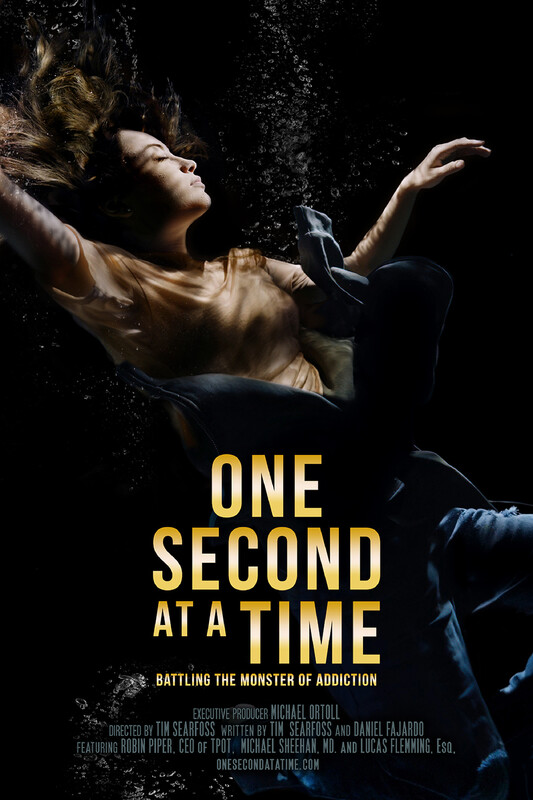
Feature Film Review: One Second at a Time: Battling the Monster of Addiction

Synopsis:

A powerful documentary about a father and the resilience of his daughter Christine Ortoll as she confronts mental illness, addiction, and the transformative power of support. Through her personal journals and the unwavering dedication of her loved ones, witness a journey of hope and the creation of a meaningful legacy by her father.

REVIEW by Andie Karvelis

Just saying this film is an honest and heartfelt look at addiction doesn’t do it justice. This is a film about family, about love, about wanting to escape your personal pain and finding yourself addicted to a substance that takes over your life. It’s a story about Christine Ortoll and the family and friends who love her.


Before I say anything about Christine, we need to talk about someone else. Tim Searfoss. “Who’s that?” -I’m sure you are wondering. Tim is the genius who not only directed the film but was the Director of Photography, and wrote this film with Daniel Fajardo. They took Mike and Kim Ortoll’s memories of their daughter, Christine and created a film that makes the viewer feel part of the Ortoll family. From the first few moments of underwater photography, you know this isn’t your average film. It’s beautiful, but haunting and it sets the tone for the story you are about to uncover.


By the time we see Mike Ortoll, we are already invested in him and his family. Mike is responsible for the voice over we are hearing. A voice filled with warmth and sadness, yet an undeniable strength. His candor during his interviews was something that often had me wiping away tears.


Then Tim and Daniel really elevated things (and proceeded to rip my heart out). They cleverly hired actors to portray Christine, her family and friends. Now you are seeing these memories relived and such incredible actors that brought them to life! Christine was portrayed by Sienna Hall as a child and as an adult by Beatriz Ochoa. John Hardy portrayed Mike and Christine’s mom, Kim, played by Tracy Reynolds. Each actor was so incredible and delivered a performance that was nothing short of perfection.


You may think this sounds like it’s a sappy, tear-jerker of a film, it’s NOT. Not by a long shot. It’s incredibly educational as Mike takes you through rehabilitation and what to look for, interviews with therapists and even Mike talking on zoom to a high ranking member of a drug cartel.

The willingness in which Mike shares Christine’s story and how Tim Searfoss presented that story is as if he bottled empathy and infused it into this film. I could go on and on about why I think everyone needs to watch this film but I don’t want to bore you. I will say this, I think this film can help others who have a loved one battling the monster that is addiction…Rest in peace, Christine. You will be missed.

Project Links

Directed by Tim Searfoss