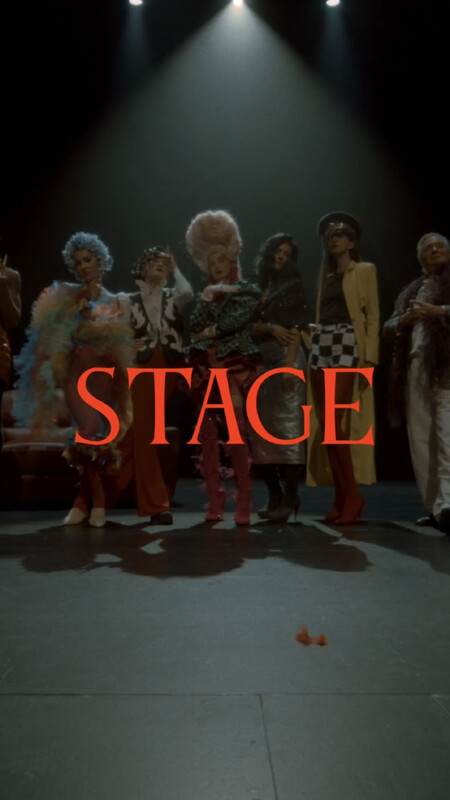
“The Stage” – follows a young girl’s visit to a theater, where she is enchanted by everything, from the grand entrance to the velvet seats. Her innocent perspective is challenged when she accidentally enters the performers’ dressing rooms and witnesses their raw emotions. This thought-provoking art-house film explores how this experience alters her view of the world.
Review by Parker Jesse Chase:
“The Stage” is an art-house short film that captures a young girl as she explores the enchanting and eerie world within the theater stage. The film’s cinematography is both engaging and elemental, playing a crucial role in immersing the audience to join in on the girl’s experience.
The opening scene, with its 360-degree shot that transforms a stagnant chandelier into a spinning spectacle, sets the tone for the film, leading us seamlessly to the girl spinning on the floor—a visual metaphor for her descent into the surreal world of the theater.
The film excels in its use of camera movement, particularly in the dolly track shot that draws the viewer closer to the stage, focusing our attention on the performers. Each character is meticulously designed, striking, and memorable, contributing to the film’s overall visual impact. The young girl’s immersion in this theatrical experience is initially magical, but as the story progresses, a creeping sense of unease takes hold, hinting at the darker undertones that exist beneath the narrative.
As the girl inadvertently enters the performers’ stage or dressing room, she witnesses their raw, unfiltered emotions, leading her to question the nature of the world she inhabits. The film deftly shifts from the enchanting to the unsettling, culminating in a chilling realization that the theater may be a representation of hell itself. The final reveal—that the grand theater is, in reality, an abandoned, graffiti-covered buildin —forces the audience to reconsider everything they’ve seen. Are these performers the ghosts of the past, or is the theater a manifestation of the internal hell we all carry?
The film is a dazzling blend of beauty and darkness, using its artistic vision to juxtapose the two in dramatic fashion. The lighting, color schemes, and wardrobe choices are all meticulously crafted, highlighting what needs to be seen while allowing shadows to play with the imagination. The visual storytelling is poetic and biting, exploring themes of power imbalances, political ties, and societal injustices through a surrealistic lens.
“The Stage” masterfully uses subtle movements and thoughtfully composed shots to create art within every frame. The concept of showcasing the variety of human experiences—hunger, addiction, violence, and despair—through the eyes of a child watching a heightened theatrical performance adds a layer of complexity to the narrative. The film’s satirical take on excess and gluttony, reminiscent of the extravagance of the Capitol in “The Hunger Games,” underscores its critique of societal issues.
One of the most haunting sequences involves a puppeteer, where the eerie laughter and the dreamlike quality of the scene blur the line between reality and fantasy. The backstage moments, where performers reveal their true selves behind masks, yet remain voiceless, further enhance the dreamlike, almost nightmarish atmosphere of the film.
“The Stage” is a visual feast that challenges its audience to question the nature of reality, the roles we play in life, and the masks we wear to hide our inner turmoil. It’s a film that lingers in the mind, leaving viewers to ponder whether the theater was a glimpse into a fantastical world or a reflection of the hellish reality we often overlook.
Project Links
 Festival Reviews