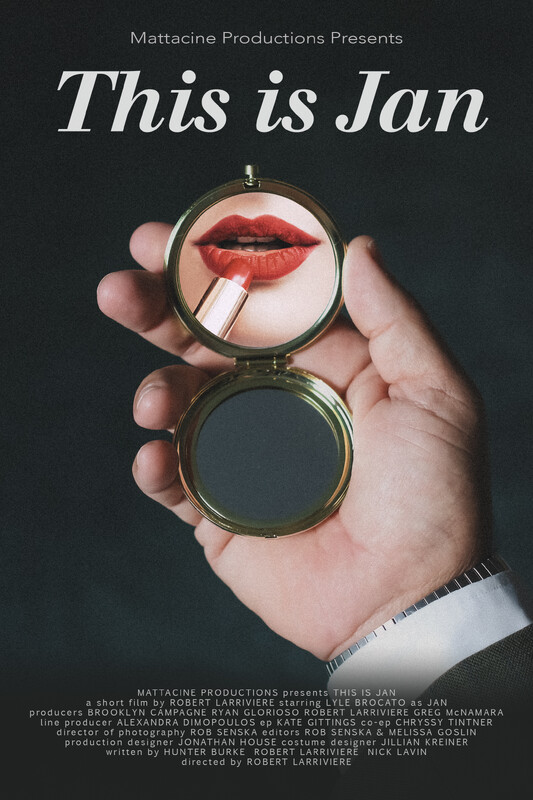
Alone in a hotel, Jan has the solitude and freedom to shed the identity imposed on them by the tight constraints of the era’s societal norms. Relieved of that burden, Jan relishes the opportunity to transform into the person they believe they truly are. Bolstered by newfound confidence, they push their own boundaries, only to discover that nothing is as it seems. When compelled to decide between what the world expects of them and who they want to be, Jan embraces who they truly are.
The short film “This is Jan” is a moving tribute to the joy that can result from truth and liberation.
The performer playing the central character of Jan is remarkably sensitive, able to move from caution and hesitation to nervous excitement, to full-blown delight.
The premise of the narrative is highly satisfying, as Jan sheds the facade of the suit, and all its trappings. It is a genius cinematic choice when a harsh, judgemental blurred character of self-talk becomes no more than this oppressive suit, which in turn is rejected for freedom. Speaking of clothing, the 1950’s wardrobe is consistently well-researched and accurate across the board, as is the lavish hotel setting and the various props such as radios, telephones, and handbags of the period. The inquisitive camera gets right in there, with extreme close ups of Jan’s expressive face and emotive fingers reaching for the lovely, deliberately chosen fashion items.
This film is a testament to the courage required of those who reveal their true selves to the world and the joyfulness and relief that can result from this revelation.
This festival is an extension to the popular Feedback Festival in Los Angeles and is designed to showcase the best of Latino stories from around the world. We accept screenplays (short, TV Pilot, feature) and short films from all corners of the world. !
1st Tier: FULL FEEDBACK on your screenplay (all submissions)
2nd Tier: Accepted scripts (25% on average of submitted entries) get a best scene of their screenplay performed by professional actors and made into a promotional video.
3rd Tier: We will send you a list of questions to answer for our blog interview that will promote you and your film.
4th Tier: Then we will set up a podcast interview on our popular ITunes show where will we will promote the winning writer and script.
(BONUS: 5th Tier. A winning screenwriter’s WhatsApp group has just been formed. Over 50 writers to date. Great way to share ideas and contacts with people in the industry.)
What this festival does is give the writer exposure. With our best scene video reading, plus the 2 interviews, this festival simply makes the screenwriter’s name and script searchable and out there to the world. Plus, submissions receive full feedback on their script no matter what.
All of these festivals have a FREE option to submit to, with awards and prizes given out for each festival.
NOTE: These festivals also have options for Guaranteed Acceptances, plus Screenplay Festivals where each scipt receives full feedback from the industry!
This festival is designed to showcase the best of LGBTQ+ stories from around the world today! We accept screenplays (short, TV Pilot, feature) and short & feature films.
Submit via FilmFreeway:
Festivals occur every single month. We accept an assortment of shorts & feature films from around the world today monthly. We are proud to announce that we will be using the audience feedback format where all accepted films receive a video of people talking about their film at the festival. Excellent video to use for promotional purposes too. NOTE: To enhance the feedback video for the filmmakers, all festivals are held for a private selected audience only.
Screenplay Festivals:
We are proud to showcase 2-5 winning LGBTQ+ screenplays at our festival every single month!! Go to the site and watch the winning readings each month.
All entries receive full feedback from the industry. Accepted screenplays get their screenplays performed by professional actors.
One of North America’s leading gay destinations, Toronto has been holding Pride observances since the ’70s. The Pride parade draws more than 1.2 million spectators and participants annually, making it one of the top such draws in the world. The cinema is located in the Church & Wellesley area, where all of the Pride Events take place.
LGBTQ+ festivals occur 12 times a year. Go to the website for information on the next events.
All submissions receive feedback on their film no matter what.
PROHAIRESIS, 13min., USA Directed by Rebecca Arends
A 13 minute dance film featuring four female dancers filmed in four international locations and an all-female string quartet filmed in Chicago. The dance is based on Stoic philosopher Epictetus’s concepts surrounding the faculty of choice, moral character and volition.
Hannah Ehman chats with dancer/actor Mary Kate Sheehan about her career and working on the short film PROHAIRESIS.
Go to the Daily Film Festival Platform http://www.wildsound.ca and sign up for the free 7 day trial to watch a new and original festival every single day.
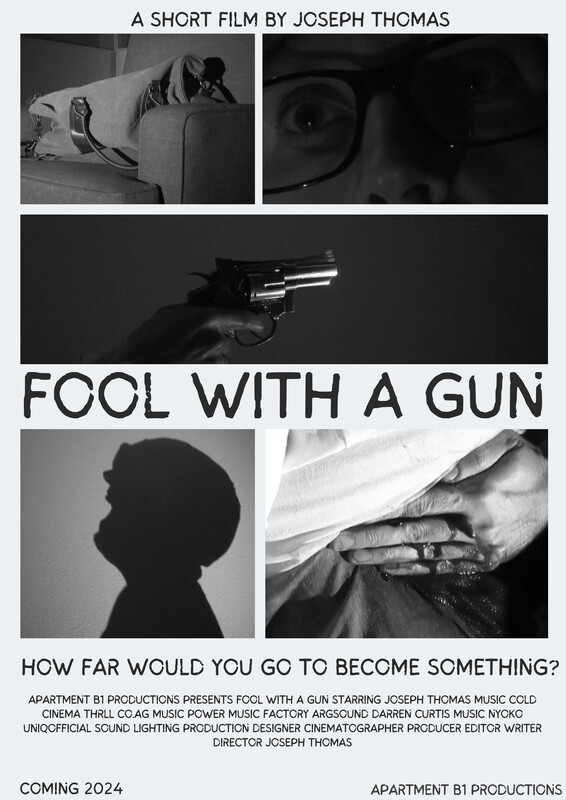
FOOL WITH A GUN, 23min., USA Directed by Joseph Thomas An unknown Fool returns to his residence with a gunshot in his stomach and a mysterious bag. His entire day is shown and it is revealed why he took such a dangrous risk to finally become “something.” joseph – joseph_lawson1702@yahoo.com
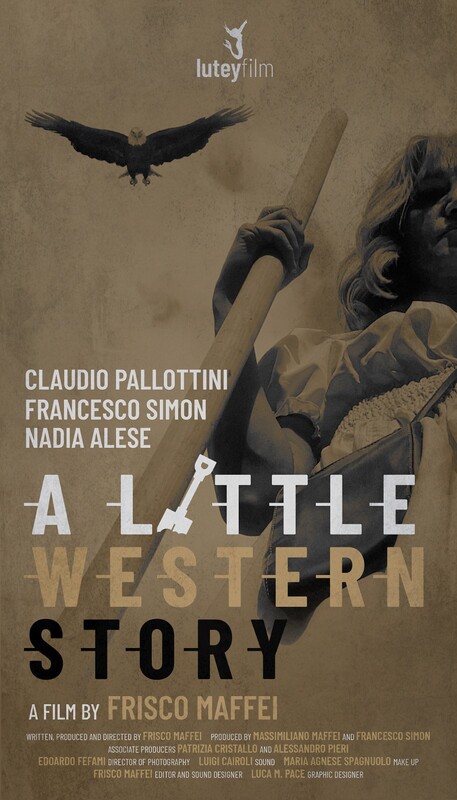
A LITTLE WESTERN STORY, 13min., Italy Directed by Francesco Maffei Two Cowboys walk under the sun, one of them holding a showel. When they get close to a cliff, they start digging a hole in the ground, but someone is lurking and watching them from above…
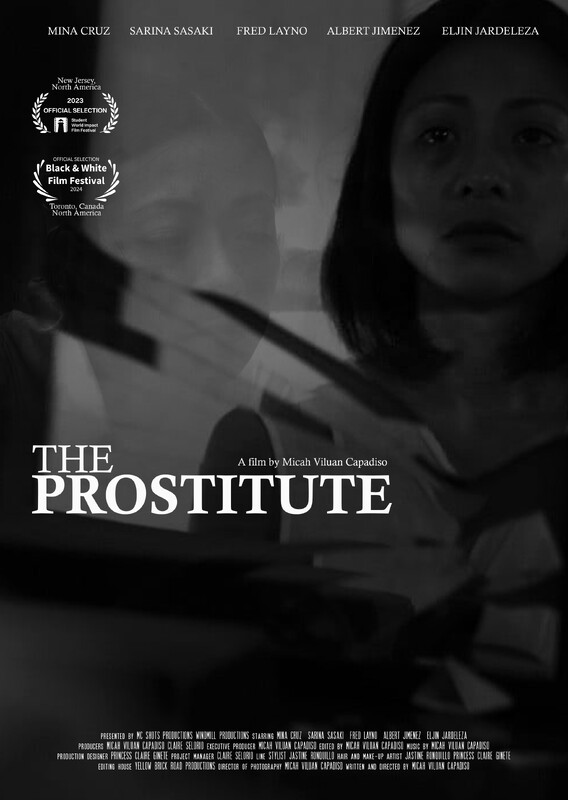
THE PROSTITUTE, 25min., Philippines Directed by MC Viluan Capadiso A Japanese Prostitute, who is an immigrant here in the Philippines. She’s having dreams about neon lights that give her the sense of freedom and importance.
Black / White & the “Other Colours”, 4min., Turkey Directed by Doga Yilmaz A man gets ready to go out. When he steps outside and integrates into society, he becomes a different person. While walking, he sees a woman he knows, and both of them pause, exchanging a gaze before continuing on their paths. When they turn back and exchange glances again, the man changes.
FEREYDOUNS SONS, 7min., Iran Directed by Hossein Moradizadeh Fereydoun divides his lands into three parts and gives each one to one of his sons. Salm is the land of Arabs and Romans, Tur is the land of Turks and China, and Iraj is the land of Iran.
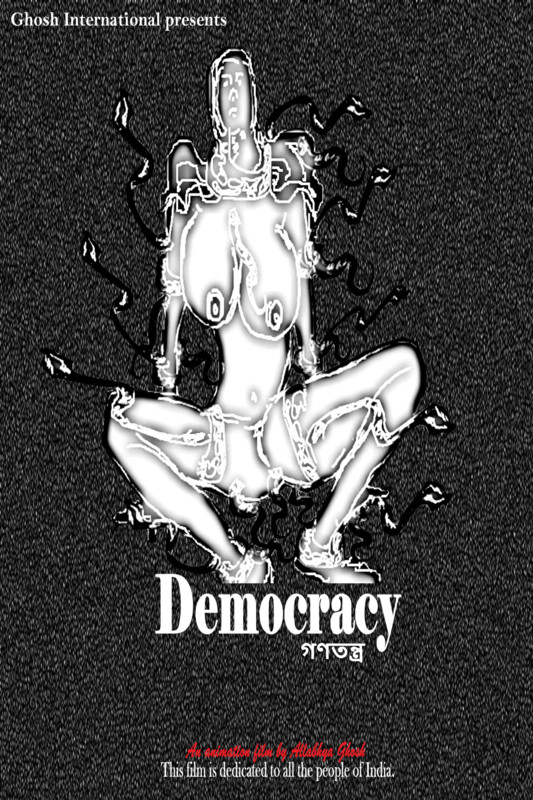
DEMOCRACY, 10min., India Directed by Allabhya Ghosh By using the symbol of a wall fan; This film is convincing the modern situation of India, a large democratic country.
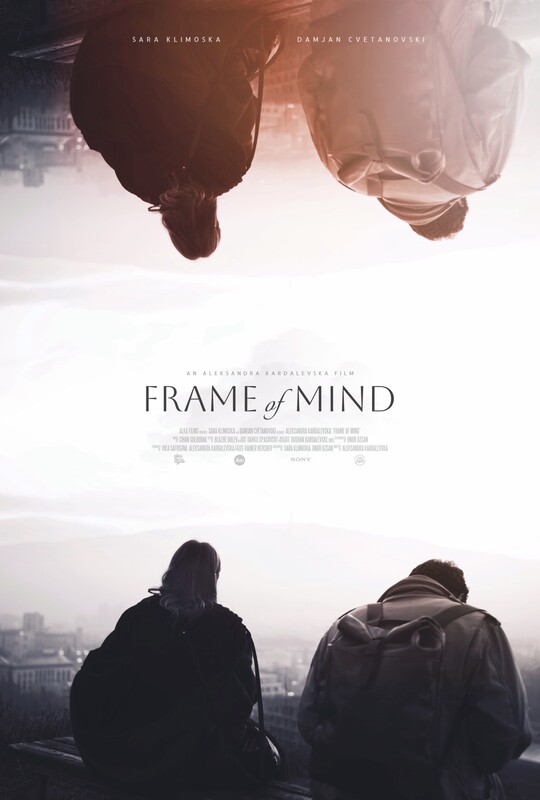
FRAME OF MIND, 6min., North Macedonia Directed by Aleksandra Kardalevska In the heart of an old city, a photographer’s chance encounter with a mysterious girl leads to a night of shared intimacy and connection, but as morning breaks, it exposes a hidden truth, casting shadows on their romance.
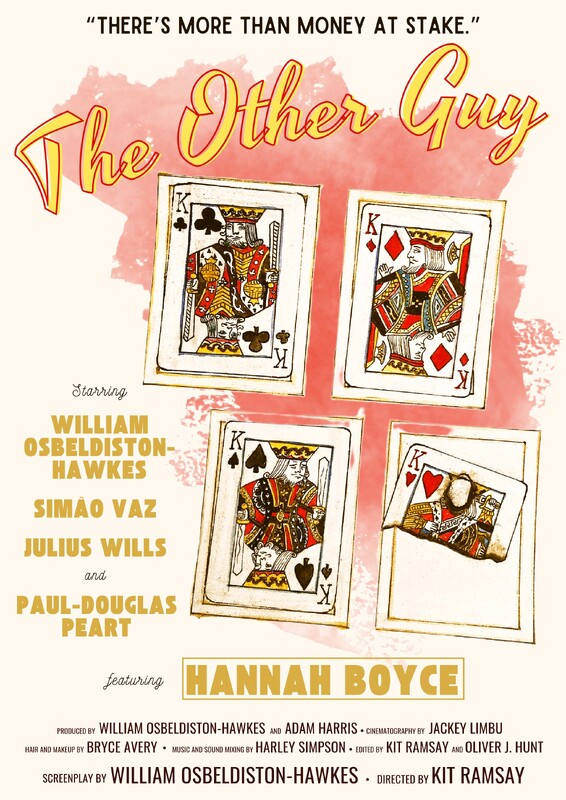
THE OTHER GUY, 16min., UK Directed by Kit Ramsay Peter gathers his three closest friends for a poker night. Their first gathering since he recently became single. The existing tension between the group quickly thickens when Peter not only learns they all attended a party his ex was also present at, but also senses there’s something about that night they’re trying to hide. He starts seeking the truth of what happened. Though he is guarding a secret of his own.
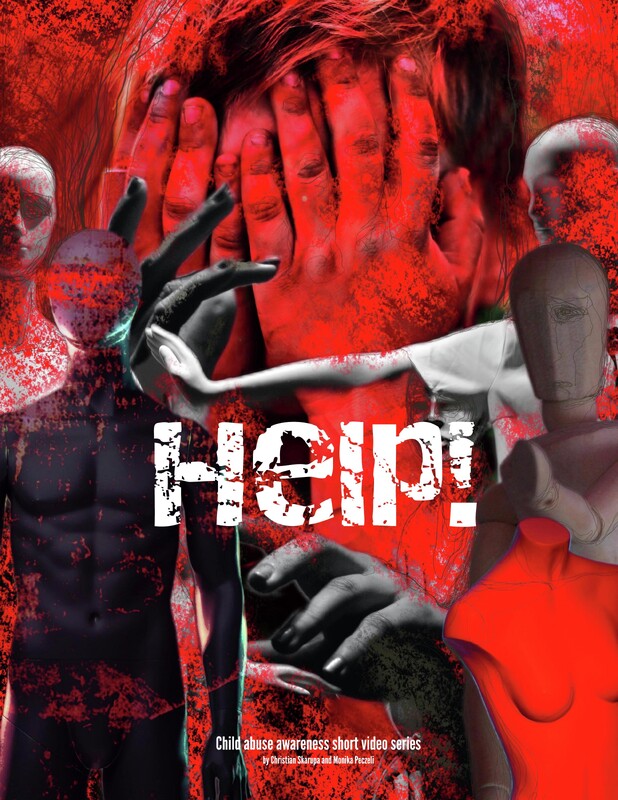
Child abuse awareness short video series by Christian Skarupa and Monika Peczeli. The short film HELP! was based on the idea of high school student Christian Skarupa. “We created these clips to spread awareness and be the voice for those who suffer from violence in silence.”
Review by Julie Sheppard:
This brilliant short, Help!, is only 24 seconds in duration, but it is able to present the horrors of child abuse in a stark, succinct manner. Within the first few frames, we get to see the work of a talented sketch artist, who creates the face of a terrified child. Equally unnerving are the many blurry red eyes and an ominous flat line, also in bloody, bright red.
Glitchy recurring images underscore, for me, the unpredictable nature of child abuse – shadowy human monsters can reach out to grab their victims, and fearsome toothy mouths can scream and belittle — with no notice, at any time.
The wistful piano refrains, disconcerting percussion, muffled deep voices and screeching sound effects all add to the frightening essence of the piece.
One of the final images of a small, traumatized child, seemingly embraced by two rescuing hands, cleverly coincides with the urgent message to assist these young ones. Without a single word, these 24 seconds are enough to spur good-hearted people – who care about protecting children from violence – to action.
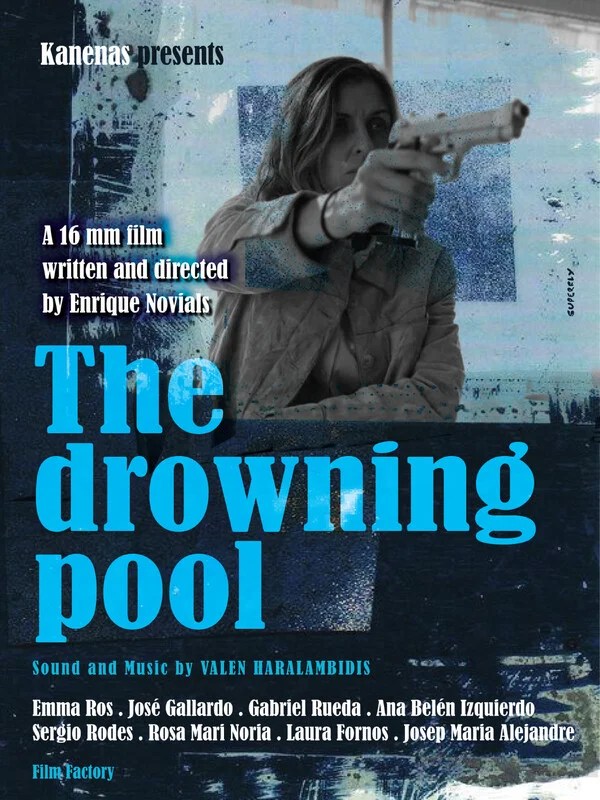
Ariadna, a former police officer, is now a detective shocked by the recent death of her mother due to Covid. In the midst of this, she must find a child who has been kidnapped after school.
Review by Parker Jesse Chase:
“The Drowning Pool” sets the tone for a haunting exploration of desperation, loss, and moral ambiguity in the wake of a global crisis. Set against the bleak backdrop of the pandemic, the film follows Ariadna, a former police officer turned private investigator, whose world has been upended by personal tragedy and economic strife.
From the opening scene, the film establishes a melancholic tone. The image of Ariadna swimming toward the camera, her face marred by running makeup, instantly signals the emotional turmoil that drives her character. This striking visual metaphor of drowning—both literally and figuratively—captures the essence of a world where survival is a daily battle. As she takes swigs from a flask while sitting in her car, we sense her unraveling.
The narrative unfolds as Ariadna embarks on a mission to locate her kidnapped nephew. The film artfully intertwines her personal grief with the broader societal chaos, presenting the kidnappers not as mere villains, but as desperate individuals pushed to the brink by their circumstances. Their motivations –rooted in financial desperation—resonate powerfully in a world grappling with unemployment and economic hardship. This nuance is one of the film’s strongest aspects, reminding us that in dire times, moral lines can blur, and good people can make bad choices.
Ariadna’s confrontation with the kidnappers is tense and poignant. Rather than resorting to the law, she chooses to extend a lifeline, offering them job leads instead of turning them in. This decision highlights her complex character: she is haunted by her past, but seeks to find humanity even in those who have wronged her. It’s a testament to the film’s exploration of empathy in a fractured world.
As the story progresses, moments of reflection—like Ariadna’s solitary time by the dock, reminiscing about her mother—provide a deeper insight into her psyche. These scenes are beautifully shot, capturing the serene yet sorrowful ambiance of the setting. They serve as a reminder of what has been lost and what remains to be fought for.
The cinematography deserves special mention; the film’s visual palette, with its nostalgic filter, enhances the emotional weight of the story. Each frame is meticulously crafted, immersing the audience in a world that feels both hauntingly familiar and unsettlingly bleak.
“The Drowning Pool” transcends its compelling drama narrative to touch on universal themes of loss, survival, and the moral dilemmas we face in trying times. Novials’ direction, coupled with a powerful performance from the lead, creates a poignant reflection on humanity’s struggle against the tide of despair. This film is a must-watch for those seeking a story that resonates deeply in a world still grappling with the aftershocks of a pandemic.
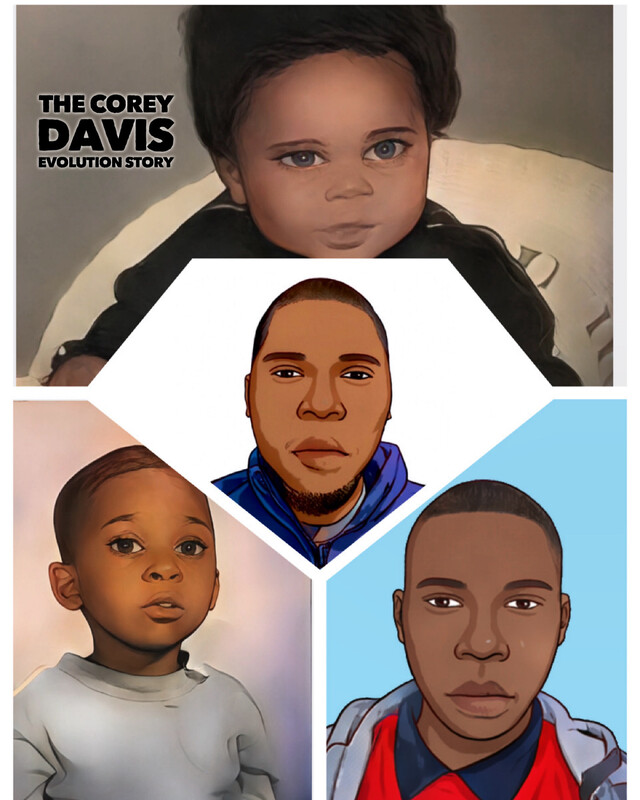
The metamorphic journey of Corey Davis, a young filmmaker as he reflects on a decade of his career. Through personal anecdotes and behind-the-scenes footage, the documentary highlights his creative growth and challenges, showing essence of his passion.
This documentary from the USA, The Corey Davis Evolution Story, provides an inciteful look at the life of a talented and sensitive young filmmaker. It neatly follows a consecutive timeline, from his birth until this year. We get an intimate view of his ups and downs and of his relentless patience and determination. He aims to make a positive difference in the lives of the students at his tumultuous high school, and then breaks free of his small-town life by going away to college film school, finally meeting some artistic kindred spirits. I thought that the film does an excellent job allowing us to see his transition from his earlier films showing the world the way he wanted it to be, to newer works showing the world as it actually exists.
Many of his comments about his career up to now are made from a comfortable sofa at his family home. This setting allowed me to focus on, without distraction, his experiences to date, and marvel at his wisdom — beyond his years — as he urges viewers to believe in themselves and to strive for their dreams, often against all odds (such as dealing with alienation and fear during Covid).
The importance of his dreams is underscored by the narrator, whose impassioned voice assists in heightening Corey’s emotional stakes. It is helpful to see so much video footage of his work as a youngster, all the way up to the current day, revealing his artistic development and maturity.
The soundtrack, consisting of gentle piano and other light instrumentals does not distract, but complements his chill, relaxed demeanor for most of the film. I also appreciate the various computer-generated images here and there to underscore his ideas, in addition to being presented with several impressive animation films of his own creation.
This evocative piece would be highly suitable for other young filmmakers at the outset of their careers, to give them motivation and hope.
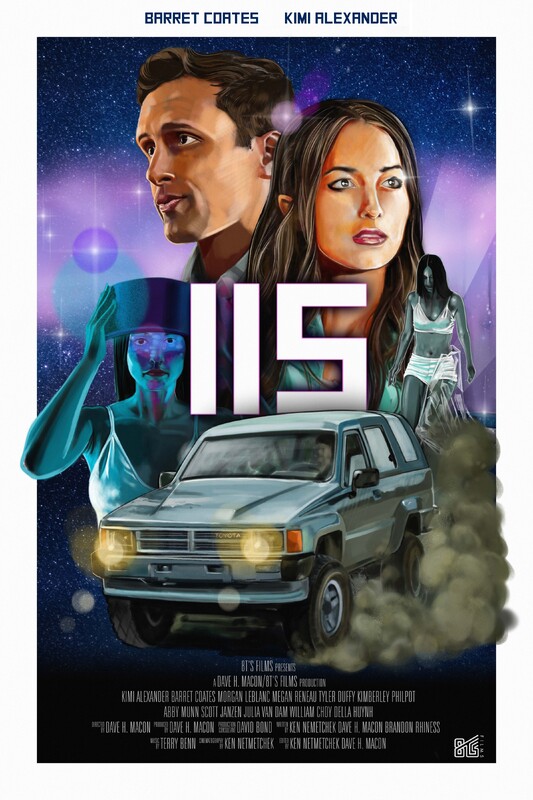
In the ’80s, alien Emily crash-lands near the quaint town of Stony Plain, desperate to find the enigmatic fuel “115.” Stuck in a reverse time loop, she relives her mission daily, struggling to blend in while searching for the elusive substance. Every morning, kindhearted JT offers Emily a ride, and she glimpses something special in him that others overlook. As her encounters with the townsfolk spark hilarious misadventures, she unexpectedly finds love with JT, navigating the complexities of human behavior and dodging jealous Catherine’s advances. Faced with the reality that her salvation lies not in “115,” but in the bonds she’s formed, Emily must choose between her mission and the romantic connection that could break the cycle. A heartwarming, retro sci-fi rom-com that explores love’s power to transcend time and space, and why it takes more than a day to truly fall in love
“115”, the Canadian rom-com with a sci-fi twist, takes you on a satisfying trip down a “quantum tunnel of love”. The non-linear structure is captivating, and gives real homage to such film classics as “Groundhog Day” and “50 First Dates” with its own quirky “Letterkenny-style” sense of Canadian humour, set in rural Alberta.
There was a clear juxtaposition between the pristine, sterile Star Trek-like alien craft and the warm scenes of a small town, including a local pool hall, dusty roads, and an outdoor keg party — complete with torches and a campfire — at a farm.
It was clearly apparent that all the cast members were enjoying this project to the fullest, and were quite convincing. The two main characters were of special note. Emily’s arc was dramatic, moving from a somber, jerky-moving robot to a fully fleshed-out, graceful character infused with emotion. J.T., though not requiring as much of a character arc, definitely transitioned from a goofy heartthrob, to a more thoughtful romantic lead, grounded in reality.
Filmic elements that heightened the sci-fi flavor of the film were the use of stylish outer space CGI, and a crisp, computer-like voice over. The 80’s-styled wardrobe and tunes were fabulous, exposing my age, by bringing me back to my teenage years! It was a big relief to see Emily reach the end of her tunnel, as true love becomes her fuel.


 Festival Reviews