I’m a moviemaker, not a documentarian. I try to hit the truth.
A friend of mine says, “Art’s like a shark. You’ve got to keep swimming, or else you drown.” Keep bouncing around. People always ask me, “What’s the plan?” There is no plan. I go to what fascinates me next.
When I first said I wanted to make a film about Rome and cast Russell Crowe, everyone had a good old snigger. I thought, “You wait.” They’ve done the same with Kingdom of Heaven (2005) and Orlando Bloom. I now say, “Take a look at this.”.
Balian [Orlando Bloom‘s character in Kingdom of Heaven (2005)] is an agnostic, just like me. I am not fighting another holy war here, I am trying to get across the fact that not everyone in the West is a good guy, and not all Muslims are bad. The tragedy is that we still have a lack of understanding between us, and it is 900 years since the Crusades. We have never truly resolved our differences.
Audiences are less intrigued, honestly, by battle. They’re more intrigued by human relations. If you’re making a film about the trappings of the period, and you’re forgetting that human relationships are the most engaging part of the storytelling process, then you’re in trouble.
Show business is great, but when you’re in a movie that made more than $120 million, the perspective changes. I’d never had the experience of being in a movie that so many people found funny. After the enormous success of There’s Something About Mary (1998), I was able to command much more money and I got recognized more. But the reason for all this is only because the movie made money, not because I’m any more talented or better looking.
Every actor is out there trying to get parts, auditioning, going to acting class and creating a network of people who are in the same position you are. I couldn’t sit around and wait to get work, because it wasn’t happening. I would just try to create my own projects with friends who were filmmakers.
I think most actors have incredibly big egos, but they’re also incredibly insecure. That’s a bad combination. I include myself in this group. For whatever psychological reasons, we want and need approval from everybody in the universe, though we also think we’re totally unworthy of it. We need to validate ourselves through our work.
(On his most memorable pre-acting job) For a summer I was a busboy and waiter at a place in New York called Cafe Central, which was a hip, trendy restaurant in 1985. First I bused tables and was really bad at it. I’m clumsy at carrying plates and glasses. You had to have a swiftness and a facility for carrying stacked objects. That wasn’t me. I was interested in who was coming in, because it was an actor hangout. I would want to see who was talking to whom and what they were saying – basically, stuff you shouldn’t do as a person of service. Dudley Moore came into the restaurant and I was really interested in what he was saying. I kept going over to make sure that he and his companion had enough coffee and that their plates were cleared. I think I really annoyed him. I kept changing the ashtrays with that move where you put the clean ashtray over the full ashtray and remove both and put back the clean ashtray. I think I did that one time too many. Then I became a waiter there, and dealing with orders and the kitchen was worse. It prompted me to get acting work.
[in 1977] This year I’m a star, but what will I be next year? A black hole?
On the plus side, death is one of the few things that can be done just as easily lying down.
[asked if he liked the idea of living on on the silver screen] I’d rather live on in my apartment.
[on films] I can’t imagine that the business should be run any other way than that the director has complete control of his films. My situation may be unique, but that doesn’t speak well for the business–it shouldn’t be unique, because the director is the one who has the vision and he’s the one who should put that vision onto film.
Basically I am a low-culture person. I prefer watching baseball with a beer and some meatballs.
There are worse things in life than death. Have you ever spent an evening with an insurance salesman?
Money is better than poverty, if only for financial reasons.
I do the movies just for myself like an institutionalized person who basket-weaves. Busy fingers are happy fingers. I don’t care about the films. I don’t care if they’re flushed down the toilet after I die.
Most of the time I don’t have much fun. The rest of the time I don’t have any fun at all.
[on working with Martin Sheen on Badlands (1973)] Martin Sheen was extraordinary. He’s a very gifted man. He’s from a working class family, so he had all the moods down for the film. And when he wasn’t before the cameras, he was helping in the background, wrapping cables, packing up light reflectors. One day I found him going around a gas station and picking up aluminum snapback lids from soda cans. He knew they didn’t exist in 1959.
[on The New World (2005)] I knew it would have a slow, rolling pace. Just get into it; let it roll over you. It’s more of an experience film. I leave you to fend for yourself, figure things out yourself.
[on his future] There’s a good many pictures I’d like to make, we’ll see how many I’ll be allowed to make.
[on his methodology] I film quite a bit of footage, then edit. Changes before your eyes, things you can do and things you can’t. My attitude is always let it keep rolling.
[on the cinematography of Days of Heaven (1978)] With Néstor Almendros, we decided to film without any artificial light. It wasn’t possible in the houses at night, but outside, we shot with natural light or with the fire. When the American team was saying, ‘This is not how we should proceed,’ Nestor Almendros, very courageously insisted. As we filmed, the team discovered that it was technically easier, and I was able to capture absolute reality. That was my wish: to prevent the appearance of any technique, and that the photography was to be processed to be visually beautiful and to ensure this beauty existed within the world I was trying to show, suggesting that which was lost, or what we were now losing.
Democracy should be practiced not every six years, but every day.
Talent survives and remains while beauty is diluted.
Histories are to educate, so that we understand better for ourselves and for motivation.
I believe fervently in the nature, in truth and imagination, I believe in the blood, in life, words, and motivations.
I think we’re all political, in a way. What has happened recently in my case is that, fortunately, I’ve been able to get more in touch with the things I can change and do.
I must say Jack Palance was a drag. We were together in The Silver Chalice (1954). The way he did his work was strange. He was a weird actor and I didn’t like working with him at all.
[on Doris Day] I loved working with her. We used to call her Miss Sparkle Plenty because she was so vivacious.
James Cagney was the most dynamic man who ever appeared on the screen. He should have won five Oscars, he was so fabulous. He stimulated me to such an extent. I must say that I didn’t have to act very much; I just had to react to him because he was so powerful.
[on Alan Ladd] And I worked with Alan Ladd who, along with Gregory Peck, was my favorite leading man. He was a beautiful man, charming and gentle, and I think, of all my leading men, he worked best with me.
[on how she met her husband, Michael O’Shea] He just sat there watching me, and then he walked right up and kissed me.
I was a better actress than I was given credit for. I know that for a fact. But you get stamped . . . categorized as pretty, a beauty, shapely . . . and you’re just stamped for life.
Working with comedians like [Bob Hope] and [Danny Kaye] taught me timing, pace and fine points of acting I never would have learned otherwise.
The blacklisting that took place in Hollywood was slightly different than how you hear of it today. There was a genuine Communist threat in this country and there were Communistic actors, directors, screenwriters and producers in Hollywood trying to grab control of the industry and use it for their own end, which was to spread Communist propaganda throughout the country and the world. The system used to get rid of the Communists was bad. Joseph McCarthy and his methods were a little cruel and drastic. But the Communist danger was there. And it has grown.
[on having to wear the same wardrobe all season on 24 (2001)] I feel like I’m one of The Simpsons
I believe not giving up on doing things.
I was lucky . . . [in Los Angeles] I found what I wanted to do when I was 11.
[on The Girl Next Door (2004)] I don’t ever want to be doing the same sort of thing, I never want to be typecast, because I have way too much to give to be sort of, to always be the hot chick in the movie.
I definitely believe in fate. And I believe what you put in is what you get in return. That’s the way it’s worked for me. As for the big picture–there’s some sort of plan.
[asked about moving from Montreal to Los Angeles at age 17] I just went with my gut feeling and thought that if I care this much about what I’m doing, then maybe there are opportunities elsewhere and I’d be stupid not to give it a try.
[on her performance in a Weezer video] I remember just sort of thinking, “I’m not going to get to do this too, too often”, so I just went crazy and threw alcohol around. I was acting ridiculous and screaming at everybody and throwing a fit.
[about moving back to Montreal] With friends and family in Montreal, it’s always in the back of my mind. I like going back. I miss the nightlife. It’s such a great city. I’ve been a lot of places in the world, and I’m sure I’m biased because I grew up there, but I love it.
I love the fashion world. I love clothes. I love style.
After everything happened, we all got super tight. I can’t deny it. We all just love each other. James Garner and David Spade came on and we fell in love with them too. We’ve just become a family all over again. We don’t want to lose anyone again.
Finally, there was a moment when it just hit me. John [Ritter] wouldn’t want me to sit on my butt for the rest of my life feeling sorry for myself or sorry for him. As cheesy as it sounds, he would have wanted us to go on.
For me, what I really want to come out of it is to show people that I can hold together a movie, be the number one character and play someone who is twenty or twenty-one.
I will always be the way I was a couple years ago before anything happened. And that’s to my parents’ credit, my amazing parents who have been around me my whole life and raised me right. I’m very happy with what has happened so far.
John [Ritter] was the smartest and most amazing comedian I’ve ever worked with. I think more than teaching me about acting or comedy, he taught me about life and the love of people and respect of people.
My whole family actually, but my parents. I had such a normal and amazing childhood. I’ve been so lucky. My parents are cool and normal. They don’t talk about the business and I still have stuff to do at their house.
My screenplay is about the Hulder, a mystical human-like creature with a cow’s tail, famous from Norwegian folklore, who has to go to Earth on a dangerous mission to con an orphan teenage boy in order to save her young brother from dying.
What genres does your screenplay fall under?
Adventure/Fantasy (low fantasy)
Why should this screenplay be made into a movie?
Because it is an action-packed story centred on making impossible choices, woven into a layered mystery where nothing is as it seems.
Go to the Daily Film Festival Platform http://www.wildsound.ca and sign up for the free 7 day trial to watch a new and original festival every single day.
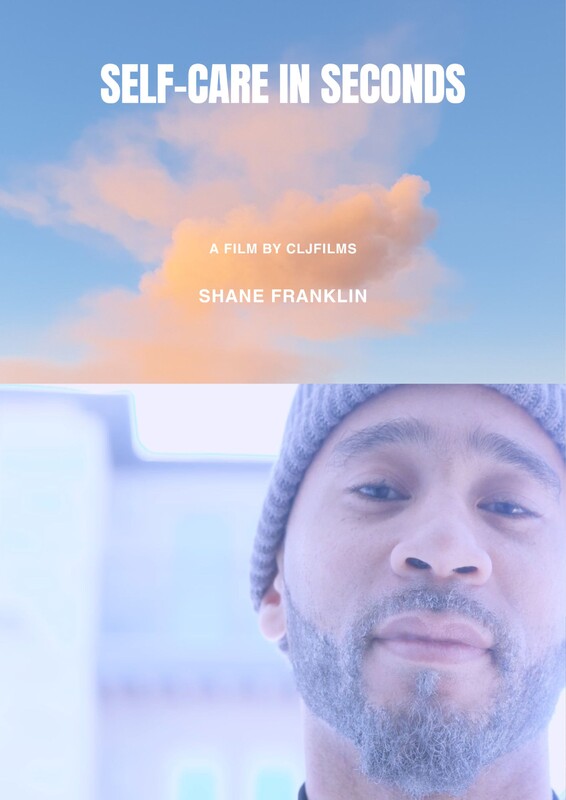
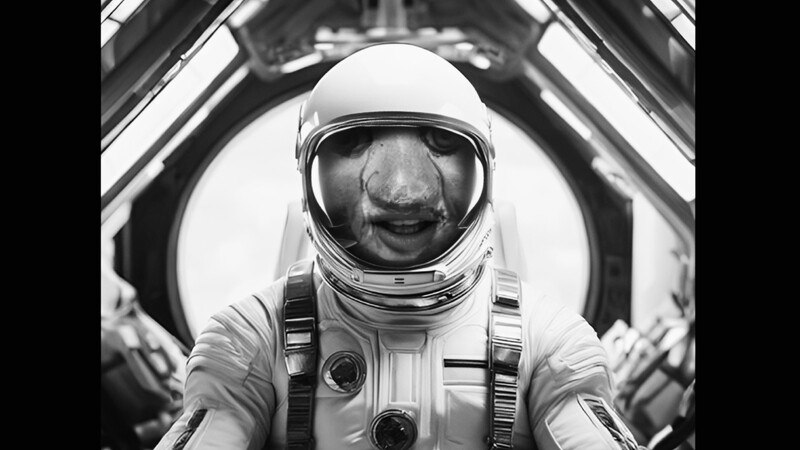
SELF-CARE IN SECONDS, 15 seconds Directed by Curtis Johnson The film tells the story of a character’s surprise visit from their future self, bringing a message of hope and redemption.
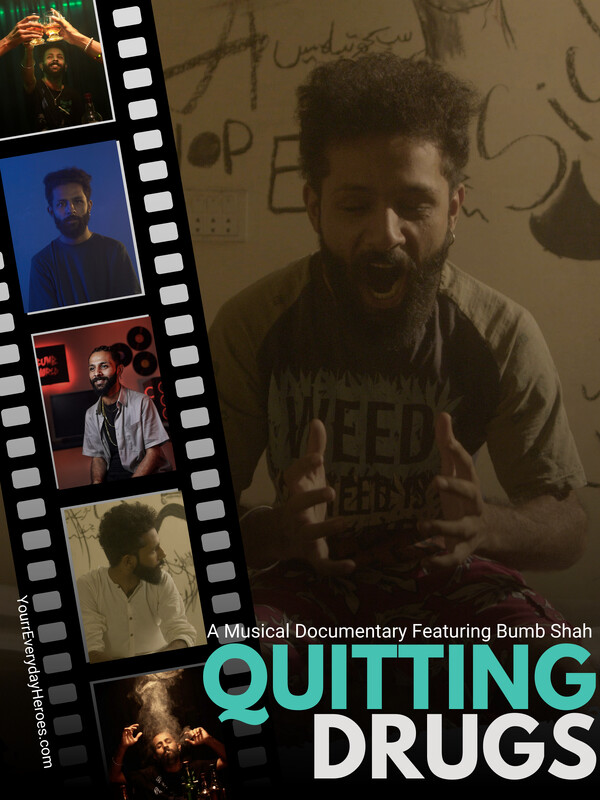
QUITTING DRUGS, 20min., USA Directed by Ali Imran Ch, Fatima Mughal Bumb Shah is a Pakistani rapper whose traumatic life experiences heavily influence his music. Like many artists, he began using drugs early in his career, hoping that they would fuel his creativity. Before long, he fell into a rabbit hole of addiction-centered depravity, something that was reflected in his music.
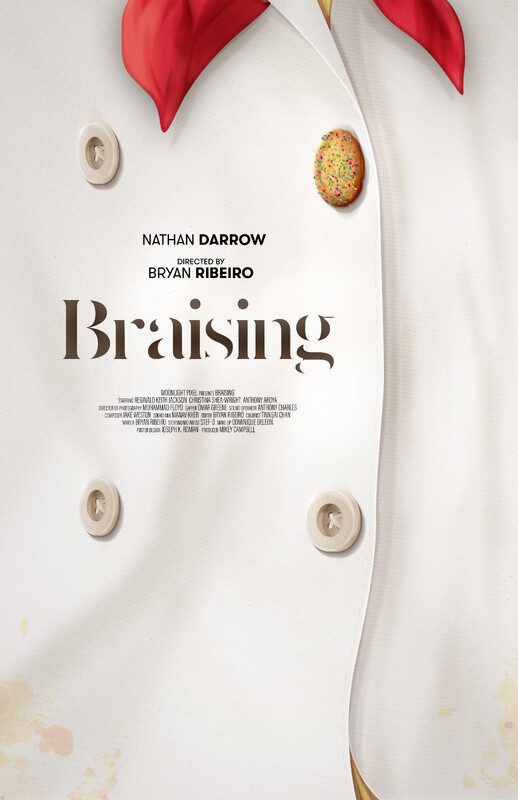
BRAISING, 19min., USA Directed by Bryan Ribeiro Conroy –a crestfallen, fast food cook who dreams of becoming a chef– finds community with a peculiar “charity” organization, all while he strives to deepen his connection with his widower father.
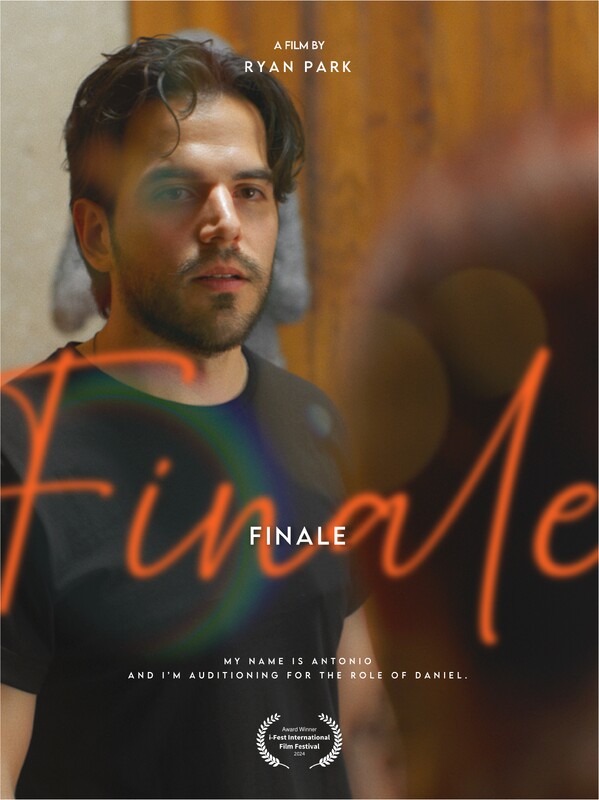
FINALE, 10min,. USA Directed by Ryan Park “Finale” tells the story of Antonio, an aspiring actor from Mexico facing the immense challenges of breaking into the industry. On the day of a crucial audition, Antonio receives a devastating call from his sister in Mexico, informing him that their mother has been in a severe accident. Torn between his familial duty and his dreams, Antonio realizes he cannot do anything from afar and decides to proceed with the audition. This pivotal moment forces him to confront an opportunity that could either transform his life or add to his struggles.
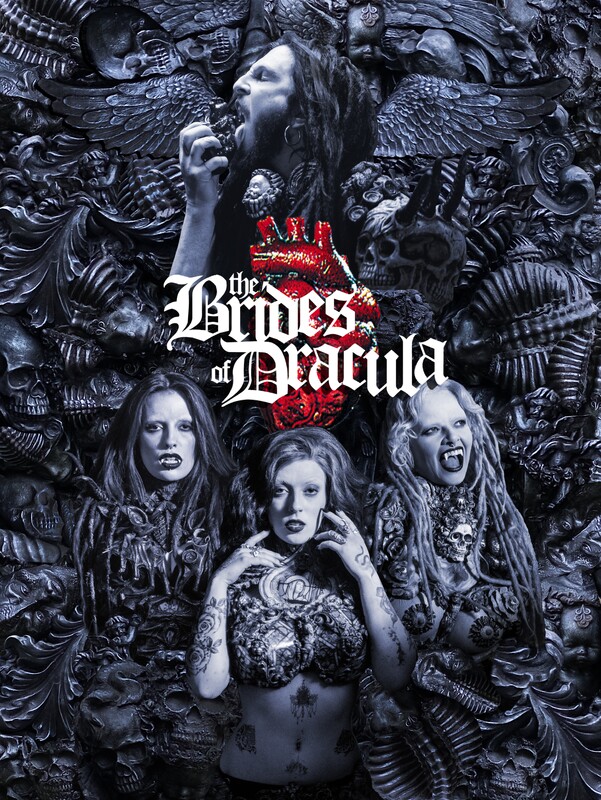
THE BRIDES OF DRACULA, 5min,. UK Directed by Alexander Miguel Introducing a new breed of vampires – More alternative, more sensual, more dangerous. Loosely based on the legends of Draculas wives, the good, bad and the evil bride inhabit an old misty graveyard set in the high mountains, waiting for their beloved master to be resurrected once more. Inspired by original costumes and props by Derby-based designer Liam Brandon Murray, this is a unique film showcasing the finest in Wearable Art for the designer’s cinematic debut.
NO WAR, 11min., USA Directed by Steven Wright Clarkson This video is a reaction to my original song “No War” off my “Speak the Truth” EP — it is a post punk psychedelic track — the video carefully uses AI animation — there are many dozens of ai renderings edited together with additional effects
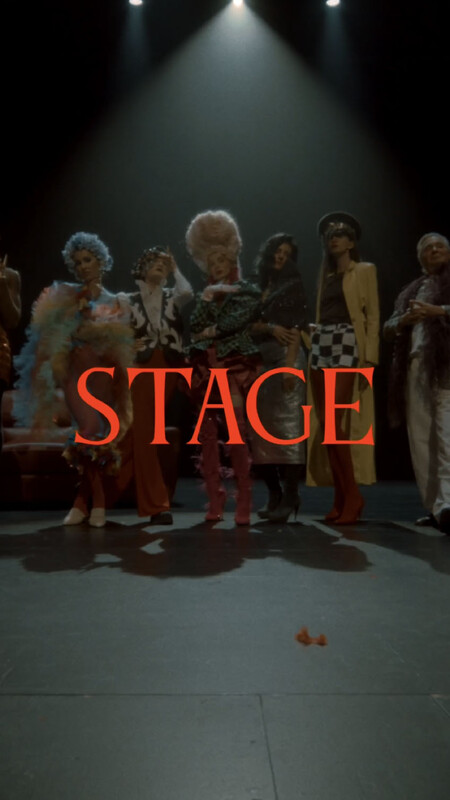
STAGE, 5min,. USA Directed by Angelika Poletaeva, Mark Limansky “The Stage” – follows a young girl’s visit to a theater, where she is enchanted by everything, from the grand entrance to the velvet seats. Her innocent perspective is challenged when she accidentally enters the performers’ dressing rooms and witnesses their raw emotions. This thought-provoking art-house film explores how this experience alters her view of the world.
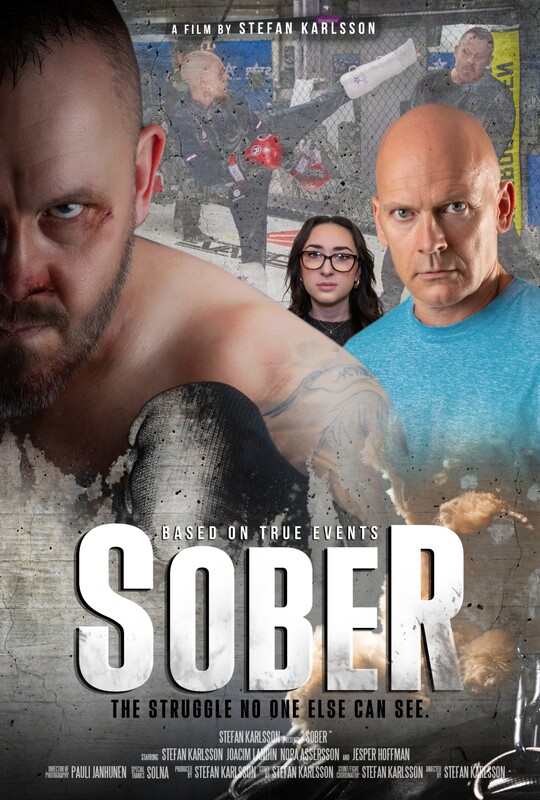
SOBER the struggle no one else can see, 12min,. Directed by Pauli Janhunen A once-promising boxer is haunted by his past mistakes and battling with alcoholism. His daughter watches from the sidelines – and fears losing him to his demons once again.











 Festival Reviews