Beat Keepers: The Next Chapter, 43min., Canada Directed by Cindy Goldberg A powerful and inspiring documentary that follows a group of talented female drummers as they unite for a life-changing three-day retreat in Dallas, Texas. Through the raw energy of rhythm, unwavering mutual support, and a shared passion for music, these women forge deep, lasting connections and celebrate the transformative power of music to heal, empower, and unite.
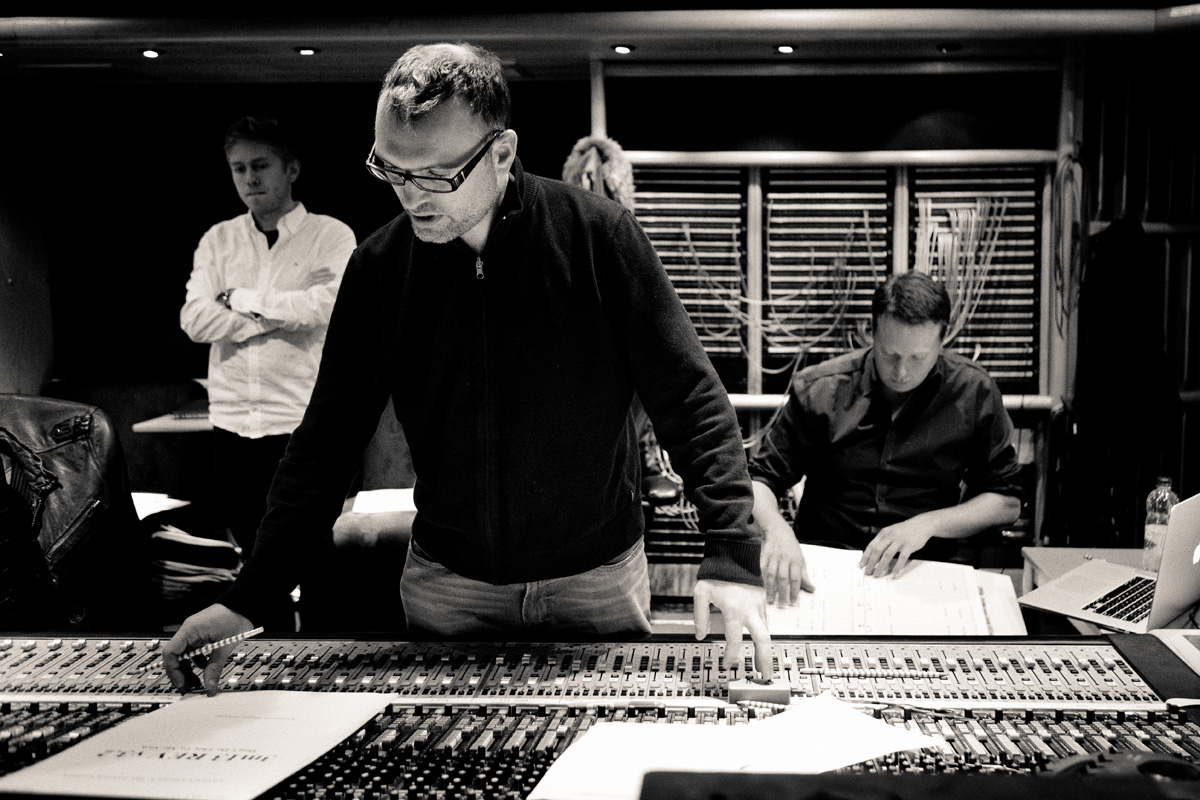
Henry Jackman // Captain America II scoring sessions, December 19, 2013 Air Studios, London Commissioned by Costa Communications
When I called up composer Henry Jackman’s office to do the interview, I was put on hold. Fittingly, while I was waiting I got to listen to the music of Henry Jackman. It was a great way to start the interview as his music is moving even when it’s “on hold” music from the phone.
Henry’s list of credits is already legendary, and he’s just getting started. He has composed Captain America 2 & 3, X-Men: First Class, Kinsman 1 & 2, and the upcoming Jack Reacher: Never Go Back, just to name a few. And I didn’t even mentioned his Animation movie composing (Go to his imdb profile).
In this interview, we centered on his score on “Birth of a Nation”, which should definitely lead him to his first Oscar nomination.
Matthew Toffolo: When did you first come aboard “Birth of a Nation?
Henry Jackman: The very early stages. My agent was friendly with Nate Parker (director of the film) and he introduced us. He initially suggested Nate get in touch with me, stating that I’m not just a big budget composer.
I read the script and I knew this needed to happen. Nate was a man consumed with purpose and whatever was needed to get this film done, he was going to do it. So I was in right away. There was no financing completed, and he didn’t even have a studio on board yet, but I knew that Nate was going to make it happen.
The story of Nat Turner in “The Birth of a Nation”:
MT: How did the process work with you completing the score of the film? Did you receive a rough cut at first?
HJ: By the time I got the picture, it was about 85% completed. He didn’t have the luxery of doing an extended cut where I score the music and they cut that. He knew what he wanted in production and shot it. So when I began working on it, it was almost already done.
MT: What kind of direction did you get? What kind of thematic were you told to create?
HJ: Nate just told me that he loves the human voice and it would be a great way to connect with the audience for this story. I had the budget contraints on my mind and thought we could get really creative and use a solo singer, and a solo celloist and just a few other intruments. But to Nate’s credit, he said to create the score like we have all the money in the world, and he’s figure out the budget. And that really helped me. By the time we got to the ending, I knew we needed a big musical score with lots of singers and Nate got it done. We ended up with what we needed.
MT: From a practical and creative standpoint, working on this film must have been apples compared to oranges in comparison to you working on the Captain America films?
HJ: It’s funny you say that. Ultimately, yes, there are differences, but the differences are only surfaces. The process of coming up with the thematic score, writing the music etc… is the same on both films. The budget is there and of course I had more financial freedom with Captain America, but the creative process was exactly the same.
MT: I was at the TIFF (Toronto International Film Festival) screening of “Birth of a Nation” and the energy was amazing in the cinema. When the film ended, it received a standing ovation. But of course there is a controversary with the director (if you do not know, please Google it) that the media keeps bring up that, and some can say, has tainted the film. Do you have any opinions of the conversary surrounding the film? How “Birth of a Nation” is probably not getting the attention it deserves?
HJ: The only thing I can say is that I encourage anyone to go see this film. Speaking about myself growing up in a European heritage, I didn’t even know about this part of history and the story of what happened in 1831. Everyone knows the basic history, but this film tells a story, without being heavyhanded about it, about what happened then and the legacy this time still holds for us today. That’s such an important thing. So if anyone has any hesitation, please keep that in mind.
MT: The controversary is kind of a 2016 problem. The film itself is never just the story and promotion now. It’s the social media influence and how the personal lives of everyone part of the film get mixed into what the film is trying to say. So Nate’s personal history, some can argue, taints what this film is trying to say.
HJ: That’s true. People make their own opinion and judgements. Whatever tweets that are flying around now is part of our present day communication and there’s nothing wrong with that. The story of Nat Turner is definitely something people should also be talking about – and going to see this film.
MT: What type of working relationship do you like to have with your director?
HJ: I think the best relationship is a consistent vision and they are never flip-flopping. An overall vision that’s in the costumes, editing, acting etc…, but with sufficient space that allows each artist do what they need to do.
For example, all the conversations with Nate were about the film and it’s themes. What each scene is about. So all the little conversations, like what’s not working etc…, is about the overall vision. So there isn’t any conversations that are NOT about the film and its visiion. Which makes for the best working relationship.
Edward Zwick (just finished working with him on Jack Reacher: Never Go Back) is an example of a great director/composer experience. He brought the tranquility to the process. Everyone is pulling on the same rope to create the vision. When films get in trouble is when the vision changes.
MT: Tell us about the CAPTAIN AMERICA experience? Working for MARVEL?
The Russo Brothers are also great directors to work with. It is different because we’re working on a franchise and all of the films in the Marvel universe need to connect. What makes the Russo’s amazing is that they can do their own film and make it connect with all of the other films. They are masterful directors in capturing their own unique voice in this massive franchise.
Captain America: Winter Soldier was such an amazing experience and many regard it as the best comic book movie made.
MT: Because it wasn’t a comic book movie. Tone-wise it was a spy/thriller?
Exactly. But they didn’t go so far in that direction and leave the fans behind. They mastered the circle. So by the time we did the 3rd film (Captain America: Civil War), Marvel left them completely alone to do their thing as they trusted them. And I have to say they nailed it.
MT: And you nailed it with the score of that film?
Thanks. I am proud of that film.
MT: From a technology standpoint, where do you see the future of composing in the movies?
The future is always a guess. If you go back 30 years in music in film, the tolerance then is different than it is today. There is more variety in music in film today. Film scores are now a broad church. Producers are less freaked out by a wide score of music composed in a film. People now listen to a wider range of music so in relation there is more freedom for the composer to add a wider range. So the future is probably going to simply go wider as access to all kinds of music that people listen to become less judgemental.
thank you so much for the award for best short film, ‘Our Sea Forest’ this was a film a few years in the making, that helped make real change, so it was very heartwarming to receive the lovely comments about the film. I am just sorry i couldn’t be there in person. I am sure the hospitality and networking would have been 5 *
It was an honour to win best short here – Matthew and the team really care and take the time! The addition of the viewer feedback was great and something that you don’t really see elsewhere. Keep up the good work!
Thank you so much for showcasing (PLASTIK) – the team absolutely loved receiving all the feedback and we are so happy to win the BEST MICRO-SHORT! We hope that more people will be drawn to watch our “small but mighty” film and remember that people are the problem but also the solution to the plastic pollution crisis.
I wanted to take a moment to express my heartfelt appreciation for the remarkable experience I had at the Environmental Film & Screenplay Festival.
The entire event was impeccably organized, and the selection of films and screenplays presented was not only enlightening but also inspiring. It was evident that each piece was chosen for its powerful message and its potential to provoke thought and stimulate discussion regarding our environment and sustainability.
What truly stood out to me was the audience engagement. The feedback and reactions during the screenings were profound, reflecting a diverse audience deeply invested in environmental issues. This interactive aspect of the festival enriched the experience, providing invaluable insights and fostering a community spirit that was truly special.
Thanks from Paris for the best short film award we got for our film The Flood. Great festival, it’s so nice to get filmed feedbacks from the audience!
Submit to these exciting festivals today. Festivals that offer feedback from the industry, plus performance videos.
FANTASY/SCI-FI Screenplay Festival:
This festival has a guaranteed 4-tier set up for each accepted script. (No matter what, all screenplays submitted receive FULL FEEDBACK on their work.) 1) Full Feedback on your script 2) Actors performance video reading of your script 3) Blog interview promotion. 4) Podcast interview on the Film Festival ITunes show
Submit your MYSTERY Short Story to the Festival here and we will automatically have it performed by a professional actor and turned into a promotional video for yourself.
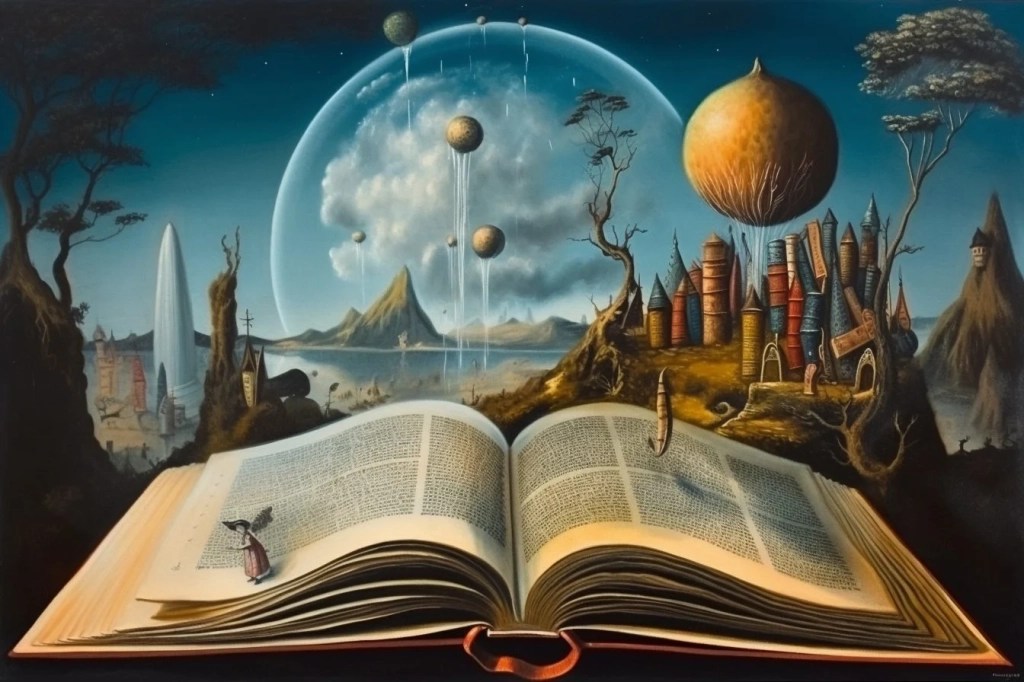
History is a narrative that describes, analyzes, and questions past events, and examines the patterns of cause and effect. It’s a collection of stories told by many different people, and is subject to constant revision and reinterpretation.
3 options to submit: 1st chapter. full novel. performance reading.
Sign up for the FREE 3-day trial to watch the film and 450+ award winning films.
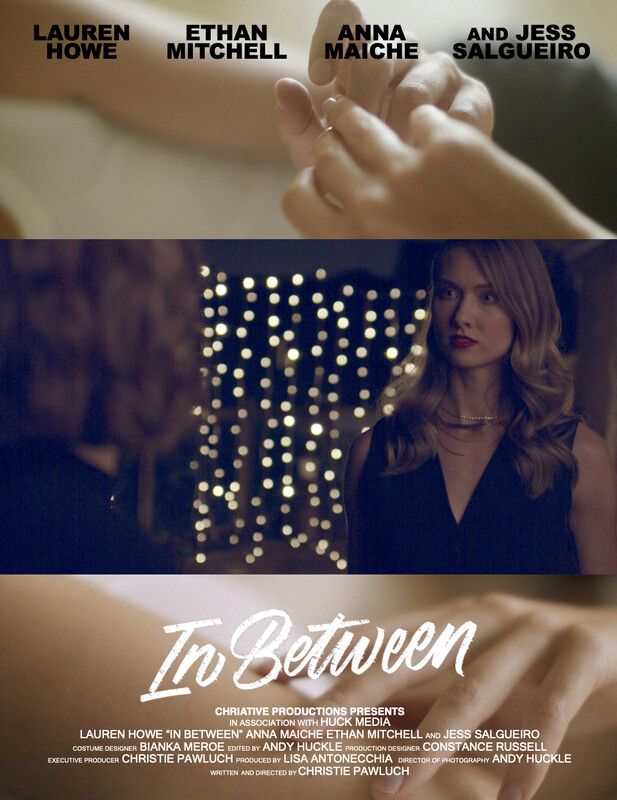
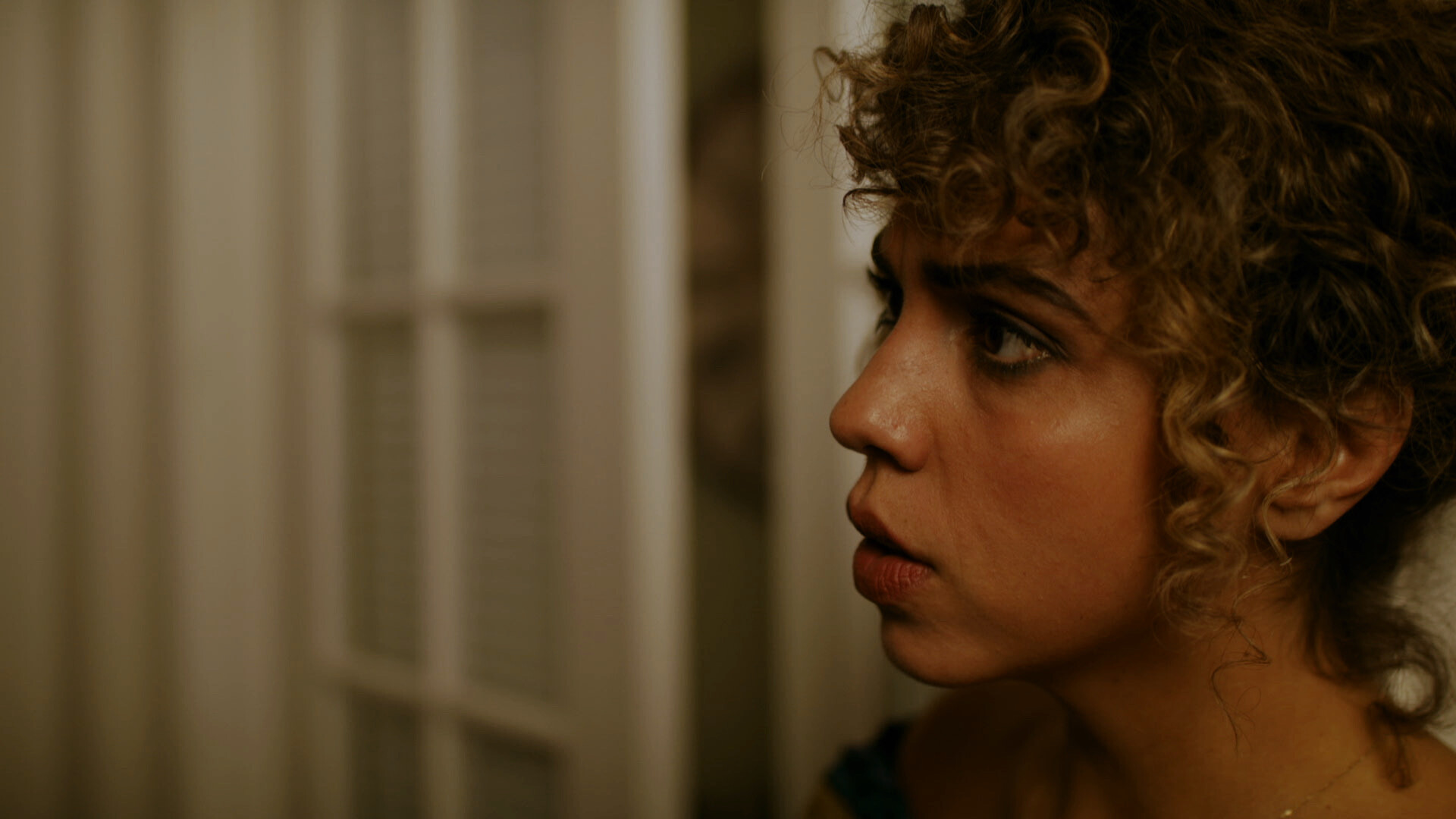
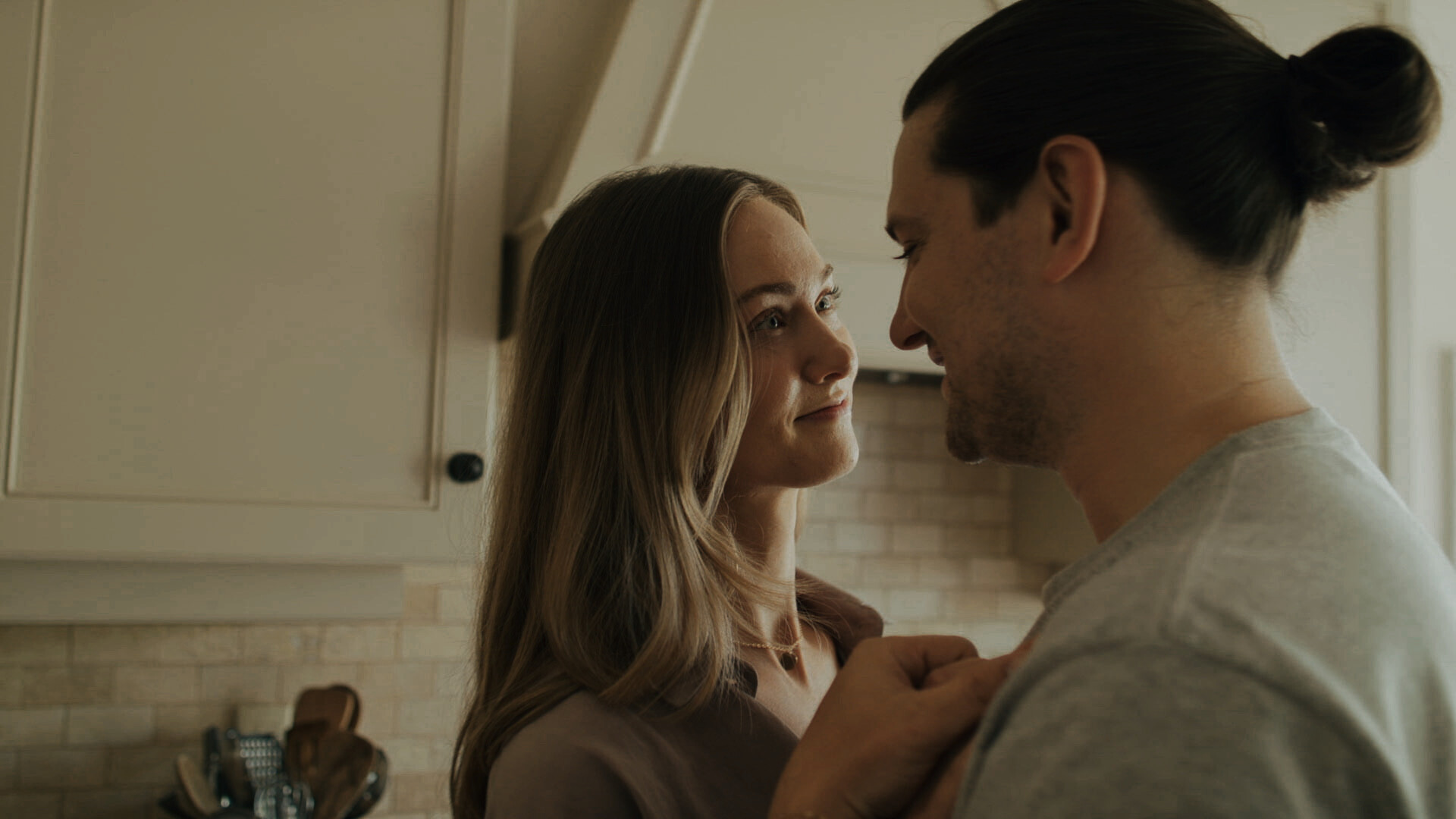
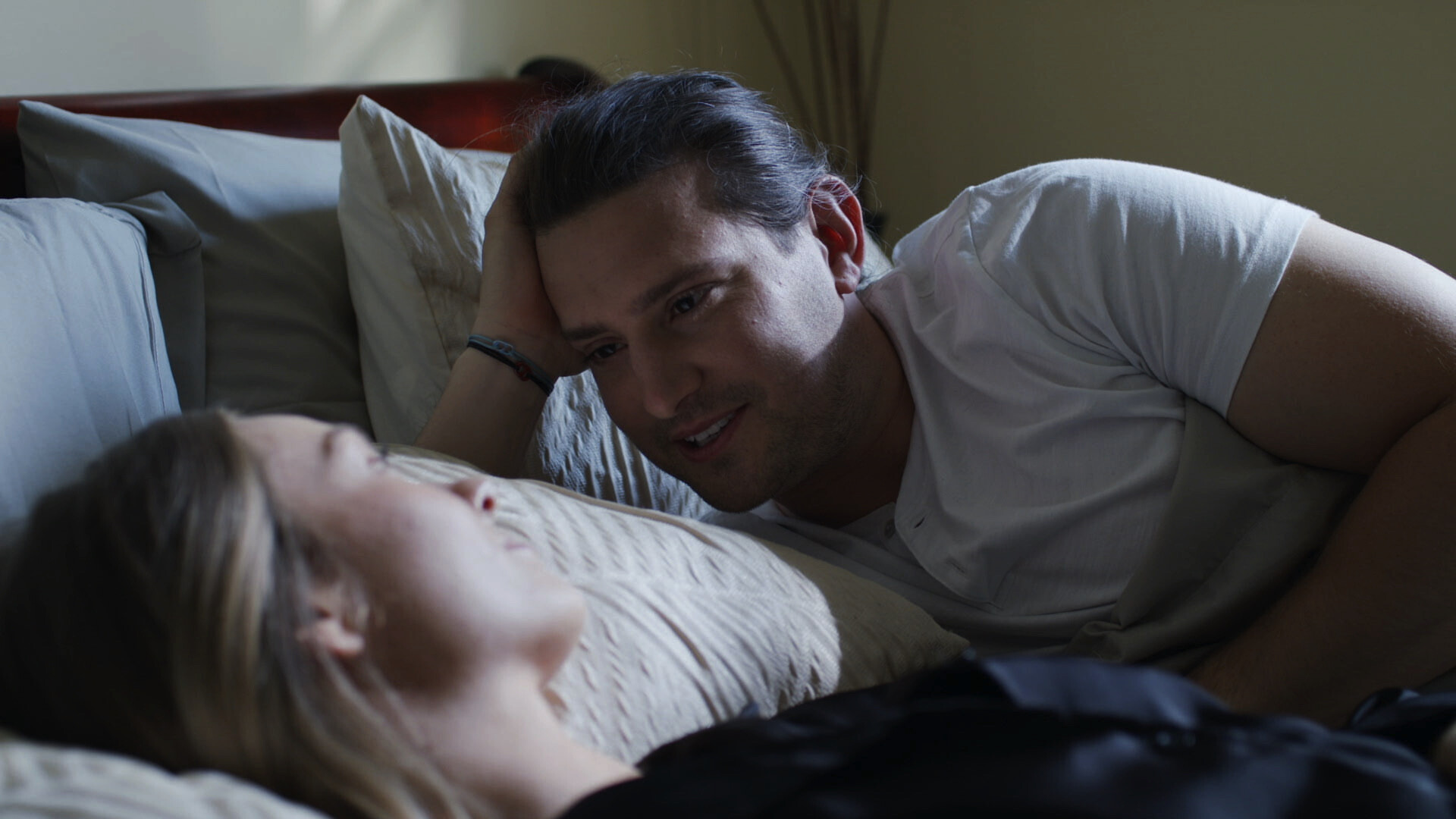
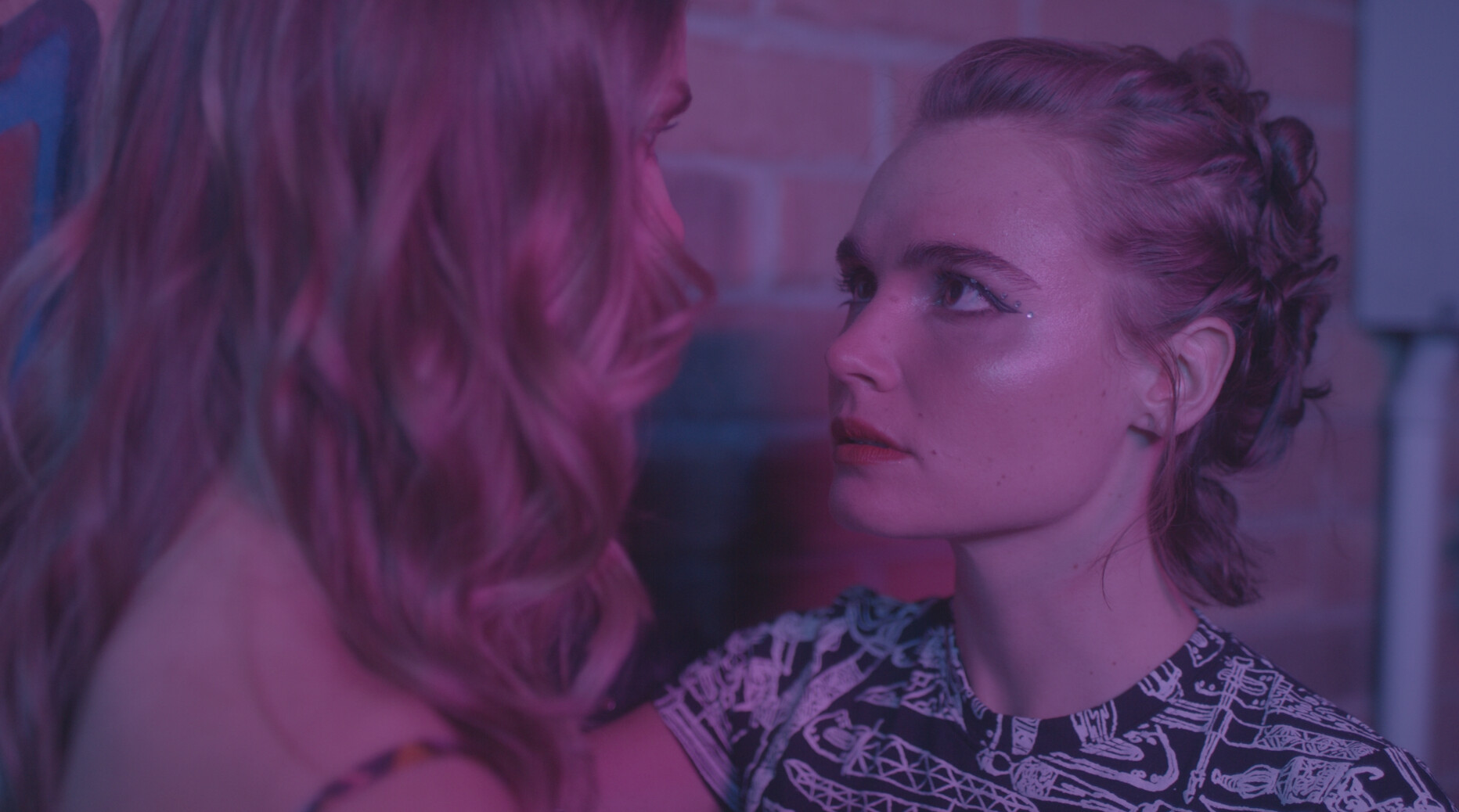
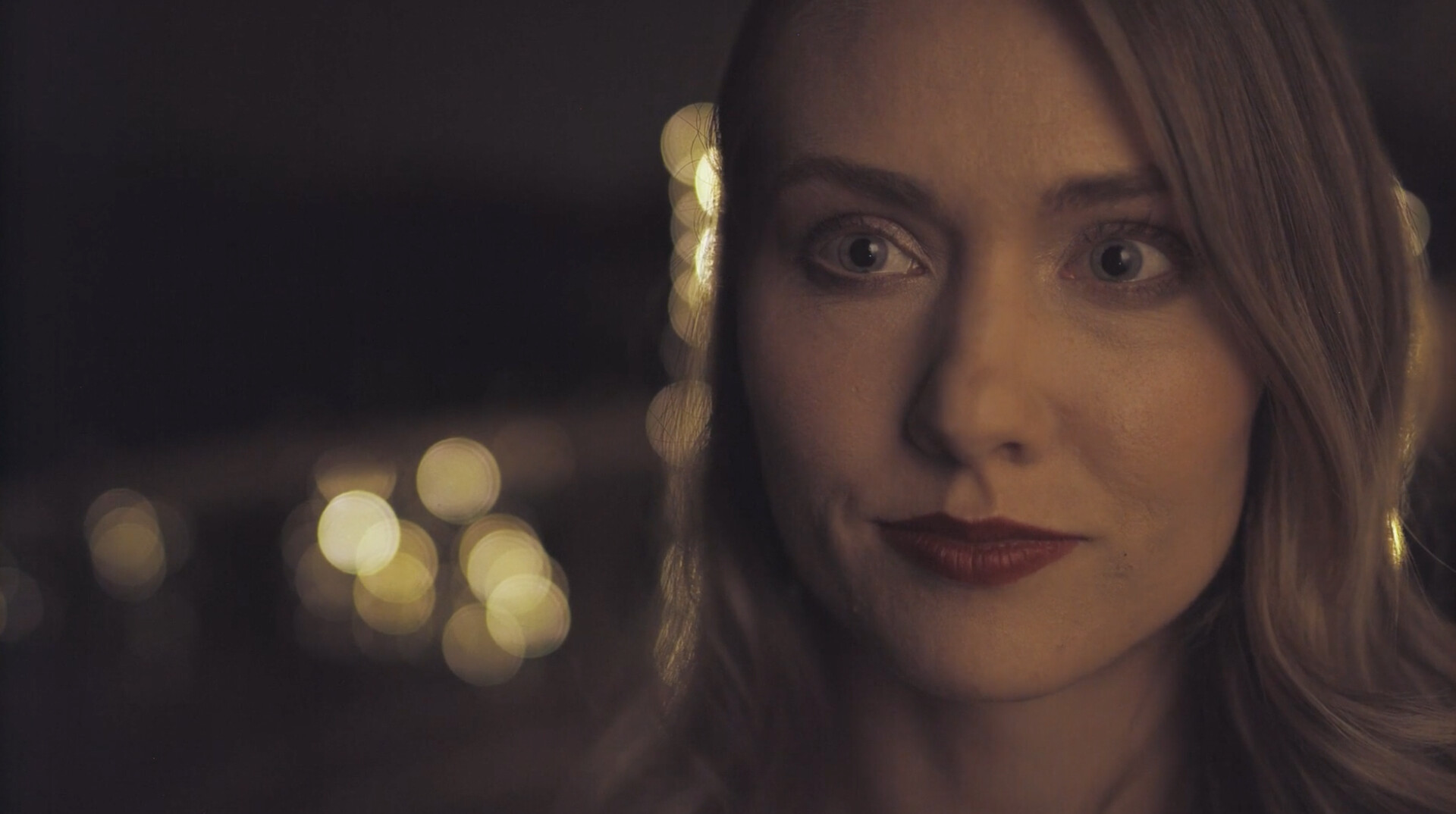
In Between tells the story of Blake, who lives a happy heteronormative life with her long time partner, Eric. After some vivid unexpected dreams, she gets a visit from a love from her past life, Adeline, who shows up to her home from across the world. If your past showed up on your doorstep… what would you do?
Some stories in our lives don’t end the way we would like them to, but In Between takes you into a world where it can. We rewrite the story in our imagination, feel what could have been so we can move forward and allow ourselves to be vulnerable and love once again.
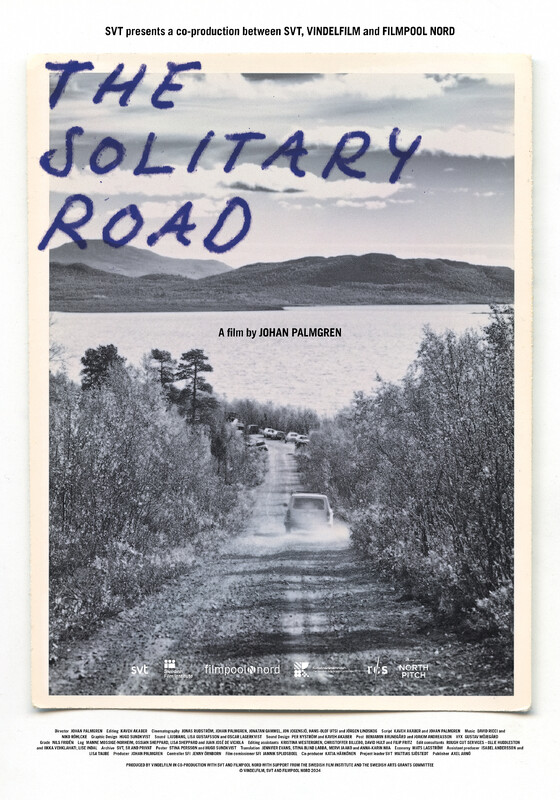
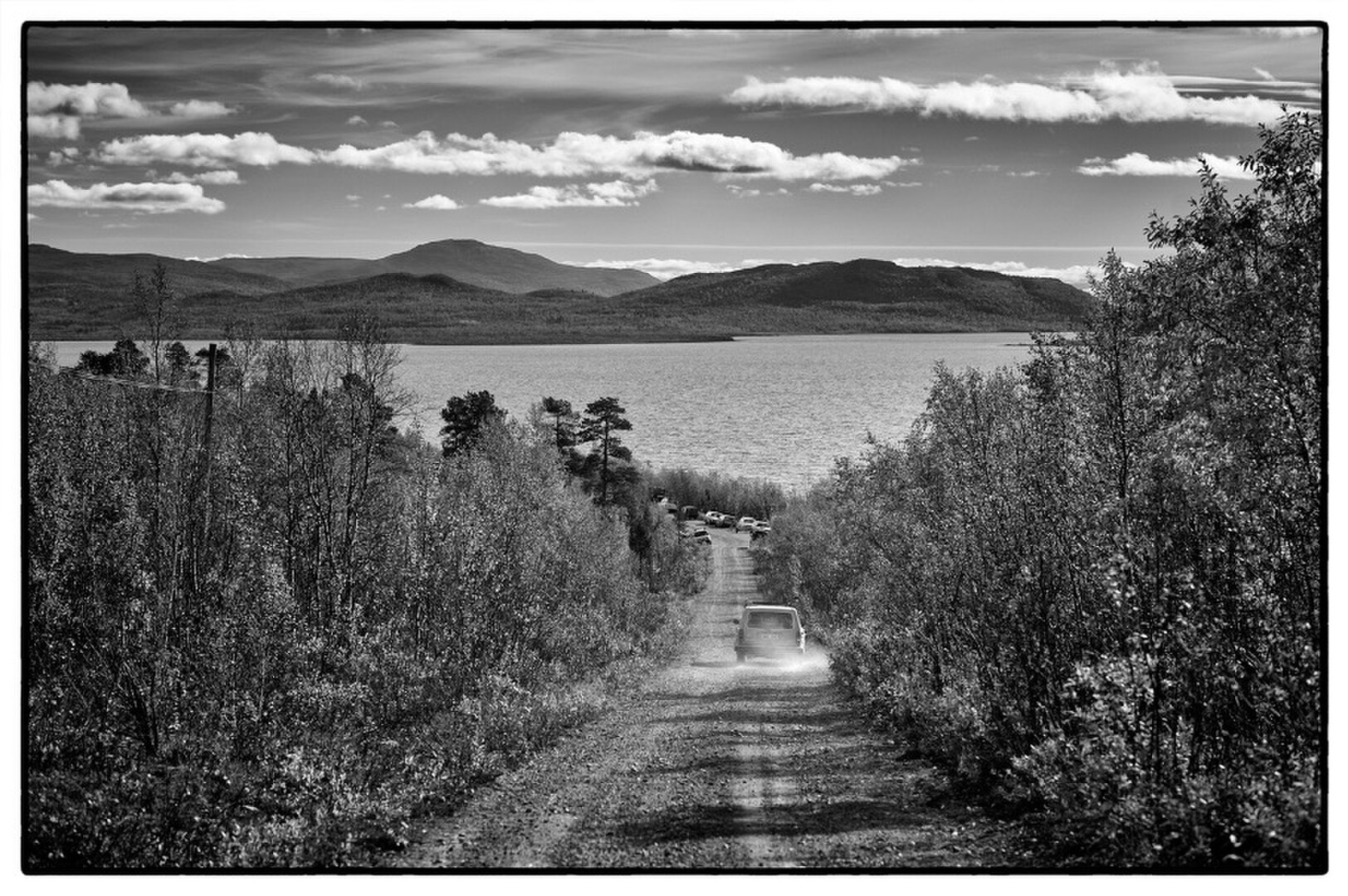
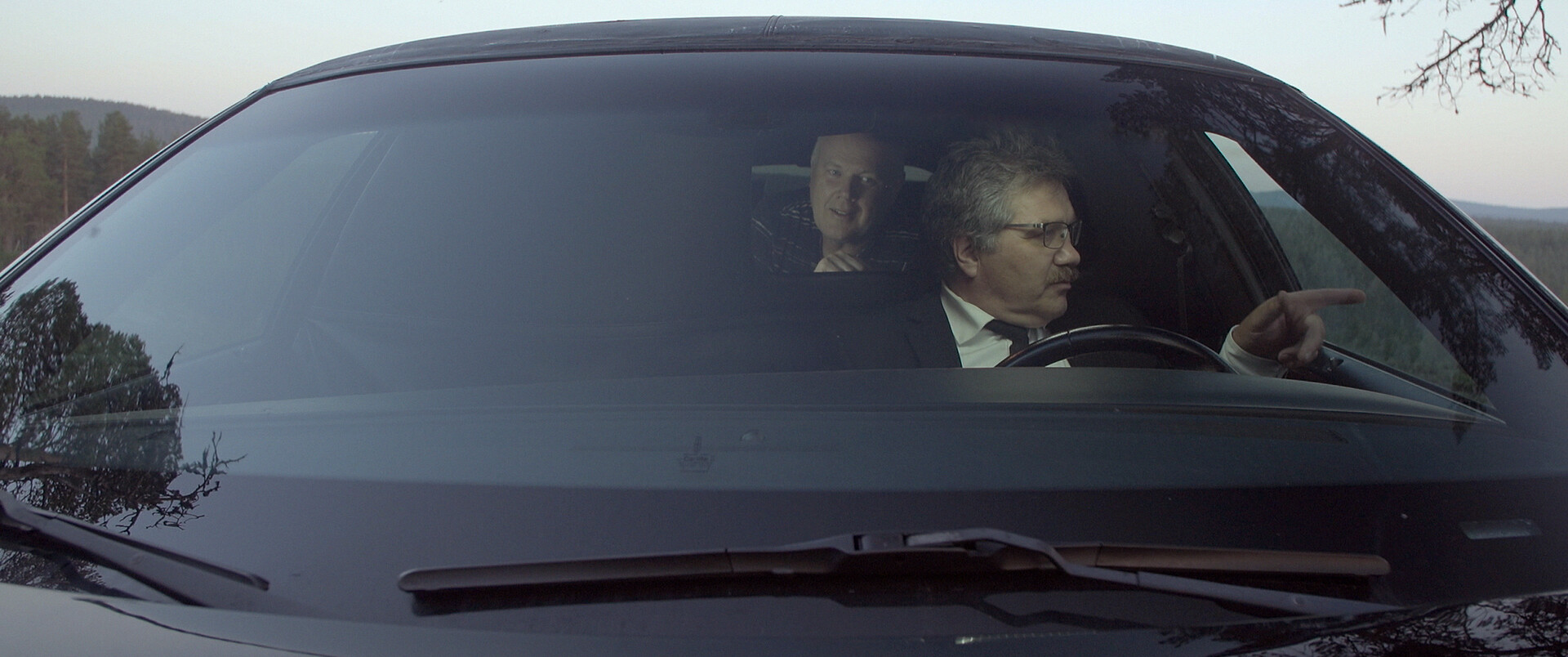
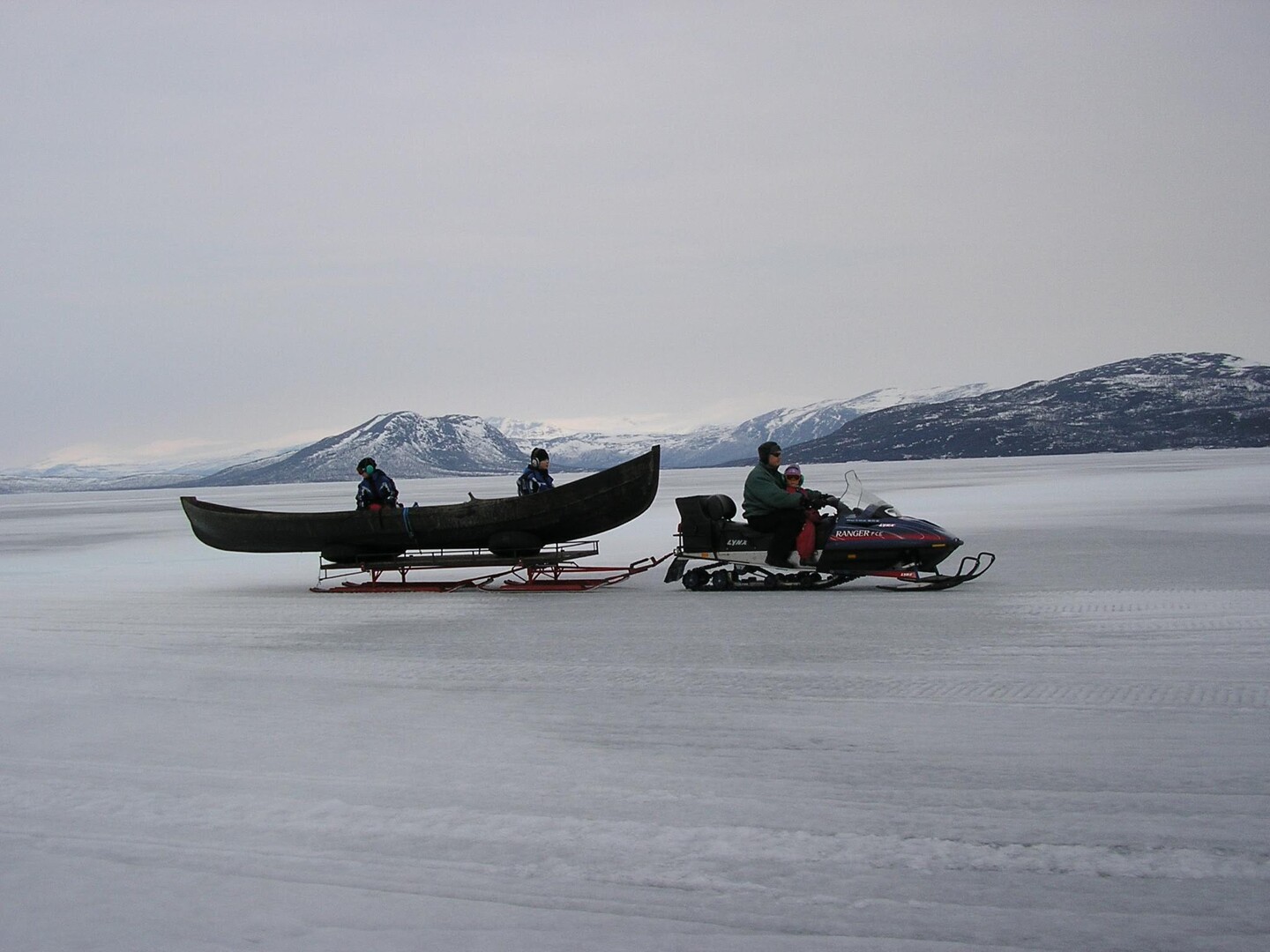
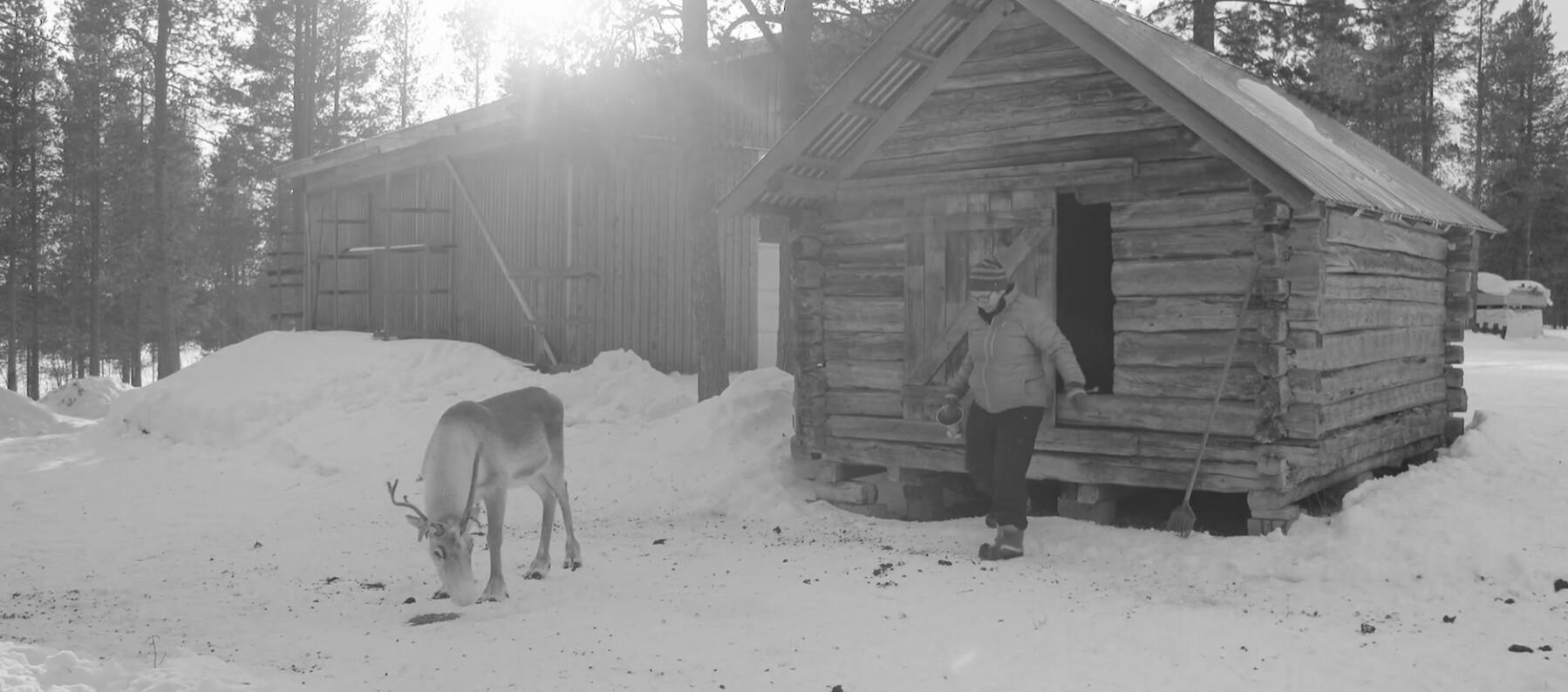
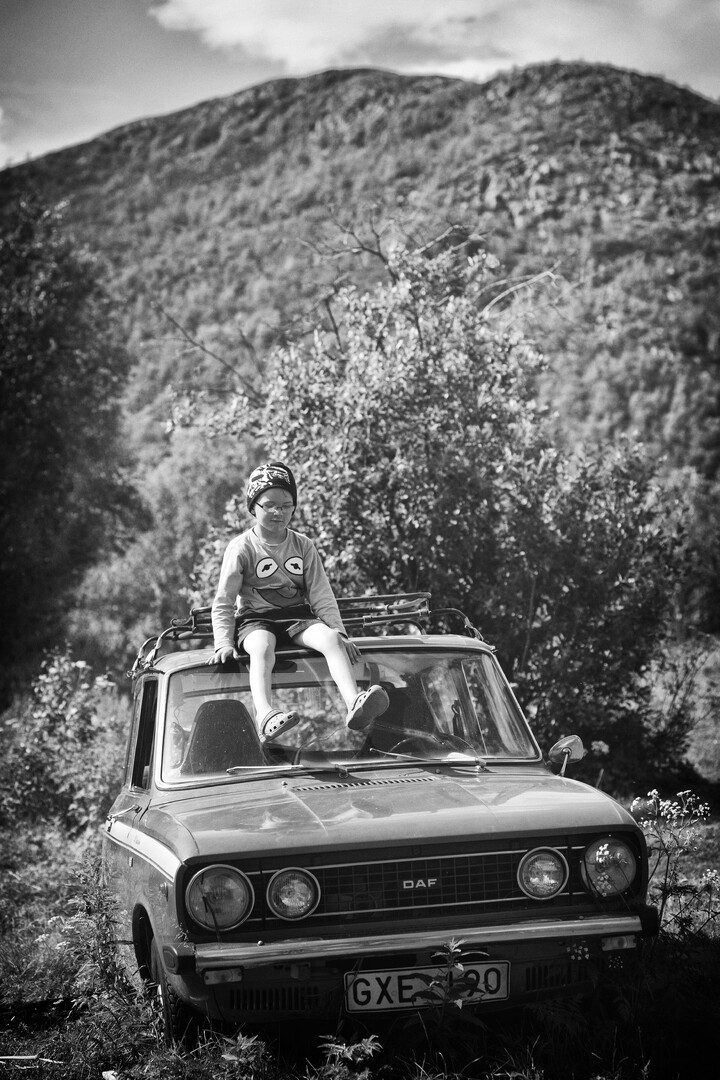
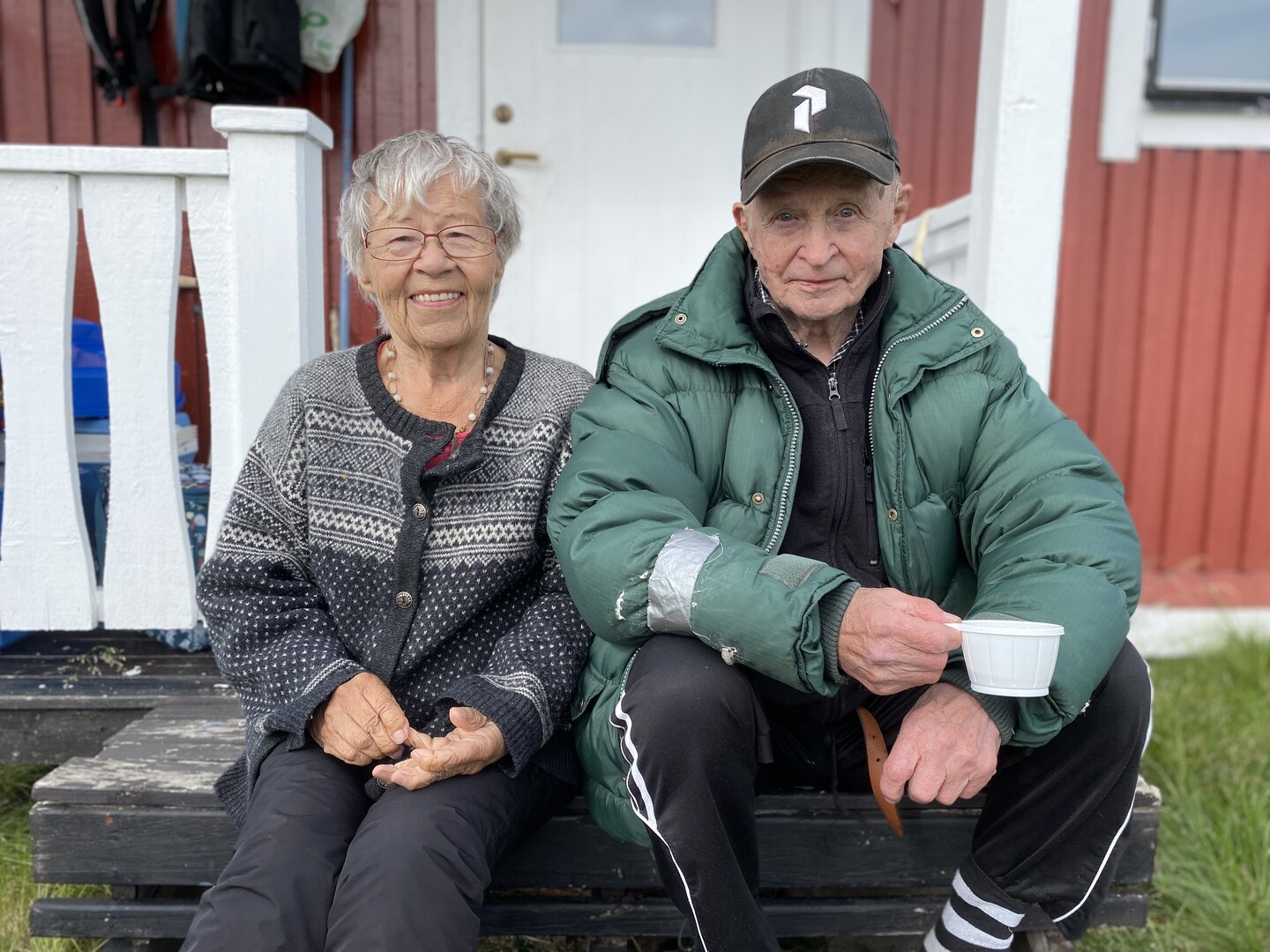
SOLITARY ROAD, 76min., Sweden Directed by Johan Palmgren There is a road in the middle of the wilderness, far North of the Arcitic Circle in the Swedish mountains. It was built 1955 and was supposed to lead to Norway. The work was interrupted and now there is only a fragment of a road of 20 kilometres without connection to the general road system. Along the road there are five villages, where time has stopped. There is no electricity nor any water. The villagers have transported old cars over the ice of the lake Torneträsk from Kiruna to this unique place. The cars date from the 60 ́s and 70s. We filmed big and small aspects of life here for three years.
SOLITARY ROAD, 76min., Sweden Directed by Johan Palmgren There is a road in the middle of the wilderness, far North of the Arcitic Circle in the Swedish mountains. It was built 1955 and was supposed to lead to Norway. The work was interrupted and now there is only a fragment of a road of 20 kilometres without connection to the general road system. Along the road there are five villages, where time has stopped. There is no electricity nor any water. The villagers have transported old cars over the ice of the lake Torneträsk from Kiruna to this unique place. The cars date from the 60 ́s and 70s. We filmed big and small aspects of life here for three years.
James Doh is one of the most sought after Storyboard Artists in the industry today. His imprint is on most of the top action movies in the last 15 years. In 2016 alone, he worked on “The Conjuring 2”, “Suicide Squad”, and “Star Trek Beyond”. He also worked on the blockbusters “Ghost in the Shell (2017”, “Aquaman (2018)”, and “The Predator (2018)”.
Matthew Toffolo: You have worked as a Storyboard Artist on over 30+ productions in the last 15 years. Do you have a favorite experience?
James Doh: It is sometimes rare to work with other storyboard artists, but through the years I’ve had the good fortune of having met some great colleagues.
That will probably be what I remember most from my work experience.
I’ve been fortunate to work with and meet some wonderful people.
PHOTO: James’ storyboard from X-Men: Origins:
MT: The film DRIVE (2011), is a very stylistic film, but not the conventional action/thriller film that you work on. How was your experience working on that film?
JD: That show had a great crew from the top down. It was a low budget production, but the crew were all top talents.
Credit to the EP for bringing together such a great team.
They wanted to bring me in for the car chases and sequences that required production prep.
When I read the script, it was one of those that you rarely get as a storyboard artist. Hossein Amini wrote a great screenplay. I was also a fan of Nicolas Refn’s Pusher series of films, so I thought it was an exciting combination of material and director.
Advertisement
Interestingly, Nicolas was batting around different ideas for that elevator scene where Driver stomps the hitman to death. He had me board a different version that certainly was more brutal, but I like the elevator because it works so well for the entire sequence.
MT: How important is the creation of the storyboard to the production team for the action and fight scenes?
JD: Storyboards have several key roles. One of them is a communication tool for the production. It’s a visual script of those sequences.
It’s important to get the sequence down, to allow various departments to prep.
Boards are also important early on for budgeting, and to start developing what the sequences will look and feel like.
There are amazing fight and stunt choreographers, whose ideas we will integrate into the boards if they are involved at the time.
Other times, the boards are a jumping off point for the stunt/action team and a way for the director to convey his ideas on action sequences.
By the way, 2nd unit also can have their own storyboard artists to plan out their sequences too. Again, for communication, a drawing is a fundamental tool.
They are especially important for VFX intensive films, where costs and feasibility have to be looked at and planning is vital. Storyboards put everyone on the same page.
On Furious 7, we had the tragic death of Paul Walker and had to go into some very specific VFX planning to make the film work. There was some innovative work there and the storyboards were a part in planning those shots and sequences.
There are a multitude of uses for storyboards, so it can be a very powerful tool for directors to utilize.
PHOTO: James’ storyboard from Fast & Furious 7:
MT: What’s the general working relationship and process between a storyboard artist and the director? How early do you meet before production begins?
JD: Very early. Many times we are the first ones on the show, months ahead of production many times. Often they circle back in post, and need storyboards once VFX gets into the nitty gritty of creating shots.
The working relationship is different with everyone but it’s really about developing the ideas or getting the boards to convey what the director is looking for.
MT: What are you looking for in a director?
JD: Good communication, convey vision, intent, style of the sequence. I’m looking to get as clear a vision as I can for the sequence.
Sometimes it’s wide open and they want you to run with it, and other times it’s very specific. Many times it falls somewhere in the middle.
I have been fortunate to work with directors that love to collaborate, encourage creative contributions, and understand the process of storyboarding.
MT: What does a director look for in a storyboard artist?
JD: To translate their ideas into a viable sequence. Directors look to you to visually lay out the sequence with creative solutions, in a way that they can shoot.
I also think it’s important that you have a good working relationship, because you can spend a lot of time hashing out ideas.
For storyboard artists, the fundamental key is visual storytelling.
You need to hash out the sequence and make it work for the director.
MT: What advice would you have for people who would like to do what you do for a living?
JD: Translating scripts to visual sequences can take a lot of time. If someone wants to become a storyboard artist, 1. Watch a lot of films. 2. Think about where you are placing the camera 3. Be able to draw anything at any angle. I know that sounds so broad, but if you learn to draw the human figure, you will be alright with everything else.
Advertisement
Most importantly, don’t be precious about your work. Things can and will change often for a multitude of reasons.
Storyboarding is a process. Sequences are developed. Things are culled, new ideas crafted, budgets change… you have to roll with that and adapt.
Did you see the Amityville flashback sequence in Conjuring 2? Look at the basics. Look at how he staged and told the story inside the house. He had a house, and a few actors to work with.
How do you tell that story in a way that’s fresh? That is film school. The Conjuring and Conjuring 2 are film school.
I would tell people to look at movies, and see how they tell the story. See what it takes to make simple things interesting. Ask a lot of questions while you watch a film. It’s about decisions. What setups are you choosing and why?
Push yourself to improve. Always be a student of film and be a good listener.
I think we all push ourselves every show to do better, and push ourselves creatively.
MT: What movie have you watched the most times in your life?
JD: Aliens (extended edition) and Heat (Michael Mann) are ones i’ve seen a million times.
I love genre films and Korean films.
Korean cinema is tremendous, and I would encourage anyone to give it a try.
So many films on heavy rotation in my library! Tony Scott’s work, Gareth Evans…
BTW, one of my favorite scenes of brilliant acting is Christopher Walken in Catch Me if You Can. The scene in the restaurant when his son (DiCaprio) tries to give him a Cadillac. That is just masterful. Every moment tells you a story, and within a couple minutes you deeply know this man. It’s amazing, most of it unspoken.
MT: Where did you grow up? How did you get into the film industry?
JD: I had always been interested in design and film.
My introduction to art in film was with my college teachers Tim Flattery and Warren Manser who are brilliant concept artists and designers in their own right.
They really sparked the possibility to enter the film business.
My first job was with RGA/LA (now Imaginary Forces) a main title company. I learned an appreciation for typography and graphic design there.
Then moved on to feature film storyboarding because that is where my passion was.
MT: Is there a type of film that you love to work on that you haven’t worked on yet?
JD: What is rewarding for me is working with great directors and crew. The projects rarely get me more excited than the possibility of working with great people.
It’s not so much the material itself as the director’s take on the material that gets me excited.
And by the way, it’s not just directors but all the other departments you interact with as a storyboard artist. Those professionals are at the top of their respective fields. You are working with the absolute hallmark people in every department and that’s really exciting to see.
The challenge to board for these directors is in pushing the creative solutions and coming up with ideas that work for their respective visions.
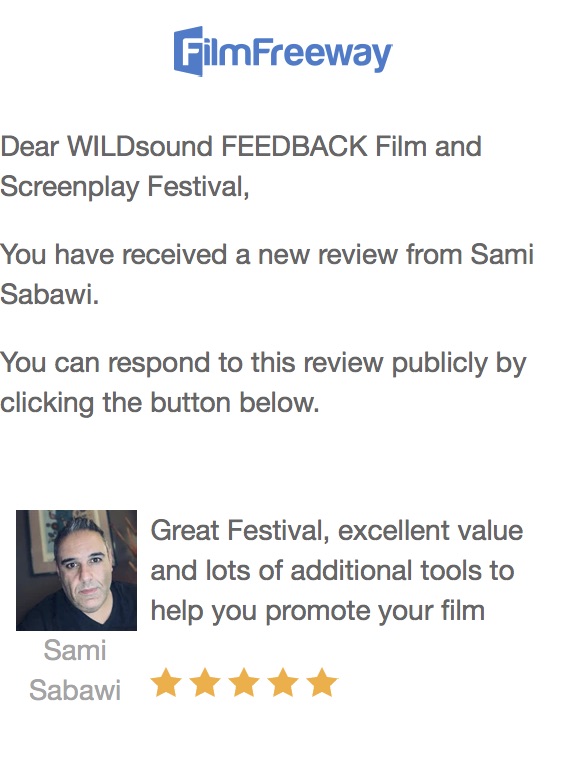
Dear WILDsound FEEDBACK Film and Screenplay Festival,
Congratulations! Your festival has ranked as one of the Top 100 Best Reviewed Festivals on FilmFreeway for the month of March!
According to reviews from real FilmFreeway users, your festival ranks in the top 1% of more than 14,000 film festivals and creative contests around the world. No doubt, this ranking is a testament to the countless hours of hard work and care that you and your staff have devoted to creating such a wonderful event.
We’re especially proud to be partnered with amazing events like yours that help independent film continue to thrive.
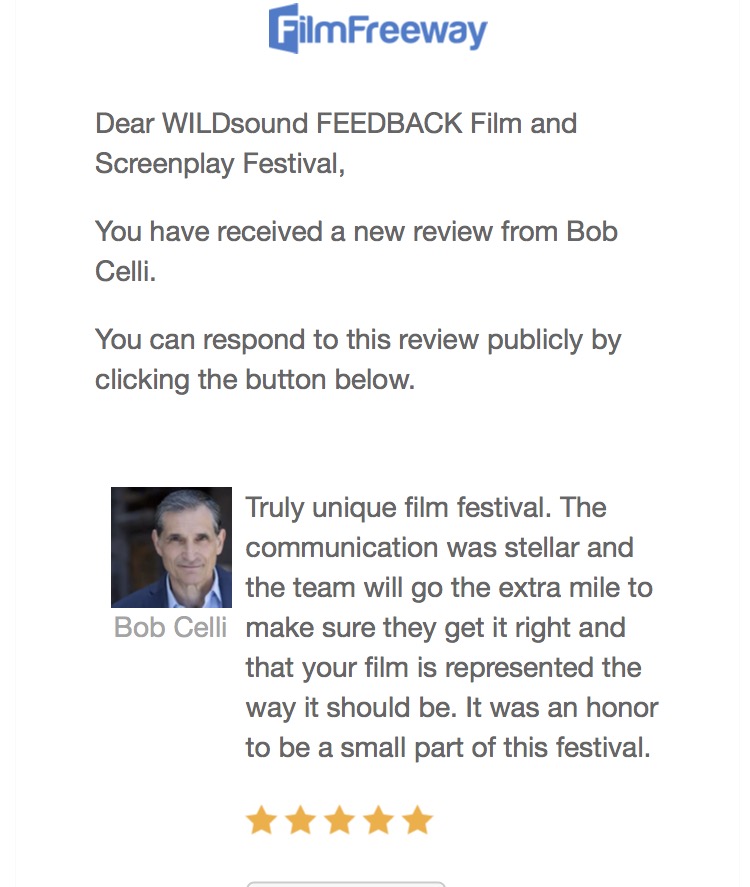
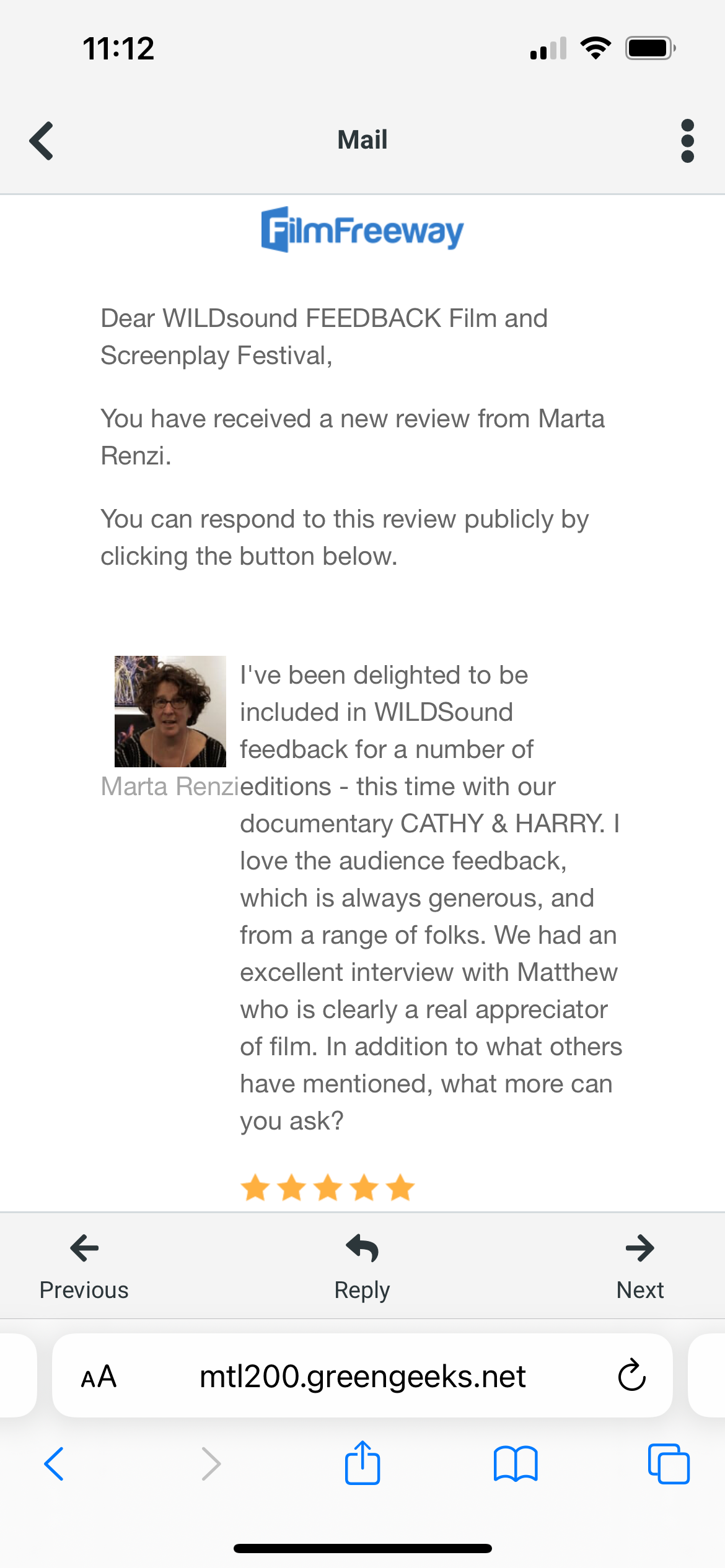
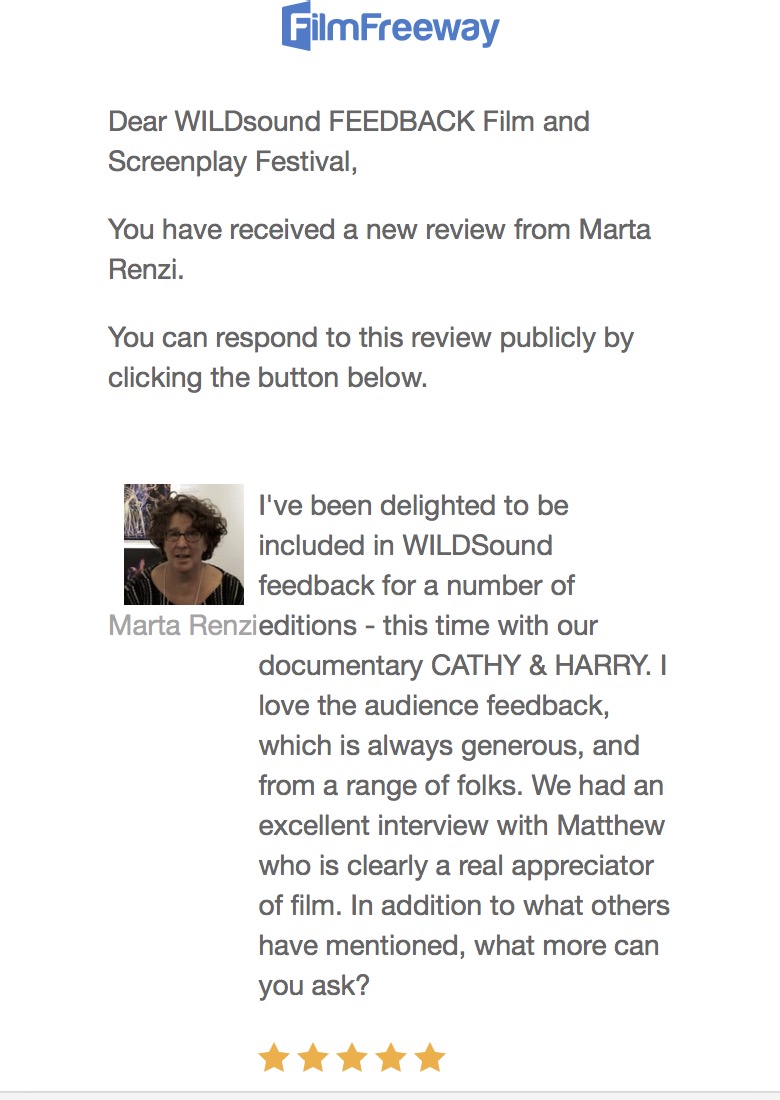
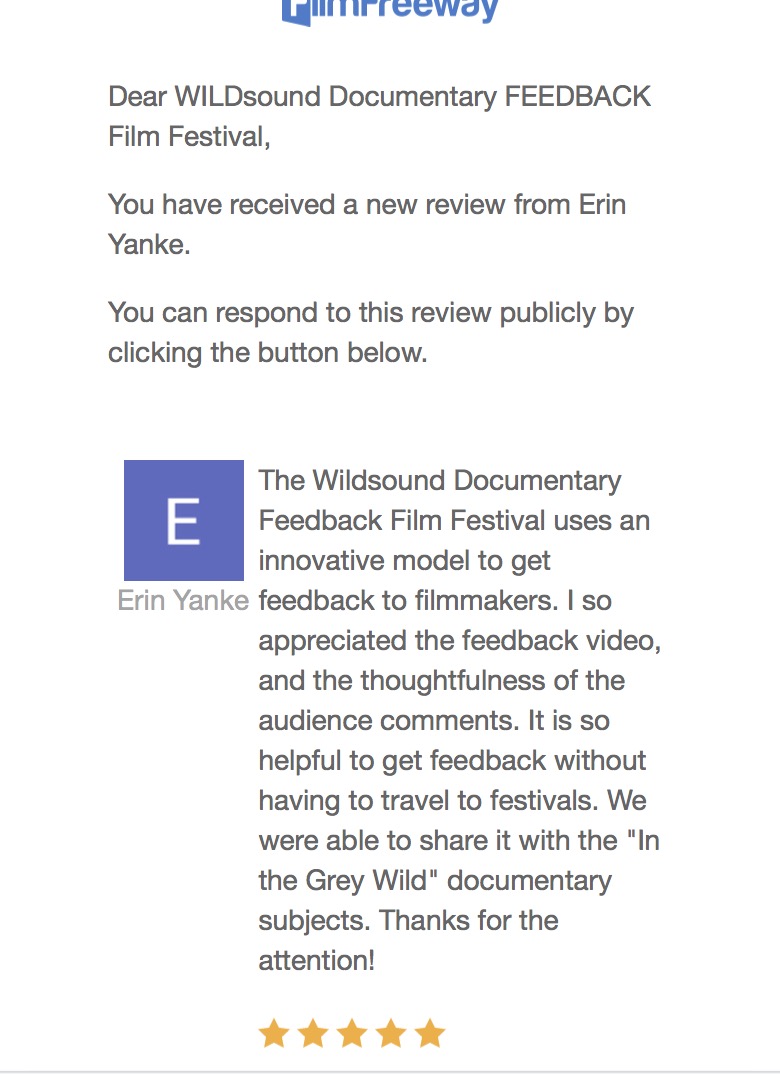
This festival was amazing. Wildsound is full of surprises is the best place to go if you want your script reviewed. They will even get actors to do a script read! Who does that! You rock WILDsound!!!! until next time:) Best! NLKimmel (Kimmel Screen Productions)
This is my second time screening a film with Matt and his team. They have been wonderful to work with, and they clearly have a heart for supporting and empowering filmmakers. They go above and beyond to provide us a platform for our work!
This is a great festival. The audience feedback is first rate and all the folks involved in putting it on are professional, timely and go the extra mile.
I really enjoyed being a part of this festival! The feedback was amazing, they were very responsive and doing everything in their power to help the filmmakers shine!
Loved the feedback scenario – comments from unrelated parties is especially interesting. Thanks!
Quality feedback and personalized communications. I highly recommend this festival format
Submit your HISTORICAL FICTION Short Story to the Festival here and we will automatically have it performed by a professional actor and turned into a promotional video for yourself.
A historical fiction story is a fictional story that takes place in the past and incorporates details about the time period to achieve authenticity. These details can include social norms, customs, traditions, and manners. Historical fiction stories can include actual historical figures or events, but the people and their actions are invented by the author.
Garner FULL FEEDBACK on your crime/mystery novel by our committee of industry professionals. Get a transcript reading of your book performed by professional actors at the Crime/Mystery Festival and made into a promotional video for your novel.
This festival has a guaranteed 4-tier set up for each accepted script. (No matter what, all screenplays submitted receive FULL FEEDBACK on their work.) 1) Full Feedback on your script 2) Actors performance video reading of your script 3) Blog interview promotion. 4) Podcast interview on the Film Festival ITunes show.
 When I called up composer Henry Jackman’s office to do the interview, I was put on hold. Fittingly, while I was waiting I got to listen to the music of Henry Jackman. It was a great way to start the interview as his music is moving even when it’s “on hold” music from the phone.









 Festival Reviews