Six people play a dark and ruthless gambling game in which every card can either grant significant rewards or decree a death sentence. With each turn, a mysterious red light selects the player, inexorably determining the fate of every participant.
I was driven by passion and stubbornness. I almost had no money to make this project, but I had amazing and talented people around me who made it happen. I was allowed to use our town’s beautiful theater for filming, found the actors, arranged a crew, and then I said to myself, “You know what? We can do this.” Red Wins was in my mind, and I needed to bring it to life as soon as possible.
From the idea to the finished product, how long did it take for you to make this film?
It took around 3 years. I started writing Red Wins in early 2021 and finished post-production at the end of 2024. By January 2025, I finished the last small corrections, and then Red Wins was ready for the festivals. I’m not gonna lie, it was so hard to let it go. I kept making little corrections for a while!
How would you describe your film in two words?
Irregular and oppressive.
What was the biggest obstacle you faced in completing this film?
Let’s be real, shooting Red Wins was no piece of cake! It was my first movie, the budget was low, and even if everyone who joined me in this adventure strongly believed in the project, I couldn’t hold them up for too long. We had breaks, some even lasting months, between different phases of filming. The post-production part wasn’t any easier. I had to focus on other work as well and find time for Red Wins. I had to keep going through the night sometimes, and it was exhausting. Covering different roles was hard, but no doubt, I put every piece of my soul into Red Wins.
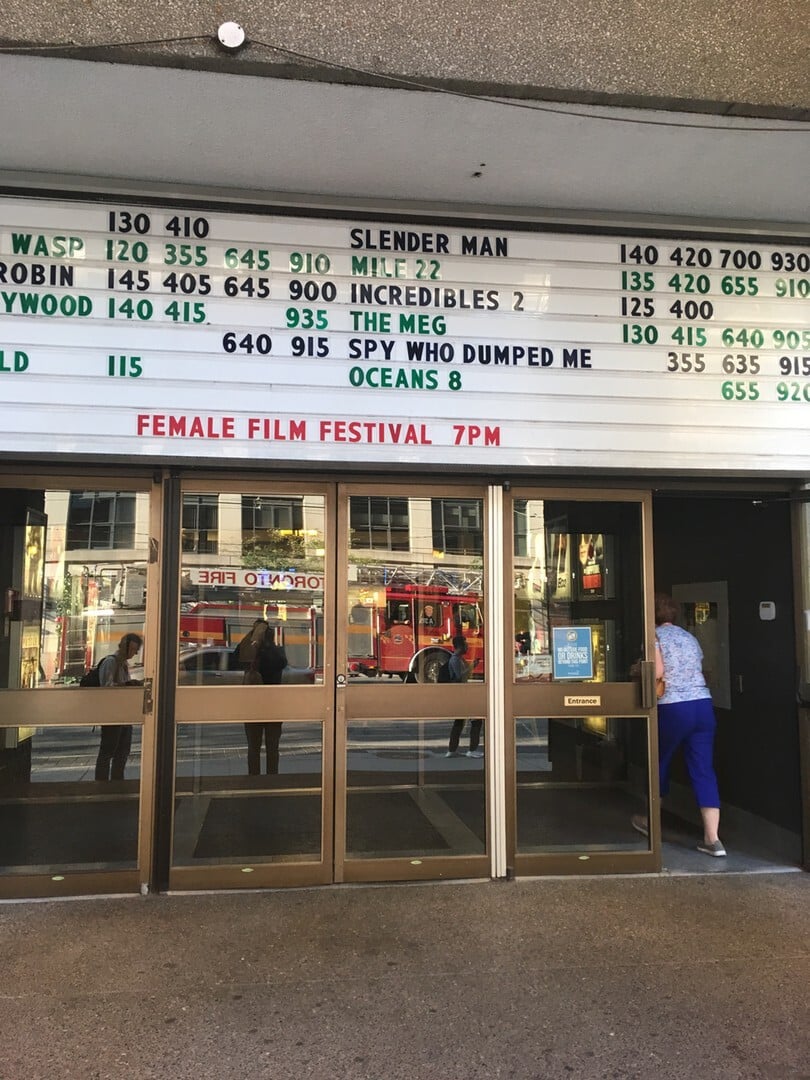
The FEEDBACK Female Film Festival (FFFF) was created for women filmmakers and screenwriters. The goal is to showcase the best of female talent in film & TV from around the world.
Deadline Today to submit via FilmFreeway:
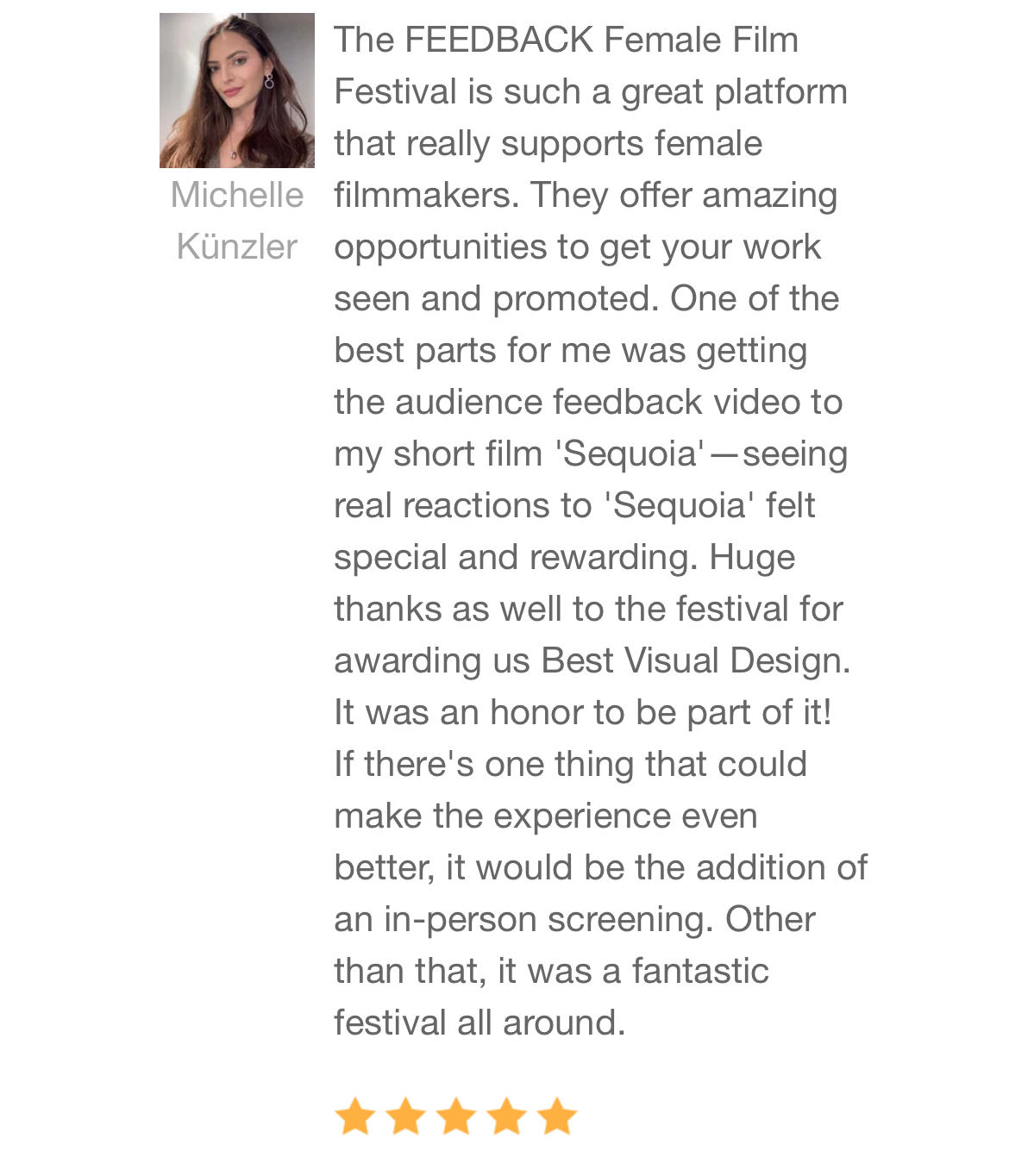
The FEEDBACK Female Film Festival is a great platform that really supports female filmmakers. They offer amazing opportunities to get your work seen and promoted. One of the best parts for me was getting the audience feedback video to my short film ‘Sequoia’—seeing real reactions to ‘Sequoia’ felt truly special and rewarding. Huge thanks as well to the festival for awarding us Best Visual Design. It was an honor to be part of it! If there’s one thing that could make the experience even better, it would be the addition of an in-person screening. Other than that, it was a fantastic festival all around.
Submit your FEMALE short story to the festival here, and we will automatically have it performed by a professional actor and turned into a promotional video.
Get FULL FEEDBACK on either the 1st chapter or entire novel book from our committee of Professional Writers, and Writing Consultants. Get your novel performed by a professional actor at the festival.
NEW OPTION: Or, just submit for an actor performance reading transcript of your novel (any 5 pages of your book). Great way to promote the sales of your book if you’re already published. (see examples on the video playlist below)
This festival has a guaranteed 4-tier set up for each accepted script. (No matter what, all screenplays submitted receive FULL FEEDBACK on their work.) 1) Full Feedback on your script 2) Actors performance video reading of your script 3) Blog interview promotion. 4) Podcast interview on the Film Festival ITunes show.
NO END LANE, 11miin., UK Directed by Mikkie-dené Le Roux In the aftermath of losing her closest friends in an accident in which she was the only one to survive, Michaela falls victim to prescribed antipsychotics to help her deal with the trauma. As she loses herself in the fog of her distorted reality, she can no longer identify the real from the unreal. Her subconscious haunts her as her memories become nightmares that she desperately tries to escape. Michaela finds herself at the scene of the accident, not knowing how she got there.
Devil Makes Three, 9min,. Canada Directed by Loken Charon When two punk bands are double booked to headline Halloween night, they must decide who will play before something else does.
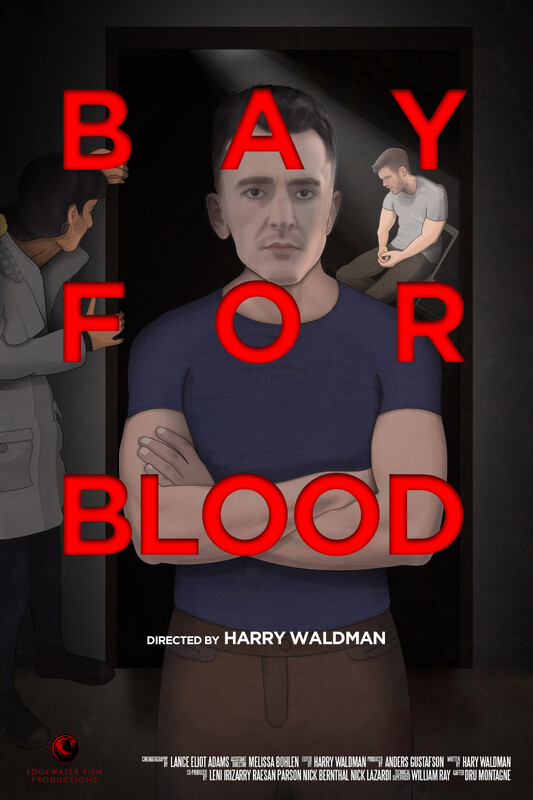
Bay for Blood, 18min., USA Directed by Harry Waldman James and Rob are hiding out in isolation to fix their mutual issues. As time progresses, the two reveal facts regarding their disturbing past relationship. An acquaintance of James’, Jessica, finds herself in an uncomfortable position as she contemplates the best way to handle the situation.
Bay for Blood, 18min., USA Directed by Harry Waldman James and Rob are hiding out in isolation to fix their mutual issues. As time progresses, the two reveal facts regarding their disturbing past relationship. An acquaintance of James’, Jessica, finds herself in an uncomfortable position as she contemplates the best way to handle the situation.
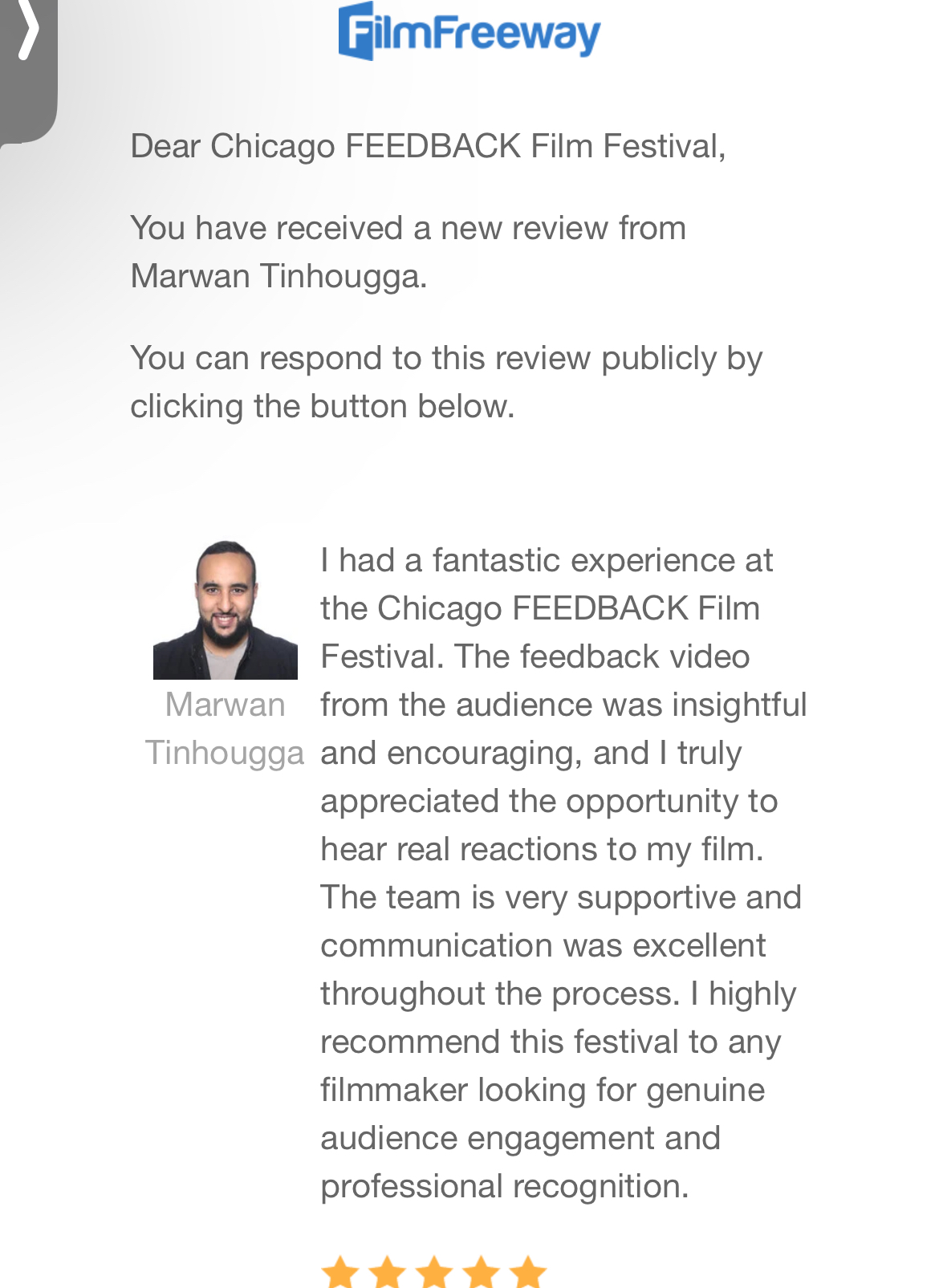
I had a fantastic experience at the Chicago FEEDBACK Film Festival. The feedback video from the audience was insightful and encouraging, and I truly appreciated the opportunity to hear real reactions to my film. The team is very supportive and communication was excellent throughout the process. I highly recommend this festival to any filmmaker looking for genuine audience engagement and professional recognition.
A travel story is a piece of writing that describes a location, its people, culture, and customs. It can also be a narrative of a journey that provides information about the physical, biogeographic, and ethnographic characteristics of an area.
Submit your TRAVEL short story to the festival here, and we will automatically have it performed by a professional actor and turned into a promotional video.
Get FULL FEEDBACK on either the 1st chapter or entire novel book from our committee of Professional Writers, and Writing Consultants. Get your novel performed by a professional actor at the festival.
NEW OPTION: Or, just submit for an actor performance reading transcript of your novel (any 5 pages of your book). Great way to promote the sales of your book if you’re already published. (see examples on the video playlist below)
This festival has a guaranteed 4-tier set up for each accepted script. (No matter what, all screenplays submitted receive FULL FEEDBACK on their work.) 1) Full Feedback on your script 2) Actors performance video reading of your script 3) Blog interview promotion. 4) Podcast interview on the Film Festival ITunes show.
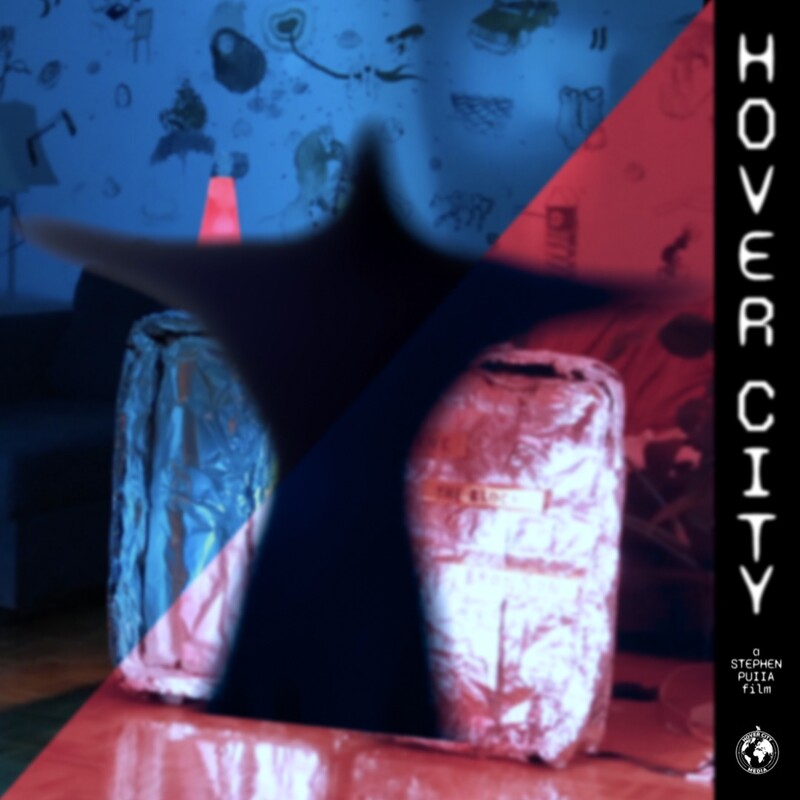
Hover City is a prequel to the 2017 novella, Lucky Duck Cola. Everyone in Hover City is getting high-fived by their favourite celebrity, Blaine The Block Bronson–that is everyone except for his most devoted and loyal fan. This man will stop at nothing to experience, the hero, Block Bronson’s patented high five. Hover City addresses the corrosive nature of narcissism within the individual and throughout society. It is a one man show, starring the producer Stephen Puiia, and is a comedic-horror.
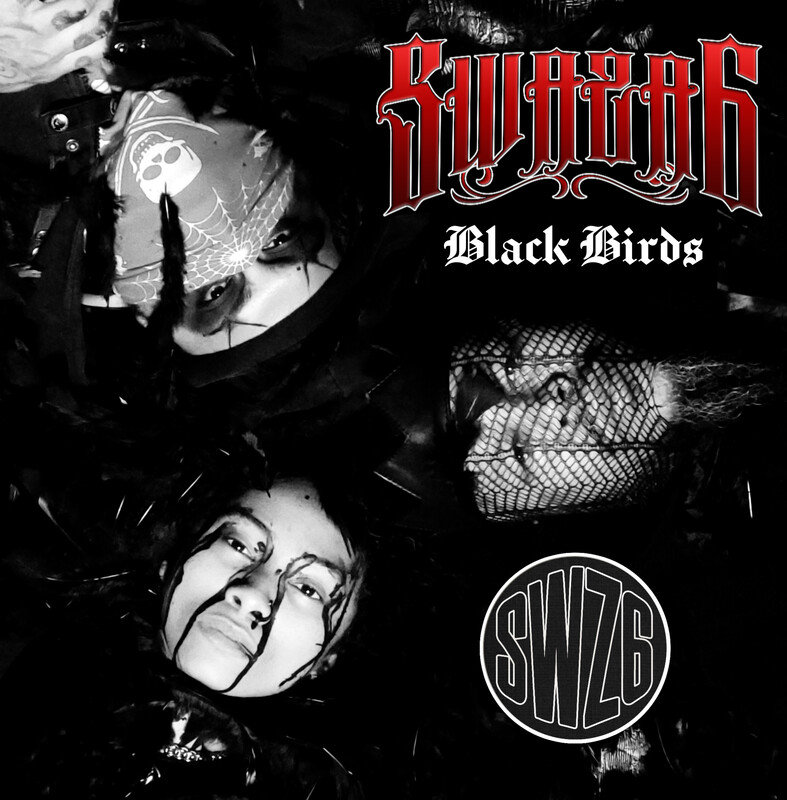
Three band members in the desert searching for inspiration discover a tape machine and curiously press play. This tape machine catapults them into a demonic dimension that mirrors the birth of their own demon.
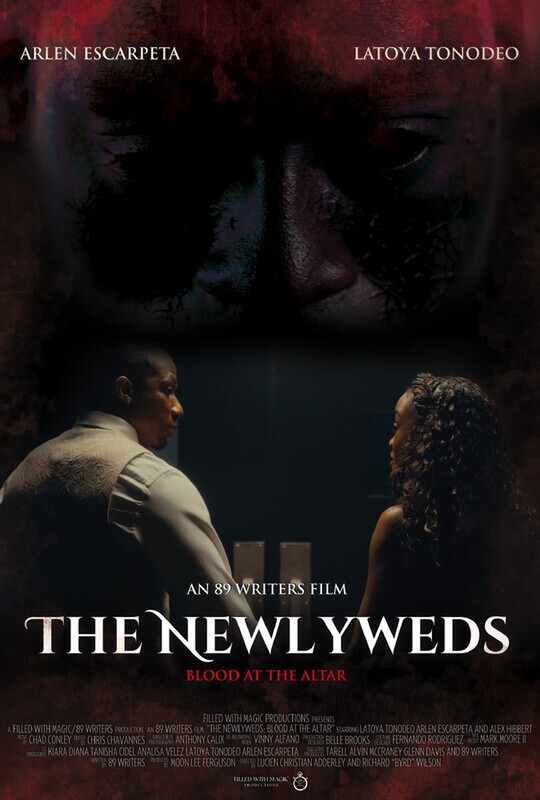
The Newlyweds: Blood At the Altar, 15min., USA Directed by Lucien Christian Adderley, Richard “Byrd” Wilson Tia and Akil are good people loved by their friends and family. However, no one believes they should wed because they love hard. They’ve had a dysfunctional, up-and-down relationship since college. They’re crazy about each other, and their friends have seen the chaos that can bring when things aren’t going well. Their love is either SPARKS flying or things BURNING, no in-between. On their big day, we quickly learn that their wedding guests have doubts about their marital future. Despite the looming uncertainty among family and friends, the couple proudly pledges their LIVES to each other. As the devoted couple exchanges vows, things get wild when a catering staff member barges into the kitchen with sick but strange symptoms. After the ceremony, the NEWLYWEDS prepare to make their grand entrance in the ballroom as husband and wife, but instead of applauding guests, they are faced with grueling ZOMBIES.
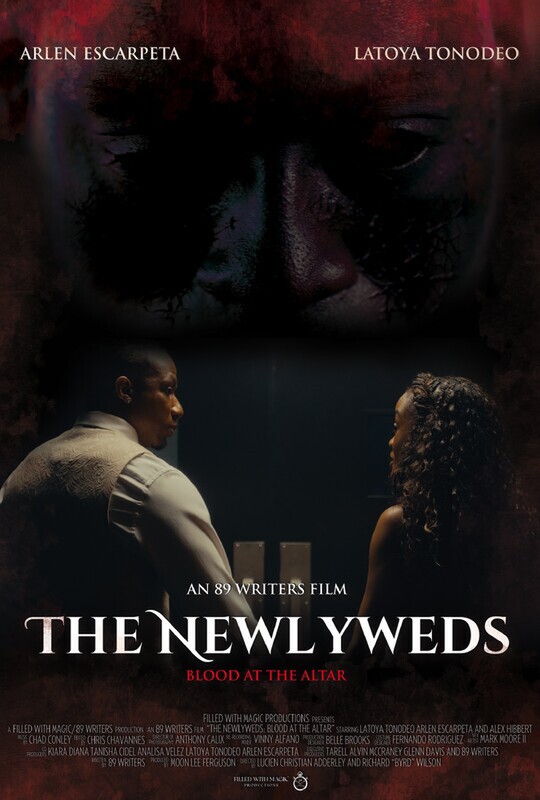
The Newlyweds: Blood At the Altar, 15min., USA Directed by Lucien Christian Adderley, Richard “Byrd” Wilson Tia and Akil are good people loved by their friends and family. However, no one believes they should wed because they love hard. They’ve had a dysfunctional, up-and-down relationship since college. They’re crazy about each other, and their friends have seen the chaos that can bring when things aren’t going well. Their love is either SPARKS flying or things BURNING, no in-between. On their big day, we quickly learn that their wedding guests have doubts about their marital future. Despite the looming uncertainty among family and friends, the couple proudly pledges their LIVES to each other. As the devoted couple exchanges vows, things get wild when a catering staff member barges into the kitchen with sick but strange symptoms. After the ceremony, the NEWLYWEDS prepare to make their grand entrance in the ballroom as husband and wife, but instead of applauding guests, they are faced with grueling ZOMBIES.
DOCUMENTARY FILM – TIPS for Documentary Film Production
THE FOUR BASIC DIVISIONS OF STYLE
1) EXPOSITORY DOC’S Commenting on the Acting of the scene rather than being a part of it -A lot of times Propaganda films (TV NEWS) -Express point of view clearly and leave little room for misinterpretation
2) OBSERVATIONAL DOC’S MIRROR TO THE WORLD – Way it’s going on, is going on -Keeping the camera rolling -Story comes out of the life of the people, not from the actions of individuals -Conveys the rhythms and texture of everyday life
3) REFLECTIVE DOC’S A relationship between the filmmakers and its subjects -Filmmaker is a part of the film. -Seen through the eyes of the filmmaker. They are usually the main character in their own film
4) IMPRESSIONISTIC DOC’S NO RULES-Poetic instead of argumentative-Generally categorized under Experimental film
WE ALL LOOK AT OURSELVES AS UNIQUE – SO DO THE SUBJECTS
“The proper route to an understanding of the world is an examination of our errors about it.” – ERROL MORRIS director (The Thin Blue Line, Dr. Death)A DOCUMENTARY DIRECTOR’S MAIN TASK IS LISTENING TO PEOPLE
Once you get an idea worth spending some time on ASK QUESTIONS 1) Is it practical? 2) Would it be high or low budget? 3) Does it have broad or narrow audience appeal? 4) What approach could we take to the subject? 5) Can we sell the brilliant idea? 6) And if so, how?
CONCEPT – A comprehensive idea that will drive the film in a distinct direction according to a clear plan
AMBIGUITIES – People who see they are being filmed want to know how to act in front of the camera
IN DOCUMENTARY FILM ARE WE THE FILMMAKER TELLING THE STORY OR ARE THOSE OF OUR SUBJECT TELLING IT
In Documentary Film, just like any other film, you need to write a script before you begin filming. You have to have a plan and an overall THEME in what you are trying to say with this film. DOCUMENTARY SCRIPT FUNCTIONS
1) The script is an organizing and structural tool. A reference and a guide that helps everyone involved in the production
2) Communicates the idea of the film to everyone concerned. Helps everyone understand what the film is about and where it is going
3) Essential to both the cameraman and the director. It conveys to the cameraman a great deal about the mood, action and problems of the camera work Also helps the director define the approach and the progress of the film, its inherent logic and continuity
4) Script helps crew answer a series of questions -What is the appropriate budget for the film? -How many locations are needed and how many days shooting? -What lighting will be required? -Will there be any special effects? -Will archive material be needed? -Are special cameras or lenses called for because of a particular scene?
5) Guides the Editor As soon as you have an understanding of the subject, ASK YOURSELF: Who are you going to show it to? How will the project be cinematic? How are you going to structure the film What are you going to do? What do you want to say? How are you going to reach the audience? What is the Target audience? What is your own personal motivation to the subject? Why is there a need for the film? Why NOW?
THEN YOU’RE READY TO RESEARCH THE SUBJECT
As a researcher you must be an observer, analyst, student and note taker
1) PRINT RESEARCH Learning to see and to distinguish the important fact from the obscuring detail -Remember biased and self-serving points of view -There lies, more lies and statistics in a lot of research
2) PHOTOGRAHS AND STOCK FOOTAGE
3) INTERVIEWS -Talk to as many experts in the field as possible -Get the best people — the most knowledgeable, most open
4) LOCATION RESEARCH -Getting the feel of the actual place -Try to suck up the subject, getting as close as possible
RESEARCH IS LIKE AN ICEBERG — SEVEN EIGHTHS OF IT IS BELOW THE SURFACE AND CAN’T BE SEEN
Make quick choice and select boundaries
“It’s sad that too many documentary filmmakers set out to make a documentary and not a movie.” MICHAEL MOORE, director (Bowling for Columbine, Roger and Me)
DIRECTING THE DOCUMENTARY FILM
The job of the director is to find the pieces that will come together in the editing to make a complete film
AS A DIRECTOR YOU HAVE TO BE TOTALLY SURE OF WHERE YOU WANT TO GO AND HOW YOU ARE GOING TO GET THERE
Director has to have the ability to listen – Need to absorb and pay attention. In trying to understand the progress of story, there is no other way but to LISTEN
YOU NEED THE INTELLIGENCE TO SHOOT THE RIGHT THING -If you are uncertain, consult the crew and listen to their opinions
-When something happens that is completely out of your hands (and something WILL happen) you need to make fast decisions in order TO SAVE THE FILM
THE DIRECTOR’S EYE
Please remember VISUALS The sense of what is VISUALLY important
Let the cameraman know your thoughts and feelings
Have a good sense of freedom and composition Seeing the best angle from which the story can be told
HUNTING FOR THE SYMBOLIC SHOT
DIRECTOR AND THE CAMERAMAN
Getting the Cameraman to understand and translate your vision to film as accurately as possible. Then adding their own creative skills to the project
TALK OVER WITH THE CAMERAMAN ON WHAT YOU PLAN TO DO WITH THE FILM
Most build the relationship of openness and trust — a relationship where each values and respects the other’s creativity and judgement
REMEMBER: A shot doesn’t stand by itself. It has to be edited into a sequence
DIRECTING THE INTERVIEW
You need to build confidence into the person being interviewed -Make sure you get to know the person being interviewed -You need to know your objectives and what you want to get out of the film session
Make the subject feel that he or she matters You are concerned and involved in what they have to sayThat you care about their opinions
EMPATHY – The more the interviewer feels this, the better the interview
THREE BASIC SETUP POSSIBILITIES FOR THE INTERVIEW
1) The interviewee looks, or appears to look directly into the camera ADDS A CERTAIN AUTHORITY, POLITICAL STANCE – I’M YOUR FRIEND
2) The camera catches the interviewee obliquely, so that he or she seems to be having a conversation with an unseen person off camera – left or right MORE FORMAL AND FRIENDLY
3) The interviewee is seen on-camera with the interviewer so that we are quite clear who is the second person involved in the conversation WHEN THE HOST IS THE STAR OR WHEN YOU EXPECT A CONFRONTATION
Ask yourself — How far do you want the viewer to be drawn into the film?
People perform most naturally when they are doing some sort of ACTION
DON’T BE OVERLY SENTIMENTAL OR EMOTIONAL
EDITING THE DOCUMENTARY FILM
The best EDITING is done with a FRESH EYE The Editor sees only what’s on screen. Suggestion is to get someone else to edit your film. They are not as close to the footage as you are
During filming, you should have ORGANIZED what you have shot for the editor
When editing a documentary film, it’s just like editing a Narrative film. You have to make a STORY with the basic storytelling functions The proper editing structure – CLIMAXES, PACE and RHYTHM
-Is there a smooth and effective opening? -Is there a logical and emotionally effective development of ideas? -Does the film have a growing sense of drama?-Is it focussed? -Are the climaxes falling in the right place?-Is your ending effective? -Is there a proper sense of conclusion?
CONTINUALLY ASK YOURSELF – Is the material really working where I have placed it?
Pay attention to the RHYTHM within the sequence? Are the shots at the right length? Do they flow and bend well?
NARRATION IN A DOCUMENTARY Pictorial narration rhythm and flow should be the fist consideration and the words should be written to picture, rather than pictures adjusted to words
WRITING THE FINAL NARRATION Can set up factual background of a film providing simple or complex information that does now arise easily or naturally from the casual conversation of the film participants
COMPLIMENT THE MOOD OF THE FILMPROVIDE FOCUS AND EMPHASIS
LETTING THE READER KNOW THE 5 W’S WHO, WHERE, WHEN, WHAT, WHY You draw attention to certain situations and present evidence about them. The Judgement must come from the viewer
The basic RULES OF NARRATION 1) Don’t describe what can clearly be seen and understood by most people 2) And then AMPLIFY and explain what the picture doesn’t show
CLEAR AND EXPRESSIVE
SIMPLE POWERFUL SENTENSES
DIRECTING ATTENTION – LETTING THE AUDIENCE SEE WHAT YOU WANT THEM TO SEE
Remember that people remember the visuals – not the narration – don’t be too wordy
LET THE PICTURES TELL THE STORY
“I never, ever want to apologize for a film. If it’s bad I’ll say it’s my fault. And that’s what I can say so far in all the films that I’ve done, that if you don’t like it, it’s entirely my fault.” – KENS BURNS director (The Civil War, Baseball, Jazz)










 Festival Reviews