Submit your Literary Fiction Short Story to the Festival here and we will automatically have it performed by a professional actor and turned into a promotional video for yourself.
“Graphic Novel” isa format, not a genre. Graphic novels can be fiction, non-fiction, history, fantasy, or anything in-between. Graphic novels are similar to comic books because they use sequential art to tell a story. Unlike comic books, graphic novels are generally stand-alone stories with more complex plots.
This festival has a guaranteed 4-tier set up for each accepted script. (No matter what, all screenplays submitted receive FULL FEEDBACK on their work.) 1) Full Feedback on your script 2) Actors performance video reading of your script 3) Blog interview promotion. 4) Podcast interview on the Film Festival ITunes show
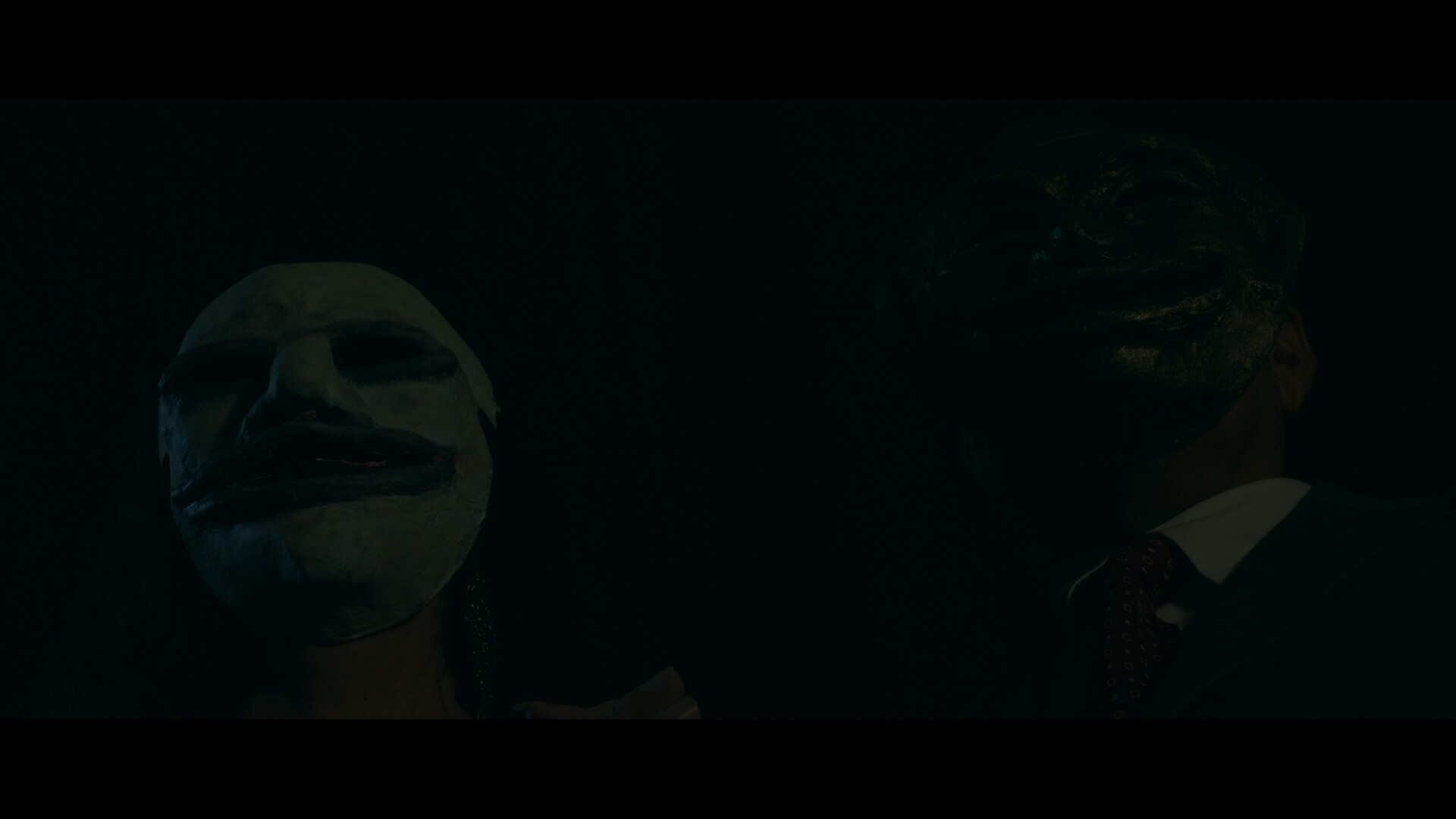
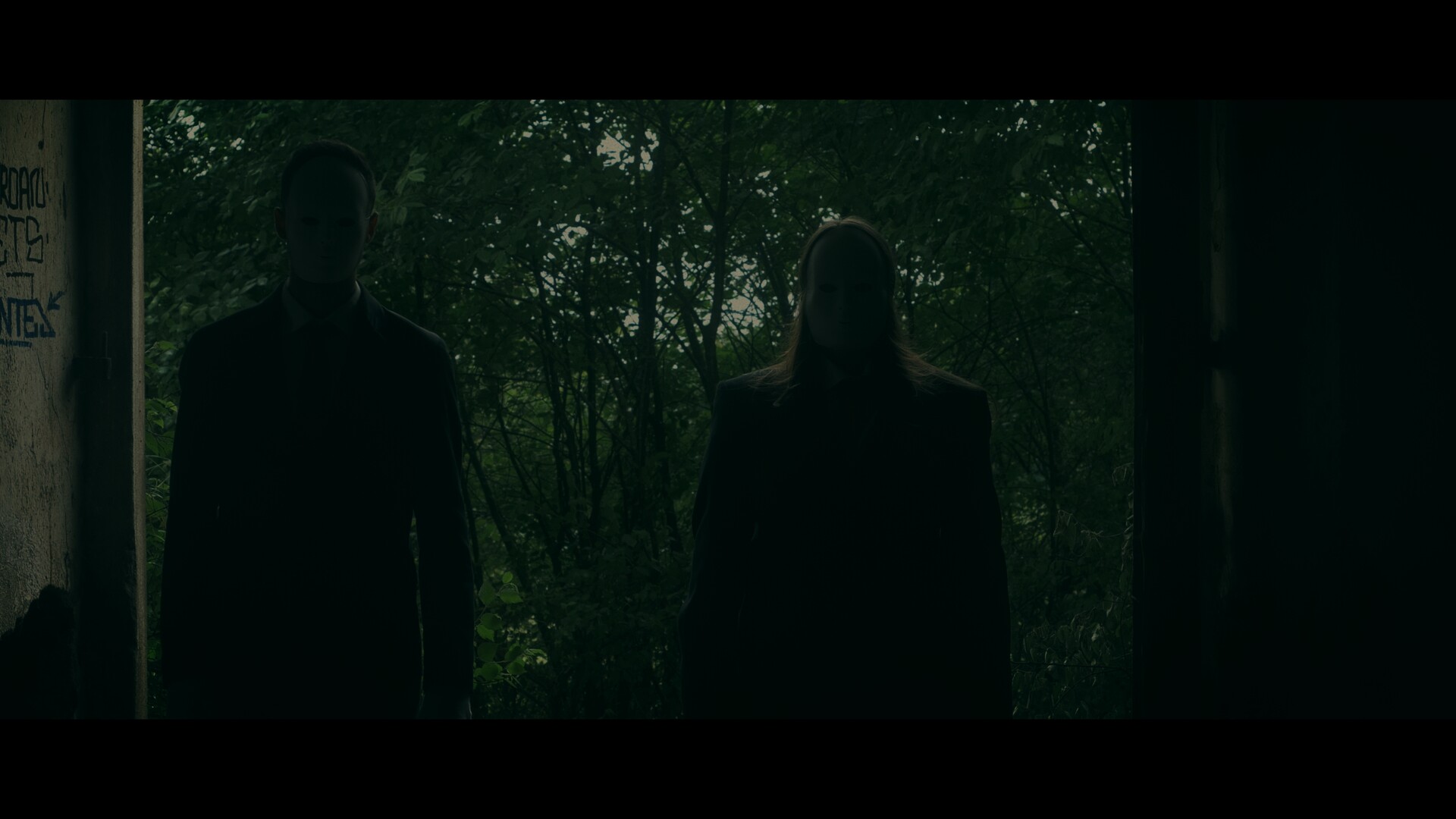
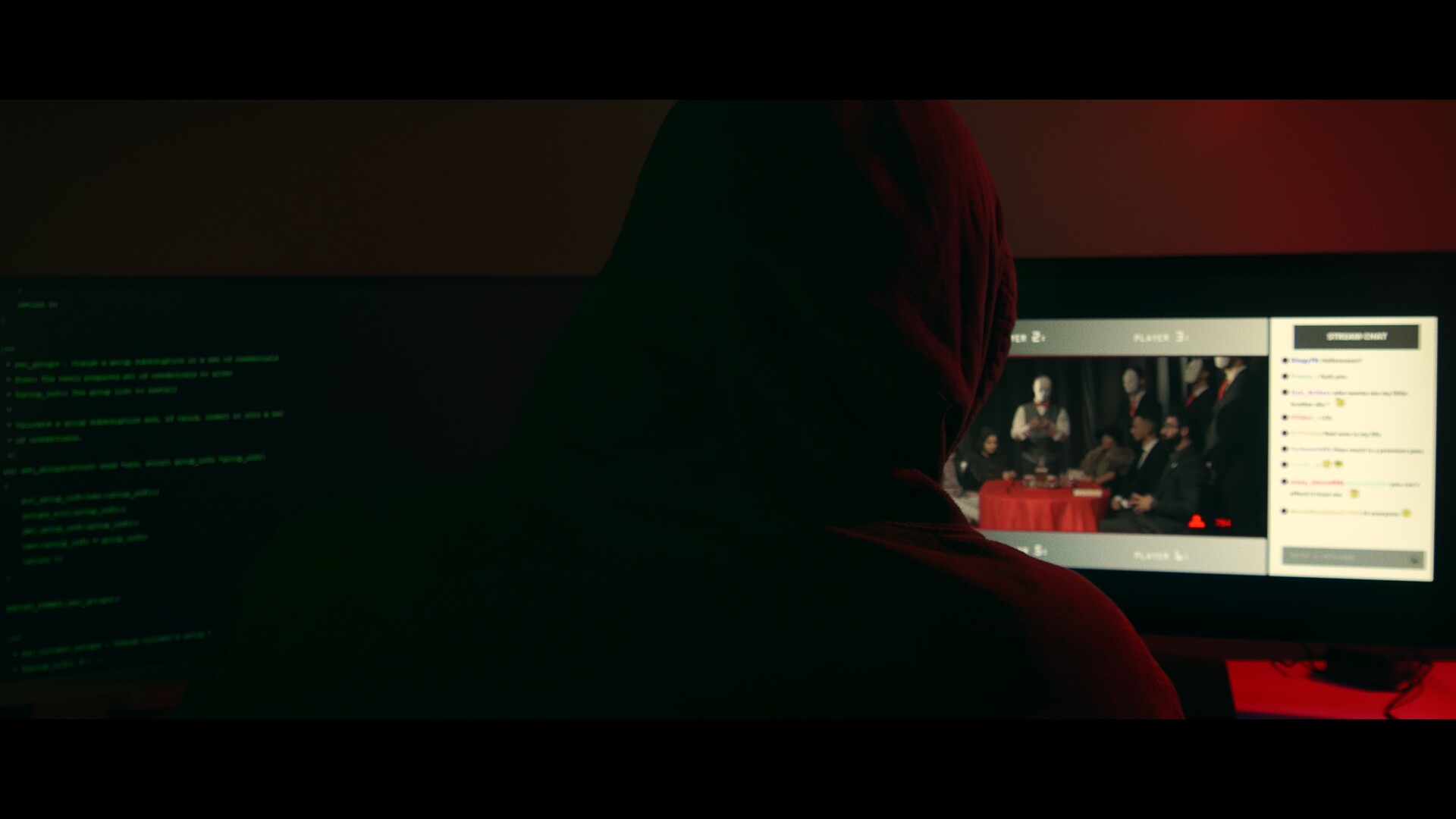
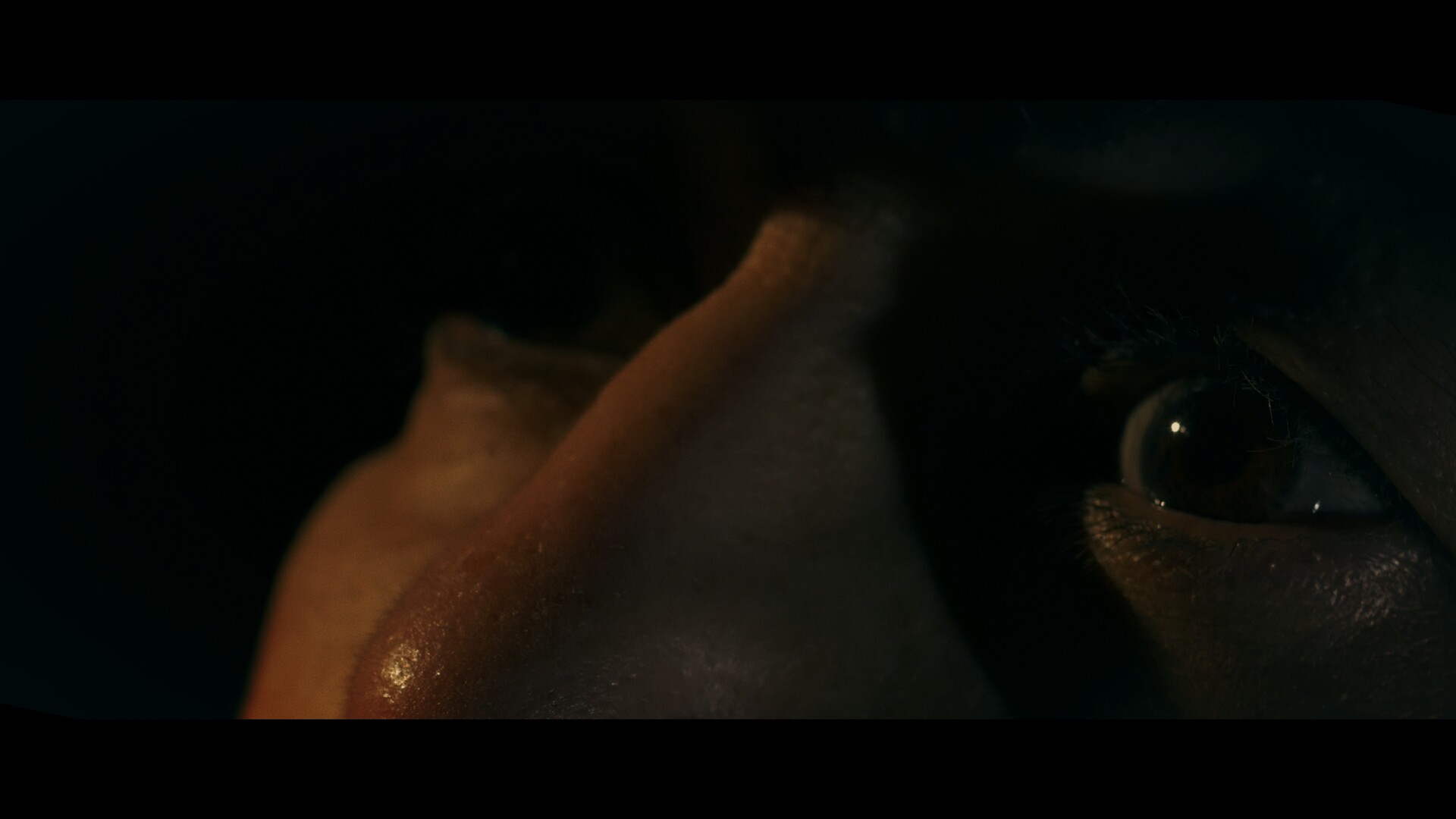
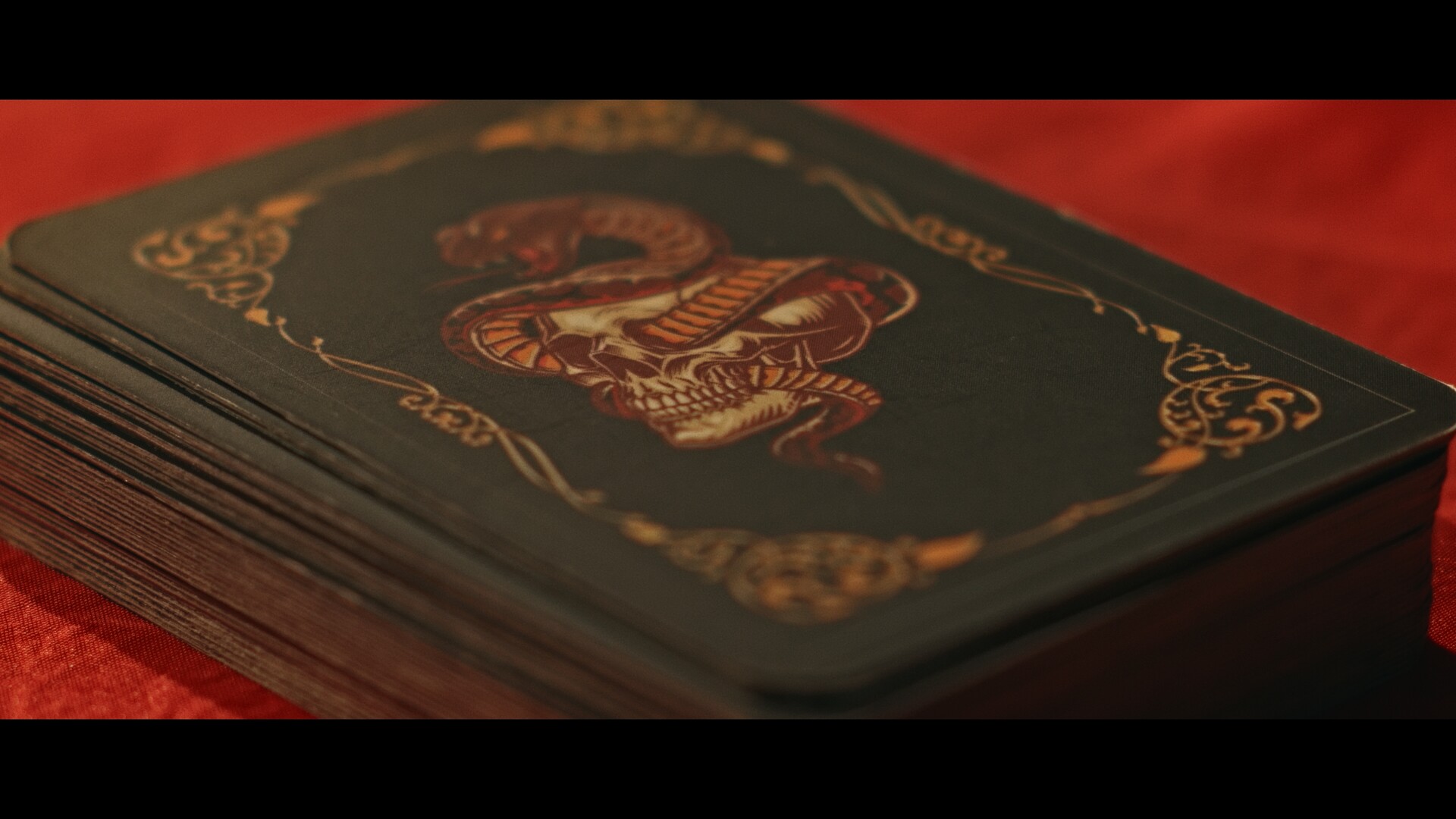
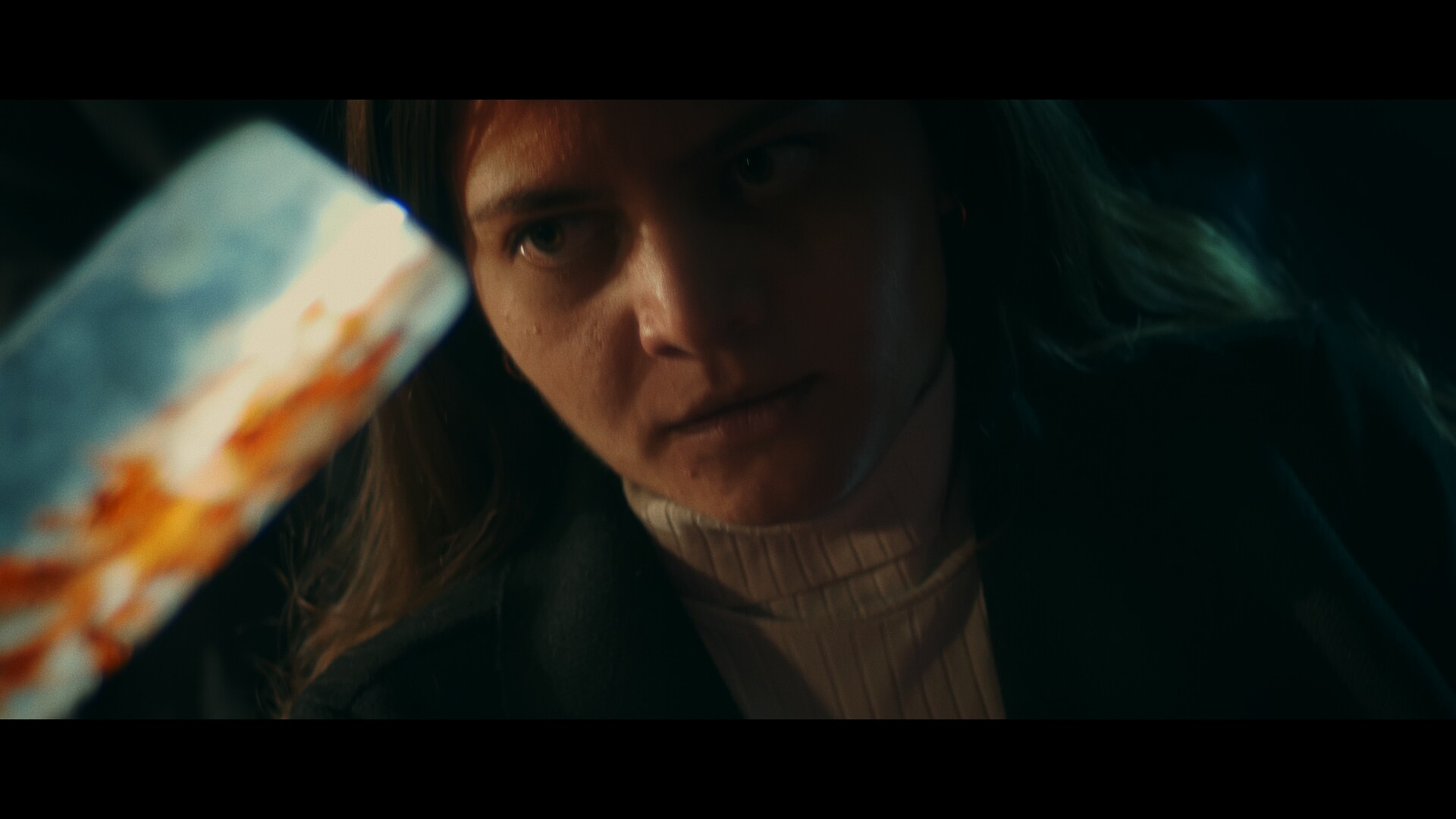
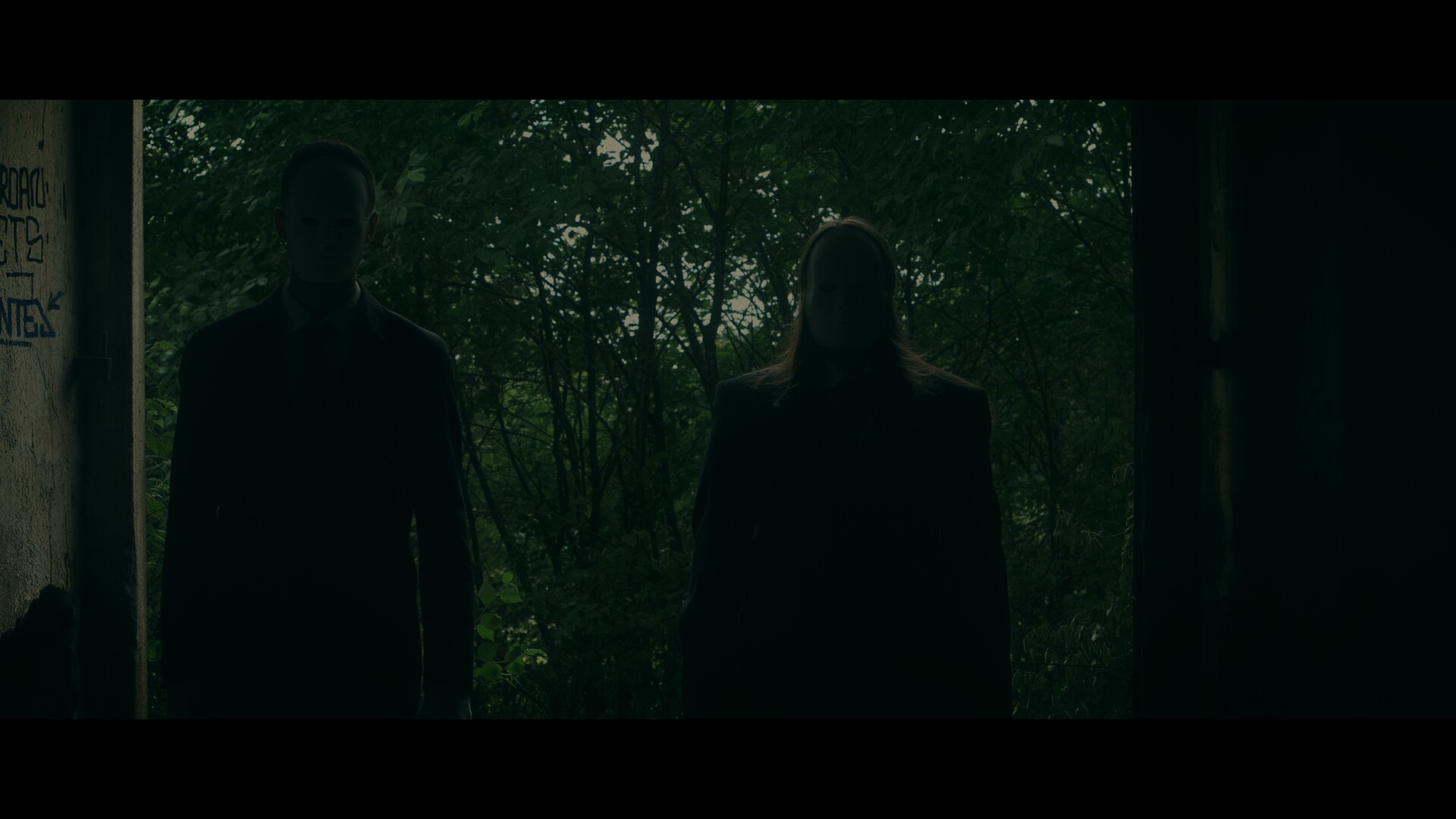
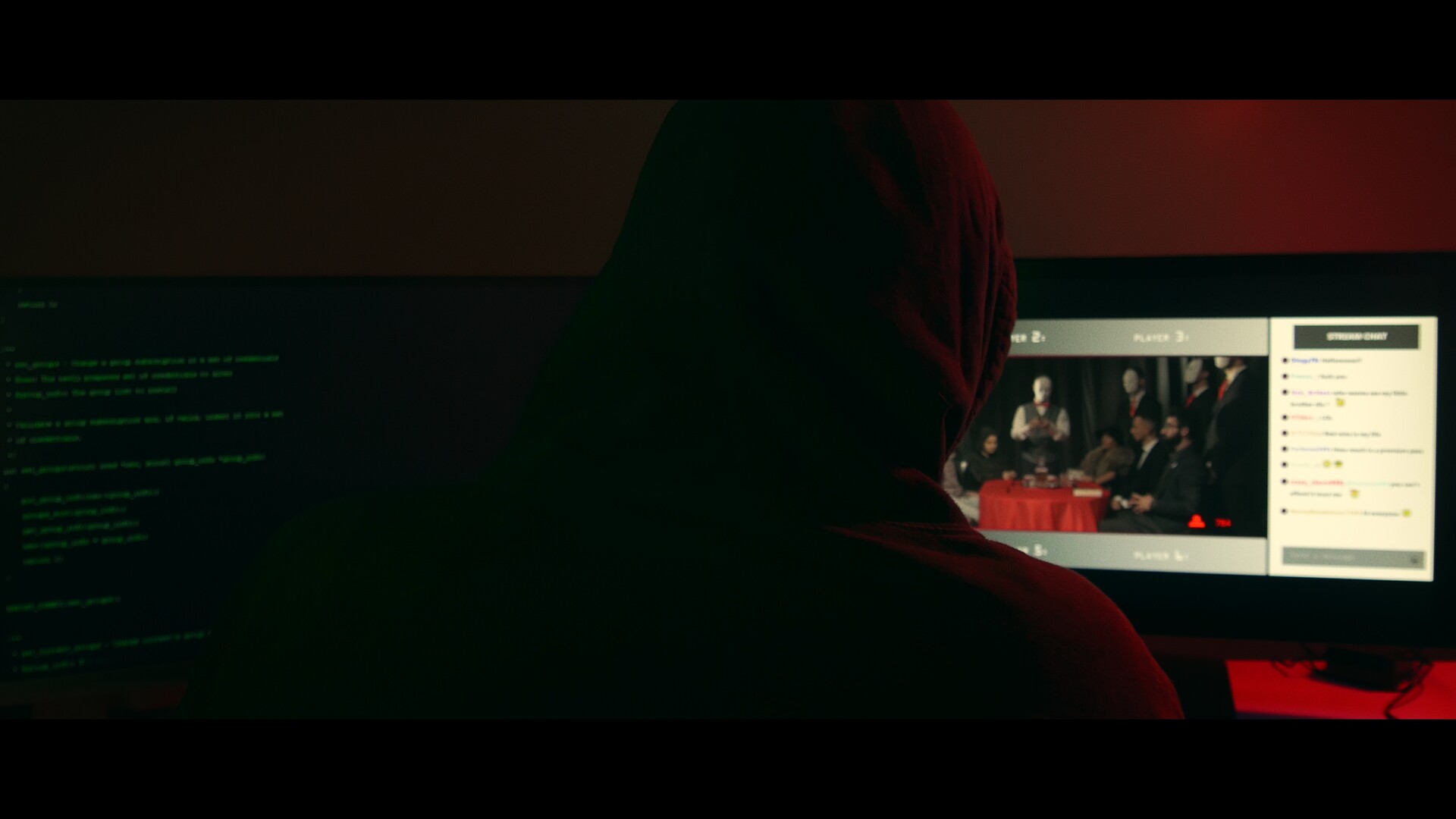
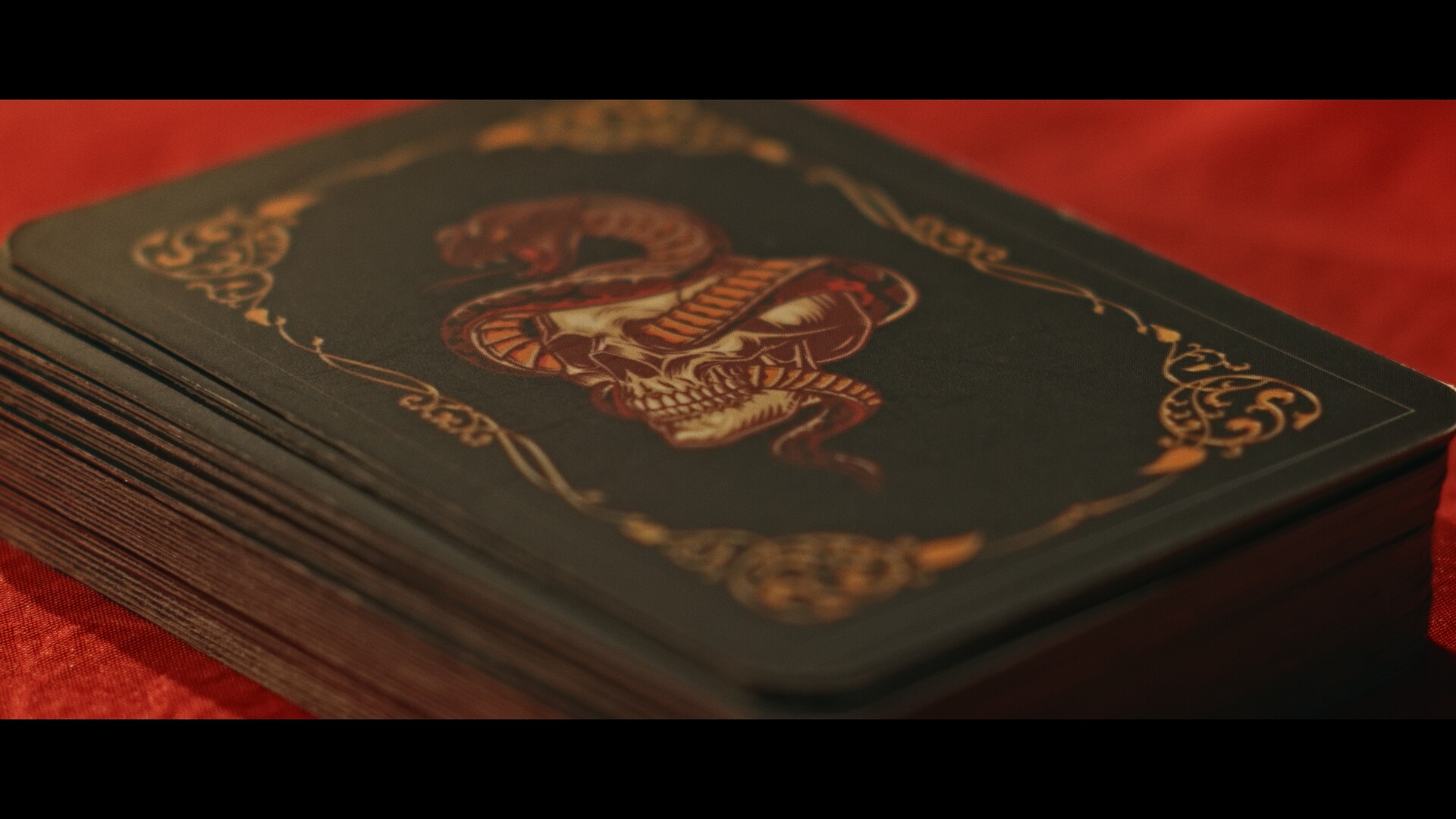
Six people play a dark and ruthless gambling game in which every card can either grant significant rewards or decree a death sentence. With each turn, a mysterious red light selects the player, inexorably determining the fate of every participant.
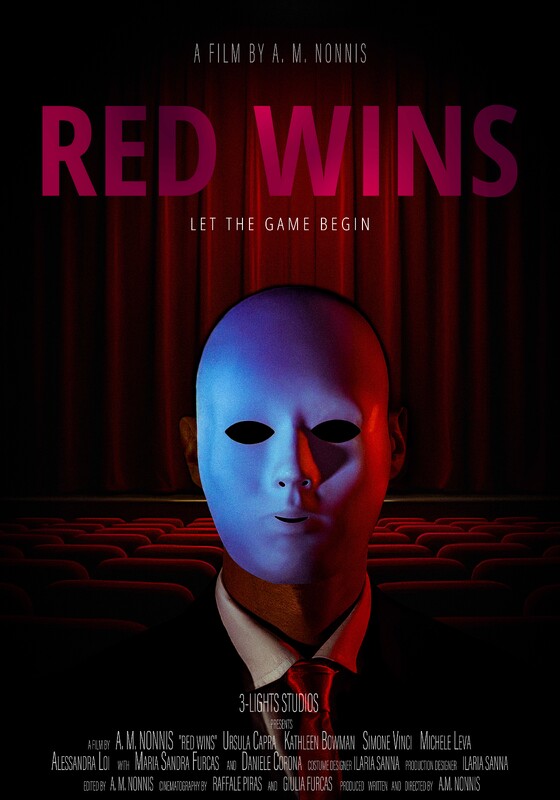
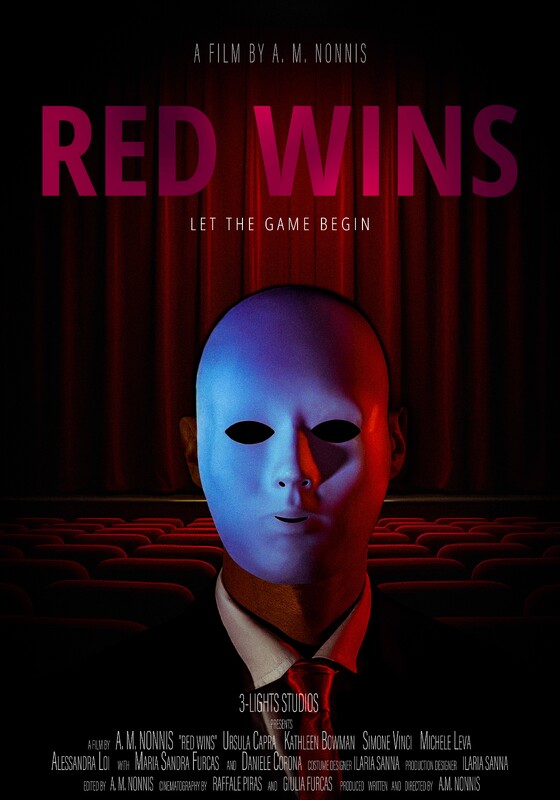
Antonio Mattia Nonnis was born in Cagliari on September 2, 1998. Passionate about cinema from a young age, he pursued his passion by attending the National Academy of Cinema in Bologna. Over the years, he has been involved in various projects, including his debut film Red Wins. He is also the co-founder of the videomaker collective 3-Lights Studios.
Red Wins, 77min., Italy Directed by A.M. Nonnis Six people play a dark and ruthless gambling game in which every card can either grant significant rewards or decree a death sentence. With each turn, a mysterious red light selects the player, inexorably determining the fate of every participant.
Antonio Mattia Nonnis was born in Cagliari on September 2, 1998. Passionate about cinema from a young age, he pursued his passion by attending the National Academy of Cinema in Bologna. Over the years, he has been involved in various projects, including his debut film Red Wins. He is also the co-founder of the videomaker collective 3-Lights Studios.
Cinematography is the art of manipulating light and shadow, and capturing it as a moving image.
CINEMATOGRAPHY – SHOTS AND CAMERA ANGLES
QUESTIONS TO ASK: -What is the best viewpoint for filming this position of the event? -How much area should be included in this shot?
SCENE defines the place or setting where the action is laid SHOT defines a continuous view filmed by one camera without interruption
SEQUENCE A series of scenes or shots complete in itself.
TYPES OF CAMERA ANGLES OBJECTIVE – The audience point of view SUBJECTIVE – The camera acts as the viewers eyes-movement POINT OF VIEW – What the character is seeing
CAMERA ANGLES – Are the most important factor in producing illusion of scenic depth. Which angle the object is photographed.
FIVE BASIC ANGLES
EYE LEVEL SHOTS – Provide frames or reference. Audiences sees the event as if in the scene. Most scenes in movies are photographed from eye level. 5 to 6 feet off the ground. Capturing the clearest view of an object. -Treating your characters as equals. Discourages viewers at judging them and permits audience to make up their own minds.
BIRDS EYE VIEW – Photographing a scene from DIRECTLY OVERHEAD. Hovers from above like all powerful gods. Idea of fate.
HIGH ANGLED SHOTS – Camera is tilted downward. Movement is slowed down. A person seems harmless and insignificant photographed from above. – The higher the angle, the more it tends to imply fatality
-Heightens the importance of a subject. Scenes depicting heroism
OBLIQUE ANGLE – Lateral tilt of the camera. As though the object is about to fall to one side. POINT OF VIEW SHOTS. -Suggests tensions, transitions, impending movement IMAGE THAT SLANTS TO THE RIGHT – Acting forceful IMAGE THAT SLANTS TO THE LEFT – Weak, static
ASK YOURSELF -How much should be included in this shot? -Where should the camera be positioned to view this particular part of the action? A shot should be held no longer than required to make its point.
Approach each sequence with a fresh attitude and strive to treat the action in an individual matter.
A definite change in camera angles will assure a smoother flow of images.
“And later I thought, I can’t think how anyone can become a director without learning the craft of cinematography.” – Nicolas Roeg
SIX BASIC SHOTS
1) Extreme Long Shot – Taken at a great distance. Almost always an exterior shot and shows much of the locale. Establishing shots usually 2) Long Shot – The distance between the audience and the stage in the live theater 3) Full Shot – Barely including the whole body 4) Medium Shot – Knees to waste up. Useful for exposition scenes, carrying movement and for dialogue 5) Close-Up – Concentrates on a relatively small object. HUMAN FACE 6) Extreme Close-Up – Might just show eyes or mouth
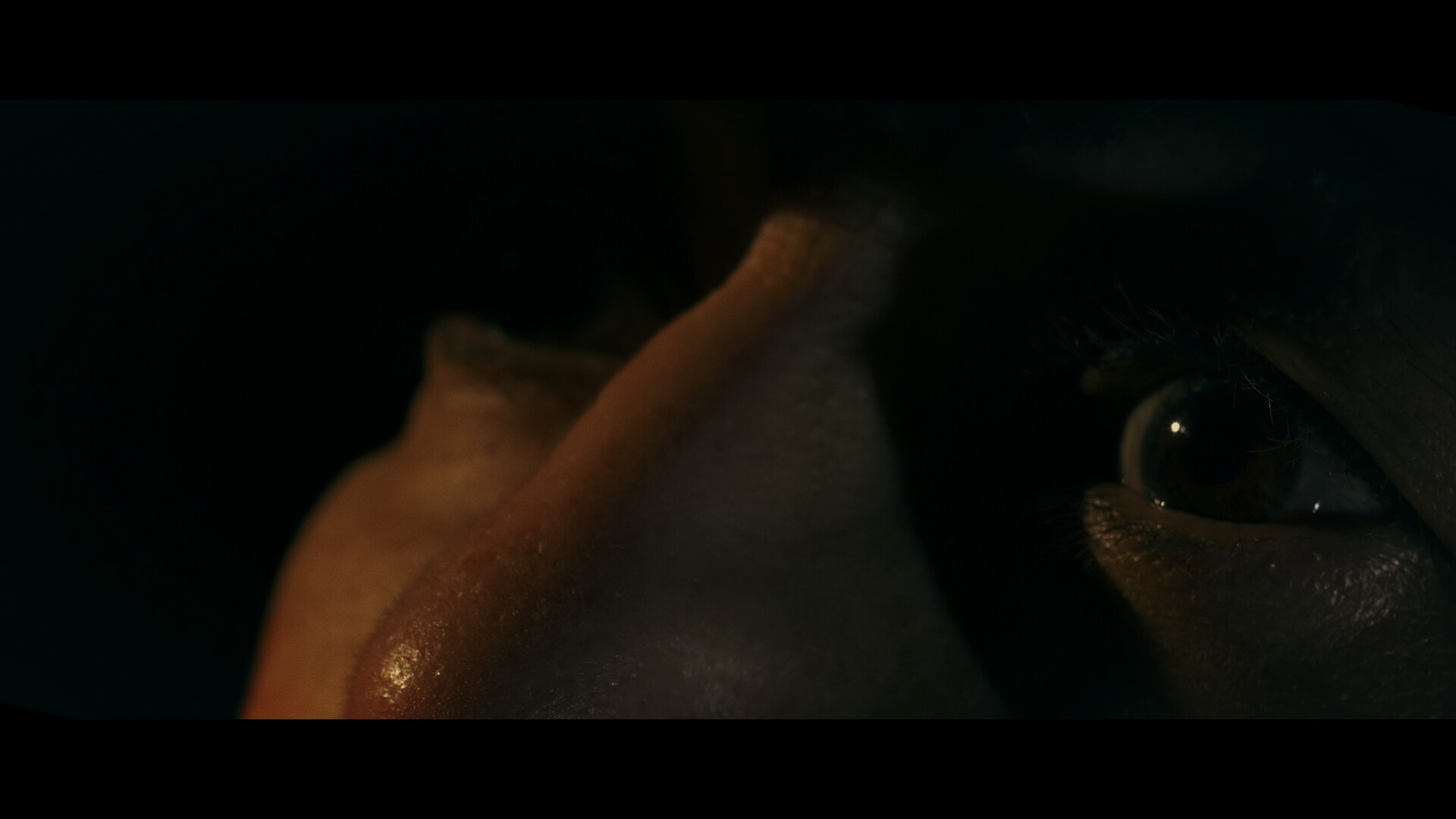
CLOSEUPS -Are among the most powerful storytelling devices available to the filmmaker -Allows removal of tedious or repetitious action -Can be used to provide a time lapse -Bring that dramatic punch
FRAMES -Area near the top of the frame can suggest ideas dealing with power, authority and aspiration -Left and right edges of the frame can suggest insignificance
DOMINANT CONTRAST – Area that immediately attracts our attention because of a conspicuous and compelling contrast
SUBSIDARY CONTRAST – Structured image so that specific images are followed in sequence. Whatever character or object that is most dramatically important will assume dominance.
The HUMAN EYE scans pictures from left to right
HORIZONTAL LINES – Move from left to right VERTICAL LINES – Move from top to bottom DIAGONAL OR OBLIQUE LINES tend to sweep upward TERRITORIAL SPACE – movie images must tell a story in time. A story that involves human beings and their problems. THREE VISUAL PLACES – MIDGROUND, FOREGROUND, BACKGROUND
SPACE is one of the principal mediums of communication in film
Dominant characters are almost always given more space to occupy than others are.
You can define, adjust and redefine human relationships by exploiting spatial conventions
ACTOR CAN BE PHOTOGRAPHED IN FIVE BASIC POSITIONS 1) Full Front – Facing the camera 2) Quarter turn 3) PROFILE – looking off frame, left to right 4) Three quarter turn 5) Back to Camera
FULL FRONT – Most intimate, vulnerabilities exposed-Audience agrees to become their chosen confidante.
QUARTER TURN – Involves a high degree of intimacy but with less emotional involvements
PROFILE – More remote. -Character lost in their own thoughts.
THREE QUARTER TURN – More anonymous. Rejecting audiences
BACK TO CAMERA – Characters alienation from the world. Sense of concealment, mystery.
TIGHTLY FRAMED SHOTS – Confined
LOOSLY FRAMED SHOTS – Freedom
PROXEMIC PATTERNS – Climax, noise level and the degree of light all tend to alter the space between individuals
1) INTIMATE – Eighteen inches away. Distance of LOVE, COMFORT, TENDERNESS between individuals
2) PERSONAL – Eighteen inches to about four feet away. Reserved for friends and acquaintances
3) SOCIAL – Four feet to about twelve feet away. Business and casual social gatherings
4) PUBLIC – Twelve to about twenty feet away.
ANALYSIS OF ANY GIVEN SHOT – TWELVE ELEMENTS
1) SHOT AND CAMERA PROXEMICS -What type of shot is it? How far away from the action is the camera?
2) ANGLE -Are we looking up or down on the subject, or is the camera neutral?
3) LENS and/or FILTER -How do these distort or comment on the photographed materials?
4) LIGHTING STYLE -High or low key lighting? High contrast? Some combination of these?
5) DOMINANT -Where is our eye attracted first?
6) SUBSIDIARIES -Where does our eye travel after taking in the dominant?
7) COMPOSITION -How is the two-dimensional space segmented and organized? What is the underlying design?
8) FORM -Open or closed? Does the image suggest a window that arbitrarily isolates a fragment of the scene? How are the visual elements carefully arranged and held in balance?
9) FRAMING -Tight or loose? Do the characters have room to move around in, or can they move freely?
10) DEPTH -On how many planes is the image composed? What do we see in the background?
11) STAGING PROBLEMS -Which way do the characters look from the camera?
12) CHARACTER PROXEMICS -How much space is there between the characters?
MOVEMENT IS NOT SIMPLY A MATTER OF WHAT HAPPENS, BUT HOW THINGS HAPPEN.
The OBSERVER has to be the CAMERA and it needs to know where it s going.
THE VALUE OF A SHOT ALWAYS DEPENDS ON A NARRATIVE.
” You make the movie through the cinematography – it sounds quite a simple idea, but it was like a huge revelation to me.” – Nicolas Roeg
THE PRINCIPLES OF PERSPECTIVE
-Finding the right points of the sequence and getting to tell the best narrative story
AESTHETIC DISTANCE – Phrase used to describe the degree to which a work or art manipulates the viewer
FIRST PERSON POINT OF VIEW – Sees events through the eyes of the character
THIRD PERSON POINT OF VIEW – Presents action as seen by an ideal observer
OMNISCIENT POINT OF VIEW – Having to know what the character is thinking. Requires a type of narration, voice-over or graphics
PAN SHOT, Used to: -Include space greater than can be viewed through a fixed frame -Follow action as it moves -Connect two or more points of interest graphically -Connect of imply a logical connection between two or more subjects
“Cinematography is infinite in its possibilities… much more so than music or language. – Conrad Hall
CRANE SHOT -Inherently majestic and holds our interest regardless of the subject because of the sheer physical pleasure of the move -Permits us to feel the dimensions of the world by penetrating space, further endorsing its reality through the illusion of depth -Eats up time on the set -Careful planning and preparation is vital
TRACKING SHOT -Used to follow a subject or explore space -A dolly moves towards a subjects face can be used to emphasize a character’s moment of realization. A dolly always tends to isolate the subject as well
TRIPOD SHOTS -Usually is used only in stable and relatively predictable shooting situations -Makes very controlled transitions from subject to subject possible -Makes very controlled image transitions possible -Makes stable close-ups possible at the telephoto end of the zoom lens -Conveys the cool, assured view
HANDHELD SHOTS -Can react to events, much as we do in life -Implies a spontaneous event driven quest -Conveys a subjective, even vulnerable point of view
****
TORONTO, ON – SEPTEMBER 14: General view of the atmosphere around town during the 2011 Toronto International Film Festival on September 14, 2011 in Toronto, Canada. (Photo by Sarjoun Faour Photography/Getty Images)
Seconds in Eternity, 42min., Estonia/Germany Directed by Christian Schu An elegant woman in her later years feels the relentless march of time as she mourns her lost youth and missed chances. Alone in a dimly lit room, her life seems to fade with each cigarette she smokes. She observes a vibrant young woman, envying her youth and vitality. Through her introspections, we explore her deep desires and regrets. The narrative, rich with poetry and flashbacks, takes a dramatic turn with a potential murder, leading to a surprising twist. Despite its dark beginnings as a Film Noir, the film transforms into a celebration of life, ending on a hopeful, life-affirming note.
What motivated you to make this film? Marina Welsch, the main actress contacted me in 2022, having this film idea and some sort of script. I loved the idea behind, added my own value and took it from there. I loved the idea of showing that, to be able to heal, we have to unite with ourselves first. Our past is an important part of us and we must accept it, to come further in life, to reach the next level.
From the idea to the finished product, how long did it take for you to make this film? October 2022 til February 2025 – 2 years and 4 months.
How would you describe your film in two words!? Worth watching.
What was the biggest obstacle you faced in completing this film? The biggest obstacle was surely creating this film on a very low budget, while everyone of us had other projects simultaneously. But the whole crew was amazing and we’ve made it work out.
What were your initial reactions when watching the audience talking about your film in the feedback video? I honestly had goosebumps from listening to the audience talking about Seconds in Eternity. I’ve been thrilled to get such a positive feedback.
Fantastic festival – the feedback was amazing in that it was detailed and intelligent. The reviewers really understood the bigger concepts and subtitles of the my film (Spot The Indifference). I was also delighted that it won Best Performances and I’m very proud for the actors involved. Thank you once again!!
Thanks, Toronto. You have been a rock in my quest to get my screenplays produced. Your input is intelligent and always helpful.
Very impressed with the quality of the feedback, thanks so much everyone!
A fantastic festival that gives you audience feedback through a video compilation – nothing I’ve ever experienced a festival do before! It was incredible hearing what people thought of our film and the depth the were able to get from it – it was even slightly emotional hearing what they had to say. A Brilliant festival!
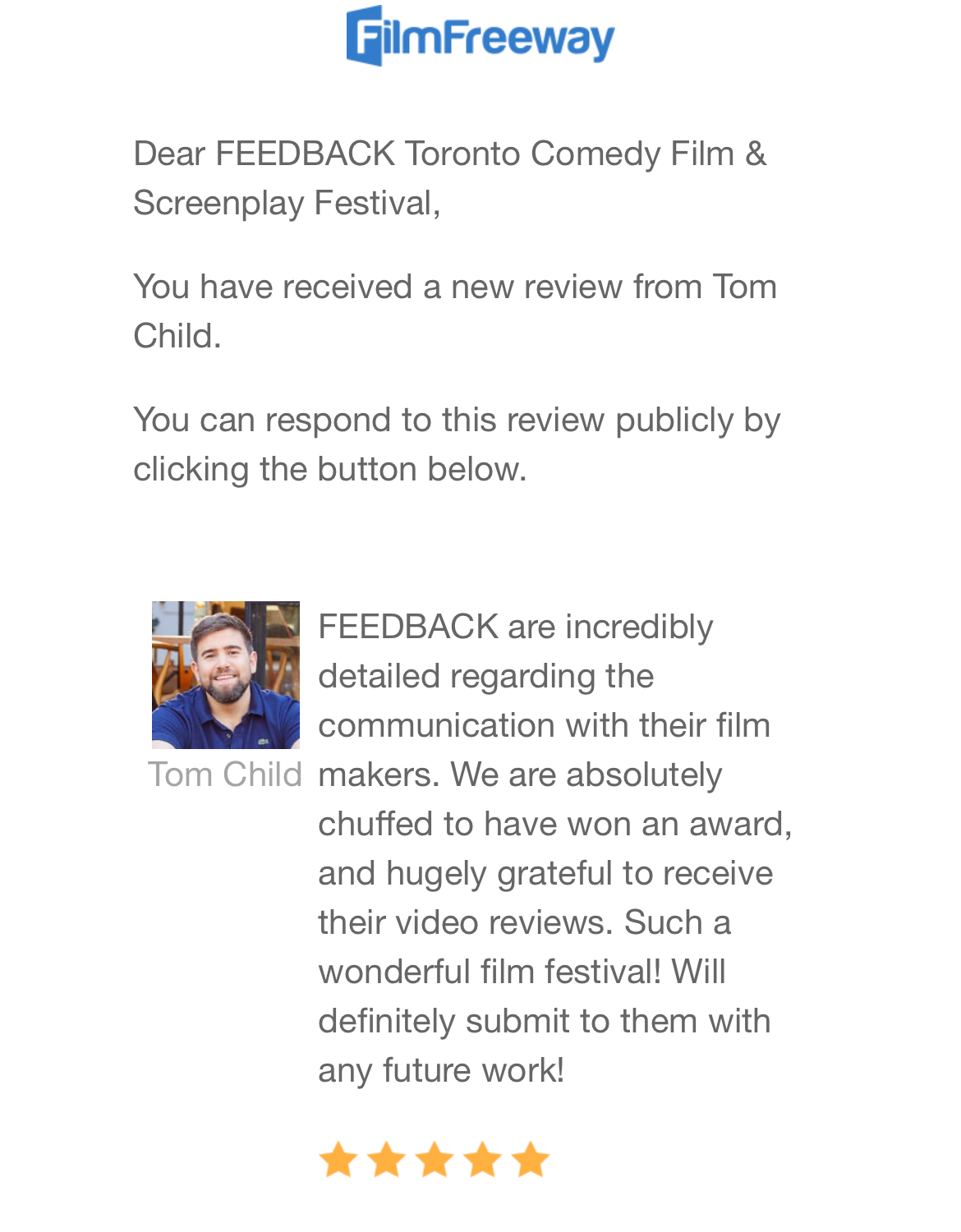
The most communicative staff of all the fests I’ve been involved with. Definitely focused on encouraging and promoting work.
This festival has a guaranteed 4-tier set up for each accepted script. (No matter what, all screenplays submitted receive FULL FEEDBACK on their work.) 1) Full Feedback on your script 2) Actors performance video reading of your script 3) Blog interview promotion. 4) Podcast interview on the Film Festival ITunes show
A paranormal story is a work of fiction that explores phenomena and beings that are beyond the scope of scientific understanding. They include elements like ghosts, vampires, werewolves, witches, and other entities that cannot be explained by the laws of nature. They can be set in the real world, but generally includes elements that defy scientific explanation.
SAVE $40 off the regular submission for full novel submissions. Get FULL FEEDBACK on your novel by our committee of industry professionals. Get a transcript of your novel performed by professional actors at the Festival.
Deadline Today: Toronto COMEDY Film & Screenplay Festival:
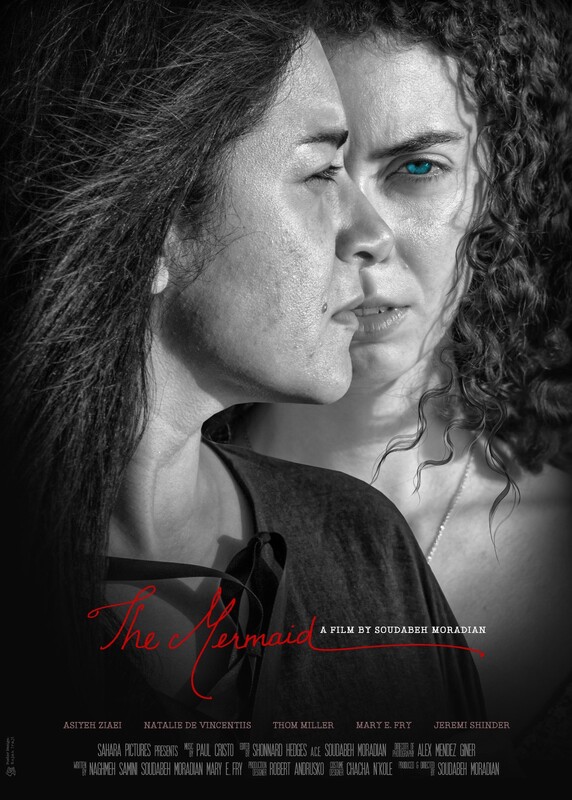
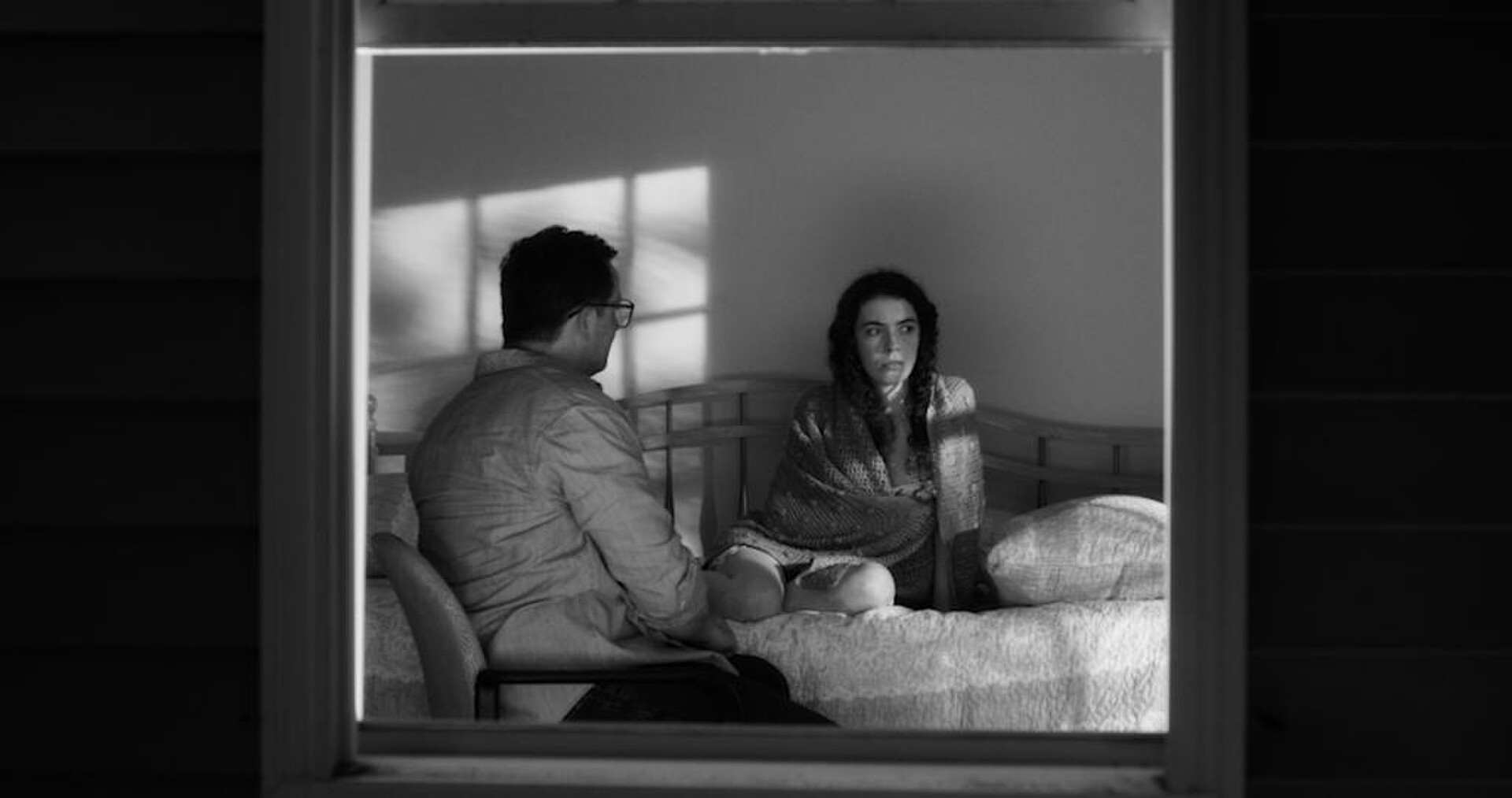
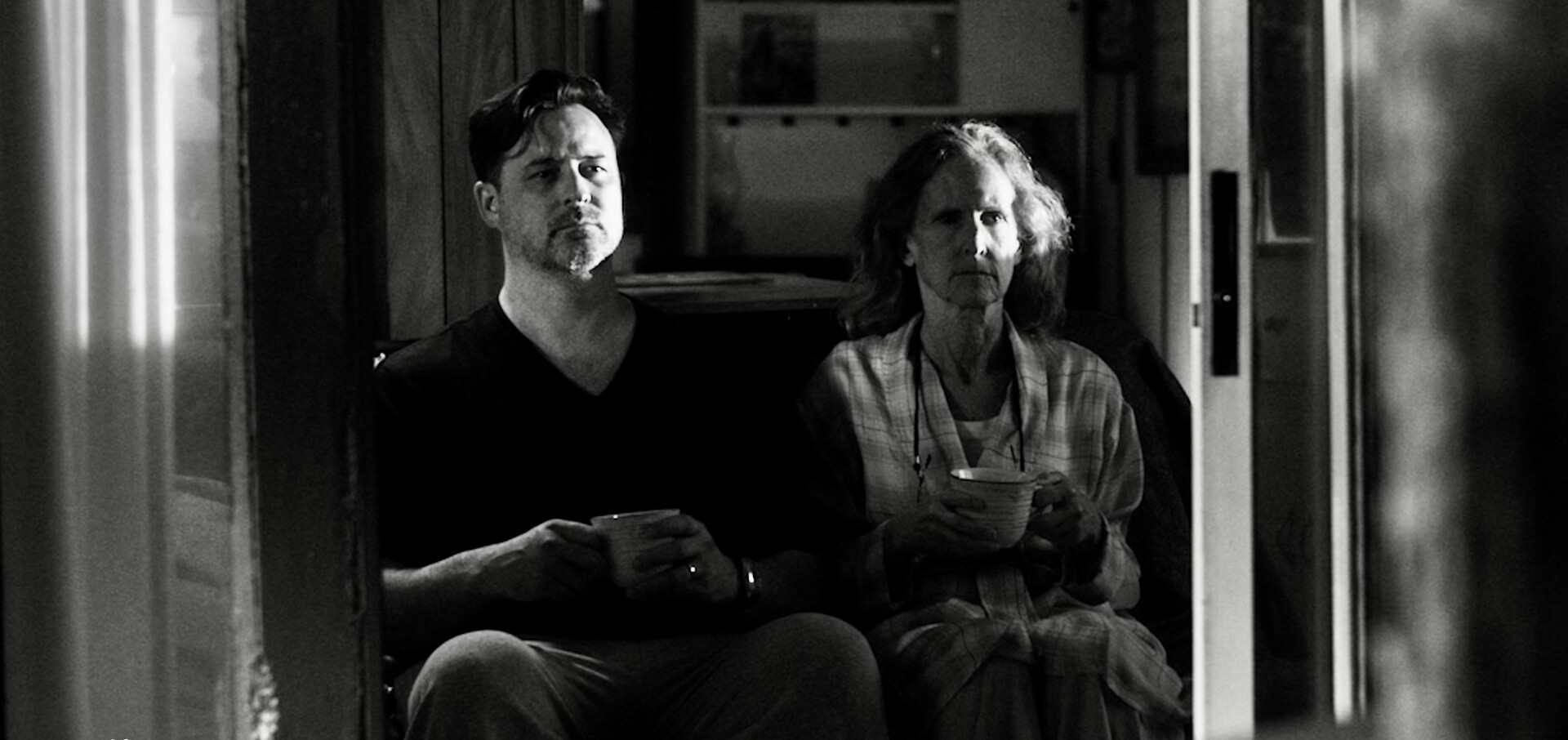
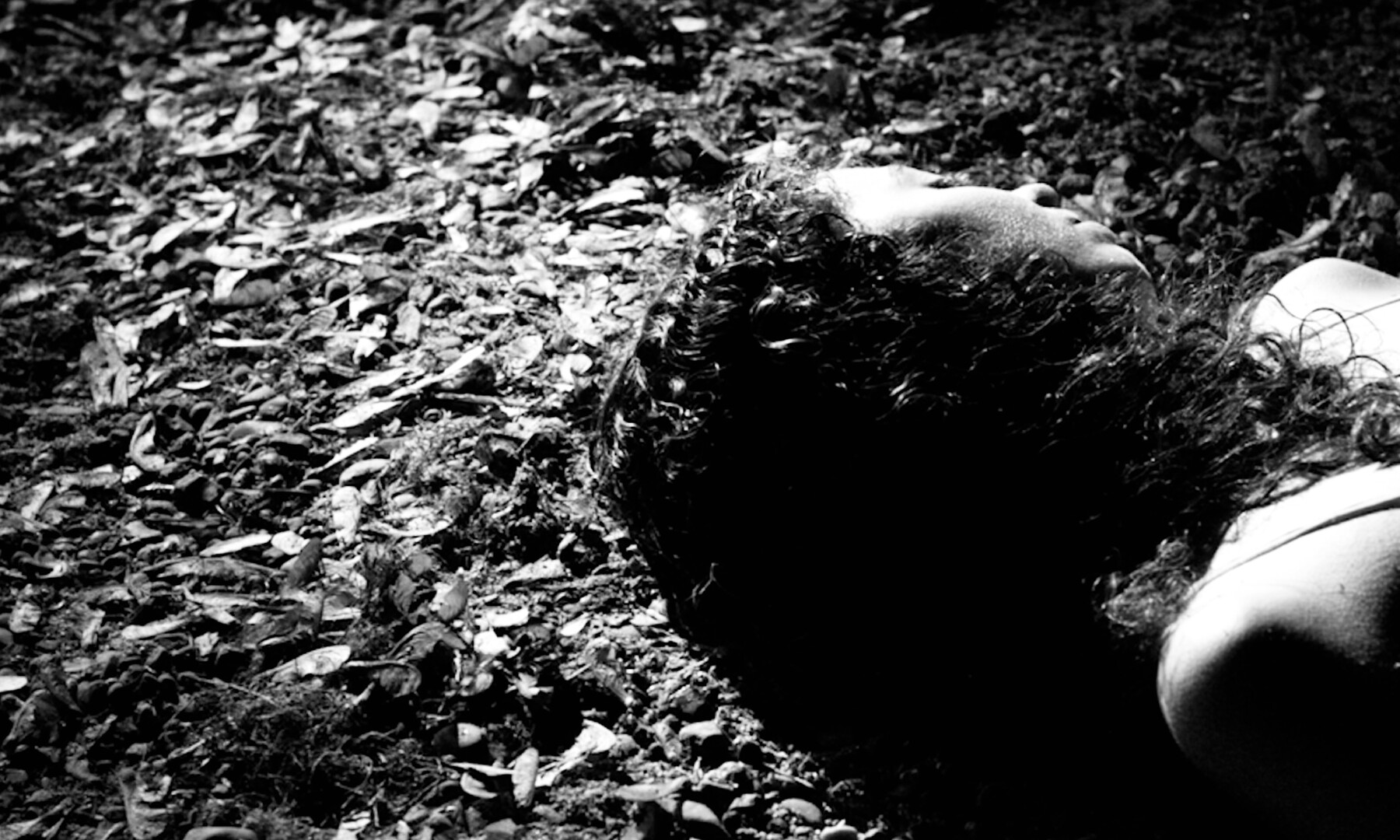
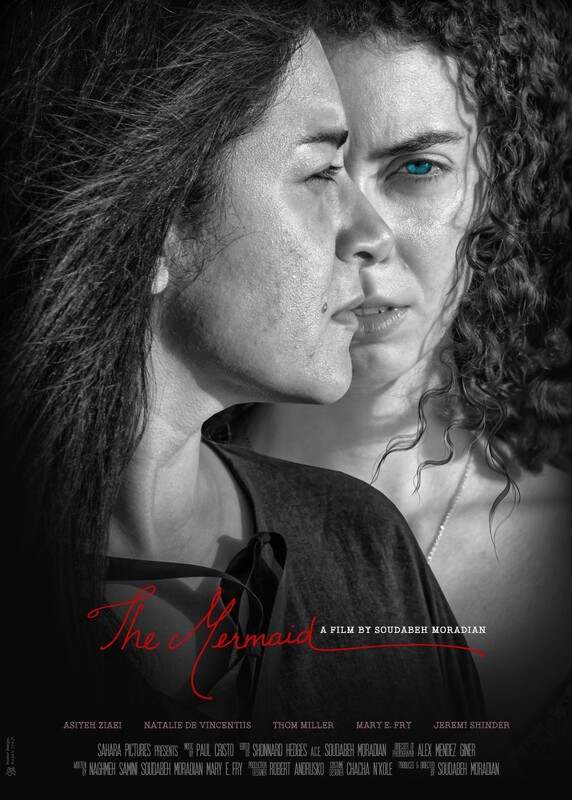
A mysterious girl is saved from drowning by a fragmented family living in a desolate beach house. Her strange relationship with them becomes intimate and complex until everything reaches to a point of no return.
A mysterious girl is saved from drowning by a fragmented family living in a desolate beach house. Her strange relationship with them becomes intimate and complex until everything reaches to a point of no return.
Kathy, a failed writer, barely gets by selling “haunted” dolls online to gullible marks, writing elaborate backstories to up the selling price. Her quiet life is upended when she encounters the real deal: Clara Jane, a vintage doll possessed by a foul-mouthed spirit. Clara Jane makes Kathy question everything she thought she knew, and forces her to make a bold choice to change the course of her life.
Get to know the writer:
What is your screenplay about?
Kathy, a failed writer, barely gets by selling “haunted” dolls online to gullible marks, writing elaborate backstories to up the selling price. Her quiet life is upended when she encounters the real deal: Clara Jane, a vintage doll possessed by a foul-mouthed spirit. Clara Jane makes Kathy question everything she thought she knew, and forces her to make a bold choice to change the course of her life.
How would you describe this script in two words?
Creepy, salty.
Why should this screenplay be made into a movie?
I think the premise is unique, though there’s definitely a niche fanbase for haunted dolls—both those who truly believe and those who just enjoy that weird little world. And who couldn’t use a little encouragement to follow their creative dreams… from beyond the grave?
From a production standpoint, this could be made on a very low budget and shot over 2–3 days. There are only three human characters and two locations. The doll is the most important character and would ideally be robotic—but as a backup, I know some talented puppet makers from a previous short I produced.
What movie have you seen the most times in your life?
Ngl: The Princess Bride. I forced my friends to watch it nearly every day ine summer in middle school.
In the horror genre: Coppola’s Bram Stoker’s Dracula. A perfect film. No notes. Much better than the book.
How long have you been working on this screenplay?
I finished the first draft in early 2020, and planned to produce and direct it as my second short film with the Bay Area Indies film group. Then—well, you know—the pandemic.
Also—I had a baby.
I recently returned to it and did a few revisions over the past year.









 Festival Reviews