Artifact, 1min., USA Directed by Nishanth (Ender) Gottipati In a world rushing forward, some things ask us to pause. To feel the rhythm of hands at work.
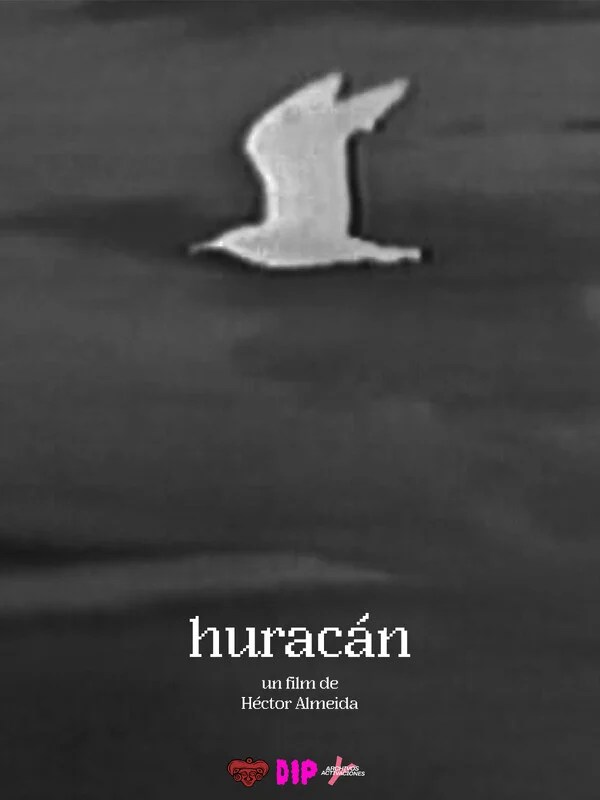
hurricane, 6min,. Cuba Directed by Héctor Almeida An inner hurricane summons errant images and drifting fragments of time, dragging them toward a threshold that resists form. A voice, part invocation, part echo, emerges from within the storm. Between the lived and the imagined, memory disintegrates and reconfigures, not to be understood, but to be felt. This is a ritual of passage: where chaos becomes a kind of language, where what is lost is not retrieved, but transformed, and what dies, opens.
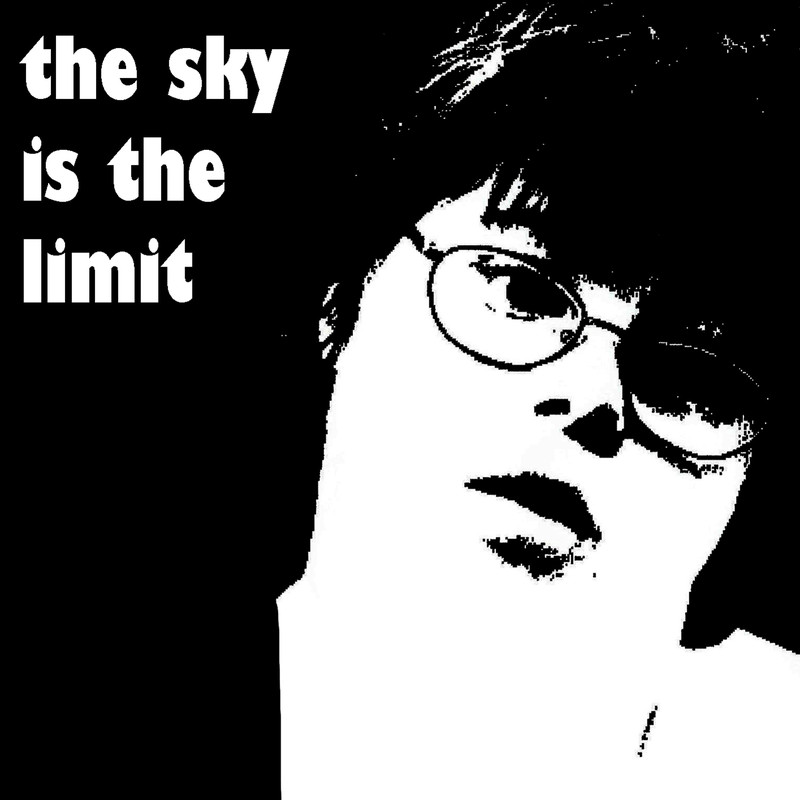
the sky is the limit, 25min., UK Directed by Mirka Anderson The film, produced by the mother, is about the life of her 33 yrs old daughter Emma who has Down’s Syndrome. Despite all social, physical and psychological adversities she is a symbol of success as a prolific artist and emanates positive energy with calm, humour and affection. She is a genuine star !
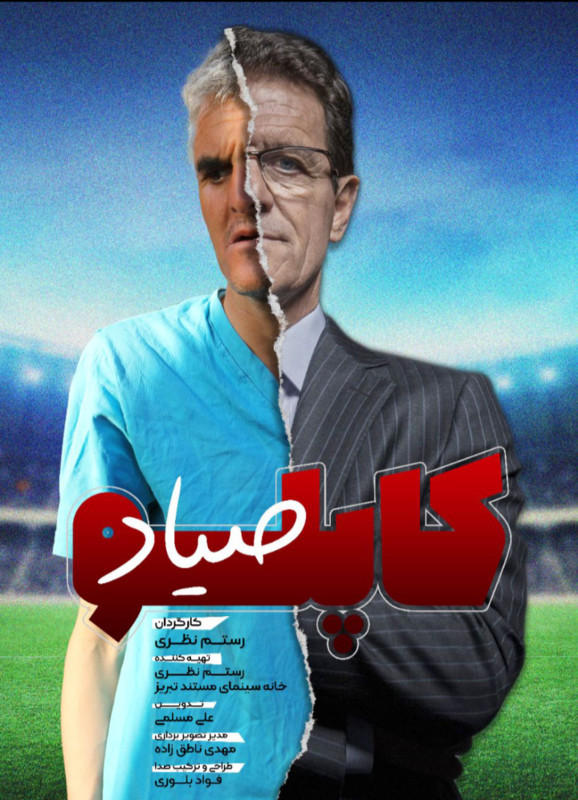
SAYAD CAPELLO, 24min. Iran Directed by Rostam Nazari Teenagers from the outskirts of the city have dreams in their heads. Sayad, despite his physical disability and his love of coaching football, is trying to make the dreams of the children to be fulfilled!
hurricane, 6min,. Cuba
Directed by Héctor Almeida
An inner hurricane summons errant images and drifting fragments of time, dragging them toward a threshold that resists form. A voice, part invocation, part echo, emerges from within the storm. Between the lived and the imagined, memory disintegrates and reconfigures, not to be understood, but to be felt. This is a ritual of passage: where chaos becomes a kind of language, where what is lost is not retrieved, but transformed, and what dies, opens.
the sky is the limit, 25min., UK
Directed by Mirka Anderson
The film, produced by the mother, is about the life of her 33 yrs old daughter Emma who has Down’s Syndrome.
Despite all social, physical and psychological adversities she is a symbol of success as a prolific artist and emanates positive energy with calm, humour and affection. She is a genuine star !
Bay for Blood, 18min., USA Directed by Harry Waldman James and Rob are hiding out in isolation to fix their mutual issues. As time progresses, the two reveal facts regarding their disturbing past relationship. An acquaintance of James’, Jessica, finds herself in an uncomfortable position as she contemplates the best way to handle the situation.
-I had a pretty toxic relationship with a friend in high school. He pretended to be my friend, but seemed to enjoy watching me suffer more than anything. His behavior around me was very fickle, sometimes being really kind to me, and at other times, being the complete opposite. I felt that I needed to get this story off of my chest, which has been very cathartic.
James is actually very loosely based on myself at my worst moments. Of course, I don’t condone anything he does throughout the film and have never hurt anyone the way he hurts Rob and Jessica, but I empathize (even though I also fear and despise him) with the character in that he feels that he is always being let down by those around him. In general, I believe that creating complex characters often requires giving them flaws that can make them unlikeable at times, and I always do my best to try to walk in the shoes of the anti-hero or villain in order to portray them in a more genuine manner.
What an honor it was to chat with composer Mateo Messina. Such a talented and positive guy. I was inspired after our 30 minute chat, I have to admit. A total pro who teaches you in this interview many things, including that it’s not a bad thing to sneak into buildings in order to forward your career when you need to!:
Matthew Toffolo: When did music enter your life?
Mateo Messina: When I was 3 years old, I started playing the piano quite a bit and just remember really liking it from a first memory. At 5 years old, I starting coming up with my own compositions. My brothers used to play a game with me where a commercial jingle would play on the radio and I was able to go to the piano and play the song.
So you were a child prodigy then?
I don’t think so. Music was something I liked and was good at.
So you’re in your early years practicing on the piano. Getting better etc… I’m assuming you kept at it into your teens?
In my early teens I started playing at hotels, fancy restaurants, coffee shops. I had my CDs for sale at Starbucks. Had 30 copies to sell. I used to have fun playing these gigs where I would do jazz versions of any piece imaginable to set up the night. Then during the dinner hour, I would play popular heavy metal and alternative music on the piano. Soundgarden, Metallica, Pearl James. Many people didn’t notice where the song came from. It was a lot of fun.
Then I went to University and played drums in a lot of bands. One day a guitarist in a band suggested that we make a record. So we snuck into the school recording studio and….well, by the time I was 21 I made 3 solo piano records. I was about to graduate and I penned out a symphony. And this became a success as I would sell out events with 350 plus people. And I’ve been creating and doing symphony events every since.
When does composing enter your life?
In 2000, a young director asked if I would compose their short film. I didn’t know anything about it, but took a stab at it. I loved it right away. So in my mid-20s I moved to Hollywood to attempt to get into the industry.
Do you remember your first paying job?
Yes. It was a short film for MTV. I got paid $500. But for rent and to survive while I looked for my big break, I actually wrote music for commercials. It was never a passion of mine but it kept me in the loop and kept me busy.
What else were you doing to make connections?
I would do things like sneak on the Fox Studios lot and would try to take meetings and offer my music to studio people. Just do anything to get my music heard.
At that time you were composing a ton of short films!
Yes. A ton. I became the guy who composed shorts. That’s how I met Jason Reitman – which lead to JUNO (2007).
So it’s safe to say that JUNO was your first big break?
Definitely. It started everything.
I was actually at the premiere of the film at TIFF in 2007.
No way. I was there too. I remember standing behind the curtain while the film was playing with the cast and crew and hearing the audience roaring in laughter at all the right times and that energy of engagement. Michael Cera gave me a huge hug of “It’s a success!” feel.
Yes, I remember that day really well. It was a day time premiere at one of the side cinemas at the Ryerson University campass (in downtown Toronto). Usually that’s not a good sign that the festival or the distributors are really “pushing” this film, or believe that it will be successful. I guess they were wrong.
I remember that day too. Great feeling.
And you were on your way!?
Yes.
Let’s talk about the film that’s coming out this weekend: BLOCKERS. How did you get the job?
I didn’t know Kay, but I knew we had similar comedic sensibilities. I watched the film before we took our meeting and told her what I thought of it and what I would do in terms of tone with the music. About a week afterwards, I showed up to a screening of the film. There was about 60-70 industry people there. Just a screening for comedians and others to give their notes on the film. I was introducing myself and people kept telling me, “You’re the composer.” “Nice to meet you.” I didn’t know what was going on and I called my agency. They told me that I was hired but Kay forgot to tell me.
Listen. I work on a lot of comedies and I can honestly say that BLOCKERS is a very, very good film. Must see. Very proud of it.
I went to one of the previews. Sat at the back of the cinema, and there were scenes where the audience was roaring – like a rollar coaster. This film is the “American Pie” for this generation.
It all came together. One of my favorite films I’ve ever worked on.
How was your working relationship with director Kay Cannon? Her directorial debut, right?
Yes, her first time out, but come on, she’s a pro. From creating the “Pitch Perfect” films to helping running the show on “30 Rock”. She is a comedy expert. Kay is very smart. very funny. Patient. Thinks things through. She’s comes at things with so many angles. She’s super funny.
You’re also working on the film LITTLE ITALY, directed by Donald Petrie, who is a comedy pro (Grumpy Old Men, Miss Congeniality, How to Lose at Guy in 10 Day). So you go from a first time director to a veteran director of over 30 films.
LITTLE ITALY has a 90s sensibility and feel to it. There was an interesting moment working on this film. I didn’t want to dumb down the film and be on the nose with the tone of the music and was worried I was doing just that. One of the Producers told me, “NO, be on the nose. We are here to entertain.” It’s good to be reminded of that.
There are many ways to play the TONE. BLOCKERS and LITTLE ITALY are different tones but they are both comedies. Great to go from one extreme comedy to another.
In BLOCKERS, there are big percussions. Lots of drums. Horror tones. Sentimental tones. All kinds of emotions. We’re all over the place with it. With LITTLE ITALY you set the tone and let it play throughout.
How many instruments do you play?
Well I can write for a vast amount. I can play piano and any percussion.
I write everyday. Written everyday for the last 17 years of my career. Always play. Used to writing for all instruments. Can try anything someone throws at me.
What movie have you seen the most times in your life (besides the ones you worked on)?
National Lapoons Vacation.
I love films with heart.
What advice do you have for people wanting to be a composer?
Day dream. Set yourself up to succeed. What I mean by this is write, write, write and write some more. Find a film and write for it even if it’s already done.
Advertisement
Persistance is key. Relentlessness is key. Time and time again I’ve found the people I’ve worked with who are on top of their game are the ones who stayed after years and years struggling. Just keep at it.
And, you don’t play baseball unless you’re on a field. So you have to move to Hollywood, or a city that’s about making movies where you can land jobs.
Historical fiction is a literary genre that involves a fictional story set in the past, often inspired by real historical events or figures. Historical fiction novels are set in the past and pay close attention to the details of the time period, such as social norms, customs, and traditions. Characters can be based on real people or be entirely fictional.
This festival has a guaranteed 4-tier set up for each accepted script. (No matter what, all screenplays submitted receive FULL FEEDBACK on their work.) 1) Full Feedback on your script 2) Actors performance video reading of your script 3) Blog interview promotion. 4) Podcast interview on the Film Festival ITunes show
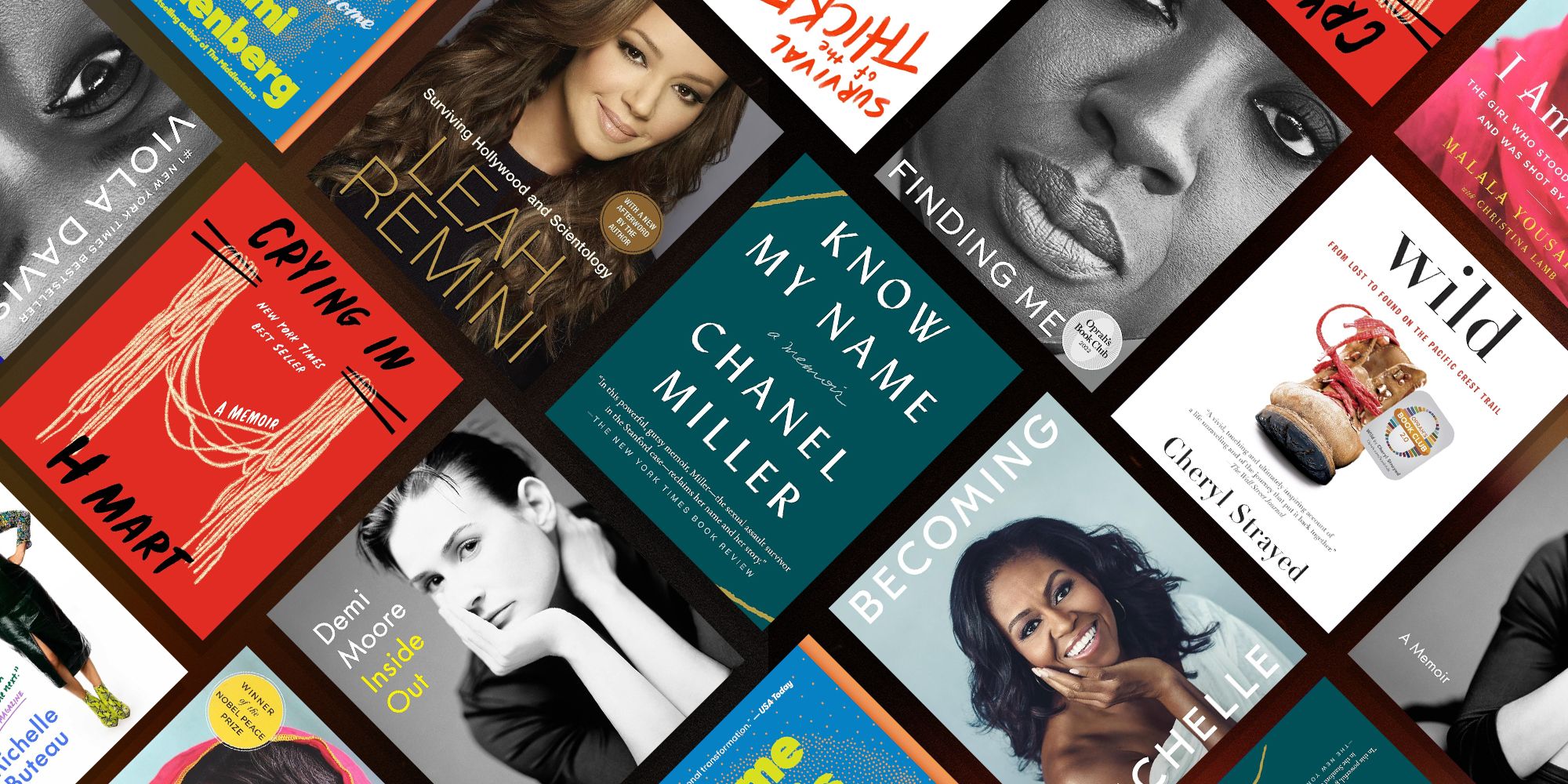
The main difference between a memoir and an autobiography is the scope of the story:a memoir is about a specific time period or event in the author’s life, while an autobiography is a comprehensive account of the author’s entire life. Both memoirs and autobiographies are written from the author’s perspective.
Upcoming Deadlines for FREE Film Festivals to Submit to via FilmFreeway::There’s also an option for GUARANTEED ACCEPTANCE submissions. Interviews, audience feedback video etc… Geared to help promote the filmmakers and their films!
SILENT TOKEN, 14min., USA Directed by Camilla Della Vecchia When Sonia, a descendant of a secretive law enforcement group becomes the target of a ruthless enemy from the past, she must uncover the truth about her family’s legacy. Guarded by the fiercely loyal protector Michael Stone and the powerful coin that she inherited. As danger closes in she must decide whether to stay hidden or embrace her destiny in the fight against corruption.
I’ve worked in the film industry for the last 6 years, and for the last few years I’ve been working full time on a popular widely watched syndicated tv show. That experience inspired me to create a character and develop a short film with a compelling story of my own.
America’s Radical Women: Forgotten Voices of History, 53min, USA Directed by E. Philip Brown “America’s Radical Women – Forgotten Voices of History” is a compelling documentary that brings to light the extraordinary lives and contributions of radical American women who defied societal norms to champion justice, equality, and social change. Narrated by Janeane Garofalo, the film delves into the stories of activists, labor leaders, and social reformers whose impactful legacies have often been overlooked in mainstream history. Through archival footage, expert interviews, and historical reenactments, the documentary not only honors these trailblazers but also connects their enduring influence to contemporary movements for women’s rights and social justice.








 Festival Reviews