Virginia is a 43-year-old transgender woman who works as a community health agent in Guarulhos, Brazil. The film follows a day in her life, marked by the exhaustion of work, but also by meaningful encounters, dreams, and, above all, the need to live – and resist.
Project Links
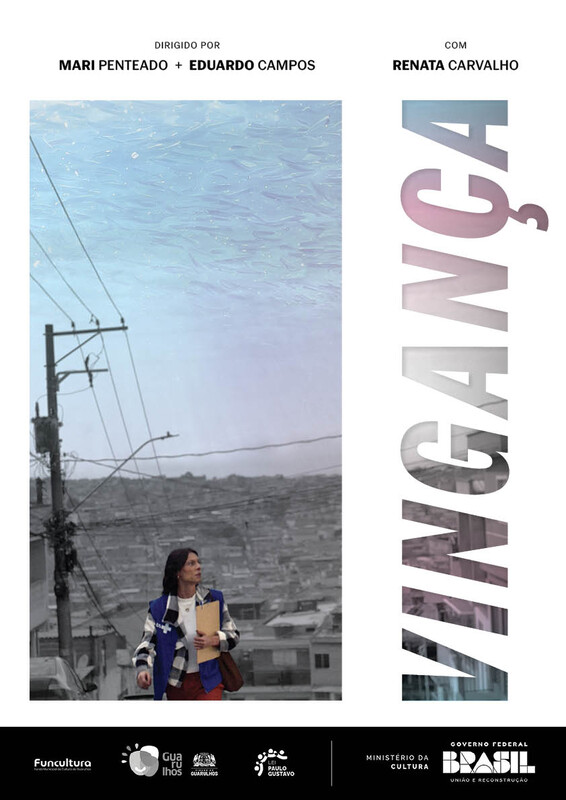
Review by Parker Jesse Chase:
Revenge is a poetic, necessary meditation on resistance, care, and the radical act of continuing. In Revenge, directors Mari Penteado and Eduardo Campos deliver a film reclaiming survival not as passivity, but as a radical resistance. This Brazilian short walks alongside Virginia within the intimate, sun-soaked, and deeply grounded in the quiet rituals of a life tenderly lived.
The story centers on Virginia, a trans woman and community health agent in her final week on the job. Renata Carvalho gives a performance that is arresting in its gentleness and care. From the opening scenes such as watering a plant with whispered kisses to tending her space with care and rhythm we’re ushered into a world where softness is not weakness, but armor.
The cinematography is gorgeously observational, allowing long takes to breathe and scenes to unfold with a lived-in cadence. You can practically feel the steam rise from her morning coffee, or the sweat bead as she walks the streets, offering compassion like communion. Water, throughout, is used not just as metaphor, but as active resistance: we are told, “If you throw me into a river, I’ll neither sink nor float. I’ll drink all the water and walk away super hydrated.” It’s a line landing between poetry and politics all at once.
Split into two parts: Thou Shalt Kill Sisyphus and For Whom Every Return Is an Odyssey, the film skillfully layers the mundane with the mythic. Virginia’s days are full of small acts of care: de-escalating a patient in crisis, reminding friends to book their PrEP appointments, offering water to a sister in need. But the weight of her labor (emotional, medical, and political) begins to crack through. Her exhaustion is palpable, and in one devastating scene, she finally admits: “I’m tired. I can’t take it anymore.” It’s a grief that’s collective and individual, political and personal. The title Revenge could be misleading. This is not a tale of vengeance in the traditional sense. There’s no violent retribution, no bloodshed. Instead, the film reclaims revenge as life, as legacy, as refusal to disappear. Virginia’s revenge is her laughter. Her community. Her home. Her survival.
One of the film’s most affecting moments comes in a conversation about trans health access: Even if we’re the perfect version of what trans society wants, it’s never good enough. The dialogue, penned with rare authenticity, threads righteous rage with love and heartbreak. These women aren’t symbols or martyrs: they’re fully rendered humans, aching and radiant.
The supporting cast is wholesome and filled with care. Ayô Tupinnambá as Vicky and Andrea Rosa Sá as Belle bring humor, fire, and ferocity. Their bond with Virginia pulses with truth, especially in a conversation that lays bare the fractures of the systemic failures that shape them.
By the time the film closes, with Virginia sitting on her porch growing older, glowing, and sipping a glass of water it feels like a quiet revolution. A woman who has walked through fire, and flood, and fear, and come out soft. Whole. Still here.
Revenge doesn’t scream. It sings. It mourns. It nourishes. And above all, it dares to imagine a future where trans women not only survive, but grow old.
 Festival Reviews