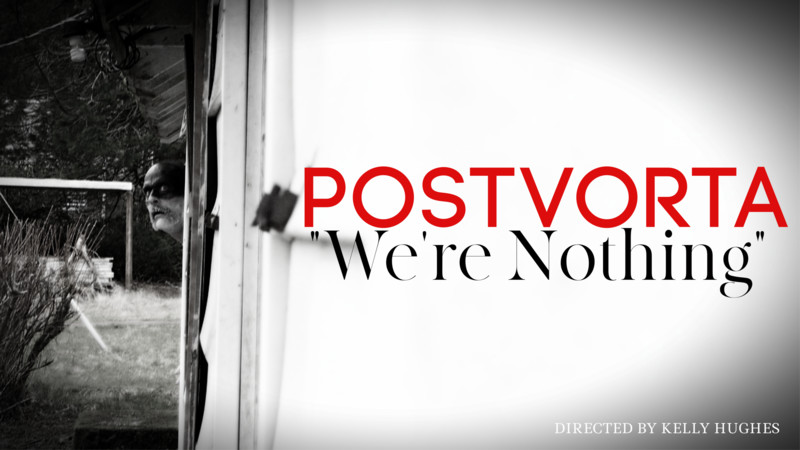
We’re Nothing, 4min, USA Directed by Kelly Hughes Music video collaboration between director Kelly Hughes and Italian Post-Metal band Postvorta. Hughes filmed most of the footage in Kitsap County in WA State (Port Orchard, Gorst, Sunnyslope, Bremerton, Suquamish) with a mostly local cast.
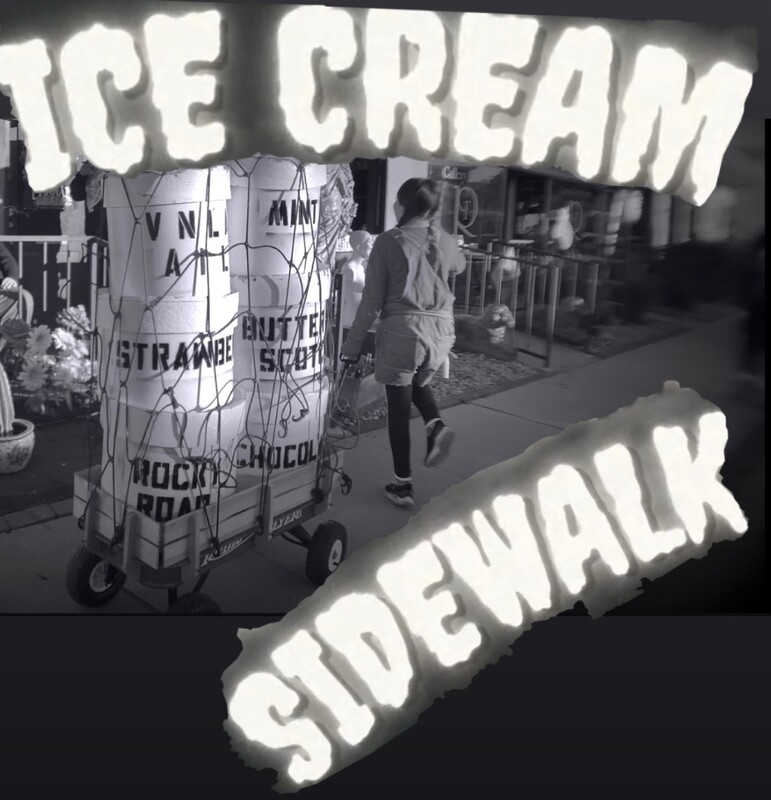
Ice Cream Sidewalk. 5min., USA Directed by Randy Zuniga
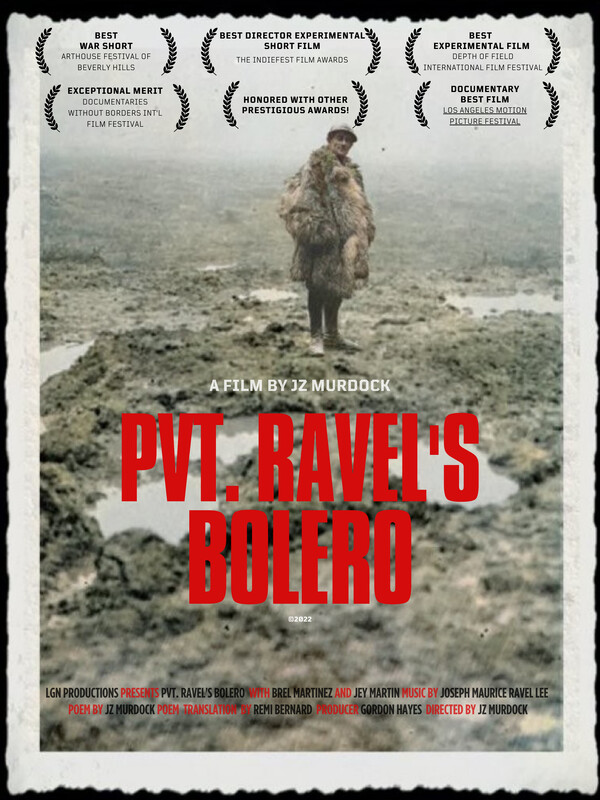
Pvt. Ravel’s Bolero, 28min., USA Directed by JZ Murdock Pvt. Ravel’s Bolero is a unique anti-war film blending historical documentary, visual poetry, and the haunting music of Maurice Ravel. Based on the poem by JZ Murdock, the film delves into Ravel’s time as a truck driver in World War I, reflecting on the profound impact of his music and the devastating effects of war.
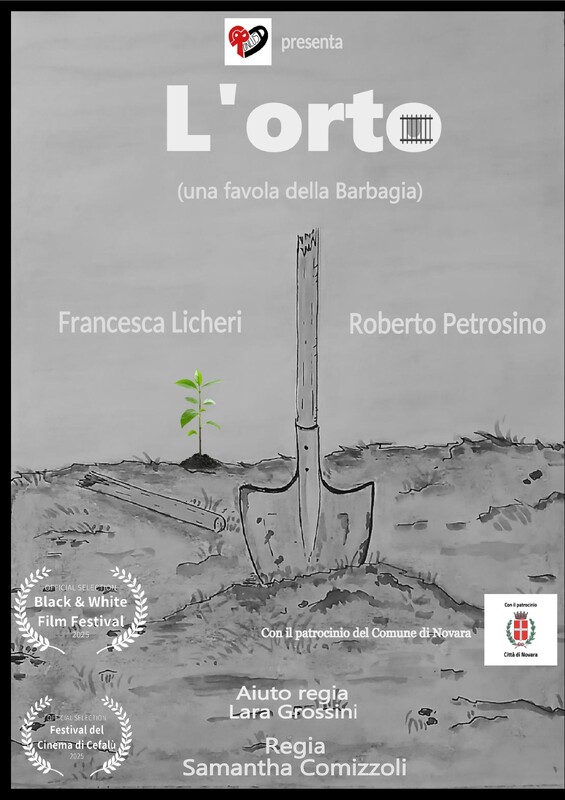
THE VEGETABLE GARDEN – a tale from the Barbagia region in Sardinia, 3min., Italy Directed by Samantha Comizzoli In a Sardinian’s village of Barbagia, a mother writes to her son in prison beacuse. She is to old to work the land, so she can’t makes the vegetable garden. The son finds an ingenious solution.
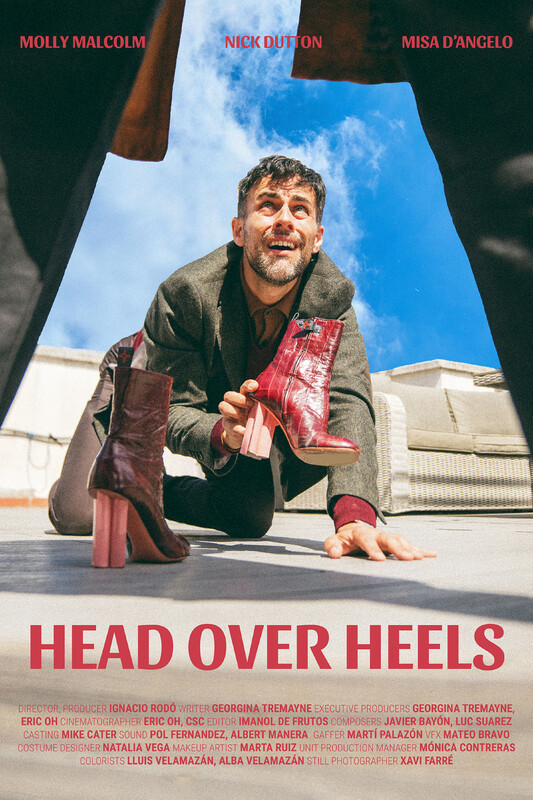
Head Over Heels, 12min., UK Directed by Ignacio Rodo When conventional therapy fails, it’s time for a crazy approach.
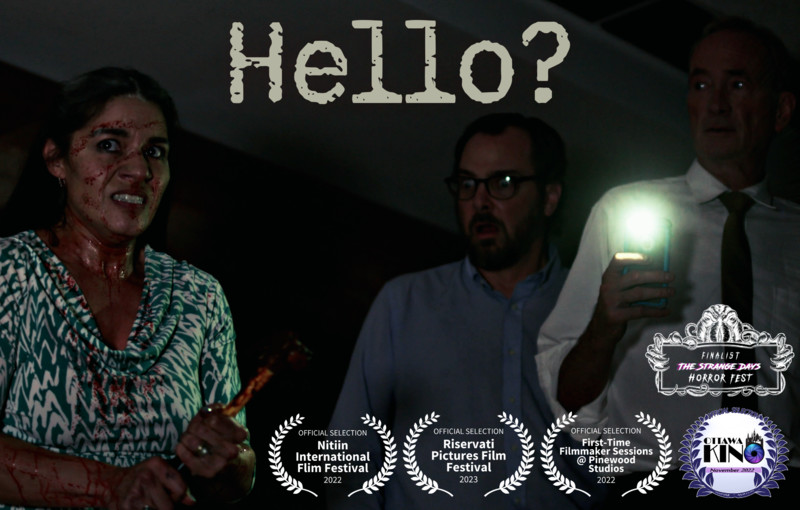
Hello, 9min., USA Directed by Lauren A. Poole A disaster brings three people into irritating proximity of each other.
Advertisement
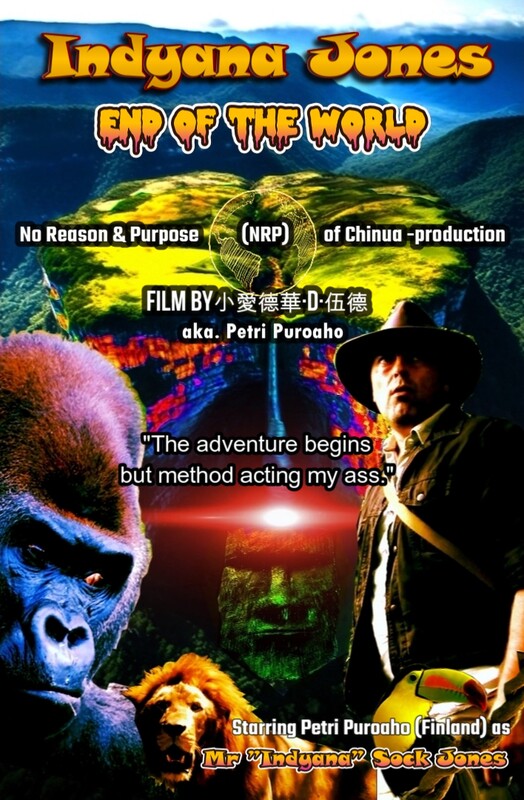
Indyana Jones – End of the world, 25min., Finland Directed by Petri Puroano Sometimes filming a movie is not easy when people involved in the film-production have a different vision of the final product. Star wanna-be faces these challenges and struggles with motivation to move forward when dealing with the demands from the films director, producer and reacting to animals on set. All this dream-chasing moves “Indyana” into direction that was not planned. The film is a parody, almost like a mockumentary while trying to show respect towards the original movies which this one is based on. This shortfilm, fan film, is a prequel-film that launches season 5 for “We Sock” webseries & feature film.
The Abiding, 11min., USA Directed by Ally May A lonely woman reminieces about the three great loves of her life while she decides if trying again is a risk worth taking.
1. What motivated you to make this film? Honestly, my motivation was/is to take every opportunity to develop as a director. I was at a festival, I had a room, a crew and actors, so I put it together really fast and shot it.
2. From the idea to the finished product, how long did it take for you to make this film? I wrote the script several years ago and had it sitting in my computer. Then I got the bright idea to shoot in about a month before we did. So, realistically, about a month.
3. How would you describe your film in two words!? Intimate, mature.
4. What was the biggest obstacle you faced in completing this film? The biggest obstacle was blocking the scenes. We did not have access to the hotel room until the day we shot, so had no time to plan out blocking.
5. What were your initial reactions when watching the audience talking about your film in the feedback video? The first woman was very sterile, it seemed like she hadn’t watched it and was just reading text. The other two that gave feedback seemed very genuine and thoughtful.
This festival has a guaranteed 4-tier set up for each accepted script. (No matter what, all screenplays submitted receive FULL FEEDBACK on their work.) 1) Full Feedback on your script 2) Actors performance video reading of your script 3) Blog interview promotion. 4) Podcast interview on the Film Festival ITunes show
SPORTS Short Story Festival (guaranteed acceptance):
Submit your SPORTS Short Story to the Festival here and we will automatically have it performed by a professional actor and turned into a promotional video for yourself.
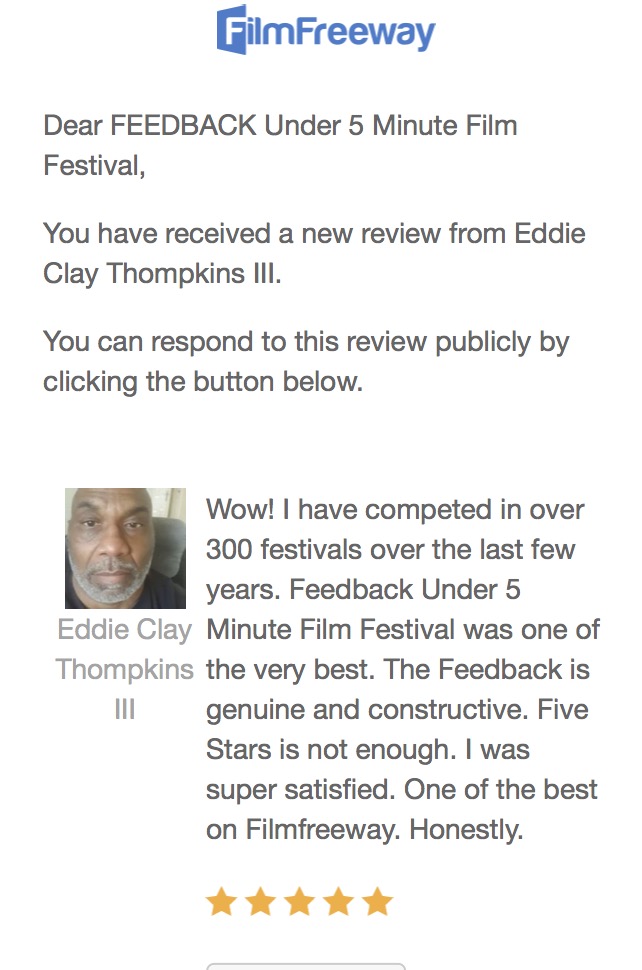
I love everything about this festival. This is my first time submitting my work as a filmmaker so I value feedback immensely. This festival has felt like a big hug. It’s made me feel encouraged and inspired. Thank you!
Because I as a filmmaker am so close to the film, It’s truly helpful to get fresh eyes & feedback on a film to know what and how others are receiving the film… what stood out for them and what could be improved upon…The people who gave feedback were positive and very helpful…
Wowser. It feels so fulfilling to hear people commenting about and analyzing our documentary THE TRENT SAUCER, which won for Best Short Film. This is why we create films – to share with the wider world. Thank you for building this festival!
Congratulations! A great festival and grateful to have been selected as best Director!
Thank you for great communication and help in creating the interview and the video about the audience’s reactions!
The idea to hear what the public thinks about our work is excellent and a great way to connect with the audience from a very organic style of reviews. Thank you for the feedback on our micro-short “A Taco” and the exposure you give us as filmmakers!
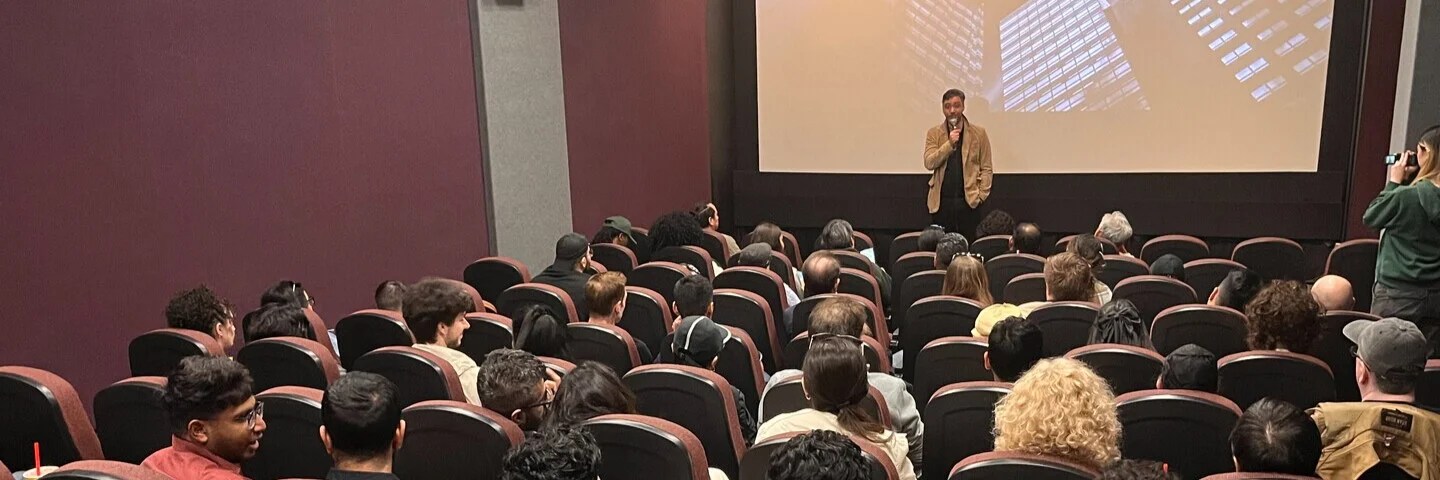
In-person & hybrid festival with multiple screenings and interviews with filmmakers & screenwriters to promote and enhance the creator and their projects.
The monthly festival showcases the best of Thriller/Suspense Genre Stories and Films from around the world.
THRILLER festivals occur 12 times a year in Toronto & Los Angeles. Go to the website for information on the next events.
This is a HYBRID film festival with live screenings for the audience feedback video you will receive, plus an optional virtual 2nd showcase to enhance the film’s exposure. Festival also conducts blog and podcast interviews with the filmmaker. We have also started a filmmaker’s WhatsApp group with over 100 joined to date to chat about next project and make contacts etc….
With THRILLER screenplays and films, there will always be a market. This is a genre that will always be popular. Agents and producers are always looking for the next great writer and the next great filmmakers who tell great THRILLER stories. So if that is you, we will showcase your script or short film and make sure the right people see your work.
All festival dates have been moved to private screenings with the same Audience FEEDBACK videos made for the short & feature films, and recorded script readings performed by professional actors for the screenplays. This is our way of showing community over distance so everyone around the world can experience our Audience Feedback videos.
Submit your film or story and get it showcased at the Festival.
1. What is your screenplay about? Bitter is a belated coming of age story for anyone that feels like the paradigm of success has shifted. It takes the traditional geek vs bully high school sub-genre and basically turns it on its ass, focusing on WILLOW, a once-hopeful two-time valedictorian, slated for success. Now, 10 years later, she’s a bitter waitress, struggling with resentment and unmet potential, all while PARKER, her high school bully, lives the good life as a prominent influencer.
2. What genres does your screenplay fall under? Bitter is definitely a comedy. When developing this story, it felt necessary to look through a humorous lens. The plot tackles a lot of socially-relevant themes and issues we all deal with on a daily basis: comparison culture, scam-influencers, toxic personalities—things that can absolutely consume a person. So, I thought it was important to craft the story and its characters from a place of comedy. I wanted to avoid the perception of whining or lecturing, and write a story that has something to say, but also has audience wanting to listen because they’re getting to laugh along the way.
2. Why should this screenplay be made into a movie? Movies have changed drastically over the last decade—some changes good, some bad, but I think a gap has been created for some of the sillier, more light-hearted comedies that can still pack a punch—that have something to say, but do it in a way to invites, not divides. I think Bitter recaptures this approach, in line with early-2000’s movies like Mean Girls, Bruce Almighty, Miss Congeniality. The themes are there. The lessons are there. But so is the fun.
Also, I think something that might set this movie apart—and maybe even me as a writer—is my use of secondary characters. I write them to be quotable. To be memorable. Yes, they have to support the protagonist and help push the story forward, but for me they have a much bigger job: make the audience want to watch the movie again. I like to say that nobody re-watches MEAN GIRLS for Kady Heron. They re-watch it for Karen Smith, for Gretchin Wieners, for Janice and Damion. And with the streaming business set up the way it is, I think it’s now even more crucial that movies are re-watched after theatrical releases, not less. I see a lot of great movies fade into obscurity on streaming sites, and it’s my hope that movies like BITTER can sort of reinvigorate the re-watching culture that binge culture has commandeered. And I really think the key to that is loveable supporting characters.
3. How would you describe this script in two words? Obscene fun.
4. What movie have you seen the most times in your life? Oof. Where do I start? Obviously, I’ve sort of established myself as a big re-watcher of movies, so it’s hard to pinpoint which one has the highest view count. But it probably is a movie from that late 90’s/early 2000’s range. And most likely a comedy. The majority of my top picks from that time are probably in the 20-30 views range at this point. But to give you an answer, I’ll land on BEDAZZLED, starring Brendan Fraser and Elizabeth Hurely.
5. How long have you been working on this screenplay? All-in-all, I think BITTER took me about nine months from original concept to final draft. It was my first ever writing project, so there was a lot of learning along the way, a lot of re-drafting, and also a pandemic wreaking havoc in the background. But if I piece all of the segments of writing time together, it took about nine months.
6. How many stories have you written? I have actually just finished a polished re-draft of my second feature. A high-octane action-heist comedy called IN LOCO PARENTIS. And I’m currently busy developing my third feature: another socially charged comedy called GOOD BULLIES.
7. What motivated you to write this screenplay? Like most comedies, BITTER was born out of anger and frustration. I make it no secret that I have a very low opinion of social media and the detrimental impacts it’s having on society, on our future generations, on the world as a whole. And, one day, I was absentmindedly scrolling Instagram when I came across a scam-influencer promoting something (I forget what), and the “influencer” had barely masked her attempt at a scam. It was like she thought that people were so dumb, that there was no point to putting a cloak around her bad acting. And, unfortunately, I was fairly sure the video was making her a pretty penny. And it was that thought that I couldn’t get it out of my mind. The fact that a platform exists where bad people are inspired——if not encouraged——to take advantage and break the rules for personal gain, all while people who follow the rules are left behind, regardless of their efforts, their hard work. And it was with that thought that a socially charged comedy began to form.
8. What obstacles did you face to finish this screenplay? There was definitely a few for sure. Obviously, the pandemic made it’s impacts on my productivity, but I would say the biggest obstacle probably was the anxiety surrounding believing that I had what it takes. I think that’s a big hurdle for most new writers to get over. But eventually something changed, something clicked, and a confidence creeped in that helped me finish those drafts and become proud of what I’d written.
9. Apart from writing, what else are you passionate about? My obvious go-to answer for that is really boring: watching movies. Sometimes I like to think that watching movies actually counts as writing, you know: “because I’m learning”. It’s total B.S. But a better answer would actually be reading, specifically novels. I used to think it would be distracting as a writer—to delve into other writers’ worlds. But it actually helps a lot. And I specifically love reading books that have been made into movies. I love the comparisons. Where most people usually go to “the book is always better”, as a screenwriter, I love playing devil’s advocate and pinpointing which parts of the story are actually elevated by the cinema. I find that really fun. And then for a non-movie answer: paddle boarding. Turns out I’m surprisingly good at it.
10. What influenced you to enter the festival? What were your feelings on the initial feedback you received? So, I’ve entered BITTER in a number of competitions—and usually placed, but it felt like I was sort of just collecting accolades, and to a degree, that’s not a bad thing. But I wanted to try a competition that could provide some exposure. You never know when the right eyes—or in this podcasts’ case, ears—will stumble upon your work, and I thought this competition would be a good way to start getting some exposure as a writer.
In regard to the feedback, I found it really great. It was actionable without being invasive. I’ve gotten feedback and coverage in the past where it feels like the reader is giving so many plot-based suggestions that they’re trying to morph your screenplay into something else—and it can sometimes feel like they’re giving that advice with an agenda. This feedback wasn’t like that at all. It was useful to know the places where the reader had some thoughts, but nice that it didn’t try to re-work the story for me. I appreciated that.
What is the theme of your poem? The theme of “The Beautiful Scar” is learning to find the beauty in the humanity we often rob ourselves of when we feel like the world is rejecting us.
2) What motivated you to write this poem? During the first year of the MFA program at UNR-Lake Tahoe, I was away at our winter residency, and I was so encapsulated by my colleagues’ vulnerability and the power they gave to their truth of the hardships they experienced in their own lives. One of them told me that my writing was already at that level but what held me back was withholding my own truth to protect those I was writing about. This poem was the turning point for me to be more honest and vulnerable, not just with my audience, but with myself. It was a difficult process to grasp and write through but for the first time in my 25 years [at the time] of life, I finally felt free.
3) How long have you been writing poetry? I was a slow-learner as a kid, so I caught on to reading and writing at a later age than my siblings did, but I began creative writing through free-writing in 1st grade when I was six years old. I began learning how to write poetry at eight years old and began writing my own poems at twelve years old, so I’ve been writing for about twenty-two years with seventeen years to this day of writing poetry and it’s a blessing I always remind myself to be grateful for.
4) If you could have dinner with one person (dead or alive), who would that be? That’s a super tough question, haha! There are so many brilliant minds to choose from but I think I would love to have dinner with Langston Hughes. I’ve long been a fan of his work since my high school days, and he became a mentor-in-spirit for me during my MFA program. It’s been humbling to hear many peers and readers alike expressing the music and rhythm they hear in my art, but that all came from Langston Hughes. I’d love to pick his mind about being a Black artist and activist, how he learned to interweave poetry and musical rhythm and meter together so naturally, and how he sees the world and what colors he sees it in when he writes. I’d also thank him for his contributions to our culture, history, and art as an icon and pioneer.
5) What influenced you to submit to have your poetry performed by a professional actor? I love being able to share my voice with the world through my writing in any shape or form, so it was a no-brainer. After a long talk with some loved ones about the opportunity, they were nothing short of supportive and I felt this would be a huge first step in putting my name out to the world and just hoping that my words can heal or at least begin the process of healing and mending any ailing souls that have experienced similar traumas to mine in their lives. I also want to give a big shout-out to a mentor/colleague of mine in Faylita Hicks. [Check out her first poetry collection, Hoodwitch, as well as her newly released second collection, Map of My Wants.] She’s served as a phenomenal inspiration for me and seeing how she’s branched out her poetry into various multimedia projects over her career had a huge influence on me wanting to explore similar avenues with the resources I already have available.
6) Do you write other works? scripts? Short Stories? Etc..? I do! I love writing in all forms. Before I began committing to poetry, I used to write all kinds of stories ranging from fantasy, usually based on my favorite anime or video game franchises, to personal narratives. One of my goals for the future is to create my own manga or graphic novel and I’ve also been toying around with the idea of a future poetry collection in the style of a manga volume. For now, my central focus outside of poetry is to venture into Black erotica stories that speak to the experiences of both Black men and women that can hopefully help to bridge the gap in our community. I love my people and our culture and I want to that magic and divinity to be seen as raw, unflinching, and unapologetically Black but in a way with grace, compassion, and vulnerability that can allow anyone to see themselves in and open themselves to our humanity and their own.
7) What is your passion in life? My passion in life is to spread as much joy and freedom to the world as possible. Whether it’s making people laugh, opening their hearts up to the world around them, or being a listening ear to a friend or stranger, I’ve always believed changing the world is a journey rather than a destination and the steps in that journey involve being kind, loving, compassionate, empathetic, gracious, and learning how to heal our own humanity and others. It won’t be easy, but with the nakama [loved ones closer than family] I’ve built for myself over the years ever since I began this journey, words can’t express the feeling of knowing that I’m not alone anymore on my path and I can’t wait to see who else wants to join me along the way.
The theme of Towards The Storm is to move into uncertainty regardless of what change is to come. The only difference is choosing to face it
2) What motivated you to write this poem?
Most of my poems start with a feeling or a thought. Sometimes an experience that I’ll sit down and think about. While I say that, this one came from real emotion like always. When writing I didn’t understand what I was writing until I was done. with Towards the Storm, I was feeling anxious and a bit uncertain about a few things. But through it, no matter what happens. You can only prepare for what happens as change is inevitable. Especially with all the rain that was coming through Memphis at the time. one thing led to another.
3) How long have you been writing poetry?
I’ve been writing poetry for years. Well over a decade. I didn’t always call it poetry at first. It started as journaling or a way that I could clear my mind without judgement. Over time I met other writers and creatives. Some professors and slowly I started listening to the advice that was given or how I could structure my writing, and over time Over time it turned into poetry. Not just that but a way that I can understand myself and my thoughts more clearly.
4) If you could have dinner with one person (dead or alive), who would that be?
That’s a hard question. Honestly, I’d choose James Baldwin or Saul Williams. Both are deeply emotional artists who told/tell the truth in beautiful and somewhat uncomfortable ways. I’d love to talk to them about anything honestly. Whether love, pain, the strength that it takes for them to do what they did. or just shoot the breeze in good company.
5) What influenced you to submit to have your poetry performed by a professional actor?
To be honest. It’s always something I wanted to have done. In any form. To have anyone read your work itself is a blessing but a profession actor is next level because they also believe and know that the words on a page or more than words on a page. When I saw WILDsound’s performances I knew that if my work was selected that it would be one of the questions I would ask. How can I get my work read by a professional actor. And was not disappointed. It gave my work a life I didn’t realize that it had.
6) Do you write other works? scripts? Short Stories? Etc..?
Yes, I write short stories, prose, and sometimes mini scenes. I’m attempting exploring storytelling from different angles and perspectives. I’ve also contributed to others’ creative projects, and I love being part of bringing a vision to life.
7) What is your passion in life?
My passion is connection—through language, art, and shared experience. I write to understand myself and offer that understanding to others. If someone reads or hears something I’ve written and they feel a little less alone, then I’ve done my part. Writing helps me breathe, and I hope it does that for others too.
Based on, Concepts from the novel Considering SomeplacElse By Barry B.L. Lindstrom
Get to know the writer:
1.What is your screenplay about?
The Galactic Council has seen enough and has voted 8 to 1 to eliminate all humanoid Earthlings. Padrin, the lone dissenter, an expert extra-terrestrial world saver, must now save humanity using only the positive actions and interactions of individual humans as evidence. In this, the pilot episode, Padrin’s android, Facto, unexpectedly connects with the plight of suddenly, violently, orphaned 18 year old Charlene and her 12 year old sister, Jennifer who, apparently, are being forced into a polygamist cult run by their only next of kin. Padrin, sensing that Facto’s discovery is something far beyond coincidence contemplates invoking Galactic Assertion 5: There MUST be something that moves a system from its current state to one that is better for the planet and its population, in defiance of all probabilities, patterns and past behaviors.
We Earthlings call it Fate, Destiny, Faith, Luck and Random Chance, but the rest of the galaxy calls it: NaturalAwe.
2. What genres does your screenplay fall under?
Consider, if you will, “the twilight zone” as genre.
Half hour serialized Character driven episodes centered around the idea that: The Galactic Council has been monitoring the behavior of planet populations for eons. Whenever a planet’s ecosystem is threatened or a planet’s population threatens other planets, the council, after following due process can directly intervene without warning, Unless, of course, there is significant evidence of NaturalAwe.
3. Why should this screenplay be made into a movie?
Sometimes it seems like things have never been worse, That we are incapable of fixing that which is broken, That those who blame everything on those not-like-us are in control, That the doom and gloom dystopian vision of our entertainment depicts our destiny. As one who was raised on lessons gathered from Good-triumphs-over-Evil 50s and 60s Broadcast Television, (Occasionally impacted by exemplary public education), built a highly successful Information Systems career based on Richard Feynman’s “Perspective is worth 80 IQ points”, and has extensive experiential evidence that there is no such thing as coincidence, I feel we need to deliver SOMETHING that might just move us to ways that are better for the planet and its population, in defiance of all probabilities, patterns and past behaviors.
4. How would you describe this script in two words?
NaturalAwe happens.
5. What movie have you seen the most times in your life?
There are several, I would say the 1938 version of You Can’t Take it with You is the one I have intentionally watched more than any other.
6. How long have you been working on this screenplay?
About 9 months. This is my 6th rewrite based upon various feedback from contests and paid script consultants.
7. How many stories have you written?
Probably 100 or so written, with another 100 or so told to little ones in my life. Some graded, some delivered orally. One Novel and 2 short stories were published.
8. What motivated you to write this screenplay?
18 years ago I published a Novel. A modern myth about the last 5 days of a Utopian experiment that was founded by a homeless man who was allowed to win the lottery. When I finished it, I was constantly asked, “when does the movie come out?” But when Hollywood sort of called, they were selling instead of buying. So I decided when I untired from Corporate servitude, I would write the script myself. Then I took Andrew Kaplan’s Visual Approach to Screenwriting at Udemy.com And everything started to fall into place. Writing, rewriting and considering professional feedback produced quarterfinal, semifinal and top 15 contest finishes motivating me to arrive at what most seem to consider a FINAL draft.
9. What obstacles did you face to finish this screenplay?
I tried two times to get professional screenwriters to create a screenplay from my Novel. But their first drafts did not meet my expectations and cost me some 2500 dollars. I took several in person classes which taught me a lot but had me questioning whether this was something I was meant to do. Earning a living was the priority and I was not seeing a path to earning the kind of money I was receiving for writing code for very appreciative computers.
10. Apart from writing, what else are you passionate about?
Continuous improvement. I love to find better-cheaper-faster, more value added, ways of doing things. My backyard borders Disneyworld property and my wife of 53 years and I, love to “walk a park” 3 times a week making little ones smile and occasionally giggle.
11. What influenced you to enter the festival? What were your feelings on the initial feedback you received?
I feel the attention span of the majority has decreased significantly, so my scripts are less than 30 minutes. So when I got an email for a contest requested SciFi Shorts, I thought my script could be refined to be a self contained story, OR stand, as is, leaving the audience asking for more…the goal of a pilot. Judging by the very positive feedback I got, it accomplished that goal.
12. What movie have you watched the most times in your life?
Since you asked this twice I will answer the two movies tied for second place Forbidden Planet and the 1956 Invasion of the Body Snatchers.








 Festival Reviews