FIELD REPORT | FLACK FAMILY FARM, 15min., USA Directed by Travis Limoge Nestled in the hills of Enosburg Falls, Vermont Flack Family Farm has been contributing to the vibrance of their community through their symbiotic work in the soil for nearly a half a century.
What motivated you to make this film? As a Chef I have spent the last decade of my career dedicated to researching and implementing community based solutions to the industrial food complex. I have made many impactful relationships with farmers who are working hard to revitalize their local food sheds and felt inspired to share their stories as the majority of the documentaries currently available on food and food production are either glossy or focused on a specific problem rather than demonstrating the collaboration between farmer, soil, and community, the struggles they face and the actions of resilience they take on a daily basis.
From the idea to the finished product, how long did it take for you to make this film? We had a good idea of the message we were trying to relay in the film and when we set out on the farm to shoot the story unfolded chronologically as we were working hand in hand from harvest to production of the fermented products, when we got to post it was quick work as we were smitten with the story we had captured, all told the whole film from start to finish took a month.
How would you describe your film in two words!? Thought Provoking
What was the biggest obstacle you faced in completing this film? The organic nature of the production didn’t really come with obstacles, just lessons, Flack Family Farm welcomed us in and took the reins, we just followed along.
What were your initial reactions when watching the audience talking about your film in the feedback video? It was wonderful to receive feedback from the audience, it was touching that they were able to really connect with the message and the feedback let us know that we had captured the story we were trying to tell.
Wonderful festival, great feedback and I loved the audience feedback video the festival made for Black Cockatoo Crisis. Five stars all round. 🙂
Excellent festival. Detailed feedback and friendly staff.
Perfect for the audience we were hoping to show the film too. Wonderful experience.
Thank you EFSF!!! We LOVED all the reviews and comments and engagement your audience members shared about for Tomorrow – it was super rewarding!
This was an OUTSTANDING Contest to participate in. When my script ‘Underwater Hazards’ made it to Official Selection I was invited to have a short podcast created of actors table reading my first scene. When my script moved forward to Award Winner, Mathew interviewed me about the script for a Podcast. The support is amazing. I couldn’t be happier. Thank you Environmental Film & Screenplay!
A biography is a written account of a person’s life that tells the story of their experiences, accomplishments, and challenges. The word “biography” comes from the medieval Greek words bios, meaning “life”, and graphia, meaning “writing”.
Submit your Short Story to the Festival and we will automatically have it performed by a professional actor and turned into a promotional video for yourself.
Get FULL FEEDBACK on either the 1st chapter or entire novel book from our committee of Professional Writers, and Writing Consultants. Get your novel performed by a professional actor at the festival.
NEW OPTION: Or, just submit for an actor performance reading transcript of your novel (any 5 pages of your book). Great way to promote the sales of your book if you’re already published.
This festival has a guaranteed 4-tier set up for each accepted script. (No matter what, all screenplays submitted receive FULL FEEDBACK on their work.) 1) Full Feedback on your script 2) Actors performance video reading of your script 3) Blog interview promotion. 4) Podcast interview on the Film Festival ITunes show.
Bookshelves with books for children. Educational library with literature for preschoolers and kids. Reading and studying. Fairy Tales, Encyclopedias and Dictionary. Cartoon flat vector illustration
Set in the near future when most people can no longer dream, “Sweet Dreams” follows the story of Esperanza, a young woman who’s excited to be a mom for the first time. Weeks before the baby is due, her partner Kiké goes missing. As she searches for him and her savings dwindle, she comes across an opportunity to make some quick money: surrogate dreaming, a new technological advancement which allows her to sell the dreams of her unborn child through a dreamcatcher clinic. After a trial run, Esperanza begins to suspect that the clinic is somehow connected to Kiké’s disappearance.
What motivated you to make this film? A conversation I had with my wife when she was about 6 months pregnant with our son, Sol. We discovered that he was dreaming in the womb and that idea blew my mind! I thought it would make a good story and I started writing the script later that night.
From the idea to the finished product, how long did it take for you to make this film? 3 years and 5 months.
How would you describe your film in two words!? Must watch!
What was the biggest obstacle you faced in completing this film? Post-production: from false starts on VFX to losing an AE to scheduling sound design and raising funds to pay for all of it!
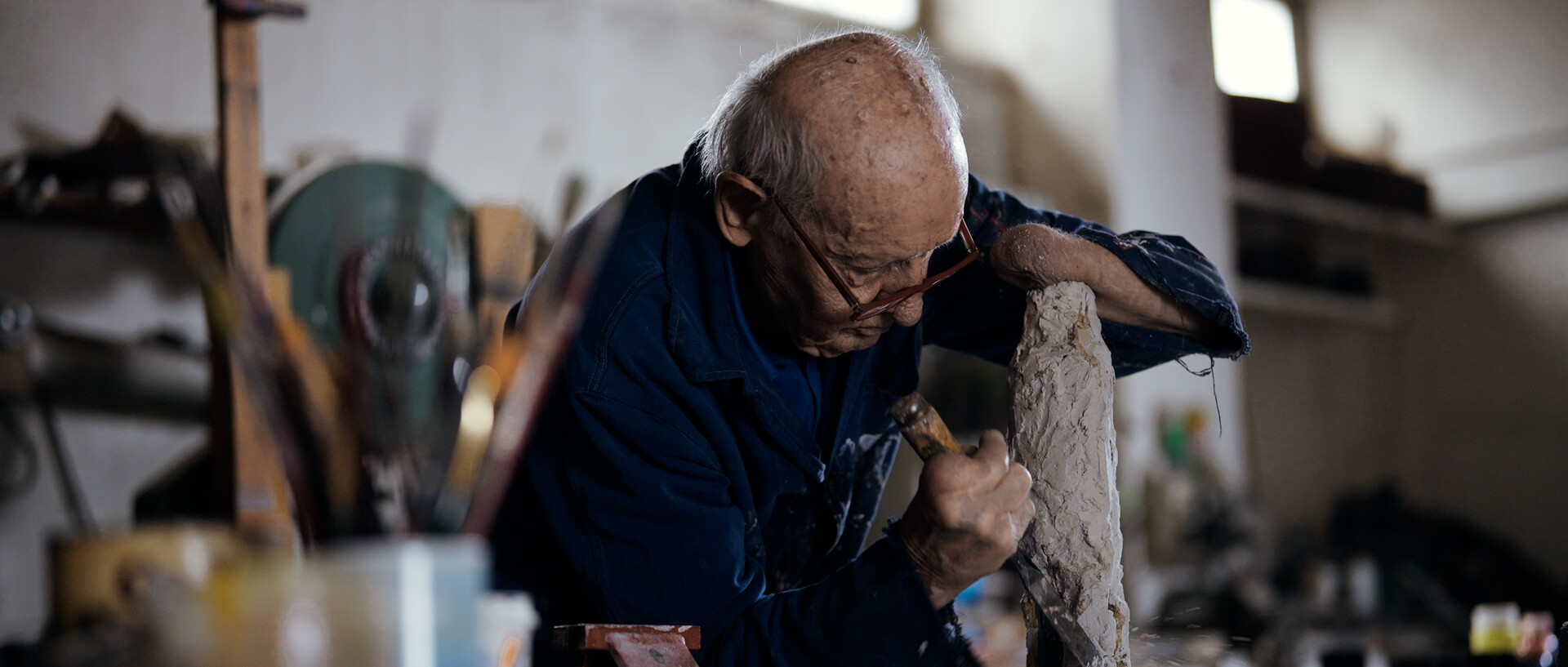
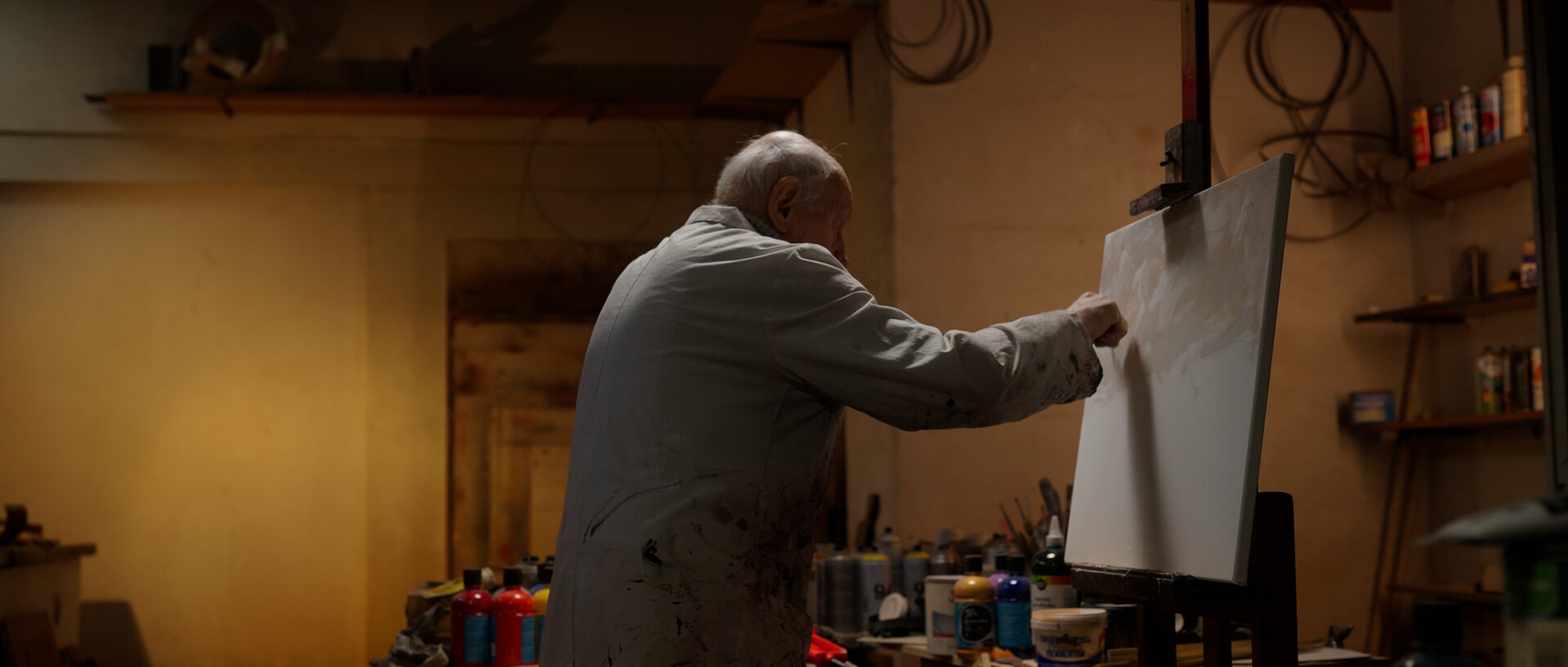
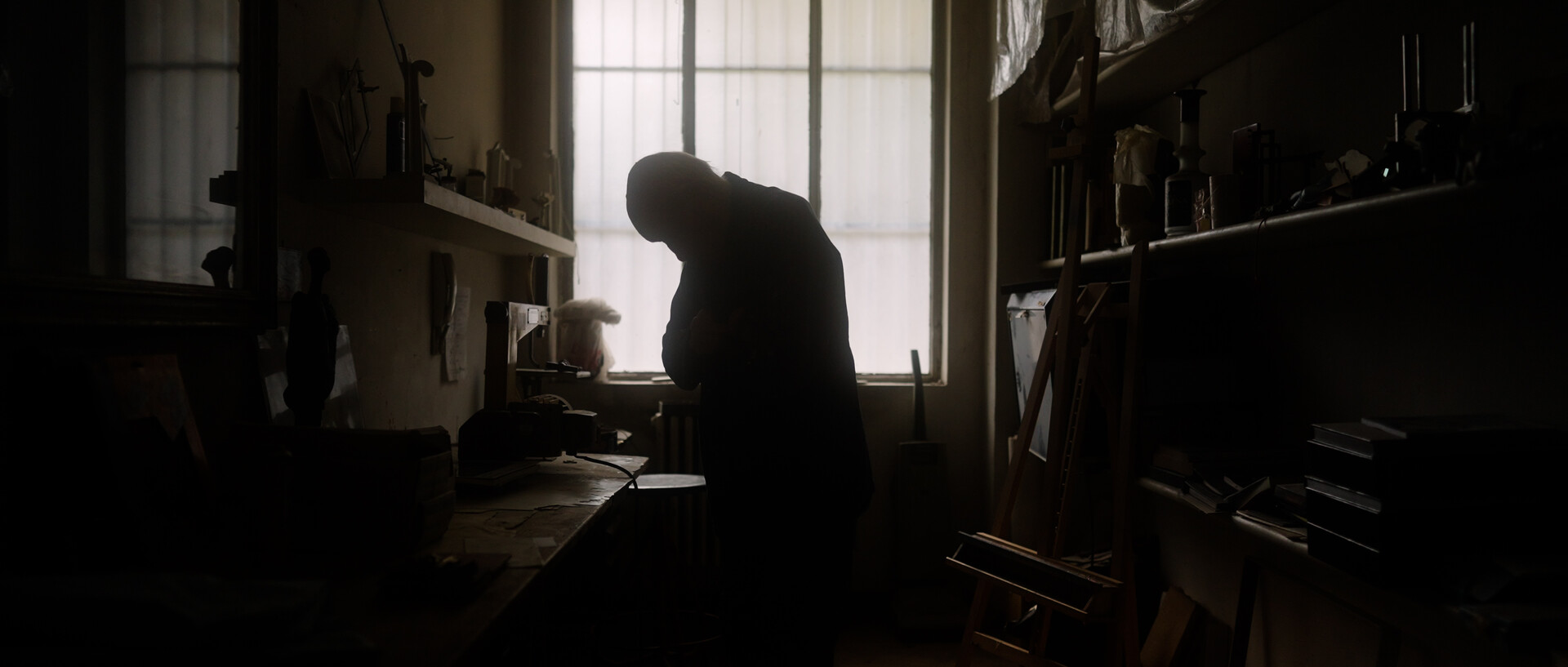
NADO, 68min., Italy Directed by Daniele Farina NADO is an intimate and powerful journey through the life and work of one of the greatest Italian sculptors of the twentieth century. A story of resistance and courage, a human parable of will and joy that spans a whole century.
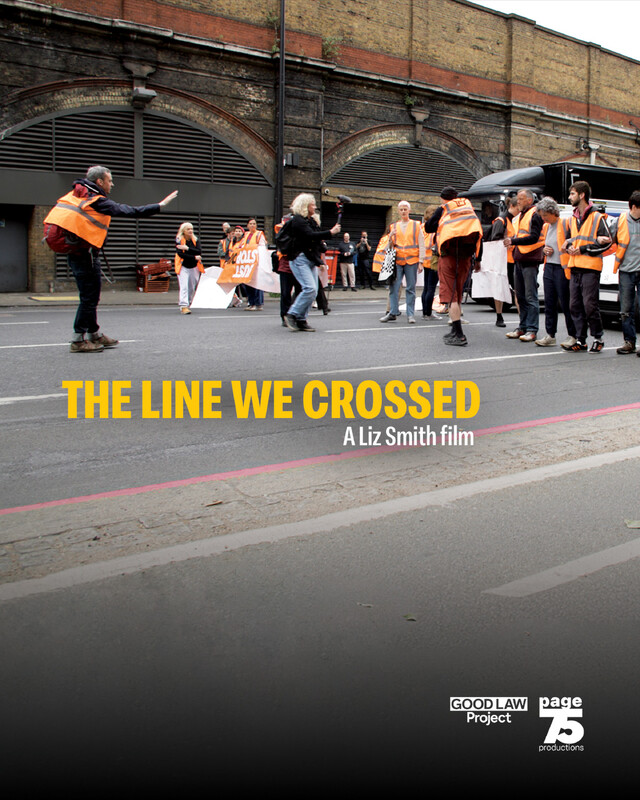
The Line We Crossed, 110min., US Directed by Liz Smith A British story of dissent, drawn from the frontlines of climate resistance. Through the experiences of those who stood in defiance, it traces the quiet unraveling of our protest rights. The film challenges audiences to question what makes dissent effective and where the line of acceptability is.
This festival delivers. Great feedback and is a great value to submit your film or screenplay to. I was proud to have received a Best Documentary award for my film DANCING WITH WAVES. A festival I will continue to submit future films.
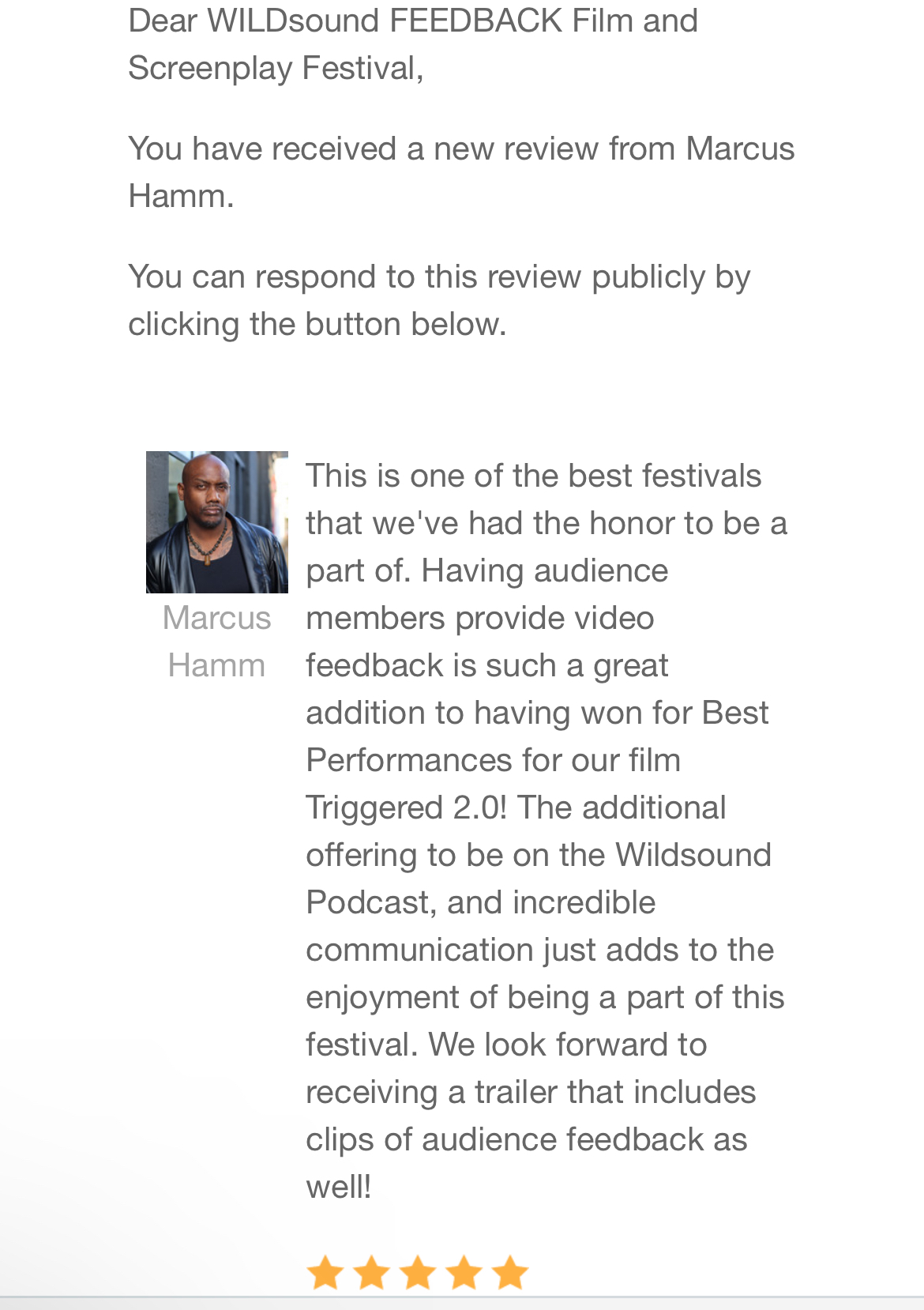
This is one of the best festivals that we’ve had the honor to be a part of. Having audience members provide video feedback is such a great addition to having won for Best Performances for our film Triggered 2.0! The additional offering to be on the Wildsound Podcast, and incredible communication just adds to the enjoyment of being a part of this festival. We look forward to receiving a trailer that includes clips of audience feedback as well!
WILDsound is a legit great festival that keeps to everything they advertise! The perks and communication are great. I was absolutely thrilled and honored to have my film win best short and the feedback video of audience reactions to my film that they sent me was outstanding! Thanks for everything guys!
Thanks for screening “Bay For Blood” at your festival! This is the second time I have been with this festival and I have so many positive things to say. The multiple screenings, the feedback video, the written review, the interview, and access to the online screening are some of the many things that this festival offers.
This festival is more professional, punctual and generous than most festivals I have been a part of and I will definitely be submitting future projects to the WILDsound FEEDBACK Film and Screenplay Festival.
Submit your FEMALE short story to the festival here, and we will automatically have it performed by a professional actor and turned into a promotional video.
Get FULL FEEDBACK on either the 1st chapter or entire novel book from our committee of Professional Writers, and Writing Consultants. Get your novel performed by a professional actor at the festival.
NEW OPTION: Or, just submit for an actor performance reading transcript of your novel (any 5 pages of your book). Great way to promote the sales of your book if you’re already published. (see examples on the video playlist below)
This festival has a guaranteed 4-tier set up for each accepted script. (No matter what, all screenplays submitted receive FULL FEEDBACK on their work.) 1) Full Feedback on your script 2) Actors performance video reading of your script 3) Blog interview promotion. 4) Podcast interview on the Film Festival ITunes show.
Geoffrey Rowland has worked in the film and television industry for over 50 years. We chatted on the phone for 2 hours with topics ranging from our mutual love for baseball, life lessons, being Canadian, and of course film and editing. He was a pure joy to chat with. Enclosed are the highlights of our conversation:
Matthew: “The Young Messiah” was the last film you worked on. How was your experience working on the film?
Geoffrey Rowland: Terrific experience. I worked 77 straight days editing that film. It became a part of me. I gave it my all and I think it’s a very good film.
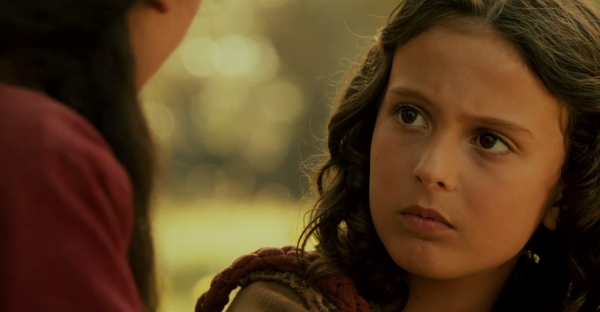
PHOTO: Still from “The Young Messiah” with actress Sara Lazzaro. Geoffrey called her one of the finest actresses he has ever edited. “Amazing eyes”. He praised.
MT: You’ve worked on over 80 productions as an editor in the last 40 years. Do you have a favorite experience? What film/TV episode are you most proud of?
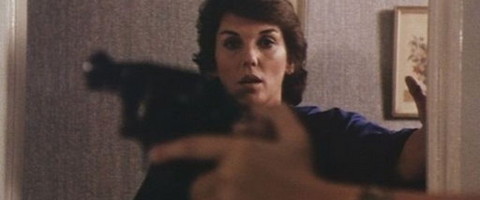
GR: There was a “Cagney & Lacey” episode in 1984 called “Heat”. It was about a hostage situation. The producer of the show called it a movie that was also a TV episode. I’m very proud of that episode because the director Karen Arthur won an Emmy for it. The first time a female won a Best Directing Emmy.
There was a scene where someone gets shot in the episode and instead of showing them get shot down, I focused on the reaction of the husband and let the sound of the gun and his face tell us what happened. That’s editing!
PHOTO: Tyne Daly in “Cagey & Lacey”. Geoffrey edited multiple episodes of the series and considers working with director Karen Arthur as one of his finest working experiences:
MT: I have to ask about your experience working on “Rocky” early in your career as an assistant editor. The film ended up winning the Oscar for Best Picture. What are you memories working on the film?
GR: I was an apprentice editor for Richard Halsey on the TV series “Peyton Place”. One day as I was driving home from work on a show I was assisting for, I realized I forgot my wallet and had to go back to the Production Lot. I ran into Richard who was looking for an assistant editor for this film called “Rocky”. The only reason I got the job was because and I was lucky to run into Richard at the exact time he was going to hire someone. I wasn’t his first choice, but because I was eager to do it, he went with me. That’s faith! If I remembered my wallet my career could have gone in a different direction.
Advertisement
MT: You then moved onto “Close Encounters of the Third Kind”. You worked on an Oscar winner to Steven Spielberg! What were your duties working on that production?
GR: I watched, assembled the dailies, and organized the footage. From Memorial Day 1977 to the fall of that year, I had two days off. We worked tirelessly on that film.
Steven was a terrific guy. It was all about the film. That’s what made the working relationship great. No one needs to know anything about you except what you know about the film. A sole focus always leads to the best relationships.
MT: You won an Emmy for the “Path to 911” mini-series. I had a few friends working on that production in Toronto, so I visited the set for a few days. Every shot, no matter what, had at least three cameras rolling, sometimes 4-5 cameras. I remember thinking that the editor and his team are going to have SO much footage – it’s going to be a nightmare. What were your experiences working on that film? You must have had a big team of assistant editors to go over all that footage.
GR: There was almost 3 million feet of film shot on that production. Yes there was a lot of coverage – which is amazing for an editor because you have choice and can really dig into the story.
We had 5-7 editors at a time working on the project editing scenes. The trick on that film was to make it look like it was edited by just one person when it came all together. That was my job. The director David L. Cunningham is a brilliant guy. Shoots the film like it’s a documentary in a very unique style. He reminded me of a young Spielberg.
We were proud to receive the Emmy but it wasn’t us who won it, but the entire production and people who worked on the show.
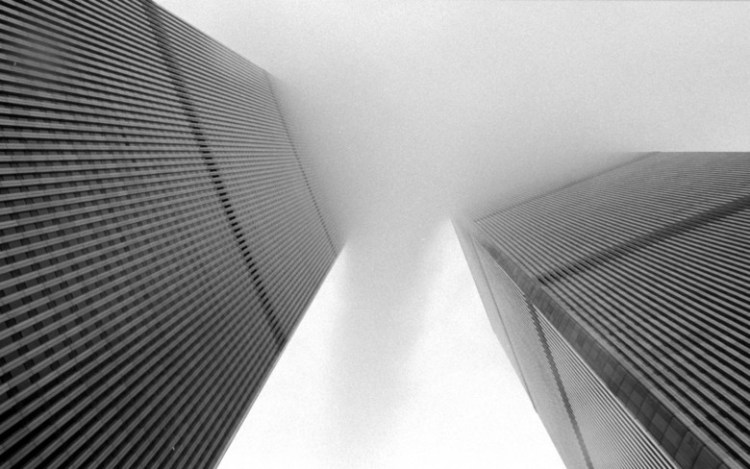
PHOTO: Still Shot from the mini-series “Path to 911”. A controversial series when it premiered in September 2006. Geoffrey wins his first Emmy after 5 previous nominations:
MT: What’s the key difference between working on a TV episode in comparison to working on a feature film?
GR: TV is a Producer’s medium. That’s who you’re working with. They know the show and how the episode needs to fit into the context of the entire season and series. Film is a director’s medium. The director knows the film better than anyone else. In TV, it’s a faster process versus working on a film.
MT: What is an editor looking for in their director?
GR: Hand ons. Hands off. Instense. Casual. They are all different and you always learn a ton from them. As long as they are passionate, that’s all that matters.
MT: What is a director looking for in their editor?
GR: Do the job and don’t bring your ego to the film. A director has one focus (to finish the film) and has a 1000 things going on in their head. They want you to be professional. Don’t cross boundaries and tell them your life story or anything for that matter that’s not about the film. When you finish working with them they’ll know whether they want to work with you again and vice/versa. You don’t have to say anything more about it.
In professional situations and when putting a film together, less is always more.
MT: What film, besides the ones you’ve worked on, have you seen the most times in your life?
GR: The Immortal Beloved. Probably seen it 2 to 3 dozen times. When I want a good cry, I watch it.
Great films leave an impression. My daughter Brooke was 15 years old when we went to see the film together. She just quit the piano weeks before, but went right back to it after she saw the film because she was so inspired. And stayed at it. When Gary Oldman (who played Beethoven) heard that story, he wept.
Stories like that is the reason why most of us get into the business. It’s all about leaving an impression in this world.
MT: What type of film would you love to edit that you haven’t worked on yet?
GR: The next project. Whatever the next project is.
MT: What suggestions would you have for people in high school and university who would like to get into the industry as an editor?
GR: Learn subtext. A great way to do learn is to listen to classical music. Listen to the instruments and how it all comes together. It’s the same way when editing a film.
Get your foot in the door and be a sponge. You have to be obsessed with editing. Nothing else matters.
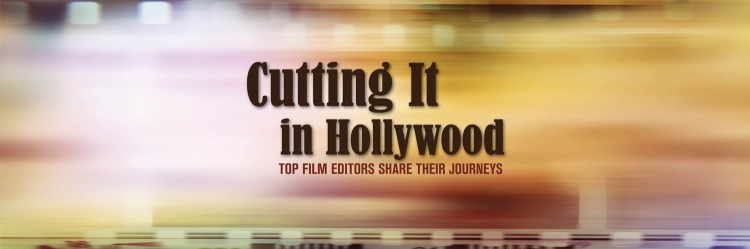
PHOTO: Banner of the book “Cutting it in Hollywood”, where author Mitchell Danton interviews the great film editors, including Geoffrey Rowland.
____
Interviewer Matthew Toffolo is currently the CEO of the WILDsound FEEDBACK Film & Writing Festival. The festival that showcases 10-20 screenplay and story readings performed by professional actors every month. And the FEEDBACK DAILY Fesitval held online and in downtown Toronto on the last Thursday of every single month. Go to www.wildsound.ca for more information and to submit your work to the festival.










 Festival Reviews