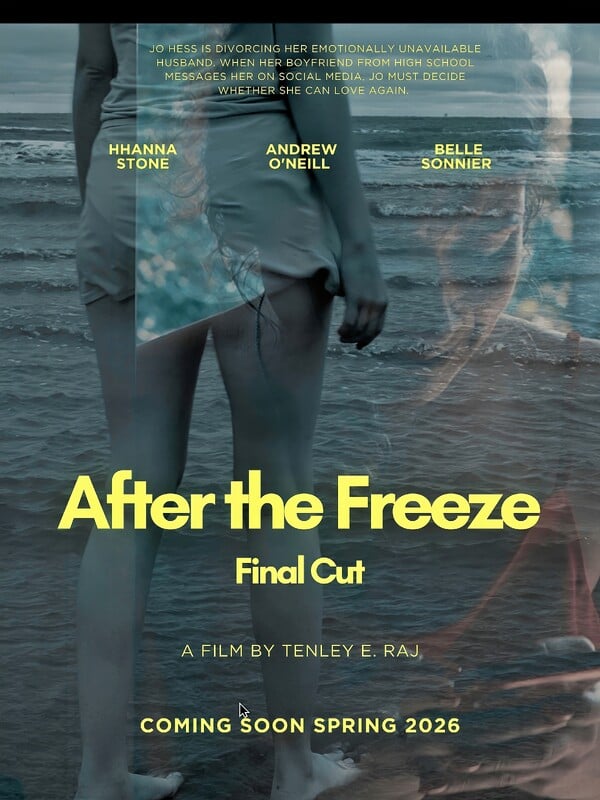
Feature Film Review: AFTER THE FREEZE. Directed by Tenley Eakin Raj

Jo Hess is confronted with love amidst a divorce when the love of her life, her boyfriend from high-school, reaches out to her out of the blue.

Project Links

 Instagram

 Website

 X

Review by Victoria Angelique:

The film, AFTER THE FREEZE, follows a newly divorced woman as she tries to figure out what her life is now by reflecting on the past. Jo is a very complicated character, as she deals with reconnecting with the ex-boyfriend from her teenage years and dealing with her ex-husband as they attempt to co-parent their daughter. She is emotional and needs a friend to make her see the other side of these breakups.

The majority of the story is told through text messages that pop-up on the screen. This is a very interesting filmmaking technique as the audience can literally read what is going on in each character’s head. This method of telling the story makes the film quite relevant with audiences in their twenties or teenagers as it reflects reality, where they seem to communicate more through text messages rather than having spoken conversations. The characters are also written to appeal to the Gen-Z or GenAlpha target, with Jo being someone that seems like she’s pulled from the stereotypical norm from that generation by using her phone to communicate rather than meeting with another person to talk out the issues.

The character of Jo is quite complex, as shown from the second the audience meets her. She’s focused on her poetry and when she texts her high school boyfriend, it makes sense why the flashbacks are suddenly coming back for her. She is able to use poetry and text messages to convey how depressed she feels at this moment, which allows Jo to remain in her head in this story of character evolution. This is what the audience is noticing through the film in Jo’s perspective, she is having to deal with everyday issues and the audience can see how this particular character has to overcome the urge to fall back on her insecurities. She is quick to jump to conclusions, only having the realization that there is more to the world and people not responding to text messages when she learns that the ex that she’s been talking to had stopped responding because he had a seizure. 

This is quite an innovative film, through the filmmaking techniques and using one character to tell the story. The audience can see the character arc of Jo as she processes what her world is and knows she still has more to learn, but the film ends with her being open to finding her happiness once again as she continues to process her world. 

Filmmaker Russ Emanuel (ROUTINE)

Routine, 4min., USA
Directed by Russ Emanuel
During a mysterious pandemic, Cassie’s quarantine life has turned into a routine, day in and day out. Nothing new seems to happen, until she realizes she’s out of coffee. And she’s determined to get her cup of joe, even if she must face the horrors of the outside world. Because “she’d kill for a cup of coffee.”

https://www.instagram.com/russem31/

Get to know filmmaker:

1. What motivated you to make this film?

a. My late filmmaking partner Emile Haris (who passed away in 2023) and I decided to make this film during the beginnings of the Covid-19 pandemic in 2020. Even though everything was shut down, we didn’t want that to stop us from making something so we hired a non-SAG actress named Paige Laree Poucel to play Cassie and Haris and I became a 2-man team and filmed at my condo over one shoot day. And for the exterior third act, we hired DC/Marvel Comics artist Dave Beaty to draw it in animated form.

2. From the idea to the finished product, how long did it take for you to make this film?

a. We began formulating the idea on March 9, 2020, filmed on April 24 and completed the film on June 29. Because of the success of this film, we were able to make a feature sequel film called “Staycation” (which just got distribution as “Apocalypse Death Party” through DeskPop Entertainment, a subsidiary of Twin Engines Global, and will be released on October 31, 2025 for DVD and streaming).

3. How would you describe your film in two words!?

a. Zombie Pandemic

4. What was the biggest obstacle you faced in completing this film?

a. It was definitely the Covid-19 Pandemic which had shut down everything from local shops to the SAG-Aftra Union.

5. What were your initial reactions when watching the audience talking about your film in the feedback video?

a. Immense gratitude.

6. When did you realize that you wanted to make films?

a. Ever since I was a little kid and fell in love with film music, especially those of composer John Williams.

7. What film have you seen the most in your life?

a. The Empire Strikes Back.

8. What other elements of the festival experience can we and other festivals implement to satisfy you and help you further your filmmaking career?

a. What you are doing by publicizing my works really helps me to get the word out there for my previous films including my 6 feature films I’ve had the privilege of directing and for future feature films I’m currently planning, including the sequel to “Staycation”.

9. You submitted to the festival via FilmFreeway. How has your experiences been working on the festival platform site?

a. I love FilmFreeway.

10. What is your favorite meal?

a. Ice cream.

11. What is next for you? A new film?

a. The aforementioned “Staycation 2” (aka “Apocalypse Death Party 2”). You can see all my past/present/future film projects at my production website www.russem.com.

Filmmaker Ande Case (REQUITAL)

Requital, 3min,. UK
Directed by Ande Case
A short Animation of how history repeats itself. Frustratingly.

Get to know the filmmaker:

1. What motivated you to make this film?
The original idea was from my partner who talked about history repeating itself. We despise inequality, that people so wealthy they will never want for anything still end up being so cruel and disgusting. The worst of us. They have the ability to end hunger, disease, homelessness yet they always end up being fascists who only want to visit cruelty upon others.

2. From the idea to the finished product, how long did it take for you to make this film?
About 6 months from script to final version as Lucy, the animator, was very kindly developing this film in between all the other work she had on and, due to budget, we had to rethink some scenes and visuals.

3. How would you describe your film in two words!?
History Repeats.

4. What was the biggest obstacle you faced in completing this film? Finance, it’s always finance. I have reached a point where ‘funding streams’ are some fairy tale old filmmakers tell newbies about how good it was in their day 🙂

5. What were your initial reactions when watching the audience talking about your film in the feedback video?
Humbled. That others understood the story, the journey, the messages I was trying to communicate. As a scriptwriter / filmmaker that to me is the most important part of the creation – no good someone saying the film was beautifully shot if they have no idea what it meant.

6. When did you realise that you wanted to make films?
At least 20 years ago but it took another 10 years to actually believe I could. Then there was the whole creating scripts, building networks, understanding all the mechanics. Then being a finalist in a major script competition which I assumed meant Hollywood next and in fact led to absolutely nothing. The harsh reality has kept me focused though.

7. What film have you seen the most in your life?
That would be a stupidly long list as I rewatch so many but ones that spring to mind are Shawshank Redemption, Singin’ In The Rain, Apocalypse Now, Serenity, Princess Bride, Hot Fuzz, Bladerunner, Jaws, Alien and The Matrix. But, if you are forcing me to pick one then 2001: A Space Odyssey for the practical effects alone.

8. What other elements of the festival experience can we and other festivals implement to satisfy you and help you further your filmmaking career?
Difficult but certainly one Festival made clear (after you had paid) they would only accept 10 Short films. But they had 100’s applying. However you want to look at that it feels like money making not supporting the creative community. For me though, if you are selected or better still Win you get actual, tangible networking opportunities.

9. You submitted to the festival via FilmFreeway. How has your experiences been working on the festival platform site?
Been using this platform for a while and never had any difficulties with it. Of course, with so many other platforms closing, it has pretty much become the one to use and hopefully that may better shine a torch on emerging talent who get a chance to take their career further.

10. What is your favourite meal?
I want to say something exotic and amazing but really buttered toast with a ‘good’ scrambled egg and a pinch of salt and pepper.

11. What is next for you? A new film?
Yes, a new film. I have several scripts I want to make but, of course, it is all about having the finances in place first.

Interview with Filmmaker Andrea Bufi (MASAI MARA )

Masai Mara, 3min,. Italy
Directed by Andrea Bufi
In the heart of the Masai Mara, amid the smiles of children, Masai dances, and the wild breath of the savannah, an intense and authentic visual story unfolds.

Get to know the filmmaker:

1. What motivated you to make this film?
The motivation came from the desire to discover a world so distant from ours, a place with different cities, sounds, landscapes, animals, and cultures. I was deeply inspired by the bond between nature and humanity that exists in the Masai Mara. It’s a place where time slows down, where the connection between the earth, animals, and people feels pure and sacred. I wanted to capture that emotional balance, that peace between “sky and earth” and turn it into a short but powerful visual experience.

2. From the idea to the finished product, how long did it take for you to make this film?
The project began with the simple idea of documenting and keeping a memory of my trip to Kenya. I had no intention of submitting it to festivals, and it wasn’t even on my mind at first. The first version, about five or six minutes long, was edited directly while I was still on vacation. The final version, shaped for festivals, came later, after reflecting on and revisiting all the footage, turning it into something deeper and more personal.

3. How would you describe your film in two words?
Harmony and devotion.

4. What was the biggest obstacle you faced in completing this film?
It happened during a complicated period, both personally and professionally. I was going through a difficult emotional situation and felt overwhelmed by work. One day, I decided to challenge myself to see if I could truly stand out in the filmmaking world, which has always been my ambition. More than anything, I wanted to understand if my work could be recognized, to regain self-confidence and remind myself of what I’m capable of.

5. What were your initial reactions when watching the audience talking about your film in the feedback video?
It was truly moving. Seeing people connect emotionally with my images, feeling that same sense of peace and wonder I experienced there was incredibly rewarding.

6. When did you realize that you wanted to make films?
I realized I wanted to pick up a camera not necessarily for cinema itself, but as a tool for work and personal growth. I wanted to build a future as a videomaker, to tell stories and convey emotions, above all, to do it out of passion.

7. What film have you seen the most in your life?
I wouldn’t say I have one favorite film, but rather several directors whose style I deeply admire. There are many films I love for different reasons, and choosing only one would be too limiting.

8. What other elements of the festival experience can we and other festivals implement to satisfy you and help you further your filmmaking career?
Festivals like this already do something extraordinary, they give visibility to independent filmmakers. It would be amazing to have even more opportunities for networking, collaborations, or masterclasses with other filmmakers, a way to grow not only as artists but also as a creative community.

9. You submitted to the festival via FilmFreeway. How has your experience been working on the festival platform site?
It was smooth and efficient. FilmFreeway makes it easy to discover new festivals and connect with people who truly appreciate independent cinema.

10. What is your favorite meal?
Pizza, of course.

11. What is next for you? A new film?
I’m trying to find the right moment. Work keeps me very busy, and it’s not always easy to focus on my personal goals. But I’ll find a way, maybe for another short film where I can dedicate myself even more and continue to grow as a filmmaker.

Interview with Writer/Producer Birke Duncan (CHICKEN, THE LUNCHROOM AND MR. BIRKE)

Chicken, the Lunchroom and Mr. Birke, 5min., USA
Directed by Birke Raymond Duncan
Chicken over-eats at school, and gets sick.

Get to know the filmmaker:

1. What motivated you to make this film?
My wife, Sara, gave me a funny script. It’s part of a series of short movies we make about a talking rooster, who attends the first grade. His foster father is the patient Mr. Birke. You can find them on the Birke Duncan YouTube Channel.

2. From idea to finished product, how long did it take you to make this film?
I estimate that the process took 6 months from Sara’s original idea to the completion of the film. Production itself took a couple of months.

3. How would you describe your film in two words?
Chicken learns.

4. What was the biggest obstacle you faced in completing this film?
It’s often hard to arrange schedules with voice actors, the director, and me. One must respect others’ responsibilities.

5. What were your initial reactions to watching the audience talking about your film in the feedback video?
Gratitude. It was nice of them to tell us how they felt about the little movie.

6. When did you realize you wanted to make films?
In 2011. My friend, Jason Harris and I adapted a couple of my short stories into a 20 minute film, “The Adventures of Monty Moudlyn.” It played at a couple of festivals, in Enzian and Melbourne, Florida. I produced my own short film, “A Janitor’s Territory” two years later.

7. What film have you seen the most in your life?
That’s hard to say. My favorite film of all time is “Shane.” Another one I have seen as often is the 1968 comedy masterpiece, “The Producers” starring Zero Mostel.

8. What other elements of the festival experience can we and other festivals implement to satisfy you and help you further your filmmaking career?
You’re already doing a good job.

9. How are your experiences with Film Freeway?
Film Freeway is the ideal submission method. It’s easier to submit a film to a contest these days than to submit a book to a literary agent or publisher.

10. What is your favorite meal?
Cheese pizza.

11. What is next for you? A new film?
Director Kevin Veatch and I are making a couple of public service announcements starring Chicken and Mr. Birke. One is about the fun of children and parents attending plays. The second is about how children feel good about giving food and hygiene items to charity collection sites.

Interview with Writer/Director Matthew Putnam (THE CHRISTOPHER NOLAN EXPERIENCE)

The Christopher Nolan Experience, 77min., Canada
Directed by Matthew Putnam, Diego Pereira
When struggling creative Christopher Nolan is dumped by his girlfriend upon her discovery that he is not the legendary director of films such as Oppenheimer and Interstellar, he decides to prove himself by staging a play adaptation of The Dark Knight. “The Christopher Nolan Experience” captures the behind-the-scenes efforts leading up to this anticipated disaster.

https://www.instagram.com/thechristophernolanexperience/

Get to know writer/director Matthew Putnam:

1. What motivated you to make this film?

A: After graduating from Toronto Film School, I got to experience the struggle of trying to break into the film industry from scratch. I had all of these expectations and I felt like I had to prove to everyone that I was good enough to “make it”. But that made the work a lot less fun and a lot more stressful. It wasn’t until I started making short films and doing comedy skits with my friends that I started to have fun doing creative projects again. That experience of being a struggling creative trying to prove themselves, only to discover that’s not what it’s about, inspired me to make this film.

2. From the idea to the finished product, how long did it take for you to make this film?

A: About 18 months. I first had the idea for the film in January of 2024, started writing the script in February, started rehearsals with the cast in May, we shot on two weekends in August, and then the final cut of the film was finished by the end of June 2025.

3. How would you describe your film in two words!?

A: Fun & Energetic

4. What was the biggest obstacle you faced in completing this film?

A: The biggest obstacle for me as a producer of the film was the limited budget. The film was all paid for out of pocket, and so a lot of it was made using whatever our team had already. Then as the writer, anticipating these constraints while writing the film forced me to be a bit more limited in the scale of what we could do, while at the same time, trying not to limit the story.

5. What were your initial reactions when watching the audience talking about your film in the feedback video?

A: It made me so happy to hear that external audience members found our film funny! Comedy is so subjective, so I was nervous that people outside of our team’s inner circle wouldn’t get the jokes or wouldn’t find our bits funny. So it warmed my heart to hear one of the audience members say she couldn’t stop laughing. There are lots of goals we had when making the film, but at the end of the day if you’re making a comedy, the main goal has to be making audiences laugh.

6. When did you realize that you wanted to make films?

A: In Grade 10 of high school I enrolled in the Musical Theatre program (with co-star Nick Smoljanovic), and through that I discovered a love for acting and for putting on a show for audiences. I also have always really enjoyed watching movies and going to the theatre, so those two things ended up joining together into a passion for making films.

7. What film have you seen the most in your life?

A: The Dark Knight by Christopher Nolan. Which should come as no surprise to those who have seen this film. A close second would be The Lord of the Rings: The Fellowship of the Ring.

8. What other elements of the festival experience can we and other festivals implement to satisfy you and help you further your filmmaking career?

A: I think all of the opportunities you are providing are absolutely brilliant and in some cases singular. You are providing really cool and unique experiences for filmmakers to showcase themselves and their projects. My only recommendation would be adding an in-person screening element. I know myself and my team would have gladly bought tickets and jumped at the chance to experience our film in a theatre like we have at some other festivals.

9. You submitted to the festival via FilmFreeway. How has your experiences been working on the festival platform site?

A: FilmFreeway is very useful and I have had no trouble finding and submitting to festivals on that site. It is also a very helpful tool to help build out a profile for our films.

10. What is your favorite meal?

A: Steak and Boiled Potatoes OR Mac and Cheese

11. What is next for you? A new film?

A: I have already written a script for a short film that would bring a lot of the same creative team back from The Christopher Nolan Experience if I decide to make it.

Interview with Filmmaker Roland Wehap (A FILM BY ROLAND WEHAP)

A Film by Roland Wehap, 29min., Austria
Directed by Roland Wehap
The film “A Film by Roland Wehap” is a work by the filmmaker of the same name, Roland Wehap, who, as a “one-man show filmmaker,” challenges the concept itself by embarking on an extraordinary experiment: Is it possible to produce a short film with almost no budget entirely on your own?

http://a-film-by-roland-wehap.com/

Get to know the filmmaker:

1. What motivated you to make this film?

I’m what you would normally call a “solo filmmaker” — meaning I take on the key roles in my films myself: writing, camera, directing, and editing. Since I mainly work on documentaries, that approach works quite well. Of course, even there I have a small team supporting me — but really, very small.

One day, I started wondering what it would be like to make a short fiction film in the same way. So from the very beginning, it wasn’t just an idea, but also a challenge: to do as much as possible on my own on this project.

2. From the idea to the finished product, how long did it take for you to make this film?

I started writing the script eight years ago. Even though the whole project was extremely demanding to realize — since I had to take on all the roles in front of and behind the camera — that doesn’t mean I worked on it constantly.

My second personal challenge was to make the film with as little budget as possible. I didn’t want to become dependent on anyone, so I gave up on grants and other funding sources and financed everything out of my own pocket. But for those who like the film, the props are now available for purchase at inflated prices in the fan shop on the website www.a-film-by-roland-wehap.com .

Since I financed it myself, I could only work on it during breaks between other commercial projects.

Looking back, I think that actually benefited the film. Letting things rest, taking your time — after a year or two, you suddenly see the story in a different light and can refine it.

3. How would you describe your film in two words!?

Don’t quit.

4. What was the biggest obstacle you faced in completing this film?

There were several obstacles along the way, but the biggest one was probably perseverance. Writing a script is relatively easy, but the moment you start thinking about how to actually make it — especially alone and with almost no budget — that’s when the moment of truth arrives.

It was perhaps less an obstacle and more a fear: that I might never be able to finish this film.

When it was almost done, I had to leave for an extended commercial shoot in Africa. And I remember thinking, it would be really stupid to get eaten by a lion now, just before the finish line.

So I actually wrote a will, outlining exactly what still needed to be done — and who should do it. Fortunately, the lion didn’t eat me, and I was able to finish the film myself.

5. What were your initial reactions when watching the audience talking about your film in the feedback video?

Of course, I was happy that people enjoyed the film. But what pleased me even more was that the hidden messages I had woven into it also came across. It’s not just a satire or a comedy — there’s a lot of truth in it.

6. When did you realize that you wanted to make films?

Very early on — that’s actually part of the story in the film, and it’s true. My father used to make family movies on 8mm film. When I was sixteen, I grabbed the camera, bought a film cartridge, and two weeks later, when the developed film arrived in the mail and ran through the projector for the first time — I was hooked.

At first, it was just a hobby, but I absorbed everything I could learn about filmmaking. Back then, it wasn’t as easy as it is today with the internet. So I never went to film school — it was all learning by doing.

7. What film have you seen the most in your life?

That really depends on how you look at the question. Realistically, my own films — because before they’re finished, you watch them so many times, over and over again, that by the end you can’t stand to see them anymore. I also don’t like watching my older films, because I just get annoyed by all the mistakes I see in them.

But if we’re talking about films I actually enjoy watching multiple times, then it’s the ones by Tarantino, Scorsese, and Herzog.

8. What other elements of the festival experience can we and other festivals implement to satisfy you and help you further your filmmaking career?

You’re already doing a lot of things right. Of course, it’s nice to get a laurel or even win an award. But I see filmmaking as a constant process of developing one’s own skills — and in that sense, feedback is incredibly important.

Most of the time, you only get an automated response or, at best, a polite form letter. But honest feedback helps you grow. When it’s positive, it makes you happy and motivates you to keep going; when it’s negative, you learn from your mistakes.

9. You submitted to the festival via FilmFreeway. How has your experiences been working on the festival platform site?

FilmFreeway is a great platform. In the past, I had to burn DVDs and mail them — which was also an added cost on top of the submission fees. Of course, there are other platforms, but given the sheer number of festivals out there, I’ve stuck with FilmFreeway; otherwise, it’s easy to lose track.

10. What is your favorite meal?

No particular dish — but Thai cuisine in general. I like it hot.

11. What is next for you? A new film?

That’s a question I get a lot — and I don’t really have a clear answer to it. First of all, there are commercial projects, because that’s how I make my living. Whether there will soon be another short film like this one, or perhaps a continuation of the project, I can’t say.

In general, though, I believe the world doesn’t need a new Roland Wehap film every year. There’s simply too much content out there, no matter where you look — and it’s not always the best. Sometimes, less is more.
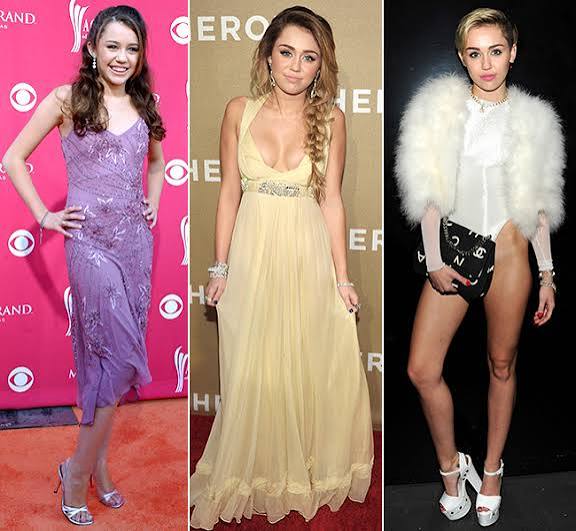
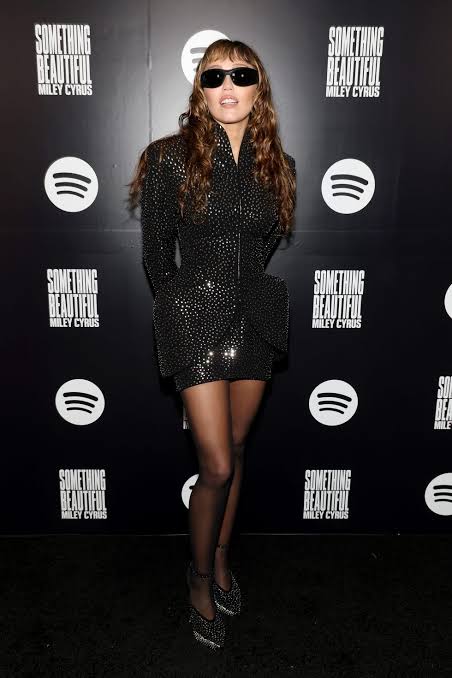
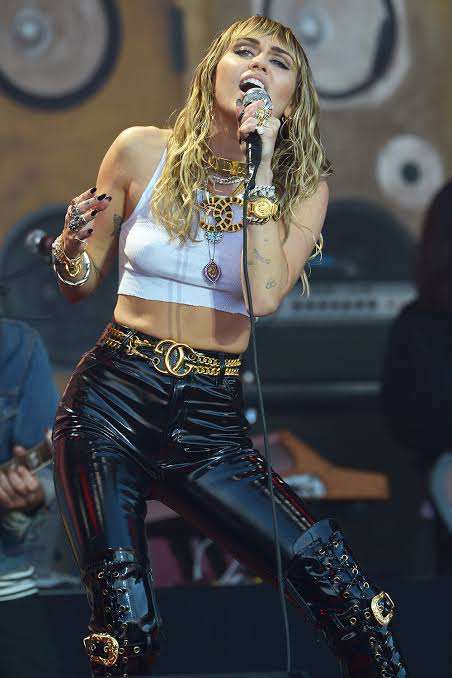
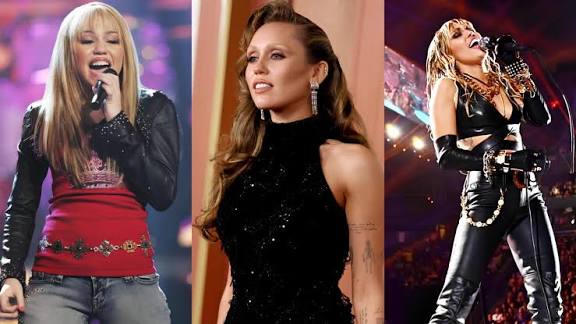
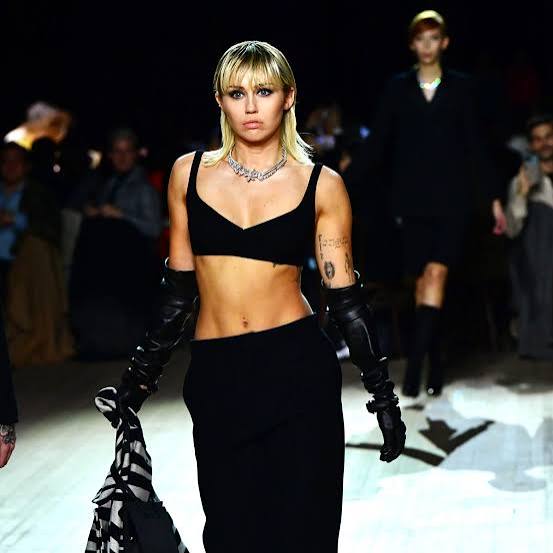
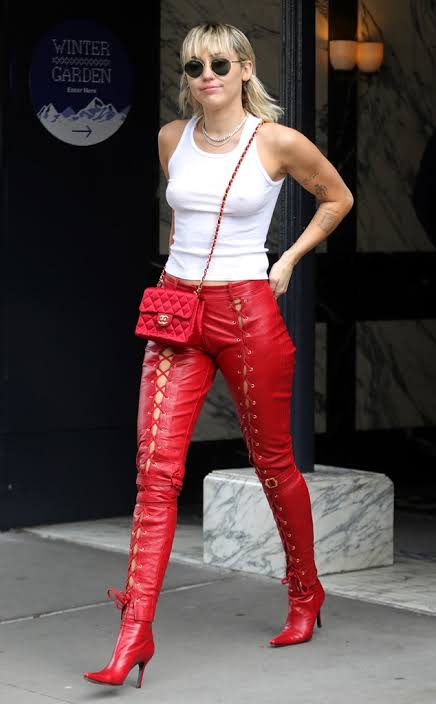
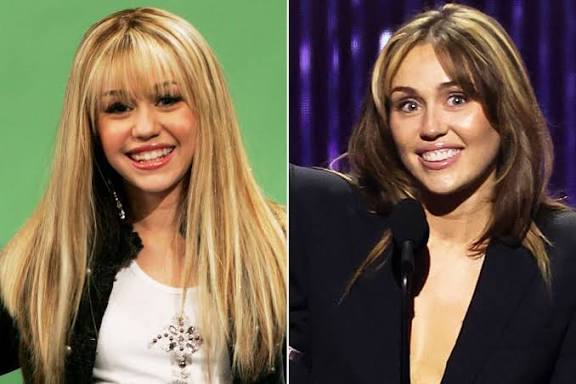
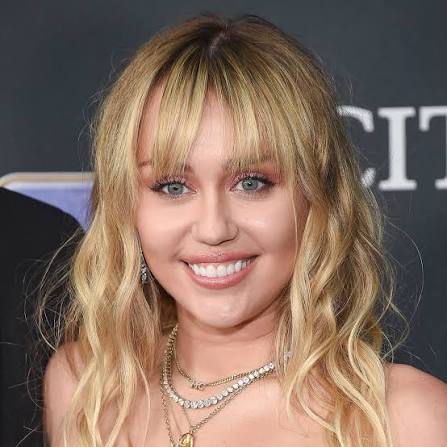
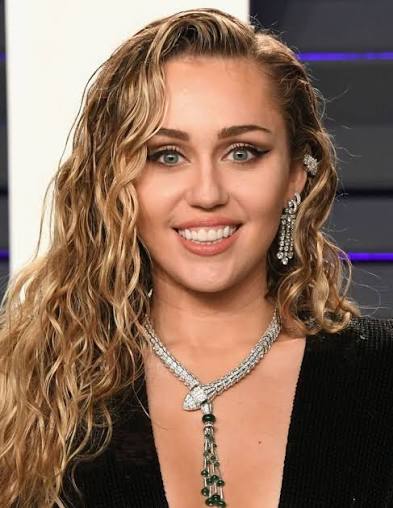
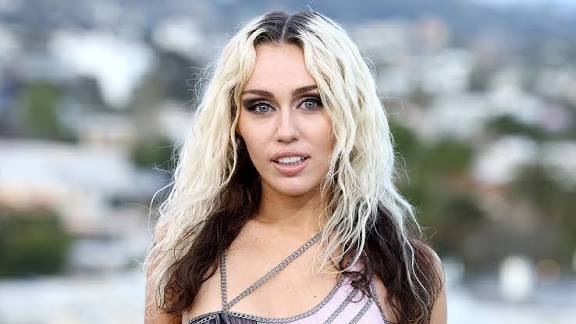
Turning 33 Today: Miley Cyrus

Watch the best of new films from around the world today by signing up for the FREE 3-DAY trial going to http://www.wildsound.ca (Also on Roku, FireStick, and your Itune (app))

  • People are watching like ‘Cute cat plays with yarn’ for three hours, a lot more than they’re watching anyone else’s music video. And it’s because it makes them happy, it makes them laugh, whatever. I wanted my video to make people laugh ’cause I’m the first one to make jokes about myself. My godmother is Dolly Parton who is constantly making fun of herself. She’s like, ‘It takes a lot of money to look this cheap, honey’. I wanted the video to be that kind of confident.
  • I really don’t like coke (cocaine). It’s so gross and so dark. It’s like what are you, from the Nineties? Ew.
  • Hopefully my hair grows really quick and next time you see me I’ll have a pony down to my butt. I just always want to be different. Everyone else has cut their hair to look just like me, so now I got to do something different. I don’t like when you walk in and you see a bunch of other yous.

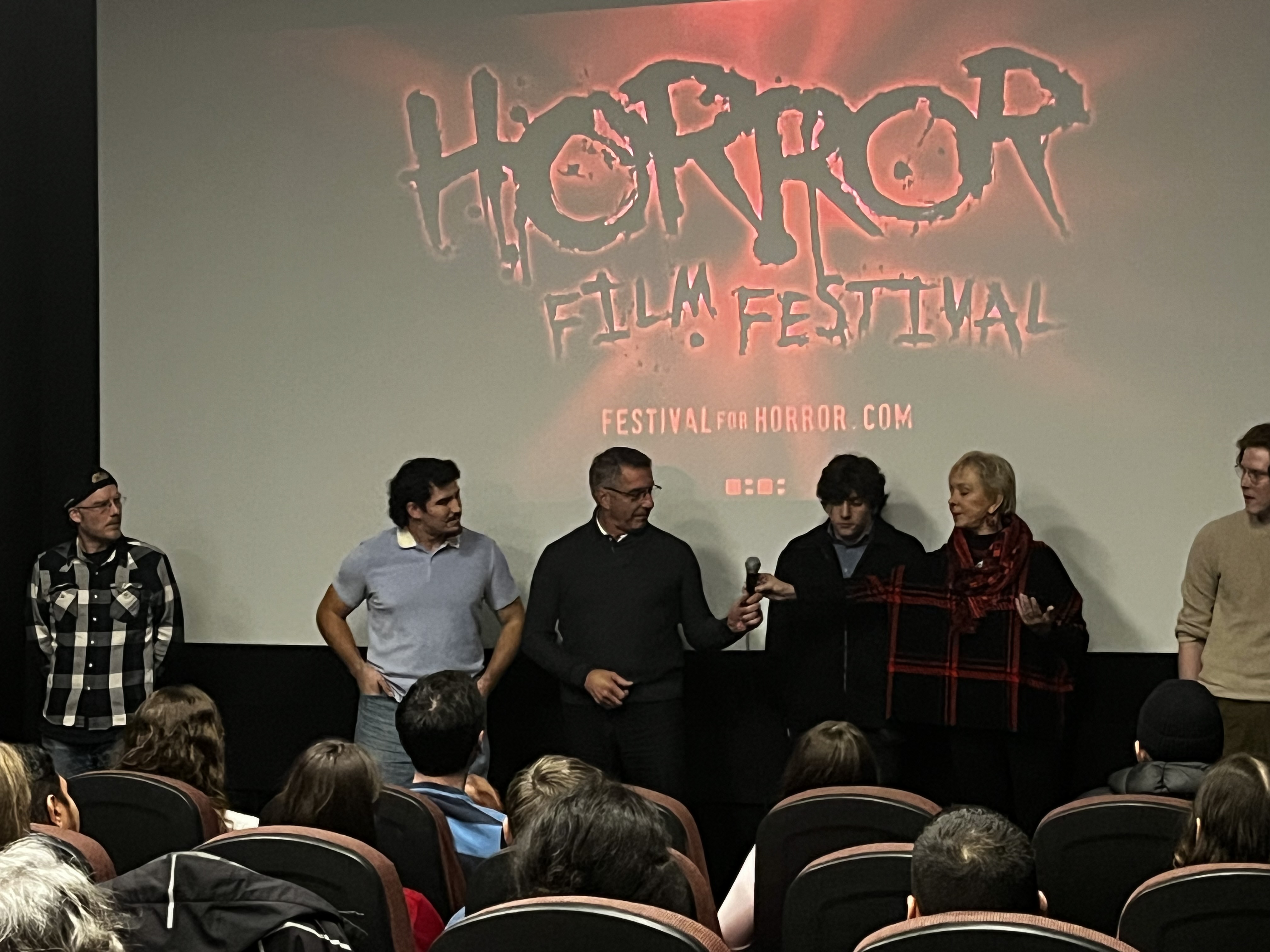
November 2025 HORROR Underground Film & Screenplay Festival

Deadline Today to Submit via FilmFreeway:

Ah truly fantastic experience all round. They really engage with you and your work – very, very highly recommended!

——

My experience at the festival was wonderful, and I had the honor of winning the ‘Best Story’ award with my film ‘Submerged.’ The festival gave a lot of positive visibility to my film and the audience feedback is really helpful.

——

We loved how this festival operates! We entered our film, Sanguine Deposit, and we were thrilled to screen with them, but the feedback video was amazing! For filmmakers submitting our first film, we found this valuable information and worth the price of entry. Thank you and best wishes on your ongoing festivals.

—-