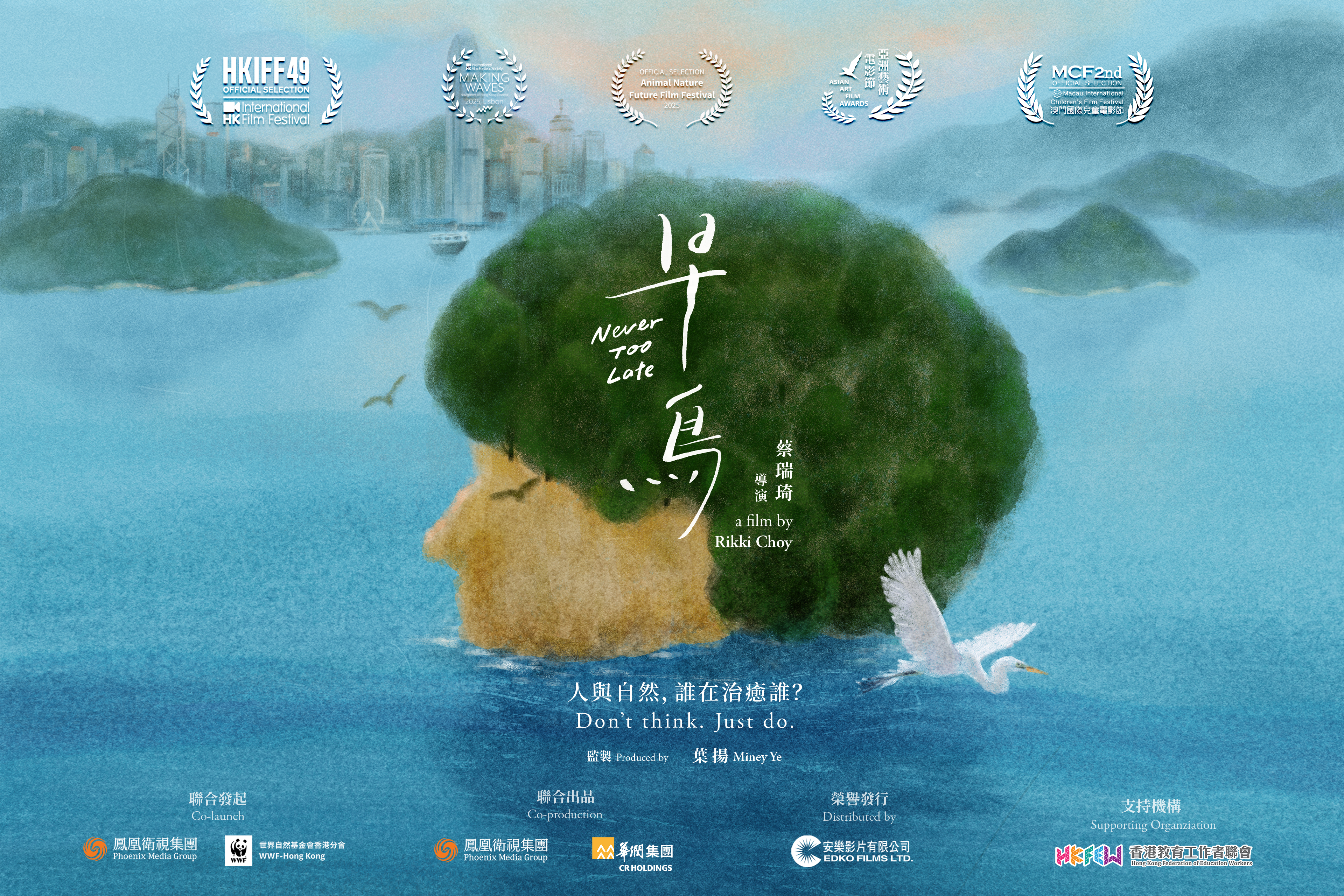
In Hong Kong, the boundary between city, mountain, and ocean is blurred. Four Hong Kongers, who are strangers to one another, each facing their own life challenges, simultaneously choose to delve into nature in search of themselves. In the depths and peripheries of the city, amidst mountains, fields, the ocean, and shores, they explore their own connection to nature. Different questions converge onto a single issue, leading to a journey of reflection and redemption. If human development and the destruction of nature have become a reality, what else can we do? Is it too late to take action? This is their journey, and ours too, through the spirit of the mountains and oceans.
Review by Julie C. Sheppard:
As with other nature documentaries that strive to inspire human change and to build awareness of the importance of protecting Earth’s ecosystem, the feature Never Too Late also ascribes to these noble goals. We are privileged to meet four people who share a common love for the flora and fauna in the Hong Kong area. The very fact that they want to be part of this film reveals their reverence for the environment, and they capture nature with such talents as fine painting, photography and videography, on land and under the water.
Breathtaking cinematography in the film shows magnificent mountains and forests – – we get to enjoy the lush tropical feel of the area, in addition to close ups of artistic depictions. Impressive sound recording of creatures lets viewers immerse themselves in this natural utopia. The camera is also observant of the massive skyscrapers and residences in the heart of the city – – its frenetic energy and loud traffic is in strong contrast to the peace and tranquility of the rustic areas. The film also offers some social commentary with captivating interviews of rural locals – – they explain their sentiments about newcomers and city folk who have moved into their area to escape life in the frantic heart of Hong Kong.
The central figures prove to be realists. They know it is hard to stop the progress of city developments, but they also recognize that they can make a difference, given their abilities and perseverance. This project proudly shows that Hong Kong has a thriving ecosystem beyond its skyscrapers, and it is worth observing, depicting in art, and preserving.
“VYR” is a 10 minute poetic short documentary exploring the ancestral power of creativity among Ukrainian artists in exile. Set in London, the film follows a theatre collective founded by a Ukrainian woman, Vyr, as its members engage in intimate conversations, folk rituals, and symbolic visual practices. Through circles, songs, and meditative gestures, the documentary reflects on how artistic energy becomes a refuge, a connection to cultural memory, and a source of resilience far from home. Combining lyrical observational cinematography with traditional lullabies, ambient sounds, and abstract visual motifs, VYR presents creativity as a living, ancestral force that unites generations and sustains identity in displacement.
Review by Andie Kay:
This beautiful short film centers around Victoria Mushtey who is the founder of the VYR Collective. This group of artists and creatives have built a community to support their projects and their passions. To listen to Victoria talk about VYR with such joy and enthusiasm, you cannot help but become as invested as she is in this wonderful group.
Directed by Ellada Liudohovskaia this film explores the impact of the war in Ukraine with some emotional interviews with the artists. As well as the sense of hope they felt finding this community. Cinematographer Panos Vlassas did such a stunning job. I loved the black and white segments with just hands creating images within flour and finally seeing the bread being shared by the group. Not to mention the dance performance was incredible.
The background music was perfectly chosen for this film. Plus the way it began with one of the members singing was incredibly moving, her vocals were stunning. This film is a must watch!
A family, torn apart by a past tragedy, must unite and overcome internal and external conflicts to reclaim their advanced starship from a fanatic general who plans to use its unique capabilities to trigger a galactic-scale “reset” and fulfill an ancient prophecy.
Get to know the writer:
1. What is your screenplay about? NEXUS is a high-stakes sci-fi political thriller about a fragile galactic peace shattered when an ancient cosmic machine, responsible for erasing entire civilizations, awakens again. As two rival powers spiral toward war, a damaged but revolutionary starship, the Thermidome, becomes the last line between survival and annihilation. At its center is Commander Trice Webb, an engineer desperate to solve the mystery that consumed his brother, uncover the truth behind the catastrophic Citadel attack, and stop a fanatical general determined to trigger the universe’s next “Prime Event.”
2. What genres does your screenplay fall under? Science Fiction Space Thriller Political Thriller Action-Adventure Mystery / Conspiracy
3. Why should this screenplay be produced
NEXUS blends the cinematic sweep of The Expanse and Interstellar with the tension and layered political intrigue of Andor. It delivers spectacle without sacrificing character stakes, giving audiences a universe that feels both epic and personal. It introduces a fresh mythology, the Prime Event cycle, anchored by a diverse, emotionally rich cast and a world with franchise potential. Strong action, grounded science, and morally complex storytelling make it both commercially resonant and creatively unique.
4. How would you describe this script in two words?
Epic Catastrophe
5. What movie have you seen the most times in your life?
Star Wars. Did you have to ask that?
6. How long have you been working on this screenplay?
Off and on for 30 years. BUT: the last two years was the focus. I learned a few things and applied them world-building, story engineering, iterative drafts, and structural refinement based on coverage and competition feedback.
7. How many stories have you written?
I’ve written over a dozen screenplays, spanning sci-fi, thriller, crime, adventure, and psychological drama—from features like Guardrails, Frozen Lies, and The Devil’s Cut to shorts and TV pilots. This has helped me develop a strong command of structure, character, suspense, and thematic clarity.
8. What motivated you to write this screenplay?
I wanted to explore how civilizations confront extinction—not through a villain, but through knowledge, and how ordinary people respond to cosmic-scale inevitability. I was inspired by the idea of a family caught between science, prophecy, and political manipulation. The emotional core—Trice trying to uncover what really happened to his brother RJ—grounds the entire saga. On a thematic level, the story examines cycles of conflict, inherited trauma, and whether we can break patterns we don’t understand.
9. What obstacles did you face to finish this screenplay?
Balancing the scope of the world with the intimacy of the characters was the biggest challenge. The political layers, military tension, and scientific mysteries all had to interlock cleanly without overwhelming the story’s emotional drive. Structurally, it required multiple rewrites to ensure the mystery of the Prime Event, the Dark Corridor, and the conspiracy behind Imma’s attack revealed themselves at the right pace. Finding that balance—and maintaining clarity—was both the struggle and the breakthrough.
10. Apart from writing, what else are you passionate about?
I’m passionate about technology, space science, and real-world aerospace engineering, which heavily influences the grounded feel of my sci-fi scripts. I also love history, real-world geopolitical conflict analysis, and storytelling across film, games, and serialized formats. All of which shape the depth of the worlds I build.
11. What influenced you to enter the festival? What were your feelings on the initial feedback you received?
I entered because I’m committed to improving the craft and testing NEXUS against industry standards. Festivals offer invaluable external perspective, visibility, and potential to connect with producers seeking ambitious sci-fi projects. The initial feedback was energizing. It highlighted what was working and pinpointed areas that could become even stronger. It confirmed the script’s potential while giving me a clear path to elevate the next iteration.
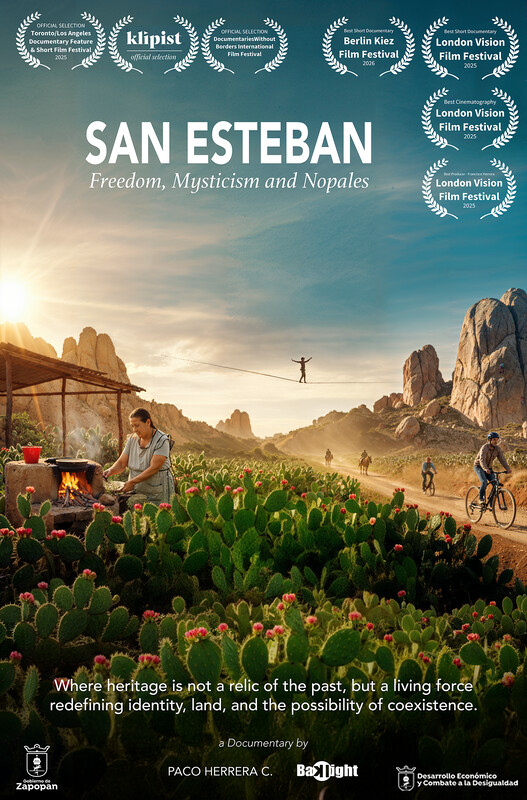
San Esteban: Freedom, Mysticism and Nopales, 27min., Mexico Directed by Francisco Herrera At the foot of the mountains of Zapopan, Mexico, lies San Esteban — an indigenous town whose identity has been shaped for generations by agriculture, ritual, food, and an intimate bond with the land. Sheltered for centuries by valleys and canyons, the community now stands at the edge of an expanding metropolis, caught between preservation and transformation.
I was motivated by the need to document a community at a moment of quiet but profound transformation. San Esteban is a place filled with history, resilience, and identity, yet often overlooked. I wanted to show how indigenous traditions and modern influences coexist, collide, and reshape each other. And honestly, I wanted to give something back to the people who welcomed me — to help their stories, their land, and their work be seen.
2. From the idea to the finished product, how long did it take for you to make this film?
The project unfolded over roughly a year. I spent significant time in San Esteban, filming as the community’s rhythms revealed themselves. Then we realized we needed to integrate the “outsiders” — the adventurers and nature-driven visitors who are now part of the town’s reinvention — and following them extended the shooting period. Post-production took several months, especially the sound design, because capturing the essence of the place meant treating sound almost as another character.
3. How would you describe your film in two words!?
Rural Resilience
4. What was the biggest obstacle you faced in completing this film?
The biggest challenge was staying invisible enough to allow the community to be themselves. We worked with a very small crew to maintain intimacy, which also meant long days and wearing many hats. Another challenge was finding the right balance between respecting traditions and portraying the changes happening around them without judgment. Balancing the presence and influence of both communities — the indigenous farmers and the new adventurers — in the construction of a new identity was also complex.
5. What were your initial reactions when watching the audience talking about your film in the feedback video?
It was incredibly moving. As filmmakers, we spend so much time immersed in our own intentions that hearing what resonates with others is both surprising and rewarding. Seeing people pick up on the emotional undercurrents — the land, the identity, the tension between past and future — made me feel the film reached what it was meant to reach.
6. When did you realize that you wanted to make films?
Pretty early. I started experimenting with analog video when I was very young, long before I knew it would become a career. Film school confirmed it: cinematography, storytelling, and connecting with people through images felt like home. From there, I never really stopped.
7. What film have you seen the most in your life?
I have a daughter, so lately I’ve been watching the same animated films more than a dozen times — and I love them.
Before that, in film school, I dissected films to learn from them. Cinema Paradiso, Empire of the Sun, and Apocalypse Now were favorites, along with Amores Perros and Fight Club. In documentaries, Baraka, Bowling for Columbine, Del olvido al no me acuerdo and En el hoyo were major influences.
8. What other elements of the festival experience can we and other festivals implement to satisfy you and help you further your filmmaking career?
I really value festivals that create meaningful interaction between filmmakers, local communities, and audiences — whether through conversations, roundtables, or small workshops. Opportunities to connect beyond the screening room, especially around the themes of the films, make a huge difference. Practical development labs and networking spaces are also incredibly helpful for independent filmmakers like myself.
9. You submitted to the festival via FilmFreeway. How has your experience been working on the platform site?
FilmFreeway has been very straightforward and efficient. For independent filmmakers juggling multiple projects, the platform makes submissions, materials, and deadlines manageable. It’s a tool I rely on for most of my festival strategy.
10. What is your favorite meal?
I love tacos! And ramen!
11. What is next for you? A new film?
Yes — the plan is to continue this line of work by creating another short documentary about a neighboring community. Every town has its own story, its own way of facing change, and I want to build a series of portraits that highlight these unique identities. The goal is to replicate the San Esteban experience and keep exploring the relationship between land, tradition, and modern life.
San Esteban is the second in this series, and I hope to produce a first season of six films.
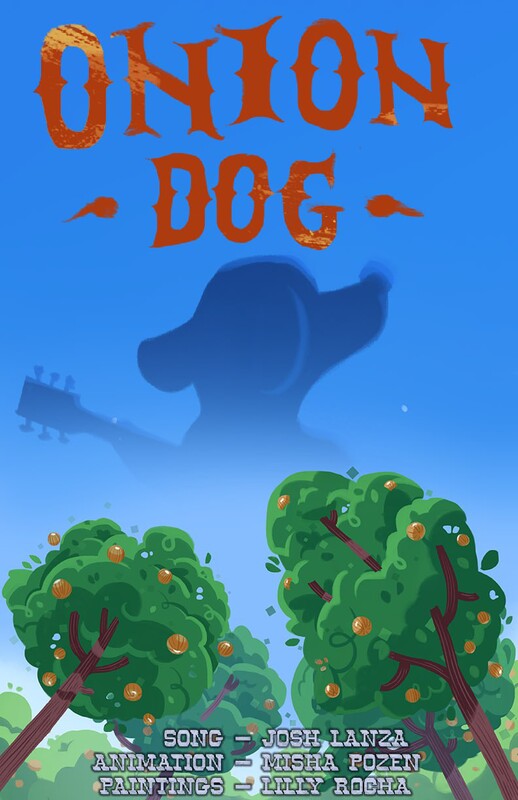
The story of an ordinary American dog. Struggling to find his place in the modern world, he points his beak toward the Old West in search of purpose and meaning.
1. What motivated you to make this film?
My connection with the song and the songwriter from childhood.
2. From the idea to the finished product, how long did it take for you to make this film?
This is hard to measure, as it was in ideation phases way before I was even in college. The active time animating was also in spurts over the course of several years.
3. How would you describe your film in two words!?
Silly but poignant!
4. What was the biggest obstacle you faced in completing this film?
Tons of revisions until I had it the way Josh more or less wanted it.
5. There are 5 stages of the filmmaking process: Development. Pre-Production. Production. Post-Production. Distribution. What is your favorite stage of the filmmaking process?
Pre-production for sure, I loved thumbnailing the story, I’ll share some thumbnails here: (see attachments)
6. When did you realize that you wanted to make films?
For as long as I can remember, when I’ve listened to music I’ve always pictured cartoons in my head and wanted to have the know-how and wherewithal to make them real.
7. What film have you seen the most in your life?
The Ukrainian animated Treasure Island from 1988 is up there. I love how David Cherkassky did camera moves.
8. You submitted to the festival via FilmFreeway. How has your experiences been working on the festival platform site?
No issue, very convenient system.
9. What is your favorite meal?
An Ethiopian smorgasbord, probably.
10. What is next for you? A new film?
I’m thinking a new music video, maybe for my own music that I’m starting to make, unless another client comes along.
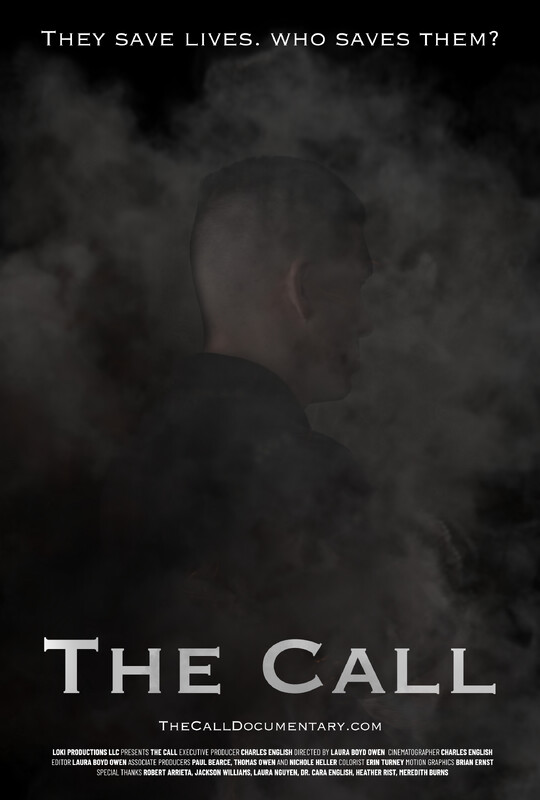
The Call, 64min., USA Directed by Laura Boyd Owen, Charles Edwin English The Call is a powerful documentary that breaks the silence around firefighter mental health, offering an unflinching look at the trauma, PTSD, and suicide crisis facing first responders. Through raw interviews, real-life stories, and behind-the-scenes access to firehouses in New Mexico, the film explores the emotional toll of a profession associated with bravery, but rarely with vulnerability.
Get to know filmmakers Laura Boyd Owen, Charles Edwin English:
FEEDBACK Film Festival Interview
Charles English
Executive Producer | Cinematographer
1. What motivated you to make this film?
Making a documentary has always been a dream of mine and we were able to connect with amazing people from the firefighter community to help us tell this important story.
2. From the idea to the finished product, how long did it take for you to make this film? It took us a little over a year of hard work with a bit of help here and there from some of our colleagues.
3. How would you describe your film in two words!? Urgent, important.
4. What was the biggest obstacle you faced in completing this film? The lack of budget was a real challenge! I borrowed gear from friends and did all of the filming as a one-man crew onsite. Laura put in the long hours in post-production and here we are now!
5. What were your initial reactions when watching the audience talking about your film in the feedback video? It was strange at first since this is our debut film, but hearing their perspectives on The Call was really valuable to us.
6. When did you realize that you wanted to make films? I have always wanted to make a film since I first saw Star Wars and finally got the opportunity. It has been a long, but amazing journey!
7. What film have you seen the most in your life? The Matrix
8. What other elements of the festival experience can we and other festivals implement to satisfy you and help you further your filmmaking career? I think that there could be more opportunities for independent filmmakers to connect at events, even if your film isn’t accepted.
9. You submitted to the festival via FilmFreeway. How has your experiences been working on the festival platform site? Film Freeway makes it really easy to submit to the festivals that you are interested in and has a pretty good search option for upcoming events.
10. What is your favorite meal? Easy pizza! Or maybe curry!
11. What is next for you? A new film? That is the goal. Now we just need the opportunity to tackle the next challenge!
FEEDBACK Film Festival Interview Laura Boyd Owen Director | Producer | Editor
1. What motivated you to make this film? I’ve always believed filmmaking can be one of the most powerful ways to create change. The Call came from a desire to use my craft for something meaningful and to shed light on the mental health struggles first responders face and help spark a broader conversation about support and understanding.
2. From the idea to the finished product, how long did it take for you to make this film? Our very first official meeting took place on January 25, 2024, and we completed the film on May 31, 2025. What started as a small idea quickly grew into an incredible journey that lasted nearly a year and a half.
3. How would you describe your film in two words? Impactful, hopeful.
4. What was the biggest obstacle you faced in completing this film? Working with no budget was definitely the biggest challenge. Every part of this film was created on our own time – late nights, weekends, and a lot of heart. Our small team was both a limitation and a gift since while resources were tight, the creative freedom and personal investment made it deeply rewarding.
5. What were your initial reactions when watching the audience talking about your film in the feedback video? I felt a mix of shyness and pride. Hearing people connect emotionally with the story and message was incredibly moving. It reminded me exactly why we made this film in the first place.
6. When did you realize that you wanted to make films? I knew from around age ten that storytelling was my path. I loved creative writing and quickly fell in love with cinema and screenwriting. That passion carried me through film school and into a creative career in video production. And finally, into directing my first feature-length documentary alongside my filmmaking partner, Charlie English.
7. What film have you seen the most in your life? Gladiator (2000) by Ridley Scott.
8. What other elements of the festival experience can we and other festivals implement to satisfy you and help you further your filmmaking career? Connection opportunities with distributors and/or investors would be incredibly valuable. For independent filmmakers, guidance and networking can make all the difference in reaching new audiences and platforms.
9. You submitted to the festival via FilmFreeway. How has your experience been working on the festival platform site? It’s been great! FilmFreeway makes it easy to navigate, discover quality festivals, and manage submissions all in one place.
10. What is your favorite meal? Spaghetti with marinara sauce, a side salad, warm bread, and cookies for dessert. Simple comfort food perfection.
11. What is next for you? A new film? Absolutely I plan to keep creating. The Call proved what can be achieved with passion, creativity, and no budget, and it has inspired me to take on larger projects with even greater scope. I’d love to collaborate with producers and partners who share a vision for powerful, human-centered stories that make a real impact.
Waking in a future with floating cities topping thousands of stories, run by radioactive intelligence, where imagination blends with machine, an amnesiac finds her destiny.
Get to know the writer:
1. What is your screenplay about?
The futures Navy man Al Bielek remembers.
2. What genres does your screenplay fall under?
Propaganda, Fantasy, Sci-Fi, Romance, Comedy.
3. Why should this screenplay be produced
White people would love to see a future so bright. White pride is on the rise and whites feel their world is being taken from them. Eternal Life gives the world especially the white commonwealth hope.
4. How would you describe this script in two words?
“Propagandist bliss.”
5. What movie have you seen the most times in your life?
Maybe Hannibal? Ridley Scott’s.
6. How long have you been working on this screenplay?
Since 2023.
7. How many stories have you written?
3.
8. What motivated you to write this screenplay?
Al Bielek’s story of the future seemed like a great blockbuster film premise.
9. What obstacles did you face to finish this screenplay?
Had to quit drinking.
10. Apart from writing, what else are you passionate about?
Don’t forget to smile, 8min., North Macedonia Teacher that’s teaching kids to smile in a post a dystopic school.
Get to know filmmaker David Dulev:
1. What motivated you to make this film?
The initial motivation for this movie was the fact that i needed to graduate college and a short film was part of the final exam, that aside i felt like i wanted to give my thoughts on the pandemic and human emotions in general and i got lucky that my friend Onur had a script with that idea already built.
2. From the idea to the finished product, how long did it take for you to make this film?
Technically 3 and a half years since the first time i heard the idea, although a solid one and a half year was idle spent just thinking about it because of both me and Onur being busy with work, after that we discussed possible ideas for the final script for a couple of months and finally brought up the idea with the rest of the crew. After a few more months in pre production we were finally ready to shoot.
3. How would you describe your film in two words!?
Absolute Cinema! =)
4. What was the biggest obstacle you faced in completing this film?
The biggest obstacle i faced with this movie was being a first time director, although i have worked on movies in the past, It was as an editor or assistant editor. I was rather nervous the whole time until I got the footage in front of me on the PC. Only then i thought “Ok maybe there is something here”.
5. What were your initial reactions when watching the audience talking about your film in the feedback video?
My initial reaction was: “Hey people actually like it, that’s so cool” and i was impressed by the different takes they had about the film, made me realise that the same movie can be interpreted differently by different people which was interesting to say the least.
6. When did you realize that you wanted to make films?
That is a good question, i think i wanted to be a part of making films since a very young age mostly because i grew up alongside my father which has a production company and i was surrounded by people working in the industry. I watched a lot of films growing up so I thought maybe one day I can make my own.
7. What film have you seen the most in your life?
Probably either Star Wars or Fight Club.
8. What other elements of the festival experience can we and other festivals implement to satisfy you and help you further your filmmaking career?
More live theater screenings for short films, that is my one and only suggestion. I think that every film is slightly better when shown in a film theatre on the big screen.
9. You submitted to the festival via FilmFreeway. How has your experience been working on the festival platform site?
All in all it has been a good experience, no real complaints. It gives access to film festivals all around the globe with a click of a button and a discount or 2 to sweeten the deal. What more can you want ? 🙂
10. What is your favorite meal?
Probably sarma but only if it’s made by my grandmother. It’s like minced meat mixed with rice and wrapped in sour cabbage. A popular dish in the balkans.
11. What is next for you? A new film?
I am currently working or more accurately developing a story for another short that i plan to shoot sometime next year, but as it’s still in development i can’t quite say when for sure.
NORTH NODE, 12min., Canada Directed by Tatjana Green, Nicole VanStone
Get to know filmmaker Tatjana Green:
1. What motivated you to make this film? North Node was born from a deep respect for the resilience and wisdom of Indigenous women in Northern Ontario. I was motivated by a desire to witness and share the quiet power of Anishinaabe Elders who are reclaiming land, spirit, and community through healing. The film became a way to honour their stories — not as subjects, but as teachers — and to reflect on how healing, renewal and belonging are written into the landscape itself.
2. From the idea to the finished product, how long did it take for you to make this film?
The project evolved over a year. It began as a series of community visits and informal conversations, slowly taking shape through trust and collaboration. Filming unfolded in one season as a starting point, we want to film all seasons allowing the story to emerge naturally rather than be imposed.
3. How would you describe your film in two words!? Ancestral Healing, Northern Light, or Land Remembered
4. What was the biggest obstacle you faced in completing this film?
The greatest challenge was time — not only in a logistical sense, but in learning to move at the pace of the land and the people. Building genuine relationships requires patience and humility. It meant letting go of control and allowing the story to reveal itself on its own terms.
5. What were your initial reactions when watching the audience talking about your film in the feedback video?
It was deeply moving. Hearing that people connected emotionally — that they felt the stillness, the presence, the hope — affirmed that the film’s quiet rhythm spoke louder than words. It reminded me that healing can be felt collectively, even through a screen.
6. When did you realize that you wanted to make films?
I realized it when I understood that film could hold both truth and mystery at once. I’ve always been drawn to storytelling that doesn’t explain, but evokes — where image, sound, and silence come together to express what can’t always be said out loud.
7. What film have you seen the most in your life? Besides The original 1942 Disney’s Bambi 20x over as a kid, Take this Waltz by Sarah Polley for it’s truth and raw feeling or The Tree of Life by Terrence Malick. Its blend of cosmic awe and intimate humanity feels close to how I see filmmaking — something ethereal, nostalgic with a memory, and cinema intertwined.
8. What other elements of the festival experience can we and other festivals implement to satisfy you and help you further your filmmaking career?
I value festivals that foster dialogue and mentorship between filmmakers and communities — especially around regional and Indigenous storytelling. Opportunities for connection beyond the screening, such as filmmaker circles or in-person gatherings, make the experience truly meaningful.
9. You submitted to the festival via FilmFreeway. How has your experience been working on the festival platform site?
FilmFreeway has made it easier to connect with festivals aligned with the film’s spirit. It’s user-friendly and I appreciate how it helps smaller, community-driven festivals gain visibility alongside major ones.
10. What is your favorite meal?
Mac & Cheese, Caviar and any form of potatoes
11. What is next for you? A new film?
Yes. North Node is expanding into a feature-length documentary exploring all 4 seasons in Blind River – focusing on the Indigenous-led land healing and intergenerational restoration in Northern Ontario. It continues the same spirit — but goes deeper into the relationships between Elders, elements, and the next generation of women leading the way.
A government agent is tasked with interrogating a silent prisoner—but the true danger lies in whether the voice in his head is his own… or something else entirely.
Connection, a brilliant and engaging short, is actually more like a study of disconnection. The central figure initially seems to be a consummate professional, doing his best to interrogate a subject. However, this professionalism is quickly put into question as the film uses mesmerizing tools to muddy the water regarding the lead’s sanity – – extreme close ups are often interspersed with glitchy moments and there is a rapid change of subjects, from human to a frightening masked monster in a straitjacket.
Another element used to reveal the lead’s descent is the eerie muffling of his wife’s voice and other harsh internal whispers that attempt to encourage his feelings of betrayal and hopelessness. This drastic shift in perception is also brought on by a spine-chilling soundtrack and heavy, deafening tones.
The garish lighting in the interrogation scenes purposely transitions to soft lighting in the marital bedroom and back again. A highly charged screenplay, it moves from routine cross examination to heartbreaking relationship failure, and then to a study by an outside sci-fi governance – – one that seems to revel in the lead’s abject disconnect from reality.



 Festival Reviews