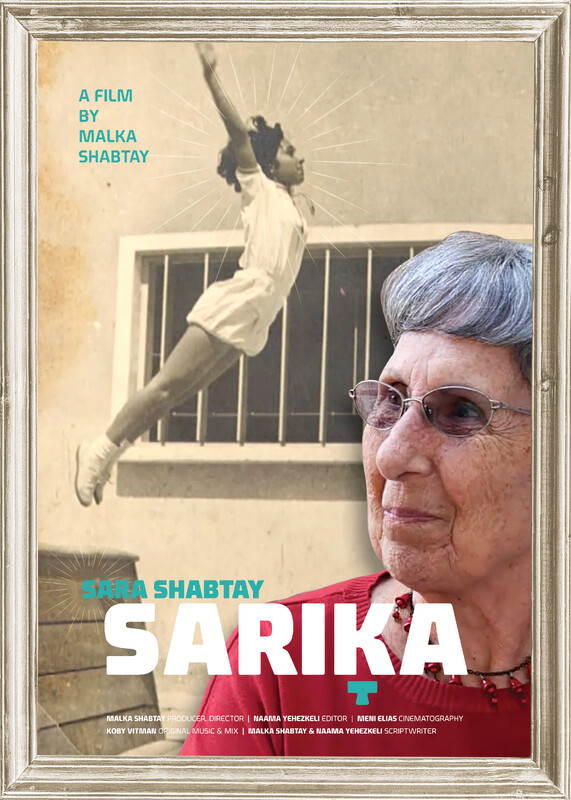
This is a story about a woman named Sarika, my mother – “the lady who records”… “Addicted” to documenting her life in photos and video, and to the memories they bring up for her, over and over again.
Review by Parker Jesse Chase:
Morning light. Birds in the background. Soft music guiding us into a home stacked high with photo albums. The 86 year old woman calls herself a photo freak. Her name is Sarika, but within her family she is known as the lady who records.
This documentary is built around holding on to memory before it slips away.
Sarika documents everything. Calendars thick with notes. Margins of old photo albums filled with handwriting. Detailed captions behind printed photographs. Pens gifted to her like sacred tools. If I do not write it down, I question what I wanted, she says. Writing helps her remember. Photos help her remember.
The film frames her habit not as obsession, but as preservation. Memory, especially in old age, can shrink. Sometimes it disappears. Sarika fights back with ink and tape.
Through conversations with her daughter and the people who’ve grown alongside her, the film becomes both personal and generational. She’s the type to wake at 4 am, stirred by a memory, reaching for a notebook in the dark so the thought does not vanish. She recalls schools, childhood in Egypt, songs from decades past. There is joy in her voice when she realizes she can still reach those early years. Documentation, for her, is not just record keeping. It is proof life happened.
One of the film’s most moving threads follows her return to her childhood neighborhood. Street names have changed. Buildings look unfamiliar. But the community gathers around her search. They ask elders. They knock on doors. Eventually, they find someone who remembers her. Two women who once shared classrooms begin singing in Ladino, trading songs that survived migration and time. It is an intimate, almost fragile moment. Music unlocks something words cannot. Sarika weeps, not from sadness alone, but from recognition. Culture that feels close to fading sparks back to life through melody.
The rediscovery expands. She reconnects with the woman who taught her to sew. Old friends gather. They laugh about being tomboys, about mischief, about those who are no longer here. The camera lingers on faces lined with time, voices still carrying youth when they sing. Home is finally located, not just through maps, but through memory shared aloud.
The film also weaves in archival family footage. A grandson’s birth. Hills and gatherings. Her daughter jokes that once Sarika bought a Sony camera, the madness began. Yet it becomes clear that this instinct to record did not start with her. It runs in the family. They have long been historians of their own lives.
There are heavier chapters too. Sarika speaks about working in the ER during her military service, admitting and discharging wounded soldiers. Some images still disturb her. The documentary touches on the 1948 War of Independence, on life in a kibbutz, on political tension and compromise. At times, these shifts feel abrupt, moving quickly from intimate family portrait to national history. Yet they also underline how personal memory and collective memory are always intertwined.
We see tanks at entrances in both old photos and present day footage. Living in Israel, she says, is about compromise. Do not take everything to heart. It is not worth it.
The film returns often to love. How she met her husband. How small habits, like always adding dill to a dish because someone once suggested it, become threads that tie decades together. Love thy neighbor. Remember the goodbye.
At its core, Sarika is about the act of remembering as resistance. Against time. Against erasure. Against the quiet fading that can happen within a single mind.
The camera treats her notes and photo albums like sacred texts. These are her memoirs, written in fragments. Midnight entries. Margins filled with ink. Songs carried across continents.
By the end, one thing feels certain. Sarika will continue to record for as long as she can. Not because she fears death, but because memory gives shape to a life. And if she writes it down, if she captures it on tape, it will live a little longer, for her, and for everyone who comes after.
 Festival Reviews