Watch THRILLER/SUSPENSE Shorts Festival (in case you missed it)

Watch the festival by signing up for the FREE 3-DAY trial using the link, or go to http://www.wildsound.ca

Watch today’s Festival: https://www.wildsound.ca/videos/best-of-thriller-suspense-short-film

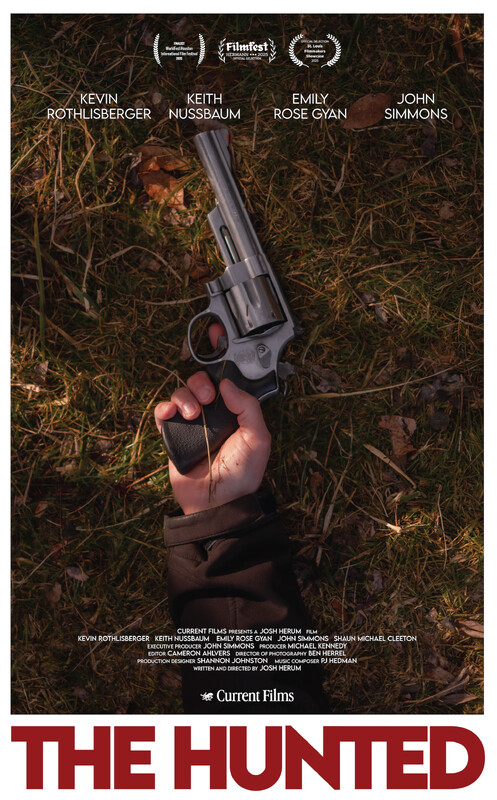
THE HUNTED, 23min., USA
Directed by Josh Harum
A suspense thriller set in the world of doomsday preppers. John, a devoted follower, joins Gary, a conspiracy theorist Youtube personality, to establish an off-the-grid commune called the ‘True Way.’ When nothing changes in the world, John’s commitment to the cause wavers, leading to betrayal, paranoia, and finally a fatal confrontation.

https://instagram.com/joshherumdp

https://www.wildsound.ca/videos/audience-feedback-the-hunted


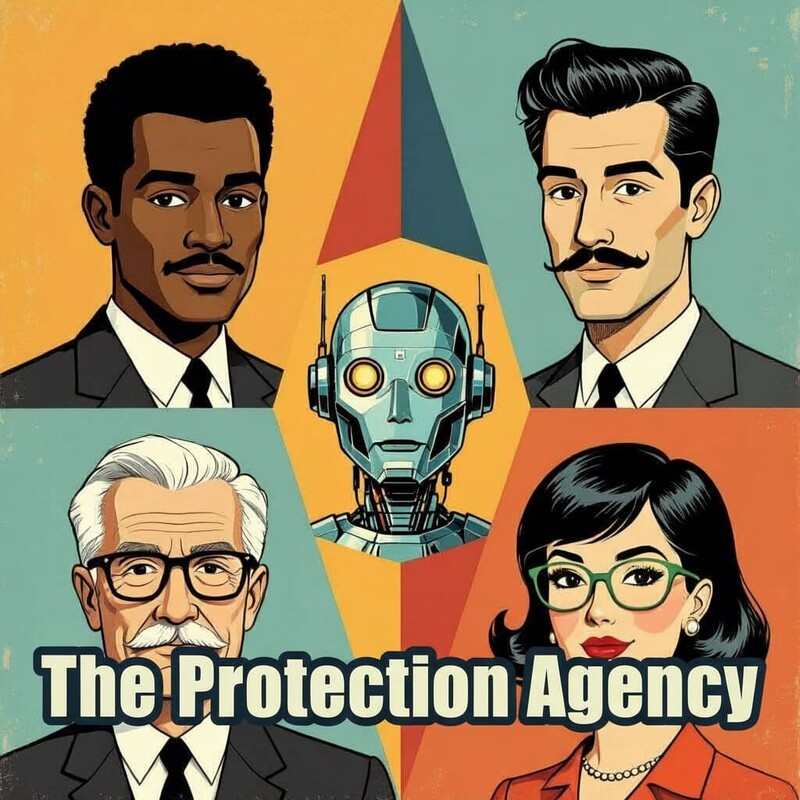
The Protection Agency, 6min., USA
Directed by Patrick Bates
Aliens invade! It’s up to an elite team to win back the Earth.

https://www.wildsound.ca/videos/audience-feedback-the-protection-agency


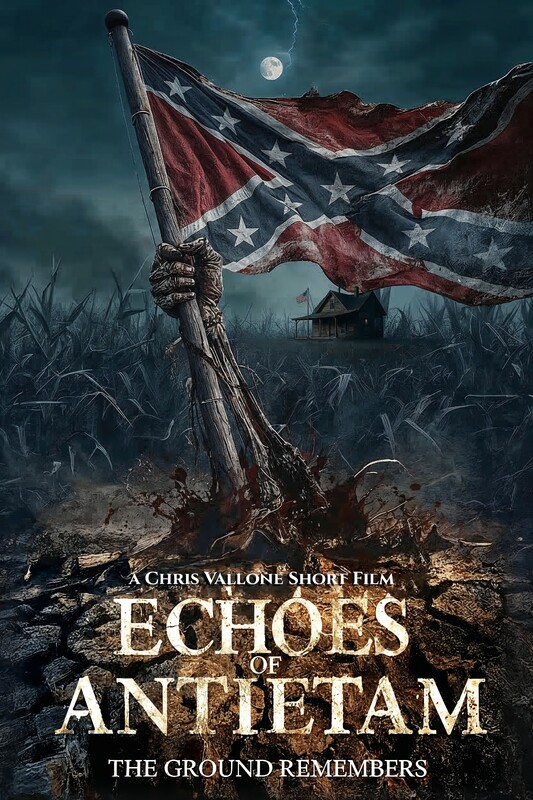
Echoes of Antietam, 6min., USA
Directed by Christopher Vallone
Echoes of Antietam is a haunting post–Civil War horror short film set on the blood-soaked farmlands of Maryland.

https://www.instagram.com/valloneworks/

https://www.wildsound.ca/videos/audience-feedback-echoes-of-antietam


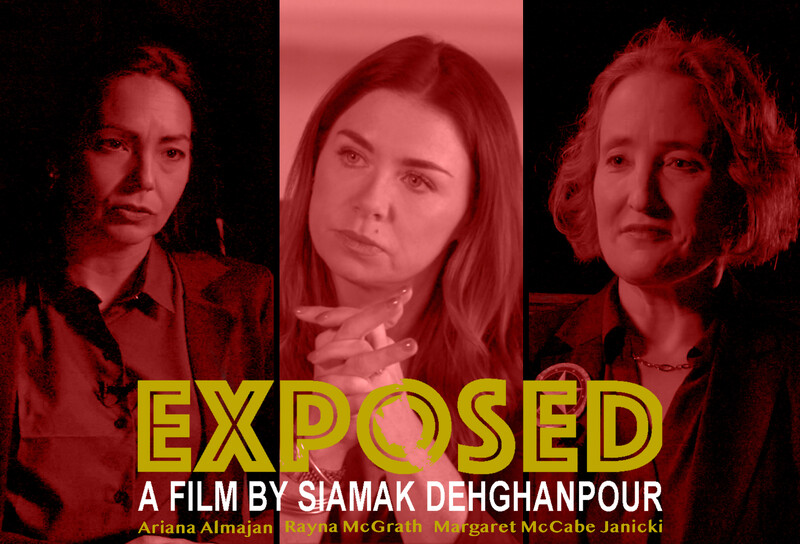
EXPOSED, 13min., USA
Directed by Siamak Dehghanpour
A young, ambitious journalist will have her first high-profile live interview with the President. The country is on the verge of a significant war, externally and internally. After a series of questions, the interview takes a dangerous course.

https://www.instagram.com/e_xposed_2025_short_film

https://www.wildsound.ca/videos/audience-feedback-exposed


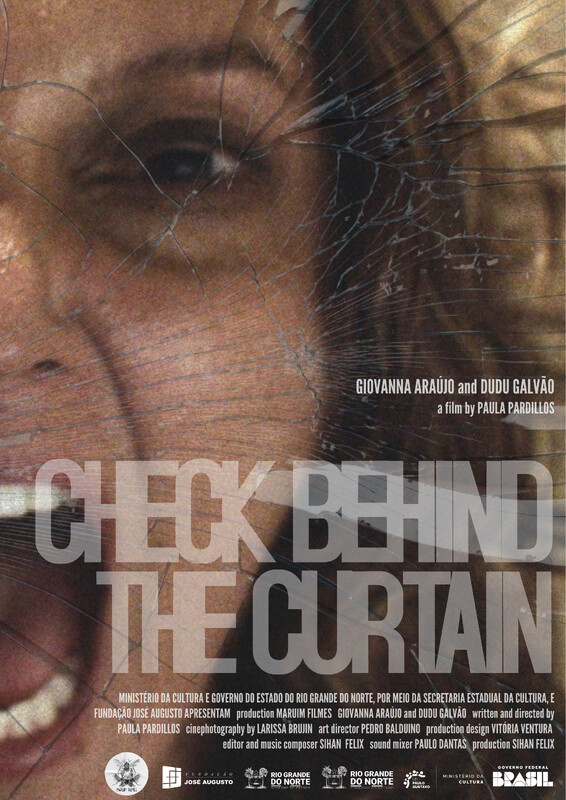
Check Behind the Curtain, 17min., Brazil
Directed by Paula Pardillos
While spending the night at a road motel, a woman gets suspicious of a mysterious hole, but her partner does not seem to be bothered by it.

https://www.instagram.com/maruim.filmes

https://www.wildsound.ca/videos/audience-feedback-check-behind-the-curtain


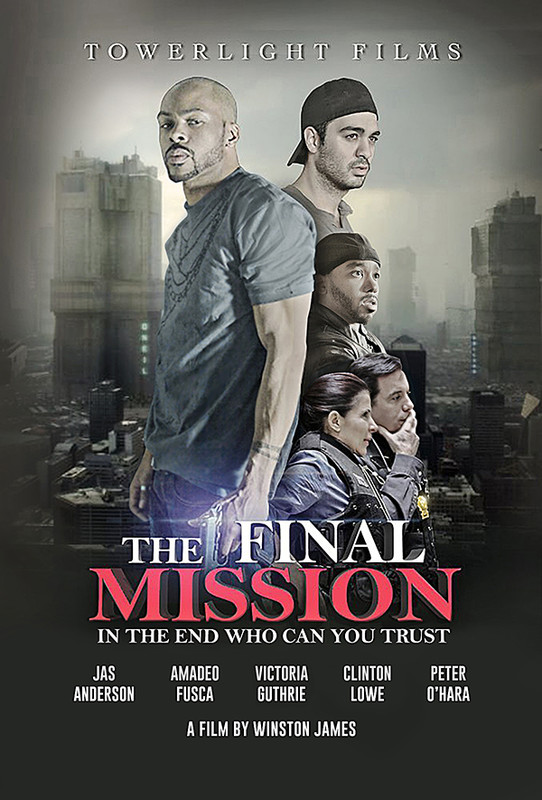
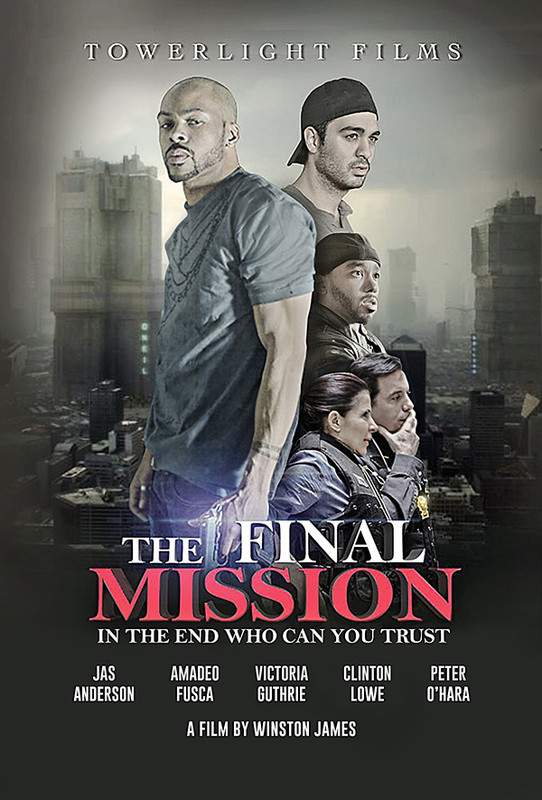
THE FINAL MISSION, 17min., USA
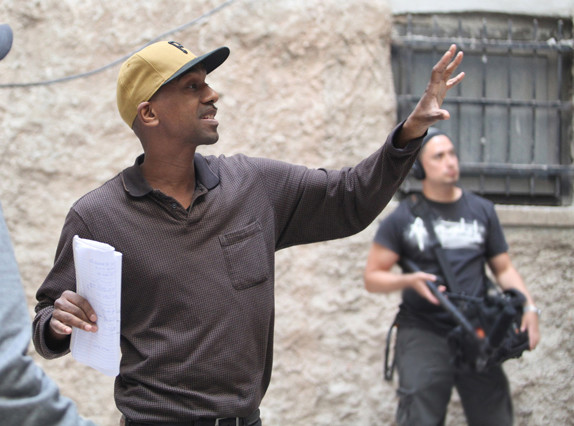
Directed by Winston James
Three unruly friends on the run from the law try to find out who among them may have provided secret information to law enforcement.

https://www.wildsound.ca/videos/audience-feedback-the-final-mission
Short Film Review:THE FINAL MISSION. Directed by Winston James

Three unruly friends on the run from the law try to find out who among them may have provided secret information to law enforcement.

Review by Andie Kay:

The Final Mission brings us into a criminal gang where everything isn’t as it seems. Written and directed by Winston James this story is a dramatic thriller that will have you on the edge of your seat. The gorgeous cinematography is from Josef Orlandi and he did a great job making it gritty and realistic. Perfect locations and a storyline that draws you in and keeps your attention as you
try to figure out what will happen next.


Jas Anderson and Amadeo Fusca did such an amazing job in their roles of Lex and Crane. You felt the rapport and history between them. Each of them delivers such stellar performances with believability and honesty. The musical choices were fantastic and it only heightened the suspense.

Winston James definitely knows how to weave a story and inspire his actors to wonderful performances. This film is a must see!

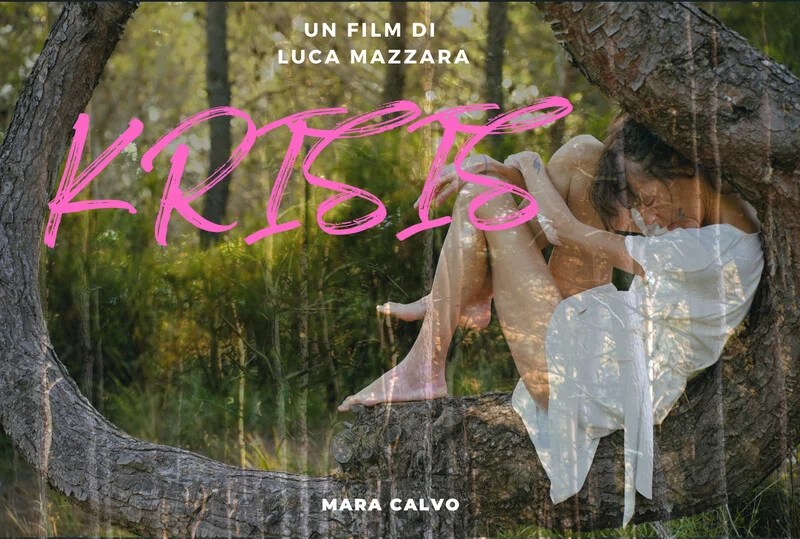
Short Film Review: KRISIS. Directed by Luca Mazzara

“Krisis” is a short movie that follows the emotional journey of a woman facing mental and physical illness and the isolation caused by painful events. Through the contact with nature, she transforms suffering into a new interpretation of life, discovering the inner strength to overcome pain and embrace joy. An ode to human resilience and the healing power of nature.

Review by Parker Jesse Chase:

Krisis sits in the quiet space between solitude and loneliness. It follows Zoe, a woman living with the way pain reshapes her inner world. This is not a story told through plot, but through feeling, rhythm, and repeated return.


We meet Zoe alone. At home. In nature. By the shore. Loneliness feels less like an enemy and more like a constant companion, woven into her daily routine. Her mind spirals, fears creep in, and heavy hurdles are forthcoming. There is rest here, but also confinement. Shelter offers breath, yet it also holds an illusion of safety.


The film moves gently between the cycles of battles and rebuilding, always circling back to the past. A rocking chair sways. Music flows with a calm pulse. Close shots of flowers, hands, feet ground us in the body. Nature and human presence begin to blur. Zoe stands firm on the rocks, facing the ocean, rooted for a moment.


Then comes the break. Zoe at a computer, nearly frozen, wrapped in a yellow raincoat. The color feels loud against her stillness. Misery settles in. She scrubs grout clean, as if trying to erase what came before. The narration drifts in, poetic and spare, speaking of leaves and peace.


A striking image follows. Zoe walks across hills carrying a wooden cross. The weight is clear. Double exposures spin the land around her. Draped in white, she appears almost suspended, like she is walking on water. When she finally throws the cross aside, she reaches toward the camera and faces another version of herself, still bent under its weight.


Among roots and branches, a quiet ritual unfolds. Zoe gives in, not in defeat, but in release. She lies in the sun as the narrator speaks of trying to find her smile again. The light softens. The sea sings.


The final moments linger. Zoe watches the sunset as a path of light stretches across the water, lining up like a way forward. Her hair moves with the wind. A bird crosses the sky in layered images. The feeling is not triumph, but acceptance. Pain does not vanish, yet joy becomes possible.


Krisis, directed by Luca Mascara, with Zoe Mara Calvo and narration by Gianfranco Migliorelli, is a quiet meditation on isolation and the slow return to oneself. Reminding us that nature does not fix us, but it can hold us long enough to breathe again.

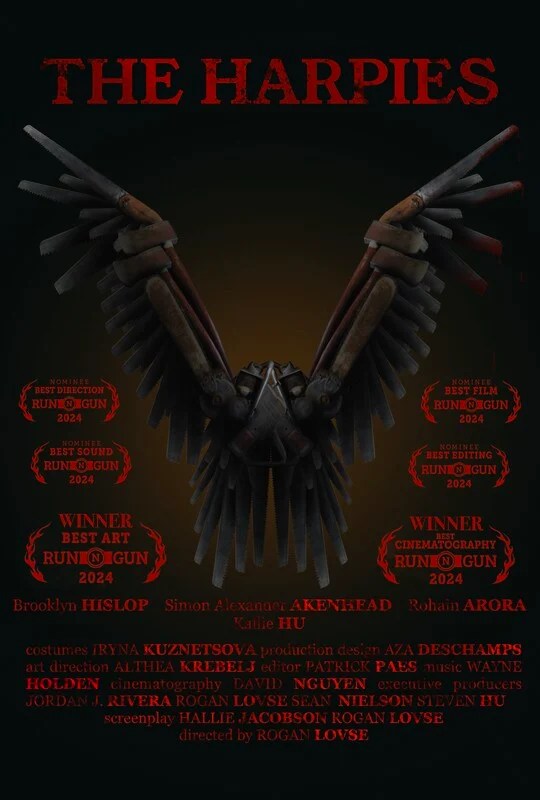
Short Film Review: THE HARPIES. Directed by Rogan Lovse

The Harpies was written, filmed, and edited in 48 hours as part of the 2024 Run N Gun: Vancouver’s 48 hour Film Competition. Winner of the Run N Gun’s Best Cinematography and Best Art awards, as well as, being nominated for Best Picture, Best Editing, Best Sound, and Best Direction.

Aura is on the run from her ex-boyfriend. She is accompanied by her friend, Matt. Matt has always had an uncomfortable crush on Aura. The pair find themselves seeking shelter in an abandoned lumber mill. Unbeknownst to them; a dangerous harpy calls the mill home.

Project Links

Review by Julie C. Sheppard:

The spine-tingling short The Harpies came out of a 48-hour film competition and was rightly decorated with both awards and nominations. This success is not surprising. From the first second, the viewer is pulled into a gripping narrative as the camera pivots dizzily on its axis. The grey post-apocalyptic setting of the rundown, yet rather modern industrial area immediately immerses the viewer into an anxious gloom.

The two aptly performed main characters Aura and Matt exist in this dark world and, despite their current wardrobe and vocal cadence, their references to the existence of fearsome mythological creatures take us out of modern day and back to ancient times. Visceral suspense is in the air, brought on by the couple who senses that dangerous creatures are afoot, in addition to a wickedly, ominous soundtrack of siren-like vocals, and heavy synth and percussion. 

Any review of this thrilling piece would be amiss not to mention the wardrobe, make up and prosthetics and grisly sound effects of the harpy, a ravenous mythological figure that is half bird and half human and who, in this case, seeks revenge against misogyny. For such a short time to conceive and create this fearsome film, the whole production is remarkably professional and worthy of its accolades.

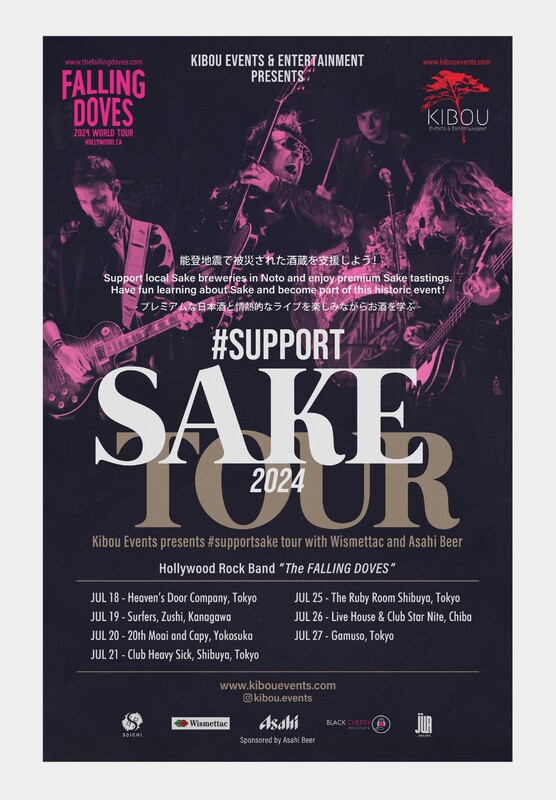
Short Film Review: SUPPORT SAKE TOUR. Directed by Christopher Leyva, Raechel Kadoya

When a catastrophic earthquake devastates Japan’s Noto Peninsula, San Diego business owner and mother Raechel is compelled to act. After learning that Seiko Kinshichi has lost both her home and her historic family brewery, Raechel—who once endured a similar loss—feels a profound connection and becomes determined to help a stranger rebuild her life.

Project Links

Review by Andie Kay:

This uplifting documentary centers around the devastating 2024 earthquake that destroyed the Matsunami Brewery and many others in Noto Town. The filmmakers were smart in how they started this film with information about sake and how it’s steeped in Japanese culture, but also how the art of crafting sake is dying out.


Raechel Kadoya has her own personal experience living through an earlier earthquake in Japan and she couldn’t ignore what was happening to Seiko and the Matsunami Brewery. Her desire to help is nothing short of inspiring and it ignited this wonderful chain reaction of getting people on board to help raise money for Seiko’s business. The rock band The Falling Doves joined in and with Raechel went to Japan to tour, donating the proceeds to Seiko.

Seeing the devastation from this earthquake was heart wrenching. Kelli Hayden and Christopher Leyva were the cinematographers and Christopher directed this film and it was incredibly impactful. The use of past footage from various media outlets also helped drive home how terrifying and awful it must have been for the residents of Noto Town.

There was so much creativity in the way this film was edited, I really appreciated the split screen and special effects the filmmakers used in the transitions. Mostly, I loved how very inspiring this story was and what could be accomplished when people come together to make a positive difference.

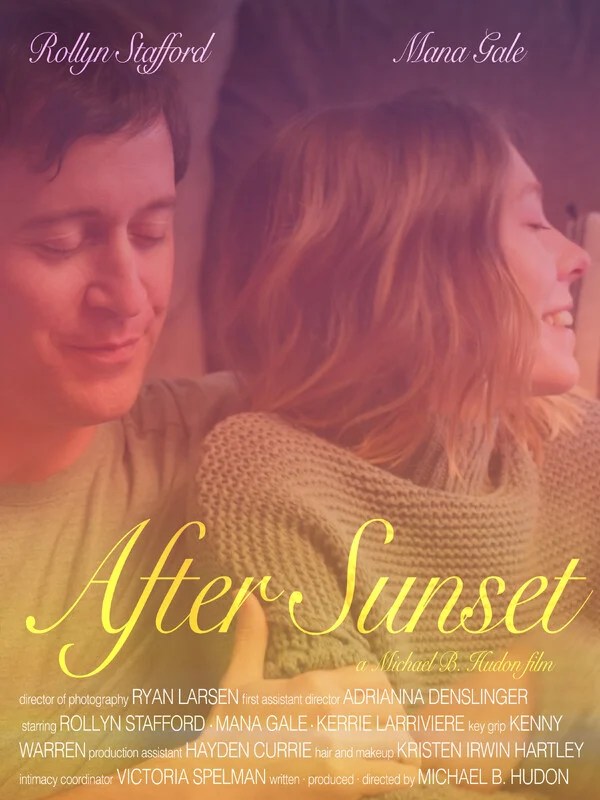
Short Film Review: AFTER SUNSET. Directed by Michael Blake Hudon

A man, reeling after a serious breakup, reflects on his past relationship and finds a new perspective.

Project Links

Review by Parker Jesse Chase:

After Sunset opens on warmth. Two lovers stand close, both dressed in green, a quiet visual cue that speaks to growth, care, and the ease of being together. They hold one another in a way that feels nurturing and sincere. From the beginning of their story, the film frames their relationship as a sincere love.


This is Max’s story, told through reflection over the course of therapy sessions. The film introduces their love through small shared memories rather than grand gestures. We learn who they are through the rhythms of everyday life. Cooking together in the kitchen. Fearing about dentist visits. Finding courage in small moments. Sitting through scary movies. Even the kind of late night debate couples have about whether the bedroom door should stay open or closed, finally settling on a compromise with it left cracked.


These fragments build a quiet portrait of intimacy. Pillow fights give way to long conversations about dreams and the future. Max often looks at her with a sense of wonder, captivated the way someone might watch a sunset slowly fall across the sky. The film quite literally frames these memories almost like brushstrokes on a canvas, bright colors layered across time. Then the sun begins to set.


As the relationship shifts, the visual language changes with it. The warmth fades and shadows begin to take over the frame. Tears replace laughter. The film uses costumes again to underline the emotional turn. Where the couple once matched in green, they now appear dressed in black. Playing as a funeral for the relationship itself.


Max often describes her through images of light, which makes the title After Sunset feel especially fitting. He lingers in the space where the sun has already dipped below the horizon, wishing for morning to come again. The film lingers there too, in that still and quiet place where someone must learn to move forward.


One of the film’s most striking sequences takes place during Max’s therapy session. The lighting turns moody and restrained. Stripes of shadow from the blinds cut across his face as he reflects on the last conversation they shared. The scene feels heavy but honest, capturing how difficult healing can be when love still exists.


When the two reconnect after the breakup, the moment is softer than expected. He arrives holding a box of her things. She tells him she’s sorry it didn’t work out. She still loves him, but she cannot continue the relationship. Max accepts this truth without anger. Together they watch the sunset one final time.


What After Sunset captures so well is the quiet pain of a healthy breakup. There is no shouting match, no betrayal, no villain in the story. The love between them is real, but love alone cannot hold everything together. Sometimes two good people simply cannot make a relationship work. That truth is often harder to face than a dramatic ending.


Because the film is a short, we are not given every detail of what led them here. Yet the emotional core remains clear. These two care deeply for one another and want the best for the other person. The decision to separate comes from that care rather than resentment.


The film leaves us with the sense that endings do not have to erase the beauty that came before. If anything, After Sunset suggests that recognizing when to let go might allow the memory of love to remain bright, rather than fading into darkness.

Short Film Review: NAPALM GIRL. Directed by Isabel Mainella

Mary, a young, female vocalist reflects on herself, her writing, and her experiences as her band is set to record their first album.

Review by Victoria Angelique:

The short film, NAPALM GIRL, has a score of a harsh metal instrumental music score playing as Mary begins to speak on camera to tell her story as a musician. The feeling is very intimate in this rehearsal space, with the focus only on Mary and getting occasional glimpses of the rest of the band. It’s clear this is her story.

The first word that Mary uses to describe her feelings for trying to break into the metal genre of music is indignation. Her frustration is one many artists feel, primarily female artists, that doors have to be forced open just to be heard. Mary is seen as equal by her bandmates, but not within the genre as a whole. To make her mark as a musician in a part of the music industry that is dominated by mostly men, Mary will have to be as loud as possible, something she stated that she is more than willing to do to make her mark. She sounds like a reasonable woman, that she could take constructive criticism that would help her improve her craft, but that would involve being allowed into the spaces for that opportunity to happen. 

The most profound part of Mary’s interview is what sets her apart from other heavy metal groups; it’s that the lyrics she and her band write are their way of dealing with what’s going on in the world. The stereotype for heavy metal is that the lyrics typically depict the macabre, occult, or other dark themes. Deviating from the stereotypes to deal with real world issues should help Mary and her band stand apart from other groups by playing something that breaks the trope. 

Mary also got quiet as the band got louder, to the point where it was almost hard to hear her, as she talked about her family. This actually made more of an impact, because it shows how grateful she is to live in Toronto and understands her family background more than most people her age. She has a bigger appreciation for her parents and it’s because of them that she is able to live her dreams.

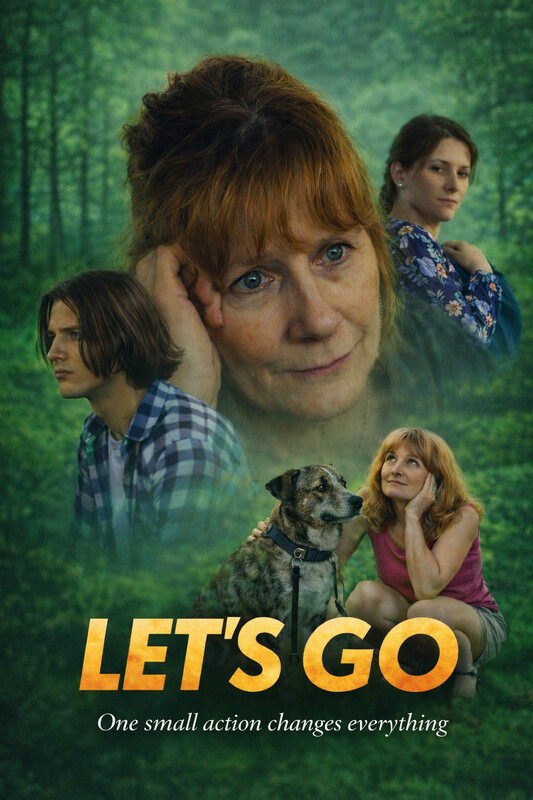
Short Film Review: LET’S GO. Directed by Siggi Jung

Depressed divorcee who also lost her furry best friend unexpectedly finds strength and purpose in an impulsive rescue.

Review by Julie C. Sheppard:

Let’s Go is the title of this poignant short and, in this case, it is a phrase of motivation. After wallowing for six months after a painful divorce, the main character Jessie is lucky enough to have a good friend Carly to encourage her to start her life again. The actress playing Jessie proves able to portray a woman who has reached rock bottom, staring catatonically at a store freezer or drinking too much wine in her messy house and falling asleep on the couch to gloomy TV ads. Her depression is more fully confirmed with the narrative device of letting us hear her inner negative self talk. In contrast to this gloom, the performer playing Carly gives off energy, confidence and warmth and motivates her friend to dust herself off and get moving, notably urging her to run, a former favourite activity.

The cinematography tells the story in a smooth naturalistic manner which works for this domestic tale, except for some effective close-ups, notably of Jessie’s expressive eyes, some low shots, and a CGI twinkle. While the film presents several musical pieces, two stand out: How Long Must I Wait? is a rueful song which matches Jessie’s initial sadness, and Grateful Day, is an optimistic song near the end, as Jessie rescues the dog from an abuser and enjoys her life once more. A satisfying film, it affirms that even after a devastating situation, with a combination of caring friendship and inner motivation, all is not lost. 

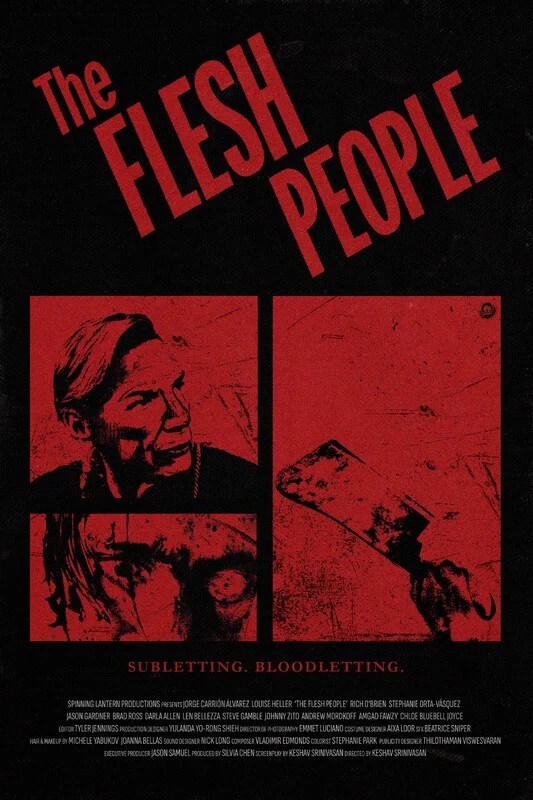
Feature Film Review: THE FLESH PEOPLE. Directed by Keshav Srinivasan

Two roommates, desperate to feel successful in the milieu of New York City, turn to macabre money-making schemes by performing underground surgeries and serving human meat to unsuspecting customers.

Project Links

Review by Julie C. Sheppard:

Two unlikely misfits come together in the feature The Flesh People, a grisly, yet riotous comedy. The filthy apartment is the main setting which starkly represents the broken dreams of an aging stage actress, with little left to show of her career but old show posters, a bygone rehearsal schedule and a sexually graphic drawing on the wall representing her biggest onstage flop. At first, it is hard to see how the two main characters will connect, being from such different walks of life, but we gradually discover from the brilliant screenplay that they are linked by failure, her lost career and the fact that he has dropped out of a prestigious medical school, that will likely devastate his hopeful parents. It is oddly heartwarming to see this duo support one another in their loneliness and begin to develop a friendship.

These performers play well off each other as they share giddy sessions of getting high and find violent, but ingenious ways to survive. They use skills they gleaned from their former careers to keep from starving: her acting finesse to fool victims and his comfort with sharp instruments, to perform hackneyed, yet hilarious surgery given his truncated, but useful medical training. The wet, gory visuals of operations are nauseatingly brilliant – – so realistic – – as are the gooey sounds of slicing and dicing. The confident cinematographer is not shy using extreme close-ups to magnify terrifying drug trips and vicious murder scenes. Jazzy musical refrains are used sparingly, but aptly serve SOC transitions, highly dramatic interactions and longer monologues, notably by the actress.

This film offers both horror and moments of light. Despite the dark themes of failure and despair, when these two characters break moral taboos (though with surprising ethical standards about children), there is a distinct undertone of humour bubbling below the surface in their fight for survival, and their almost childlike playfulness to achieve their goals.