I was so honored and grateful to be a part of this festival! As a first-timer I truly appreciated all of the encouragement and support from the festival, including the wonderful supportive materials they make available (review, blog, podcast, viewer feedback…) beyond the screening. Wholeheartedly recommend! #femalefilmfestival #filmfestival
Our experience with the Experimental, Dance & Music Film Festival was truly exceptional. The audience feedback format created a rare and meaningful connection between filmmakers and viewers. Watching people emotionally engage with our film and discuss its visual language and atmosphere was incredibly inspiring.
The feedback video was thoughtfully produced, professional, and genuinely valuable for independent filmmakers. The communication, organization, and overall artistic environment of the festival were outstanding. We are deeply grateful to the festival team for supporting and promoting independent cinema with such passion and care. #experimentalfestival #filmfreeway #festivaldeadline
Loved how expansive the festival is-including a screening, a review, a podcast interview, and audience feedback. All played a really big role in getting more eyes on the film! #wildsound #filmfestival #filmfreeway
The leaders of the Thriller/Suspense Festival are awesome. It’s really a good festival. They’re responsive and their focus is truly all about the films and filmmakers. You won’t be disappointed #thriller #filmfreeway
Showcase of the best EUROPEAN SHORT FILMS in the world today.
Audience Awards:
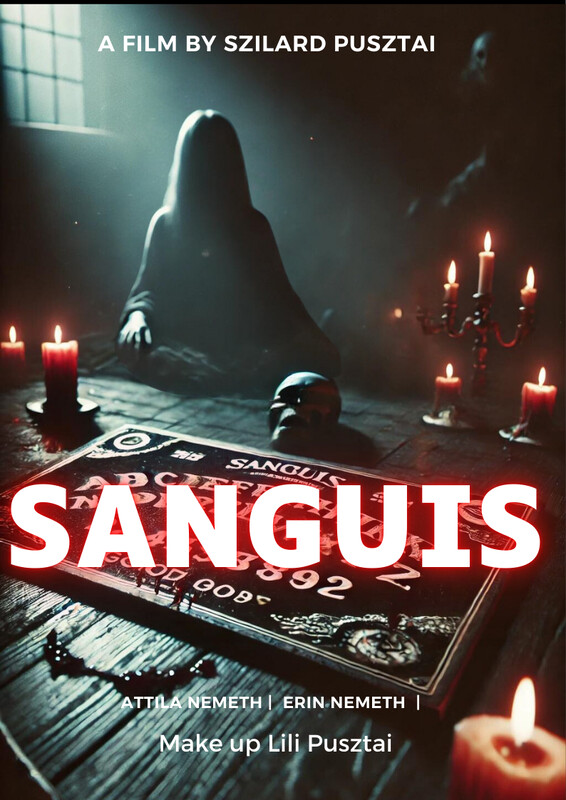
Best Short Film: SANGUIS
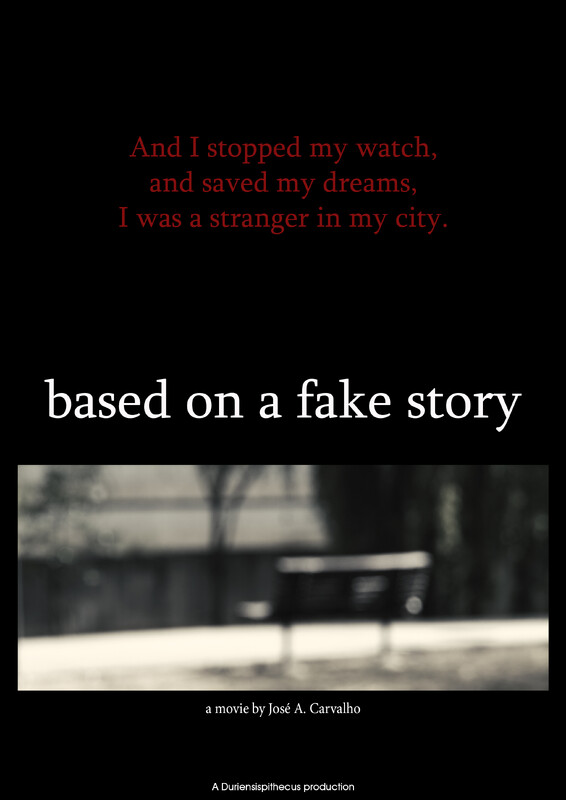
Best Direction: based on a fake story
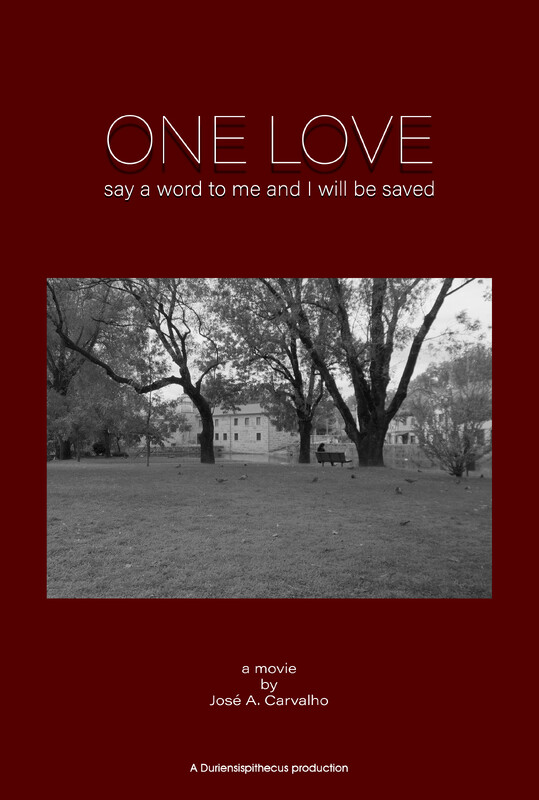
Best Performances: ONE LOVE
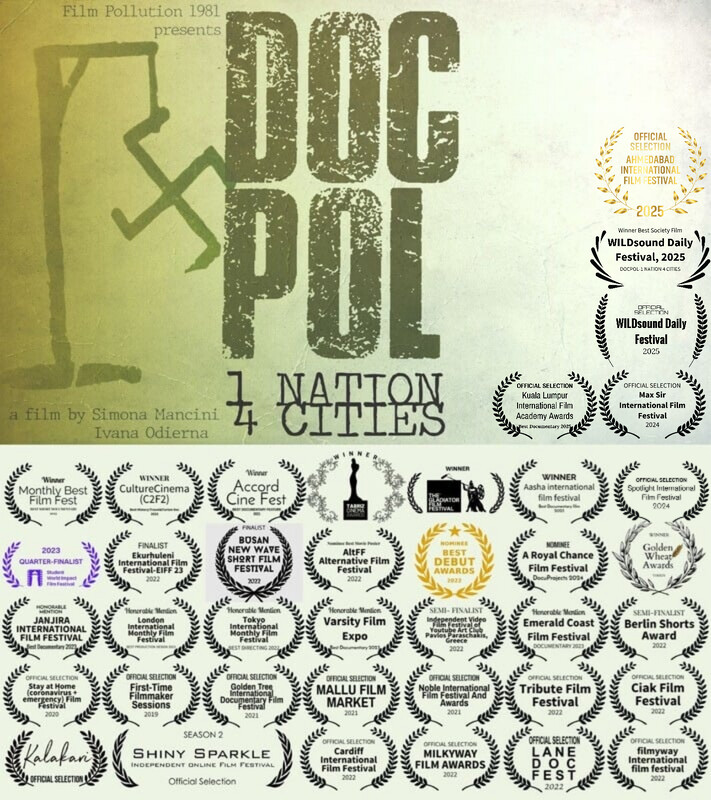
Best Documentary: DOCPOL-1 NATION 4 CITIES
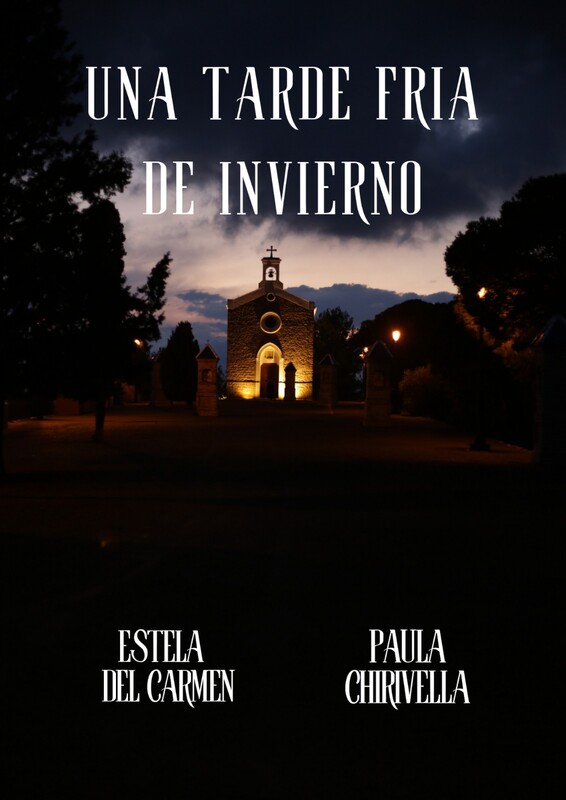
Best Story: A COLD WINTER AFTERNOON
SANGUIS, 3min., UK Directed by Szilard Pusztai A man is haunted by his own demon that creates psychological visions. Which creates an unease feeling.
DOCPOL-1 NATION 4 CITIES, 42min., Italy Directed by Simona Mancini A journey all around the beauty and the historic past of Poland. Museums, historic sites of Krakow, Warsaw, Gdansk and Wrocław.
ONE LOVE, 3min., Portugal Directed by José Augusto Carvalho The girl goes to see the boy by the river. She questions him, but he hardly pays any attention to her, clutching his smartphone. This is how loneliness and emptiness arise, this is how we lose human empathy.
based on a fake story, 5min., Portugal Directed by José Augusto Carvalho A man returns after years away, doesn’t recognise himself and feels like a stranger in his hometown.
The true story of the trials and tribulations of Dred and Harriet Scott’s fight for freedom and the Supreme Court decision that changed America.
Get to know the writer:
1. What is your screenplay about?
It’s based on the true story of the trials and tribulations of two slaves from Missouri in the 1800s, Dred and Harriet Scott, and their legal fight for freedom in the Supreme Court.
2. What genres does your screenplay fall under?
History – all of the characters and facts are real. The creative part came with trying to fill in the gaps on the lives of Dred and Harriet.
3. Why should this screenplay be made into a movie?
The story touches on one of the most impactful Supreme Court rulings in US history. Not only did the outcome contribute to the the sectoral division that lead to the Civil War, but it also was the basis for the introduction of the 14th Amendment to the Constitution which guarantees citizenship for anyone born in the United States, yet there’s never been a movie about it.
4. How would you describe this script in two words? Courage and Resilience
5. What movie have you seen the most times in your life?
Not including Holiday movies … The Untouchables
6. How long have you been working on this screenplay?
After doing the research, “Beings of an Inferior Order” actually came together fairly quickly (for me). About 3 months.
7. How many stories have you written?
Three. My last one was also an historical screenplay (based on the true story of British secret committee that ran double agents during WWII). My first one was a comedy about a washed up rock and roller who finds his life turned upside down when his one hit wonder unexpectedly becomes a viral hit on social media. The one I’m working on now is a true crime story about the biggest unsolved mass murder in Alberta’s history.
8. What motivated you to write this screenplay?
There is a current challenge by the Trump administration to make changes to the federal law relating to the 14th Amendment (restricting birth right citizenship) and there were a number of reference to the Dred Scott case from the 1850s. It really peaked my interest so I did more research on the story and felt it would make the basis of an interesting story.
9. What obstacles did you face to finish this screenplay?
There is a lot of academic resource material on the court case, but very little on Dred and Harriet themselves. Being an “old white guy from Canada” I wanted to bring them back to life in the most respectful and tender way that I could. Also, the language and dialogue of the 1800s was a huge challenge for me.
10. Apart from writing, what else are you passionate about?
I love sports.
11. What influenced you to enter the festival? What were your feelings on the initial feedback you received?
The WildSound festival is very unique in that it feels very personalized. I’ve entered it before and I found the feedback and communication from the organizers to be excellent, and I wasn’t disappointed this time. You can tell a good festival when the quality is consistently good regardless of the number of submissions received.
In a devout Kentucky town where masculinity and reputation define belonging, high school basketball star Brady Miller has his future mapped out—until his growing feelings for his best friend and teammate, Josh, begin to surface. When a private moment crosses an unspoken line, the fallout is immediate and brutal, fracturing their relationship and exposing Brady to the judgment of his team, his family, and his community. As isolation, pressure, and violence close in around him, Brady is forced to confront the truth he’s spent his life avoiding and decide whether to keep performing the life expected of him or risk everything to live honestly.
Get to know the writer:
1. What is your screenplay about?
“Beyond The Arc” is the story of a gay high school basketball player in rural Eastern Kentucky. Who, at the top of his game is outed and ostracized by his ultra conservative community. He has to reclaim his identity and love for basketball at a small college.
2. What genres does your screenplay fall under?
It is first a coming of age drama that uses sports as a metaphor.
3. Why should this screenplay be made into a movie?
So many coming of age, lgbtq films offer one of two endings, either the totally wrapped up happy ending, or the eternal suffering of the protagonists. While this story can be bleak at times, it’s ending is more ambiguous. What makes it so important in this day and age, is that while things are better for gay youth, there are still places where being gay is seen as a failing.
4. How would you describe this script in two words?
Keep Going.
5. What movie have you seen the most times in your life?
Citizen Kane
6. How long have you been working on this screenplay?
I originally wrote a version of this script 25 years ago, but coverage at the time stated that it was totally “unrealistic” and “could not happen in this day and age” and that was 2001. LOL
7. How many stories have you written?
I currently have 4 screenplays, that are in various forms of completion, I am constantly trying to get evaluations on them in order to make them better.
8. What motivated you to write this screenplay?
How difficult it is for teens in rural communities to come out, without feeling ashamed,
9. What obstacles did you face to finish this screenplay?
Getting coverage from readers who don’t get the LGBTQ angle.
10. Apart from writing, what else are you passionate about?
Before I hurt my back, and became disabled I was an avid golfer. But now that I have the time, writing is something I have truly became passionate about.
11. What influenced you to enter the festival? What were your feelings on the initial feedback you received?
It was the first festival that I entered, mainly because of the LGBTQ nature of the festival, I really wanted the gay perspective on my scripts. I have only received the video, and have not received any written feedback as of yet.
After an accident leaves his wife in a coma, Marcos faces a heartbreaking decision when a mysterious company offers to preserve her consciousness inside him. How far is he willing to go to avoid losing her?
SYNNOIA is about Marcos, a man devastated by the accident that has left his wife, Eva, in an irreversible coma. A mysterious company offers him the chance to preserve her consciousness inside his own body through an experimental technology. At first, it seems like an act of love: a way to keep her alive and avoid losing her forever. But when Eva awakens inside him, Marcos realizes that love, possession, memory, guilt, and identity have become dangerously intertwined.
The story asks a painful question: if we could keep the person we love with us forever, would that truly be love… or would it become another form of prison?
What genres does your screenplay fall under?
Science fiction, psychological drama, romantic tragedy, and thriller.
It has a speculative science fiction concept, but emotionally it is a tragic love story about grief, obsession, guilt, and the inability to let go.
Why should this screenplay be made into a movie?
Because SYNNOIA uses science fiction to explore something deeply human: the fear of losing the person we love. The technology in the story is not just a futuristic device; it becomes a mirror of Marcos’ emotional wound.
I believe it should be made into a film because it can create an intimate, unsettling, and emotional cinematic experience with very few locations, strong performances, and a powerful central idea. It speaks about grief, consent, memory, identity, and the dangerous line between love and possession.
It is a story that can make the audience ask themselves: how far would I go to avoid saying goodbye?
How would you describe this screenplay in two words?
Possessive love.
What movie have you seen the most times in your life?
One of the films I have watched the most times is Back to the Future. I love how it combines entertainment, emotion, structure, and imagination with incredible precision. It is a film that feels light and fun, but underneath it has a very solid narrative construction. As a screenwriter, I admire how every detail pays off and how the story uses a fantastic concept to talk about family, identity, and destiny.
How long have you been working on this screenplay?
I have worked on SYNNOIA through several stages of rewriting and refinement. The central idea came from my interest in stories where technology does not solve human pain, but reveals it. I spent a lot of time shaping Marcos’ emotional journey: from grief, to hope, to control, and finally to the realization that loving someone also means letting them be free.
How many stories have you written?
I have written several short screenplays and projects as part of my development as a screenwriter, including produced and award-winning short films, several stories connected to the anthology project EDIFICIO 23, and a feature screenplay I am currently developing.
My work often explores emotional wounds, identity, grief, memory, and the need to be seen by another person.
What motivated you to write this screenplay?
I wanted to write a story about grief pushed to the extreme. The question that drove me was: what would happen if someone could keep the person they love alive inside themselves? At first, it sounds beautiful. But then I began to see the horror hidden within that idea.
Because if the other person has no body, no privacy, and no place to exist outside of you… is that still love?
That contradiction became the heart of SYNNOIA.
What obstacles did you face in finishing this screenplay?
The biggest challenge was finding the right balance between science fiction and emotion. I did not want the technology to dominate the story. I wanted the audience to feel that the real conflict was not the capsule, but Marcos’ inability to accept loss.
Another challenge was Eva’s voice. She had to feel present, human, and emotionally powerful, even though she no longer had a physical body. Her pain, her confusion, and her final truth had to be felt through sound, silence, and Marcos’ reactions.
Apart from writing, what else are you passionate about?
I am passionate about music, design, and visual art. I am interested in anything that can express emotion without needing too many words: an image, a melody, a color, a silence, or a small detail capable of saying more than a long speech.
What influenced you to enter the festival? What were your feelings about the initial feedback you received?
I entered WILDsound FEEDBACK Film and Screenplay Festival because I was interested in its focus on feedback, promotion, and professional script readings. SYNNOIA is a very intimate and emotionally intense screenplay, so I wanted to know how readers outside my own country would respond to its central idea, its characters, and its emotional tension.
Receiving the initial feedback was valuable because it allowed me to look at the screenplay from another perspective. As a writer, it is very important to understand how a story is received by someone who comes to it from outside your own creative process.
When a successful HR professional realizes her soulmate is quickly marrying someone else, she must center her goals around the idea of truly being single forever.
Employee Relations is about a woman, Mariah, who has been madly in love with her boyfriend, Evan for eight years. One night over dinner, Mariah believes Evan is going to propose and instead, he informs her he will be marrying someone else. Mariah now has to navigate her life as a single woman, still reeling over Evan.
2. What genres does your screenplay fall under?
Employee Relations would be considered a comedy and a drama (dramedy).
3. Why should this screenplay be made into a movie?
I would love to see Employee Relations as either a romantic comedy or a TV series. The visualization of Mariah’s and Evan’s decisions are a must watch.
4. How would you describe this script in two words?
Shocking Romance
5. What movie have you seen the most times in your life?
I watch The Holiday every year since the movie came out in 2006.
6. How long have you been working on this screenplay?
I had an idea for this screenplay in 2024 and started working on the plot. I didn’t start writing it until October 2025. Between character development and edits, I would say I’ve been working on this screenplay for a little more than a year.
7. How many stories have you written?
I have written creative writing pieces since 2011, just never published anything. This is my first story I’ve written that has received an audience.
8. What motivated you to write this screenplay?
I don’t mean to sound morbid when answering this question, but my grandmother passed in 2024. I always wanted to work on my writing and I knew not at least trying to get my work out there would be a regret. Once she passed, I began working on things I always wanted to say I at least tried it. This screenplay was one of the items I wanted to say I at least tried!
9. What obstacles did you face to finish this screenplay?
Definitely deadlines; meeting deadlines was a huge obstacle and I made so many edits for my first submission. I wanted the audience to really understand Mariah’s hurt, but also understand she is a woman that fell in love with someone that she truly believed was the one person who understood her.
10. Apart from writing, what else are you passionate about?
I’m a huge goofball, when I’m not meeting deadlines, and I am also a standup comedian. I really enjoy making people laugh.
11. What influenced you to enter the festival? What were your feelings on the initial feedback you received?
I wanted to enter this festival because I wanted to take a leap of faith. I work full time in HR and it’s not really a leap of faith kind of job. There’s guidance that we follow and we stick to it; there’s no bending the rules. This festival was one of the first times (outside from standup) where I could bend the rules, because it is my idea. I thoroughly enjoyed the feedback I received regarding Employee Relations. It truly helped me illustrate Mariah’s point of view.
 Festival Reviews