Interview with Filmmaker Kevan Doyle (CAUGHT)

CAUGHT, 8min., USA
Directed by Kevan Doyle
Caught is a short documentary filmed in Sri Lanka that explores how building economies around recycling can inspire sustainable change in developing communities. Directed by Kevan Doyle, the film was featured in his TEDx talk after the organizer was so moved by its message, she insisted it be shared with the audience. Caught is a hopeful portrait of how local action can spark global impact—turning ocean waste into opportunity.

https://www.kevandoyle.com/caught

Get to know the filmmaker:

1. What motivated you to make this film?

I was really motivated to create something I genuinely cared about. I grew up by the ocean, so the environment has always been a big part of my life. This film felt like an opportunity to highlight a real solution, showing how one organization is tackling the climate crisis in a meaningful way, especially in developing countries.

2. From the idea to the finished product, how long did it take for you to make this film?

The project came together over a few months. I spent about a week shooting in Sri Lanka, and then around three months in post-production shaping the story.

3. How would you describe your film in two words!?

Inspiring change.

4. What was the biggest obstacle you faced in completing this film?

Filming in Sri Lanka, especially out on the water, was definitely the biggest challenge. Shooting on fishing boats and in the ocean is always a bit difficult. Also the language barrier was challenging. I didn’t have the budget for a translator on set so had to make due. You always just have to adapt and keep pushing forward.

5. What were your initial reactions when watching the audience talking about your film in the feedback video?

It honestly meant a lot. Hearing people connect with the film and say kind things was something I hadn’t really experienced before, so it was a really rewarding moment.

6. When did you realize that you wanted to make films?

I realized it when I was 18 in my first film class. It just clicked. I felt like my brain worked well in that space, and I’d always loved movies. After that, I went all in working with production companies and eventually buying my own camera at 22 and starting to create on my own.

7. What film have you seen the most in your life?

Probably The Secret Life of Walter Mitty. It’s just one of those films you can watch over and over. I love the sense of adventure and what it represents.

8. What other elements of the festival experience can we and other festivals implement to satisfy you and help you further your filmmaking career?

I think the most valuable part is connection. Being able to meet other filmmakers, especially people further along in their careers, is huge. There’s no clear roadmap in this industry, so having more opportunities to connect, learn, and navigate it together would be really impactful.

9. You submitted to the festival via FilmFreeway. How has your experience been working on the festival platform site?

It’s been a useful platform overall, but it can feel a bit disconnected at times. Sometimes it’s hard to know if your film is really being seen or just passed over quickly. That said, it’s still one of the main ways to get your work out there.

10. What is your favorite meal?

A really good breakfast burrito.

11. What is next for you? A new film?

I’m currently working on a docuseries focused on music. It’s inspired by shows like Chef’s Table and Parts Unknown, but centered around artists and culture. We’re shooting the pilot soon, in Norway, and I’m really excited about where it could go.

Interview with Filmmaker Don Scioli (WHO WANTS TO LIVE FOREVER: THE WISDOM OF AGING)

WHO WANTS TO LIVE FOREVER: THE WISDOM OF AGING, 50min., USA
Directed by Don Scioli
Who Wants to Live Forever, the Wisdom of Aging is a one hour documentary film about the myths, facts and contradictions in the never-ending battle for both longevity and healthy aging, produced by Zan Media. The filmmakers behind this movie offer no conclusions but suggest each viewer examine the information and decide for themselves whether living longer is a good thing or a bad thing. Is real progress being made in the field of healthy aging? Are folks being taken advantage of in the quest to remain young – and how? Who are the charlatans? Is aging actually a disease or a natural, degenerative process? How much longer would you actually live if the diseases associated with aging are cured? What is the real role of diet and exercise in aging? What is the difference between lifespan and healthspan?

http://www.aginginc.com/

Get to know the filmmaker:

1. What motivated you to make this film?
Immortality has always been one of mankind’s most interesting topics and living under the hill where The Buck Institute for Aging is located, I thought it would be a good topic to explore. We’ve come so far in aging research in the last decades that I thought an examination of the many theories of aging would be interesting. Also, we seem to equate aging with mortality and religion and death together and this would be an attempt to exam them.

2. From the idea to the finished product, how long did it take for you to make this film?
S3veral month os research on the topic of aging them several months of shooting to get all the experts on camera. Then several months of editing a complex story together. Docs are much harder to editing then theatrical as there you have a script. With docs, you write as you cut.

3. How would you describe your film in two words!?
Compelling vision

4. What was the biggest obstacle you faced in completing this film?
Getting the right experts was a challenge with their busy schedules as well as separating the bogus theories with the true ones.

5. There are 5 stages of the filmmaking process: Development. Pre-Production. Production. Post-Production. Distribution.

What is your favorite stage of the filmmaking process?

I like all the phases as each one comes with its own set of challenges and creative input. I like the actual filming probably the most but editing is great because you have to work with what you have. That gets reaqlly creative.

6. When did you realize that you wanted to make films?
When I got into The University of Southern California’s Cinema School

7. What film have you seen the most times in your life?
A Clockwork Orange

8. In a perfect world: Who would you like to work with/collaborate with on a film?
Clint Eastwood

9. You submitted to the festival via FilmFreeway. How has your experiences been working on the festival platform site?
Very good, quick and easy with lots of feedback.

10. What is your favorite meal?
Breakfast

11. What is next for you? A new film?
Getting my TV series, WHAT’S IT WORTH in syndication and selling my theatrical script of John Milton’s Paradise Lost.

Interview with Filmmaker Kim Saarinen (LOW ROAR – FIELD OF DREAMS)

Low Roar – Field of Dreams, 4min., Ireland
Directed by Kim Saarinen
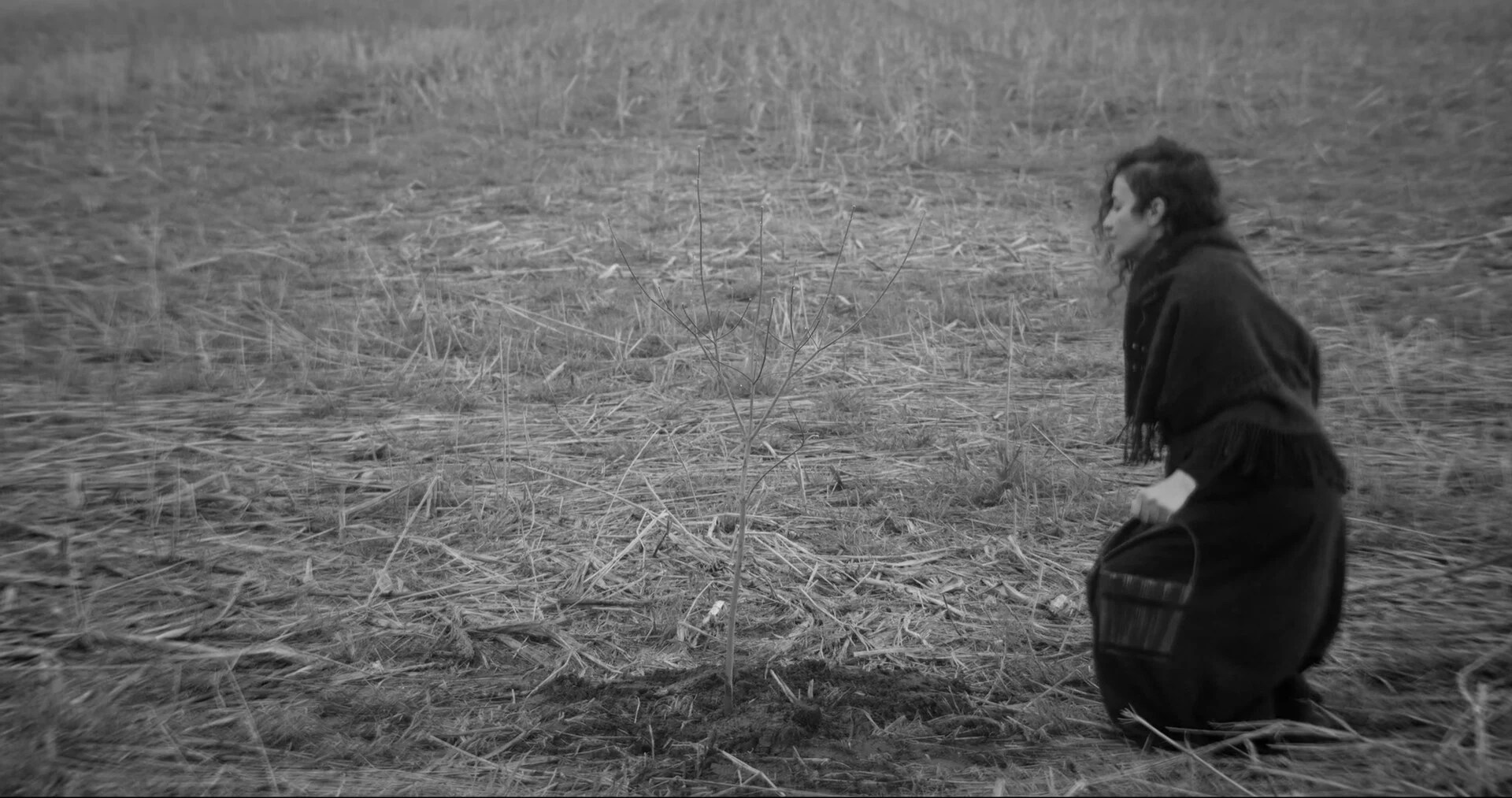
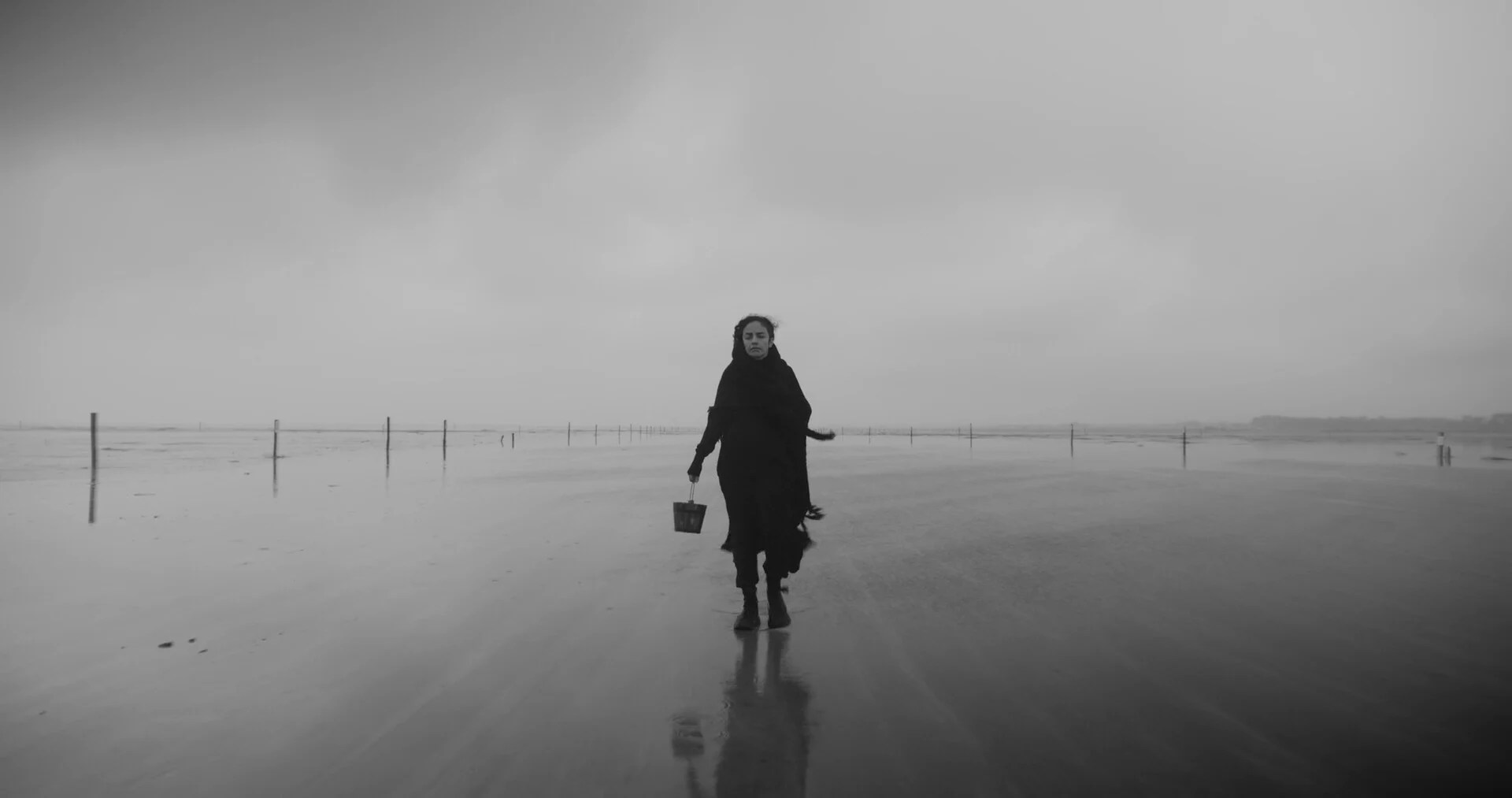
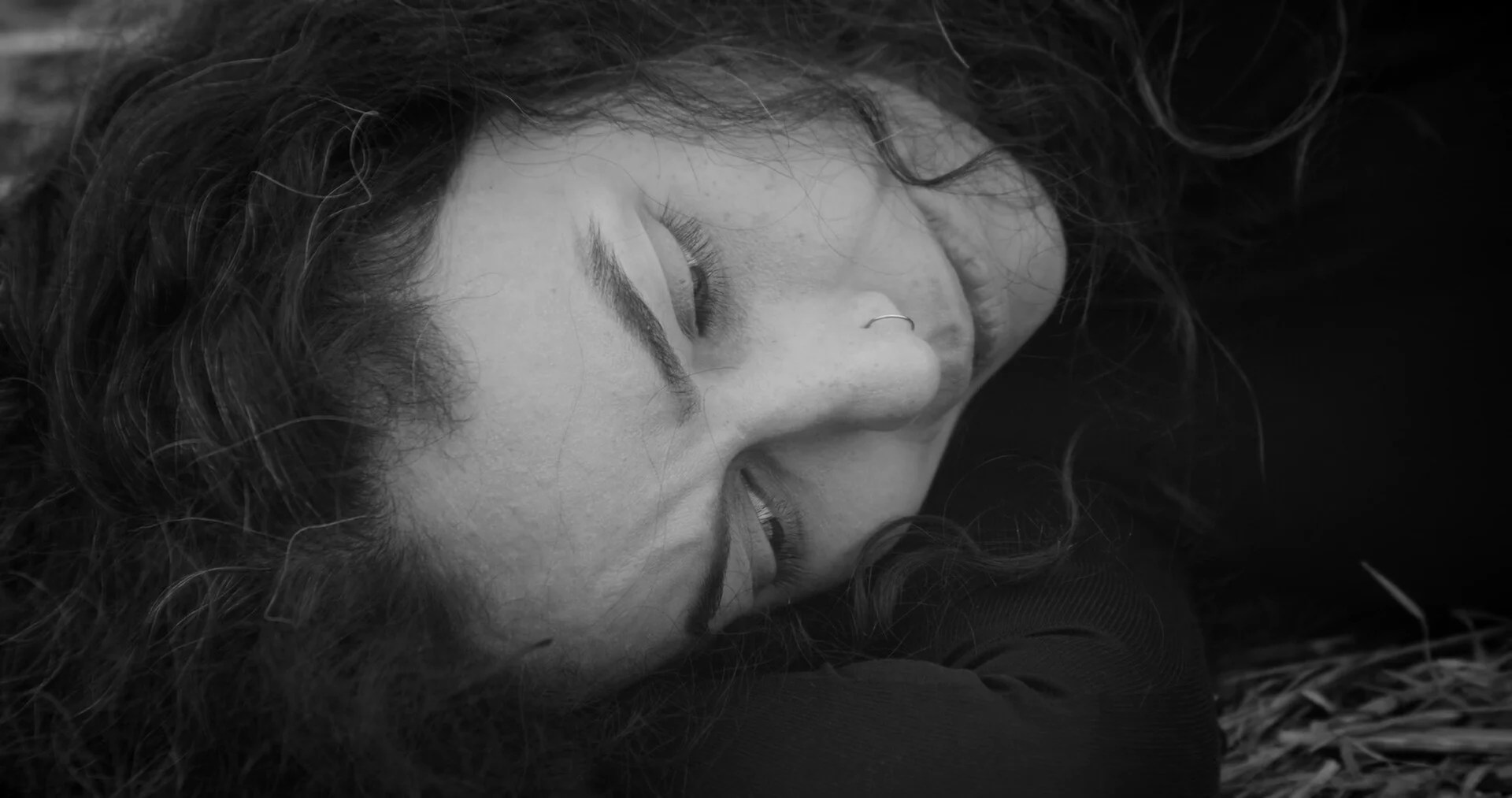
“Today I’ll be remembered
Tomorrow just a dream
It’s not what it seems”

https://www.instagram.com/lowroar/

Get to know the filmmaker:

1. What motivated you to make this film?

I was motivated to make this film because Low Roar’s last album was released posthumously, so the music video was made without the singer. The subject matter was therefore special and touching for me.

2. From the idea to the finished product, how long did it take for you to make this film?

The realization came quite quickly. The idea came suddenly and I asked my dancer friend to join me in the filming. We filmed for about an hour with her. It took me about two hours to edit.

3. How would you describe your film in two words!?

Fragmented dream

4. What was the biggest obstacle you faced in completing this film?

There were no major obstacles during production.

5. What were your initial reactions when watching the audience talking about your film in the feedback video?

It was quite fun to watch people’s reactions to the video and what interpretations they made of what they saw.

6. When did you realize that you wanted to make films?

I was 15 years old when I realized I wanted to make films.

7. What film have you seen the most in your life?

I don’t really have time to watch movies, but when I was younger I watched a lot of Star Wars – Episode 4. When I was young, I also watched a lot of art films from different countries.

8. What other elements of the festival experience can we and other festivals implement to satisfy you and help you further your filmmaking career?

I think you are doing a really good job now, so unfortunately I have nothing to add to this.

9. You submitted to the festival via FilmFreeway. How has your experiences been working on the festival platform site?

I think FilmFreeway has worked really well. The ease of use and clarity is a big plus.

10. What is your favorite meal?

My favorite dish is baked feta pasta.

11. What is next for you? A new film?

I’m currently working on new music videos for clients around the world, promoting my upcoming poetry photography exhibition, and starting to work on scripts for new films. All the best, Kim

Interview with Filmmaker Sebastian Roberts (HELLO)

Hello, 4min., UK
Directed by Sebastian Roberts
A man keeps receiving strange phone calls from a supernatural presence whilst waiting at a bus stop.

https://www.instagram.com/sebastianroberts2/

Get to know the filmmaker:

1. What motivated you to make this film?
I took some time away from filmmaking, and when I decided to come back, I was very conscious about doing it in a sustainable, practical way. Instead of jumping into something ambitious, I wanted to make a contained, execution-focused short that I could bring from concept to completion. That’s what motivated me to make Hello. It was also a chance to retrace my creative roots and reconnect with the kind of horror that first shaped my taste, particularly the influence of J-horror. In that sense, the film works both as a proof of concept and a creative reset.

2. From the idea to the finished product, how long did it take for you to make this film?
I wrote it around 2012–2013 under the title Boo. It sat with me for years, and in 2024 I found it was the right project to pull off the shelf and develop properly. From there, the actual production was very focused, efficient and smooth. We shot the film in three days, and post-production wrapped in September 2025. So while it took a while, the finished film came out better than I expected, so I’m proud of that.

3. How would you describe your film in two words!?

Oh fuck…

4. What was the biggest obstacle you faced in completing this film?
Post-production was the biggest obstacle. I wasn’t supposed to edit the film, but when our editor ran into hardware problems and funding fell through, I had to take over. Going from director to editor is challenging because you lose that outside perspective and start second-guessing the film in new ways. On top of that, the VFX compositing ran into some issues of its own which required bringing in compositors on Fiverr and finishing a good portion of the work myself. It was a very hands-on, problem-solving-heavy post workflow.

5. There are 5 stages of the filmmaking process: Development. Pre-Production. Production. Post-Production. Distribution. What is your favorite stage of the filmmaking process?

Production, big time. Being on set and finally seeing the idea turn into something tangible is still the most rewarding part for me. We could’ve shot the film in a day, but we decided to prioritise quality over speed. I’ve been on projects where everything had to be rushed, and led to having too little coverage in post. I wanted to avoid making the same mistakes.
The extra breathing room paid off. We got strong material, plus we also came up with new shots along the way. Like the opening with the dripping blood and the drone shots.

On top of that, the atmosphere on set was great. Crina’s makeup and the practical effects were fantastic, and seeing all of those elements come together was exactly why production is my favourite. Above all everyone was great to collaborate with, great vibes, great people.

6. When did you realize that you wanted to make films?
I’ve always loved movies, but I realised I wanted to make them when I saw The Mask of Zorro in the cinema. Before that, I was mostly drawn to animated films, especially from the Disney Renaissance. Zorro was the first live-action film that really grabbed me. It struck a chord, showed me what was possible with storytelling, performance, and spectacle, and flipped a switch in my head from just loving movies to wanting to make them.

7. What film have you seen the most times in your life?
I’ve watched more horror films than any other genre, but if I had to pick one it would be The Dark Knight. That said, in terms of rewatching my favourites and influence, a lot of the films I revisit tend to be horror. Like the original Ring, Ju-on, A Nightmare on Elm Street, Ghostwatch, Host, and Threads. Those are the kinds of films I keep coming back to, either for inspiration or to study how they build atmosphere and tension.

8. In a perfect world: Who would you like to work with/collaborate with on a film?
That’s a tough one, because there are a lot of people I’d love to collaborate with. Staying in the horror space, I’d be thrilled to work with actors like Danielle Harris, Robert Englund, Kane Hodder, Lauren LaVera, and Neve Campbell, etc. People whose work I grew up watching and who’ve helped define the genre. On the craft side, I’d also love to collaborate with the team behind the Terrifier films, especially their SFX and practical effects crew. That kind of hands-on, effects-driven filmmaking is really inspirational. And more broadly, I’m always open to jumping into projects that are doing interesting things in horror, say if something like IT: Welcome to Derry ever came calling, I’d absolutely jump at the opportunity.

9. You submitted to the festival via FilmFreeway. How has your experiences been working on the festival platform site?
It’s been a helpful experience so far, especially with the Gold subscription. FilmFreeway makes it easy to submit, track statuses, and keep an eye on upcoming deadlines, so it’s become my go-to platform for managing the festival run.

10. What is your favorite meal?
A homemade ragù with pasta. I was in Bologna last year and had the best ragù I’ve ever tasted.

11. What is next for you? A new film?
I’ve started pre-production on Corpse, my next short horror. I’m also developing a feature-length adaptation of Hello, which will expand on the short. So it’s pretty much about building on this momentum and getting the next projects moving.

Interview with Filmmaker Jesus Narvaez (DARK TENET)

DARK TENET, 6min., USA
Directed by Jesus Narvaez, Jonathan Lanz
Emily, Abby, Dan and Jake, arrive at the remote cabin for a relaxing weekend. After settling in, Jake receives a call and leaves abruptly, expressing concern over a family emergency. Later that evening a hysterical woman, Amber, shows up in a panic pleading for safety. Unfortunately, Amber has led an dark, ominous cult right to their front door.

Get to know filmmaker Jesus Narvaez:

1. What motivated you to make this film?

– The motivation that I had to make this film which was a story that I made that I wanted to show and tell about. Finding topics or genre that engages me to motivate me making this film.

2. From the idea to the finished product, how long did it take for you to make this film?

– This film took about six to nine months to go through the whole the film process from pitching the idea to post-production of the film. Another year to finish finalizing the film to submit it to film festivals.

3. How would you describe your film in two words!?

– Two words to say about this film is “Very Disturbing”

4. What was the biggest obstacle you faced in completing this film?

– There were a lot of challenges when completing this film. The biggest obstacle I was facing when completing this is film was what the story I was telling here. I was trying out telling a story more from a visual viewpoint from a storyboard that drew instinctual from my head. It was a mystery to unravel itself.

5. There are 5 stages of the filmmaking process: Development. Pre-Production. Production. Post-Production. Distribution.

What is your favorite stage of the filmmaking process?

– The favorite stage of the filmmaking process is the development because that’s where I fun stuffs is created.

6. When did you realize that you wanted to make films?

– I realize I wanted to make films when I was twenty-nine years old at the time. I started the filmmaking process in my early twenties by taking college classes. However, I was undisciplined at the time. I was saying to myself I want to make films but I needed the skills, disclipline, and knowledge that’s when I went back to college to learn making films.

7. What film have you seen the most times in your life?

– The film that I seen the most times in your life has to be Halloween (1978). Still remains to be a classic to till this day.

8. In a perfect world: Who would you like to work with/collaborate with on a film?

– The person who I want to collaborate with on a film is Guillermo Del Toro. Because it would be a challenge and good learning experience to learn from the master.

9. You submitted to the festival via FilmFreeway. How has your experiences been working on the festival platform site?

– My experience working with festival via FilmFreeway has been a great experience to submit to many kinds of film festivals outside there and get your work critique by film professionals and critics. I would definitely recommend it.

10. What is your favorite meal?

– My favorite meal to eat is Steak and Lobster with a side of Baked Potato loaded, a garden salad, a piece of bread, and a lemonade. It’s tall order.

11. What is next for you? A new film?

Well, I’m working on a comic book project which is long overdue and now making it a reality trying to finish it and see everyone says about it. Making a new film? Hmm… It’s been a while since I made another film. I would like to make another new film just need to see idea in front of me and tell a story.

Interview with Filmmakers Simon Friedberg, Elliott Gerner (FRIDAY NIGHT FLOP)

Friday Night Flop, 16min., UK
Directed by Simon Friedberg, Elliott Gerner
A mother tries desperately to reconnect with her estranged daughter.

https://www.instagram.com/fridaynightflop

Get to know the filmmakers:

1. What motivated you to make this film?
Simon and I both have teenage daughters who spend far too much time online! Friday Night Flop felt like a timely look at the importance of family in an age of digital distraction.

2. From the idea to the finished product, how long did it take for you to make this film?
10 months on and off in total. We had the idea and wrote the script in Jan 2024. The shoot was over 3 days in July and the edit was completed in October. It premiered in London in November.

3. How would you describe your film in two words!?
Warm and funny!

4. What was the biggest obstacle you faced in completing this film?
Budget. While we received a generous grant from UK Jewish Film we wanted the production quality to be as high as possible. Thankfully, I work in television and Simon in advertising so we were able to pull a few favours!

5. There are 5 stages of the filmmaking process: Development. Pre-Production. Production. Post-Production. Distribution.

What is your favorite stage of the filmmaking process?
Production and post production. The bronze medal goes to writing the script (development)

6. When did you realize that you wanted to make films?
To be honest, I wanted to work in television when I was at University. It was only during the pandemic that I started to think about making a film. And now I have a taste for it! I refer you to answer 11!

7. What film have you seen the most times in your life?
Pulp Fiction

8. In a perfect world: Who would you like to work with/collaborate with on a film?
A cross between Quentin Tarantino and Nathan Fielder

9. You submitted to the festival via FilmFreeway. How has your experiences been working on the festival platform site?
It’s been excellent. It’s user friendly, well organised and informative.

10. What is your favorite meal?
Cauliflower cutlets with macaroni (my grandma used to make them).

11. What is next for you? A new film?
We’re working on the feature version of our short, Friday Night Flop.

Interview with Filmmaker Darcy Birtwistle (COOKED)

Cooked, 3min., Canada
Directed by Darcy Birtwistle
Trapped in a loveless marriage, a woman gets a glimpse of a better life inside her microwave. On the other side: her alternate self, living freely, lovingly and armed with a plan. What begins as a surreal connection across realities turns into an unhinged plan between parallel selves.

Get to know the filmmaker:

1. What motivated you to make this film?

This was a school project – I’m in a high school film program at Etobicoke School of the Arts in Toronto. I enjoy working with themes of perception and reality in my films, and for Cooked I wanted to focus on how the choices you make can change the reality that you end up living in. Which means, if you are stuck in a bad situation, you don’t have to accept it – you can make choices to change things.

2. From the idea to the finished product, how long did it take for you to make this film?

For Cooked, storyboarding and refining the idea took the most time, I’d say two or three weeks. After that, filming was done in one day, plus a couple days for editing.

3. How would you describe your film in two words!?

Dual Worlds.

4. What was the biggest obstacle you faced in completing this film?

Finding an actor. I had originally planned for a different actor, and they cancelled at the last minute so I had to scramble to find someone else. Carrie (who plays the main character) is a friend of a friend and she had played a supporting role in Glitch, an earlier film of mine. I was running up against a deadline, and luckily she was available and ended up being totally perfect for the role! She’s great to work with and very collaborative.

5. What were your initial reactions when watching the audience talking about your film in the feedback video?

It was super fun! It’s definitely a weird feeling. I’ve never done anything like this before but it was awesome to see people interacting with it and speaking about it like it’s an actual “professional” film.

6. When did you realize that you wanted to make films?

It happened over a long time. Like most kids in middle school I was on TikTok, and over time I had learned some basic editing skills on the way. My parents noticed this and encouraged me to go into an arts high school. At first I was more interested in the drama program, but I also had an interest in photography, and film seemed like the obvious combination of the two, so I auditioned and I got in, had two great teachers, and by Grade 10 I realized how much I actually enjoyed making films.

7. What film have you seen the most in your life?

It would have to be The Hunger Games or The Social Network.

8. What other elements of the festival experience can we and other festivals implement to satisfy you and help you further your filmmaking career?

Out of all the festivals I’ve submitted to which frankly hasn’t been a lot, this has been the best experience so far. The Under 5 Minute Film Festival is clearly focused on uplifting emerging filmmakers, and the level of care and effort really shows. With many other festivals your film is selected, it plays, and that’s the end of the experience. The feedback and comments are so valuable. The comments are genuinely supportive and kind, which makes a huge difference especially if you’re just starting out. I really wish more festivals implemented something like this, since it helps filmmakers grow and feel more motivated to continue creating.

9. You submitted to the festival via FilmFreeway. How has your experiences been working on the festival platform site?

My film teacher had been recommending it for a while. So far, my experience has been very positive. It’s very easy to use when it comes to uploading content and managing submissions. It’s a great place to keep all my films in one place, rather than searching for the right files on my desktop. I also really appreciate the frequent notification about new festivals and opportunities, it keeps me in the loop especially as someone with very little experience in researching festivals.

10. What is your favorite meal?

I love love love chicken souvlaki with rice and a big greek salad.

11. What is next for you? A new film?

Yes! A new film! I would really like to create a film that wasn’t just shot in one day…. So that is my next project.

Interview with Filmmaker Graham Birch (CHASING DIESEL)

Chasing Diesel, 11min.,
Directed by Graham Birch
In London’s gritty underbelly, Jayce, a luckless thug with a heart of gold, must retrieve his boss’s dog, Diesel, who unknowingly carries a secret that could save a life. As Diesel becomes bait in a chaotic chase through the city’s labyrinth of underground tunnels, Jayce navigates deceit, betrayal, and comedic mishaps in a madcap adventure. The race is on to see who will get Diesel first.

http://www.sainthaloproductions.com/

Get to know the filmmaker:

1. What motivated you to make this film?

The executive producer wanted to make a film to showcase his talents and make something lasting. He originally was going to film in a shipping container but that fell through so we used some underground tunnels. It was a fantastic location. With the dog element – I get so tired of gangster films being about drugs, money or jewellery so I wanted to mix it up!

2. From the idea to the finished product, how long did it take for you to make this film?

3 months

3. How would you describe your film in two words!?

Brilliantly Daft!!

4. What was the biggest obstacle you faced in completing this film?

Time. We only had a very limited timeframe to shoot this and it meant compromising on some scenes. We did a super job in the circumstances and the cast and crew were tremendous.

5. What were your initial reactions when watching the audience talking about your film in the feedback video?

I thought one of the reviewers had a favourite character in Mallet. He’s a superb actor and made the character likeable. I liked the feedback very much and the TV series was a good idea from one.

6. When did you realize that you wanted to make films?

After I saw my first film as a child

7. What film have you seen the most in your life?

Predator – sorry, but it’s just brilliant

8. What other elements of the festival experience can we and other festivals implement to satisfy you and help you further your filmmaking career?

I think that the connections that you are providing with whatsapp groups etc is a great idea!

9. You submitted to the festival via FilmFreeway. How has your experiences been working on the festival platform site?

Excellent – it’s very easy to use and a great process.

10. What is your favorite meal?

Chateau Briand with french fries and a beef/pate sauce.

11. What is next for you? A new film?

I’m writing a film about AI and have some great actors lined up for it!!

Interview with Filmmaker Chantal Lorang (DESERTION)

DESERTION, 30min., Luxembourg
Directed by Chantal Lorang
After World War II, a military chaplain remembers the young soldiers who lost their nerve and ran away on the Eastern Front. In military prison he also had to look after Josy Lorang, a Luxembourger who had been forcibly recruited. Josy could no longer endure the Wehrmacht’s atrocities at the front and the attacks on the civilian population, deserted and was recaptured and sentenced to death by a court martial. During the last weeks of his life, he regularly wrote to his young wife and parents from prison, confided in the military chaplain and sought strength in his faith.

Get to know the filmmaker:

1. What motivated you to make this film?

family trauma

2. From the idea to the finished product, how long did it take for you to make this film?

2 years

3. How would you describe your film in two words!?

death & love

4. What was the biggest obstacle you faced in completing this film?

Finding historical sites and props, rifles, uniforms, Kübelwagen… from the time of the Second World War without a budget was a real challenge.

5. There are 5 stages of the filmmaking process: Development. Pre-Production. Production. Post-Production. Distribution.

What is your favorite stage of the filmmaking process?

Production

6. When did you realize that you wanted to make films?

At the age of 20 I was an actress in a student-movie called ‚Gwendolyn’

7. What film have you seen the most times in your life?

‘Call me by your name’

8. In a perfect world: Who would you like to work with/collaborate with on a film?

Ingmar Bergman / Andrei Tarkovsy/ Jane Campion

9. You submitted to the festival via FilmFreeway. How has your experiences been working on the festival platform site?

I just can recommend filmfreeway, I used this platform previously for other prize-winning shortfilms of mine like ‚The seaside is our home’ or ‚Behind the mask’

10. What is your favorite meal?

Scampis / potato pancakes

11. What is next for you? A new film?

Photo series on the theme of male vulnerability, or the continuation of DESERTION from the lieutenant’s perspective.

Interview with Filmmaker Patrick McNerney (THE SANGUINE)

THE SANGUINE, 25min., USA
Directed by Patrick McNerney, Daniel Jones
A crestfallen master and outcast servant rob the grave of a long dead warlord to find he’s returned to defend it.

https://thesanguinefilm.com/

Get to know filmmaker Patrick McNerney:

1. What motivated you to make this film?

After years of working on commercials, music videos, and client-driven projects, I wanted to create something entirely my own—both creatively and technically. I was especially interested in exploring new visual effects techniques and seeing what could be accomplished with little to no budget if everything were handled completely in-house.

Throughout my career, I’d often been told that certain visuals or ideas simply weren’t possible without substantial budgets, representation, or outside backing. Rather than viewing those limitations as obstacles, I decided to remove external control factors entirely by producing, directing, filming, and editing the project independently.

I reached out to Daniel Jones, an exceptionally talented writer, musician, and actor, and asked him to collaborate. I shared a few visual effects concepts I wanted an excuse to explore and asked him to write a short screenplay. What began as a five-minute script quickly evolved into a much larger undertaking: a period fantasy-horror short filmed across multiple locations throughout Texas, featuring original music, period costuming, and a fully realized world.

The production was ambitious and challenging, but incredibly rewarding. Daniel’s original screenplay extends far beyond what we filmed, leaving room for future expansion into a longer film or series. I’m proud that we were able to bring The Sanguine to completion and grateful for the opportunity to share it with audiences. Viewers can expect a dark fantasy-horror experience with layered storytelling and plenty of hidden Easter eggs for those who pay close attention.

2. From the idea to the finished product, how long did it take for you to make this film?

From early concept to final delivery, the film took several years! The first discussions happened in 2019 and the screenplay was written by Daniel in 2020. By February of 2021 we had secured our copyright and set out making story boards as well as filming various “proof of concept” scenes to ensure the visual FX I had in mind would work. I also needed to know how to film those things when it came time for production so the proof of concept filming/editing was very critical. In addition, I spent a while learning some new software like Unreal Engine and Cinema 4D in addition to sharpening skills in software I was already familiar with like After Effects. In 2024 I was very busy working on series for another company as well as running a business. We secured locations that year and filmed, and started the editing and post process in 2025. By November of 2025, we were finally ready to submit the film to festivals! Grit and determination was required throughout to continue the process and make it happen. Everyone has careers, families and other obligations so we had to be very diligent to always keep the project moving forward.

3. How would you describe your film in two words!?

History repeats.

4. What was the biggest obstacle you faced in completing this film?

The biggest challenge was balancing ambition with constraints. Creating a convincing medieval world with a small team required creative problem-solving at every stage—especially in production design, locations, and sound. Rather than fight those limitations, we leaned into them, which ultimately shaped the film’s tone.

5. What is your favorite stage of the filmmaking process?

Post-production. That’s where the film truly reveals itself. The edit, sound design, and score allowed us to sculpt tension, pacing, and meaning in a way that wasn’t fully visible on set.

6. When did you realize that you wanted to make films?

I’ve always been drawn to storytelling through sound and imagery, but filmmaking became a clear calling once I realized how powerful that medium was at a young age. Films that lingered with me long after the credits—rather than explaining everything—made me want to create worlds of my own.

7. What film have you seen the most times in your life?

The Exorcist, The Matrix and the Indiana Jones franchise.

8. In a perfect world: Who would you like to work with/collaborate with on a film?

In a perfect world, collaborating with filmmakers who prioritize tone and mythology. Artists who trust the audience and let mystery breathe.

9. You submitted to the festival via FilmFreeway. How has your experience been working on the festival platform site?

FilmFreeway has been a very streamlined and transparent platform. It’s made submissions, communication, and tracking festival responses straightforward, which allows filmmakers to focus more on the work itself.

10. What is your favorite meal?

Something simple and hearty—good bread, meat, and spirits. Very on brand, apparently, for the film and a Texan!

11. What is next for you? A new film?

Currently we are focusing on the film festivals, marketing and distribution for The Sanguine. I’ve been working with an independent studio in Florida on other creative ventures, but would like the opportunity to pitch The Sanguine as a larger IP ultimately, using the short as a proof of concept.