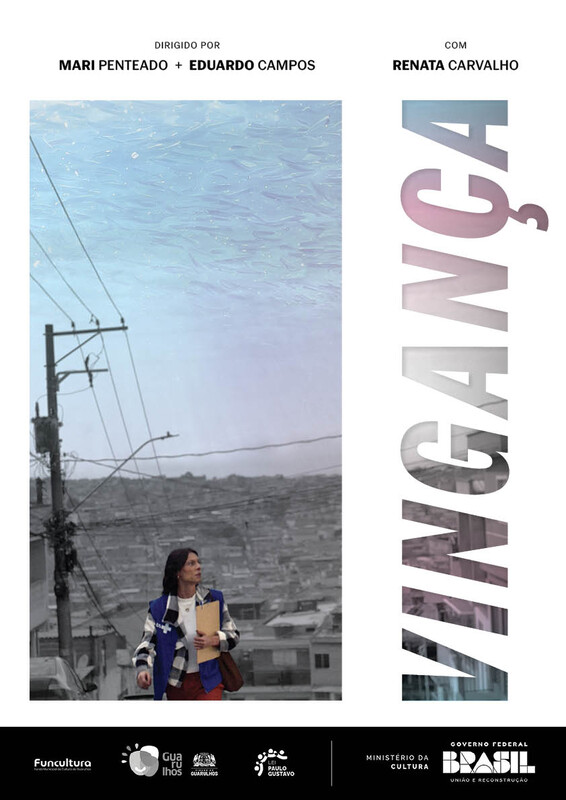
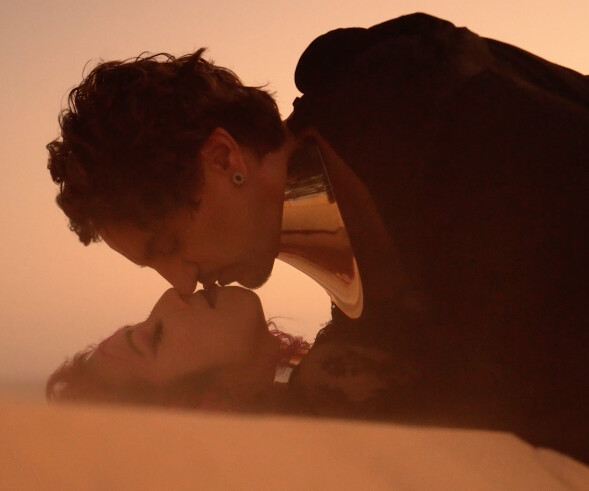
Virginia is a 43-year-old transgender woman who works as a community health agent in Guarulhos, Brazil. The film follows a day in her life, marked by the exhaustion of work, but also by meaningful encounters, dreams, and, above all, the need to live – and resist.
Revenge is a poetic, necessary meditation on resistance, care, and the radical act of continuing. In Revenge, directors Mari Penteado and Eduardo Campos deliver a film reclaiming survival not as passivity, but as a radical resistance. This Brazilian short walks alongside Virginia within the intimate, sun-soaked, and deeply grounded in the quiet rituals of a life tenderly lived.
The story centers on Virginia, a trans woman and community health agent in her final week on the job. Renata Carvalho gives a performance that is arresting in its gentleness and care. From the opening scenes such as watering a plant with whispered kisses to tending her space with care and rhythm we’re ushered into a world where softness is not weakness, but armor.
The cinematography is gorgeously observational, allowing long takes to breathe and scenes to unfold with a lived-in cadence. You can practically feel the steam rise from her morning coffee, or the sweat bead as she walks the streets, offering compassion like communion. Water, throughout, is used not just as metaphor, but as active resistance: we are told, “If you throw me into a river, I’ll neither sink nor float. I’ll drink all the water and walk away super hydrated.” It’s a line landing between poetry and politics all at once.
Split into two parts: Thou Shalt Kill Sisyphus and For Whom Every Return Is an Odyssey, the film skillfully layers the mundane with the mythic. Virginia’s days are full of small acts of care: de-escalating a patient in crisis, reminding friends to book their PrEP appointments, offering water to a sister in need. But the weight of her labor (emotional, medical, and political) begins to crack through. Her exhaustion is palpable, and in one devastating scene, she finally admits: “I’m tired. I can’t take it anymore.” It’s a grief that’s collective and individual, political and personal. The title Revenge could be misleading. This is not a tale of vengeance in the traditional sense. There’s no violent retribution, no bloodshed. Instead, the film reclaims revenge as life, as legacy, as refusal to disappear. Virginia’s revenge is her laughter. Her community. Her home. Her survival.
One of the film’s most affecting moments comes in a conversation about trans health access: Even if we’re the perfect version of what trans society wants, it’s never good enough. The dialogue, penned with rare authenticity, threads righteous rage with love and heartbreak. These women aren’t symbols or martyrs: they’re fully rendered humans, aching and radiant.
The supporting cast is wholesome and filled with care. Ayô Tupinnambá as Vicky and Andrea Rosa Sá as Belle bring humor, fire, and ferocity. Their bond with Virginia pulses with truth, especially in a conversation that lays bare the fractures of the systemic failures that shape them.
By the time the film closes, with Virginia sitting on her porch growing older, glowing, and sipping a glass of water it feels like a quiet revolution. A woman who has walked through fire, and flood, and fear, and come out soft. Whole. Still here.
Revenge doesn’t scream. It sings. It mourns. It nourishes. And above all, it dares to imagine a future where trans women not only survive, but grow old.
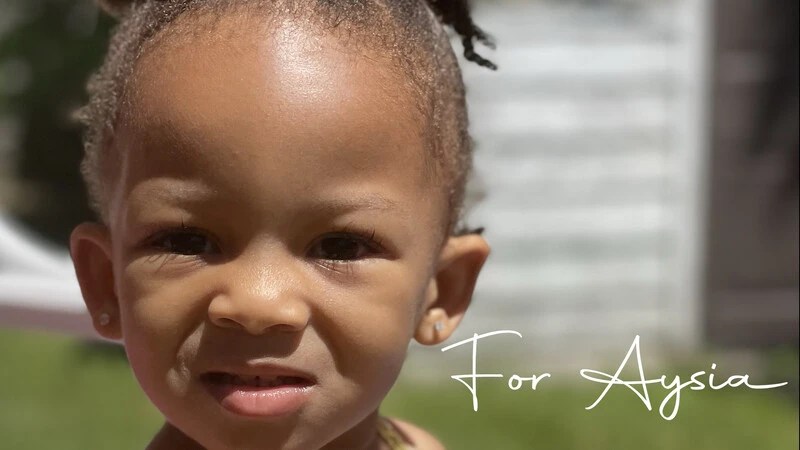
For Aysia, 7min., Canada Directed by Dani Alexandria Aysia-May has a grandmother she will never meet and a family that won’t talk about her. When the family finally opens up, years of trauma begins to unravel.
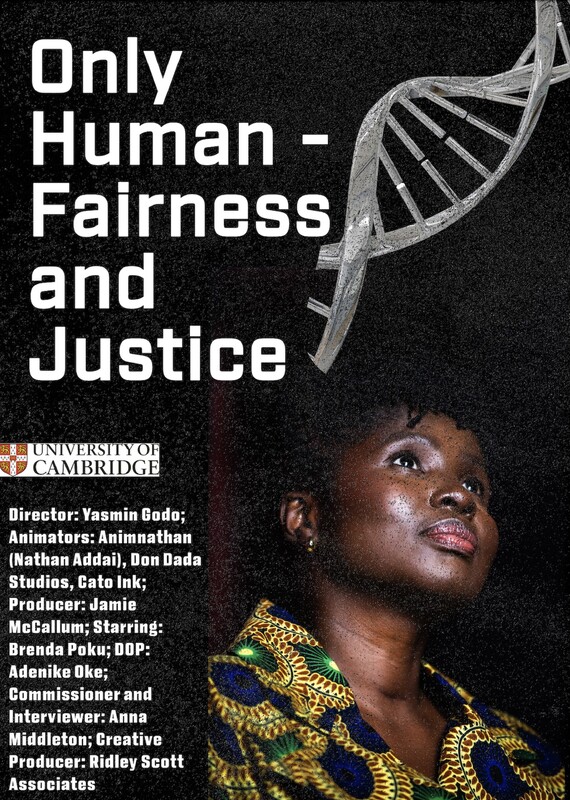
Only Human – Fairness and Justice, 2min., UK Directed Yasmin Godo Many communities are alienated by and distrustful of advances in genetics. It’s only human to fear, distrust and hesitate when scientists say they are working for your benefit – how do you know? The Only Human film tells Brenda’s experience of having sickle cell disease and uses this to ask scientists working on inherited disease to question whether they are really serving the patients they claim to support. The film pushes for a closer connection between science and society.
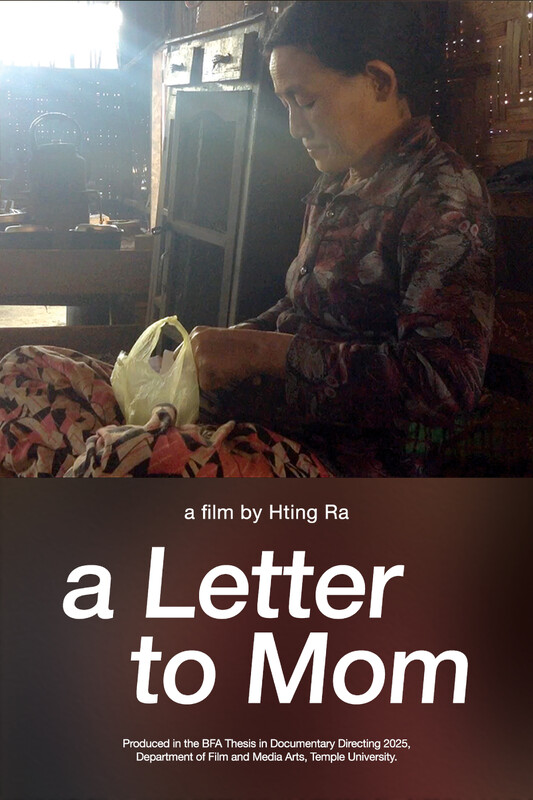
A Letter to Mom, 12min., Maynmar Directed by Hung Ra Hting, a Burmese immigrant, full-time sushi chef, and film student, shares a letter to his mom in which he describes the challenges, sacrifices, and experiences that shaped his education — including moving away from home and adapting to new environments — as he navigated the journey from a small village in Burma to becoming a film student in Philadelphia.
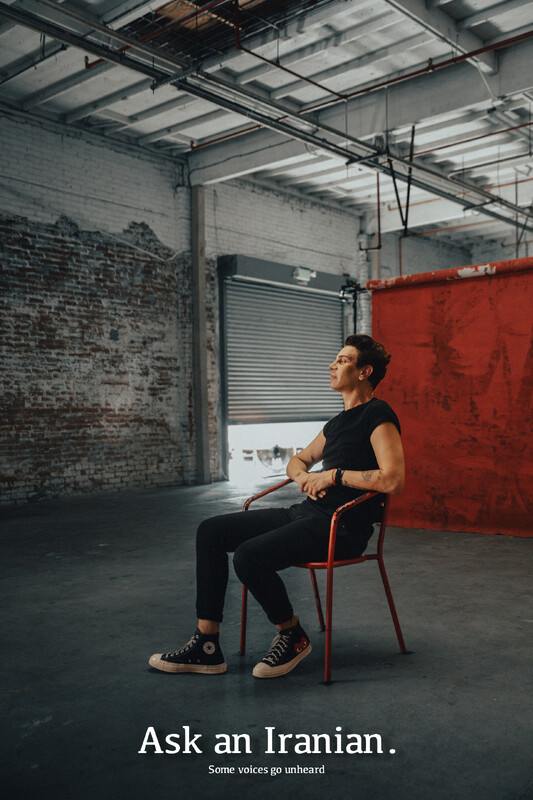
Ask an Iranian, 15min., USA Directed by Elliot Feld, Jonny Pottins In this fast-paced piece, Iranian-Americans will speak to camera and reveal what life is truly like under the Iranian regime.
Tony Dawe has definitely witnessed a lot of things on set working sound, working on over 120 productions in the last 40 years. It was an honor to interview him after the craft of sound mixing on set and preparing the post-production sound department.
Matthew Toffolo: How would you describe what a sound mixer does in one sentence?
Tony Dawe: I don’t think you can describe it in one sentence, as the job encompasses so many different variables. To get the best sound really starts with reading the script, and then going on the recces to look at all potential problems on set, background noises, can we do anything about it, where the sparks want to put their generators, are we under a flight path etc. Talk to the director to see if they have any special things they want done with the sound. Go and see the costume department and find out if there are any potential problems with the artists costumes, as every artist now has to wear a radio mic on films and TV. Inspect the sets when they are built, and with all the props in, to look for squeaky floors and other minefields. Liase with the DOP, to see what he is trying to achieve, and how we can work with him on set without interfering with his lighting. There are many other things I could mention!
OK, in one sentence: Get the best possible sound under any circumstances that will enable the audience to follow the plot without saying “What did he say?”
MT: Is there a difference in your job description when you work on a drama like “The Hours (2002)” in comparison to working on a genre action like “Indiana Jones” or “Alice in wonderland”?
TD: If you mean, do I work in exactly the same way on both types of production, the answer is yes. Weirdly though in TV, my job credit is Sound Recordist, and in Feature films it is Production Sound Mixer; however its still the same job. Do I feel there is more kudos working on a large film rather than a TV film just because of the job description, no I don’t.
MT: You’ve worked on many Tim Burton productions. How is your working experience with him. How is he different than other directors?
TD: I have worked with Tim since “Batman” in 1987. I love working with him as there is always a great creative atmosphere on set, and I have learned more about film making from him than any other director just by watching my monitor. For instance, watching how a shot develops through several takes until the timing and the acting and everything else comes together in that magic moment, and then the reaction from Tim when he knows that is the best take. Incidentally, with all the directors I have worked with, Tim is the one I talk to the least. I just don’t like to interrupt his creative processes by talking about trivial sound matters. We both trust each other completely job wise.
MT: You’ve been nominated for an Oscar in the “Best Sound” category 4 times. How has the Oscar experience been like? Were you surprised that you didn’t win?
TD: I was delighted to be nominated each time and someone has to win, but that doesn’t make the others into losers. Every year there a lot of amazing sound tracks that never even get mentioned in dispatches. Validation comes from within, and having honesty about your own work. You have to ask yourself if you did do a good job; the best you could in fact, if so, there is the validation.
Advertisement
MT: You were nominated for “Return of the Jedi”. What was that working experience like? How involved was George Lucas?
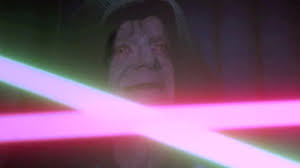
TD: George Lucas was very involved in the making of “Revenge of the Jedi”, and spent a lot of time on the sets. I got on very well with George, and we had many discussions about the use of computers in film making and where that was going to go. Looking back, of course he was absolutely right. He is a most incredible person and visionary and I really loved working with him.
However, working on “Revenge of the Jedi” (which was its original title), was very intense and not one of my favourite experiences.
MT: You’ve been working in the industry for 50 years on over 100+ productions. Is there a film or two that you’re most proud of?
TD: I’ve been a sound engineer for 58 years, starting at Abbey Road (before the Beatles!), and ABC television (405 line B&W!) before I even got to work in film in 1967 at Shepperton Studios sound department, so there are a lot of projects to think about.
There are two productions that I’m most proud about, the first is “The Sweeney” TV series in the seventies, where all of us on the crew were pioneers in using small lightweight 16mm cameras and the Nagra tape recorders for the first time in drama’s and making it work. The rule was, there would be no ADR, so the sound had to be usable all the time. I did not use any radio mics on that show, but I always had the final word on what we could do or not do as the sound department. That concentrated a few people’s minds on the set! I learned so much from that experience over the 53 episodes.
The second project was very similar, and was series 4-7 of “Inspector Morse” in the 1980’s. Again, although the company would budget for small amounts of ADR, it was expected that all sound would be usable, so I was very proud when they did use it all, and the sound received an award from Bafta.
I’m not overly proud of any of my feature film work, as all of the budgets included a large amount for ADR, (the money for which always has to be used), and most of the time they would prefer to ADR something instead of spending time doing another take. This does not apply to the wonderful Directors who fully understand the role of sound in film, and will always go again when asked by the sound department. As the blending of my recordings and other peoples is usually very good, who knows then what has been recorded by whom?
By the way, one of my most favourite films to work on was “Dean Spanley” (As a movie it is an underrated masterpiece, well worth finding the DVD and watching it).
MT: Is there a type of film you haven’t worked on yet that you would love to work on?
TD: Yes, I’ve never worked on a cowboy film (and never likely to in the UK!). Also I’ve only worked on one film that had war scenes in it, and I would like to do another one sometime.
MT: How has sound mixing changed from a technology and creative point of view from the year you started to today?
TD: It has changed absolutely, but mostly in the last 20 years. When I started in 1967, we were still using 35mm full coat magnetic film to record on at Shepperton studios. They did not even have a Nagra recorder to do sound effects on, only very large Leevers-Rich reel to reel recorders which were not portable. When I recorded my first film in 1969 as a sound mixer I used a Nagra 4 with a small Nagra mixer, and that worked well. Microphones were all Sennheiser 805’s, with no radio mics. This type of equipment continued well into the 1990’s, except I had added radio mics (to be used mostly for wide shots!) Then came DAT, and the early machines which were not reliable, and ran very hot (and I didn’t adopt until later). Eventually the DAT machines became as portable as the Nagra’s, and they worked very well, except on cold mornings when the rotating heads stuck to the tape and had to be warmed up with a hair dryer.
In the last 12 years or so, we have had hard drive recorders, which again improved immensely very quickly. I started with an 8 track recorder which proved to be rather quirky and difficult to use, and for 7 years I had a Deva 16 as my main recorder, which was very good, but I now have a Fusion10, and Fusion 12 which have no moving parts, except the mixing knobs on the front and work wonderfully well. I hope to acquire a Deva 24 in the future. Just think of that, 24 tracks in a machine not much bigger than a Nagra!
I adore digital recording immensely as it is so flexible and totally transparent. On my sound trolley I still have a wonderful Coopersound analog mixer at the front end which makes it sound a bit like a Nagra.
Editing sound with Pro Tools is a dream, and I wish it been around when I was editing sound at ABC TV in the sixties.
Some of the magic from the early days has gone however, such as being able to do impossible mixes with only one or two channels. Today we just record everything in the hope that there is enough there to satisfy the sound editor. I still use open boom mics for most things, with the radio mics there as a backup. Basically what I am saying is that there is now very little creativity left in my job. What I used to produce as a finished track that would find its way into a film or TV drama rarely happens any more, as the tracks are dismembered and remade in post production. I have been asked quite a few times how I mixed a particular editors track on a feature film, so that post could undo it and re-assemble the track. What is the point in that? Because what I do is so instinctive, that I can’t usually tell them.
As for the profusion of radio mics on set, don’t even get me started on that one. Most other people on the set think that it solves all the problems with sound that can arise, but in practice it gives many more problems than it solves, and sometimes it involves fiddling about with the actors and costumes, which they hate, and so do I. Unfortunately we are not in control any more as we are beholden to other departments.
MT: What makes a great sound mixer? What skills does he/she need?
TD: Firstly I think that you need a great deal of patience, no arrogance, or the “look at me” concept that some mixers have. Know your place in the hierarchy, be very confident with your own ability, and sometimes exceed the boundaries to see if you can do it, and own up if you can’t!
Never argue with a Director, but reasonably discuss possible ways of getting round a sound problem with them. Always be as pleasant as possible, as it gets you much further than aggression.
Oh… and it helps if you know what you are listening for!
****
Interviewer Matthew Toffolo is currently the CEO of the WILDsound FEEDBACK Film & Writing Festival. The festival that showcases 10-20 screenplay and story readings performed by professional actors every month. And the FEEDBACK Daily Festival held online and in downtown Toronto on the last Thursday of every single month. Go to http://www.wildsound.ca for more information and to submit your work to the festival.
Submit your Horror Short Story to the Festival, and we will automatically have it performed by a professional actor and turned into a promotional video for yourself.
Get FULL FEEDBACK on either the 1st chapter or entire novel book from our committee of Professional Writers, and Writing Consultants. Get your novel performed by a professional actor at the festival.
NEW OPTION: Or, just submit for an actor performance reading transcript of your novel (any 5 pages of your book). Great way to promote the sales of your book if you’re already published. (see examples on the video playlist below)
This festival has a guaranteed 4-tier set up for each accepted script. (No matter what, all screenplays submitted receive FULL FEEDBACK on their work.) 1) Full Feedback on your script 2) Actors performance video reading of your script 3) Blog interview promotion. 4) Podcast interview on the Film Festival ITunes show.
DEADLINE TODAY: Submit to the Festival via FilmFreeway:
We love the format of this festival. The video interviews of the festival audience is tremendous fun. And most importantly the festival and the audience totally get it!! Gratitude !
This festival experience has been fantastic. The feedback videos were outstanding, and the podcast interview was delightful. The communication was excellent, and the value provided was exceptional. Thank you for celebrating Tararau S-K 😊
I would highly recommend this festival. Not only was the communication solid throughout, but getting feedback from the judges who watched our documentary was invaluable. Thank you for honoring our film, Burton Rocks Calling!
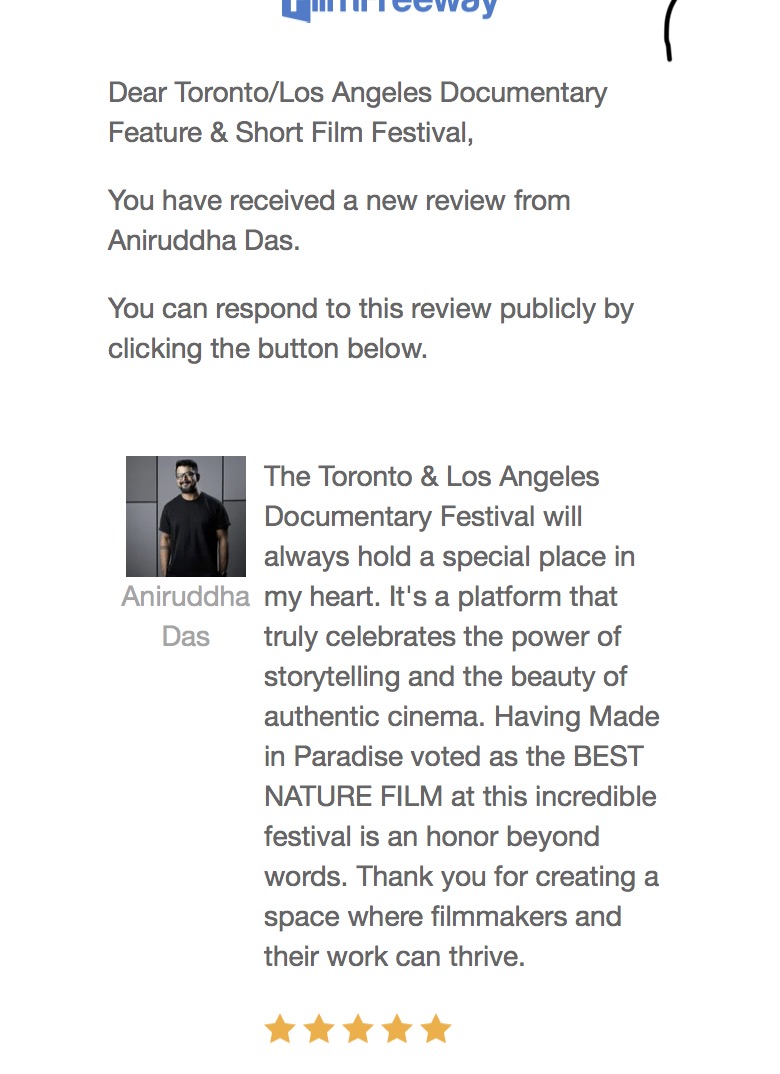
One of the most incredible festival experiences. Thank you Toronto Documentary Feature and Short Film Festival for such a positive experience. Your out of the box four tier screening & promotion option for filmmakers is truly unique and sets you apart as a festival. Heartfelt gratitude to the festival team members, audience and reviewers for awarding my short film MITTI (discovering Ikigai) as the best environmental film at the festival.
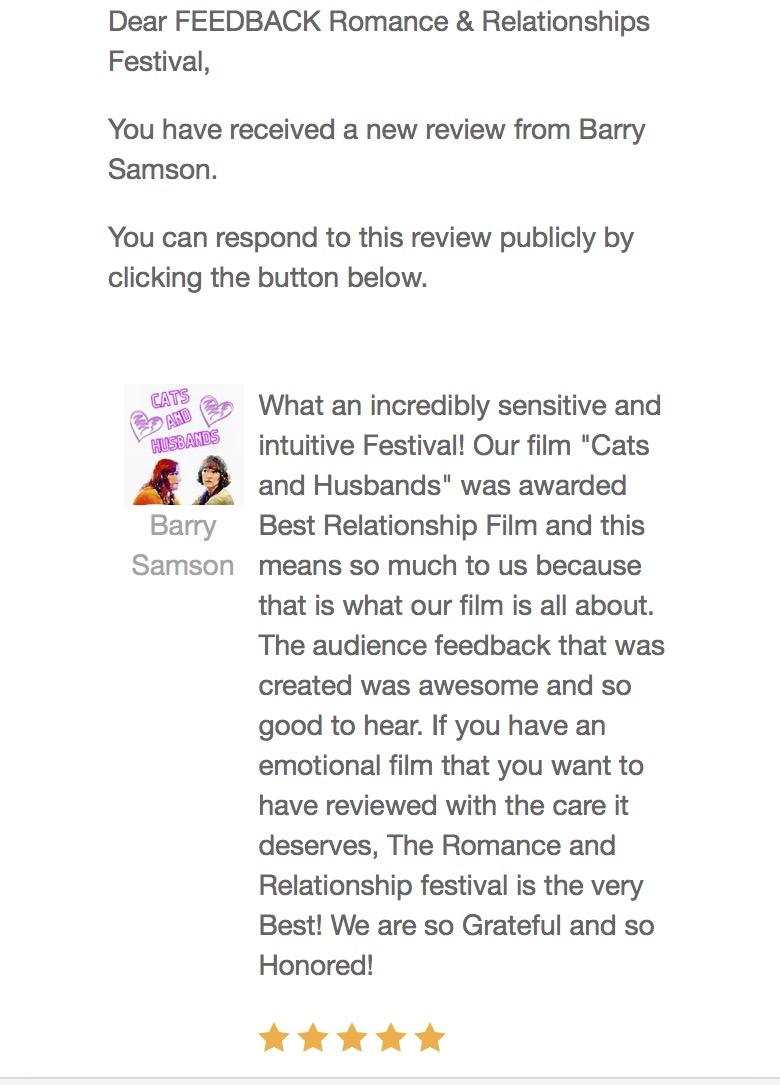
What an unusual and helpful festival! We make these films obviously to share with an audience, and to ideally hear how it resonates with them— so it was very special to be able to receive several people’s articulate responses to our film! And thanks so much for the good communication and the honor of Best Human Interest Film!
For Aysia, 7min., Canada Directed by Dani Alexandria Aysia-May has a grandmother she will never meet and a family that won’t talk about her. When the family finally opens up, years of trauma begins to unravel.
Only Human – Fairness and Justice, 2min., UK Directed Yasmin Godo Many communities are alienated by and distrustful of advances in genetics. It’s only human to fear, distrust and hesitate when scientists say they are working for your benefit – how do you know? The Only Human film tells Brenda’s experience of having sickle cell disease and uses this to ask scientists working on inherited disease to question whether they are really serving the patients they claim to support. The film pushes for a closer connection between science and society.
A Letter to Mom, 12min., Maynmar Directed by Hung Ra Hting, a Burmese immigrant, full-time sushi chef, and film student, shares a letter to his mom in which he describes the challenges, sacrifices, and experiences that shaped his education — including moving away from home and adapting to new environments — as he navigated the journey from a small village in Burma to becoming a film student in Philadelphia.
Ask an Iranian, 15min., USA Directed by Elliot Feld, Jonny Pottins In this fast-paced piece, Iranian-Americans will speak to camera and reveal what life is truly like under the Iranian regime.
Submit to the Festival via FilmFreeway. Deadline Today:
What a fun festival! The whole team is extremely communicative and such lovely people to talk to! They absolutely made me feel welcomed and valued. Their enthusiasm for my project, and film in general, is so refreshing and amazing! Thank you for welcoming myself and Battle of LA into your festival. I PROUDLY accept Best Short for Battle of LA. Thank you!
Meet Benedicte, a happy young woman living in a beautiful, heavenly garden where she doesn’t have a single worry in the world. She loves to wander around, lay on the grass and simply live in the moment.
In an ironic way, I think I was trying to get out of a routine myself. It had been a minute since I made any short film or even attempted to finish old scripts. I started feeling trapped in the 9 to 5 life and saw that, unless I made the effort to pursue my passion despite the obvious obstacles, the current life I’m living would be it forever. It pushed me to get out of my comfort zone and make things happen. We filmed this short film with an iphone and a very restricted budget.
From the idea to the finished product, how long did it take for you to make this film?
I’ll say about 4 months. The main issue was that I work in Nunavik but wanted to shoot the short film in Montreal. So, there was a moment where I had everything ready from the script to finding the right team but had to wait for the occasion to fly back to Montreal and finally get to shooting. But once I was on site, things went fast. We shot the entire script in 3 weeks, mainly because we had to work around everyone’s availability. And then I spent about 2 months with Vincent Loiselle-Latour, who worked on the sound engineering and Julien Ferland who worked on the score, to create an atmosphere for the film that we would all be satisfied with.
How would you describe your film in two words!?
”Literally me”
What was the biggest obstacle you faced in completing this film?
Time! There was never enough time and, as I said, I work in Nunavik. I had to shoot everything before it was time for me to go back and I had exactly 3 weeks !
What were your initial reactions when watching the audience talking about your film in the feedback video?
I was thrilled the entire time! I really loved one of the critic’s comment, when he said the movie inspired him to want to go make movies himself, that’s what’s up ! That’s what it’s all about at the end of the day. Hopefully the story pushes more people to want to try something new and get out of their own ”Routine”!