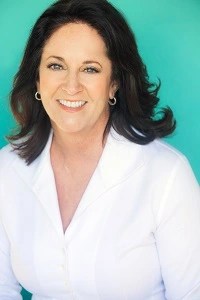
What an honor to chat with one of the most regarded stunt performers in the industry today. Lisa Dempsey has worked on over 100 productions in the last 25+ years. Her answers are a wealth of knowledge for film fans and people interested in working in the Film & TV industry.
http://www.imdb.com/name/nm0218741
Matthew Toffolo: What job has been your most valuable experience so far?
Great question. I had to think about this one for a bit. I’ve been at this now since 1989. I think my most valuable experiences have been from the people I have worked with and the advice they have given me. A few jobs come to mind that have had a huge impact. Every job with my mentor Rocky Capella is valuable to me.
I worked on a movie in San Francisco called Jade in 1995. William Friedkin (The French Connection!) was directing. I was still living in San Francisco and was a local hire. On that show, I got great career advice from some real Hollywood legends. Buddy Joe Hooker was the stunt coordinator and he brought 25 stunt people up from Los Angeles to work. I got to be a part of some pretty awesome car chases and vehicle stunts over the course of a several months. I never would have had the opportunity to meet so many of Hollywood’s heavy hitters in one setting if it had not been for that job. The people I met on that job were very instrumental in my career at that time. Veteran stuntman Tommy Huff told me I should move to Los Angeles because “that’s where the action is.”
Most recently I had the job of a lifetime doubling Kathy Bates as “The Butcher” on American Horror Story Season 6: Roanok. I doubled for her once before on Mike and Molly when she was a guest star. We had to leg wrestle with Melissa McCarthy and that was hilarious. Kathy is a class act. She is warm and funny and so appreciative. She has a great laugh. I can’t say enough good things about her.
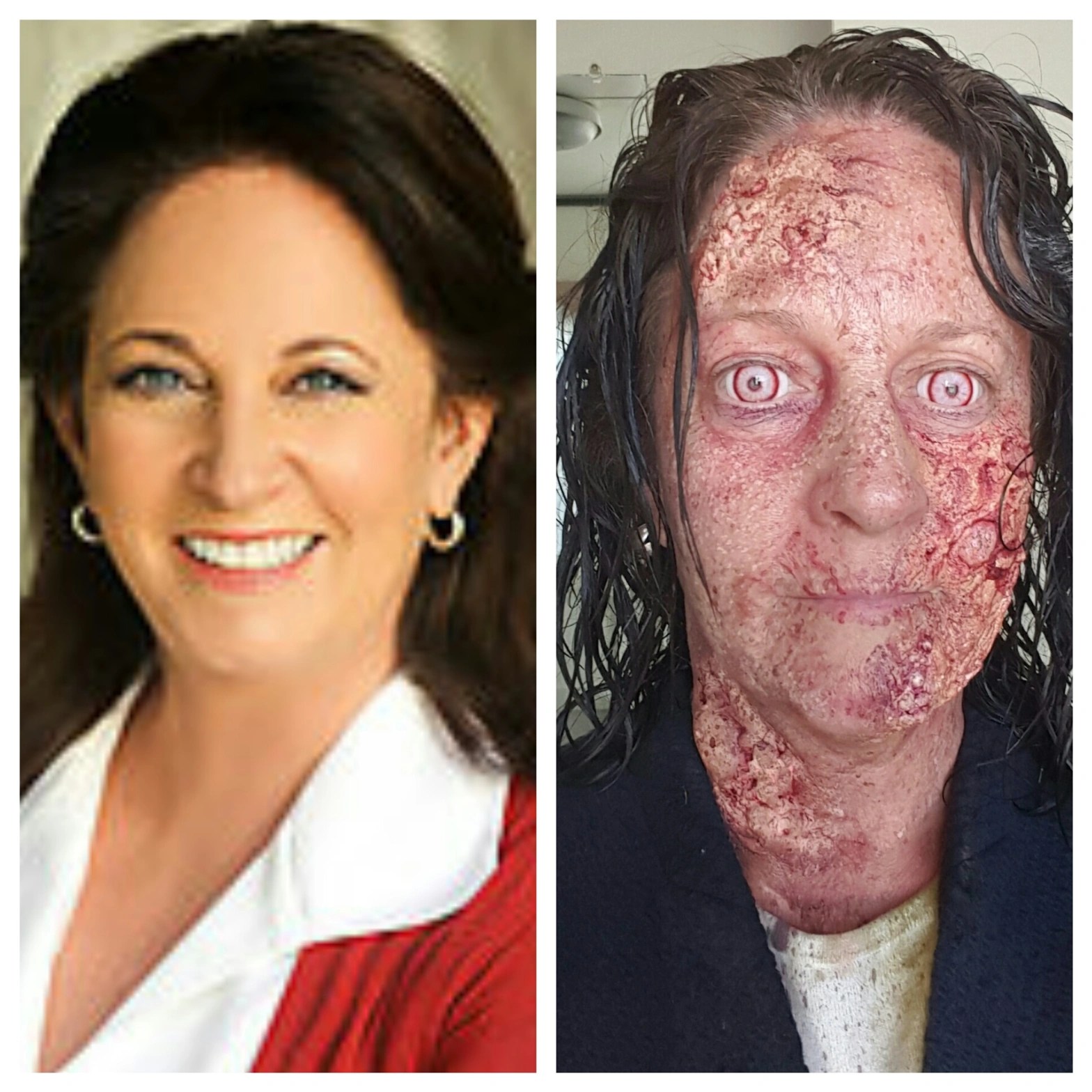
Photo: Lisa turns into a Zombie:MT: You said that life has been very exciting for you these days. Anything you like to share?
I’ve been engulfed in flames, chased, stabbed, and beaten up lately. I like it when I’m bruised and busy. I just booked a job for December 6th to double Kathy again on her new TV comedy series Disjointed. I did a little stunt acting as a “mutant monster” on a new Hulu show called Freakish. I had a great job a few weeks ago on a new series called Chance. Due to a non-disclosure agreement, I can’t tell you what the stunt was but there was a lot of blood! I did some driving on a regional Prius commercial and I just got a call from Rocky to be a in a prison scene next month on a feature film called Don’t Shoot, I’m the Guitar Man. My daughter has two auditions this week and I’m having a good hair day. Life is good!
MT: You worked as a stunt performer on TITANIC. What type of stunts did you do on that film? Did you ever imagine when you were working on the film that it would turn out to be one of the most successful movies of all-time?
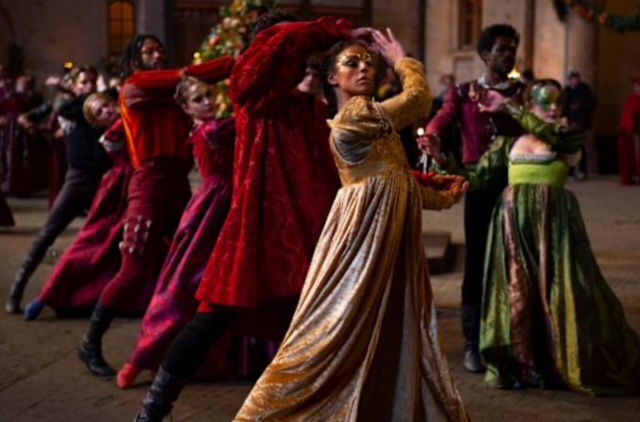
It’s always a phenomenal thrill to work with great people. Working on Titanic was exciting at the time. Same thing was true on Sully working with Clint Eastwood and Tom Hanks. You never really know how the movie will turn out in the box office; you’re just happy and grateful for the job. So, the answer would be no, I had no idea at the time. Now I look back and think, “WOW, how lucky was I to be a part of that!?!” I love period pieces. I was one of the first-class passengers on the Titanic. When the ship was sinking and we were scrambling to safety, we had to fall from the top deck down to the bottom deck, and then run back up to the top. (Over and over and over again. Jim Cameron did A LOT of rehearsals.) All the exterior shots were filmed at night, so working nights in Mexico with half of the stunt community plus a ton of European stunt people was definitely something to remember!
MT: You’ve worked on a lot of TV series. How is this on-set experience different than when you work on your typical studio feature film?
TV shows go at a much faster pace. The stunt coordinators who are running multiple TV shows might be working on an eight-day episode, but they are always prepping for the next one while shooting the current one. Constantly prepping and shooting at the same time feels more demanding. Feature films might have 100 shooting days plus a second unit, so the budgets are bigger, the crew is bigger and things just seem to take longer.
MT: Is there a type of stunt that you haven’t performed yet that you would love to work on?
Well, I just crossed one off my bucket list this year with a full body burn! In all my years, I’ve never done a ratchet, and I‘d like to do that someday. I would also love the opportunity to double Julia Louis Dreyfus (Veep) and Marcia Gay Harden (Code Black) in case anyone in production is reading this right now. And any job with Will Farrell would be fun.
Lisa is on FIRE performing a stunt:

MT: What makes a great stunt performer? What skills does he/she need?
Oh boy, another great question. For starters, athleticism, professionalism, tenacity, longevity and common sense. You have to have a “safety first” mind-set at all times. I think you need to be camera savvy these days too. It’s good to learn how to communicate with the camera man so your scenes go efficiently. You have to be prepared. Show up with the right gear. Show up on time, always. Pride yourself on being prompt. You also have to be a team player with a good moral compass and work ethic. You have to be disciplined. You have to train diligently and know your strengths and weaknesses. Never be afraid to speak up if you feel something is unsafe. I turned down a motorcycle job because I’m simply not qualified or comfortable with that. I knew SO many other talented stunt women who were better- suited and was happy to refer them. I just said “I’m not your girl” and then suggested about four experts my size who could do the job. Stunt coordinators expect and appreciate your honesty. Your reputation is everything. The last thing you want to do is take a job you can’t do and end up 1) hurt 2) embarrassing yourself, your boss, your boss’s boss (producer, director, etc.) and 3) end up wasting the production’s time and money!
Speaking of money, you also have to figure out how to budget without a steady income since stunt jobs are unpredictable. Stunt people have to have the skills necessary to manage their careers and all aspects of their marketing/networking efforts. Most important, this industry is all about collaboration. Every department plays a key role in production, the more you can do to understand what other people do and how it relates to the overall big picture can only help you. Watch and learn from the riggers. Be a good overall stunt person and not one who just specializes in one thing; be multi-talented with a mix of versatility, innovation, bravery and focus. Be able to take a punch and throw a punch and hit the ground. Have precise timing. Be “old-school” and help move pads. Be handy to have around. You have to be resourceful. You have to have excellent interpersonal skills to be able to easily relate to everyone on the set. Be punctual, show up early. If you want to transition to become a stunt coordinator or second unit director, set some short-term and long-term goals. Learn how to break down a script. Surround yourself with people you admire.
Everyone needs a mentor. As I get older, I feel it’s important to be a mentor to the new generation, and I hope they can learn from my experiences. Be willing to give advice if it’s asked for. You have to be able to take constructive criticism for any kind of professional growth. Stuntman Jon Epstein once told me “You’re gonna screw up at some point. How you handle it and what you learn from it is what is important.” My colleague Tom Ficke once asked me what I would have done differently when a stunt when awry. I had to really think and replay the entire day and take responsibility for my own safety. Keep a positive attitude when things are slow. Read trade journals. Do your homework. Learn radio etiquette. Know your craft; practice your craft. Be grateful and don’t ever complain. Be a good, kind person. Be reliable. Be dependable. Be safe.
MT: What film, besides the ones you’ve worked on, have you watched the most times in your life?
I loved A League of their Own and True Romance. When I met Suzanne Rampe and Joni Avery, stuntwomen in those movies respectively, I was in awe. Reservoir Dogs, Scarface, La Femme Nikita, My Cousin Vinny, A Fish Called Wanda, Rudy and old Buster Keaton films like The Great Train Robbery and The General are some of my other favorites. My daughter and I are big Will Farrell fans, so we’ve watched Talladega Nights, Dodge Ball, Step Brothers, Old School, and silly stuff like a million times. Shake and Bake, baby.
MT: Do you remember your first job? What stunt did you perform? Did you imagine that you’d still be working stunts 25+ years later?
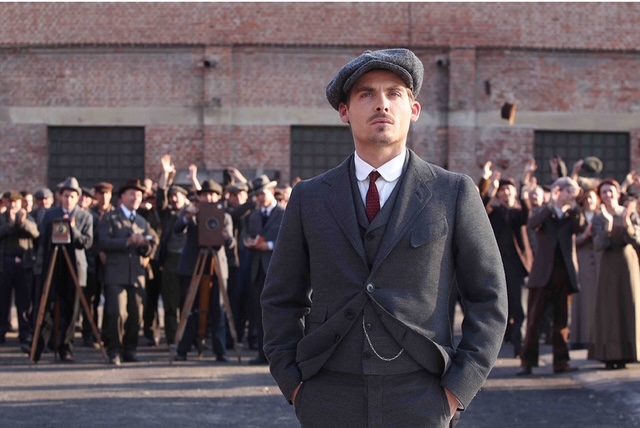
I was a stunt student protester in a movie called Strawberry Road in May of 1990. It was a big fight. I love a good riot/choreographed screen brawl. It was a 1960’s period piece and so fun to fight with the stunt cops. In November of 1990, I was Taft Hartley’d on an NBC Movie of the Week called Long Road Home with Mark Harmon. Stunt coordinator Rocky Capella sent me to wardrobe. I was so green, I didn’t know what was happening. I was given a long dress to try on and when it zipped it right up, Rocky said “Congratulations, the job is yours.” I was the “Rodeo Queen” the next day. I was in the rumble seat of a 1930 Model A Coupe in a parade scene, wearing a crown and a smile. I had prop flowers and waved at the crowd of extras when the riot breaks out. My driver slams on the brakes and I take a header out of the car. Fun! The producer didn’t want that scene in the movie but the director insisted because it was something he experienced and witnessed as a kid. In the end, the producer won and the whole scene got cut. I learned a big lesson: don’t tell everyone in your family to watch, just in case you end up on the editing room floor! Did I imagine at that time that I would be still be doing stunts now? Not at that time. It wasn’t until a few years later when I learned that it was a business. I got my SAG card in December 1990 and I thank my mom who paid for my dues as a Christmas present. I hope to never retire. I want to be the “Go-to-Grandma” like Sandy Gimple who is still rockin’ it in her 70’s!
MT: What’s the biggest high risk stunt you’ve performed to date?
I did a stunt that required me to cartwheel off a balcony and land feet first into boxes – I ended up in the ER with a broken tibia, fibula and ankle. I had three surgeries and that derailed my career for a while. I rehabbed like a pro athlete and feel bionic now. I am reinforced, realigned and will live with my titanium tibial rod forever. That was nine years ago, today. October 7.
MT: Where do you see the future of green-screen stunt performing in the motion pictures?
It’s inevitable. I like green screen. I hope stunt people will never be replaced by CGI, but it does serve a purpose to enhance things and make the audience believe. I did a stunt in Jurassic World where I fell down while being chased by a flying dinosaur. Of course, there was no dinosaur; they added it in later. On Sully, the scenes in New York were filmed on the Hudson, the real deal. But in L.A., the plane was on water in the back lot of Universal Studios with a huge blue screen. Visual effects did an amazing job matching the background and making it look like a cold January day in NY when it was really an 80-degree day in L.A. The editors are amazing people too and are brilliant at movie magic. The technology is incredible.
MT: Is the film industry still a boys club?
Things have gotten consistently better since I broke into the business. I have worked with some very talented female directors lately and have had the privilege to have worked with three female stunt coordinators in a row this year! I like hanging out with the boys; I’m just used to it. I never really thought about it much until you asked.
MT: Where did you grow up? How did you get into working in the film industry?
Every stunt person has a different story on how they got started. I love that. You could poll 100 stunt people and never get the same answer. I was born and raised in Campbell, California, about an hour south of San Francisco. I was a typical outdoorsy kid playing softball, climbing trees and beating up my little sister. I loved swimming. In the early 80s, I saw a behind-the-scenes story on TV about the movie Superman III. I remember the actress being interviewed and in the background there was another woman dressed in the same clothes getting ready to do a stunt. I think it was stuntwoman Wendy Leech. She went down a waterfall and then she got new dry clothes and got to do it again! I thought, “That’s what I want to do, I could do that!” I wasn’t interested in acting or dialogue; I wanted the action. I felt a calling. But when you don’t grow up in Hollywood, you don’t know that it’s a business.
So a little background: my dad was the athletic director and football coach at my high school. I owe all my athletic ability to him. I played softball and soccer and was on the gymnastics and swim teams. I was a cheerleader. I was the smallest one on the squad which meant I got to back-flip dismount off the top of the pyramid. I went to California State University, Chico and graduated with a BA in instructional technology/information and communication studies with a minor in management. I worked at the intramural sports department as a lifeguard and aerobics instructor and I supervised the weight room. I was hired to teach aerobics to the men’s varsity basketball team for pre-season conditioning in the fall and the rugby team in the spring. I’ve always been around a bunch of guys. I’m used to the testosterone. I took a “Bio-flight” trampoline class and realized I liked flipping and flying and was comfortable being upside down. I learned body control. I liked having a job that required me to be and stay in shape. All of this was helping me into a stunt career but I didn’t know it at the time. Looking back these were all steps in a ladder.
One day I was hit by a car on my way to school. I was on my bike and saw it coming. The driver didn’t see me. I had a second to react, so I pushed off my pedals, ditched my bike, jumped and rolled off the hood of his car and onto the ground. My bike got ran over and was totaled, but surprisingly I was OK and made it to class. I knew then I had pretty good instincts and thought to myself, “I should get paid for this!”
Prior to graduation I did a summer internship at Arthur Andersen & Co in Illinois (at the time it was one of the ‘Big Eight’ accounting firms.) I worked in the tax department writing instructional manuals for their Center for Professional Education. That summer I got on the company’s softball team and ran on the track team and made a bunch of friends. I was offered a full-time position in the accounting and audit division after graduation and started right away since the softball season was about to begin and I was their starting pitcher. I was also brainwashed by my parents to get a “real job.” I lasted two years in Chicago. It was freezing. I was a California girl and getting restless with the corporate life. One day I read in the Chicago Tribune about a Mid-west stunt school. I cut out the newspaper article and started a file. Someday, I thought. I didn’t have time to pursue it with my 8-5 job, but it was always in the back of my mind.
So I put the cart before the horse, quit my job and left my steady income and moved back to San Francisco without having another job lined up. As I was soul searching and trying to figure out what I wanted to be when I grew up, “professional stuntwoman” was on the list. I researched the Screen Actors Guild and called the Film Commission office. A friend of a friend of a friend knew somebody so I called her. I spoke with stunt woman Diane Peterson who told me to call Rocky Capella. Everyone I spoke with kept pointing me in the direction of Rocky and the Bay Area Stunt Association. So I called him. I told him I was an athlete, that I didn’t have any experience with weapons or acting, but wanted to explore this idea. We talked for 45 minutes. I immediately liked him. He invited me to train with him and other members from the Bay Area stunt group. I am forever grateful to Rocky, Mike, Kevin, Johnny, Tim, Robin, Paul and Dan for decades of friendship. We’ve all grown up together. They are my stunt family. On a side note, I have a special shout out to my favorite Uncle Bill who supported my decision to pursue a new career and promised not to tell my mom. I kept this career move a secret for a while because I was giving up a decent salary at a worldwide accounting firm to try something completely new and totally different!
Meanwhile, I had to eat and support myself so I worked as an independent contractor for Chevron USA in their corporate health and fitness department. I was still doing instructional design and training, but this time I enjoyed the health and fitness subject matter better than tax and accounting. After that, I got a job as a program director at the American Heart Association, then was promoted to be the associate director of cardiovascular education and community programs, all the while training three days a week, practicing my fights, falls and vehicle work with the stunt guys. I’ve worked with a wide range of people from various cultures, ages and personalities my whole life. I think that helps with any job.
The day came when Rocky called and asked if I was available. I said, “For what?” and he replied, “For work.” Duh. And so it began. I worked a day of background stunts on Strawberry Road and got paid! Then with a job on Long Road Home, it just kept getting better and better and more exciting. I doubled two actresses on the soap opera Santa Barbara and joined AFTRA in 1991.
I worked when the phone rang (or beeper went off back then) when shows came to town and I kept my day job. I negotiated time off and took my vacation days when I got a call to work on a movie. I was just lucky to be at the right place at the right time. In 1992 I met David, Annie and Papa Ellis, RA Rondell and more fabulous stunt people from LA on Made in America. While chatting with this nice man at craft service, I mentioned my weekend plans of a sprint triathlon and he replied, “You swim?” I told him I grew up a competitive swimmer and I was a lifeguard in college and recently was Scuba certified etc, etc. not knowing this nice man was Greg Barnett and he ran a little show called Baywatch!
So, as fate would have it, I got laid off from my day job at the American Heart Association. The entire program department was let go. It was a sign! Most people were devastated but I knew it was an opportunity to make a move. So I did. I packed up and moved to L.A. in May of 1995 with my resume. By this time I had almost six years of experience and felt ready. I called every person who said, “Be sure to call” and it worked. I was at Joni’s stunt service one day joining when Joel Kramer phoned in. I asked if I could say hello and re-introduced myself since it had been years since we worked together on The Rock in SF. He asked for my social security number (which I thought was very odd) and if I was available to work on a movie he was doing called Heat. I will never forget May 15, 1995 in downtown LA seeing Al Pacino, Robert DeNiro and Val Kilmer! On that job, I met two amazing stunt women who I call friends, Jeanne Epper and Eliza Coleman. My decision to move had never been more validated.
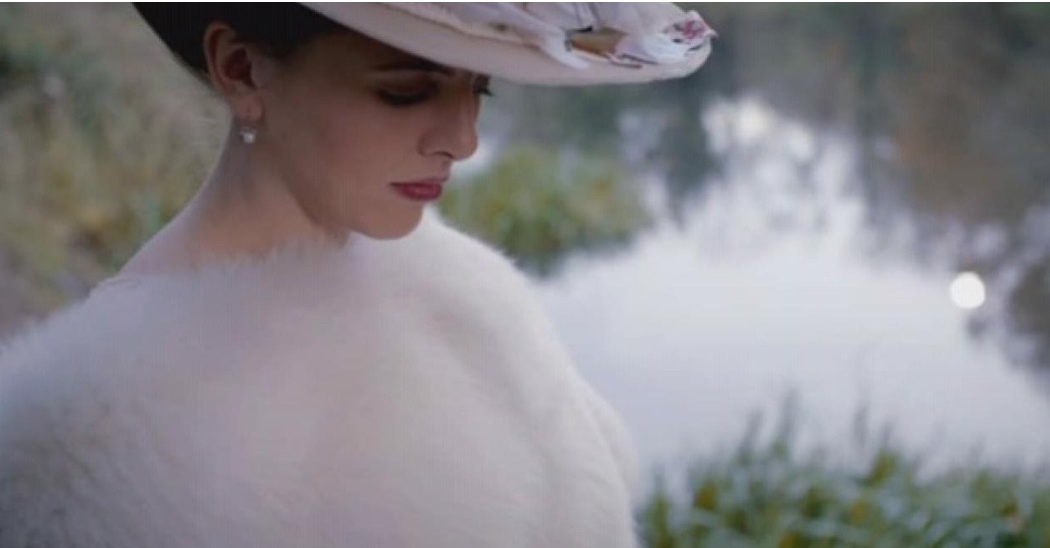
Another great stunt coordinator, Jeff Dashnaw, whom I also met on Jade told me to “hustle” Greg Barnett, that nice guy I met on Made in America back in 1992! I could not believe that I was supposed to show up unannounced, without an appointment, to visit someone at work, but quickly learned that was the hustling was the norm when you are just starting out (but after 9/11, it was much harder to sashay on to the set, especially at the studios). Greg remembered me and had me I double a guest star on his show. I had to run, trip and fall off the dock and into the water. I had to play unconscious while he rescued me. So fun! It was one take and I was done by 8 a.m.! Then Greg called me back to double a series regular, Yasmine Bleeth! I really didn’t get it till much later that the show was so popular. I worked a few seasons doubling Yasmine, and then again on a movie of the week called The Lake as her stunt double/evil twin and then on another series Nash Bridges, in my home-town of San Francisco. I was able to buy my first house in Santa Monica and realized L.A. would be my home.
So it kind of snowballed. Training with Rocky in the Bay Area, meeting amazing people in the L.A. stunt community, being at the right place at the right time – it’s all landed me here today. I’ve had the same commercial agent since 1998. I like to act if there’s some comedy or action involved. I can deliver a few lines when needed. Today I’m a busy mom with my SAG eligible daughter who enjoys acting and thinks I’m cool (sometimes). Things have evolved. I’m not doubling teens anymore and have moved on to the Baby Boomers and I love it! It was a great day when I could check the “over 40” box at auditions. My agent commended me for my attitude and said I had just eliminated half of the competition. I am no longer a size 2, been there, done that! For awhile I thought if I went up a size or two it would be considered a felony, but I’ve embraced it at my age and at this stage. I am healthy and happy, especially when the phone rings.

In conclusion, I am most grateful to everyone who has helped me along the way!
Thank you for the opportunity to share this, it’s been fun!
***
Interviewer Matthew Toffolo is currently the CEO of the WILDsound FEEDBACK Film & Writing Festival. The festival that showcases 10-20 screenplay and story readings performed by professional actors every month. And the FEEDBACK DAILY Fesival held online, and in downtown Toronto on the last Thursday of every single month. Go to http://www.wildsound.ca for more information and to submit your work to the festival.