+61 040-217-9214 As Luna sees…, 5min, Australia Directed by Zi Yin Each individual will fills in their own way to fill the void created by death. I try to use the form of animation to tell the story of a girl saying her final goodbye to her kitten. With joy as a passing scene, smiling and waving goodbye.
604-771-8314 Stakaya, 12min., Canada Directed by Bruce Crawford, Malcolm Sparrow-Crawford In the heart of a corrupt city, David, a young Indigenous man trapped in the criminal underworld, encounters Raven, a mystical guide who awakens his inner strength and leads him on a transformative journey to become Stakaya, the wolf. With newfound power, Stakaya must navigate world of mystical beings, balancing the fight against corruption with the threat from those who seek to exploit their abilities.
Alan Heim is an Oscar & Emmy winning editor. Many will say that he’s one of the greatest editors in the history of cinema. All you need to do it watch “Network” (1976), and “All that Jazz” (1979) to see the uniqueness of his talent. If you haven’t seen those films I highly suggest you do because they are timeless in their themes and character studies. It was an honor to chat with Alan about his career. A career that’s still going strong at 80 years of age.
Matthew Toffolo: In recent years you’ve worked with director Nick Cassavetes in collaboration (The Notebook, My Sister’s Keeper, The Other Woman, Alpha Dog). How did you first meet? What makes your working relationship so strong?
Alan Heim: I believe Dede Allen (Editor: The Hustler, Bonnie & Clyde) suggested I cut “The Notebook” and Nick and I have gotten along together very well since. He likes my honesty in assessing the material and I love his rather rebel ways.
MT: You won the Oscar for the amazing “All That Jazz”. A film that still holds up today. How were your experiences working on that film? How did it feel when you went up to accept your Academy Award?
AH: All That Jazz was wonderful to work on because the material was so unusual and Fosse and I had a wonderful collaboration. Every day was a challenge and filled with discovery. Bob had written many of the structural things we had found in the cutting room on ‘Lenny’ into the script of “Jazz” but we discovered that we still had to struggle with certain areas to make the film work as planned.
As far as the Oscar, I was thrilled, as any winner should be. I even forgot to kiss my wife when they called my name. It was also very rewarding to share the stage with so many of my coworkers on the film.
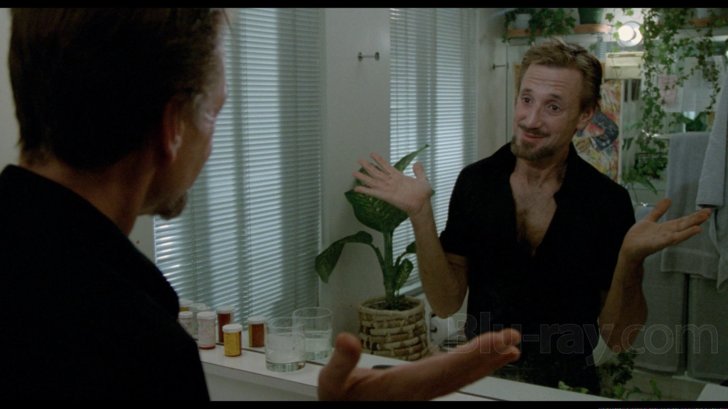
PHOTO: All that Jazz starring Roy Scheider:
MT: What is the key to editing a musical?
AH: The key to editing a musical is to always keep an eye on the story and always try to make the audience follow the flow of the dance. A good script keeps the musical numbers integrated into the structure of the film.
MT: You also worked with Bob Fosse on “Lenny”. How was your working relationship with the iconic musical Choreographer/Movie Director? “Lenny” also appears in “All that Jazz” too! It’s almost like you edited “Lenny” twice!
AH: Bob and I worked together well because we both wanted the very best we could get out of the film. I love working with directors who won’t settle and always want to reach for perfection. I feel the same way about Nick Casavettes.
As far as editing “Lenny” twice….I always like my films to be an adventure of discovery and I’ve been pretty lucky this far.
MT: The film “Network” is a masterpiece that really was ahead of its time. It’s a film with themes and settings that still ring true to today’s world and situations. What are you feelings and memories working on the film as it approaches its 40th anniversary?
AH: “Network” has always been one of my favorites. Paddy Chayefsky was a brilliant, prescient polemicist and wrote a near flawless script, beautifully acted and directed perfectly by Sydney Lumet. What more could an editor want? Except for some unfortunate clothing choices and sideburns, the film can be released today with great pride and timeliness.
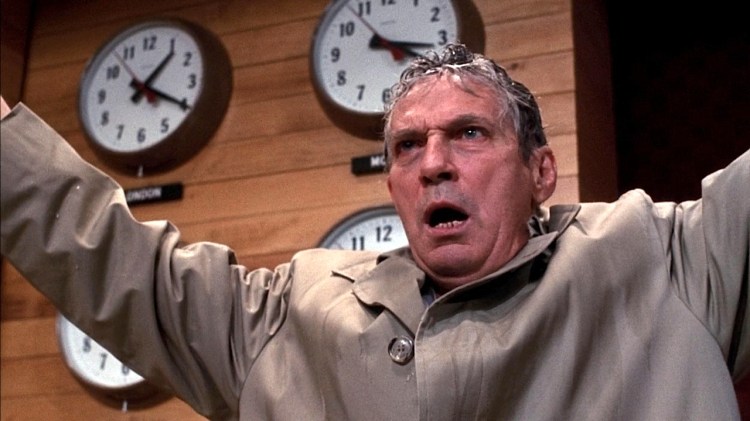
PHOTO: Peter Finch is “Mad as Hell” in Network:
MT: You also edited (and won the Emmy for) the landmark TV mini-series “Holocaust”, which premiered in 1978. It stars a young Meryl Streep and James Woods. Were you aware when editing this series how important it was going to be for the education of many people watching?
AH: I only worked on one of the four episodes and I had to re-edit it. It was the first time I ever “doctored” a film and basically put it back in dailies form and totally recut it. It was very meaningful for me and I’m happy for whatever it has done to retain the Holocaust in people’s memories.
MT: What is an editor looking for in their director? What is a director looking for in their editor?
AH: I think the answer is the same to both questions. Editors and directors should both try to find a person that they can spend a LOT of time with in close quarters working to get a vision on the screen. One hopes for it to be the same vision or herd will be a lot of tension in those close quarters.
MT: Is there a type of film that you would love to edit that you haven’t edited yet?
AH: I’m very happy to have worked on the type of film I’ve worked on, mostly films with emotional reality on a fairly small scale. Few fights and those mostly with fists, not lasers.
MT: What film, besides the ones you’ve worked on, have you seen the most times in your life?
AH: Probably “Citizen Kane”, “Casablanca” and lots of older comedies.
MT: What suggestions would you have for people in high school and university who would like to get into the industry as an editor?
AH: If you really are devoted to becoming an editor try to hang around cutting rooms, look at lots of movies and practice cutting wherever you can.
Don’t neglect reading, listening to all kinds of music, seeing plays and art shows and generally opening your mind to all things cultural. It all helps when you’re trying to tell a story and that’s what editing is all about..
_____
Interviewer Matthew Toffolo is currently the CEO of the WILDsound FEEDBACK Film & Writing Festival. The festival that showcases 20-20 screenplay and story readings performed by professional actors every month. And the FEEDBACK DAILY Festival held in downtown Toronto and online daily. Go to www.wildsound.ca for more information and to submit your work to the festival.
FLÜGGE, 25min., Germany Directed by Leopold Schraudolph, Dani Rose Cortés In an Austrian mountain village in 1914, the determined Amelie (20) must defy her father’s wishes of running the family sewing business to pursue her own dreams of flight and seize her only chance at finding true freedom.
Get to know filmmaker Finn-Oliver Walter
The motivation behind “FLÜGGE” came from a deep-seated fascination with aviation and a desire to highlight the largely untold stories of female pioneers in early aviation. Growing up with a pilot father, Leopold’s (Writer, Director, Producer) bedtime stories were filled with epic adventures of heroic aviators. However, Amelia Earhart was the only female aviator represented in these stories. This realization inspired him to explore and celebrate the rich yet vastly underrepresented legacy of women aviators. Through Amelie’s journey – a fictional tale inspired by real-life trailblazers – we aim to shed light on their incredible contributions and the timeless themes of dreams, freedom, and emancipation.
Spiritual and religious stories are narratives that convey spiritual and religious themes, and can be found in sacred texts, oral traditions, and personal experiences.
3 options to submit: 1st chapter. full novel. performance reading.
This festival has a guaranteed 4-tier set up for each accepted script. (No matter what, all screenplays submitted receive FULL FEEDBACK on their work.) 1) Full Feedback on your script 2) Actors performance video reading of your script 3) Blog interview promotion. 4) Podcast interview on the Film Festival ITunes show
Submit your DRAMA Short Story to the festival here, and we will automatically have it performed by a professional actor and turned into a promotional video for yourself.
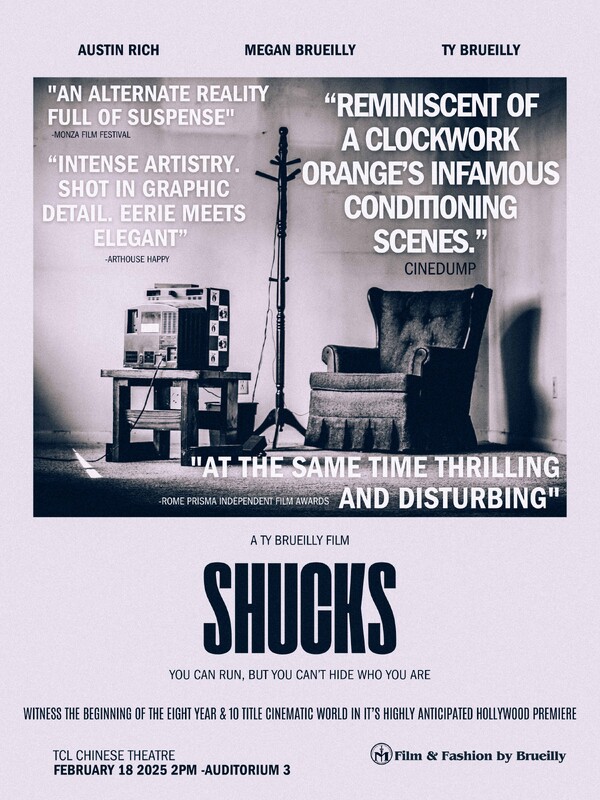
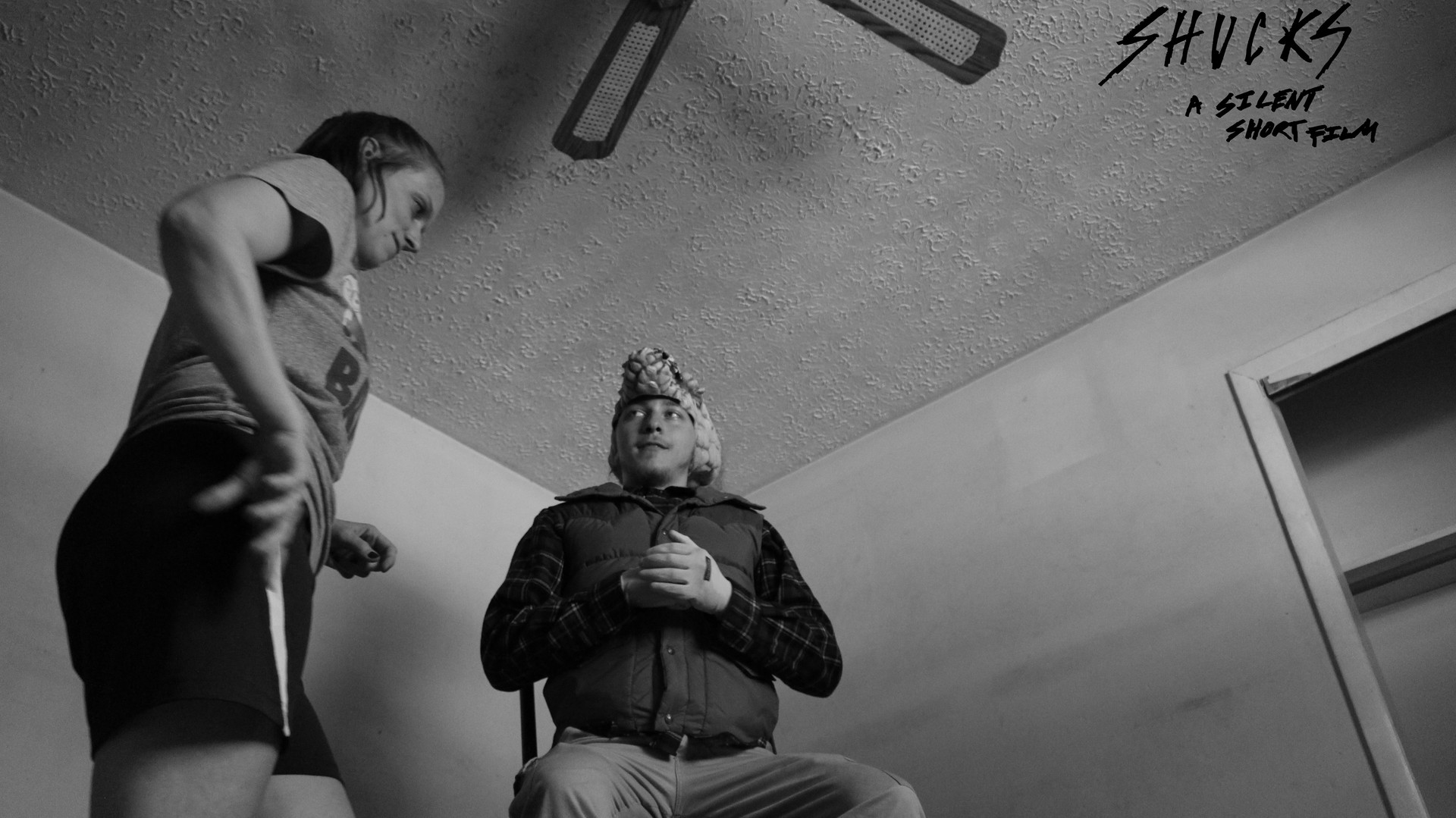
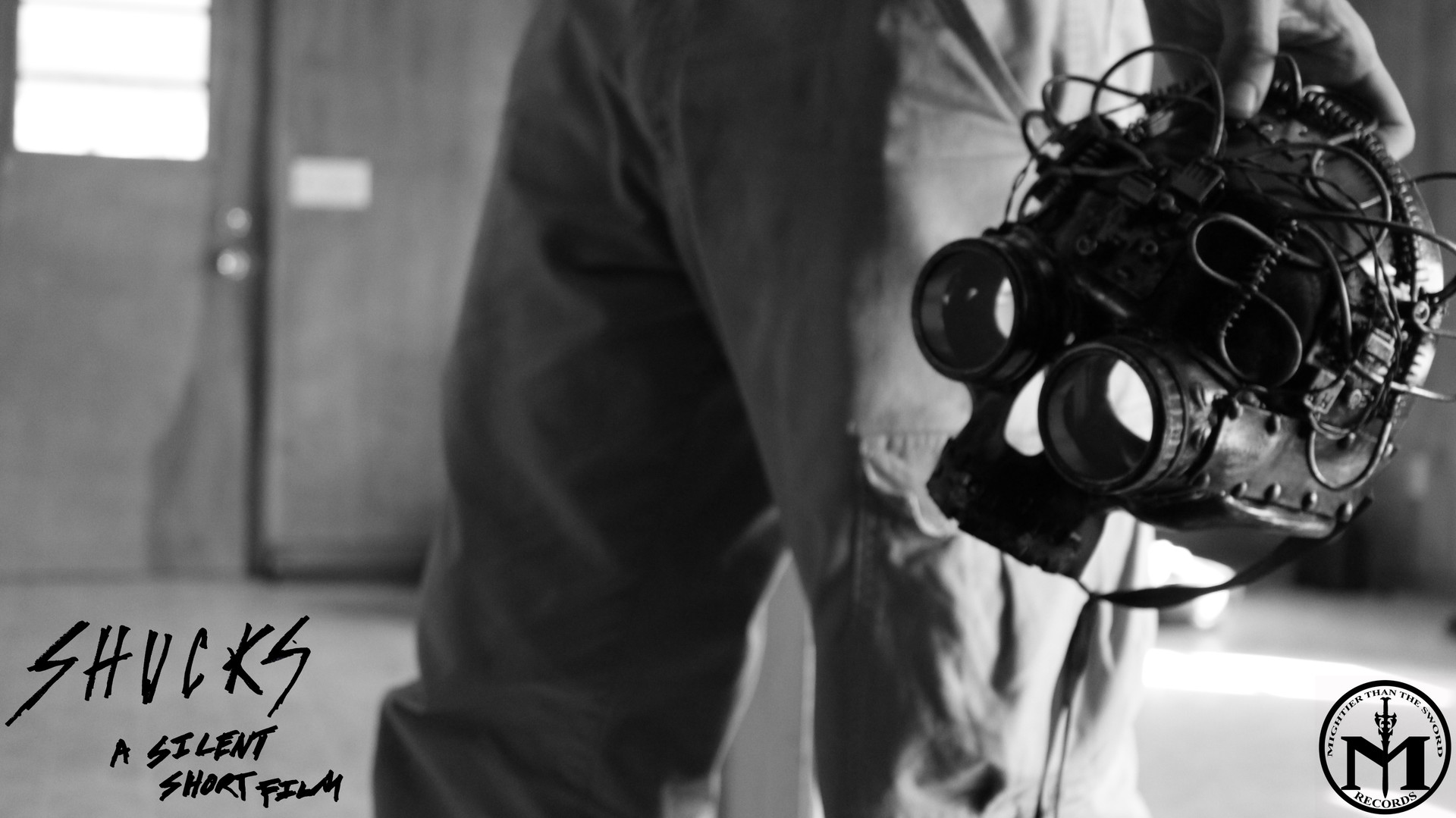
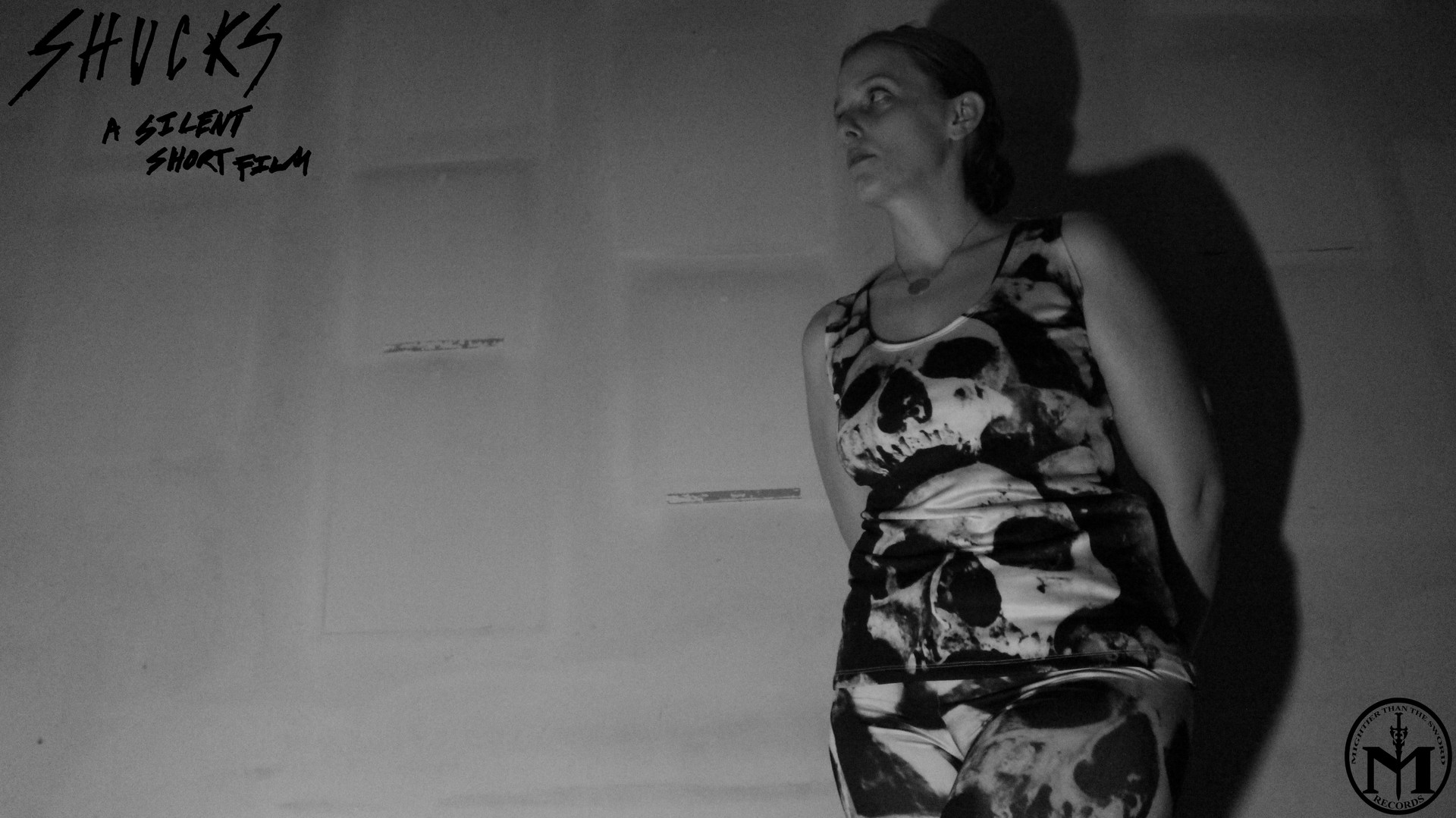
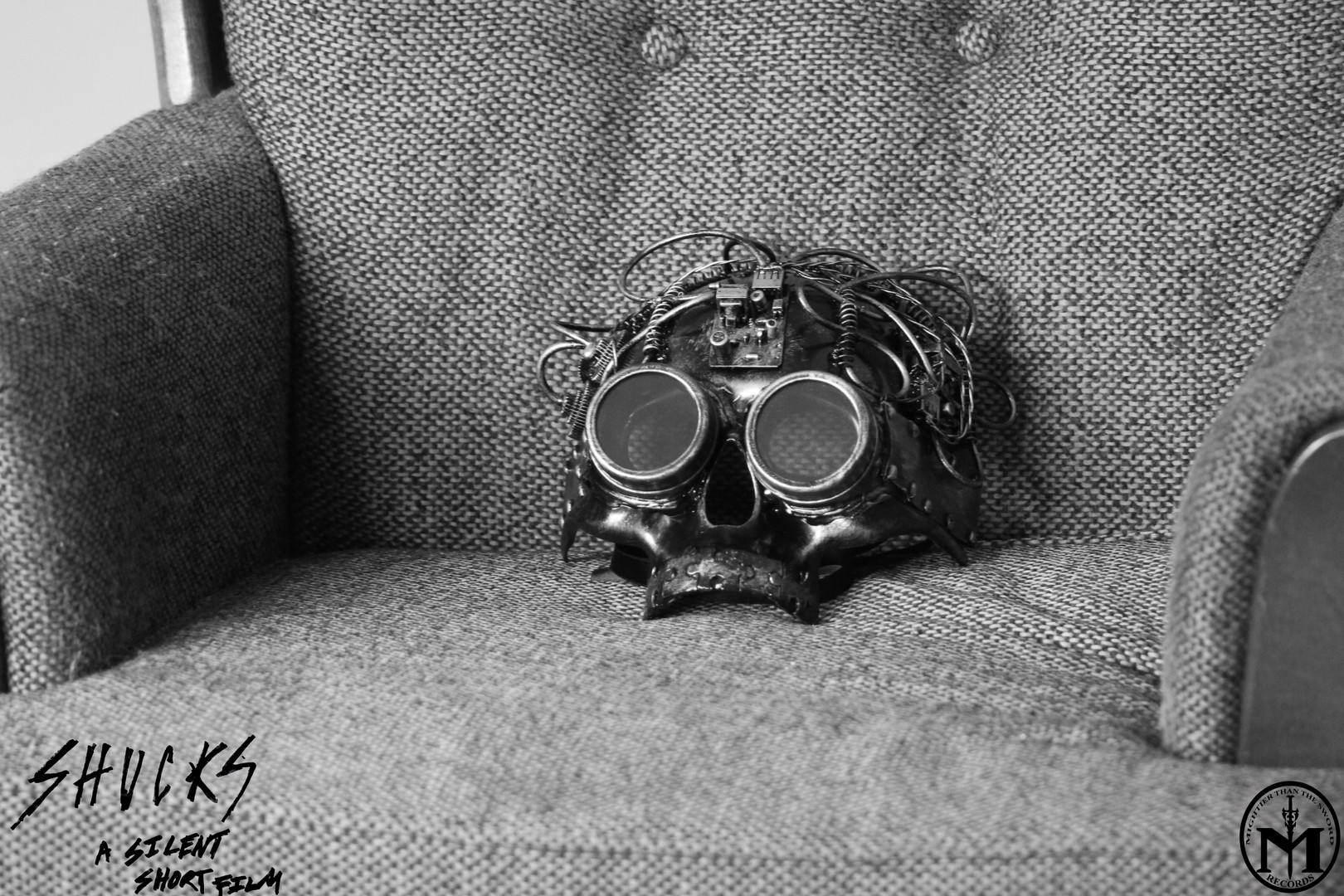
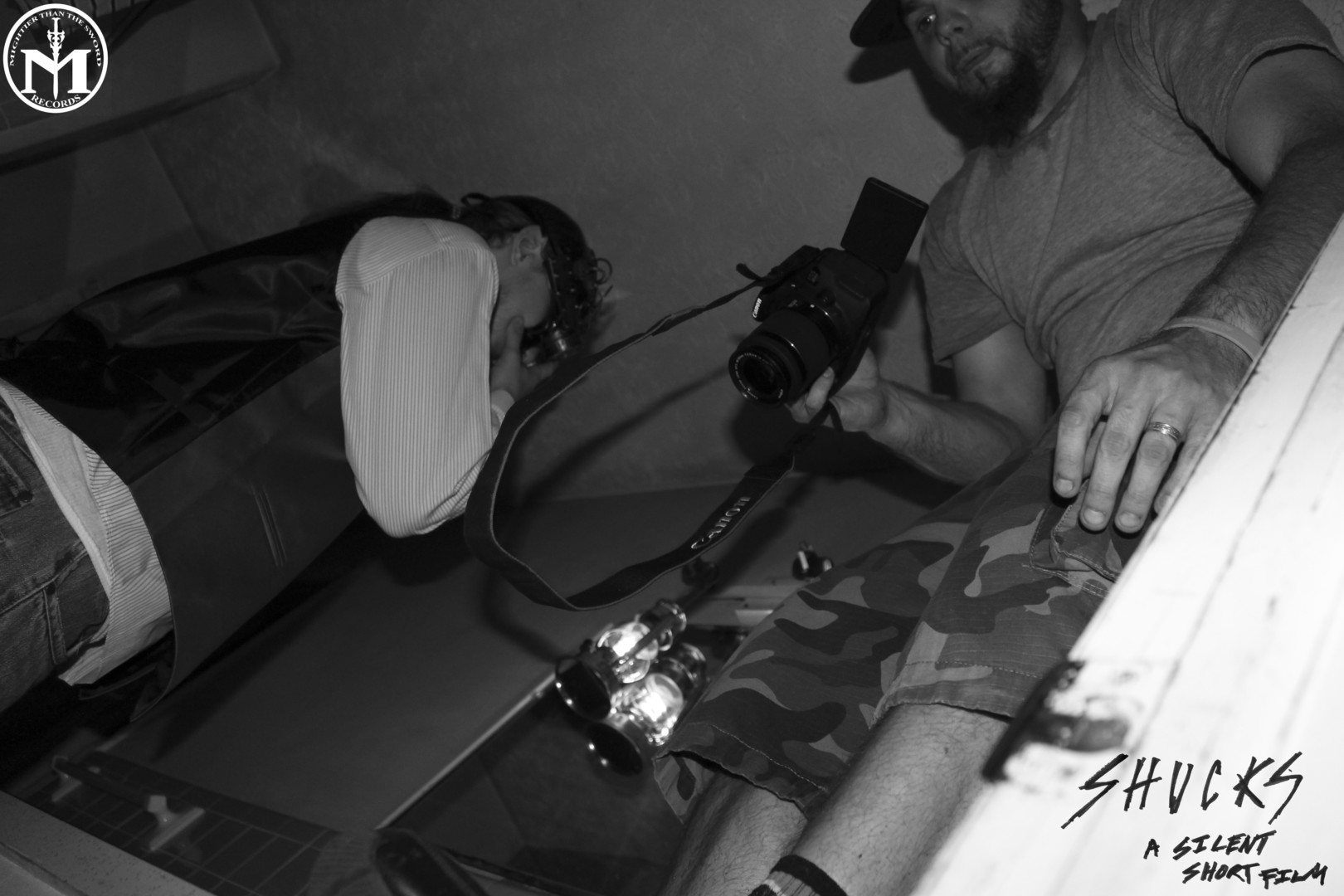
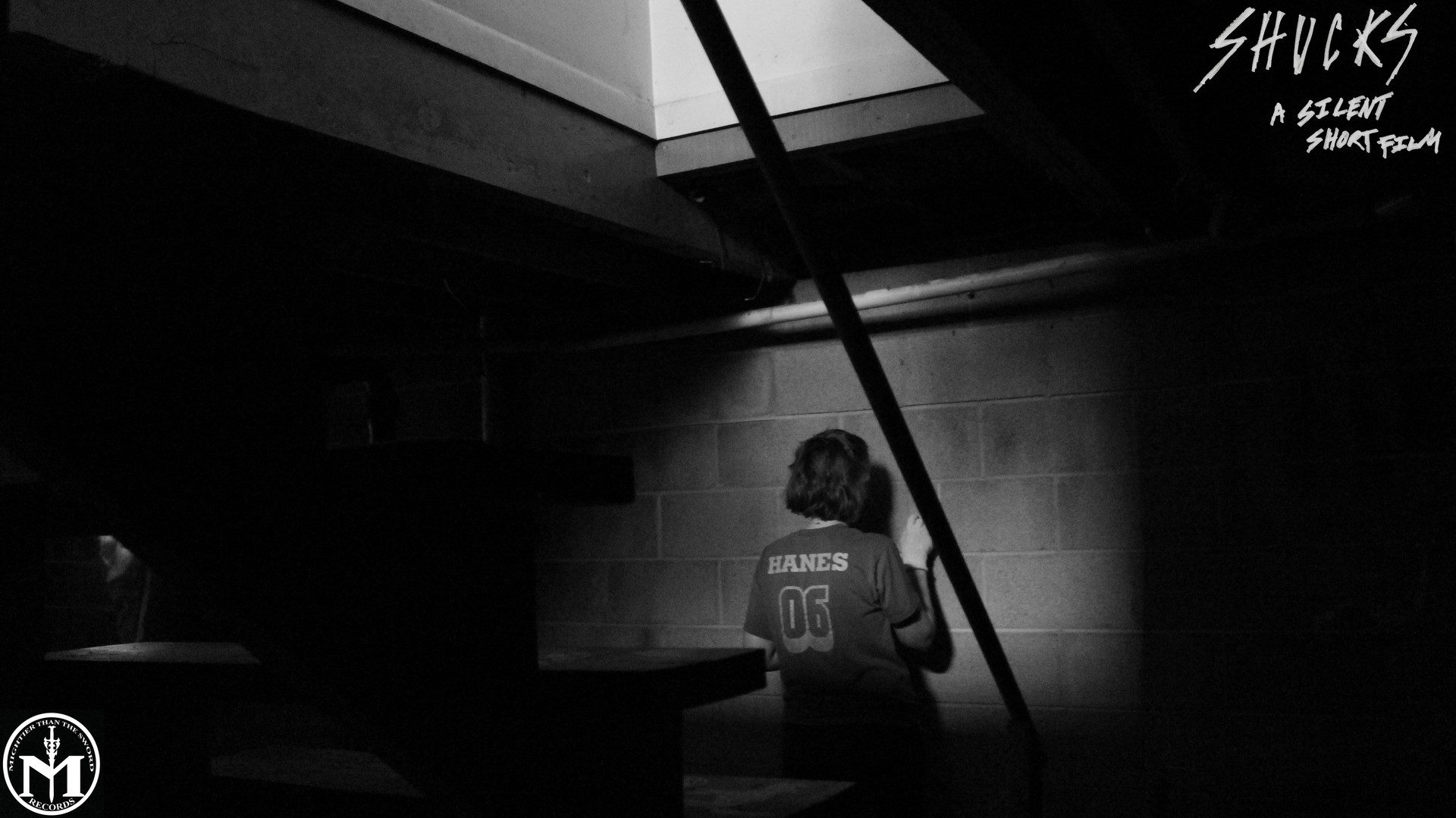
Shucks, 50min,. USA Directed by Ty Brueilly A slow burning and silent eerie tale about escaping followed by personal transformations, addiction, programed human nature and the primal urges of evolved creature comforts through a macabre metaphorical manufacturing process. Written, Directed and Scored by Ty Bru. Starring Austin Rich.
Shucks, 50min,. USA Directed by Ty Brueilly A slow burning and silent eerie tale about escaping followed by personal transformations, addiction, programed human nature and the primal urges of evolved creature comforts through a macabre metaphorical manufacturing process. Written, Directed and Scored by Ty Bru. Starring Austin Rich.
What fun it was to sit down with the extraordinarily talented artist Chris Paluszek. In many ways his career is just getting started as he’ll be helping create all of the upcoming LEGO Movies in the next few years.
Enjoy!
Matthew Toffolo: What job has been your most valuable experience so far?
Chris Paluszek: I think the first film I ever worked on, “The LEGO Movie.” The crew was relatively small and I had a lot of opportunity to work with really smart, talented people who were very patient and answered a lot of questions I had about storyboarding, storytelling, and the film industry.
MT: How is the LEGO MOVIE experience? It seems to be a franchise in the making and you’re on board for the creative experience.
CP: The first LEGO film was a bit of an outlier. The franchise hadn’t been established, so there weren’t many boundaries on what we could or couldn’t do. So, we had a ton of fun trying lots of crazy ideas that you just don’t usually have the freedom to try on other films. Definitely a highlight of my career.
MT: Is there a type of film that you haven’t worked on yet that you would love to work on?
CP: I would love to work on a short film, like the Pixar shorts that precede an animated feature. Small, self-contained narratives like that are great opportunities for artists to push themselves and experiment.
MT: What is the typical job storyboarding animation movies?
CP: It can depend, but usually there’s a working script that is constantly evolving in conversations between the writer and the director, and a story artist “boards out” a scene from the latest draft. The story artist draws whatever the scene calls for, whether it’s a high speed car chase, or two characters talking in a coffee shop. Whatever case, it’s up to the storyboard artist to depict the action and decide on what shot language best tells the story.
MT: What’s the general working relationship and process between a storyboard artist and the director?
CP: The director has a vision for their movie, and as a story artist you’re there to support that vision. When you’re given an assignment you meet with the director, who lays out how they imagine the scene. You ask lots of questions and at the end of the meeting you should hopefully have a clear idea of what the director wants to see. Within that framework, you can bring some of yourself into the scene, whether it’s acting choices, or maybe a really cool composition that frames the action, or even a small comedic beat (if it suits the tone of the scene).
MT: What film, besides the ones you’ve working on, have you watched the most times in your life?
CP: I’m always awed by Hayao Miyazaki’s “Kiki’s Delivery Service.” It’s fantastical, yet down to earth. It’s lighthearted and also deeply emotional. Everytime I watch it I see something new.
MT: Do you have a storyboard mentor?
CP: My first story position was an internship on a TV show, and the Story Lead for that crew really helped me out. He was patient and helped me with the basics, like maintaining shot continuity as you “cut” (draw a new shot) around the action.
MT: Where do you see the future of storyboards in the motion pictures?
CP: Most story jobs are within a tight crew of artists that work intimately with the director, so they can nimbly address major story changes in time for deadlines. However, some studios have made whole films by sending work out to freelancers, working from home. While I can’t say I love my commute, working alongside incredible talent has been the chief way I’ve improved as an artist and storyteller.
MT: Where did you grow up? How did you get into working in the film industry?
CP: I grew up in Virginia, and always loved art as a way of telling stories. I went to school for animation, and moved out to Los Angeles thinking I could be an animator. Unfortunately my animation skills weren’t very good! But I was lucky to bump into someone at the right time, who took a chance and offered me a production internship at a small TV animation studio. While there I crossed paths with the Storyboard department, who were looking for extra help. I was able to become a full-time Story intern, which eventually led to an official job as a Story Artist! It was a strange path, threaded with a lot of luck and kindness.