Interview with Filmmaker Tom Michaels (COME THE NIGHTFALL)

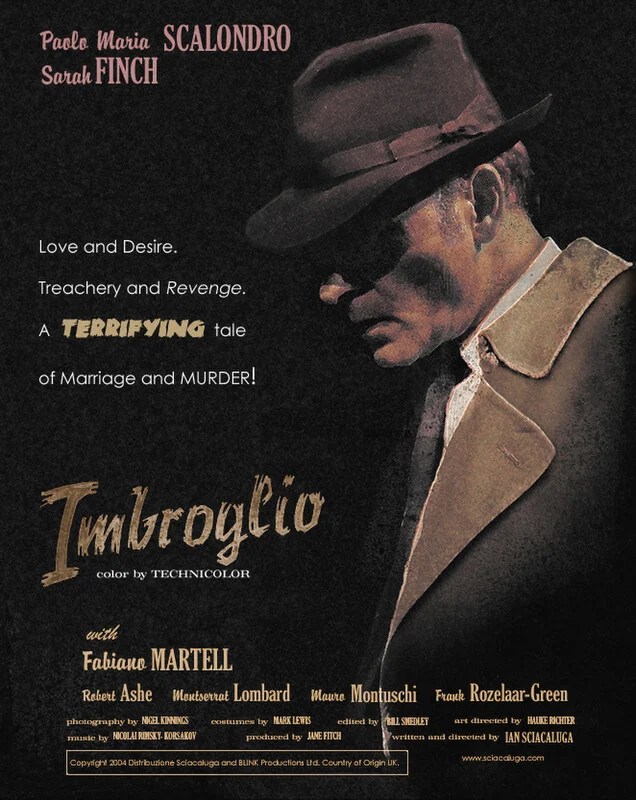
Come the Nightfall, 23min., USA
Directed by Tom Michaels
A wealthy licentious offers a lift to a beautiful femme fatale in the middle of a deserted road with a shocking aftermath.

http://www.orzelfilms.com/

Get to know the filmmaker:

1. What motivated you to make this film?

Prior to Come the Nightfall, I made two other short films and I wasn’t quite satisfied with the results, so I pondered for some time whether I should jump straight to Independent features or make one more short film. After some internal deliberation I decided to make one more short. I quickly came up with a fairly solid storyline and as they say the rest is history.

2. From the idea to the finished product, how long did it take for you to make this film?

From start to finish which included post production as well, it took 6 month give or take.

3. How would you describe your film in two words!?

Old School

4. What was the biggest obstacle you faced in completing this film?

The biggest obstacle was time as we were shooting all night into the morning, so time was of the essence. Also I do have to mention needing the exact locations for our project, particularly the main residence of the story proved a bit challenging, but in the end it all worked out.

5. What were your initial reactions when watching the audience talking about your film in the feedback video?

Well one is always nervous prior to certain situations like this. I always hope and pray, my film is enjoyed by audiences and as luck would have it, Come the Nightfall was well received by the audience.

6. When did you realize that you wanted to make films?

I’ve always wanted to be an actor first and foremost but I remember being in acting school and listening to the other students vent their frustration out on how they were constantly auditioning and not getting anything. The same time, I was already mapping my future out. I said to myself, ” You know Tom, it’s best to learn the other side of the business, because it can increase your chances of success.” After I graduated from acting school. I did some minor work and that’s when I applied for Film School and was eventually accepted into the USC Cinematic Arts Program. That was a big wake up call for me.

7. What film have you seen the most in your life?

This is such a tough question. Well I would say this, my favorite film of all time is North by Northwest. I really enjoy this movie. I can’t begin to tell you how many times I’ve watched it, but it’s been quite a lot.

8. What other elements of the festival experience can we and other festivals implement to satisfy you and help you further your filmmaking career?

I haven’t given this much thought. I think what you guys are doing is wonderful. providing us filmmakers with video audience feedback. I think that it is very valuable to a filmmaker where they can sit and listen to a paying audience member speak of your work. With that being said, film festivals around the world operate differently from one another with their own set of rules. Some I disagree with and some I don’t.

9. You submitted to the festival via FilmFreeway. How has your experiences been working on the festival platform site?

So far the platform has worked flawlessly for me.

10. What is your favorite meal?

I am usually a very clean eater but once a while I have a cheat meal and my favorite cheat meal would be Pizza.

11. What is next for you? A new film?

At my production company website www.orzelfilms.com , we have numerous film TV shows in the works. Currently in pre-production for two films in which I will be directing and starring next year. They are Independent features. We are going theatrical.

Interview with Filmmaker Amandine Garrido (CORPS LIQUIDE)

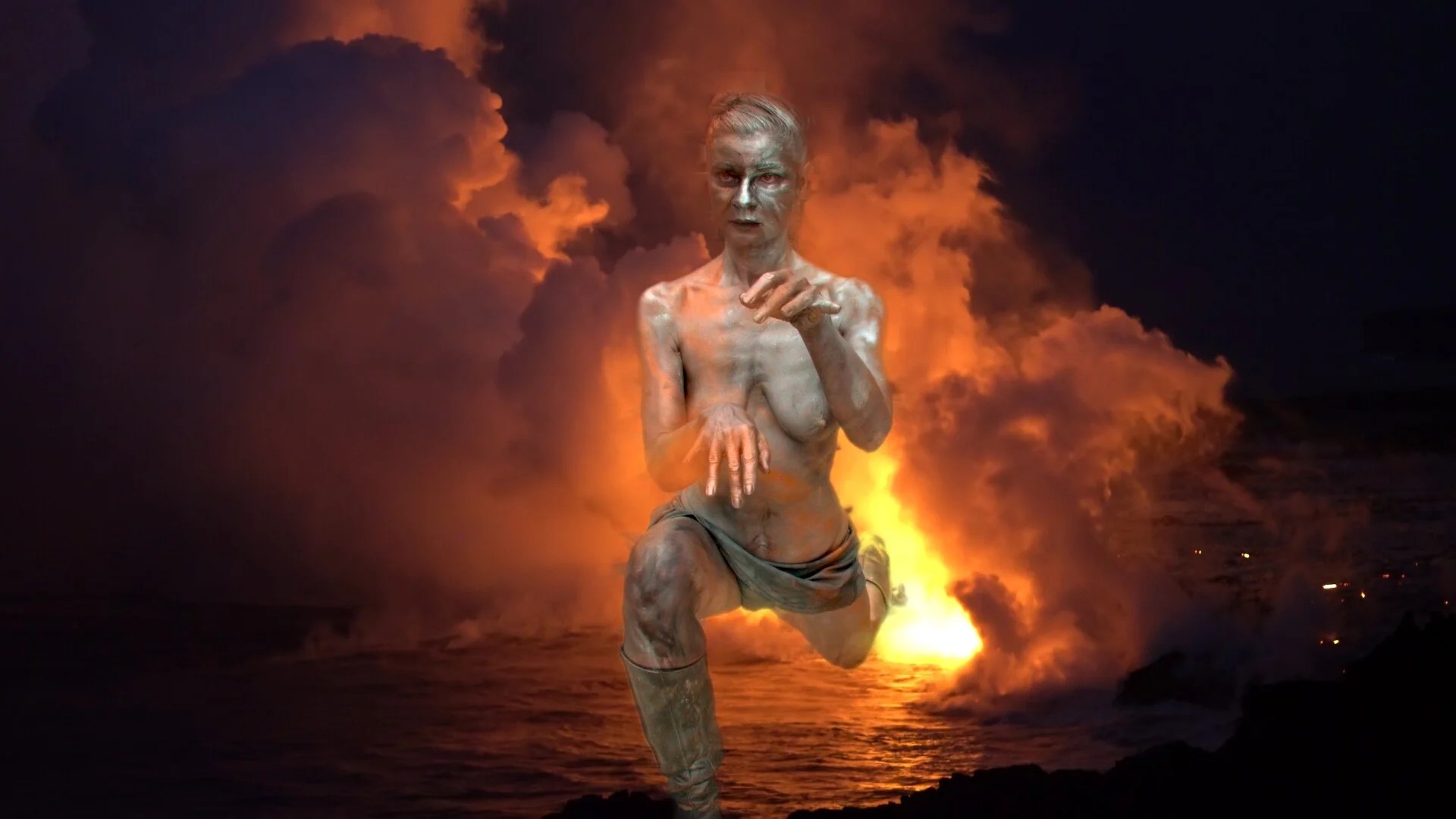
Liquid Bodies is a sensory and immersive dance film that explores the vital connection between humans and water. Carried by the dance of a contemporary performer, the film evokes the major stages of existence — from gestation to metamorphosis — in resonance with the different phases of the water cycle: liquid, vapor, rain. Filmed in dreamlike aquatic environments, this poetic work merges movement and cinema to reveal the beauty, power, fragility, and constant presence of water in our bodies and lives. An intimate, universal of life in motion.

Project Links

1. What motivated you to make this film?

 Through this film, I wanted above all to create a work that honors the presence of water in our lives, both within our bodies and on our planet.

2. From the idea to the finished product, how long did it take for you to make this film?

        3 years 

3. How would you describe your film in two words!?

    Liquid Beauty

4. What was the biggest obstacle you faced in completing this film?

         Dancing Underwater

5. There are 5 stages of the filmmaking process: Development. Pre-Production. Production. Post-Production. Distribution.

What is your favorite stage of the filmmaking process?     PRODUCTION6. When did you realize that you wanted to make films?   

Since the first time I worked on a film, I realized that I love cinema.

7. What film have you seen the most times in your life?    La Tresse

8. In a perfect world: Who would you like to work with/collaborate with on a film?   Chantal Caron

9. You submitted to the festival via FilmFreeway. How has your experiences been working on the festival platform site?  Very good experience 

10. What is your favorite meal?   Fruits 

11. What is next for you? A new film?  A lot of dancing projets comming soon

Interview with Filmmaker Viola Mai (COME AS YOU ARE)

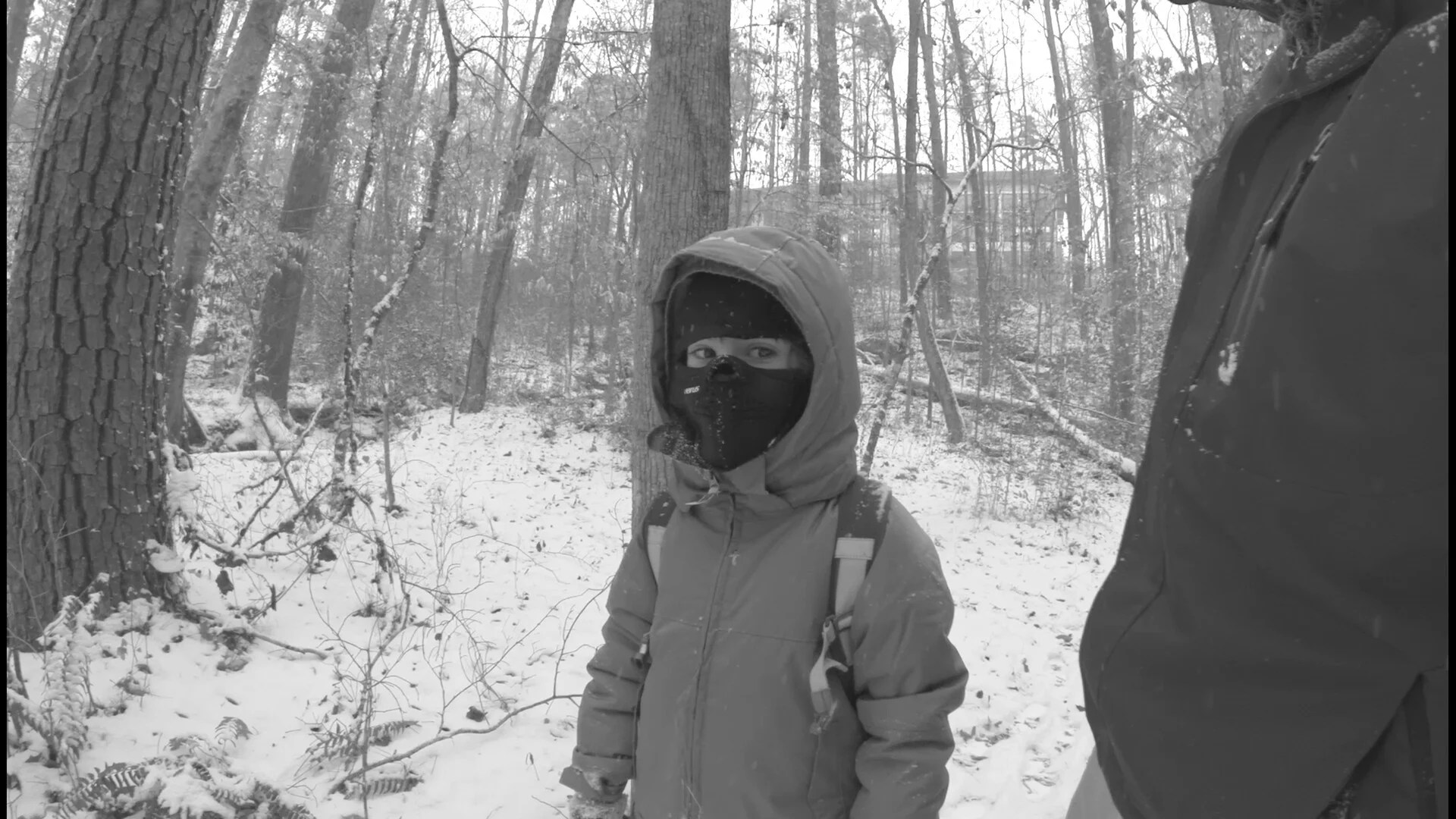
A woman trapped in her husband’s football obsession stumbles into a fleeting connection with a stranger. The city conspires—an elevator ride, a hallway, a spark of possibility. But the outcome she chooses is as funny as it is freeing.

What motivated you to make this film?

I wanted to make a very short film that sits inside the quiet spaces of modern relationships: marriage, friendship, and a woman's relationship with herself within a marriage. I'm drawn to moments that appear ordinary on the surface but carry emotional weight underneath. The film leads the audience toward the suggestion of an impulsive affair, only to gently turn away from it, revealing a more intimate truth and leaving behind a quiet, knowing smile. For me, it was about exploring how expectation, desire, and self-awareness intersect in small, everyday moments.

From the idea to the finished product, how long did it take for you to make this film?

4-5 months. 

How would you describe your film in two words!?

Intimate and witty. 

What was the biggest obstacle you faced in completing this film?

The driving scene was the most difficult technically and conceptually. We tested different camera rigs, cars, streets, and times of day to find a space that felt alive and honest without becoming unsafe. That balance between control and surrender became a metaphor for the film itself. Our actor, Sophie Angner, approached the scene with incredible calm and precision, which allowed the moment to breathe and gave me the confidence to trust the stillness.

There are 5 stages of the filmmaking process: Development. Pre-Production. Production. Post-Production. Distribution.

What is your favorite stage of the filmmaking process?

I’m deeply drawn to development because it’s the phase where a project holds immense possibility when nothing is fixed yet, and the film can still become many different things. It’s a space of curiosity and sensitivity, where I feel most open to the world around me and can pull inspiration from the smallest details of everyday life. At the same time, production is equally meaningful to me, because it’s the core of filmmaking: collaboration. Working with a great team is such a privilege. I truly believe that the only thing better than making art is making art with your friends, and that was absolutely the case on this project.

Witnessing the ideas that once lived only in my head and on the page slowly transform into something tangible through the creativity, intuition, and generosity of everyone involved still gives me chills. Seeing a treatment turn into lived moments, performances, and images is one of the most rewarding and precious experiences in life, and it’s what keeps me returning to filmmaking again and again.

  1. When did you realize that you wanted to make films?

I’ve always been deeply moved by films, but I didn’t fully understand filmmaking as a language until I made my first one. That experience showed me that film could hold contradictions, silences, and emotions I couldn’t articulate otherwise. Once I realized that, it felt less like a choice and more like a necessity.

  1. What film have you seen the most times in your life?

Eat Drink Man Woman by Ang Lee and The 400 Blows by François Truffaut, both films return to the question of family, identity, and growing up in ways that feel endlessly human.

  1. In a perfect world: Who would you like to work with/collaborate with on a film?

Isabelle Huppert and Benicio del Toro, both fearless and endlessly surprising. I’d also love to collaborate with Phoebe Waller-Bridge, whose work is sharp, funny, and emotionally devastating in the best way, and with cinematographer Claire Mathon, whose images feel so intimate they almost breathe. In a perfect world, that would be a dream team.

  1. You submitted to the festival via FilmFreeway. How has your experiences been working on the festival platform site?

It’s been very good.

  1. What is your favorite meal?

Anything Cantonese!

  1. What is next for you? A new film?

Yes. I recently wrote a new script and am currently submitting it to screenplay competitions and raising funding. It’s titled Being Here Is Everything. It follows an undocumented Asian teenage girl who runs away from home and journeys into the California desert. At its core, it’s a film about displacement, survival, and what it means to exist in a place that both rejects and defines you.

Interview with Filmmakers David Christopher Nelson, Connor Ryan (MEMORIA OBSCURA)

Memoria Obscura, 5min., USA
Directed by David Christopher Nelson, Connor Ryan
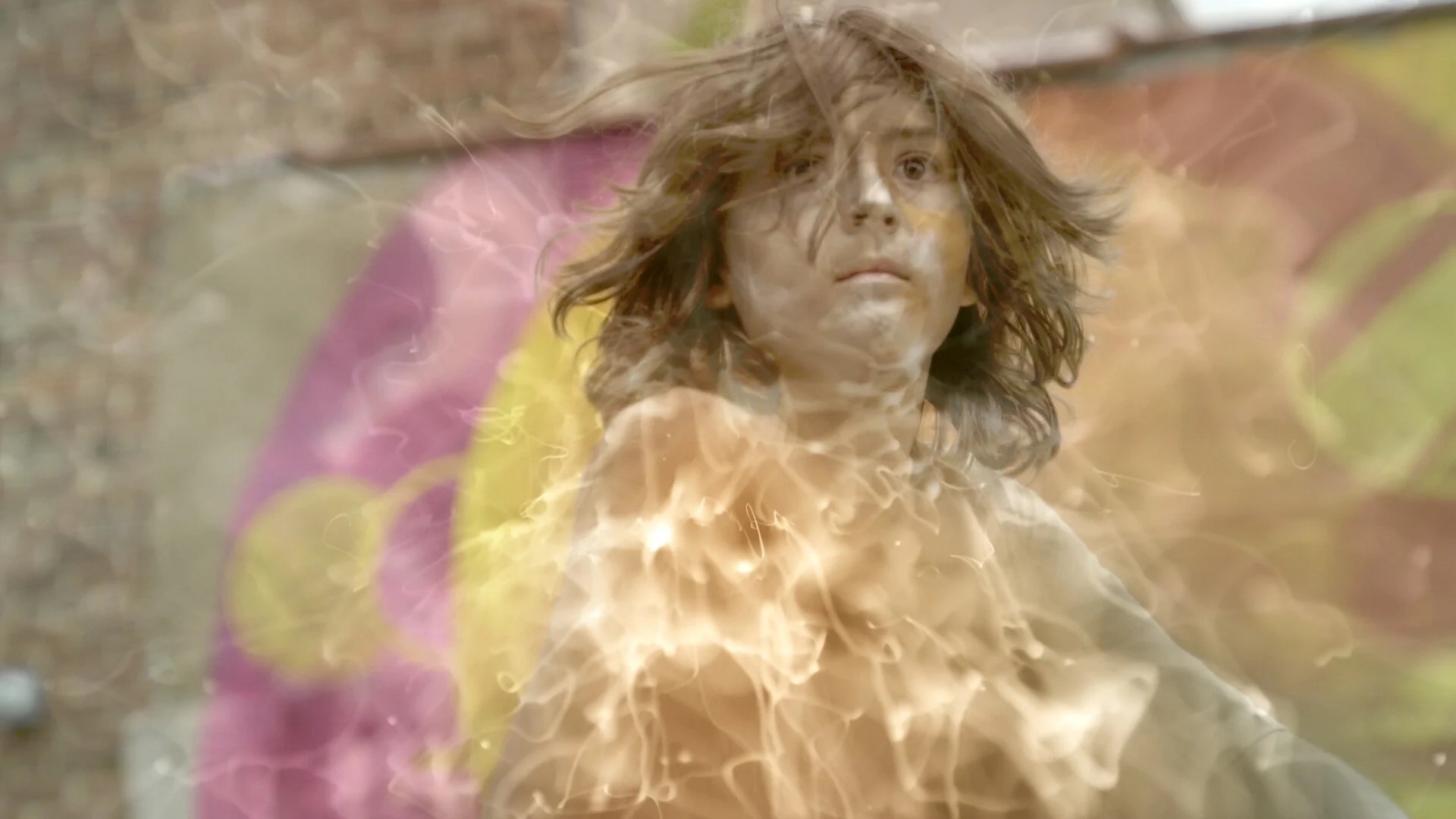
In a world where memory erasure is a legitimate industry, the underground black market known as Memoria Obscura serves as a hub for stolen and repurposed memories.

Get to know filmmakers David Christopher Nelson, Connor Ryan

1. What motivated you to make this film?

Connor: My motivation comes from multiple aspects. I’ve always wanted to collaborate with

Dave, which was a major reason. Beyond that, I want to create films I believe are currently missing in the industry and bring back the 80s–90s cinema I grew up with.

Dave: The motivation was to create something that is intriguing visually and story-wise, something that is a classic spectacle that we grew up watching.

2. From the idea to the finished product, how long did it take for you to make this film?

About a year and a half.

3. How would you describe your film in two words!?

Connor: Bad Ass

Dave: Tech Noir

4. What was the biggest obstacle you faced in completing this film?

Connor: The biggest challenge was the final scene. Dave and I spent months refining it to get the look and ending just right. Once Dave composited the background, everything clicked, and we successfully landed the ending.

5. What were your initial reactions when watching the audience talking about your film in the feedback video?

Connor: I thought it was awesome. It’s incredibly rewarding to see strangers review your work.

Filmmakers put everything into creating something like this, so it’s great to see people actually watch it and react to it.

Dave: It was humbling and rewarding. It is nice to see others enjoy the work and possibilities of the world that we created. We hope to share more of it soon.

6. When did you realize that you wanted to make films?

Connor: I didn’t realize it until my senior year of high school. I grew up obsessed with movies but never thought it was a real possibility since I was raised in Bucks County, PA, where most people work blue-collar jobs. It wasn’t until I took a film elective that it clicked that this could actually be a path for me.

Dave: Sophomore year in high school, I was in a video class and just loved the process, everything just clicked, and I have been on the path of making films ever since.

7. What film have you seen the most in your life?

Connor: Drive (2011)

Dave: It’s a three-way tie: Taxi Driver, Terminator 2, Goodfellas

8. What other elements of the festival experience can we and other festivals implement to satisfy you and help you further your filmmaking career?

It would be cool to have multiple people in the same room or on a video call discussing and breaking down the film. It doesn’t need to be long—just a few minutes would be interesting to watch.

9. You submitted to the festival via FilmFreeway. How has your experiences working on the festival platform site?

It was easy and great to use.

10. What is your favorite meal?

Connor: Ribeye Steak

Dave: Filet mignon

11. What is next for you? A new film?

Currently in pre-production on the next short film, a gritty, stylized detective film.

Interview with Filmmaker Peter Hriso (INTERSECTING PATHS)

1. What motivated you to make this film?

This film grew out of my ongoing exploration of repetition, movement, and rhythm in digital space. Working with 3D animation software, I’m fascinated by how simple geometric forms can build into intricate visual landscapes—layered systems of shapes and tiles that balance structure with subtle irregularities.

2. From the idea to the finished product, how long did it take to make this film?
The process took several weeks from concept to completion. The core idea came together quickly, but most of the time was spent refining the visuals, pacing, and composition to make sure everything felt clear and cohesive within such a short runtime.

3. How would you describe your film in two words?
Intersecting Paths.

4. What was the biggest obstacle you faced in completing this film?
Finding consistent time to work was the hardest part. Balancing a full-time professional role with an active creative practice meant I had to be very intentional about prioritizing. Time for experimentation and focused artistic work is limited, but absolutely essential for the project to grow.

5. What is your favorite stage of the filmmaking process?
I love the moment when the animation starts to come together, when lighting, materials, and motion all click and the piece begins to feel alive.

6. When did you realize you wanted to make films?
My interest in animation really developed in college, though I’ve always loved film and knew I wanted to work in media. What draws me to animation is the ability to be involved in the entire process—integrating design, motion, sound, and narrative into one expressive medium.

7. What film have you seen the most times in your life?
That’s a tough one. Blade Runner is a film I return to often for its stunning world-building and philosophical depth—every viewing reveals something new. I also revisit CasablancaIt’s a Wonderful LifeThe Maltese Falcon, and pretty much all the Studio Ghibli films. Hard to pick just one!

8. In a perfect world, who would you like to collaborate with on a film?
I’d love to work more with musicians and sound designers. Audio isn’t my area of expertise, but I’m fascinated by how sound can transform visuals and create emotional connections. It’s such a powerful force in storytelling.

9. You submitted to the festival via FilmFreeway. How has your experience been with the platform?
FilmFreeway has been great—simple, efficient, and accessible. The streamlined submission process and clear communication tools make it a valuable resource for independent filmmakers.

10. What is your favorite meal?

That’s a tough one! I’d probably say BBQ—it’s hard to beat. But I also really enjoy seafood, especially a well-prepared salmon or grilled fish.

11. What’s next for you? A new film?
I’m continuing to develop short-form works that explore abstraction, visual metaphor, and atmospheric storytelling. These projects build on the ideas behind Intersecting Paths while pushing into new formal and conceptual directions.

The Shifting Paradigm of Success: Bullies Win, Geeks Struggle?

The BULLY wins and the GEEK loses in life!

Award winning screenwriter Jesse Speer (BITTER) talks about his belated coming-of-age comedy script. About a valedictorian, slated for success. Now, 10 years later, she’s just a bitter waitress, struggling with resentment and unmet potential, all while PARKER, her high school bully, lives the good life as a prominent influencer.

Is this the world we live in now?

—–
LISTEN to the full podcast: https://youtu.be/LDDc9iCiutc
—–

Watch the best scene reading: https://www.youtube.com/watch?v=GncsGI4_L3o

Get to know the screenwriter:

What is your screenplay about?

Bitter is a belated coming of age story for anyone that feels like the paradigm of success has shifted. It takes the traditional geek vs bully high school sub-genre and basically turns it on its ass, focusing on WILLOW, a once-hopeful two-time valedictorian, slated for success. Now, 10 years later, she’s a bitter waitress, struggling with resentment and unmet potential, all while PARKER, her high school bully, lives the good life as a prominent influencer.

What genres does your screenplay fall under?

Bitter is definitely a comedy. When developing this story, it felt necessary to look through a humorous lens. The plot tackles a lot of socially-relevant themes and issues we all deal with on a daily basis: comparison culture, scam-influencers, toxic personalities—things that can absolutely consume a person. So, I thought it was important to craft the story and its characters from a place of comedy. I wanted to avoid the perception of whining or lecturing, and write a story that has something to say, but also has audience wanting to listen because they’re getting to laugh along the way.

Why should this screenplay be made into a movie?

Movies have changed drastically over the last decade—some changes good, some bad, but I think a gap has been created for some of the sillier, more light-hearted comedies that can still pack a punch—that have something to say, but do it in a way to invites, not divides. I think Bitter recaptures this approach, in line with early-2000’s movies like Mean Girls, Bruce Almighty, Miss Congeniality. The themes are there. The lessons are there. But so is the fun.

Subscribe to the podcast:

https://www.instagram.com/wildsoundpod/

https://www.facebook.com/wildsoundp

Making a Cinematic Album: Best way to make one & WHY you should make one if you have recorded one

Justin Gray chats about making a classic cinematic album of his composed work. How to turn music into an emotional experience for the audience, plus tell a story using just the music and visuals.


LISTEN to the full podcast: https://youtu.be/tPdT0-4HB1E

Immersed – A Cinematic Immersive Album by Justin Gray, 60min,. Canada

Directed by Justin Gray, Michael Fisher

Justin Gray’s Immersed is a groundbreaking cinematic album that transforms how audiences experience music. Composed, recorded, and produced as an immersive audio experience, the album features 38 artists from Toronto and around the globe, placing listeners at the center of a three-dimensional global orchestra.

https://www.instagram.com/justingraysound/

Subscribe to the podcast:

https://www.instagram.com/wildsoundpod/

https://www.facebook.com/wildsoundpod

How you make an AI film now (and why people really hate it)

Architect-turned-filmmaker Peter Schackl-Horn talks about making an AI film about AI and sustainability and his process for making it. Telling a story about the future using future technology to do it. And the reactions to his film when he put it on socials like Instagram (people HATED that he did it in AI)

—–
LISTEN to the FULL Podcast: https://youtu.be/BnyGDFKXMO0
—–

sustain, 5min., Austria
Directed by Peter Schakl

sustAIn is the Idea to combine sustainibility and artificial intelligence. Openess is to show generally ideas of sustainibility.

https://www.instagram.com/peter.shackl.horn

http://www.instagram.com/clementineclmtn

Get to know the filmmaker:

What motivated you to make this film?

First in 1994 I was awarded with this multifunctional furniture at a competition of 500 Architecture students named „Openess“ – called by the famous Architect and Designer Mark Mack from Los Angeles, USA!In 2024 I was awarded by the jury of the Vienna Design Week and the furniture was presented at the exhibition! There occured the idea to show the multifunctionality and the idea of „Openess“ also as open minded, cradle to cradle, upcycling, so sustainability in general… with a short movie!

And then all together to show a senseful usage of AI!

From the idea to the finished product, how long did it take for you to make this film?

It took from the first Design in 1994, the exhibition at the VIENNA DESIGN WEEK in 2024 finally to the realized Short Film, the finished product, in 2025.

How would you describe your film in two words!?

Sustainability & AI

What was the biggest obstacle you faced in completing this film?

There haven`t been any obstacles at all!

What were your initial reactions when watching the audience talking about your film in the feedback video?

Completely overwhelming and really touching!

Subscribe to the podcast:

https://www.instagram.com/wildsoundpod/

https://www.facebook.com/wildsoundpod

Finding the Perfect Tone: Balancing Seriousness and Silliness in Filmmaking

Conversation with award-winning filmmaker Peter Gabriel Gagnon on the making of an action film that has moments of humor in it. How to find that balance of TONE and make sure you don’t lose your audience by mixing seriousness and silliness in the same scene.

This is NOT an easy thing to pull off but Peter does is well in his award winning short film “Wukong Couriers”.


LISTEN to the full podcast: https://youtu.be/wvXIrpf8kp4

Wukong Couriers, 15min., USA
Directed by Peter Gabriel Gagnon

An unwitting bicycle messenger is chosen as the mystical hero to save the city from an ancient horror.

http://www.instagram.com/wukong_couriers

Subscribe to the podcast:

https://www.instagram.com/wildsoundpod/

https://www.facebook.com/wildsoundpod

From Novel to TV: The Genesis of turning your book into a Television series.

Conversation with novelist Barry Lindstrom on the process of writing his book into a TV pilot. From hiring others to do it, to finally realizing that he needs to do it himself.


LISTEN to the full podcast: https://youtu.be/HhrOOovsoww

Watch the screenplay reading: https://www.youtube.com/watch?v=CyAJad2rPlg

Based on, Concepts from the novel Considering Someplac Else
By Barry B.L. Lindstrom

Get to know the writer:

What is your screenplay about?

The Galactic Council has seen enough and has voted 8 to 1 to eliminate all humanoid Earthlings. Padrin, the lone dissenter, an expert extra-terrestrial world saver, must now save humanity using only the positive actions and interactions of individual humans as evidence. In this, the pilot episode, Padrin’s android, Facto, unexpectedly connects with the plight of suddenly, violently, orphaned 18 year old Charlene and her 12 year old sister, Jennifer who, apparently, are being forced into a polygamist cult run by their only next of kin. Padrin, sensing that Facto’s discovery is something far beyond coincidence contemplates invoking Galactic Assertion 5: There MUST be something that moves a system from its current state to one that is better for the planet and its population, in defiance of all probabilities, patterns and past behaviors.

We Earthlings call it Fate, Destiny, Faith, Luck and Random Chance, but the rest of the galaxy calls it: NaturalAwe.

What genres does your screenplay fall under?

Consider, if you will, “the twilight zone” as genre.

Half hour serialized Character driven episodes centered around the idea that: The Galactic Council has been monitoring the behavior of planet populations for eons.Whenever a planet’s ecosystem is threatened or a planet’s population threatens other planets, the council, after following due process can directly intervene without warning, Unless, of course, there is significant evidence of NaturalAwe.

Why should this screenplay be made into a TV show?

Sometimes it seems like things have never been worse, That we are incapable of fixing that which is broken, That those who blame everything on those not-like-us are in control, That the doom and gloom dystopian vision of our entertainment depicts our destiny. As one who was raised on lessons gathered from Good-triumphs-over-Evil 50s and 60s Broadcast Television, (Occasionally impacted by exemplary public education), built a highly successful Information Systems career based on Richard Feynman’s “Perspective is worth 80 IQ points”, and has extensive experiential evidence that there is no such thing as coincidence, I feel we need to deliver SOMETHING that might just move us to ways that are better for the planet and its population, in defiance of all probabilities, patterns and past behaviors.

Subscribe to the podcast:

https://www.instagram.com/wildsoundpod/

https://www.facebook.com/wildsoundpod