Interview with Stunt Performer/Actress Kayla Adams (Deadpool, Oblivion)

It was fun to chat with Kayla Adams, a definite artist on the rise. She gives us the insight on being a female stunt performer on Hollywood productions and moving to working as an actress (who can also do her own stunts!)

Go to www.kaylaadams.co and follow her on twitter @sugarKAYne

Matthew Toffolo: Oblivion was your first credited film? Quite the introduction: working on a large budget Hollywood film. How did you get initially hired to work on that film? How was the Tom Cruise experience?

Kayla Adams: Oblivion was my first experience on a feature film. I had booked commercials prior to Oblivion, but this was my first time working on a feature for the run of the show. I was like a sponge, soaking everything up. Initially I was hired as the Stunt Department Assistant which provided me with so much inside knowledge of the filmmaking process. As the project went on, the Stunt Coordinators, Robert Alonzo and Joe Box, knew I was very athletic and trained in acting so they threw me into a stunt performing spot that I was physically capable doing. It was a week in New Orleans in an old, leaky, basically condemned power plant. We had to shut down one day due to flooding! And that’s how I got my SAG card! Working with Tom is like being greatly inspired and challenged all at once. His level of dedication, professionalism and creativity is infectious and can only drive you to be the same. The film sets are some of the tightest run sets I’ve worked on, simply because efficiency is the only option when working with Tom. Outside of all the work, he’s truly a kind, welcoming man. Each time I’ve seen him since Oblivion he always welcomes me with a big hug and expresses genuine interest in you. I hope for the day to work on set as an actor with Tom.

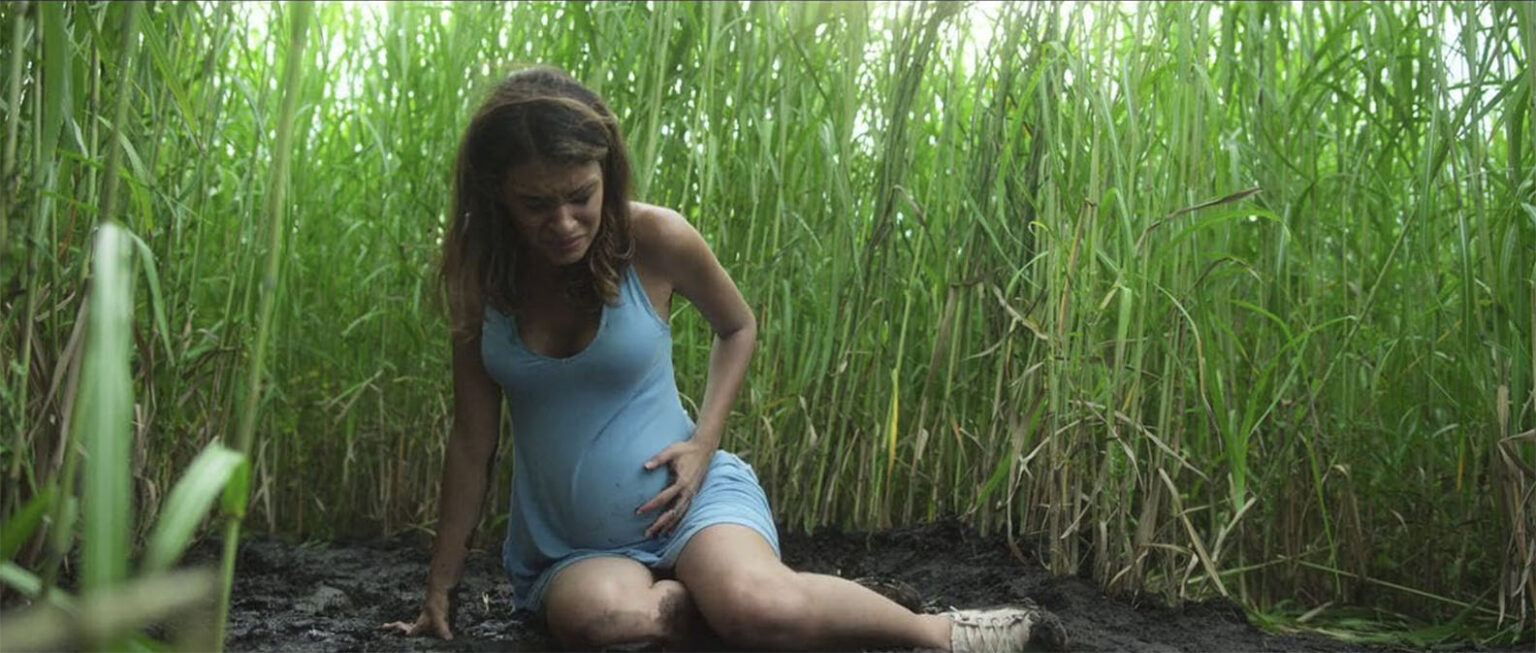
PHOTO: Kayla with Tom Cruise, and Stunt Coordinator Robert Alonzo:
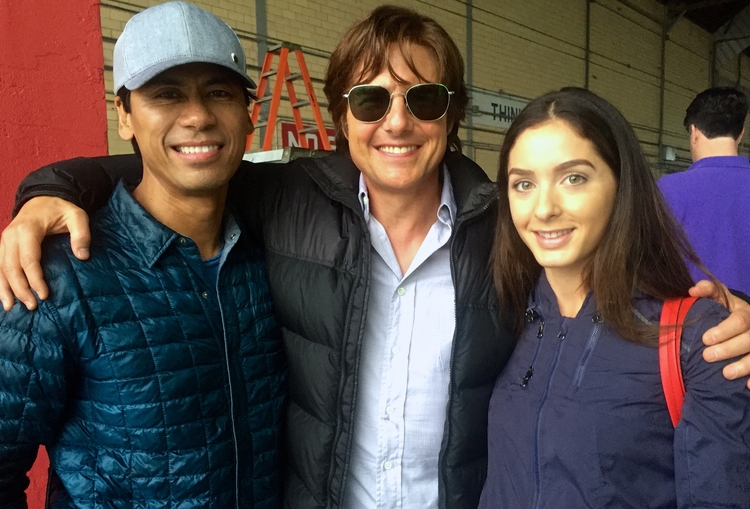
kayla_tom_cruise

Matthew: How did you get into the stunt game? Did you take an extensive course(s)? How much time do you spend weekly working on your craft?

Kayla: I got into stunts through Oblivion. I grew up doing gymnastics, so strength and flexibility has been in my body since I was a kid. I didn’t pursue stunts as much as I pursued acting; However sometimes the universe gives you a path that you don’t plan for. I train in Martial Arts with Richard Alonzo who is a 3rd degree black belt and is an amazing teacher. Since my last stunt performing gig on Deadpool I have decided to pour my energies back into acting. Trying to excel in stunts and acting is nearly impossible as both crafts require a large amount time. That’s not to say I don’t stay physically fit and prepared for stunt roles, I just don’t actively pursue it as much anymore.

Matthew: As of this interview, the film “Deadpool” is out in theaters. The first blockbuster of 2016. How was that experience? Was it a hush-hush set?

Kayla: Deadpool. That was one heck of an experience. I am so grateful to be apart of that project. There was so many moments when I had to hold back laughter between the banter with TJ Miller and Ryan Reynolds characters. The bar fight scene where I played the waitress, Kelly, was one of those moments. TJ kept improving new lines and I was trying my hardest not to crack up each time. Working with the director, Tim Miller, and the writers, Paul Wernick and Rhett Reese, was an honour. They are so talented and dedicated to their work, yet stay so humble and make coming to work each day a pleasure.

Again, I worked on it for the run of the show so the amount of time and passion put into this film was huge. Being apart of the cast and crew for that many months developments a bond and comfortability that you just don’t get when you walk on as a day player. The set etiquette with privacy and keeping things quiet was similar to many big budget films I’ve worked on. However there was one particular paparazzi that continually followed us around snapping photos of Ryan in the red suit. But I hate to break it to the paps, it was most likely our stunt double in the same suit!

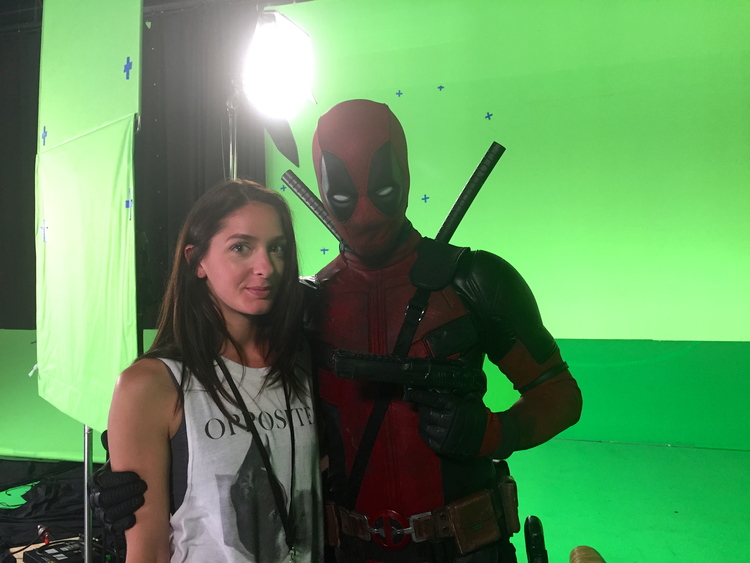
PHOTO: Kayla on set on Deadpool:
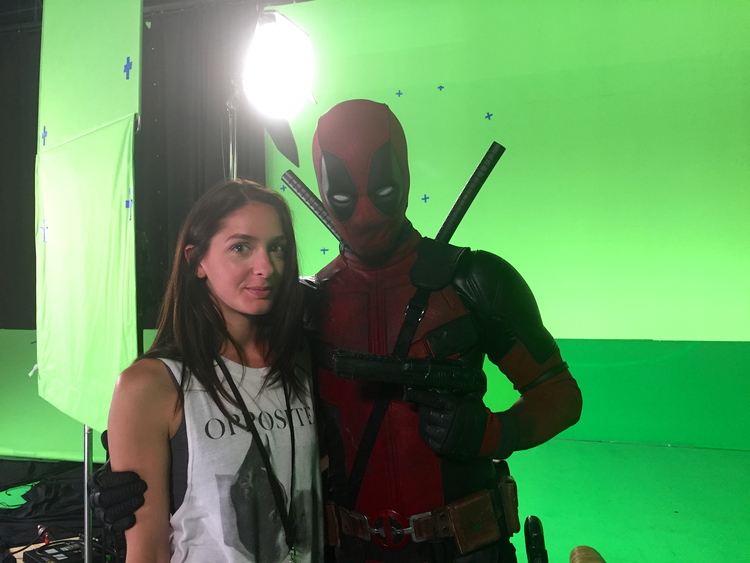
kayla_deadpool.jpg

Matthew: You are also an actor (without the stunts). Is acting where you see your future in Hollywood?

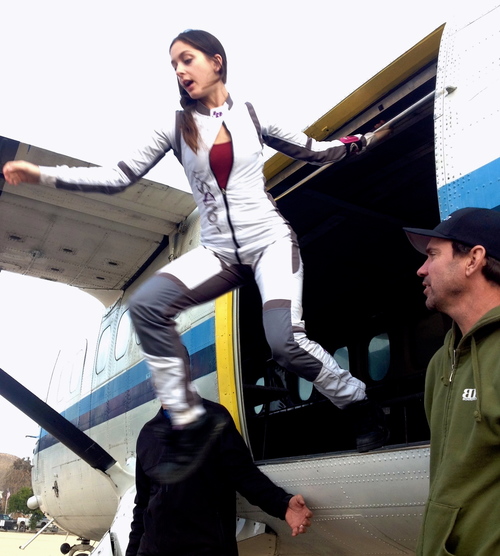
Kayla:  I can say a line or two  Yes acting is definitely where my future is. I just finished shooting a feature film called HEX where I play a character who is a super talented skydiver about to stumble into a stream of bad luck. Keep your eyes open for that project! Over the past few years, my passion and love for the craft and the business has really developed and become my main focus.

Matthew: What’s it like being a female in the “boys” club of the stunt performers on set?

Kayla: Haha…well… Speaking only for myself, I love it! I’m a bit of a tomboy myself so it can be fun hanging out with a bunch of guys all day. I think sometimes they are shocked when they hear me crack jokes with them, but in reality I’ve been very lucky to work with some of the best stunt performers in the business and they are all very respectful and kind hearted people. I am lucky to be apart of the boys club 

Matthew: We are seeing a lot more female driven action/thriller films being produced in Hollywood. One would assume that is good for you because they obviously need female stunt performers. Is the future bright for female stunt performers like yourself?

Kayla: There’s a bright future for myself being the Female lead in these action thriller films! That would be my dream role. I love strong, badass female characters with heart. And the bonus is I could do most of my own stunts. Thats if the studio lets me 

Matthew: What film, besides the ones you’ve worked on, have you seen the most in your life?

Kayla: It tends to vary depending on what I’m feeling at that time in my life. The movies I gravitate towards generally mirror something I’m going through or needing to see. Generally speaking, I love the film “It’s Complicated” with Meryl Streep and Alec Baldwin.

Matthew: “The Woods” is another film you worked on that is also coming out in 2016. Can you give us a sneak peak of what to expect? What was your role on that film?

Kayla: The Woods was a super creepy set! They built the cabin inside a sound stage and it felt so real. The stunt coordinator, Loyd Bateman, called me in to double the lead actress. It was a sequence in the cabin and involved a lot of blood! I don’t think I can say much else, other than IT’S GOING TO BE SCARY!!

Matthew: Have you had any minor or major injuries working as a stunt performer?

Kayla: Thankfully no.

Matthew: What’s the biggest high risk stunt you’ve performed to date?

Kayla: Oddly enough, some of the smallest stunts can become high risk. Not to minimize the risk of any stunt at any level, but there is always a large amount of risk involved. I haven’t had to perform something where I felt it was out of my ability that could be deemed as “high risk.” I’ve been selective with that as acting is my main focus now and that plays a huge part when taking stunt jobs.

Matthew: Do you have a stunt that you love to perform in a movie that you haven’t performed yet?

Kayla: DRIVING/CAR CHASE SEQUENCE!
_____

Interviewer Matthew Toffolo is currently the CEO of the WILDsound FEEDBACK Film & Writing Festival. The festival that showcases 10-20 screenplay and story readings performed by professional actors every month. And the FEEDBACK Monthly Festival held in downtown Toronto on the last Thursday of every single month. Go to www.wildsound.ca for more information and to submit your work to the festival.
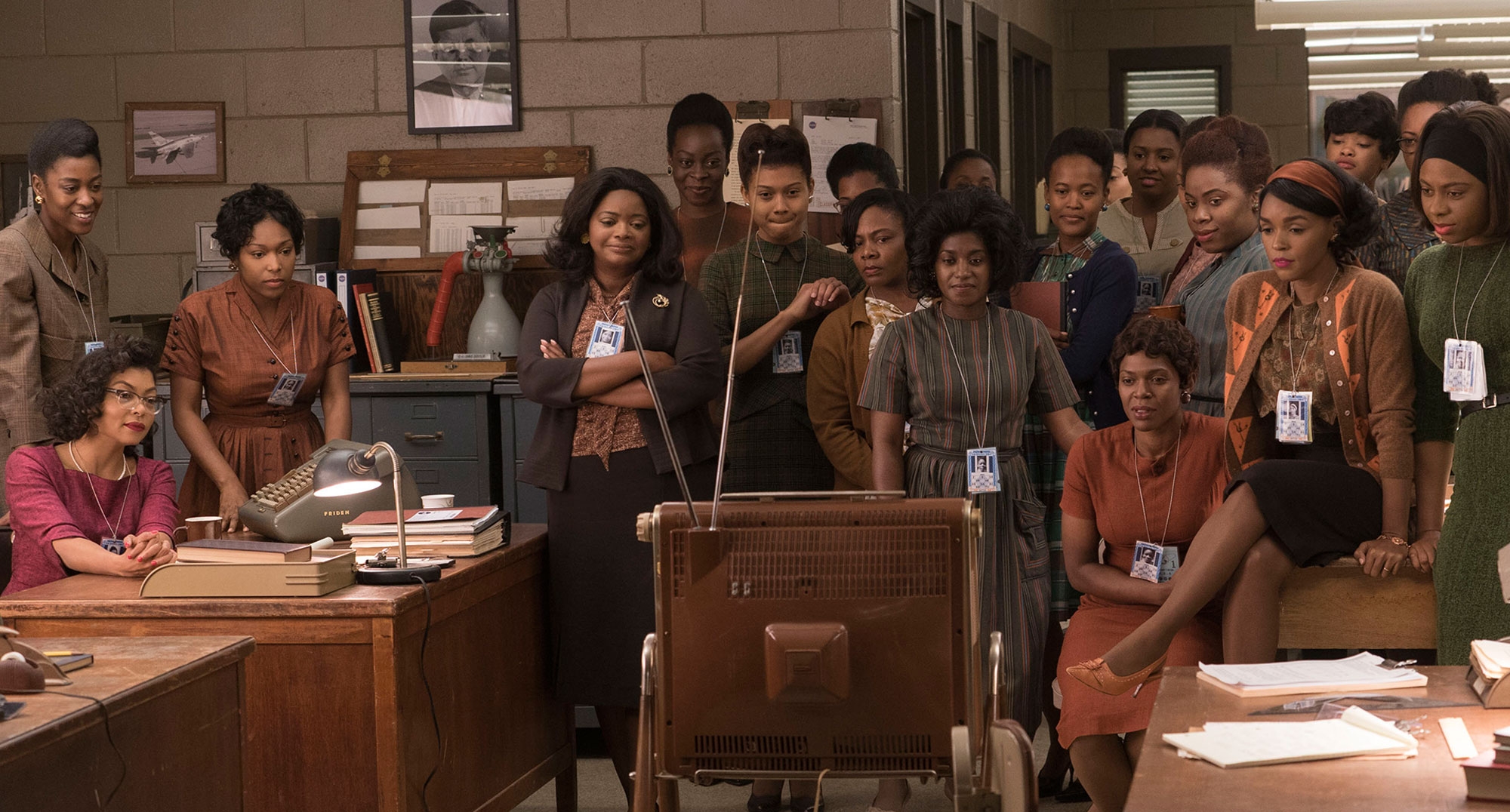
Interview with Production Designer Jeremy Woolsey (Pitch Perfect, Hidden Figures, The Holdovers)

I was fortunate enough to sit down with Art Director/Production Designer Jeremy Woolsey to chat about the world of film-making. Jeremy has worked in the Art Department on over 40 Hollywood productions including Vacation, Ouija, The Haunting in Connecticut 2, Pitch Perfect, Million Dollar Arm, Dirty Grandpa, and Bastard.

Matthew Toffolo: Film fans always get Production Design and Art Director mixed up, thinking they are the same position? Can you tell people what the difference is?

Jeremy Woolsey: The Production Designer is the head of the department and lays out the visual look of the film (along with the DP and Director). The Art Director runs the department and makes sure that vision is executed on time and on budget. Scheduling, budgeting and planning are all key components of the Art Director’s job.

Matthew: You’ve worked in the Art Department in over 40 productions in the last 10 years. Is there one or two films that you’re most proud of?

Jeremy: I am proud to be a part of the runaway hit “Pitch Perfect” .. That film has touched a great deal of people. And I think our work on “Million Dollar Arm” was rewarding.

Matthew: Who is your Art Director/Production Designer mentor?

Jeremy: Barry Robison …. I have worked with him seven times and he has helped me get to a different level of filmmaking.

Matthew: Is there is a Production Designer working today that you haven’t yet met that you’ve a big fan of?

Jeremy: Jack Fisk …. Legendary figure and craftsman. We have a really good mutual friend, so maybe one day.

Matthew: 5) As of this interview, the film “Dirty Grandpa” is premiering, a film you were the Art Director on. How was working on that production with the legendary Robert DeNiro?

Jeremy: I normally don’t get too excited about seeing an actor on set, but the first day he stepped on set it was pretty cool. Was in the presence of a living master even if the subject matter was a raunchy departure.

Matthew: How did you get started in the studio film Art Director world?

Jeremy: Was it something you always wanted to do, or did the job find you? I started in the music production business in the 90’s then transitioned into entertainment production in New York in the summer of 2001.

Matthew: If there is a case of getting type-Art Direction casted!, you might be with the comedy/road trip movie. Bastards. Dirty Grandpa. Vacation. Is there is distinct different when working on these films in comparison to a non-road trip movie?

Jeremy: Not really … maybe more exteriors. And larger signage.

Matthew: How about working on a film like “Million Dollar Arm”, where the majority of the film was set in India. Does an art director move with the main crew when there is a major location change?

Jeremy: In that case, I was handling the Atlanta portion and Mark Robins out of New Zealand handled India.

Matthew: What type of film would you LOVE to work on that you haven’t worked on yet?

Jeremy: I just started a period show set in the 60’s. Great story and great group of people, so it is a welcome departure.

Matthew: What film, besides ones that you have worked on, have you seen the most in your life?

Jeremy: Goodfellas

Matthew: How often to you re-watch the past films you’ve worked on? If you’re flipping through the channels late one night on a random Tuesday for example, and “Pitch Perfect” is on, do you watch?

Jeremy: Most of them aren’t the kind you would watch more than once, but if Pitch Perfect is on the screen I will give it a watch.

Matthew: In a typical studio film, how many crew members are on the Production Design team?

On the budget sizes I work on (20m to 45M) … We will generally have 10-12 in the office.

—-
Interviewer Matthew Toffolo is currently the CEO of the WILDsound FEEDBACK Film & Writing Festival. The festival that showcases 10-20 screenplay and story readings performed by professional actors every month. And the FEEDBACK DAILY Festival held online and in downtown Toronto on the last Thursday of every single month. Go to www.wildsound.ca for more information and to submit your work to the festival.
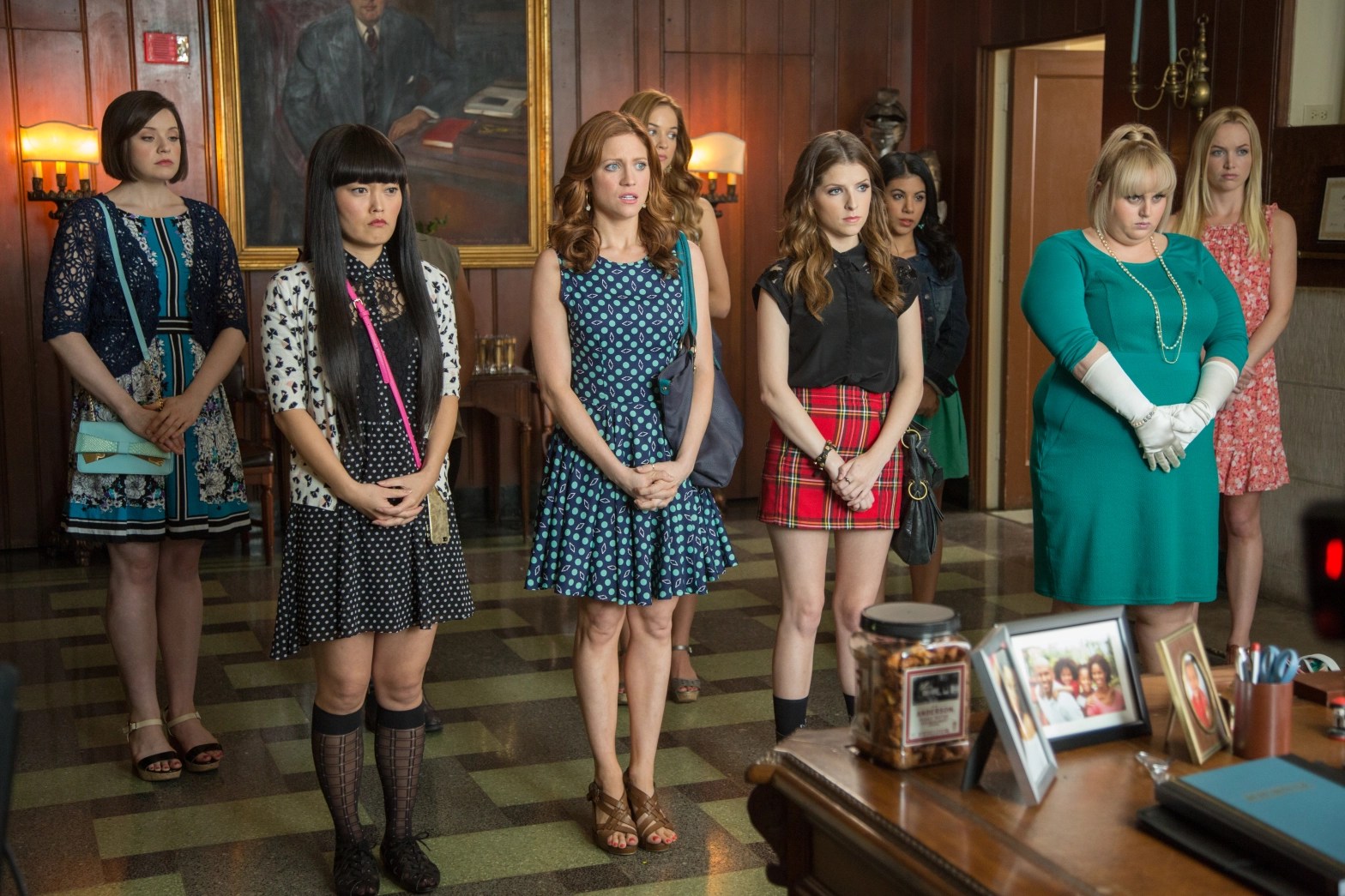
Cinematographer Adam Kimmel (Foxcatcher, Capote, Lars and the Real Girl)

It was a great honor to sit down with the very talented DP Adam Kimmel. His career has spanned almost 30 years, starting out as a teenager being an apprentice for Cinematographer Michael Chapman.

His Cinematographer credits include: “The Ref”, “Beautiful Girls”, “Almost Heroes”, “Jesus’ Son”, “Capote”, “Lars and the Real Girl”, & “Never Let Me Go”.

Website: AdamKimmel-Cinematographer.com

Interview with Adam Kimmel:

Matthew Toffolo: One of your first jobs was as a Camera Apprentice on the film “RAGING BULL”. How was were your experiences working on the iconic film? Were you like a sponge at the time, taking in everything around you?

Adam Kimmel: I was 18 when I trained on Raging Bull and it was my second film in that capacity so my experience and perspective were still pretty limited. So yes, of course I knew the work of both Martin Scorsese and Robert Deniro at that point, but also of Cinematographer Michael Chapman who had shot the first film I trained on, The Wanderers. One of my strongest memories of that experience and learning process came from watching Michael Chapman collaborating with Scorsese after watching him for 4 months with Phillip Kaufman on The Wanderers. I was amazed that the same man was doing the same work and yet it seemed so different, and I had this moment of insight Into what it takes to be a Cinematographer – I saw that you need to be as adaptive and versatile as you are creative and technical, and that each collaboration will be different and draw on different strengths and experiences.

There was also a real coin drop moment for me when many months after the film finished shooting, I saw it in the theater and was just completely crushed by the power of that experience. I had been there for every day of it, watching every moment as it was crafted and yet seeing the finished film I felt completely unprepared. The power that film making can have and the complexity and vision it takes to put all those pieces together in a way that can cause people to feel so much, became even more exciting and mysterious to me.

MT: Out of all the projects you’ve worked on, what film are you most proud of?

AK: Well I guess it’s like your own children, you can’t pick favorites, but when I consider the films I’ve shot, Capote, Jesus’ Son and Never Let Me Go are the projects that I’m most likely to recommend to someone that wants to see my work.

MT: Generally, how do you get hired to work on a film. You seem to always choose films about the human condition. Is this done on purpose, or is this also something that producers and directors know you’re very good at?

AK: Thanks for noticing and I’d love to think I’m known for that. but the truth is that past choices do lead people to think of you for certain projects.

Of the scripts I’m sent, I think that first I respond to stories that I understand in an emotional way. I’ve read scripts that I admire and know will be good films but feel I may not be the best choice for, and for me, beyond that it’s always about the director and their vision of the script. When those things add up, it’s an obvious choice.

MT: The film CAPOTE (2005) is a wonderful film. What were your initial conversations with director Bennett Miller on the overall cinematic design of the film? There were not many camera movements in the film. And very intense/sad shadows throughout.

AK: Well, the process of spending time with a director and a story allows you to find the language that’s right for them. Bennett and I talked about the honesty and integrity of the image, about not getting in the way of the story or letting any of the choices draw attention to themselves, but I think we arrived at the style of the film with equal parts creativity and practicality.

It needed to be an efficient shoot that allowed as much time and concentration with the actors as possible and for me the way to accomplish that was to plan as carefully as possible where we wanted to watch that story unfold from, and then trust those choices and not steal from ourselves by betting against them.

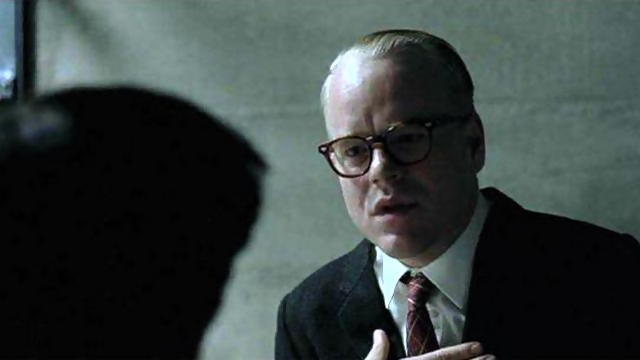
PHOTO: Cinematography in CAPOTE. The late Philip Seymour Hoffman would go onto win the Best Actor Oscar for his role as Truman Capote:

capote

MT: From CAPOTE, you moved onto DPing LARS AND THE REAL GIRL (2007). A completely different tone and feel, but similar themes. How was working on that film with director Craig Gillespie?

AK: Well Craig and I had been working together in commercials for a long time at that point and I loved the idea of making a film together, but I also saw the opportunity in telling that story with that cast. There was a purity and complexity in the script that I was really drawn to and since I knew I would never get to shoot a Hal Ashby film, I figured why not…?

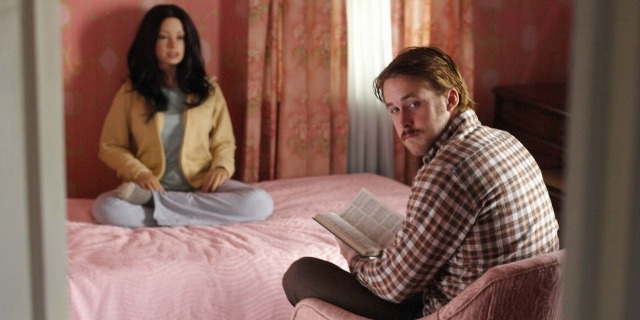
PHOTO: Ryan Gosling in LARS AND THE REAL GIRL. Perhaps the most underrated film in the last 10 years. A film that will make you laugh and cry multiple times:  

larsandtherealgirl

MT: You’ve worked on more than a few short films. What keeps enticing you to work on shorts? Do you like/love the medium?

AK: I think a good short film can be really powerful, I really haven’t done that many but I probably choose them the same way I do a full length film, but I do like having all the same elements concentrated into much less screen time. It’s a different challenge but it allows a lot of the same processes to take place. I shoot commercials for the same reason, it’s a different way to exercise creativity.

MT: What type of film would you love to work on that you haven’t worked on yet?

AK: I never know what’s going to spark my interest so I really don’t have a checklist, I just want to be involved with projects that allow a clear point of view to tell the story and add something to the experience of life.

MT: What does a DP look for in its director?

AK: I think Curiosity is a great quality, as is having trust in the people they hire, the ability to share their questions and ideas,
and a sense of humor helps.

MT: What does a director look for in its DP?

AK: I don’t know if I’m qualified to answer that, but I think a lot of the same things as the previous answer.

MT: Where do you see the future of camera/lighting technology in film?

AK: There are so many new toys coming out all the time now it can be daunting, but I like to approach the choices I make from a place of having a vision for where we’re headed and never allowing the equipment or technique to lead that. I always welcome lighter, smaller and more versatile tools and the freedom they afford us as filmakers, but in a way it puts even more importance on knowing where you want to go before you start making those choices.

MT: What film, besides the ones you’ve worked on, have you seen the most times in your life?

AK: I have to say I rarely watch films that I’ve shot, I bet most Cinematographers would say the same thing, by the time I finish a film I feel I know it really well, and then it becomes about other peoples experiences of it.

But other peoples films I can watch over and over, and I do.
Being There, The Thin Red Line, Beiutiful, The Godfather films, Children of Men, Midnight Cowboy, Straight time, The Conversation, The Great Beauty, The Master, The French Connection, A Clockwork Orange, Sophie’s Choice, The Deer Hunter. Days of Heaven, Before Night Falls, Fat City, Wings of Desire…

____

Interviewer Matthew Toffolo is currently the CEO of the WILDsound FEEDBACK Film & Writing Festival. The festival that showcases 10-20 screenplay and story readings performed by professional actors every month. And the FEEDBACK DAILY Festival held online and in downtown Toronto on the last Thursday of every single month. Go to www.wildsound.ca for more information and to submit your work to the festival.
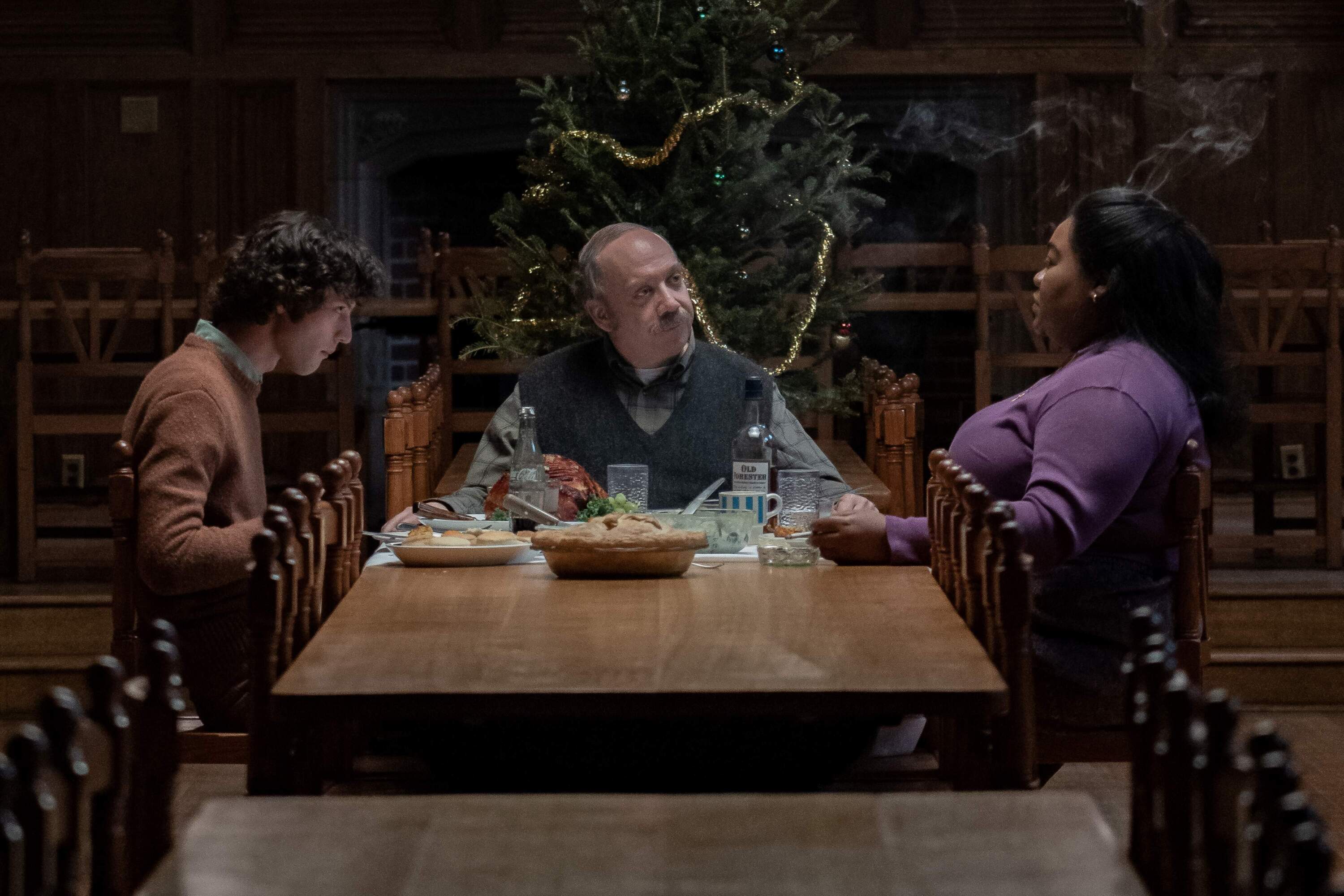
Emmy Winning Make-Up Artist Paul Engelen (Game of Thrones)

Paul Engelen is is 2 time Emmy winner, and 2 time Oscar nominated Makeup artist. He has worked on some of the greatest/most successful films and TV shows in the last 40 years, including: Game of Thrones (2 Emmy wins), Mary Shelley’s Frankenstein (Oscar nomination), The Legend of Tarzan (Oscar nomination), Star Wars: The Phantom Menace (dir. George Lucas), Gladiator (dir. Ridley Scott), Munich (dir. Steven Spielberg), Batman (dir. Tim Burton) and Reds (dir. Warren Beatty).

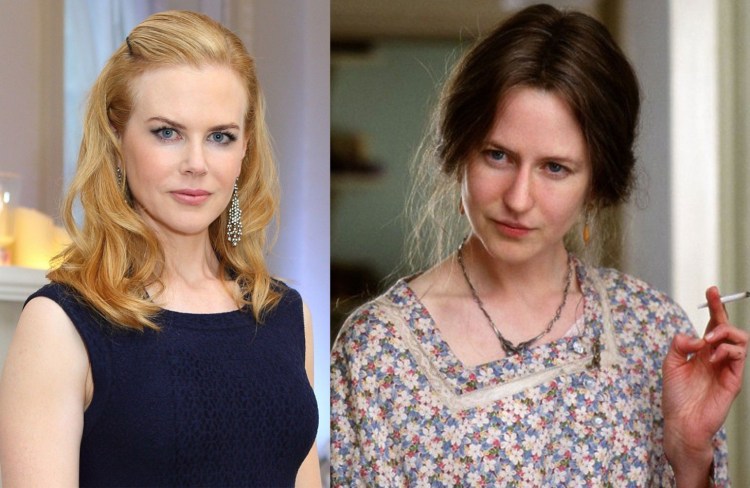
Many have stated that his makeup design for Nicole Kidman on “The Hours” is the key reason for her Oscar Win for Best Actress (see pic below). The same can be said for his work on Renée Zellweger for her Oscar Win on “Cold Mountain”. How those films received zero Oscar nominations for Makeup is still a mystery.

It was an honor to chat with Paul Engelen and talk about his art:

Matthew Toffolo: You’ve worked on over 80 Productions as a Makeup Artist in the last 45 years. Do you have a favorite experience?

Paul Engelen: Every new project presents challenges, experiences and memories. I would say I have been extremely lucky to have had a very wide variety and range of projects to work on. I suppose if pressed, I would mention working on ‘Empire of the Sun” and ‘Star Wars, The Phantom Menace’ to be particular highlights, but I would also name “Pink Floyd, The Wall’ to be a fascinating experience. My present project for NBC, directed by Tarsem Singh; ‘The Emerald City’ is proving just as interesting though!

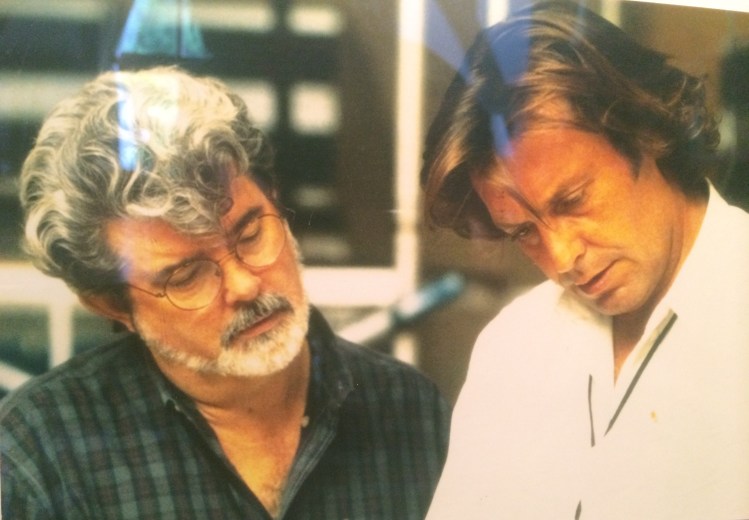
PHOTO: Paul with Director George Lucas on ‘Star Wars: The Phantom Menace’:

PE & Lucas.jpg

MT: Is there a type of story/film that you would love to work on that you haven’t worked on yet? Or have you covered all of your bases?

PE: I think I have covered most bases! Contemporary stories to science fiction, several medieval themes which I must admit, is probably my favourite genre. I’d love to do a ‘western’, directed by someone like Tarantino!

MT: You’ve won 2 Emmys (for Game of Thrones) and have been nominated for 2 Oscars. Does winning or losing mean a lot to you? Or it is really just about the film?

PE: It’s great being nominated, but winning is a blast!! It means your peers think your work is worthy.

MT: What is the main job being the Makeup Department Head on a production?

PE: Well, I would say, it’s about all the aspects of the running a department. Putting a crew together that would be the best for the production. The conversations and collaboration with director, production and costume designers are all paramount in going into production.

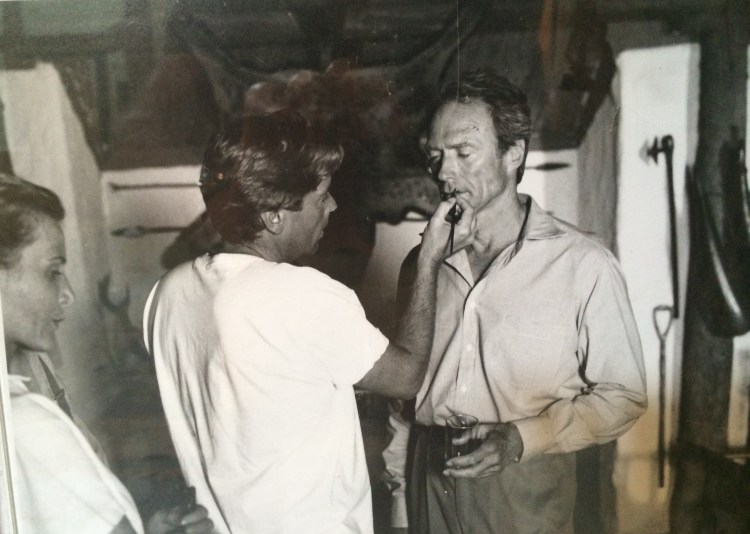
PHOTO: Paul with Director/Actor Clint Eastwood on ‘White Hunter, Black Heart’: 

PE & Clint.jpg

MT: What has been your most difficult job and/or production to date?

PE: Movies generally have a specific format regarding the production structure, which is the area I come from, so it was quite a shock when ‘Game of Thrones” came my way, and I had to put my mind to working on 10 scripts, with two, sometimes three separate units shooting in different countries at the same time! Very testing. Since then, I am being offered more of this type of production, which, although very challenging, I do find stimulating.

MT: You’ve worked on many fantasy and action movies/TV shows. Is there a reason why you seem to love working in these genres?

PE: Again, I have been very lucky in the type of productions that has been offered to me. I am comfortable with the larger type of production with big name directors, irrespective of genres. Often the actors can be a contributing influence on the reason for working on a particular project.

MT: How has the makeup department changed from 35 years ago to today?

PE: I don’t think things have changed much over the years. It has always been ‘challenging’ to put creative people together for months on end, and hope that the peace can be maintained!! I like to think people who work with me look forward to getting together on shows!

PHOTO: Paul with actor Val Kilmer on ‘The Saint’:

PE & Kilmer.jpg

MT: Besides the films you’ve worked on, what movie have you seen the most in your life?

PE: I still absolutely adore watching Gregory Peck in ‘Moby Dick’, which, incidentaly had Charlie Parker as the Makeup Designer, who was one of the finest artists in our profession. Such a wonderful film.

MT: Do you have any advice for high school and university students who want to work makeup in the film industry?

PE: It’s a tough business to be in, but incredibly rewarding when you see your work up there on display. – and to be honest, there is a certain amount of luck involved with getting work in the first place, but perseverance and striving to be the best is essential.

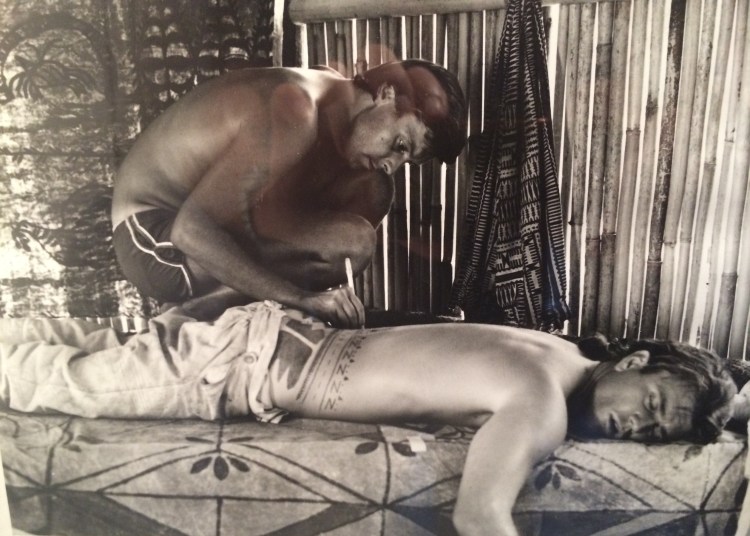
PHOTO: Paul with actor Mel Gibson on “Mutiny on the Bounty’.:

PE & Gibson.jpg

_____

Interviewer Matthew Toffolo is currently the CEO of the WILDsound FEEDBACK Film & Writing Festival. The festival that showcases 10-20 screenplay and story readings performed by professional actors every month. And the FEEDBACK DAILY Festival held online and in downtown Toronto on the last Thursday of every single month. Go to www.wildsound.ca for more information and to submit your work to the festival.
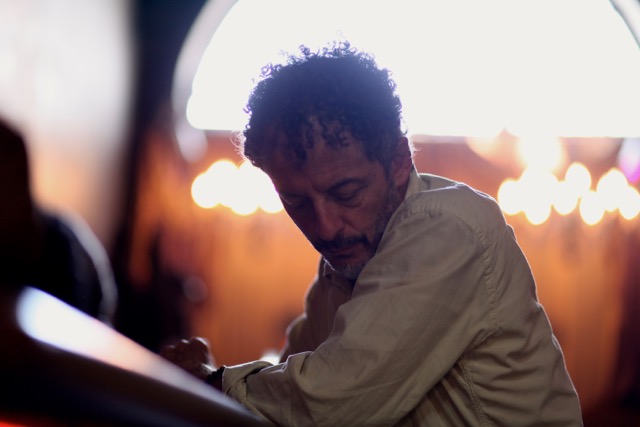
PHOTO: Nicole Kidman transforms via makeup in “The Hours”:

nicolekidman_the_hours.jpg

Interview with Emmy-Winning Editor Geoffrey Rowland

Geoffrey Rowland has worked in the film and television industry for over 50 years. We chatted on the phone for 2 hours with topics ranging from our mutual love for baseball, life lessons, being Canadian, and of course film and editing. He was a pure joy to chat with. Enclosed are the highlights of our conversation:

Matthew: “The Young Messiah” was the last film you worked on. How was your experience working on the film?

Geoffrey Rowland: Terrific experience. I worked 77 straight days editing that film. It became a part of me. I gave it my all and I think it’s a very good film.

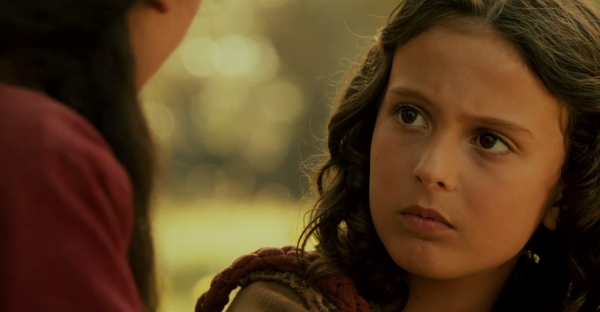
PHOTO: Still from “The Young Messiah” with actress Sara Lazzaro. Geoffrey called her one of the finest actresses he has ever edited. “Amazing eyes”. He praised. 

girl_young_messiah.jpg

MT: You’ve worked on over 80 productions as an editor in the last 40 years. Do you have a favorite experience? What film/TV episode are you most proud of?

GR: There was a “Cagney & Lacey” episode in 1984 called “Heat”. It was about a hostage situation. The producer of the show called it a movie that was also a TV episode. I’m very proud of that episode because the director Karen Arthur won an Emmy for it. The first time a female won a Best Directing Emmy.

There was a scene where someone gets shot in the episode and instead of showing them get shot down, I focused on the reaction of the husband and let the sound of the gun and his face tell us what happened. That’s editing!

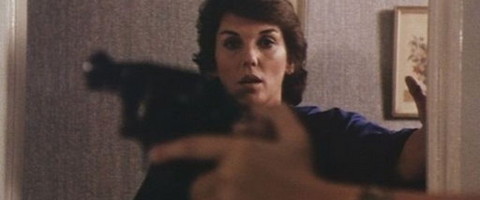
PHOTO: Tyne Daly in “Cagey & Lacey”. Geoffrey edited multiple episodes of the series and considers working with director Karen Arthur as one of his finest working experiences:

cagney_and_lacey.jpg

MT: I have to ask about your experience working on “Rocky” early in your career as an assistant editor. The film ended up winning the Oscar for Best Picture. What are you memories working on the film?

GR: I was an apprentice editor for Richard Halsey on the TV series “Peyton Place”. One day as I was driving home from work on a show I was assisting for, I realized I forgot my wallet and had to go back to the Production Lot. I ran into Richard who was looking for an assistant editor for this film called “Rocky”. The only reason I got the job was because and I was lucky to run into Richard at the exact time he was going to hire someone. I wasn’t his first choice, but because I was eager to do it, he went with me. That’s faith! If I remembered my wallet my career could have gone in a different direction.

Advertisement

MT: You then moved onto “Close Encounters of the Third Kind”. You worked on an Oscar winner to Steven Spielberg! What were your duties working on that production?

GR: I watched, assembled the dailies, and organized the footage. From Memorial Day 1977 to the fall of that year, I had two days off. We worked tirelessly on that film.

Steven was a terrific guy. It was all about the film. That’s what made the working relationship great. No one needs to know anything about you except what you know about the film. A sole focus always leads to the best relationships.

MT: You won an Emmy for the “Path to 911” mini-series. I had a few friends working on that production in Toronto, so I visited the set for a few days. Every shot, no matter what, had at least three cameras rolling, sometimes 4-5 cameras. I remember thinking that the editor and his team are going to have SO much footage – it’s going to be a nightmare. What were your experiences working on that film? You must have had a big team of assistant editors to go over all that footage.

GR: There was almost 3 million feet of film shot on that production. Yes there was a lot of coverage – which is amazing for an editor because you have choice and can really dig into the story.

We had 5-7 editors at a time working on the project editing scenes. The trick on that film was to make it look like it was edited by just one person when it came all together. That was my job. The director David L. Cunningham is a brilliant guy. Shoots the film like it’s a documentary in a very unique style. He reminded me of a young Spielberg.

We were proud to receive the Emmy but it wasn’t us who won it, but the entire production and people who worked on the show.

PHOTO: Still Shot from the mini-series “Path to 911”. A controversial series when it premiered in September 2006. Geoffrey wins his first Emmy after 5 previous nominations: 

path_to_911.jpg

MT: What’s the key difference between working on a TV episode in comparison to working on a feature film?

GR: TV is a Producer’s medium. That’s who you’re working with. They know the show and how the episode needs to fit into the context of the entire season and series. Film is a director’s medium. The director knows the film better than anyone else. In TV, it’s a faster process versus working on a film.

MT: What is an editor looking for in their director?

GR: Hand ons. Hands off. Instense. Casual. They are all different and you always learn a ton from them. As long as they are passionate, that’s all that matters.

MT: What is a director looking for in their editor?

GR: Do the job and don’t bring your ego to the film. A director has one focus (to finish the film) and has a 1000 things going on in their head. They want you to be professional. Don’t cross boundaries and tell them your life story or anything for that matter that’s not about the film. When you finish working with them they’ll know whether they want to work with you again and vice/versa. You don’t have to say anything more about it.

In professional situations and when putting a film together, less is always more.

MT: What film, besides the ones you’ve worked on, have you seen the most times in your life?

GR: The Immortal Beloved. Probably seen it 2 to 3 dozen times. When I want a good cry, I watch it.

Great films leave an impression. My daughter Brooke was 15 years old when we went to see the film together. She just quit the piano weeks before, but went right back to it after she saw the film because she was so inspired. And stayed at it. When Gary Oldman (who played Beethoven) heard that story, he wept.

Stories like that is the reason why most of us get into the business. It’s all about leaving an impression in this world.

MT: What type of film would you love to edit that you haven’t worked on yet?

GR: The next project. Whatever the next project is.

MT: What suggestions would you have for people in high school and university who would like to get into the industry as an editor?

GR: Learn subtext. A great way to do learn is to listen to classical music. Listen to the instruments and how it all comes together. It’s the same way when editing a film.

Get your foot in the door and be a sponge. You have to be obsessed with editing. Nothing else matters.

Also, buy the book: http://www.CUTTINGITINHOLLYWOOD.com

And remember when editing – it’s all in the eyes!

PHOTO: Banner of the book “Cutting it in Hollywood”, where author Mitchell Danton interviews the great film editors, including Geoffrey Rowland. 

cuttingitinhollywood

____

Interviewer Matthew Toffolo is currently the CEO of the WILDsound FEEDBACK Film & Writing Festival. The festival that showcases 10-20 screenplay and story readings performed by professional actors every month. And the FEEDBACK DAILY Fesitval held online and in downtown Toronto on the last Thursday of every single month. Go to www.wildsound.ca for more information and to submit your work to the festival.
Interview with Costumer Designer Ginger Martini

costume designer is a person who designs costumes for a film. The role of the costume designer is to create the characters and balance the scenes with texture and colour, etc.

Interview with Ginger Martini www.gingermartini.com:

Matthew Toffolo: You have worked on over 60 films as a Costume Designer, plus over 24 films as a Makeup Artist in just the last 9 years! You’ve been busy. Is there a film or two that stand out for you that you’re most proud of?

Ginger Martini: I’m proud of the majority of them. I’ve been quite lucky, every script that has come my way, I’ve quite enjoyed working on. I’d say Fall, Portrait of a Serial Monogamist, At Home by Myself… with You, BackCountry and Air Balloon Circus are some of the most visually exciting projects. I love working on the CityLife projects as well, with the Remix project, those films always hold a special place in my heart.

PHOTO for Portrait of a Serial Monogamist:

portrait_of_a_serial_monogamist_costume.jpg

Matthew: You seem to be the go-to person when dealing with tight budgets. Your task is sometimes impossible. What’s your secret to do costumes for an entire cast with little money?

Ginger: Some of them were tight budgets in the beginning years, but for the most part, I get what I need to make it look proper. Realistic goals is key. I draw up a reasonable budget and submit it to my producers and pm at the start. They usually find a way to make it work.

Matthew: You started out doing short films and you continue to do them. What do you enjoy about the short film experience?

Ginger: All about the script, I’m a sucker for an interesting story whether it’s short or long format.

Matthew: What type of film would you love to do costumes for that you haven’t done yet?

Ginger: In sept/oct I designed some costumes for the band XO-IQ on Nickelodeon’s Make It Pop, that was probably my favourite version of designing, anything along those lines would be where I’d like to head from now on, lots of color and fun fabrics. They let me be as creative as I wanted and the results are really cool : )

Matthew: What film have you seen the most times in your life?

Ginger: Oddly enough, The Perfect Storm with George Clooney and Mark Walberg. It’s on tv alllll the time and any time I come across it, I’ll stop what I’m doing and watch the entire thing.

Matthew: What makes a great makeup artist?

Ginger: Talent and personality

Matthew: What are you looking for in a director when you start a production?

Ginger: We need to be on the same page creatively and they need to be someone I can easily communicate with.

Matthew: Does working on big budget Hollywood productions that have a large costume department appeal to you?

Ginger: Of Course : )

Matthew: What advice to you have for high school or university students who are looking to work in costumes or makeup in the movie industry?

Ginger: It’s not as easy as it looks on tv. The hours are beyond gruelling and at first the money is non existent. But keep at it. Be nice to everyone, cuz you never know where your next job is coming from and who that Production Assisant will be later (maybe your next Production Manager) and only work for free for a little bit. Then bill what you’re worth and if you are good at it, the money will come. Make sure you like your scripts and it’s easier to live with them 24/7 for months on end. Take advice from people who are successful in the department you want to be in, and learn to take criticisms well and not personally.

PHOTO from At Home by Myself… with You:

at_home_pic

____

Interviewer Matthew Toffolo is currently the CEO of the WILDsound FEEDBACK Film & Writing Festival. The festival that showcases 10-20 screenplay and story readings performed by professional actors every month. And the FEEDBACK Daily Festival held online and in downtown Toronto on the last Thursday of every single month. Go to www.wildsound.ca for more information and to submit your work to the festival.
Interview with Stunt Double Olga Wilhelmine (Scream Queens, 10 Cloverfield Lane)

Making her home in New Orleans, Olga Wilhelmine is a singer/songwriter turned actress turned stunt performer. Jumping out of planes brought her to her new career (see below). In the last year she has stunt doubled for actresses Haley Bennett and Mary Elizabeth Winstead in two of the most highly anticipated films of 2016.

Matthew Toffolo: Are you an actress who also does stunts, or a stunt performer who also acts?

Olga Wilhelmine: I am an actress who does stunts, or I’d say it started out that way for sure. A lot of times depending on where camera is, you have to do your own stunts and this is of course also depending on what the stunt is, but it is certainly a big factor.

MT: You were the stunt double for Mary Elizabeth Winstead in the upcoming film 10 Cloverfield Lane. Tell us about your experiences working on that film? From complicated to simple tasks, what was your role as stunt double on the film?

OW: I was Mary’s stand-in, photo double and stunt double on 10 Cloverfield Lane so I was there every day with her on set. We filmed about 7 weeks in New Orleans mainly on a sound stage bunker set which was kept dark and lots of smoke, dust and special effects that add to the bunker feel. Being in the dark all day was a bit harrowing especially in the beginning and we really felt like we were in a bunker. As with all films I’ve experienced, waiting is the hardest part. There are so many factors that go into each camera shot and set up and those factors add up in time. Once camera rolls it goes fairly quickly, the set up is the longest part and the re-set after a take can also take time. Mary is a really wonderful and natural actress and very gracious. I actually learned a lot from her and she was brave and did a lot of the physical work herself because the camera was on her face. After a few takes it can wear you down, so she put up with a lot. There is a camera close up of her face in a gas mask which was a heavy and awkward camera rig set up she had to wear. I tested it out for the camera people several times and at one point and it on for an hour! It was heavy awkward and difficult to move with and certainly hurt after a while and she wore this rig too to film those scenes. I have so much respect to her and I did my best to help her wherever I could, which is part of what you do as a double.

MT: You also worked on the upcoming film “The Magnificent Seven”. How was working on that set and what stunts did you perform?

OW: I was doubling the actress Haley Bennett and had a shooting scene (imagine that in a western!). There was a lot of sitting and waiting on this film as it was filmed on location and lots of factors went into it; weather, horses, actors, background actors, camera set ups and resets…although I did meet quite a few people and spent time with some of the other actors. One day several of us had other auditions for other projects, so we used the downtime to help tape each other. That was fun actually!

MT: You’ve also done a lot of stand in work. What exactly does that job entail?

OW: A stand-in takes the place of the actor doing the camera set up and lighting. As I mentioned above that can take a long time depending on the shot and how many components there are. For example, you might have to remove a wall or two, re-dress the set, lay track for the dolly, light the scene and then rehearse the action or blocking with camera movements. I did a lot of this on 10 Cloverfield Lane and they also used me as a photo double, so they would roll camera and I’d do the take in Mary’s place. She was carrying the film entirely, so they used me to help with that as it is a lot of work for one person to do alone—it’s actually not possible without wearing the actor out. In some cases you may have several people fill in, but in this case is was just her and I handling the bulk of it.

When I first started out in film in New Orleans, I was hired to stand-in for Melissa Leo on Treme which was in incredible experience for several seasons. I learned a lot from her and learned a lot about lighting and cameras. Following that I had a tremendous experience standing in for several male actors on Django Unchained. It’s unusual to have females stand in for males, usually not done, but Quentin decided to have fun with Bob Richardson and hired me after I played violin for a party the production had one night. I wore men’s clothing and high heels in some cases, and we had a lot of fun laughing about that. Some of those set ups would take quite a long time but we had a blast, listening to music and plenty of joking around.

MT: How did you get into the stunt game? Did you take an extensive course(s)? How much time do you spend weekly working on your craft?

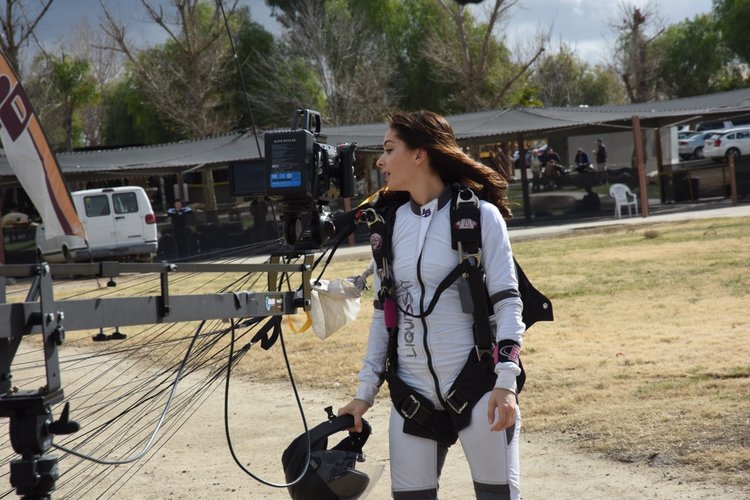
OW: This is something I recently wrote about for an article for Parachutist Magazine link here: http://parachutistonline.com/columns/how_skydiving_changed_my_life/olga-munding

Through skydiving I got into stunt work as not many actresses jump out of planes, so it illustrates the ability to focus and perform under extreme pressure and that is impressive to people. There is of course a physical element to skydiving and you learn how to maneuver your body in the air and control your terminal speed, along with canopy piloting to reach the ground. Most people don’t know, is that skydiving is immensely psychological in that it all comes down to your mental headspace. The calmer you are, the better the dive, the more successful you are. One minute can become a very long time by slowing down your thoughts and streamlining your focus.

I met some stunt guys who upon discovering I was a skydiver, encouraged me to get into stunt work. Both stunts and jumping are continuous learning experience and I have gotten comfortable in the space of “not knowing what’s next” just going with it and trusting myself, that I will know what to do and I will be able to perform.

MT: What’s it like being a female in the “boys” club of the stunt performers on set?

OW: I grew up sort of a tom boy, so I was always around boys. I played plenty of sports and was on a ski team, but I was also a musician, composer, singer and writer and actress so I had a lot of other areas of talent and skill. I am quite comfortable around the guys, although now I’m all grown up and a bit more girlie, but I find they are easy going for the most part an easy to get a long with. I suppose one of the challenges is that is is hard to break into stunts and “the club” if you will, and so that can be difficult for women. But that seems to be the case in whatever business you get into, honestly. Don’t even get me started on the music business!!

MT: Have you had any minor or major injuries working as a stunt performer?

OW: Thankfully not (knock on wood). Bruises and scrapes and sore muscles though…

MT: What’s the biggest high risk stunt you’ve performed to date?

OW: I’d say jumping out of planes is my biggest high risk and I do that for fun! There are different kinds of stunts at different risk levels. Certain people are better at certain things than others and I very much respect people who do the things I cannot. For example, I know nothing about car crashes and car stunts. There are experts in that area and I would defer to them as it is a special skill.

MT: Do you have a stunt that you love to perform in a movie that you haven’t performed yet?

OW: I’d like to skydive in a movie!!

MT: What film, besides the ones you’ve worked on, have you seen the most in your life?

OW: Star Wars – A New Hope is my favorite and I’ve seen it a million times, it never gets old.

____

Interviewer Matthew Toffolo is currently the CEO of the WILDsound FEEDBACK Film & Writing Festival. The festival that showcases 10-20 screenplay and story readings performed by professional actors every month. And the FEEDBACK Daily Festival held online and in downtown Toronto every Thursday. Go to www.wildsound.ca for more information and to submit your work to the festival.

Interview with Composer David Buckley (Nobody, The Town, The Good Wife)

What a joy it was to chat with the extremely talented composer David Buckley. You can hear his music every Sunday on the hit TV series “The Good Wife”. He was also the composer on the upcoming film “The Nice Guys”, directed by Shane Black.

To learn more about David, you can go to his website: http://davidbuckleymusic.net/

Matthew Toffolo: The action/comedy “Grimsby” is out in theaters. What can we expect to see? How was your working experience composing music on that film?

David Buckley: Well, the truth is now out! It’s a total flop. Shame really, as a lot of people spent a lot of time working on the film. Maybe the problem was that too much time was spent on it and it started to lose focus. I’ve always been a fan of Sacha’s work. I can see it’s harder for him to make movies like Borat and Ali G because everyone knows who he is now. Grimsby was a brave attempt at coming with a new character, but clearly the cinema-going world did not love him. The experience on this one was a bit unusual as it was a co-score with Sacha’s brother, Erran. He was based in London a lot of the time and I am in LA. It was also tricky as there were a lot of re-shoots for the film – new material was coming right up until the end. But we divided the work up and got on with it!

MT: Generally, how does one compose the music for a feature film? Do you receive the rough cut, and some guide music tracks for influence/inspiration? When do you generally begin working on the film?

DB: Yes. One is sent a rough cut, and this often includes temp tracks. Sometime after getting it, one hopes to sit down with the director and producer and discuss their musical needs. Sometimes the temp is spoken about as a reference point. Hopefully the conversation does not dwell too long on it, however! It varies, but on the whole I’d say I’ve had an average of about 2 months to write and record most of the scores I have composed.

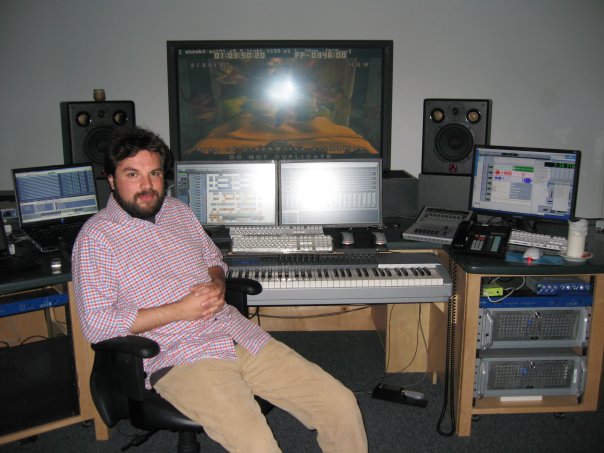
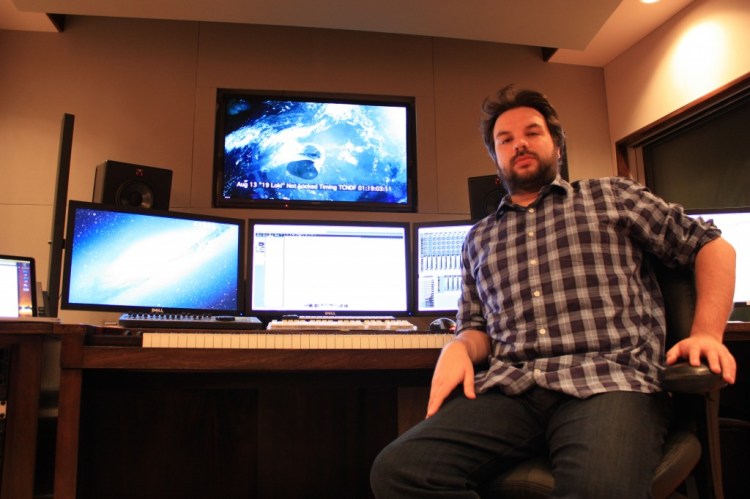
PHOTO: David Buckley in his studio:

davidbuckley_composing.jpg

MT: What type of working relationship do you like to have with your director?

DB: A good one! With the demands of modern film-making, it’s not always easy to physically sit in the room with a director as he/she will have many things to deal with other than music. When there is a moment, I think it’s important to try and absorb as much information one can from the director or any other film maker. Not just specific things but bigger picture issues too. Learning what they know and what they have experienced (be it on the movie, or life in general), will presumably help deliver a score that is to their liking.

MT: You created the theme music for “The Good Wife”. A song that keeps on giving! Do you remember how you got inspired to create the music for the extremely successful TV series?

DB: Well, these days, I write a different opening title each week. There is not a lot of score in the show, so we thought to keep it interesting and relevant to each episode I would crescendo into the main title from the preceding scene. These have been some of the most enjoyable cues I have worked on for the show.

MT: You’ve composed a lot of music for action films? How is this genre different in terms of themes and tones than working on a straight up drama?

DB: I find one of the problems with action scoring is making sure the music is more than just functional. It often has some very specific jobs to do – keeping up energy, maintaining tension, heightening certain moments, etc, and this can either be done in a very plain fashion, or with some interest. The problem is that paranoid/fear-mongering film makers are not always going to allow for the interesting approach and will settle for the safe.

MT: You’ve also worked on a few video games. How has been your experiences working with this format?

DB: Fun. A lot of work but an interesting to genre to try my hand in!

MT: From a technology standpoint, where do you see the future of composing in the movies?

DB: Not really sure about this. Clearly technology has helped composers be able to realize their musical ideas and editors cut their movies a million times until the director (or a test audience!) is happy with it. I suppose for music, samples will get better and better and more realistic. I would wager that no technology will ever be able to beat human performance. I certainly hope not.

MT: How did you first begin? Was composing in the movies something you’ve also aspired to do?

DB: For a long time, yes. When I was a boy, I sung on a soundtrack to The Last Temptation of Chris, and a flame was ignited. I went through a couple of decades of classical training before moving to London and starting to compose for jingles and crappy tv. I was learning as I was going though, and building up my studio and knowledge-base. I got the opportunity to come over to LA just after I turned 30, and jumped at the opportunity.

MT: Out of all the TV shows, films, and video games you’ve worked on, do you have a favorite experience? What do you think is your best work?

DB: I really enjoyed scoring The Forbidden Kingdom. It was the first score I composed. I didn’t really know what I was doing, but I was lucky enough to have a big orchestra and solists at my disposal, and quite a fun movie to be inspired by. Just about every project since has provided me with some form of musical pleasure.

MT: Do you have a composer mentor?

DB: Richard Harvey was my initial mentor. He was the person who encouraged me to come to LA, and he set up a meeting with Harry Gregson-Williams. I had actually known Harry since I was 10 – we both came from the world of cathedral music. At the time we met in LA Harry was fantastically busy and he extended an invitation for me to come out and help him for a bit. From there he helped me find my own career and let me do my own thing. We remain good friends today (I’m supposed to meet him for a drink tonight!). So I can safely say I would not be doing what I am doing today with Richard and Harry. I have also been very fortunate to work alongside some other distinguished composers including Danny Elfman, Hans Zimmer, John Ottman, and Harry’s brother, Rupert.

MT: What film, besides the ones you’ve worked on, have you seen the most in your life?

DB: The Day After Tomorrow. Not my favorite film by a long way, but whenever I see it on the tv I get sucked in. A guilty pleasure for sure!

PHOTO: David Buckley working on a film:

davidbuckley_studio

____
Interviewer Matthew Toffolo is currently the CEO of the WILDsound FEEDBACK Film & Writing Festival. The festival that showcases 10-20 screenplay and story readings performed by professional actors every month. And the FEEDBACK DAILY Festival held online and in downtown Toronto on the last Thursday of every single month. Go to http://www.wildsound.ca for more information and to submit your work to the festival.

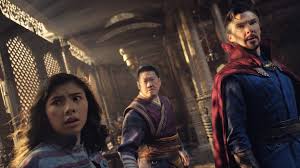
Interview with Editor Tia Nolan (Doctor Strange in the Multiverse of Madness, Friends with Benefits)

Chatting with Tia Nolan about the craft of editing was a pure joy. Her recent credits include: How to be Single (2016), Angie Tribeca season 2 (2016), Annie (2014), Friends with Benefits (2011), The Woman (2008), and Bewitched (2005). She is a wealth of knowledge in the art of making a great comedy – as you’ll learn in his interview. Enjoy!

Matthew Toffolo: What is the role of a TV episode editor? How is this different is comparison to working on a feature film?

Tia Nolan: The role of a TV episode editor is to assemble and fine tune the footage provided to its final broadcast ready product. I have only worked in scripted half hour comedy television. I have found that the craft is similar to feature film editing in performance and timing. The real difference lies in the schedule and who gets final cut. In television, there are usually two or three editors on the show. This means that every two or three weeks, you get a new episode to cut, even if you haven’t finished the previous episode. The schedule is very fast paced. You only spend 2 days with a director and there are usually different directors for each episode. Your real cutting room relationships are with the producers of the show. You can find yourself doing notes on multiple episodes in the same day with the producers.

In features, I am involved in every aspect of the process from dailies to final mix and color timing. In television, the AP runs the mix and color timing for each episode because the editors are needed to continue editing the episodes. In features, I get to spend more time with the director and producers finding the characters, the story and the comedy. There isn’t that luxury of time in television. That said, the shows are shorter so you don’t need as much time to massage the material. But you also have to cut each episode to a specific time, which can be maddening if you have to kill off great material to get to that time. I actually enjoy being able to go between both mediums. It keeps me on my toes.

PHOTO: Rashida Jones stars in “Angie Tribeca” TV show:

ANGIE TRIBECA

MT: What film that you’ve worked on has been your most valuable experience?

TN: That’s a hard question to answer. As an overall answer, I’d say any film I worked on with Richard Marks, my mentor, because he really taught me how to look at a film and make it great. If I were to pick one film that was the most valuable, I’d say FRIENDS WITH BENEFITS.

I had only been cutting on my own for a short while when I got this job. The nature of comedy was changing and what I had learned from my years of working with Richard Marks, James L. Brooks and Nora Ephron was not what the world was craving anymore. When I started working with Will Gluck, he really pushed me to change the pace of my cutting. He wanted his actors to deliver lines fast and punchy like the old screwball comedies, but he wanted them to feel like real people as well.

Though he cowrites all of his films, he loves to go off book and throw ad libs to his actors. He rarely calls cut. FWB was the first digital film I had worked on. I found myself with 30 min. long takes.

But I watched every frame. And in doing so, I was able to listen to his direction to the actors and understand what he was going for. Will Gluck also insists on seeing a rough cut with sound design and music.

When I was coming up the ranks, the rule was to never show a rough cut with music because it changes how you view the cut. Suddenly, I was doing the opposite of what I had been taught. Now I need to perfect all of my sound and music before I can really tell if a scene is working. Working on FWB really launched me forward in my career.

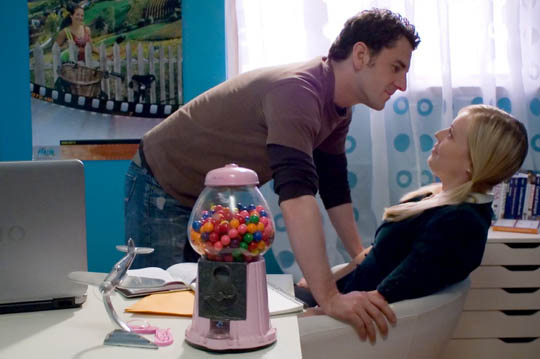
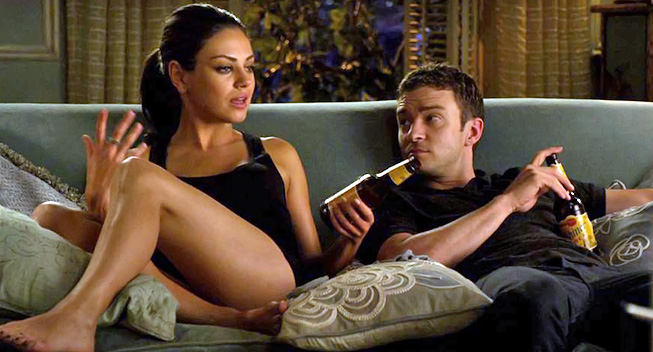
Photo: Justin Timberlake & Mila Kunis star in “Friends with Benefits”:

friends_with_benefits.jpg

MT: What is the art to being a great COMEDY editor? How is working on this type of film different than a conventional drama film?

TN: Comedy editing is all about the pacing. That sounds like a dumb thing to say because all editing is about the pacing, but there is a rhythm to comedy that is very delicate. Make the space between lines too long and you’ve created drama. Make the space too short and you’ve blown the joke. But make the space really long when a ridiculous thing has just been said or done can bring on a huge wave of laughter. But there is no true rule. You just have to feel the material. I believe I have the most success when I’m able to make the characters likable and accessible, not broad caricatures. Then the audience is more open to laughing at them and with them. And watching the film with an audience informs you better than anything of if the comedy is playing.

MT: You’ve edited two feature films in 2016 – HOW TO BE SINGLE & MIDNIGHT SUN. Two very different films. What pulled you into working on those two productions?

TN: I was very interested in working on HOW TO BE SINGLE. It was written by Dana Fox, who was the creator of BEN AND KATE, the first television show I worked on. I instantly responded to the script because it was comedy with heart and (spoiler alert) the girl doesn’t end up with the guy at the end. I had never worked with New Line before but knew that they were one of the main studios making really great comedies. Then, I met Christian Ditter, who is amazing and enthusiastic, and I was sold. Toward the end of HOW TO BE SINGLE, John Rickard, one of the film’s producers, approached me about MIDNIGHT SUN. John had been making this indie film while we were in post on HOW TO BE SINGLE. He had hit a place in the process where he wanted a new set of eyes on the film. There was something with the characters and performance that wasn’t hitting. I was happy to help John out and really happy to dive into a different genre of film.

MIDNIGHT SUN is a drama but it has comedic moments that help us get into the characters. What was important to me when I came onto the film was to make the characters real and likable early on so that when tragedy strikes, you feel so much more for them. My happiest moment on that film was making my teenage daughter cry like a baby at a screening.

MT: What is an editor looking for in their director? What is a director looking for in their editor?

TN: I think the answer is probably different for each editor and each director, but I look for a collaborator who is a solid story teller. I like to be able to voice my opinions and discuss the film with the director.

These healthy debates are what ultimately makes the best finished product. I have been lucky to work with a group of directors who fit this category. Each one of them was looking for a collaborator and teammate. They enjoyed the debates and letting me bring ideas to the table. It made the process fun.

PHOTO: Will Ferrell & Nicole Kidman in “Bewitched”:

bewitched

MT: Is there a type of film that you would love to edit that you haven’t edited yet?

TN: I love all films so I’m just happy to be cutting. I am really excited about my next project. It is a horror comedy but really playing up the horror. I’ve never cut horror and will probably have to sleep with the lights on for months but I can’t wait!

MT: What film, besides the ones you’ve worked on, have you seen the most times in your life?

TN: I have an arsenal of movies that I watch over and over again, so its impossible to say what movie I’ve seen most times in my life. One film that I’ve watched hundreds of times is a film called TWO FOR THE ROAD. It was directed by Stanley Donen and it stars Audrey Hepburn and Albert Finney as a couple going through many stages of marriage. The film travels back and forth through time to explain their complex relationship, not through flashbacks but through very creative editing. My parents loved it and we used to watch it over and over again when I was a kid.

When I got to USC Film School, it was used in my Cinema 101 class as a tool to teach editing. I had seen the film countless times already, but suddenly I was seeing it in a new light.

MT: What suggestions would you have for people in high school and university who would like to get into the industry as an editor?

TN: There are so many opportunities these days for people to learn how to edit. Both my kids use Final Cut Pro at home to edit movies of their friends. But I don’t think that just knowing how to use the programs is enough. I highly encourage anyone who wants to get into editing to move their way through a cutting room, meaning start as a PA and move up. And soak up as much as you can. Editing is as much a relationship with directors and producers as it is with the material.

The more you watch editors manipulate a film or tv show, the more you will feel the rhythms.

MT: Where did you grow up? Was working in the Film Industry something you always wanted to do?

TN: I grew up in the suburbs of Chicago. My father was a big movie buff so movie watching was our biggest hobby in my family. We also made movies as a family. My dad was in advertising so he’d take us on commercial shoots and then to a screening room to watch Rushes at the end of the day. He worked with John Hughes and Alan Daviau when they were in advertising, so I grew up around great talents. I took my first editing class in High School and loved it. I’ve known ever since that time that I wanted to be a Film Editor. And here I am.

_____

Interviewer Matthew Toffolo is currently the CEO of the WILDsound FEEDBACK Film & Writing Festival. The festival that showcases 10-20 screenplay and story readings performed by professional actors every month. And the FEEDBACK DAILY Festival held online and in downtown Toronto on the last Thursday of every single month. Go to www.wildsound.ca for more information and to submit your work to the festival.
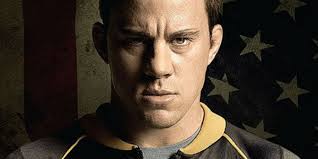
Cinematography Adam Stone (Bikeriders, Take Shelter, Midnight Special)

In his brief career, Adam Stone  has already established himself as one of the top DPs in the industry today. It was an honor to sit down with him to talk about his craft.


Matthew Toffolo: You have worked with director Jeff Nichols on many films. Where did you first meet? Why does your working relationship work so well? 

Adam Stone: Jeff and I worked on a total of 5 films (Shotgun Stories, Take Shelter, Mud, Midnight Special, and Loving). We met in film school at the UNC School of the Arts in the late nineties. I shot 2nd unit for a few of David Green’s early films (George Washington and All The Real Girls) and I guess Jeff liked what he saw. He asked me to come out to Arkansas to shoot Shotgun Stories in the summer of 2005. The project had absolutely no money but we convinced a core group of friends and family to crew-up and Joe Dunton Camera essentially gave us a Moviecam and some anamorphic lenses for free. We were fortunate to have talented people that believed in us. Without them the film would have never seen the light of day.

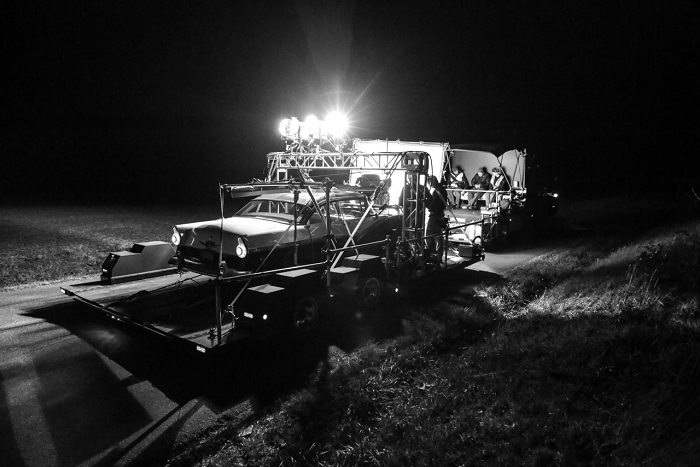
PHOTO: Cinematography for the film “Midnight Special”

midnightspecial-pic.jpg

While working on Shotgun Stories, Jeff and I found we had quite a bit in common. Aesthetically we liked to shoot in the South against a backdrop of kudzu, rusted out cars and interesting characters. We also shared a love of widescreen cinema with simple, yet stately, camera work. We combined those ingredients into a form of southern cinema people seem to enjoy. We have definitely come along way since the days of Shotgun Stories. It has been a great evolution with a true friend and mentor.

MT: Tell us about working on the landmark film Midnight Special?

AS: Midnight Special is a unique movie that’s kind of hard to categorize. It’s a genre bending mash-up of a road movie and sci-fi flick that pays homage to Perfect World, Starman, and Close Encounters. The movie starts without much explanation or backstory, all we know a man is on the run with his son. As the movie progresses we learn the boy has special powers and is dying. His father must keep him alive while the government and a religious sect are in pursuit. Despite all of the characters, themes, VFX events, and unanswered plot points the film is very simple. At the core, it’s a story about a father’s love for his son and how he will do anything to save his boy.

MT: Another film with Jeff, “Loving”, hit theaters in 2016. It’s set in the 1950s. When DPing period pieces, what type of research do you do? Was there another film(s) that was the inspiration to the cinematic design of the film?

AS: To be honest, Loving is the first period piece I’ve had the pleasure to shoot. Jeff’s script was based on a true story about a Supreme Court case so there was plenty of material to unearth. One of the greatest treasure troves was the work of Grey Villet. He was a super talented photographer that documented the story of Richard and Mildred Loving for Time Magazine in 1965. The pictures he took influenced the script, production design, costumes, and the cinematography.

I really fell in love with the objectiveness of Villet’s work. He always employed a wide lens so he really had to campout and wait for candid shots. Jeff and I adopted this technique and let a number of scenes play out in wide observational shots. We also recreated several of Villet’s photos in the movie. It was really cool to see his black and white work come to life in vibrant moving color. To be honest, Jeff and I had to get acclimated to dailies since we had been referencing Villet’s work for so long.

PHOTO: On set for film “Loving”:

loveless.jpg

MT: Do you have a favorite experience in your work as a Director of Photography? What film are you most proud of?

AS: Most of the projects I shoot, whether features or commercials, don’t ‘really’ contribute to the greater good of society.  They might be artful or compelling but they do not teach or enlighten. That’s why I’m proud to have worked on Loving.  Loving sheds light on an important part of history while telling a meaningful story.

I’m also proud how Loving looks. The camerawork is very simple and the lighting is very organic. My main goal was to let the cinematography be an afterthought.  I wanted the audience to pay full attention to the story, characters, and locations – not the camera.

MT: You have Dp’d a few documentary films. What is the general difference between the working on a documentary in comparison to regular narrative film?

AS: I have always had a deep fascination and love of documentary films. The cinematography of Ron Fricke and the still photography of Dan Eldon compelled me to get behind a camera in film school. At that point in life, I wanted nothing more than to travel the world and shoot amazing people and locations at golden hour (to be honest I still have that desire and wanderlust).

Production-wise documentary work and features are not too different. Both utilize similar equipment, call sheets, tons of planning, long hours, and figuring out a creative way to shoot the story. The biggest difference between the two is the time it takes to complete a documentary. Many docs enlist several shooters because of the length and sporadic nature of the schedule.

Advertisement

MT: What type of film would you love to work on that you haven’t worked on yet?

AS: That’s a great question. I’d love to work on a film where the camera is constantly on the move and has the ability to effortlessly traverse every spatial plane. That approach totally goes against how I usually shoot a film where the camera is moored, grounded, and is always someone’s point of view. Seldom do I move a camera for the sake of moving a camera – I guess that’s why I have a fascination with moving it.

I believe my lust for camera movement is directly attributable to the amount of the Red Bull Channel I consume. I really love to veg-out and watch how they fly the camera. Fortunately, I might shoot a film this summer that begs for some fun full-throttle camera movement and I’d love to incorporate more techno crane and steadicam into the equation.

MT: What does a DP look for in a director?

AS: Before I take on a project I have to be intrigued by the script and most importantly believe in the director. The director is the captain of the ship and must have a clear vision and game plan to lead the film from its inception to the very end. Besides being a strong leader the director should be compassionate, open-minded, and have a sense of humor. If all these qualities align, I’m more than enthusiastic about taking on the project and working with the director.

MT: Do you have a Director of Photography mentor?

AS: I had a dear friend that was my cinematography teacher and mentor in film school. His name was Robert Collins and he really taught me to be a compassionate filmmaker. One of the biggest lessons I learned from him was to surround myself with good people on set. He always said the friends you make in film are more important than anything you shoot. I totally agree with his sage advice. Unfortunately, Robert passed away several years ago and he is deeply missed.

MT: What do you look for when hiring your main team? Gaffer. Key Grip. Camera Operator. Etc…

AS: I’ve been very fortunate in my career to work over and over with same core group of individuals.  The crew I work with are my best friends and co-creators. On occasion, when I hire a new member he/she must share the same attributes as the rest of the crew. He/she should be kind, artistic, hard working, honest, and most importantly soulful. It can also be noted, I rather hire someone that is green and enthusiastic over someone more experienced and jaded.

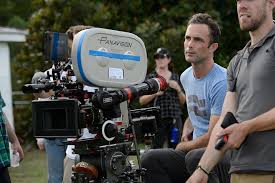
PHOTO: Adam and the camera department from the film “Midnight Special”

midnightspecial_cameradept.jpg

MT: Where do you see the future of camera/lighting technology in film?

AS: Though I’m a proponent of celluloid I love where digital filmmaking is headed. Digital filmmaking has come a long way over the past decade. Camera sensors have gotten better and the lenses look more filmmatic and less clinical. I really admire films such as Revenant that use digital cinema in a smart way. Lubezki made a beautiful movie harnessing the best attributes of digital. He used great equipment (Alexa 65 and Panavision Master Primes), shot in amazing light that accentuates a digital sensor, and flew lightweight digital cameras. That coupled with jaw dropping landscapes, a simple story, and seamless VFX work made for a movie that really resonated with me. I truly love when movies use technology to advance a story instead of letting technology overtake the story.

Lighting has also come a long way in the past 10 years. LED, plasma lights, and iPad enabled dimmer boards have evolved and become onset staples. The ability to control all of the lights on set, whether on a stage or location, from a tablet is amazing. With just a few finger swipes you can audition lights (even dim and recalibrate the color temperature). This is a great timesaver when lighting a big exterior night scene.

MT: What film, besides the ones you’ve worked on, have you seen the most times in your life?

AS: I really don’t watch the films I shoot once they are released – since I see them so many times in post. I guess the two films I’ve seen the most is Some Like It Hot and Baraka. I have a weird ‘thing’ for old screwball comedies and I have always been obsessed with Baraka. I guess if I was stuck on a deserted island those would be my go to films.

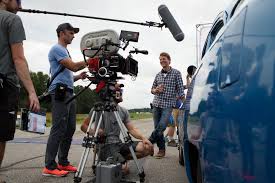
PHOTO: Adam Stone at work: 

adamstone4

_____

Interviewer Matthew Toffolo is currently the CEO of the WILDsound FEEDBACK Film & Writing Festival. The festival that showcases 10-20 screenplay and story readings performed by professional actors every month. And the FEEDBACK DAILY Film Fesival held online and in downtown Toronto on the last Thursday of every single month. Go to www.wildsound.ca for more information and to submit your work to the festival.