Stratagem The Movie, 111min., Directed by Rick E. Cutts Rellik and his girlfriend Nosaer witness a crime and are immediately on the run as they try and elude a killer who seems to always be one step ahead of them. Will they escape can they escape? Follow along as Rellik and Nosaer try and escape a killer and even more important who is behind all the carnage?
I was motivated to make this film after it seemed like all the doors kept closing on me when I tried to get someone to make it for me. John Schramm that I spoke to from Kinolime and he is the one who told me that I should direct the movie and after he put the bug in my ear I went forward with learning how to direct and produce a movie myself.
2. From the idea to the finished product, how long did it take for you to make this film?
I started the idea almost 5 years ago. Then I wrote the book next the screenplay. We finished filming March of 2025 and all the editing was completed by May of 2025
3. How would you describe your film in two words!?
Action / Thriller
4. What was the biggest obstacle you faced in completing this film?
The biggest obstacle I faced in completing the film was probably some of the people not showing up on time and having to navigate around missing actors and filling in with other parts.
5. What were your initial reactions when watching the audience talking about your film in the feedback video?
My initial reaction with the audience feed back was yes yes yes that’s exactly what I wanted them to say. They spoke on the volume to low which is what I wanted because I wanted people to lean in to really listen on purpose. I wanted the movie to mimic real life. We can’t make out all the words sometimes in real life but we know what’s going on.
6. When did you realize that you wanted to make films?
I believe I always wanted to make films. I just didn’t know how to actually start.
7. What film have you seen the most in your life?
I have watched aliens and terminator 2 the most. Probably equally.
8. What other elements of the festival experience can we and other festivals implement to satisfy you and help you further your filmmaking career?
I think the biggest take away from the festival is the feedback. Most artist truly want to hear feedback from the audience to see what they felt watching the movie. That’s what we all generally do it for. To see if we can connect with the audience and will they get what we are trying to do.
9. You submitted to the festival via FilmFreeway. How has your experiences been working on the festival platform site?
I have a small amount of festivals I’ve submitted to. I believe that filmfreeway is truly amazing. It put a lot of different festivals at your finger tip that you can pick the one that best suits your needs.
10. What is your favorite meal?
Steak and potatoes is my favorite meal.
11. What is next for you? A new film?
My next film is already starting. We will start filming it next year January. Another thriller. I’ve also written another book. I’m always keeping busy.
Chatting with Jeff Cutter about Cinematography and his career could have lasted all day. I generally like to limit the questions to about 10-15 when I do these film interviews because these are very busy people and generally less is more. With Jeff, I literally could have asked him 100s of questions as we were just scratching the surface. This is one of my favorite interviews to date. A must read for anyone working or wanting to work in the industry.
Jeff’s cinematography credits include “Gridiron Gang”, “Catch .44”, “Yellow”, “A Nightmare on Elm Street”, “Playing It Cool”, and “10 Cloverfield Lane”
Matthew Toffolo: How was your experience working on 10 Cloverfield Lane?
Jeff Cutter: Expect a taut, tense psychological thriller with 1 or 2 big surprises. I had a great time working on the film as we had a wonderful director in Dan Trachtenberg and an extremely supportive production company in Bad Robot. It was a relatively small budget, and had challenges as a result, but since it is mostly a very contained script we could maximize the resources we had.
Matthew: Do you have a favorite experience in your work as a Director of Photography? What film are you most proud of?
Jeff: I am most proud of my latest film, 10 Cloverfield Lane, because the photography is very close to what I had hoped we could achieve, and in some scenes, better than I hoped. My favorite experience was receiving an email from JJ Abrams about 2 weeks into principal photography, telling me how great he thought everything looked.
PHOTO: Still Shot from 10 Cloverfield Lane. Starring: John Goodman, Mary Elizabeth Winstead, John Gallagher Jr.. Director: Dan Trachtenberg
Matthew: You have DP’d many music videos. Is this something that you’ll continue to do? Do music videos give you a lot more creative freedom to explore being it’s generally an experimental type of story being told?
Jeff: I haven’t shot a music video for almost 10 years now, which makes me feel very old! Budgets have shrunk dramatically from the heyday of music videos when I started. Back in the late 90’s and early 00’s, music videos gave you so much freedom to explore, but also the funds with which to do it. So almost any crazy idea a director came up with, you could go and do. Traditional narrative tools, like lighting continuity, or realistic lighting sources, get thrown out the window. But creative freedom doesn’t always lead to good work.
Experimenting will inevitably also lead to some very bad work as well!
Matthew: What is the key difference when working on a horror film (Orphan, Nightmare/Elm Street) in comparison to doing a straight up drama (Yellow)?
Jeff: When working on a horror film, it needs to be, first and foremost, scary. So much of the camera work and lighting is dedicated to creating/enhancing the suspense and scares. When filming a drama, you use the camera and lighting to support the narrative story.
Matthew: “Orphan” is an amazingly photographed film. It really sets the mood, tone, and themes of this film and is truly a masterful job from a cinematic level. It executes and then heightens the story to a new level. How was your collaboration with director Jaume Collet-Serra?
Jeff: Jaume was an extremely well planned and thoughtful director. For him, setting the overall mood was the number one priority of the camera and lighting. We watched many classic thriller and horror films, as well as less conventional ones, and discussed the feeling that Jaume was looking for in the movie. Then we mapped out the shots and techniques that would help create this feeling.
PHOTO: Still Shot from Orphan. Starring: Isabelle Fuhrman. Directed by Jaume Collet-Serra
Matthew: What type of film would you love to work on that you haven’t worked on yet? Is there a shot/set-up that you’ve thought of already that you love to do in a film if it fits the story?
Jeff: I am prepping a comedy right now, and it’s my first one. It’s not that I necessarily love comedies or was dying to shoot one, but I do like the challenge of trying a new genre. If you don’t constantly challenge yourself, I believe your creative juices will stop flowing and you become complacent, and no good work comes from complacency. Whenever I shoot a film, regardless of genre, my goal is to create a film that looks different from what people expect it to. I’m not looking to do the typical, predictable thing. Of course, sometimes this results in failure, but nothing great comes from playing it safe.
Matthew: What does a DP look for in its director?
Jeff: I first and foremost look to the director for a vision of the film. When I first read a script, certain broad ideas come into my head, and then when you meet with the director, you hope those basic premises line up with what the director had in mind. Then a good director will guide you into the more specific direction he wants the film to go in terms of lighting, mood and camera work. A good director will challenge you to not settle for less than great work. A good director will pull you back when you’ve gone too far and push you when you’re being too safe. A good director will also listen to you when you know you are absolutely right and they’ve gotten something wrong! These are all the things I look for in a director.
Matthew: Do you have a Director of Photography mentor?
Jeff: I don’t have a DP mentor as such, but I do have many cinematographers who’s work I admire and reference, and whom I hope someday to be half as good as if I am lucky. Working greats like Roger Deakins, Emanuel Lubezki and Bob Richardson along with geniuses no longer with us like Conrad Hall, Jordan Croneweth and Harris Savides.
Matthew: What do you look for when hiring your main team? Gaffer. Key Grip. Camera Operator. Etc…
Jeff: I look for guys who are confident in their abilities, unfazed by last minute changes and complications, willing to contribute ideas but not be upset when they are shot down, and last but not least, pleasant to be around. When you spend 6 and 7 days a week with someone for three or four months it’s much easier when you like them!
Matthew: Where do you see the future of camera/lighting technology in film?
Jeff: In the future cameras will continue to get smaller while packing an even larger punch. And LEDs are the future for lighting. Eventually everything will be based around LEDs as they are fully dimmable, there is access to the entire color spectrum, they are light weight, can be customized into any configuration you want, and are extremely energy efficient.
Matthew: What film, besides the ones you’ve worked on, have you seen the most times in your life?
Jeff: There are a handful of films that I have watched multiple times because the film making is of the highest order, and they are for me examples of perfect photography. These include “Apocolypse Now”, “Angel Heart”, “Jacob’s Ladder”, “Blade Runner” and “Seven” to name a few.
Matthew: What suggestions would you have for people in high school and university who would like to get into the industry as an editor?
Jeff: My suggestions to students interested in getting into cinematography: Watch and re-watch as many great-looking movies as you can, and any movies by the great cinematographers. Find what you like, then go out and shoot as much as you can as often as you can, and start experimenting. Make friends with as many people as you can and start building a reel.
____
Interviewer Matthew Toffolo is currently the CEO of the WILDsound FEEDBACK Film & Writing Festival. The festival that showcases 10-20 screenplay and story readings performed by professional actors every month. And the FEEDBACK Monthly Festival held in downtown Toronto on the last Thursday of every single month. Go to www.wildsound.ca for more information and to submit your work to the festival.
It was a great honor to sit down with the very talented DP Adam Kimmel. His career has spanned almost 30 years, starting out as a teenager being an apprentice for Cinematographer Michael Chapman.
His Cinematographer credits include: “The Ref”, “Beautiful Girls”, “Almost Heroes”, “Jesus’ Son”, “Capote”, “Lars and the Real Girl”, & “Never Let Me Go”.
Matthew Toffolo: One of your first jobs was as a Camera Apprentice on the film “RAGING BULL”. How was were your experiences working on the iconic film? Were you like a sponge at the time, taking in everything around you?
Adam Kimmel: I was 18 when I trained on Raging Bull and it was my second film in that capacity so my experience and perspective were still pretty limited. So yes, of course I knew the work of both Martin Scorsese and Robert Deniro at that point, but also of Cinematographer Michael Chapman who had shot the first film I trained on, The Wanderers. One of my strongest memories of that experience and learning process came from watching Michael Chapman collaborating with Scorsese after watching him for 4 months with Phillip Kaufman on The Wanderers. I was amazed that the same man was doing the same work and yet it seemed so different, and I had this moment of insight Into what it takes to be a Cinematographer – I saw that you need to be as adaptive and versatile as you are creative and technical, and that each collaboration will be different and draw on different strengths and experiences.
There was also a real coin drop moment for me when many months after the film finished shooting, I saw it in the theater and was just completely crushed by the power of that experience. I had been there for every day of it, watching every moment as it was crafted and yet seeing the finished film I felt completely unprepared. The power that film making can have and the complexity and vision it takes to put all those pieces together in a way that can cause people to feel so much, became even more exciting and mysterious to me.
MT: Out of all the projects you’ve worked on, what film are you most proud of?
AK: Well I guess it’s like your own children, you can’t pick favorites, but when I consider the films I’ve shot, Capote, Jesus’ Son and Never Let Me Go are the projects that I’m most likely to recommend to someone that wants to see my work.
MT: Generally, how do you get hired to work on a film. You seem to always choose films about the human condition. Is this done on purpose, or is this also something that producers and directors know you’re very good at?
AK: Thanks for noticing and I’d love to think I’m known for that. but the truth is that past choices do lead people to think of you for certain projects.
Of the scripts I’m sent, I think that first I respond to stories that I understand in an emotional way. I’ve read scripts that I admire and know will be good films but feel I may not be the best choice for, and for me, beyond that it’s always about the director and their vision of the script. When those things add up, it’s an obvious choice.
MT: The film CAPOTE (2005) is a wonderful film. What were your initial conversations with director Bennett Miller on the overall cinematic design of the film? There were not many camera movements in the film. And very intense/sad shadows throughout.
AK: Well, the process of spending time with a director and a story allows you to find the language that’s right for them. Bennett and I talked about the honesty and integrity of the image, about not getting in the way of the story or letting any of the choices draw attention to themselves, but I think we arrived at the style of the film with equal parts creativity and practicality.
It needed to be an efficient shoot that allowed as much time and concentration with the actors as possible and for me the way to accomplish that was to plan as carefully as possible where we wanted to watch that story unfold from, and then trust those choices and not steal from ourselves by betting against them.
PHOTO: Cinematography in CAPOTE. The late Philip Seymour Hoffman would go onto win the Best Actor Oscar for his role as Truman Capote:
MT: From CAPOTE, you moved onto DPing LARS AND THE REAL GIRL (2007). A completely different tone and feel, but similar themes. How was working on that film with director Craig Gillespie?
AK: Well Craig and I had been working together in commercials for a long time at that point and I loved the idea of making a film together, but I also saw the opportunity in telling that story with that cast. There was a purity and complexity in the script that I was really drawn to and since I knew I would never get to shoot a Hal Ashby film, I figured why not…?
PHOTO: Ryan Gosling in LARS AND THE REAL GIRL. Perhaps the most underrated film in the last 10 years. A film that will make you laugh and cry multiple times:
MT: You’ve worked on more than a few short films. What keeps enticing you to work on shorts? Do you like/love the medium?
AK: I think a good short film can be really powerful, I really haven’t done that many but I probably choose them the same way I do a full length film, but I do like having all the same elements concentrated into much less screen time. It’s a different challenge but it allows a lot of the same processes to take place. I shoot commercials for the same reason, it’s a different way to exercise creativity.
MT: What type of film would you love to work on that you haven’t worked on yet?
AK: I never know what’s going to spark my interest so I really don’t have a checklist, I just want to be involved with projects that allow a clear point of view to tell the story and add something to the experience of life.
MT: What does a DP look for in its director?
AK: I think Curiosity is a great quality, as is having trust in the people they hire, the ability to share their questions and ideas, and a sense of humor helps.
MT: What does a director look for in its DP?
AK: I don’t know if I’m qualified to answer that, but I think a lot of the same things as the previous answer.
MT: Where do you see the future of camera/lighting technology in film?
AK: There are so many new toys coming out all the time now it can be daunting, but I like to approach the choices I make from a place of having a vision for where we’re headed and never allowing the equipment or technique to lead that. I always welcome lighter, smaller and more versatile tools and the freedom they afford us as filmakers, but in a way it puts even more importance on knowing where you want to go before you start making those choices.
MT: What film, besides the ones you’ve worked on, have you seen the most times in your life?
AK: I have to say I rarely watch films that I’ve shot, I bet most Cinematographers would say the same thing, by the time I finish a film I feel I know it really well, and then it becomes about other peoples experiences of it.
But other peoples films I can watch over and over, and I do. Being There, The Thin Red Line, Beiutiful, The Godfather films, Children of Men, Midnight Cowboy, Straight time, The Conversation, The Great Beauty, The Master, The French Connection, A Clockwork Orange, Sophie’s Choice, The Deer Hunter. Days of Heaven, Before Night Falls, Fat City, Wings of Desire…
____
Interviewer Matthew Toffolo is currently the CEO of the WILDsound FEEDBACK Film & Writing Festival. The festival that showcases 10-20 screenplay and story readings performed by professional actors every month. And the FEEDBACK DAILY Festival held online and in downtown Toronto on the last Thursday of every single month. Go to www.wildsound.ca for more information and to submit your work to the festival.
Chatting with Tia Nolan about the craft of editing was a pure joy. Her recent credits include: How to be Single (2016), Angie Tribeca season 2 (2016), Annie (2014), Friends with Benefits (2011), The Woman (2008), and Bewitched (2005). She is a wealth of knowledge in the art of making a great comedy – as you’ll learn in his interview. Enjoy!
Matthew Toffolo: What is the role of a TV episode editor? How is this different is comparison to working on a feature film?
Tia Nolan: The role of a TV episode editor is to assemble and fine tune the footage provided to its final broadcast ready product. I have only worked in scripted half hour comedy television. I have found that the craft is similar to feature film editing in performance and timing. The real difference lies in the schedule and who gets final cut. In television, there are usually two or three editors on the show. This means that every two or three weeks, you get a new episode to cut, even if you haven’t finished the previous episode. The schedule is very fast paced. You only spend 2 days with a director and there are usually different directors for each episode. Your real cutting room relationships are with the producers of the show. You can find yourself doing notes on multiple episodes in the same day with the producers.
In features, I am involved in every aspect of the process from dailies to final mix and color timing. In television, the AP runs the mix and color timing for each episode because the editors are needed to continue editing the episodes. In features, I get to spend more time with the director and producers finding the characters, the story and the comedy. There isn’t that luxury of time in television. That said, the shows are shorter so you don’t need as much time to massage the material. But you also have to cut each episode to a specific time, which can be maddening if you have to kill off great material to get to that time. I actually enjoy being able to go between both mediums. It keeps me on my toes.
PHOTO: Rashida Jones stars in “Angie Tribeca” TV show:
MT: What film that you’ve worked on has been your most valuable experience?
TN: That’s a hard question to answer. As an overall answer, I’d say any film I worked on with Richard Marks, my mentor, because he really taught me how to look at a film and make it great. If I were to pick one film that was the most valuable, I’d say FRIENDS WITH BENEFITS.
I had only been cutting on my own for a short while when I got this job. The nature of comedy was changing and what I had learned from my years of working with Richard Marks, James L. Brooks and Nora Ephron was not what the world was craving anymore. When I started working with Will Gluck, he really pushed me to change the pace of my cutting. He wanted his actors to deliver lines fast and punchy like the old screwball comedies, but he wanted them to feel like real people as well.
Though he cowrites all of his films, he loves to go off book and throw ad libs to his actors. He rarely calls cut. FWB was the first digital film I had worked on. I found myself with 30 min. long takes.
But I watched every frame. And in doing so, I was able to listen to his direction to the actors and understand what he was going for. Will Gluck also insists on seeing a rough cut with sound design and music.
When I was coming up the ranks, the rule was to never show a rough cut with music because it changes how you view the cut. Suddenly, I was doing the opposite of what I had been taught. Now I need to perfect all of my sound and music before I can really tell if a scene is working. Working on FWB really launched me forward in my career.
Photo: Justin Timberlake & Mila Kunis star in “Friends with Benefits”:
MT: What is the art to being a great COMEDY editor? How is working on this type of film different than a conventional drama film?
TN: Comedy editing is all about the pacing. That sounds like a dumb thing to say because all editing is about the pacing, but there is a rhythm to comedy that is very delicate. Make the space between lines too long and you’ve created drama. Make the space too short and you’ve blown the joke. But make the space really long when a ridiculous thing has just been said or done can bring on a huge wave of laughter. But there is no true rule. You just have to feel the material. I believe I have the most success when I’m able to make the characters likable and accessible, not broad caricatures. Then the audience is more open to laughing at them and with them. And watching the film with an audience informs you better than anything of if the comedy is playing.
MT: You’ve edited two feature films in 2016 – HOW TO BE SINGLE & MIDNIGHT SUN. Two very different films. What pulled you into working on those two productions?
TN: I was very interested in working on HOW TO BE SINGLE. It was written by Dana Fox, who was the creator of BEN AND KATE, the first television show I worked on. I instantly responded to the script because it was comedy with heart and (spoiler alert) the girl doesn’t end up with the guy at the end. I had never worked with New Line before but knew that they were one of the main studios making really great comedies. Then, I met Christian Ditter, who is amazing and enthusiastic, and I was sold. Toward the end of HOW TO BE SINGLE, John Rickard, one of the film’s producers, approached me about MIDNIGHT SUN. John had been making this indie film while we were in post on HOW TO BE SINGLE. He had hit a place in the process where he wanted a new set of eyes on the film. There was something with the characters and performance that wasn’t hitting. I was happy to help John out and really happy to dive into a different genre of film.
MIDNIGHT SUN is a drama but it has comedic moments that help us get into the characters. What was important to me when I came onto the film was to make the characters real and likable early on so that when tragedy strikes, you feel so much more for them. My happiest moment on that film was making my teenage daughter cry like a baby at a screening.
MT: What is an editor looking for in their director? What is a director looking for in their editor?
TN: I think the answer is probably different for each editor and each director, but I look for a collaborator who is a solid story teller. I like to be able to voice my opinions and discuss the film with the director.
These healthy debates are what ultimately makes the best finished product. I have been lucky to work with a group of directors who fit this category. Each one of them was looking for a collaborator and teammate. They enjoyed the debates and letting me bring ideas to the table. It made the process fun.
PHOTO: Will Ferrell & Nicole Kidman in “Bewitched”:
MT: Is there a type of film that you would love to edit that you haven’t edited yet?
TN: I love all films so I’m just happy to be cutting. I am really excited about my next project. It is a horror comedy but really playing up the horror. I’ve never cut horror and will probably have to sleep with the lights on for months but I can’t wait!
MT: What film, besides the ones you’ve worked on, have you seen the most times in your life?
TN: I have an arsenal of movies that I watch over and over again, so its impossible to say what movie I’ve seen most times in my life. One film that I’ve watched hundreds of times is a film called TWO FOR THE ROAD. It was directed by Stanley Donen and it stars Audrey Hepburn and Albert Finney as a couple going through many stages of marriage. The film travels back and forth through time to explain their complex relationship, not through flashbacks but through very creative editing. My parents loved it and we used to watch it over and over again when I was a kid.
When I got to USC Film School, it was used in my Cinema 101 class as a tool to teach editing. I had seen the film countless times already, but suddenly I was seeing it in a new light.
MT: What suggestions would you have for people in high school and university who would like to get into the industry as an editor?
TN: There are so many opportunities these days for people to learn how to edit. Both my kids use Final Cut Pro at home to edit movies of their friends. But I don’t think that just knowing how to use the programs is enough. I highly encourage anyone who wants to get into editing to move their way through a cutting room, meaning start as a PA and move up. And soak up as much as you can. Editing is as much a relationship with directors and producers as it is with the material.
The more you watch editors manipulate a film or tv show, the more you will feel the rhythms.
MT: Where did you grow up? Was working in the Film Industry something you always wanted to do?
TN: I grew up in the suburbs of Chicago. My father was a big movie buff so movie watching was our biggest hobby in my family. We also made movies as a family. My dad was in advertising so he’d take us on commercial shoots and then to a screening room to watch Rushes at the end of the day. He worked with John Hughes and Alan Daviau when they were in advertising, so I grew up around great talents. I took my first editing class in High School and loved it. I’ve known ever since that time that I wanted to be a Film Editor. And here I am.
_____
Interviewer Matthew Toffolo is currently the CEO of the WILDsound FEEDBACK Film & Writing Festival. The festival that showcases 10-20 screenplay and story readings performed by professional actors every month. And the FEEDBACK DAILY Festival held online and in downtown Toronto on the last Thursday of every single month. Go to www.wildsound.ca for more information and to submit your work to the festival.
What an honor it was to sit down with Director of Photography Julio Macat. Julio has DP’d most of the top comedy films in the last 25+ years. His list of credits include: Home Alone 1, 2 & 3, Ace Ventura: Pet Detective, The Nutty Professor, The Wedding Planner, Wedding Crashers, Winnie the Pooh, Pitch Perfect, and the upcoming comedy The Boss, starring Melissa McCarthy.
Matthew Toffolo: You have worked in the Hollywood Film Industry scene for the last 36 years. What has been the biggest change in the filmmaking process from 1980 to present?
Julio Macat: The biggest change in our industry has been the choice of material that studios and most independent financing companies green light, as what films are made. It used to be that a film like ORDINARY PEOPLE would have no problem going forward, especially with a good director attached. Now, great films like that rarely get made anymore. I miss that.
MT: Of all the productions you’ve worked on, what film are you most proud of?
JM: Without hesitation it’s HOME ALONE, it was a rare combination of all the elements of film making coming together harmoniously with a result better than expected.
PHOTO: Cinematography in the film Home Alone:
MT: Home Alone is one of the most successful films in movie history, and it’s a film that really stands the test of time. During filming, did you ever imagine that this film would be as iconic as it was?
Advertisement
JM: No I didn’t. My hope was that it would be liked as much as I liked A CHRISTMAS STORY and that kids could relate to and be empowered by it. But It’s unusual to sense that you are doing something that special because you are in a vacuum, trying to do the best you can in your department (the visuals) and just hope that everyone else had their act together as well…Fortunately our young director Chris Columbus, had a great vision of what “it could be” and he guided us all in a great direction. The film was that unique circumstance where every layer that was added made the film even better…and John Williams’ score was truly icing on the cake.
MT: You’ve definitely been a part of some of the most successful films in the last 25 years (Home Alone, Wedding Crashers, Pitch Perfect to name a few). Is there a film that you worked on that didn’t do well at the box office that you consider a terrific film that people should see?
JM: Yes In comedy, I loved MY FELLOW AMERICANS which came out at an odd time and no one saw and the drama CRAZY IN ALABAMA which was a bit too long and did not connect with American audiences.
PHOTO: Crazy in Alabama. Starring Melanie Griffith:
MT: You just wrapped “The Boss” starring Melissa McCarthy, Peter Dinklage, and Kristen Bell. Can you give us a sneak peak as to what to expect?
JM: I have not been this excited about a comedy coming out since I photographed WEDDING CRASHERS!
JM: THE BOSS is the perfect vehicle to show Melissa McCarthy’s incredible talent. I think she is the present day Lucille Ball, someone who can and will do ANYTHING for a laugh and unlike other comedians, it’s ALWAYS really funny. She has the uncanny ability to step outside herself and correct situations to make them hilarious without being self conscious! There is a scene in which she puts on a teeth whitener to have Kristen Bell clean her teeth and holds a conversation while they are being cleaned. I assure you that this will have the people in theatres roaring with laughter! We had to start the scene again repeatedly, because the other actors and the crew could not stop laughing during the takes.
PHOTO: Melissa McCarthy in THE BOSS:
MT: Some of the comedies you work on the director demands the actors stick to the script, whereas other films, like Wedding Crashers, there is a lot of improvising occuring. Do you have a preference when shooting? How does the scene lighting setup change when you know the actors are going to go off script?
JM: It’s been my experience that comedy is an imperfect and individual science. The best results come when you leave an opening for great accidents to happen. So I try to not lock in actors with blocking that is too precise, and for example, if the scene develops into being filmed in an area that we had not anticipated, well, that then turns into a fun challenge!. Hopefully this adds to the piece. Ben Falcone and Melissa were eager to want overlaps in dialogue and action in some of our scenes, to be a part of the looseness of the jokes, so they asked that I cover these scenes with three angles simultaneously. It was challenging photographically, but the results were worth the effort and we got many “improvised “ moments with the proper intercut coverage.
Advertisement
MT: Since you started in the camera department, do you prefer operating the camera yourself? Or does this all depend on what type of film (budget/Union guidelines) you’re working on?
JM: I love operating the camera myself, and on some productions I prefer it.
But since I’ve now done 17 films with first time directors, lately, I find that all can go faster when I spend more time by the director’s side and away from the camera. I do love stunts, however, and I love operating on the tough shot …so that we get it in one.
MT: What’s the main thing you look for from your main crew members? Gaffer, Key Grip, Camera Operators etc…
JM: My most important criteria in choosing crew is PERSONALITY. After this many years in the film industry, I found that many people are qualified for the job description, not as many have the agreeable, kind and respectful personality that I require to be in my crew.
I like to be the example of being respectful to actors, directors, producers and other crew members. I expect my crew to do the same.
It’s amazing how much you can achieve with a hand picked crew that has a positive attitude and general kindness toward each other, I am always amazed at this, especially when we work under such tough circumstances that we often encounter. With this approach, when the pressure mounts with things like weather challenges, not enough time, locations changing, etc. etc. which by the way, are actually the daily obstacles of filming, one can rely on the crew to process it, deal with it professionally and find a solution with kindness achieving much better results.
MT: What do you look for in your working relationship with your director?
JM: A collaboration, Hopefully I look for this person to be someone who will do their homework, roll their sleeves up along with me and work as hard as I do.
I look for the director to be considerate of my craft and the elements I may need in order to help them realize their vision for the film And finally, maybe most importantly, a sense of humor.
MT: What movie, besides the ones you worked on, have you seen the most in your life?
JM: It’s a three way tie: In this order though…
IT’S A WONDERFUL LIFE LOST IN AMERICA JERRY MAGUIRE
Cheers JULIO MACAT, ASC
_____
Interviewer Matthew Toffolo is currently the CEO of the WILDsound FEEDBACK Film & Writing Festival. The festival that showcases 10-20 screenplay and story readings performed by professional actors every month. And the FEEDBACK DAILY Festival held online and in downtown Toronto every Thursday. Go to www.wildsound.ca for more information and to submit your work to the festival.
A Graphic Designer creates the props and set-pieces for film productions and works directly with the Production Designer. Depending on the period and genre, these can be newspapers, love letters, shop signs, posters, cigarette boxes, logos. Basically, they create the original materials needed for a film that haven’t yet been invented.
I was fortunate enough to interview the extremely talented Graphic Designer Tina Charad. In the last 10 years she has worked on over 30 productions including the films “Robin Hood”, “Edge of Tomorrow”, “World War Z”, “Pirates of the Caribbean”, “The Fifth Wave”, and “RocknRolla”.
Matthew Toffolo: Is there a film or two that you’re most proud of?
Tina: Well, in terms of pure indulgence, of being spoilt and designing beauty day after day, it would be 47 Ronin. Perhaps Maleficent too – for the same reasons.
Tina created images in the film “47 Ronin”:
Matthew: How long do you generally work on a film? How early do you come on in pre-production? Do you stay until the end of filming?
Tina: It really does depend. On the whole, a large studio film in the UK could be 9/10 months work. The prep time is longer as is the shooting schedule. I have worked both in the UK, where I started and the US, where I now live. In the UK the Graphic Designer is really responsible for a large amount more work than the US. That may sound bizarre in terms of the work load varying but in the US there are a lot more print houses and production places that can facilitate some of the graphic design parts where as in the UK, the Graphic Designer creates all the Art department, set dec & prop pieces – no matter how big or small.
Advertisement
Matthew: What’s the difference when working on different genres? From a straight up drama like “Body of Lies”, to a pure fantasy like “Maleficent”?
Tina: Well there is a huge difference. With something like BOL, you’re not creating fantasy. Often you are recreating reality but in a different location. So you’re making mobile phone stores, embassy clinics, roads signage. They are a huge part of what makes the film real, but not wildly creative. You have to be on the nose accurate, especially when working in foreign languages and alphabet like that film. We shot in Morocco, but were predominantly set in Jordan. The Arabic is different in these two countries. I had to have a translator who knew the differences. I then had to set about researching contemporary Arabic branding and identities as you would in the US. I had to create large scale banks and corporations but in Arabic. I spent a lot of money purchasing good contemporary Arabic fonts. With Maleficent, I was re-united with a favorite designer. He wanted me to create a large scale tapestry for Sleeping Beauty’s bedroom. Whilst there were suggestions of medieval tapestries etc thrown in, he was very clear that he wanted to design something original. Also he pointed out that we were not a historical film, but a fantasy and the tapestry should show that. I think the brief was “Grayson Perry Meets Flemish”. So I worked on a fantastical forest scape that was a day and night scene. It has a wealth of lovely references and feels both fresh and stylistically fitted the brief.
Tina created the Sleeping Beauty bedroom images in “Maleficent”
Matthew: What about your experiences working on “American Ultra” or “The Crazy Ones” TV show? Is a straight up comedy an entirely different experience? Is your creative process all about making people laugh?
Tina: Well to be fair, In American Ultra I was doing reshoots especially of all the insert work. The producers and director found that the stuff didn’t work once they had shot it. For many reasons it had to all be recreated so it wasn’t really humorous at that point. You are just trying to get all these pieces and stick them together. In fact I didn’t get the script for that so I had no idea it was a comedy. It all seemed like a typical spy caper to me at the time.
I did a little on The Crazy Ones as they wanted to elevate the look and feel of the show. I had also worked at Leo Burnett where the show was supposedly based on. Despite what the designer hoped for, there is still only so much you can do with a comedy show – the jokes have to be pretty brash and in your face. No room for subtlety. It’s not my best genre – TV comedy. I find myself always fighting for the more subtle joke, and losing…
Matthew: What is the most challenging aspect of being a graphic designer?
Tina: Going to have to be clearances & the legal side.
Matthew: I have to ask you about the “Fifty Shades of Grey” experience?
Tina: One of the most anticipated films of 2015. Were your design themes all about power and sex?
I started with David Wasco before any other art department. Initially we worked on researching the sex furniture for the red room of pain. David knows that I can do illustrative work so I looked at initial pieces of what these key pieces of furniture would look like. I have worked for a lot of designers sourcing reference and style imagery so we looked at humanizing the story. The book is pretty 2 dimensional as are the characters, so between Sam the director and David, they wanted to add life into it. In terms of the graphics in that film, trying to design a logo that doesn’t look like a film graphic and that could carry through 3 films and maybe 5 years without looking dated or getting changed, was a challenge. But I did several passes at first and Sam knew straight away which to choose. That initial Grey Enterprises logo is what Universal based their entire marketing campaign on. The other key logo was SIP – Seattle Publishing which actually didn’t make it into the film but is a key part of book2. I bet they use a new logo but that would be a huge pity. I rather liked my SIP wor
Tina’s created logos for “Fifty Shades of Grey”:
Matthew: You worked as a Graphic Designer on the David Fincher directed music video “Justin Timberlake Ft. Jay-Z: Suit & Tie”. How long did you work on the video, what did you do, and how was working with so many iconic people?
Tina: Good Question! I watched the video again to remind myself. Well that and sifted through my back up folders. I remembered doing a lot of etched mirror and glass for that video and sets. I remember there was a nightclub that was branded (signage, props etc) and had an old rat pack feel. What one has to remember is what is in the final edit does not show what was made. We prepare for what is initially discussed but things can change on the shoot day, the director or cast and request changes and then a whole scene can be cut. David Fincher is very particular about everything so the designer had all sets covered from an art direction, graphics and prop side. Better safe than sorry.
Matthew: Do you have a Production Designer or Graphic Designer mentor?
Tina: No – not really;
I spent 10 years in the real world of branding & advertising before moving into film. I loved Fabien Baron -you might guess from the fifty shades ;). So I didn’t really need mentoring when it came to graphics in the film industry with a designer so to speak, as I already had the skills. I have a couple designers I would work for regardless of pay or the job (let’s hope they don’t read this) they are David Wasco & Gary Freeman. Love the projects David chooses, they are often smaller and more interesting pieces. He is a designer that graphics are hugely important too. Gary uses me more as a Graphic illustrator on large scale pieces. Installations that normally are dreams briefs.
Matthew: What movie, besides the ones you’ve work on, have you seen the most in your life?
Tina: Another great question. There isn’t 1 but 3. Gladiator – no explanation needed Team America – I will never stop laughing or being furious I didn’t work on it Love Actually – it’s on every Christmas
Matthew: You’ve worked as a Production Designer on more than a few short films. Is that a position that you aspire to hold in the Hollywood feature film world? Is there a place where we can watch your short films?
Tina: I have done that. I’ve also worked quite extensively as a stylist and assistant set decorator which is something I did pursue for a while I never wanted to design. All my design jobs have honestly been decorating jobs. Then I moved to the US and had to choose between 44 or 800 and I decided to focus only on graphics. I have no idea if you can watch these shorts. I’ll have to investigate…..
Matthew: What Production Designer and/or Director would you love to work with that you haven’t worked with yet?
Tina: That would be KK Barrett for Production Design and Tim Burton.
Matthew: You’re working on the new Bourne Identity sequel. Can you give us a sneak peek to what to expect?
Interviewer Matthew Toffolo is currently the CEO of the WILDsound FEEDBACK Film & Writing Festival. The festival that showcases 10-20 screenplay and story readings performed by professional actors every month. And the FEEDBACK Monthly Fesival held in downtown Toronto on the last Thursday of every single month. Go to www.wildsound.ca for more information and to submit your work to the festival.
The original creation of the spanking bench in “Fifty Shades of Grey”
The original creation of the bedroom in “Fifty Shades of Grey”
Rasmus Heise is the cinematographer of the Netflix Original series “The Rain” and the drama/fantasy feature film “I Kill Giants”. The Danish DOP started out working on a string of short films including Oscar-winning family drama “Helium”.
Matthew Toffolo: Where were you born and raised? Was photography something you always wanted to do as your career?
Rasmus Heise: I was born in Copenhagen and raised in different cities around Denmark. I picked up a VHS camera at summer camp, age 13, and did a short film starring my sister. I overheard some adults prasing my work. That never left me. It wasn’t untill I was around 21, that I fund out that cinematography was what I wanted to do. I was taking the 8 months course at the European Film School in Ebeltoft, Denmark. This is where I met the people that I would go on making short films with for many years ahead. Later I studied cinematography for 4 years at the National Filmschool of Denmark in Copenhagen.
What has been your most proudest work of your career? Or, what has been your favorite project to date?
The first real big challenge was the two final episodes of the TV show called “The Protectors” (Livvagterne, Denmark, director Mikkel Serup). We had to shoot locations in Denmark and Marocco and studio in Denmark. It was a big challenge making it all flow seamlessly, and I think we did a great job. In more recent times I’m very proud of I Kill Giants. A huge challenge for everybody involved. Shooting a challenging script in only 35 days in two countries and with many cgi and in-camera effects. I’m also proud of the work on the Netflix show The Rain. I shot 4 episodes for director Natasha Arthy. We had a huge amount of stuff to do, and very little time. But somehow we and the hardworking crew made it work.
Tell us about the film I KILL GIANTS. How did you get involved in the project? What makes this film unique?
I have worked with director Anders Walter for many years. I have shot about 20 music videos and 4 short films for him. After our short film Helium won an Oscar for best live action short, things started to happen. He was offered to direct IKG, and I jumped on the project with him. The american producers didn’t know me, but luckily I had shot the first season of Amazon Studios’ show Hand of God for director Marc Forster. So they called him up, and he must have said something nice about me I guess 🙂
The film is based on a really beautiful graphic novel from 2008 by the same name. It’s a very beautiful story, and I feel very lucky to have been a part of making it in to a movie. I want to thank producer Kim Magnussen for also helping me get onboard.
Is there a type of film/TV show that you love to work on that you haven’t worked on yet?
I would love to make something gritty. A twisted thriller.
What are you generally looking for in a director in order for you to do your job as best as possible?
It’s all about being on the same page I think. I always try and spend time getting to know each other. The better I know someone, the better a job I tend to do for him or her. I love directors who has a vision, but are not afraid to let go and let the project take you somewhere you hadn’t planned.
What do you think a producer/director is looking for when they bring on you to DP the film?
I know my craft, and I work fast! Haha. I know that many producers like it. I think directors likes me, because I can work in many genres and maybe also because I’m easy to talk to. I see my job as becomming the directors best friend, and I try to be the best collaborator in every way. I want to help the director, but also challenge him or her to push the project to become even better.
What is your passion in life besides photography and film?
These days it’s my beautiful family. They are amazing every day.
What movie have you watched the most times in your life (besides the ones you worked on?
I have MANY favorite movies. My all time favorite is Heat by Michael Mann. Have seen that so many times. My biggest dream would be DP-ing a movie directed by Michael Mann. Or PT Anderson. Or David Fincher. Or Marc Forster. Or.. well the list is very long.
What advice do you have for young cinematographers who would eventually like to DP movies for a living one day?
What you need is collaborators. Find like-minded people. Learn and grow together. Film school is not essential. But it’s a great place to learn from your mistakes without anybody out in the film industry noticing you screwed up. So if you don’t get into film school, or don’t have the money for it, find another way to get experince and learn. Make non-budget shorts or do music videos or art projects. Go to a film work shop or find collaborators some other way.
Please follow me on instagram: rasmus_heise
_____
Interviewer Matthew Toffolo is currently the CEO of the WILDsound FEEDBACK Film & Writing Festival. The festival that showcases 20-50 screenplay and story readings performed by professional actors every single month. And the FEEDBACK DAILY Festival held online and in downtown Toronto, and Los Angeles at least 3 times a month. Go to http://www.wildsoundfestival.com for more information and to submit your work to the festival.
Gilde has been in the business for over 20 years and has over 80 credits to his name. It was an honor to interview the extremely talented musician and composer:
Matthew Toffolo: Where were you born and raised? Was music something you always wanted to do as your career?
Gilde Flores: I was born and raised in Hereford, Texas. Music was something I’ve always loved and occasionally dabbled in some with a few instruments, but saw no future in. That was up until the age of 14 when my father decided to recruit me into his band. I tried desperately to play awful, in hopes of being booted, but found myself advancing to other instruments. In time, I grew into having this love for music, which eventually led to me play/touring the US with various bands in various genres.
What has been your most proudest work of your career? Or, what has been your favorite project?
My proudest work would definitely be the time a music cue of mine was used in scene for Marvels, The Wolverine. Being a geek, this was instantly a highlight for my career, and I personally consider so…..for now.
You’ve been credited as being a “Composer: Additional Music” on many films. Explain exactly what that means?
A composer for additional music basically accounts for work from someone who’s not the hired/lead composer of the project, similar to taking the role of an assistant Composer. In the TV realm, it identifies as any of my music that is used aside from the main themes or recurring music. I’ve had the honor of working on many projects in this manner, especially when first starting out, which helped earn the credits I’ve received, in turn, opening many door and countless opportunities.
What are you generally looking for in a director in terms of guidance and tone for your music?
What I look for in a director is their ability to give me as much info as they possibly can about their vision. From the emotions of the characters, the emotions that can’t easily be seen by the viewers. I really love to get the full in depth of what the director is trying to portray from the inside out and help being that to life, especially the intangible elements.
What do you think a producer/director is looking for when they bring on their composer to score the film?
I really feel the producer/director is looking for the composer help them tell their story, or to fill in the gaps of what can’t easily be seen. They want the audience to capture/feel the full experience of what’s being put out in front of them, and music can move them in a way that perfectly pairs with what they are witnessing, or guides their imaginations to possibilities and uncertainty.
What is your passion in life besides music?
My passion in life besides music would simply be life and all its experiences. I try to stay passionate with every little thing that makes sense to in life. it’s how I tend to stay on the creative side and always looking for new colors to add to my palette. I know that’s a bit vague, so I would say family and helping others. Family, because they are the ones who cheer my on and help pick me up through this long journey, and helping others, that’s something I’ve always gravitated to, mostly due to my academic studies a few years back at Texas Tech University in Lubbock Texas where I studied to become a counselor; however music pulled me in a completely opposite amazing adventure.
What movie have you watched the most times in your life?
The movie I watched the most times in my life would be extremely hard to try and identify. Being a huge fan of comics, video games, and exploring into different genres, I’ve watched so many titles over and over again; especially in my traveling days. To maybe narrow it down, one of my favorites I tend to watch anytime it’s on, aside from the original Star Wars trilogy, would be the first Matrix; mainly because at the time it was released it completely blew my mind. I remember seeing it in the theater and was so impressed with the visuals, the pacing, the cinematography, storytelling, just everything, that it imprinted on me till this day.
What advice do you have for young musicians who would eventually like to compose movies for a living?
The advice I would give to any young musicians who want to eventually compose movies is to be PATIENT, always work on your skill set/stay teachable, have an amazing work ethic, have consistency, have respect, and learn how to take a “no/pass on your work.
This career, in my experience, is something that takes much time and lots of patience to pursue, and being that passion is usually poured in at some point, if one doesn’t know how to filter a “pass up” on their work, it can really devastate and discourage one moving forward. There are plenty more “no’s” than “yes’s” we all get on projects, and learning to understand that the pass up on one’s work usually comes from the music being submitted does not fit the project, not necessarily meaning it’s bad/horrible. Just feed the passion, knock down the self made barriers, and stay focused and it will eventually happen.
What an honor to chat with one of the most regarded stunt performers in the industry today. Lisa Dempsey has worked on over 100 productions in the last 25+ years. Her answers are a wealth of knowledge for film fans and people interested in working in the Film & TV industry.
Matthew Toffolo: What job has been your most valuable experience so far?
Great question. I had to think about this one for a bit. I’ve been at this now since 1989. I think my most valuable experiences have been from the people I have worked with and the advice they have given me. A few jobs come to mind that have had a huge impact. Every job with my mentor Rocky Capella is valuable to me.
I worked on a movie in San Francisco called Jade in 1995. William Friedkin (The French Connection!) was directing. I was still living in San Francisco and was a local hire. On that show, I got great career advice from some real Hollywood legends. Buddy Joe Hooker was the stunt coordinator and he brought 25 stunt people up from Los Angeles to work. I got to be a part of some pretty awesome car chases and vehicle stunts over the course of a several months. I never would have had the opportunity to meet so many of Hollywood’s heavy hitters in one setting if it had not been for that job. The people I met on that job were very instrumental in my career at that time. Veteran stuntman Tommy Huff told me I should move to Los Angeles because “that’s where the action is.”
Most recently I had the job of a lifetime doubling Kathy Bates as “The Butcher” on American Horror Story Season 6: Roanok. I doubled for her once before on Mike and Molly when she was a guest star. We had to leg wrestle with Melissa McCarthy and that was hilarious. Kathy is a class act. She is warm and funny and so appreciative. She has a great laugh. I can’t say enough good things about her.
Photo: Lisa turns into a Zombie:MT: You said that life has been very exciting for you these days. Anything you like to share?
I’ve been engulfed in flames, chased, stabbed, and beaten up lately. I like it when I’m bruised and busy. I just booked a job for December 6th to double Kathy again on her new TV comedy series Disjointed. I did a little stunt acting as a “mutant monster” on a new Hulu show called Freakish. I had a great job a few weeks ago on a new series called Chance. Due to a non-disclosure agreement, I can’t tell you what the stunt was but there was a lot of blood! I did some driving on a regional Prius commercial and I just got a call from Rocky to be a in a prison scene next month on a feature film called Don’t Shoot, I’m the Guitar Man. My daughter has two auditions this week and I’m having a good hair day. Life is good!
MT: You worked as a stunt performer on TITANIC. What type of stunts did you do on that film? Did you ever imagine when you were working on the film that it would turn out to be one of the most successful movies of all-time?
It’s always a phenomenal thrill to work with great people. Working on Titanic was exciting at the time. Same thing was true on Sully working with Clint Eastwood and Tom Hanks. You never really know how the movie will turn out in the box office; you’re just happy and grateful for the job. So, the answer would be no, I had no idea at the time. Now I look back and think, “WOW, how lucky was I to be a part of that!?!” I love period pieces. I was one of the first-class passengers on the Titanic. When the ship was sinking and we were scrambling to safety, we had to fall from the top deck down to the bottom deck, and then run back up to the top. (Over and over and over again. Jim Cameron did A LOT of rehearsals.) All the exterior shots were filmed at night, so working nights in Mexico with half of the stunt community plus a ton of European stunt people was definitely something to remember!
MT: You’ve worked on a lot of TV series. How is this on-set experience different than when you work on your typical studio feature film?
TV shows go at a much faster pace. The stunt coordinators who are running multiple TV shows might be working on an eight-day episode, but they are always prepping for the next one while shooting the current one. Constantly prepping and shooting at the same time feels more demanding. Feature films might have 100 shooting days plus a second unit, so the budgets are bigger, the crew is bigger and things just seem to take longer.
MT: Is there a type of stunt that you haven’t performed yet that you would love to work on?
Well, I just crossed one off my bucket list this year with a full body burn! In all my years, I’ve never done a ratchet, and I‘d like to do that someday. I would also love the opportunity to double Julia Louis Dreyfus (Veep) and Marcia Gay Harden (Code Black) in case anyone in production is reading this right now. And any job with Will Farrell would be fun.
Lisa is on FIRE performing a stunt:
MT: What makes a great stunt performer? What skills does he/she need?
Oh boy, another great question. For starters, athleticism, professionalism, tenacity, longevity and common sense. You have to have a “safety first” mind-set at all times. I think you need to be camera savvy these days too. It’s good to learn how to communicate with the camera man so your scenes go efficiently. You have to be prepared. Show up with the right gear. Show up on time, always. Pride yourself on being prompt. You also have to be a team player with a good moral compass and work ethic. You have to be disciplined. You have to train diligently and know your strengths and weaknesses. Never be afraid to speak up if you feel something is unsafe. I turned down a motorcycle job because I’m simply not qualified or comfortable with that. I knew SO many other talented stunt women who were better- suited and was happy to refer them. I just said “I’m not your girl” and then suggested about four experts my size who could do the job. Stunt coordinators expect and appreciate your honesty. Your reputation is everything. The last thing you want to do is take a job you can’t do and end up 1) hurt 2) embarrassing yourself, your boss, your boss’s boss (producer, director, etc.) and 3) end up wasting the production’s time and money!
Speaking of money, you also have to figure out how to budget without a steady income since stunt jobs are unpredictable. Stunt people have to have the skills necessary to manage their careers and all aspects of their marketing/networking efforts. Most important, this industry is all about collaboration. Every department plays a key role in production, the more you can do to understand what other people do and how it relates to the overall big picture can only help you. Watch and learn from the riggers. Be a good overall stunt person and not one who just specializes in one thing; be multi-talented with a mix of versatility, innovation, bravery and focus. Be able to take a punch and throw a punch and hit the ground. Have precise timing. Be “old-school” and help move pads. Be handy to have around. You have to be resourceful. You have to have excellent interpersonal skills to be able to easily relate to everyone on the set. Be punctual, show up early. If you want to transition to become a stunt coordinator or second unit director, set some short-term and long-term goals. Learn how to break down a script. Surround yourself with people you admire.
Everyone needs a mentor. As I get older, I feel it’s important to be a mentor to the new generation, and I hope they can learn from my experiences. Be willing to give advice if it’s asked for. You have to be able to take constructive criticism for any kind of professional growth. Stuntman Jon Epstein once told me “You’re gonna screw up at some point. How you handle it and what you learn from it is what is important.” My colleague Tom Ficke once asked me what I would have done differently when a stunt when awry. I had to really think and replay the entire day and take responsibility for my own safety. Keep a positive attitude when things are slow. Read trade journals. Do your homework. Learn radio etiquette. Know your craft; practice your craft. Be grateful and don’t ever complain. Be a good, kind person. Be reliable. Be dependable. Be safe.
MT: What film, besides the ones you’ve worked on, have you watched the most times in your life?
I loved A League of their Own and True Romance. When I met Suzanne Rampe and Joni Avery, stuntwomen in those movies respectively, I was in awe. Reservoir Dogs, Scarface, La Femme Nikita, My Cousin Vinny, A Fish Called Wanda, Rudy and old Buster Keaton films like The Great Train Robbery and The General are some of my other favorites. My daughter and I are big Will Farrell fans, so we’ve watched Talladega Nights, Dodge Ball, Step Brothers, Old School, and silly stuff like a million times. Shake and Bake, baby.
MT: Do you remember your first job? What stunt did you perform? Did you imagine that you’d still be working stunts 25+ years later?
I was a stunt student protester in a movie called Strawberry Road in May of 1990. It was a big fight. I love a good riot/choreographed screen brawl. It was a 1960’s period piece and so fun to fight with the stunt cops. In November of 1990, I was Taft Hartley’d on an NBC Movie of the Week called Long Road Home with Mark Harmon. Stunt coordinator Rocky Capella sent me to wardrobe. I was so green, I didn’t know what was happening. I was given a long dress to try on and when it zipped it right up, Rocky said “Congratulations, the job is yours.” I was the “Rodeo Queen” the next day. I was in the rumble seat of a 1930 Model A Coupe in a parade scene, wearing a crown and a smile. I had prop flowers and waved at the crowd of extras when the riot breaks out. My driver slams on the brakes and I take a header out of the car. Fun! The producer didn’t want that scene in the movie but the director insisted because it was something he experienced and witnessed as a kid. In the end, the producer won and the whole scene got cut. I learned a big lesson: don’t tell everyone in your family to watch, just in case you end up on the editing room floor! Did I imagine at that time that I would be still be doing stunts now? Not at that time. It wasn’t until a few years later when I learned that it was a business. I got my SAG card in December 1990 and I thank my mom who paid for my dues as a Christmas present. I hope to never retire. I want to be the “Go-to-Grandma” like Sandy Gimple who is still rockin’ it in her 70’s!
MT: What’s the biggest high risk stunt you’ve performed to date?
I did a stunt that required me to cartwheel off a balcony and land feet first into boxes – I ended up in the ER with a broken tibia, fibula and ankle. I had three surgeries and that derailed my career for a while. I rehabbed like a pro athlete and feel bionic now. I am reinforced, realigned and will live with my titanium tibial rod forever. That was nine years ago, today. October 7.
MT: Where do you see the future of green-screen stunt performing in the motion pictures?
It’s inevitable. I like green screen. I hope stunt people will never be replaced by CGI, but it does serve a purpose to enhance things and make the audience believe. I did a stunt in Jurassic World where I fell down while being chased by a flying dinosaur. Of course, there was no dinosaur; they added it in later. On Sully, the scenes in New York were filmed on the Hudson, the real deal. But in L.A., the plane was on water in the back lot of Universal Studios with a huge blue screen. Visual effects did an amazing job matching the background and making it look like a cold January day in NY when it was really an 80-degree day in L.A. The editors are amazing people too and are brilliant at movie magic. The technology is incredible.
MT: Is the film industry still a boys club?
Things have gotten consistently better since I broke into the business. I have worked with some very talented female directors lately and have had the privilege to have worked with three female stunt coordinators in a row this year! I like hanging out with the boys; I’m just used to it. I never really thought about it much until you asked.
MT: Where did you grow up? How did you get into working in the film industry?
Every stunt person has a different story on how they got started. I love that. You could poll 100 stunt people and never get the same answer. I was born and raised in Campbell, California, about an hour south of San Francisco. I was a typical outdoorsy kid playing softball, climbing trees and beating up my little sister. I loved swimming. In the early 80s, I saw a behind-the-scenes story on TV about the movie Superman III. I remember the actress being interviewed and in the background there was another woman dressed in the same clothes getting ready to do a stunt. I think it was stuntwoman Wendy Leech. She went down a waterfall and then she got new dry clothes and got to do it again! I thought, “That’s what I want to do, I could do that!” I wasn’t interested in acting or dialogue; I wanted the action. I felt a calling. But when you don’t grow up in Hollywood, you don’t know that it’s a business.
So a little background: my dad was the athletic director and football coach at my high school. I owe all my athletic ability to him. I played softball and soccer and was on the gymnastics and swim teams. I was a cheerleader. I was the smallest one on the squad which meant I got to back-flip dismount off the top of the pyramid. I went to California State University, Chico and graduated with a BA in instructional technology/information and communication studies with a minor in management. I worked at the intramural sports department as a lifeguard and aerobics instructor and I supervised the weight room. I was hired to teach aerobics to the men’s varsity basketball team for pre-season conditioning in the fall and the rugby team in the spring. I’ve always been around a bunch of guys. I’m used to the testosterone. I took a “Bio-flight” trampoline class and realized I liked flipping and flying and was comfortable being upside down. I learned body control. I liked having a job that required me to be and stay in shape. All of this was helping me into a stunt career but I didn’t know it at the time. Looking back these were all steps in a ladder.
One day I was hit by a car on my way to school. I was on my bike and saw it coming. The driver didn’t see me. I had a second to react, so I pushed off my pedals, ditched my bike, jumped and rolled off the hood of his car and onto the ground. My bike got ran over and was totaled, but surprisingly I was OK and made it to class. I knew then I had pretty good instincts and thought to myself, “I should get paid for this!”
Prior to graduation I did a summer internship at Arthur Andersen & Co in Illinois (at the time it was one of the ‘Big Eight’ accounting firms.) I worked in the tax department writing instructional manuals for their Center for Professional Education. That summer I got on the company’s softball team and ran on the track team and made a bunch of friends. I was offered a full-time position in the accounting and audit division after graduation and started right away since the softball season was about to begin and I was their starting pitcher. I was also brainwashed by my parents to get a “real job.” I lasted two years in Chicago. It was freezing. I was a California girl and getting restless with the corporate life. One day I read in the Chicago Tribune about a Mid-west stunt school. I cut out the newspaper article and started a file. Someday, I thought. I didn’t have time to pursue it with my 8-5 job, but it was always in the back of my mind.
So I put the cart before the horse, quit my job and left my steady income and moved back to San Francisco without having another job lined up. As I was soul searching and trying to figure out what I wanted to be when I grew up, “professional stuntwoman” was on the list. I researched the Screen Actors Guild and called the Film Commission office. A friend of a friend of a friend knew somebody so I called her. I spoke with stunt woman Diane Peterson who told me to call Rocky Capella. Everyone I spoke with kept pointing me in the direction of Rocky and the Bay Area Stunt Association. So I called him. I told him I was an athlete, that I didn’t have any experience with weapons or acting, but wanted to explore this idea. We talked for 45 minutes. I immediately liked him. He invited me to train with him and other members from the Bay Area stunt group. I am forever grateful to Rocky, Mike, Kevin, Johnny, Tim, Robin, Paul and Dan for decades of friendship. We’ve all grown up together. They are my stunt family. On a side note, I have a special shout out to my favorite Uncle Bill who supported my decision to pursue a new career and promised not to tell my mom. I kept this career move a secret for a while because I was giving up a decent salary at a worldwide accounting firm to try something completely new and totally different!
Meanwhile, I had to eat and support myself so I worked as an independent contractor for Chevron USA in their corporate health and fitness department. I was still doing instructional design and training, but this time I enjoyed the health and fitness subject matter better than tax and accounting. After that, I got a job as a program director at the American Heart Association, then was promoted to be the associate director of cardiovascular education and community programs, all the while training three days a week, practicing my fights, falls and vehicle work with the stunt guys. I’ve worked with a wide range of people from various cultures, ages and personalities my whole life. I think that helps with any job.
The day came when Rocky called and asked if I was available. I said, “For what?” and he replied, “For work.” Duh. And so it began. I worked a day of background stunts on Strawberry Road and got paid! Then with a job on Long Road Home, it just kept getting better and better and more exciting. I doubled two actresses on the soap opera Santa Barbara and joined AFTRA in 1991.
I worked when the phone rang (or beeper went off back then) when shows came to town and I kept my day job. I negotiated time off and took my vacation days when I got a call to work on a movie. I was just lucky to be at the right place at the right time. In 1992 I met David, Annie and Papa Ellis, RA Rondell and more fabulous stunt people from LA on Made in America. While chatting with this nice man at craft service, I mentioned my weekend plans of a sprint triathlon and he replied, “You swim?” I told him I grew up a competitive swimmer and I was a lifeguard in college and recently was Scuba certified etc, etc. not knowing this nice man was Greg Barnett and he ran a little show called Baywatch!
So, as fate would have it, I got laid off from my day job at the American Heart Association. The entire program department was let go. It was a sign! Most people were devastated but I knew it was an opportunity to make a move. So I did. I packed up and moved to L.A. in May of 1995 with my resume. By this time I had almost six years of experience and felt ready. I called every person who said, “Be sure to call” and it worked. I was at Joni’s stunt service one day joining when Joel Kramer phoned in. I asked if I could say hello and re-introduced myself since it had been years since we worked together on The Rock in SF. He asked for my social security number (which I thought was very odd) and if I was available to work on a movie he was doing called Heat. I will never forget May 15, 1995 in downtown LA seeing Al Pacino, Robert DeNiro and Val Kilmer! On that job, I met two amazing stunt women who I call friends, Jeanne Epper and Eliza Coleman. My decision to move had never been more validated.
Another great stunt coordinator, Jeff Dashnaw, whom I also met on Jade told me to “hustle” Greg Barnett, that nice guy I met on Made in America back in 1992! I could not believe that I was supposed to show up unannounced, without an appointment, to visit someone at work, but quickly learned that was the hustling was the norm when you are just starting out (but after 9/11, it was much harder to sashay on to the set, especially at the studios). Greg remembered me and had me I double a guest star on his show. I had to run, trip and fall off the dock and into the water. I had to play unconscious while he rescued me. So fun! It was one take and I was done by 8 a.m.! Then Greg called me back to double a series regular, Yasmine Bleeth! I really didn’t get it till much later that the show was so popular. I worked a few seasons doubling Yasmine, and then again on a movie of the week called The Lake as her stunt double/evil twin and then on another series Nash Bridges, in my home-town of San Francisco. I was able to buy my first house in Santa Monica and realized L.A. would be my home.
So it kind of snowballed. Training with Rocky in the Bay Area, meeting amazing people in the L.A. stunt community, being at the right place at the right time – it’s all landed me here today. I’ve had the same commercial agent since 1998. I like to act if there’s some comedy or action involved. I can deliver a few lines when needed. Today I’m a busy mom with my SAG eligible daughter who enjoys acting and thinks I’m cool (sometimes). Things have evolved. I’m not doubling teens anymore and have moved on to the Baby Boomers and I love it! It was a great day when I could check the “over 40” box at auditions. My agent commended me for my attitude and said I had just eliminated half of the competition. I am no longer a size 2, been there, done that! For awhile I thought if I went up a size or two it would be considered a felony, but I’ve embraced it at my age and at this stage. I am healthy and happy, especially when the phone rings.
In conclusion, I am most grateful to everyone who has helped me along the way!
Thank you for the opportunity to share this, it’s been fun!
*** Interviewer Matthew Toffolo is currently the CEO of the WILDsound FEEDBACK Film & Writing Festival. The festival that showcases 10-20 screenplay and story readings performed by professional actors every month. And the FEEDBACK DAILY Fesival held online, and in downtown Toronto on the last Thursday of every single month. Go to http://www.wildsound.ca for more information and to submit your work to the festival.
Crispin Green has edited some of the top TV shows in recent times. It was a pleasure to site down with him to talk about the craft of editing and his career.
Interview with Crispin Green:
Matthew Toffolo: Tell us about the “Game of Thrones” experience. How is editing such a unique show where there are 4-7 plots occurring in a single episode?
Crispin Green: It’s an experience quite unlike working on other shows in that the editors are there for the duration of the shoot (about 6 months) rather than blocks of two or three episodes. This can help in the editing process as you get more of a sense of the season as a whole story.
MT: Will you be back to editing the series “Game of Thrones”? How does the process work? Who do you report to and collaborate with? The showrunners? The novelists? The director of the episode?
Yes I’ll be back if the opportunity arises.
CG: When assembling the dailies I work closely with the director, showing him or her cut scenes as the shoot progresses. He or she will give me notes as we go along if needed as they only have limited time for fine cutting when the episodes are complete. Some VFX heavy scenes have to be fine cut early so that the VFX team has a chance to get their work done in time (dragons take a long time to animate!), in these cases the showrunners will get involved with the cutting process. Once the director has presented a fine cut to the producers, the showrunners take over and I will work with them until picture lock.
PHOTO: Game of Thrones Season 5:
MT: I have to ask you about editing “Doctor Who”. Another iconic series. Were you a fan of the show before you began editing it? How was your experience working on the show?
CG: Yes I was a fan, I grew up watching the show and couldn’t quite believe it when I got to actually work on it! It was great fun to work on, the showrunners were very open to unusual ideas.
PHOTO: Doctor Who Season 4:
MT: What’s the key difference between editing a feature film in comparison to editing a TV episode?
CG: I’ve only cut one feature (and co-editor on The Great Rock n Roll Swindle – which wasn’t normal!) so I can’t really comment but I would imagine that TV shows have less time available due to pre-booked transmission dates.
MT: Besides “Game of Thrones”, and “Doctor Who”, do you have a favorite experience and film/TV show that you’re most proud of?
CG: Series one of “Bodies” was a ground-breaking medical drama written by Jed Mercurio where we got to try out some interesting stuff and equally “Misfits” was a pretty cool show to cut the first episodes of.
MT: What are the key qualities to be a great editor?
CG: The ability to get the story across in the most interesting way, understanding the director’s vision and being ready to adapt to what the writer/showrunners want.
MT: What is an editor looking for in their director/show runner?
CG: Someone who is good to work alongside (we spend many weeks together in a small room!) and who has an interesting vision of the project.
MT: What is a director/show runner looking for in their editor?
CG: Same answer as above but also it helps if the editor can second guess what the director wants while assembling the scenes.
MT: What film, besides the ones you’ve work on, have you seen the most times in your life?
CG: It’s a three way tie between “The Blues Brothers”, “Some Like It Hot” and “The Italian Job”!
MT: What advice would you have for people who like to be an editor in the film/TV industry?
CG: I started as a runner and worked my way up and I would recommend this route to anyone, you get to meet lots of people on the way who, more often than not, will be happy to help you on your journey. Also, try and cut as many things as you can to develop your cutting instinct, and watch lots of TV shows/movies to try and understand how to (or how not to!) construct an understandable story.
_____
Interviewer Matthew Toffolo is currently the CEO of the WILDsound FEEDBACK Film & Writing Festival. The festival that showcases 10-20 screenplay and story readings performed by professional actors every month. And the FEEDBACK DAILY Festival held at http://www.wildsound.ca and in downtown Toronto on the last Thursday of every single month. Go to www.wildsound.ca for more information and to submit your work to the festival.
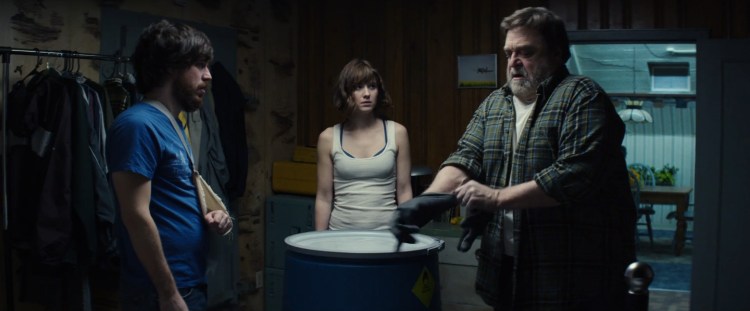
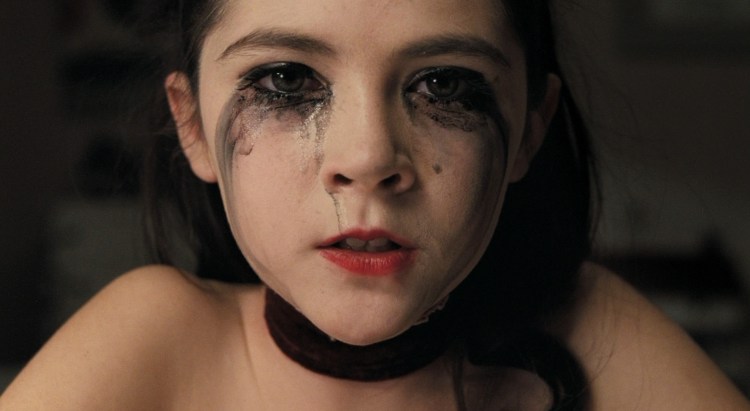
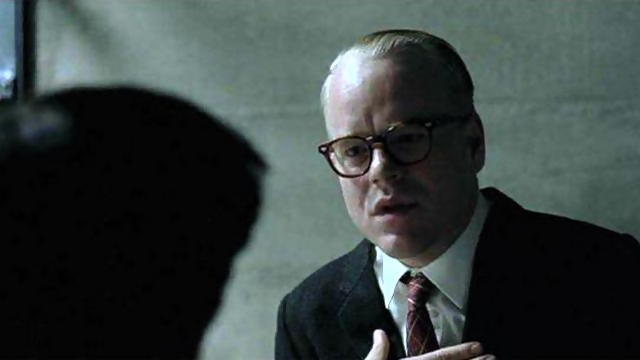
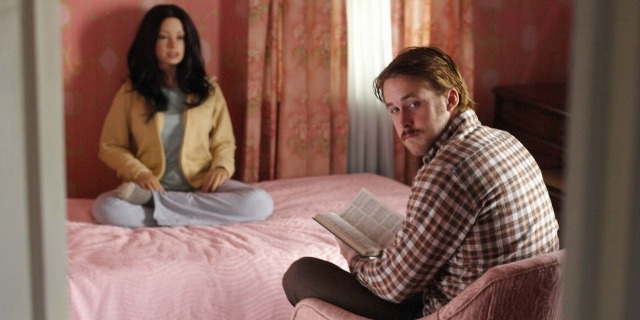

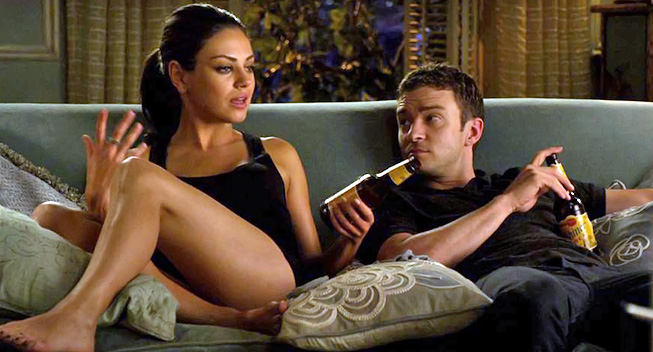


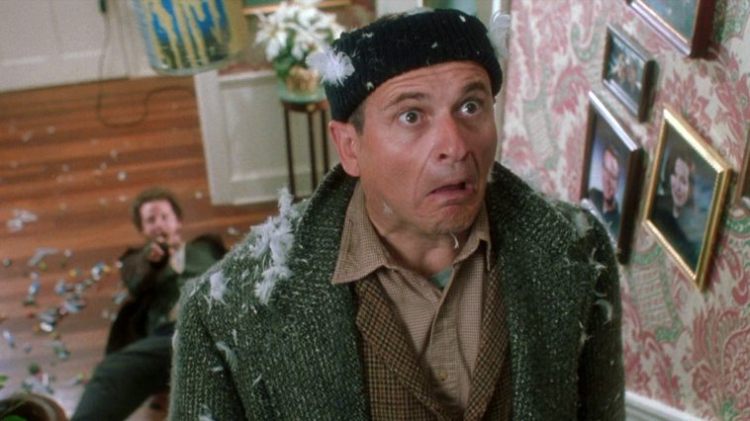

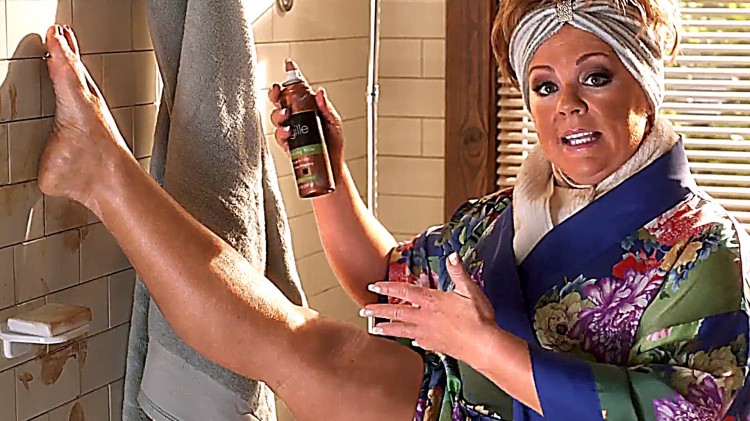
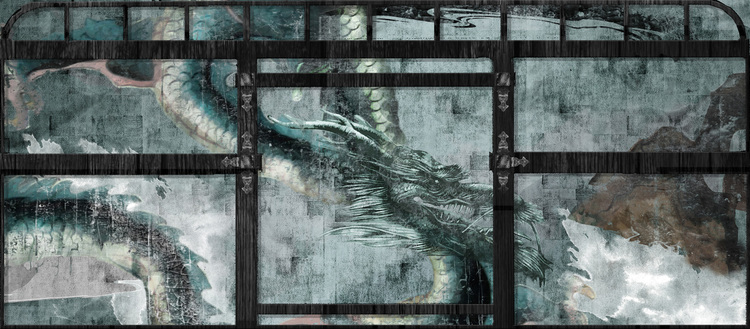

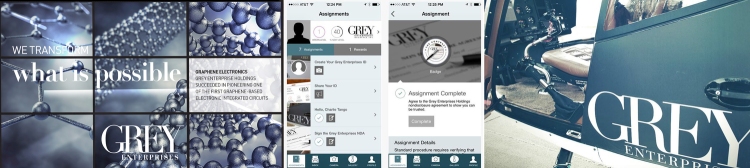


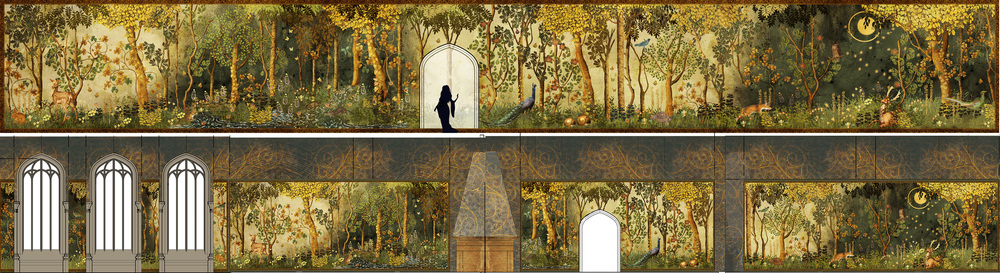

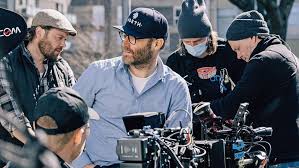

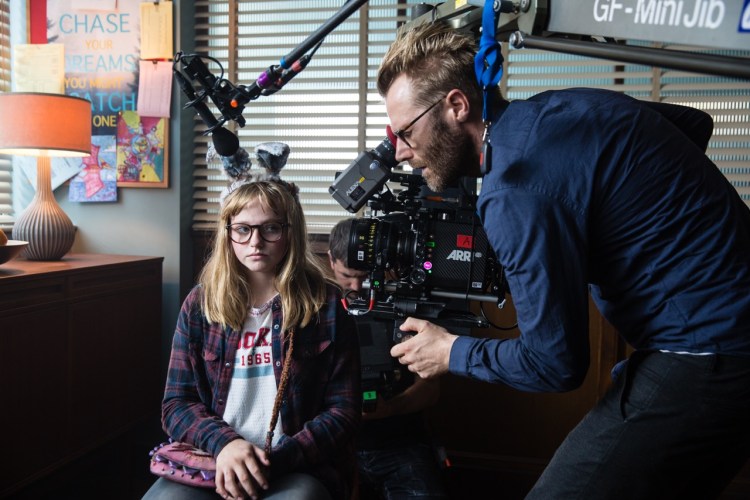



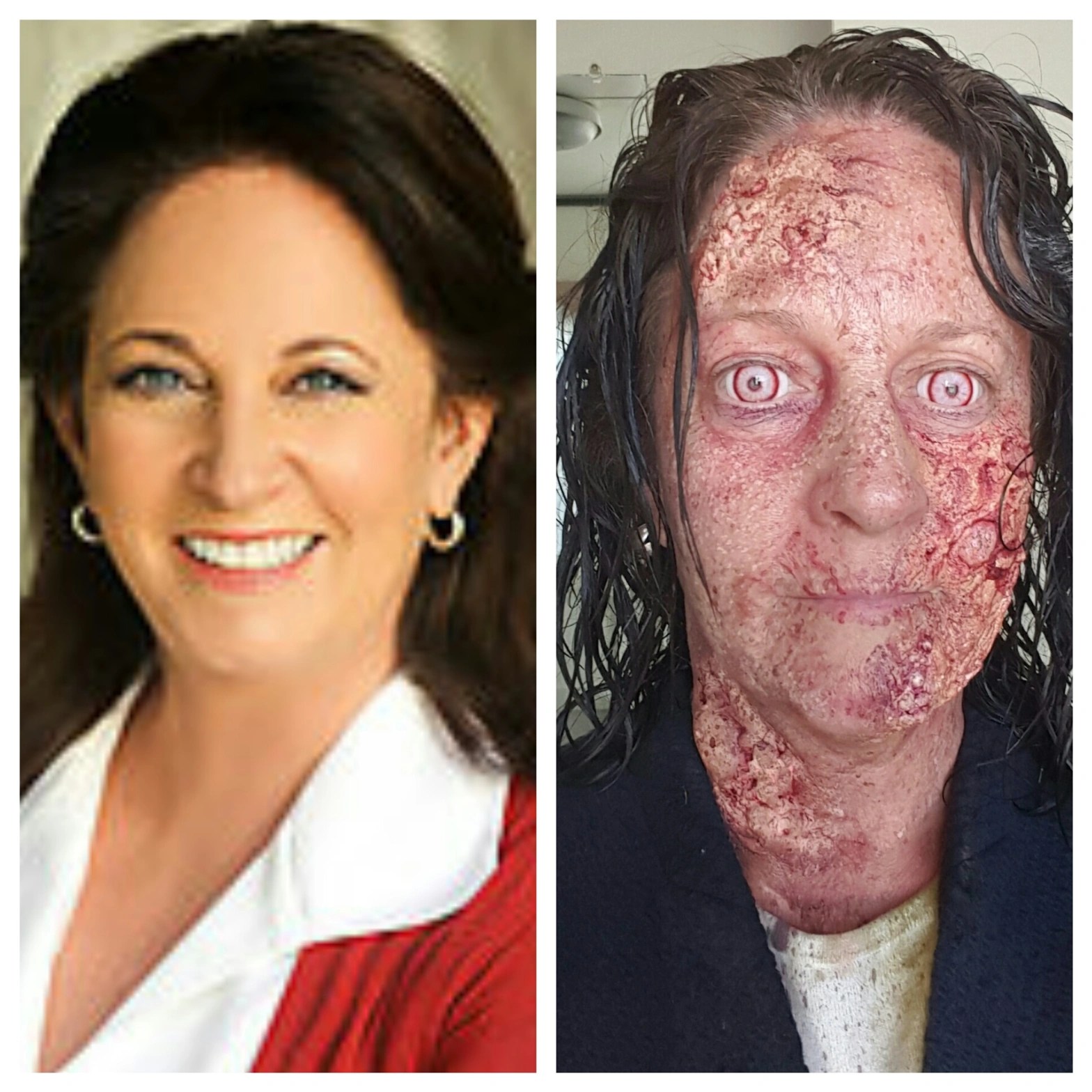
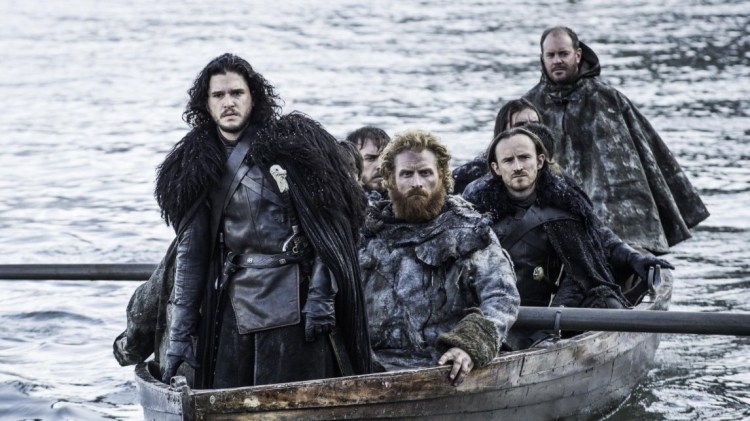

 Festival Reviews