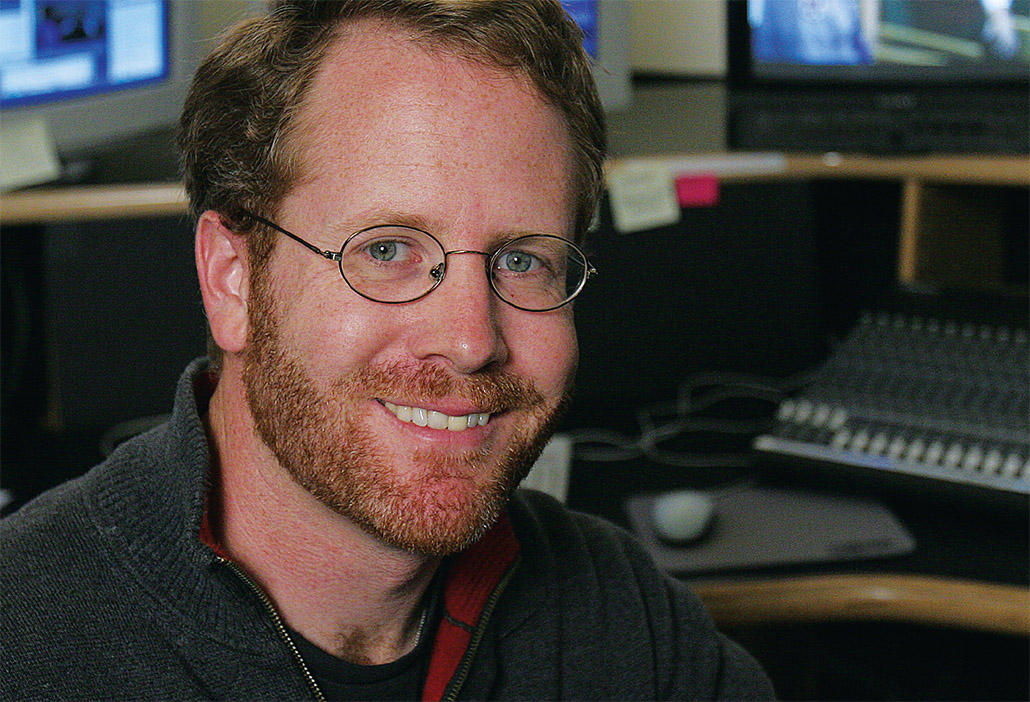
Interview with Filmmaker Omer Yildirim (SILENT PLAN)

SILENT PLAN, 13min., Turkey
Directed by Omer Yildirim
A groundbreaking new technology offers hope to the deaf: the ability to hear sounds once again. Four young individuals, chosen to be part of this revolutionary step, eagerly await the moment they will finally hear the voices of their loved ones—voices they have been recording for years. But just days before the official launch, they are quietly removed from the project. No explanation is given; their dreams are taken from them.

https://instagram.com/bayomer

Get to know the filmmaker:

1. What motivated you to make this film?

Before I even started writing the script, I wrote a sentence in my notebook:
“If all sounds disappeared one day, whose voice would you long to hear
the most?”

That sentence became the creative spark and the emotional core of Silent Plan.

The idea took shape in 2024, during a conversation I had with producer Mehmet Şah Çelik at the Cannes Film Festival. From the very beginning, I envisioned a film that could be watched under equal conditions by audiences around the world.

Around 65% of the film features characters communicating through sign language, which means that whether you’re Turkish, Japanese, or American, you’re reading subtitles during the same moments. That choice naturally equalized the viewing experience.

It’s important to clarify that Silent Plan is not a silent film. In fact, some scenes are quite loud. The only difference is that the lead characters use sign language to communicate.

We live in a world full of noise, yet very few people are truly heard. That contradiction moved me deeply. For me, portraying the world of deaf individuals wasn’t about representation—it was about capturing the “desire to be heard” and how it echoes through silence.

By exploring the characters’ suppressed emotions, their invisibility, and inner fractures, I wanted to give voice to feelings that many experience but rarely express. This film wasn’t just about telling a story—it was about making what’s unheard felt, and what’s unseen known.

2. From the idea to the finished product, how long did it take for you to make this film?

Writing the screenplay took about two months, but it went through 13 full revisions. With each version, I reworked the emotional layers of the characters and focused on simplifying the structure while making the story more powerful.

During pre-production, we collaborated closely with deaf actors and a sign language instructor. It was essential for us to build the film’s authenticity without compromising emotional integrity.

Filming took place over three intense days, and the editing and post-production phases were carefully planned and executed.

In total, from the initial concept to the final cut, Silent Plan was completed in about six months. While that might seem like a short timeline, the process was creatively demanding and rich in detail every step of the way.

3. How would you describe your film in two words!?

Those two words became the title of our film: Silent Plan.

4. What was the biggest obstacle you faced in completing this film?

We shot the film during winter and faced extremely challenging weather conditions. Snow, rain, fog—we dealt with almost every element nature had to offer. It was physically demanding but creatively enriching.

Our limited budget also posed some difficulties, particularly in terms of technical conditions and production logistics. Thankfully, our technical crew was both highly professional and deeply dedicated. Their commitment helped us overcome many obstacles, and I want to extend my gratitude once again to every team member featured on the film poster.

Another major challenge was communication. On set, only one person knew sign language: Merve Ayaz. She was both an actress and our sign language coach. Even when she wasn’t in a scene, she had to be present constantly, which was exhausting for her—but thanks to her, we were able to maintain strong and effective communication with our deaf actors.

Collaborating with a team that doesn’t all share the same spoken language taught me a great deal. As a director, it reminded me that communication isn’t just about words—it’s built through attention, care, and mutual understanding.

5. What were your initial reactions when watching the audience talking about your film in the feedback video?

To be honest, at that moment I didn’t feel like a director—I felt like an audience member.

The connection they formed with the film felt incredibly sincere. It was both surprising and deeply rewarding to see that the emotions we aimed to evoke in the editing room had actually reached them and echoed back in their comments.

I was especially moved by how they noticed the transitions between sound and silence and linked them to the film’s visual language. The fact that they interpreted a technical choice through an emotional lens showed me that this film wasn’t just “watched”—it was truly “felt.” And to me, that’s the most valuable kind of feedback a film can receive.

Additionally, hearing them describe the story as original and praise the writing style was highly motivating for our entire team. Their effort to not only understand Silent Plan but to embrace it reminded us why we wanted to tell this story in the first place.

6. When did you realize that you wanted to make films?

My passion for the stage began at a very early age, but over time, I realized that the imaginary worlds I created couldn’t be confined to theater alone. My growing interest in visual language, rhythm, and the expressive power of silence naturally drew me toward cinema.

For me, filmmaking became not just a way to tell stories, but a way to make emotions felt —especially when it comes to making the unheard somehow heard.

Thanks to my background in theater, I had a strong foundation in character development and scene dynamics, but the limitless possibilities of storytelling through the camera deeply fascinated me.

I didn’t just realize I wanted to make films—I realized I needed to.

7. What film have you seen the most in your life?

It’s hard to pick just one film, but I can say I’ve watched almost all of Christopher Nolan’s films multiple times. Memento, The Prestige, Interstellar, Inception… each of them drew me back again and again with their layered storytelling and conceptual depth.

His exploration of themes like time, memory, reality, and identity has always fascinated me.

Nolan’s work showed me how cinema can tell complex stories while still building a strong emotional connection with the audience.

8. What other elements of the festival experience can we and other festivals implement to satisfy you and help you further your filmmaking career?

In addition to screenings, small-scale workshops or networking events that foster creative exchange between directors and producers could be incredibly valuable.

One of the most impactful parts of this experience was receiving the audience feedback video. It’s a wonderful initiative that encourages not just viewing, but deep reflection and conversation around the film. I would love to see more festivals adopt similar practices.

Programs that offer mentorship or one-on-one sessions with industry professionals— especially for emerging filmmakers—can also provide strong support for career growth.

When a festival becomes more than just a showcase—when it becomes a space of connection and collaboration—it adds real meaning to the journey of making films.

9. You submitted to the festival via FilmFreeway. How has your experiences been working on the festival platform site?

FilmFreeway is a very accessible and user-friendly platform, especially for independent filmmakers. From uploading the film to choosing festivals, from submission to tracking the process—every step is smooth and transparent.

It also makes communication easier since many festivals manage everything directly through the platform. Receiving timely updates and being able to track the application status at any time gives the process a sense of clarity and professionalism.

10. What is your favorite meal?

I love potatoes in every form—fried, boiled, baked… What fascinates me is how they appear in almost every culture, yet always remain simple and comforting.

In a way, it reminds me of cinema: a basic ingredient that becomes powerful when everyone adds their own touch.

11. What is next for you? A new film?

Yes, I currently have three projects in development. One is a psychological thriller feature, and another is a migrant story set in London. I’ve also completed the script for a seven episode series with an unconventional structure and narrative.

In addition to these, I’m planning to adapt Silent Plan—a short film that has received considerable international attention and awards—into a six-episode mini-series. I want to expand its world and delve deeper into the characters and themes that resonated with so many viewers. At the moment, I plan to move forward with whichever project receives the most interest and support.
Interview with Filmmaker Rick E. Cutts (STRATAGEM THE MOVIE)

Stratagem The Movie, 111min.,
Directed by Rick E. Cutts
Rellik and his girlfriend Nosaer witness a crime and are immediately on the run as they try and elude a killer who seems to always be one step ahead of them. Will they escape can they escape? Follow along as Rellik and Nosaer try and escape a killer and even more important who is behind all the carnage?

http://www.icikill.com/

Get to know the filmmaker:

1. What motivated you to make this film?

I was motivated to make this film after it seemed like all the doors kept closing on me when I tried to get someone to make it for me. John Schramm that I spoke to from Kinolime and he is the one who told me that I should direct the movie and after he put the bug in my ear I went forward with learning how to direct and produce a movie myself.

2. From the idea to the finished product, how long did it take for you to make this film?

I started the idea almost 5 years ago. Then I wrote the book next the screenplay. We finished filming March of 2025 and all the editing was completed by May of 2025

3. How would you describe your film in two words!?

Action / Thriller

4. What was the biggest obstacle you faced in completing this film?

The biggest obstacle I faced in completing the film was probably some of the people not showing up on time and having to navigate around missing actors and filling in with other parts.

5. What were your initial reactions when watching the audience talking about your film in the feedback video?

My initial reaction with the audience feed back was yes yes yes that’s exactly what I wanted them to say. They spoke on the volume to low which is what I wanted because I wanted people to lean in to really listen on purpose. I wanted the movie to mimic real life. We can’t make out all the words sometimes in real life but we know what’s going on.

6. When did you realize that you wanted to make films?

I believe I always wanted to make films. I just didn’t know how to actually start.

7. What film have you seen the most in your life?

I have watched aliens and terminator 2 the most. Probably equally.

8. What other elements of the festival experience can we and other festivals implement to satisfy you and help you further your filmmaking career?

I think the biggest take away from the festival is the feedback. Most artist truly want to hear feedback from the audience to see what they felt watching the movie. That’s what we all generally do it for. To see if we can connect with the audience and will they get what we are trying to do.

9. You submitted to the festival via FilmFreeway. How has your experiences been working on the festival platform site?

I have a small amount of festivals I’ve submitted to. I believe that filmfreeway is truly amazing. It put a lot of different festivals at your finger tip that you can pick the one that best suits your needs.

10. What is your favorite meal?

Steak and potatoes is my favorite meal.

11. What is next for you? A new film?

My next film is already starting. We will start filming it next year January. Another thriller. I’ve also written another book. I’m always keeping busy.

Interview with Filmmakers Jackson Bentley, John Stokes (SAUVERTAGE)

Sauvetage, 5min., Australia
Directed by Jackson Bentley, John Stokes
When a special forces operative is held captive by a sadistic crime boss is interrogated, the only way to save him is through the element of surprise.

https://instagram.com/sauvetage_short_film

Get to know the filmmakers:

1. What motivated you to make this film?

John – We were motivated to make this film as we were given the opportunity to work with the legendary Richard Norton. It was originally supposed to just be a short scene to be used as a pitch but Jackson and I wanted to go all out and produce a short film in a very short amount of time.

Jackson – Originally it was meant as a sizzler reel to show some producers, Richard Damien and I were pushing quite hard to have a feature film made starring Richard, however John is a very quick writer and everything just started aligning for us to turn this into a short.

2. From the idea to the finished product, how long did it take for you to make this film?

John – I believe it was a Thursday where the producer Damien told us that he had somehow convinced Richard Norton to join us for a shoot the following Sunday. I quickly wrote together the script which never went past version 1. We organised the location, crew and cast – all entirely for free as everyone wanted to work with Richard Norton. We filmed in 6 hours on the Sunday and I edited the film within a day after the shoot.

3. How would you describe your film in two words!?

John – Bitter Sweet. Bitter due to the lead actor Richard Norton recently passing away, but sweet since we now have an award to honor his memory. We are forever in debt to Richard for being involved in this film and he has been a great mentor and friend to us.

Jackson – I think John nailed it, it still feels very surreal that Richard has passed, I think we are still in a little bit of shock and grief but I’m so grateful for receiving his knowledge and just being able to call someone I admired so much a friend plus being able to direct him was even cooler.

4. What was the biggest obstacle you faced in completing this film?

John – The only obstacle was time, as we only had 6 hours to film. If we were being honest, there are some things we’d do differently if we had more time but we are proud of what we did with what we had! Other than that I remember Jackson became ill and went to hospital the day before! Luckily he was still able to make the shoot to co-direct with me.

Jackson – Haha yes directing a script you read only 12 hours before and on the back end of strong pain killers was definitely interesting. Having only 6 hours booked to shoot the short was definitely stressful, but I am so proud and honestly cannot believe our whole crew pulled that off.

5. What were your initial reactions when watching the audience talking about your film in the feedback video?

John – I actually didn’t realise that we would get audience reactions so it was a great surprise! It’s such an honour to hear feedback like this from half way across the world!

Jackson – I thought it was really cool! I’m just a guy from a very small town in Australia who 8 years ago was a drug addict with no direction in life, so this was very special to me.

6. When did you realize that you wanted to make films?

John – From a very early age I would think up film ideas and stories in my head. Despite never writing them down, I still remember all those stories very vividly. Maybe one day I should write them down!

Jackson – I’m only very new to the world of film, being a Director or an Actor was never really considered a realistic possibility where I’m from, I sort of fell into all this by accident from directing my old bands music videos, I found a love for it during that.

7. What film have you seen the most in your life?

John – My parents would say The Lion King (because I used to watch on repeat) or the Harry Potter moves from my wife and kids watching on repeat… but for me personally it would have to be the first two Alien movies. I’ve always been obsessed with the Xenomorph

Jackson – I’ve never told anyone this but probably Burlesque with Cher and Christina Aguilera, I love that film and the only other person that likes it is my sister, so I don’t bother watching it with anyone else! And then behind would be the LOTR trilogy.

8. What other elements of the festival experience can we and other festivals implement to satisfy you and help you further your filmmaking career?

John – I have loved everything about the festival, I honestly can’t think of any way to improve upon it. Potentially a certificate sent via email?

9. You submitted to the festival via FilmFreeway. How has your experiences been working on the festival platform site?

John – The experience has been great. FilmFreeway makes submitting so easy but also introduces you to new festivals you haven’t heard of!

10. What is your favorite meal?

John – Anything my mother makes!

Jackson – Italian food – Pizza, Pasta, Arancini, Italian wine

11. What is next for you? A new film?

John – We are looking to try our hand at horror later this year with a short film we are currently in pre-production for!

Interview with Cinematographer Jeff Cutter (10 Cloverfield Land, Prey)

Chatting with Jeff Cutter about Cinematography and his career could have lasted all day. I generally like to limit the questions to about 10-15 when I do these film interviews because these are very busy people and generally less is more. With Jeff, I literally could have asked him 100s of questions as we were just scratching the surface. This is one of my favorite interviews to date. A must read for anyone working or wanting to work in the industry.

Jeff’s cinematography credits include “Gridiron Gang”, “Catch .44”, “Yellow”, “A Nightmare on Elm Street”, “Playing It Cool”, and “10 Cloverfield Lane”

Matthew Toffolo: How was your experience working on 10 Cloverfield Lane?

Jeff Cutter: Expect a taut, tense psychological thriller with 1 or 2 big surprises. I had a great time working on the film as we had a wonderful director in Dan Trachtenberg and an extremely supportive production company in Bad Robot. It was a relatively small budget, and had challenges as a result, but since it is mostly a very contained script we could maximize the resources we had.

Matthew: Do you have a favorite experience in your work as a Director of Photography? What film are you most proud of?

Jeff: I am most proud of my latest film, 10 Cloverfield Lane, because the photography is very close to what I had hoped we could achieve, and in some scenes, better than I hoped. My favorite experience was receiving an email from JJ Abrams about 2 weeks into principal photography, telling me how great he thought everything looked.

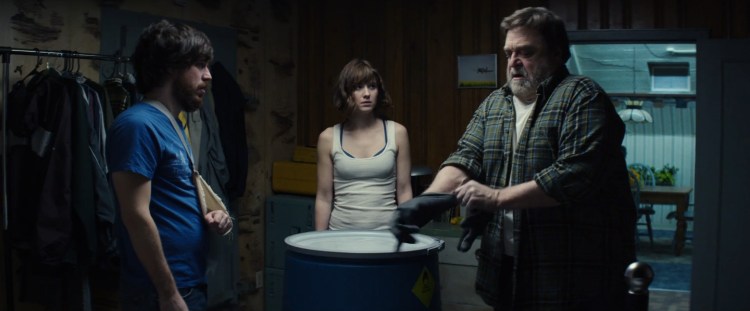
PHOTO: Still Shot from 10 Cloverfield Lane.  Starring: John Goodman, Mary Elizabeth Winstead, John Gallagher Jr.. Director: Dan Trachtenberg

10-cloverfield-lane-image-1.jpg

Matthew: You have DP’d many music videos. Is this something that you’ll continue to do? Do music videos give you a lot more creative freedom to explore being it’s generally an experimental type of story being told?

Jeff: I haven’t shot a music video for almost 10 years now, which makes me feel very old! Budgets have shrunk dramatically from the heyday of music videos when I started. Back in the late 90’s and early 00’s, music videos gave you so much freedom to explore, but also the funds with which to do it. So almost any crazy idea a director came up with, you could go and do. Traditional narrative tools, like lighting continuity, or realistic lighting sources, get thrown out the window. But creative freedom doesn’t always lead to good work.

Experimenting will inevitably also lead to some very bad work as well!

Matthew: What is the key difference when working on a horror film (Orphan, Nightmare/Elm Street) in comparison to doing a straight up drama (Yellow)?

Jeff: When working on a horror film, it needs to be, first and foremost, scary. So much of the camera work and lighting is dedicated to creating/enhancing the suspense and scares. When filming a drama, you use the camera and lighting to support the narrative story.

Matthew: “Orphan” is an amazingly photographed film. It really sets the mood, tone, and themes of this film and is truly a masterful job from a cinematic level. It executes and then heightens the story to a new level. How was your collaboration with director Jaume Collet-Serra?

Jeff: Jaume was an extremely well planned and thoughtful director. For him, setting the overall mood was the number one priority of the camera and lighting. We watched many classic thriller and horror films, as well as less conventional ones, and discussed the feeling that Jaume was looking for in the movie. Then we mapped out the shots and techniques that would help create this feeling.

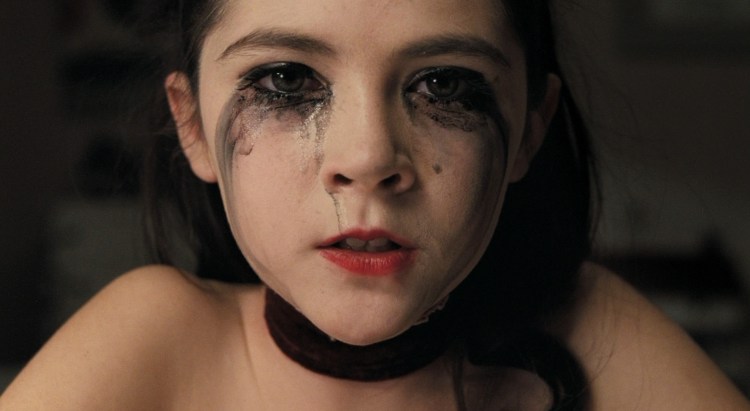
PHOTO: Still Shot from Orphan. Starring: Isabelle Fuhrman. Directed by Jaume Collet-Serra

orphan2009.jpg

Matthew: What type of film would you love to work on that you haven’t worked on yet? Is there a shot/set-up that you’ve thought of already that you love to do in a film if it fits the story?

Jeff: I am prepping a comedy right now, and it’s my first one. It’s not that I necessarily love comedies or was dying to shoot one, but I do like the challenge of trying a new genre. If you don’t constantly challenge yourself, I believe your creative juices will stop flowing and you become complacent, and no good work comes from complacency. Whenever I shoot a film, regardless of genre, my goal is to create a film that looks different from what people expect it to. I’m not looking to do the typical, predictable thing. Of course, sometimes this results in failure, but nothing great comes from playing it safe.

Matthew: What does a DP look for in its director?

Jeff: I first and foremost look to the director for a vision of the film. When I first read a script, certain broad ideas come into my head, and then when you meet with the director, you hope those basic premises line up with what the director had in mind. Then a good director will guide you into the more specific direction he wants the film to go in terms of lighting, mood and camera work. A good director will challenge you to not settle for less than great work. A good director will pull you back when you’ve gone too far and push you when you’re being too safe. A good director will also listen to you when you know you are absolutely right and they’ve gotten something wrong! These are all the things I look for in a director.

Matthew: Do you have a Director of Photography mentor?

Jeff: I don’t have a DP mentor as such, but I do have many cinematographers who’s work I admire and reference, and whom I hope someday to be half as good as if I am lucky. Working greats like Roger Deakins, Emanuel Lubezki and Bob Richardson along with geniuses no longer with us like Conrad Hall, Jordan Croneweth and Harris Savides.

Matthew: What do you look for when hiring your main team? Gaffer. Key Grip. Camera Operator. Etc…

Jeff: I look for guys who are confident in their abilities, unfazed by last minute changes and complications, willing to contribute ideas but not be upset when they are shot down, and last but not least, pleasant to be around. When you spend 6 and 7 days a week with someone for three or four months it’s much easier when you like them!

Matthew: Where do you see the future of camera/lighting technology in film?

Jeff: In the future cameras will continue to get smaller while packing an even larger punch. And LEDs are the future for lighting. Eventually everything will be based around LEDs as they are fully dimmable, there is access to the entire color spectrum, they are light weight, can be customized into any configuration you want, and are extremely energy efficient.

Matthew: What film, besides the ones you’ve worked on, have you seen the most times in your life?

Jeff: There are a handful of films that I have watched multiple times because the film making is of the highest order, and they are for me examples of perfect photography. These include “Apocolypse Now”, “Angel Heart”, “Jacob’s Ladder”, “Blade Runner” and “Seven” to name a few.

Matthew: What suggestions would you have for people in high school and university who would like to get into the industry as an editor?

Jeff: My suggestions to students interested in getting into cinematography: Watch and re-watch as many great-looking movies as you can, and any movies by the great cinematographers. Find what you like, then go out and shoot as much as you can as often as you can, and start experimenting. Make friends with as many people as you can and start building a reel.

____

Interviewer Matthew Toffolo is currently the CEO of the WILDsound FEEDBACK Film & Writing Festival. The festival that showcases 10-20 screenplay and story readings performed by professional actors every month. And the FEEDBACK Monthly Festival held in downtown Toronto on the last Thursday of every single month. Go to www.wildsound.ca for more information and to submit your work to the festival.

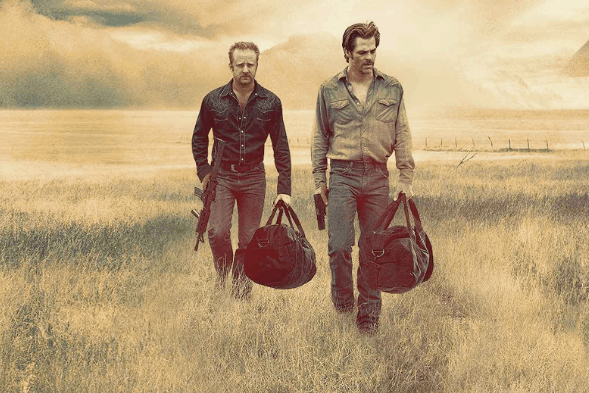
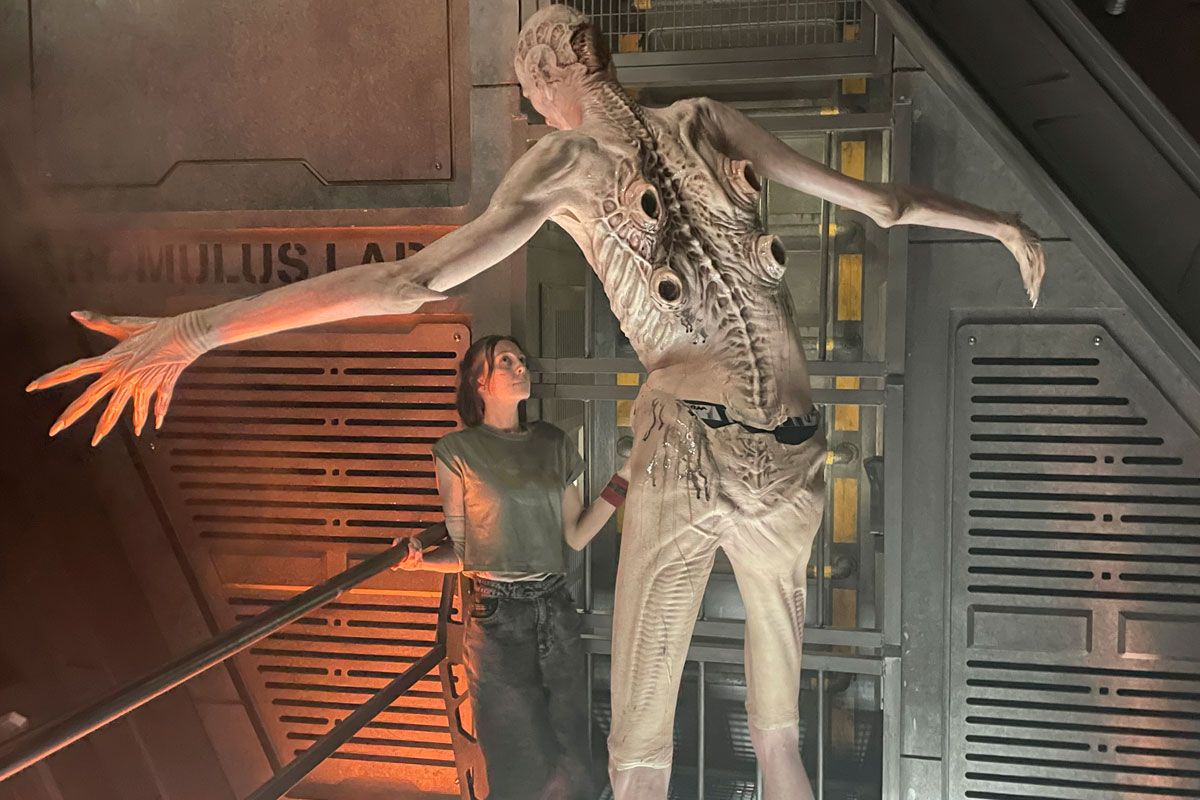
Interview with Oscar Nominated Editor Jake Roberts (Brooklyn, Hell or High Water, Alien: Romulus)

Matthew Toffolo: Tell us about your experiences working on “Brooklyn”? How many months do you work on editing the film? How does it feel to be the editor of an Oscar Nominated film?

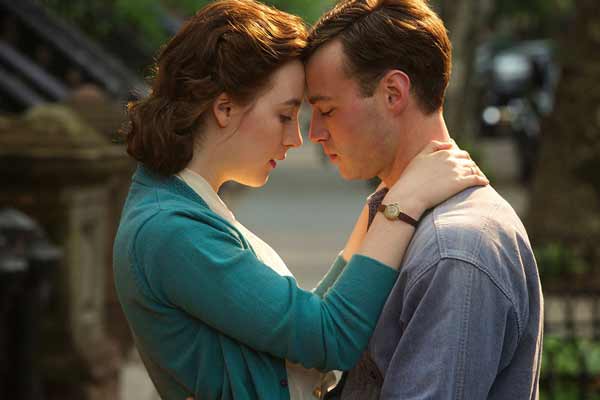
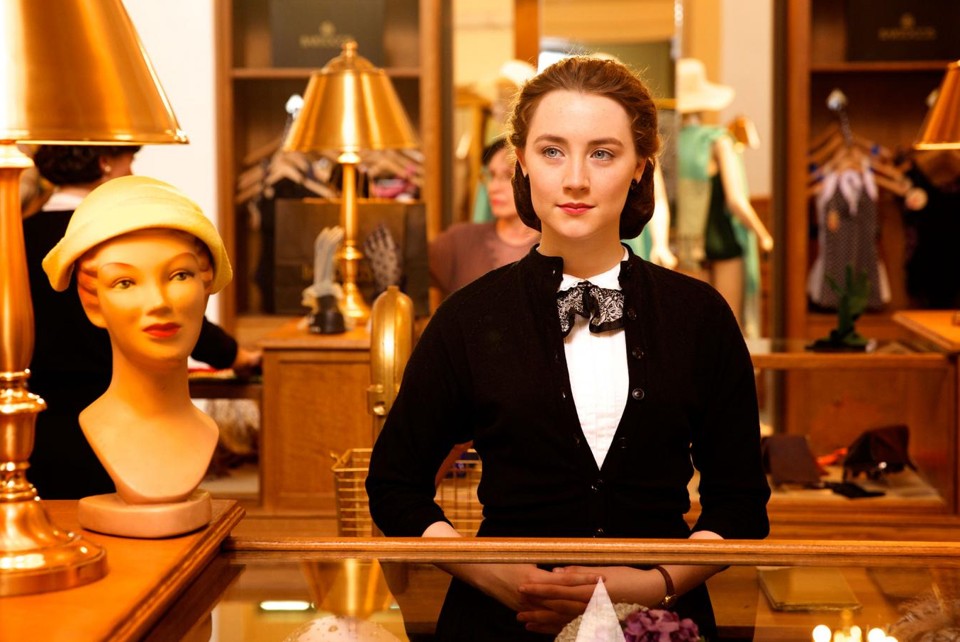
Jake Roberts: ‘Brooklyn’ was a great experience. There was a really positive energy throughout the shoot and it felt like we might be working on something quite special. It was personal to a lot of the people involved and that seemed to come through in the material and that makes you want to raise your game, especially when you’re watching a performance like Saoirse’s unfold you feel a huge pressure to do it justice. Once John and I were back in London we cut for about 3 months and obviously there was plenty of back and forth but at the same time it was quite a calm and controlled process. We had a very strong first assembly and we never deviated too far from it or went down too many experimental cul-de-sacs. This is largely a testament to Nick’s script which only needed the subtlest of refinements so essentially it was about distillation, making it as tight as possible and all the while carefully calibrating the emotional journey through the performances. As for the Oscars it is all a surreal bonus, like I say you hope as you work on something that it is special and obviously a nomination suggests you did something right but the most thrilling thing is that a wide audience gets to see it and thankfully it seems we managed to strike a chord with a lot of them.

PHOTO: Still shot from BROOKLN:

Brooklyn-RDP.jpg

Matthew: You have worked on many documentaries. Is this something you like to continue to do?

Jake: In theory yes as documentary is so much of an editor’s medium but having fought for so long to get into features it’s difficult to turn your back on them. Certainly as a viewer I’d rather watch a great documentary than a fictional film so if the right one came along it’d be hard to say no.

Matthew: What is the key difference between working on a narrative film in comparison to a documentary?

Jake: In documentary you are creating the narrative as you go, effectively writing the script in the edit, but at the same time you are obviously constrained by your material so you have to know both how to tell the story but also how best to illustrate that within the limitations of the footage you have available. Someone once said that it’s like being given a bag of sentences and being asked to write a novel. The fact that in narrative film you get to follow a script that has been very carefully written and developed means that all that heavy lifting has been done for you and your role is just tell that story as effectively as possible.

Advertisement

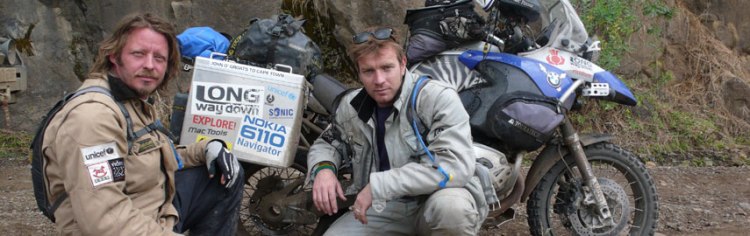
PHOTO: Documentary film LONG WAY AROUND, starring Ewan McGregor:

longwayaround

Matthew: How did you transition from working on short films to features?

Jake: The very first short film I ever cut was for the director David Mackenzie after which we made a low budget feature together, I was 23 at the time, but then David went on to make a bigger film with actual film stars and the producers insisted on a more experienced editor so I lost that relationship. I then spent years cutting every kind of project that came my way, documentaries, commercials, music videos, shorts, television drama, you name it. Basically I honed my craft and just tried to become the best editor I could always hoping I could return to features one day. Many years later David was preparing his sixth feature film and his regular editor was unavailable so we reconnected and fortunately I had gained enough experience to be given a chance by the financiers. We have now made 5 features together.

Matthew: In the last 16 years you’ve worked as an editor on over 20 productions. What film has been your favorite working experience so far?

Jake: Films are like children and like any parent you can’t really pick favourites but each has their own unique qualities. Being involved in ‘Long Way Round’ Ewan McGregor’s round the world motorbike trip was a great communal experience, working out of a garage in Shepherd’s Bush in the months before they set off we were cutting upstairs as they prepped the bikes downstairs. Everyone involved stayed up all night helping pack up the equipment the night before they left and then months later we were flown to New York to be there when they arrived. We shot ‘Tonight You’re Mine’ in 4 days at a music festival working 22 hour days which was a very intense and disorientating but bonding process. ‘Starred Up’ was shot over four weeks in Belfast but was similarly intense as David was insisting that we have all the scenes fully cut within hours of them being filmed. We were shooting completely sequentially and he wanted to have as clear an idea as possible about the shape of the film up to the scene he would be filming the next day so we basically made the film as we went. We eventually screened the entire movie at the wrap party and locked the picture 3 weeks later so it was ultimately very short and sweet. Just recently I was cutting in a log cabin in New Mexico and every Sunday we would have a barbecue and screen assemblies for the entire cast and crew, Jeff Bridges would bring his guitar. That was a lot of fun.

Advertisement

Matthew: What is an editor looking for in their director?

Jake: Work. No seriously I think a coherent vision that hopefully translates into the dailies and then a sense of collaboration in the cutting room. It’s definitely a conversation and I think I would struggle to work with someone who insisted on doing all the talking.

Matthew: What is a director looking for in their editor?

Jake: You’d have to ask them but I would imagine someone who brings ideas and solutions to the table but doesn’t force their agenda, merely offers it. Ultimately someone who makes them look good, which we usually do.

Matthew: What film, besides the ones you’ve worked on, have you seen the most times in your life?

Jake: Probably Jaws or This Is Spinal Tap.

Matthew: What type of film would you love to edit that you haven’t worked on yet?

Jake: I’d love to do a kids film so that my children might be allowed to see what I do for a living.

Matthew: What suggestions would you have for people in high school and university who would like to get into the industry as an editor?

Jake: Start early. I can only speak from my own experience but if you’re clear about what you want to do then I wouldn’t waste time getting a media studies degree, you’re going to have to work for nothing to get started anyway so better to do it at 18 than 22. Get any practical experience you can, firstly to make sure this is really something you want to do, it’s going to take a lot of work and sacrifice so make sure you’re suited to it. Approach established professionals directly and tell them you want to do what they do, most will try and help in some way even if it’s just a cup of coffee and some advice, I always do. Try to edit rather than assist. Personally I think you’d learn more cutting a zero budget music video than you would assisting on a big budget feature. Even if you’re at the bottom of the ladder doing very basic tasks do them as well as humanly possible, listen to any instructions very carefully and never think of anything as beneath you or not worth trying over. Care. I once had to edit 9 hours of obese women discussing their bras in a focus group but I treated it like I was making art. You never know where the contacts who can ultimately give you a break might come from. It might be the guy directing the corporate video you’re working on? He might be making a feature in a few years so do an incredible job and he might remember you. If you are always creative, reliable, conscientious and good company doors will eventually open I promise.

____

Interviewer Matthew Toffolo is currently the CEO of the WILDsound FEEDBACK Film & Writing Festival. The festival that showcases 10-20 screenplay and story readings performed by professional actors every month. And the FEEDBACK DAILY Fesival held online and in downtown Toronto on the last Thursday of every single month. Go to www.wildsound.ca for more information and to submit your work to the festival.

Emmy Winning Make-Up Artist Paul Engelen (Game of Thrones)

Paul Engelen is is 2 time Emmy winner, and 2 time Oscar nominated Makeup artist. He has worked on some of the greatest/most successful films and TV shows in the last 40 years, including: Game of Thrones (2 Emmy wins), Mary Shelley’s Frankenstein (Oscar nomination), The Legend of Tarzan (Oscar nomination), Star Wars: The Phantom Menace (dir. George Lucas), Gladiator (dir. Ridley Scott), Munich (dir. Steven Spielberg), Batman (dir. Tim Burton) and Reds (dir. Warren Beatty).

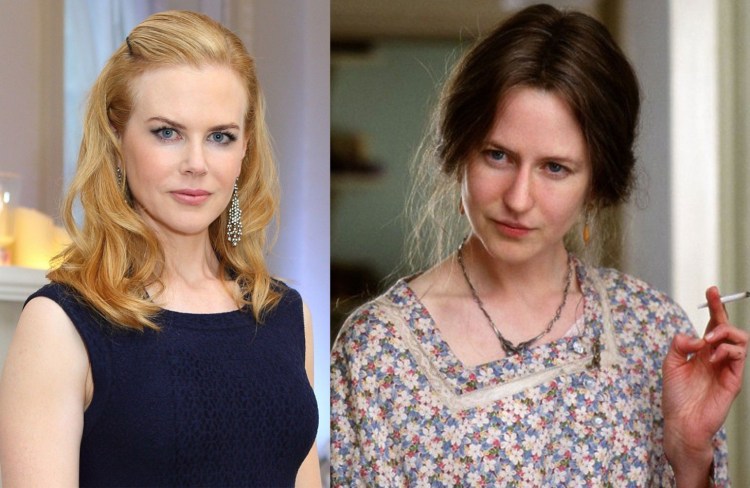
Many have stated that his makeup design for Nicole Kidman on “The Hours” is the key reason for her Oscar Win for Best Actress (see pic below). The same can be said for his work on Renée Zellweger for her Oscar Win on “Cold Mountain”. How those films received zero Oscar nominations for Makeup is still a mystery.

It was an honor to chat with Paul Engelen and talk about his art:

Matthew Toffolo: You’ve worked on over 80 Productions as a Makeup Artist in the last 45 years. Do you have a favorite experience?

Paul Engelen: Every new project presents challenges, experiences and memories. I would say I have been extremely lucky to have had a very wide variety and range of projects to work on. I suppose if pressed, I would mention working on ‘Empire of the Sun” and ‘Star Wars, The Phantom Menace’ to be particular highlights, but I would also name “Pink Floyd, The Wall’ to be a fascinating experience. My present project for NBC, directed by Tarsem Singh; ‘The Emerald City’ is proving just as interesting though!

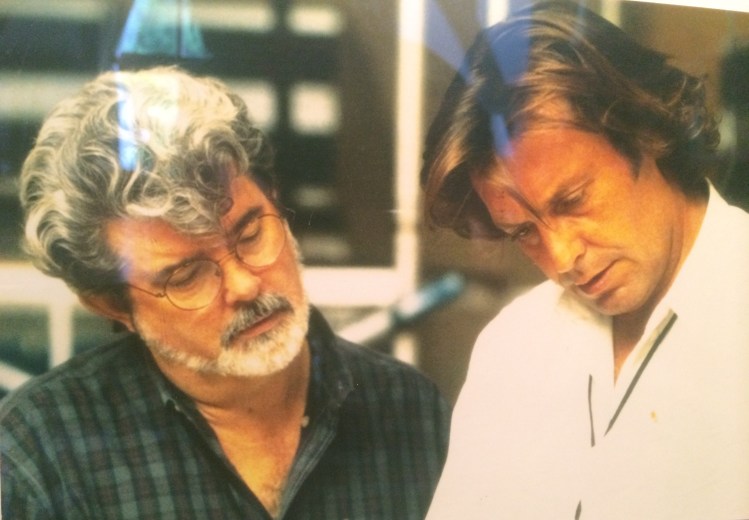
PHOTO: Paul with Director George Lucas on ‘Star Wars: The Phantom Menace’:

PE & Lucas.jpg

MT: Is there a type of story/film that you would love to work on that you haven’t worked on yet? Or have you covered all of your bases?

PE: I think I have covered most bases! Contemporary stories to science fiction, several medieval themes which I must admit, is probably my favourite genre. I’d love to do a ‘western’, directed by someone like Tarantino!

MT: You’ve won 2 Emmys (for Game of Thrones) and have been nominated for 2 Oscars. Does winning or losing mean a lot to you? Or it is really just about the film?

PE: It’s great being nominated, but winning is a blast!! It means your peers think your work is worthy.

MT: What is the main job being the Makeup Department Head on a production?

PE: Well, I would say, it’s about all the aspects of the running a department. Putting a crew together that would be the best for the production. The conversations and collaboration with director, production and costume designers are all paramount in going into production.

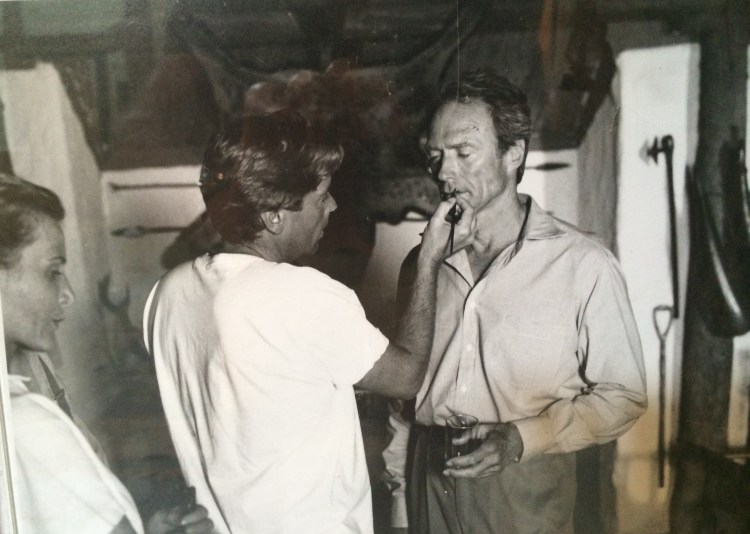
PHOTO: Paul with Director/Actor Clint Eastwood on ‘White Hunter, Black Heart’: 

PE & Clint.jpg

MT: What has been your most difficult job and/or production to date?

PE: Movies generally have a specific format regarding the production structure, which is the area I come from, so it was quite a shock when ‘Game of Thrones” came my way, and I had to put my mind to working on 10 scripts, with two, sometimes three separate units shooting in different countries at the same time! Very testing. Since then, I am being offered more of this type of production, which, although very challenging, I do find stimulating.

MT: You’ve worked on many fantasy and action movies/TV shows. Is there a reason why you seem to love working in these genres?

PE: Again, I have been very lucky in the type of productions that has been offered to me. I am comfortable with the larger type of production with big name directors, irrespective of genres. Often the actors can be a contributing influence on the reason for working on a particular project.

MT: How has the makeup department changed from 35 years ago to today?

PE: I don’t think things have changed much over the years. It has always been ‘challenging’ to put creative people together for months on end, and hope that the peace can be maintained!! I like to think people who work with me look forward to getting together on shows!

PHOTO: Paul with actor Val Kilmer on ‘The Saint’:

PE & Kilmer.jpg

MT: Besides the films you’ve worked on, what movie have you seen the most in your life?

PE: I still absolutely adore watching Gregory Peck in ‘Moby Dick’, which, incidentaly had Charlie Parker as the Makeup Designer, who was one of the finest artists in our profession. Such a wonderful film.

MT: Do you have any advice for high school and university students who want to work makeup in the film industry?

PE: It’s a tough business to be in, but incredibly rewarding when you see your work up there on display. – and to be honest, there is a certain amount of luck involved with getting work in the first place, but perseverance and striving to be the best is essential.

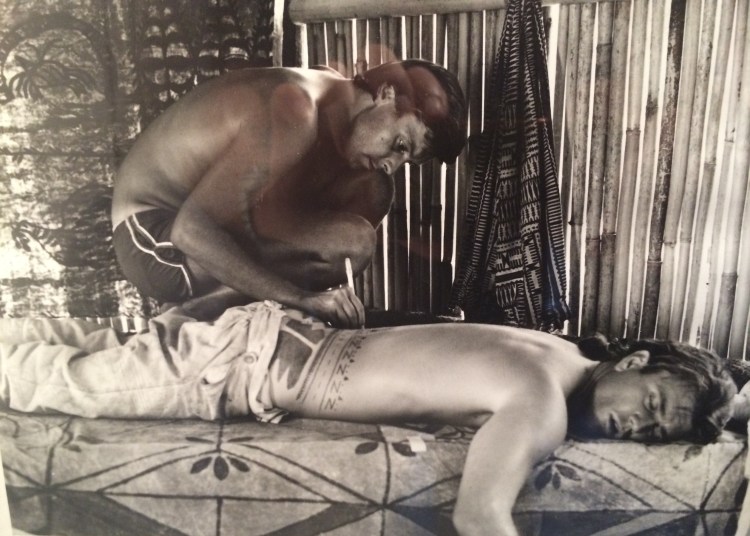
PHOTO: Paul with actor Mel Gibson on “Mutiny on the Bounty’.:

PE & Gibson.jpg

_____

Interviewer Matthew Toffolo is currently the CEO of the WILDsound FEEDBACK Film & Writing Festival. The festival that showcases 10-20 screenplay and story readings performed by professional actors every month. And the FEEDBACK DAILY Festival held online and in downtown Toronto on the last Thursday of every single month. Go to www.wildsound.ca for more information and to submit your work to the festival.

PHOTO: Nicole Kidman transforms via makeup in “The Hours”:

nicolekidman_the_hours.jpg

Interview with Composer David Buckley (Nobody, The Town, The Good Wife)

What a joy it was to chat with the extremely talented composer David Buckley. You can hear his music every Sunday on the hit TV series “The Good Wife”. He was also the composer on the upcoming film “The Nice Guys”, directed by Shane Black.

To learn more about David, you can go to his website: http://davidbuckleymusic.net/

Matthew Toffolo: The action/comedy “Grimsby” is out in theaters. What can we expect to see? How was your working experience composing music on that film?

David Buckley: Well, the truth is now out! It’s a total flop. Shame really, as a lot of people spent a lot of time working on the film. Maybe the problem was that too much time was spent on it and it started to lose focus. I’ve always been a fan of Sacha’s work. I can see it’s harder for him to make movies like Borat and Ali G because everyone knows who he is now. Grimsby was a brave attempt at coming with a new character, but clearly the cinema-going world did not love him. The experience on this one was a bit unusual as it was a co-score with Sacha’s brother, Erran. He was based in London a lot of the time and I am in LA. It was also tricky as there were a lot of re-shoots for the film – new material was coming right up until the end. But we divided the work up and got on with it!

MT: Generally, how does one compose the music for a feature film? Do you receive the rough cut, and some guide music tracks for influence/inspiration? When do you generally begin working on the film?

DB: Yes. One is sent a rough cut, and this often includes temp tracks. Sometime after getting it, one hopes to sit down with the director and producer and discuss their musical needs. Sometimes the temp is spoken about as a reference point. Hopefully the conversation does not dwell too long on it, however! It varies, but on the whole I’d say I’ve had an average of about 2 months to write and record most of the scores I have composed.

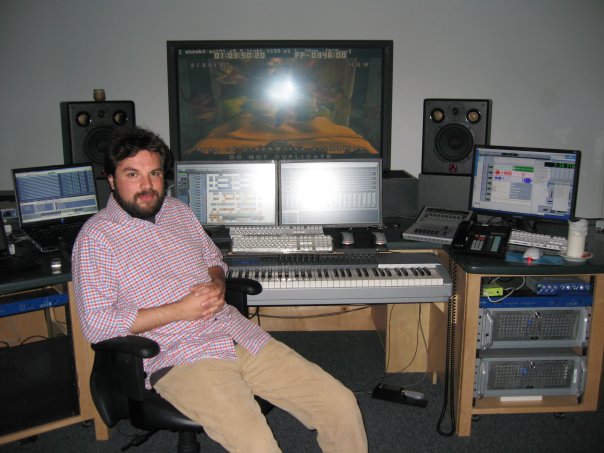
PHOTO: David Buckley in his studio:

davidbuckley_composing.jpg

MT: What type of working relationship do you like to have with your director?

DB: A good one! With the demands of modern film-making, it’s not always easy to physically sit in the room with a director as he/she will have many things to deal with other than music. When there is a moment, I think it’s important to try and absorb as much information one can from the director or any other film maker. Not just specific things but bigger picture issues too. Learning what they know and what they have experienced (be it on the movie, or life in general), will presumably help deliver a score that is to their liking.

MT: You created the theme music for “The Good Wife”. A song that keeps on giving! Do you remember how you got inspired to create the music for the extremely successful TV series?

DB: Well, these days, I write a different opening title each week. There is not a lot of score in the show, so we thought to keep it interesting and relevant to each episode I would crescendo into the main title from the preceding scene. These have been some of the most enjoyable cues I have worked on for the show.

MT: You’ve composed a lot of music for action films? How is this genre different in terms of themes and tones than working on a straight up drama?

DB: I find one of the problems with action scoring is making sure the music is more than just functional. It often has some very specific jobs to do – keeping up energy, maintaining tension, heightening certain moments, etc, and this can either be done in a very plain fashion, or with some interest. The problem is that paranoid/fear-mongering film makers are not always going to allow for the interesting approach and will settle for the safe.

MT: You’ve also worked on a few video games. How has been your experiences working with this format?

DB: Fun. A lot of work but an interesting to genre to try my hand in!

MT: From a technology standpoint, where do you see the future of composing in the movies?

DB: Not really sure about this. Clearly technology has helped composers be able to realize their musical ideas and editors cut their movies a million times until the director (or a test audience!) is happy with it. I suppose for music, samples will get better and better and more realistic. I would wager that no technology will ever be able to beat human performance. I certainly hope not.

MT: How did you first begin? Was composing in the movies something you’ve also aspired to do?

DB: For a long time, yes. When I was a boy, I sung on a soundtrack to The Last Temptation of Chris, and a flame was ignited. I went through a couple of decades of classical training before moving to London and starting to compose for jingles and crappy tv. I was learning as I was going though, and building up my studio and knowledge-base. I got the opportunity to come over to LA just after I turned 30, and jumped at the opportunity.

MT: Out of all the TV shows, films, and video games you’ve worked on, do you have a favorite experience? What do you think is your best work?

DB: I really enjoyed scoring The Forbidden Kingdom. It was the first score I composed. I didn’t really know what I was doing, but I was lucky enough to have a big orchestra and solists at my disposal, and quite a fun movie to be inspired by. Just about every project since has provided me with some form of musical pleasure.

MT: Do you have a composer mentor?

DB: Richard Harvey was my initial mentor. He was the person who encouraged me to come to LA, and he set up a meeting with Harry Gregson-Williams. I had actually known Harry since I was 10 – we both came from the world of cathedral music. At the time we met in LA Harry was fantastically busy and he extended an invitation for me to come out and help him for a bit. From there he helped me find my own career and let me do my own thing. We remain good friends today (I’m supposed to meet him for a drink tonight!). So I can safely say I would not be doing what I am doing today with Richard and Harry. I have also been very fortunate to work alongside some other distinguished composers including Danny Elfman, Hans Zimmer, John Ottman, and Harry’s brother, Rupert.

MT: What film, besides the ones you’ve worked on, have you seen the most in your life?

DB: The Day After Tomorrow. Not my favorite film by a long way, but whenever I see it on the tv I get sucked in. A guilty pleasure for sure!

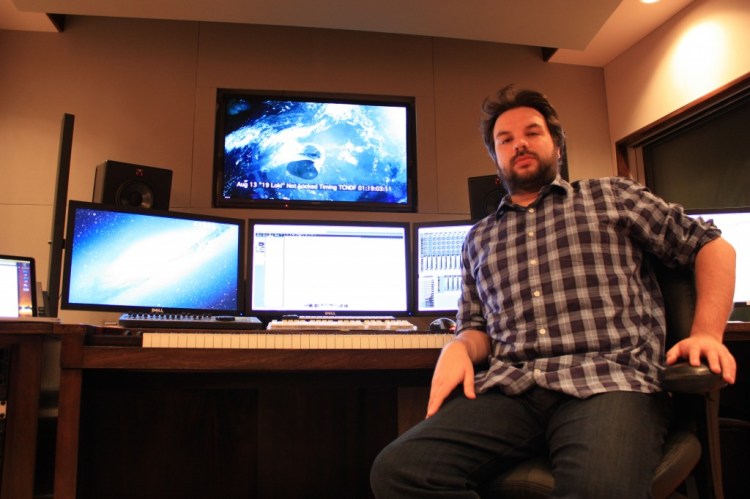
PHOTO: David Buckley working on a film:

davidbuckley_studio

____
Interviewer Matthew Toffolo is currently the CEO of the WILDsound FEEDBACK Film & Writing Festival. The festival that showcases 10-20 screenplay and story readings performed by professional actors every month. And the FEEDBACK DAILY Festival held online and in downtown Toronto on the last Thursday of every single month. Go to http://www.wildsound.ca for more information and to submit your work to the festival.

Interview with Editor Valerio Bonelli (Darkest Hour, The Martian, Philomena)

If you’re interested in storytelling, this is the interview for you. Editor Valerio Bonelli has edited over 30 films in the last 20 years, working with some of the top directors, including many collaborations with Ridley Scott (The Martian, Black Hawk Down, Hannibal, and the Oscar winner Gladiator), and Stephen Frears (Philomena, The Program). In this interview, he gives a lot of amazing insight on the art of editing a feature film and what it takes to succeed in Hollywood.

Matthew Toffolo: You’ve worked as an Assistant Editor on many big Hollywood productions. What is the role of Assistant/Associate Editor? What is the biggest thing you’ve learned doing this task to help you grow as an editor?

Valerio Bonelli: It’s now quite a while ago but what I remember of my experience working on those big movies is that I felt that I was like a kid in a candy store. I was working and learning from people I respected a lot in the industry like Ridley Scott and Pietro Scalia and at the same time I was given challenging tasks mostly to do with the organization of the cutting room. That sometimes can be seen as boring and not so creative but I believe that learning to run those big cutting rooms gave me the confidence to become a film editor and to handle very stressful situations.

MT: What film that you’ve worked on has been your most valuable experience?

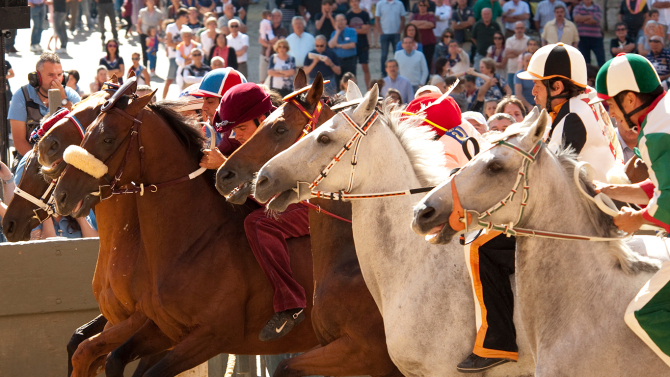
VB: It’s difficult to say because every film I worked on somehow added something to my knowledge as an editor and as a person. Each film is different even if you work with the same director, but I can say that there are few films that have stayed with me for one reason or another. Recently I’ve cut a documentary feature called “Palio”, this film was particularly challenging for me because unlike most conventional documentaries the story is narrated in the present time and not retrospectively with a narration voice but with the voices of all the characters of the film. The film is about the famous ancient horse race in Siena, Italy, it did not have a script, and was ‘written’ during the editing process by me and Cosima Spender.

Advertisement

PHOTO: Still Shot from the documentary “Palio”:

palio_documentary.jpg

The Palio is possibly the only race in the world where in order to win you have to spend a lot of money in bribes. The story is about a young jockey that challenges his old master, who has monopolized the game for the last 16 years and won it 13 times.
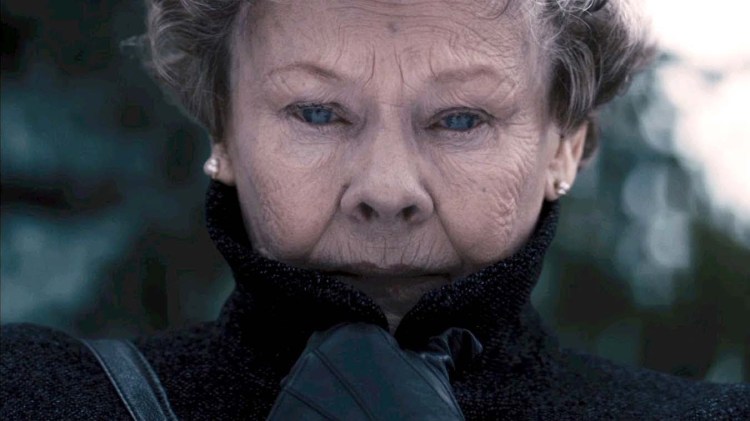
In terms of feature film one of my favourite experience was cutting Philomela by Stephen Frears. For me this was a unique experience for several reasons because not only I was given a chance to work with such a great master of cinema like Frears (who by the way was one of my Teachers at the Nation Film and Television School) but I was cutting a story that was very important for me because of my upbringing in a Catholic country. Also I was cutting Judi Dench’s masterful performance. I learned a lot from looking at her performances in the rushes.

MT: What is the art to being a great DOCUMENTARY editor? How is working on this type of film different than a conventional live-action film?

VB: The most important thing you have to remember when you cut a documentary is that almost everything is possible in terms of narrative. There is no script and the way the material is cut decides the narrative of the film. As an editor I feel you have even more responsibilities.

I try to bring narrative documentary techniques of editing in the feature genre and vice versa.

One example is when I cut “The Program” for Stephen Frears. The film is about Lance Armstrong and I was given a lot of documentary footage and news reports as well as all the live coverage from all the Tour de France Lance won by Lance between 1999 and 2005. I was able to use this footage cut together with our footage of Ben Foster playing Lance mostly because the impressive physical change that Ben did in the months before shooting in order to look like Lance. Also the news footage helped us to build narrative threads of stories particularly around the media buzz that Lance’s victories generated, most of this sequences were not scripted in the original script.

PHOTO: Judi Dench in the feature film “Philomena”:

philomena_judi_dench

MT: Generally, when does the editor join the production on a feature film? Do you begin editor when the film is still in production?

VB: I always start at the start of the shooting but often I get to talk to the directors I work with in the weeks and months before the film is shot and I give my feedback and opinion on the script.

Advertisement

MT: What is an editor looking for in their director? What is a director looking for in their editor?

VB: In a director I look for a relationship where I feel that I learn something new, at the same time I like to be challenge by a director, it is also important for me to know that I can contribute to his vision of the film. Probably a director feels that the editor is a collaborator but also the first audience that sees the film and so he looks for his objectivity as well as his understanding of what he’s trying to achieve.

MT: Is there a type of film that you would love to edit that you haven’t edited yet?

VB: I’m very eclectic in my taste and so I’ve switched already quite a lot of genres so far but I must say that I sometimes would like to cut a Western movie, maybe because as a kid I’ve seen so many.

But mostly I react to stories, so for me when I worked on The Martian as a co-editor with Pietro Scalia it was a dream come true to do a Sci-Fi; but for me that was not the main exiting thing, the story was what exited me, the humanity that came out of the film was relevant for me.

MT: What film, besides the ones you’ve worked on, have you seen the most times in your life?

VB: The Good, The Bad, and The Ugly by Sergio Leone.

MT: What suggestions would you have for people in high school and university who would like to get into the industry as an editor?

VB: Try to cut as much as you can (Short films, Docuentaries, music videos…anything) and if you can go to a good film school like the NFTS in the UK because is a good place where you can meet talented and motivated people.

MT: Where did you grow up? Was working in the Film Industry something you always wanted to do?

VB: I never imagined that I was going to end up in the film industry when I was a kid, I actually dreamed of becoming an orchestra conductor!

I was born in Naples but my parents moved to Florence very early on in my life. I feel I grew up in a beauty box, surrounded by stunning hills and monuments and this beauty is for sure an element that has influenced me a lot in my choices in life and still is part of me. Sadly I had to leave my county in order to flourish but I can’t explain why otherwise I would turn this blog into a political and sociological critique of Italian life!

_____

Interviewer Matthew Toffolo is currently the CEO of the WILDsound FEEDBACK Film & Writing Festival. The festival that showcases 10-20 screenplay and story readings performed by professional actors every month. And the FEEDBACK DAILY Fesival held online and in downtown Toronto every single Thursday . Go to www.wildsound.ca for more information and to submit your work to the festival.

Stunt Performer Hannah D. Scott (The Enemy Within, Orange is the New Black)

I really enjoyed chatting with Stunt Performer/Actor Hannah D. Scott about her profession. She was very open about everything and you can feel her passion for the industry and what she does in her answers. Enjoy!

Matthew Toffolo: What job has been your most valuable experience?

Hannah D. Scott: I think that part of the answer lies in not actually working, but watching people work. The set is such a massive machine and being able to take a step back to listen and learn is priceless. I was once asked, a long time ago, to step in as kind of intern of sorts. Understanding the camera, understanding how the director communicates with actors in order to get the right result, what cues to give to help them understand and so on was incredibly valuable. I could see how different lenses worked, how framing could make or break a shot, how timing is essential as are reactions. I watched how gags were set up and every detail that goes in to even the simplest of stunts. Even for a small trip to the ground, the area has to be checked for hazards like glass for example, but someone outside of stunts might not think of those things because they never have to be the ones hitting ground.

Perhaps the most valuable experience was making a mistake on a job an realizing that that sort of stunt is not something I want to do, and being honest with myself about it. Why try and do something and risk not only yourself but others. We all have things we thrive at and fail at.

MT: Have you suffered a lot of injuries doing stunts? If so, what has been your worst injury?

HDS: Funnily enough everything has been outside of work. My Mirror fell off of my windowsill and went through my foot when I was at home…doing nothing. I always expect to get a little bruised even though I have pads for safety, but it comes with the territory. There have been some terrible accidents, perhaps some were avoidable and some were just simply tragic accidents, but we are all aware in going to work that we stand the chance of being hurt and maybe seriously. Everything in our power and the power of those working with us is done to keep things safe. I don’t think the general public realize how much danger there is involved and how much of the physical stuff we actually do without it being CGI or some such thing.

MT: Has there been a stunt that you love to perform that you haven’t performed yet?

HDS: I haven’t done burns yet, being set on fire. There are full and partial burns, each with their own skill set and risks. For some reason that’s high on my list of things I’d like to learn and have the opportunity to do.

MT: How did you get into the stunt performer game? Was there extensive training involved?

HDS: This is always a hard one to answer as there in no one ‘way’ in. Personally I was picked to work on a film as I had a background in martial arts, gymnastics and fighting. I very much had to learn as I went that day because the most I had was stage combat for a base in understanding reactions and so on, but it’s a whole different world with a camera, pretty much polar opposite. I was lucky enough to be hired, do a good job and keep connections in order to find out how to progress once I’d made a choice to commit to stunts.

There is no ‘training’ for stunts in a way, you can’t go to a school and then come out with a range of skills and find recruiters. There are workshops available and they’re certainly more frequent in NY now. It has been very hard in the past to attend workshops without already being ‘in’ the working community and without a resume. Most were private invites and with good reason. Things are becoming more open to those starting out now and giving people a chance to learn. It’s a catch 22. How do you get into stunts without training but how do you get training and invited without already being in stunts? Who should even be teaching it is another story and sometimes cause for friction, but at the end of the day it’s about keeping each other safe and using the best skills we have individually, working together to make the best picture possible.

We all train regularly at various sports complexes and in teams. You have to keep the muscles moving, work reactions and timing and watch yourself back all the time on video to make sure you’re not catching yourself for example, putting a hand down being shot in the head where in life you’d just collapse…if that makes sense. Conditioning is always important so you’re fit enough to do multiple takes and have the ability to take the impact, are prepared for it.

MT: Where do you see the future of green-screen stunt performing in the motion pictures?

HDS: I’m not sure I”m experienced enough to answer that, but I think that technology will obviously continue to grow in ways we can’t even imagine yet. Look at animation, it’s mind-blowing. But, I do think there will always be a need for physical bodies and work, so hopefully non of the advances will take jobs away.

MT: What’s the biggest high risk stunt you’ve performed to date?

HDS: I’ve done a dog stunt, which could easily go wrong should the animal decide he wants to do what he wants, but I’d say high-fall holds some of the highest risk. Falling off buildings, cliffs, over balconies and so on into boxes, airbags or porta-pits. There are so many factors that could go wrong either from the miscalculation of the person jumping or the people on the ground spotting or prepping the air-bag, it’s a very risky stunt and a speciality. It’s certainly not for everyone.

MT: Do you have a stunt performer mentor?

HDS: Yes, I am very lucky and honored by the people I’ve been surrounded and guided by. I think it’s somewhat essential in this part of the entertainment industry as it can be so hard to navigate. I was incredibly lucky on the first major job I did having the chance to work with some of the longest working members of stunt community, their generosity astounds me.

Whenever I’m confused about anything from a contract to what I might need to work on or where I can find who and what I need, they are all there. It’s never too much to check in and there’s never a question that’s too silly to ask. I feel like they all remember what it’s like to have had that first day and remember where they started. I would love to name them, should I name them? Manny Ayala, Elliot Santiago, Chazz Menendez and Joanne Lamstein are all those I consider it an absolute honor that I have them in my life.

MT: What movie, besides the ones you worked on, have you seen the most times in your life?

HDS: Oh boy…honestly? Probably ‘Pete’s Dragon’, no kidding. I know every part of that script and gutted they have made a new one. I’ve never wanted dragons to be so real in my life!

Her Website: http://www.hannahdstunts.com/

PHOTOS: More Hannah fight photos:

hannahscott_4
hannahscott_5
hannahscott_6
hannahscott_7

_____

Interviewer Matthew Toffolo is currently the CEO of the WILDsound FEEDBACK Film & Writing Festival. The festival that showcases 10-20 screenplay and story readings performed by professional actors every month. And the FEEDBACK DAILY Festival held online, and in downtown Toronto on the last Thursday of every single month. Go to www.wildsound.ca for more information and to submit your work to the festival.

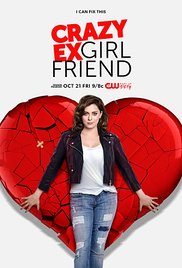
Interview with Editor Tod Modisett (High School Musical Series, My Crazy Ex-Girlfriend)

t was a privilege to chat with the talented editor Tod Modisett on the art of editing.

Matthew Toffolo: You have edited many television shows. Do you have a favorite experience?

Tod Modisett: The best experience is when you understand the show you’re working on. You get the director or the producer, and he or she gets you. Then interesting things can happen pretty quickly. Some editors can talk articulately when they’re working. I usually can’t.

Sometimes I mumble. It’s great when a director can hear me mumble something and he or she knows what I’m saying. It reminds me of how some dentists can understand you even when you have all kinds of crap in your mouth. Jeff Schaffer, the creator of “The League,” was like that. Once I mumbled something as I hit command-Z to put the edit back to what it was before I started messing with it and he said, “It’s okay. I know what you were going for.”

I have to ask about the “Bachelor” experience as there are tons of fans out there who want to know. What was the process like editing an episode together? Was the episode already written and you simply needed to piece together the story with the hours of footage you had? How much footage did you (or your assistant) have to go through?

I had to look this up on my calendar program. I stopped working on “The Bachelor” in December of 2008 and my last “Bachelorette” was July of 2009. So it’s been a while! Back when I was there, the story side of the show was run by Martin Hilton, who is certainly one of the smartest people I’ve met in Los Angeles. Martin always had a strong point of view about how the storylines should unfold, and he wouldn’t let the actual footage stand in the way. I learned a lot from him about how to shape the footage to achieve the desired result.

More importantly, he helped me realize that an editor needed to have a perspective when cutting a scene. There’s no point in being passive.

Martin started as an editor at Next Entertainment, so he empowered editors there to work the stories out themselves and pitch him their ideas. The story producers were there to help the editors find the interview bites the editors wanted. Not every reality company worked that way.

There was, of course, a lot of footage on those shows. But usually I didn’t watch everything. If something amazing happened in the house during a down period, a field producer would note it for us. You can’t watch every frame on that kind of schedule.

Did the TV show “Redneck Island” actually happen?

Yes! But I wasn’t on it for very long. I think I only cut one or two episodes. I don’t know why they put me down as having worked on all of them in IMDB. I left that show to cut
“Burning Love” for Ken Marino.

What is the biggest thing you’ve learned working as an assistant editor early in your career that helped you grow as an editor?

Every show ends. No matter how bad it gets, it’ll be over sooner than you realize.

What makes a great editor? What skills does he/she need?

First, you need all the stuff people talk about in seminars, like sensitivity to performance, a sense of pace, etc. A lot of editors I know are former musicians, so they feel rhythm and dynamics better than other people. But that’s only half the battle. You also should understand how you come across in a room and how you’re best able to work with other people. You need to know how you can personally convince others of your ideas without being overly combative. It’s different for everyone, because what works for one guy might not work for another. In the beginning, I was too much of a push-over. I’d say, well, it’s your show, do what you want to it. I’m just the editor. But what happens is, after a couple of years directors and producers have a way of forgetting what it was they insisted on in the cutting room, and they blame the editor if the show is bad. So now I try harder to push back if I think someone is making a real mistake. I don’t always prevail.

What is an editor looking for in their director? What is a director looking for in their editor?

Just to be on the same wave-length. With comedies, we have to think the same general stuff is funny, otherwise it just won’t work.

Is there a type of film or TV series that you would love to edit that you haven’t edited yet?

So many! I like a lot of stuff.

What film, besides the ones you’ve worked on, have you seen the most times in your life?

Through no design or intention, I’ve probably watched “The Godfather,” “Alien” and “Blackhawk Down” the most. The first two are kind of obvious. I don’t know why I find “Blackhawk Down” so watchable, but I’ve seen it five or six times.

What suggestions would you have for people in high school and university who would like to get into the industry as an editor?

I don’t know those people. Most kids want to write and direct. Or act. Usually if they’re in high school and they’re talking about wanting to edit, it just means that they lack the confidence to say they want to direct, because very few teen-agers know what editing is all about. So my suggestion is, don’t say you want to be editor. Just go make short films of your own. Write them, shoot them and edit them. And see how you feel after doing all of that. Maybe during that process you’ll find you have a comparative advantage in one area.

Where did you grow up? Was working in the Film Industry something you always wanted to do?

I grew up in San Pedro, which is the harbor of Los Angeles. I lived with my Dad. Every Friday night, he would take me to pizza and then afterwards we’d go to the Wherehouse and he’d let me pick out a VHS movie to rent. I was maybe 12 or 13 then. He never looked at what I picked, so I got all kinds of inappropriate stuff. After watching Scorcese’s “Taxi Driver,” I thought, wow, that seems like a cool job; I’d like to do that.