Feature Film Review: AFTER THE FREEZE. Directed by Tenley Eakin Raj

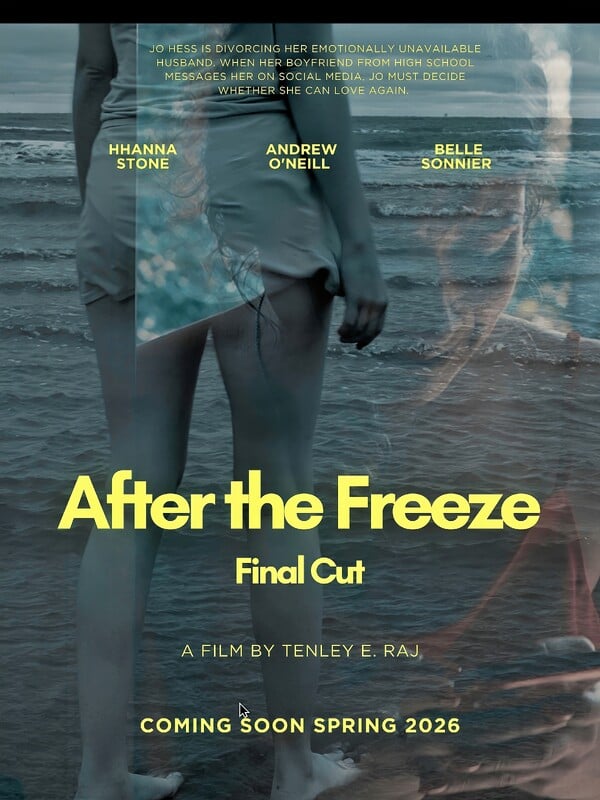
Jo Hess is confronted with love amidst a divorce when the love of her life, her boyfriend from high-school, reaches out to her out of the blue.

Project Links

 Instagram

 Website

 X

Review by Victoria Angelique:

The film, AFTER THE FREEZE, follows a newly divorced woman as she tries to figure out what her life is now by reflecting on the past. Jo is a very complicated character, as she deals with reconnecting with the ex-boyfriend from her teenage years and dealing with her ex-husband as they attempt to co-parent their daughter. She is emotional and needs a friend to make her see the other side of these breakups.

The majority of the story is told through text messages that pop-up on the screen. This is a very interesting filmmaking technique as the audience can literally read what is going on in each character’s head. This method of telling the story makes the film quite relevant with audiences in their twenties or teenagers as it reflects reality, where they seem to communicate more through text messages rather than having spoken conversations. The characters are also written to appeal to the Gen-Z or GenAlpha target, with Jo being someone that seems like she’s pulled from the stereotypical norm from that generation by using her phone to communicate rather than meeting with another person to talk out the issues.

The character of Jo is quite complex, as shown from the second the audience meets her. She’s focused on her poetry and when she texts her high school boyfriend, it makes sense why the flashbacks are suddenly coming back for her. She is able to use poetry and text messages to convey how depressed she feels at this moment, which allows Jo to remain in her head in this story of character evolution. This is what the audience is noticing through the film in Jo’s perspective, she is having to deal with everyday issues and the audience can see how this particular character has to overcome the urge to fall back on her insecurities. She is quick to jump to conclusions, only having the realization that there is more to the world and people not responding to text messages when she learns that the ex that she’s been talking to had stopped responding because he had a seizure. 

This is quite an innovative film, through the filmmaking techniques and using one character to tell the story. The audience can see the character arc of Jo as she processes what her world is and knows she still has more to learn, but the film ends with her being open to finding her happiness once again as she continues to process her world. 

Feature Film Review: A Knighter’s Tale (documentary)

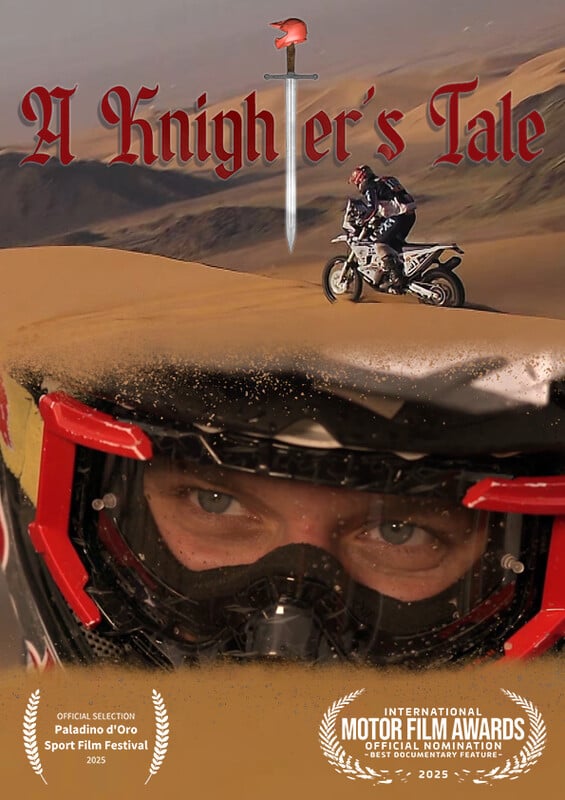
Deeply in debt and abandoned by his backer, hemmed in by storms and further twarted by a global pandemic, world champion motorcyclist David Knight must cut a path to his lifelong dream of racing in that deadliest of races: The Dakar.

Review by Andie Kay:

How can you not love that title? Makes you think of Heath Ledger, Alan Tudyk and James Purefoy in a rock n roll period film. This film definitely has the rock n roll, just a different kind of knight. David Knight. Who you’ll adore just as much as Heath Ledger. David Knight or Knighter as his friends and team mates call him is a motor bike racer, and a pretty incredible one.

Directed by Barney Edwards and written by Scott Allan, this feature film follows David’s career and the trials and tribulations he goes through to follow ( and succeed ) at his dream. It’s a feel good, marvelous story about going after your dreams and doing everything you can to attain them… with a killer soundtrack.

Andrew Brooke did an amazing job with the cinematography in this film. Watching David ride and the way this was directed, you almost feel like you are riding with him. The absolute stunning beauty of the drone shots left me spellbound.


Personally, I loved this film and getting the opportunity to hear David and his team mates talk about rally racing and getting to the Dakar Race. That race in and of itself is pretty intimidating and getting to experience what they all went through was really special. This had such a wonderful balance of interviews and stunning visuals, exciting racing to keep your interest throughout. If you have a love of racing, or just need to be inspired to pursue your dreams this is a film to watch.

Short Film Review: CHASING DIESEL. Directed by Graham Birch

In London’s gritty underbelly, Jayce, a luckless thug with a heart of gold, must retrieve his boss’s dog, Diesel, who unknowingly carries a secret that could save a life. As Diesel becomes bait in a chaotic chase through the city’s labyrinth of underground tunnels, Jayce navigates deceit, betrayal, and comedic mishaps in a madcap adventure. The race is on to see who will get Diesel first.

Review by Julie C. Sheppard:

Chasing Diesel is a UK short that offers edgy, cheeky entertainment from start to finish. The murky lighting, mostly in small rooms and cavernous passageways outside a castle-like structure serves the plot – – thugs strive to retrieve a valuable dog named Diesel. 

The coarse but witty banter of the screenplay allows for developing allegiances between characters, particularly the rather kind-hearted duo of a thief and his kidnapper. At times, the piece has a film noir feel to it as shady negotiations go on between criminals and at other moments there is an atmosphere of a head-to-head western, complete with harmonica and heavy country refrains. 

Cinematography choices are fabulous, especially when following characters down the long hallways, and close-up eye only shots as if cast members are in a shoot out at the O.K. Corral. An entertained audience will more than likely draw a sigh of relief as justice is done, and the unlikely good guys dodge a bullet. 

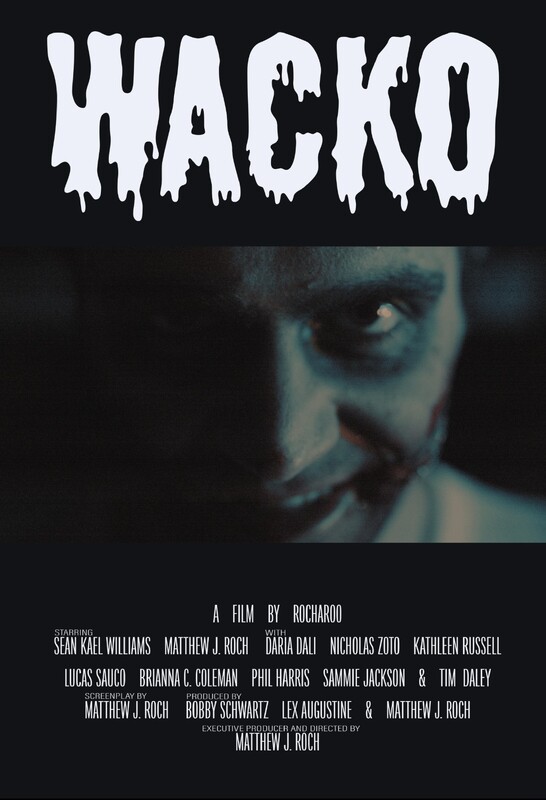
Feature Film Review: WACKO. Directed by Matthew J. Roch

When lust, jealousy, and envy take control over tearing apart a family, it’s up to one to repay the personal vendetta.

Review by Julie C. Sheppard:

The title of this feature, WACKO, does indeed match the chilling nature of what unfolds before us. But we do not just see a flat, stereotypical presentation of madness. This film gives us a many-layered look at a deeply wounded person, who has been through a lifetime of pain, trauma and betrayal. Numerous heartbreaking flashbacks of adolescent experiences provide a context for the central figure’s resentment and desire for revenge. The performances of the actors playing the captor and the captive are riveting. Jimmy gradually reveals how very bitter and unhinged he is, and Jack moves through several stages – – defiance, seemingly authentic contrition, and then a deep-seated, cursed hatred. 

Pacing of the film is on point and the tension builds, as people outside the house, such as Jack’s parents and a determined police unit, close in on Jimmy’s lair. Heavy rock refrains that slyly creep in during moments of highly dramatic action and dialogue serve to make this film even more visceral and raw.  

There is deliberately no reprieve from a menacing essence, given the constant murky lighting throughout. The terrifying hovel of a basement is suitably stagnant and claustrophobic, to keep the suffering Jack contained. The well-explored insanity stemming from early family tragedy, and vicious bullying comes full circle for the wacko Jimmy, leading him to a very dark place.

Short Film Review: THE INTERVIEW. Directed by Sara Bergamini, Daniele Zucchini

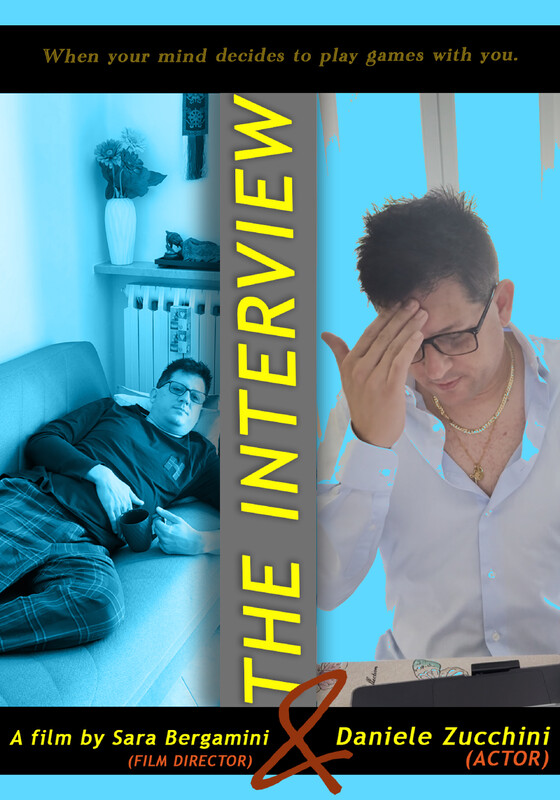
Daniel has a job interview via Zoom, but at one point, he finds himself face to face with a projection of his mind that puts him in difficulty and makes fun of him.

Project Links

Review by Julie C. Sheppard:

The short, The Interview, accurately plays into a nervousness many people experience before an important job interview. It clearly illuminates the negative self-talk that runs through the mind of the central figure, Daniel, personified by his alter-ego in the background in relaxed dress – – his harshest critic. Mental sabotage becomes a tangible thing, causing Daniel to question himself and to remember his interview mistakes of the past, and to worry about how the upcoming appointment will go. 

A clever filmic convention is the ongoing use of a pesky laugh track, as if his annoying inner self is ridiculing his choices and how he will come off in front of the online interviewer, including if he has something in his teeth. The fact that we see just a central panel of video gives us the impression of the job seeker’s intense focus on the screen. Technically, it is also quite helpful to see the translated texts at the top of the scene, for ease of comprehension. 

The set decoration that the interviewer will see in the background such as a stuffed toy, and Daniel’s wardrobe of a widely opened dress shirt and gold chains, both indicate that he is not the most professional of interviewees. But he is also relatable – – the fact that he has not considered wearing proper pants that may be viewed online is a problem for many in these days of Zoom meetings. He is indeed a sympathetic character, and viewers will likely still wish him the best in the job interview, a tense universal event that most of us have endured at one point or another.

Movie Review: The Planet That Doesn’t Exist. Animation/Sci-Fi short from Israel (watch film)

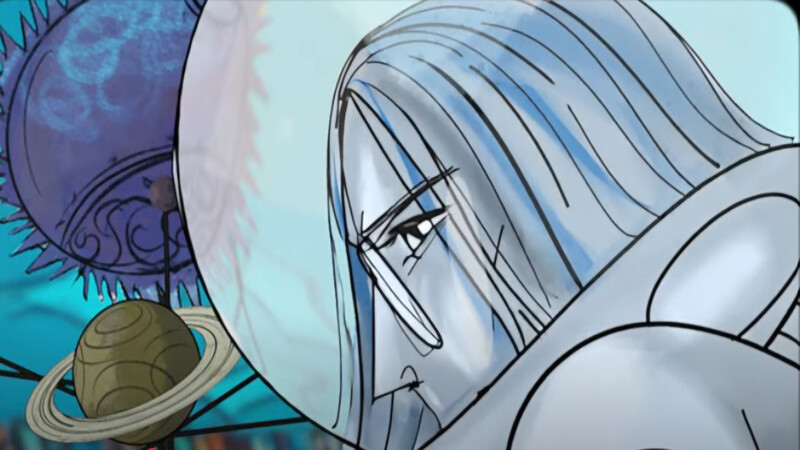
This is the tragic and emotional story of a young scientist, Professor of Astronomy Star l’Etoile, who did not have time to make her most significant discovery in life due to her untimely death. This story is symbolic because the author of this comic, Navy Bird, died without ever seeing her main book, “Arlekino & Pirrot,” published. She had been working on it for the last two years. She was killed at the age of 24.

Project Links

Review by Julie C. Sheppard:

A gripping sci-fi animation short, The Planet That Doesn’t Exist, combines a character study with profound existential musings about mortality. The credits inform the viewer that the project is sponsored by the “Mom of Navy Bird”. We discover that Navy Bird is a comic character created by her daughter, a brilliant young woman. You sense the admiration the mother has for her, in this lovingly created project.

The animation depicts her as sensitive and, perhaps, a classic science-focused introvert. The voice over artist does a superb job providing the character with a delicate balance of both quiet confidence and at, at times, deep insecurity regarding the validity of her calculations and the potential discovery of a new planet. This central voice is suitably amplified as if coming from a rather nervous mission controller. A ghostly echoey voice of death is also chillingly effective.

In addition to the emotional richness of the main character, the CGI-generated celestial imagery is breathtakingly beautiful, as the actual solar system. Another stunning component is the soundtrack with tinkling strains, and intense rumblings of an outer space echo chamber. Scenes of the “undiscovered country” of a massive outer space are perfect for this luminous short, in order to consider the bigger questions of the mysteries of science, life, and life after death.

  • Nadav Embon – Director
  • Navy Bird Revital Bronshtein – Writer

Watch film here

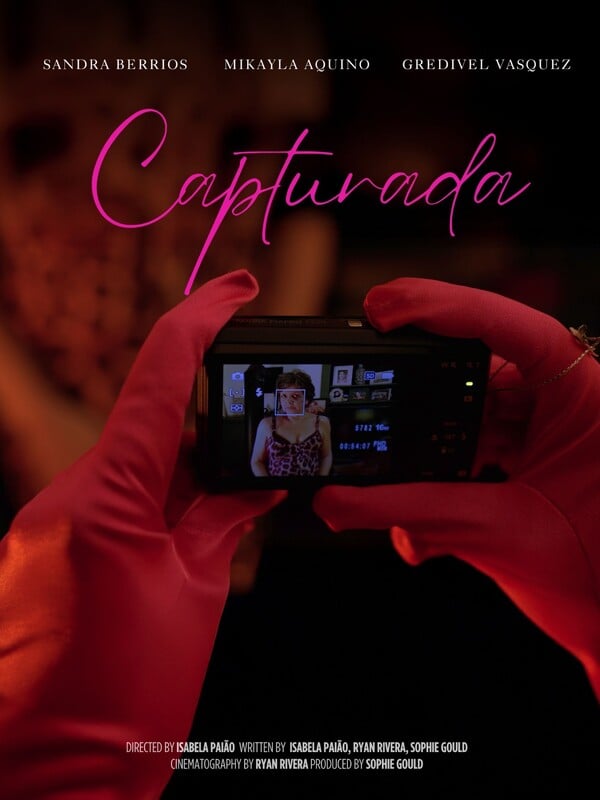
Short Film Review: CAPTURADA. Creators: Isabela Paiao, Sophie Gould, Ryan Rivera

A grandmother, Alma, secretly explores a new relationship online, rediscovering her identity beyond the roles of mother and grandmother. When her hidden life collides with her family, Alma faces a transformative journey of self-love, desire, and liberation.

Review by Victoria Angelique:

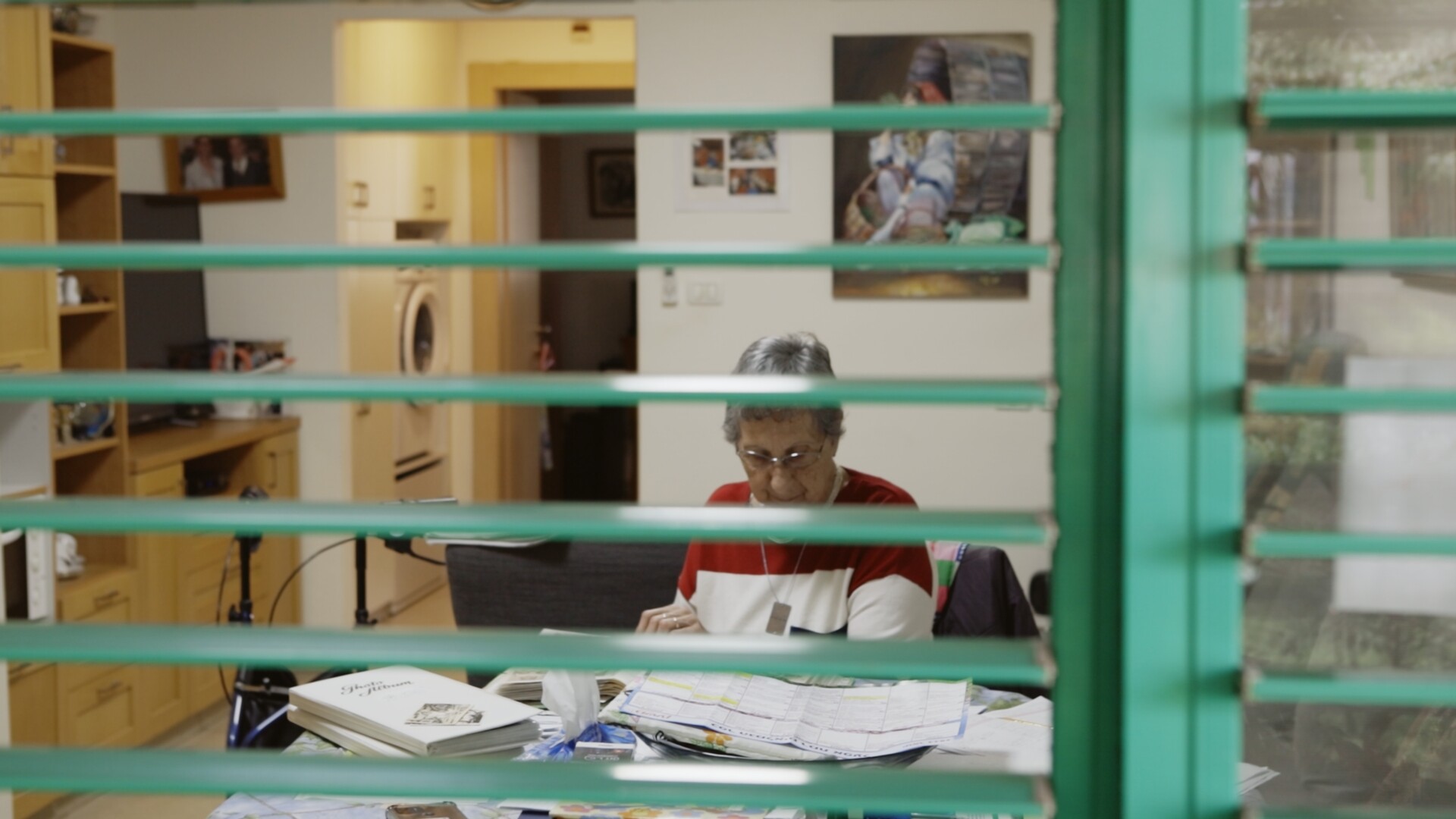
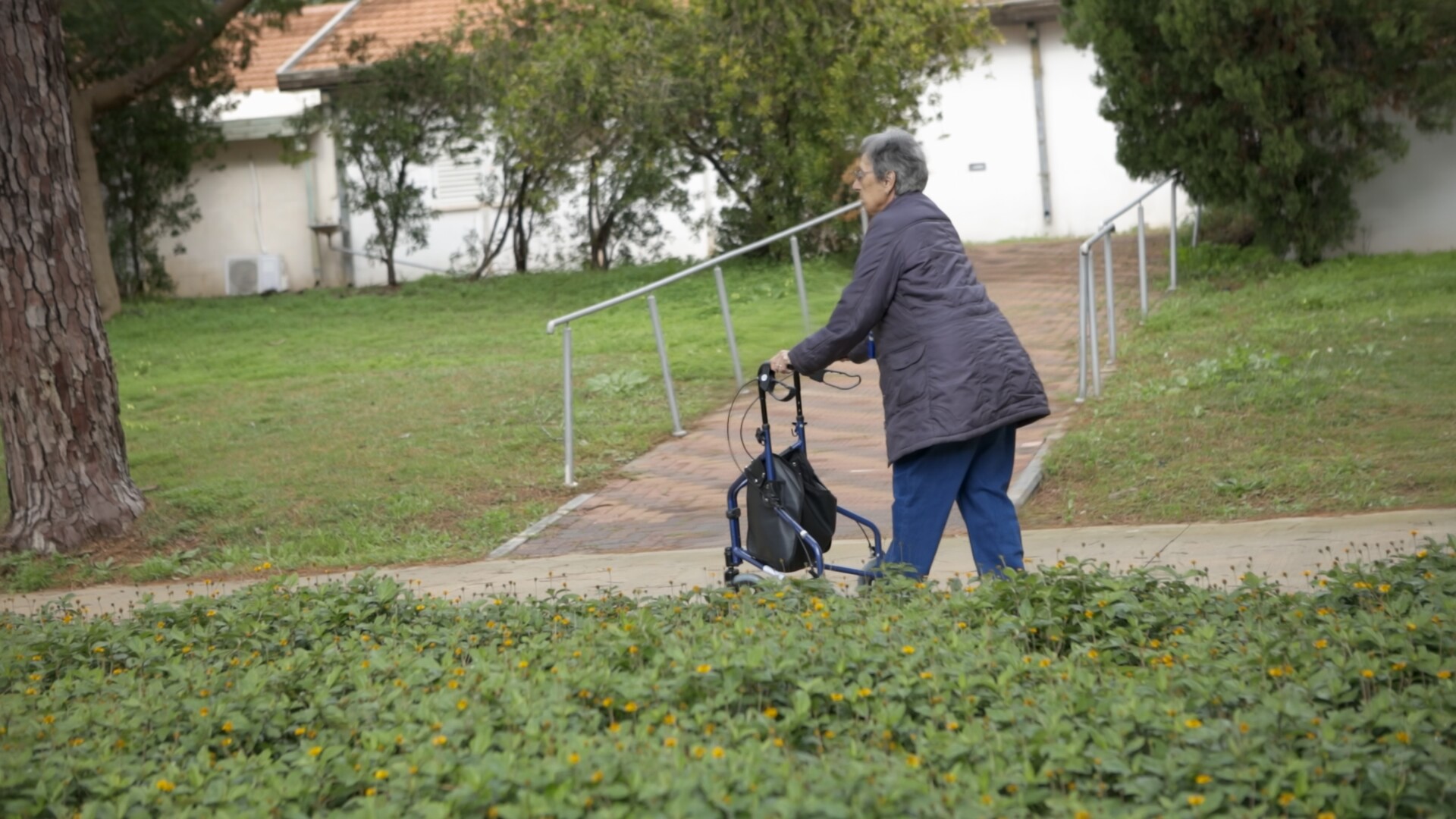
The short film, CAPTURADA, follows the nuanced narrative of a widow, her daughter, and granddaughter while posing the question of when is it an appropriate time to move on after the death of a spouse. The characters are relatable to many families, which makes this such an endearing film.

Alma is a bit insecure after the death of her husband, especially since she’s not sure how her daughter will react to her meeting someone new on Facebook. Her daughter is concerned for her mother’s safety, while struggling with the idea that her mother has already found someone new since her father’s death. This theme is a dynamic in many households all over the world. Many children struggle with their parents finding new relationships after a death, but for Alma’s daughter, the dynamic of their relationship is what makes this film feel natural. 

When parents get older, their adult children have a bad habit of treating them like children. Alma doesn’t appear to show any concerning health problems, yet her daughter scolds her like she’s a teenager caught breaking the rules. She is concerned for her mother’s safety on the internet, but the way she treats her causes Alma to be insecure. It’s clear that her daughter isn’t meaning to make her mother feel this way, as it is depicted through the character to come from a place of love, but Alma has to find the confidence to speak up to her own child.

It’s Alma’s granddaughter that seems to be able to understand both of the other women. Her grandmother wants to feel beautiful again, but struggles with taking photos of herself. The film ends in a sweet bonding moment as the three women join in taking the pictures. The man that Alma is talking to might be everything that her daughter is worried about, the audience doesn’t have enough information to decide. What the audience does know is that a widow is finding someone new that makes her happy and she wants the approval of her family. She doesn’t need to be treated like a child, she just needs to feel like she’s still wanted and beautiful. 

CAPTURADA is a beautiful film. It has great characters and is written in a way that the story will stick with anyone that has aging parents. The story cleverly shows every side of the story without Alma ever leaving the scene. The realistic portrayal of the themes, from internet safety to the way people treat elderly family members, makes this a remarkable film.

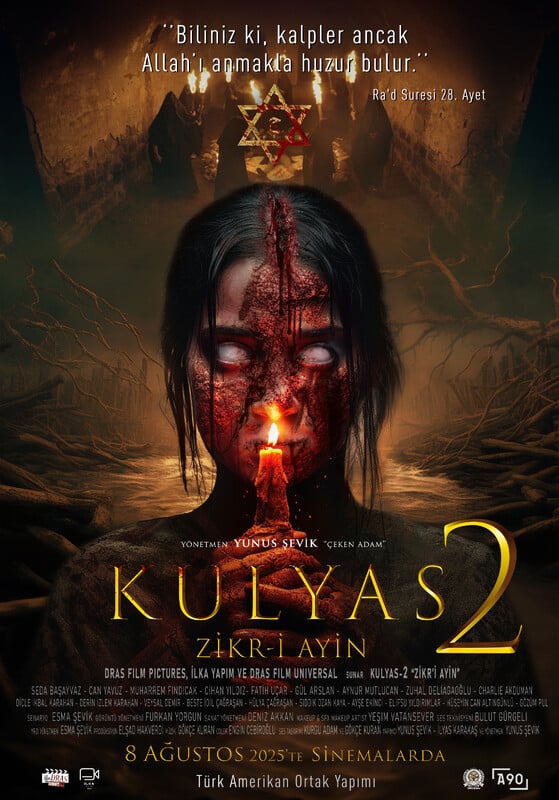
Feature Film Review: Kulyas 2: Zikr-i Ayin. Directed by Yunus Şevik

Helen seeks help from a sorceress to win back the man she loves and performs forbidden spells. However, she is unaware of a sacred bloodline she carries. These spells awaken the ancient curse of the Kulyas jinn, a curse that has persisted for generations. Now, the dimensional gate of the jinn has been opened.

Project Links

Review by Julie C. Sheppard

This spine-chilling feature film Kulyas 2: Zikr-i Ayin is epic in its scope, as it covers a wide-ranging and satisfying collection of genre ingredients. It has an international flair, with historical, horror, spiritual, and romance elements. It announces off the top that it was filmed in an incredible 37 different locations, which includes places in Turkey and the USA. It is visually rich, from its ancient archeological settings to rustic countrysides, to modern, bustling cityscapes. 

A remarkably well-edited production, jump scares seem to literally spring forward off the screen. These terrifying moments are fully enhanced with a compelling petrified performance by the lead character, the correspondingly gruesome make up and masks of multiple vicious demons, and punctuated by a booming, fearsome score, complete with hard core instrumentals. 

The film has a quest motif, as the lead strives to purge herself from a demonic curse and spiritually purify herself from past transgressions and, in turn, to nobly save the life of the innocent child of her former lover. The energy of the direction keeps the project on track, as the main character dodges one monster after another. She is initially unsure of who to trust, except for an evil tattoo that reveals that supporting characters are not as they appear. As with classic horror convention, the viewer also experiences this insecurity throughout, not sure who is trustworthy and who carries the mark of evil.

Feature Film Review: The Cupcake Chronicles Vol. 2: The Cupcake Shop Ghost

Is the cupcake shop haunted? Or are those strange noises coming from the stomachs of hungry customers? Either way, everyone ends up satisfied.

Review by Andie Kay:

Who ya gonna call? Ghostbusters!


This over the top comedy was a slow burn parody of the ghost hunting shows but it takes place in a quaint cupcake shop. A place you’d never expect to be haunted, which happens to be a cool twist to the story. A story that was written quite well and had a lot of heart.

The cinematography in this was absolutely stunning. The lighting and coloring of this nine act short film was a feast for your eyes. Plus you had some creative camera angles that when you are shooting in one location are a must to keep the audience engaged. All of the sound was incredibly well done too. I was a bit disappointed that no one on the crew was mentioned, not even the director or writer. Maybe it was a ghost writer? I’m honestly trying to stop myself from making a joke about a “skeleton crew”. Oops, I guess I just did.

In all seriousness, I would have loved to compliment the Director of Photography, Camera Operator, Writer, etc but all I have is FDGT Productions. So…big props to the crew of FDGT.

I also have to mention Corbyn Sprayberry, she absolutely nailed this role and her performance was wonderful as the angel. She was funny but still organic and relatable. The musical additions from Cody Martin, Lost Ghosts, Solitude Smiling and Amanda Welch were perfect and really added to the film.

Short Film Review: DAFFODILS. Dance film directed by Sophie Barbarics


No way out. These strings we have, both the visible and invisible.
Tie us to places, people and faith.
Hold us so tight even when we are literally running away.’

Project Links

Review by Julie C. Sheppard:

An apt title, the dance short – – Daffodils – – unfolds as a flower does. We gradually see the three dancers unfurl themselves from various forms of visual traps. The dance choreography is brilliant – – bodies are either enmeshed in cords, hampered by shards of the written word, or twisted up in contorted knots. The dancers are compelled to find escape from these prisons. 

Exceptional talent and flexibility allow the dancers to relate with one another and eventually free themselves. It is the rhythmic synth soundtrack that helps to build the action, and the bleakness of the original locations breaks through to gorgeous sunshine, open water, and fresh mountain ranges. In turn, freeing group choreography moves to match this liberation. 

The use of light white linen wardrobe for the dancers gives their presence an ethereal quality which is in line with their eventual freedom of expression. The audience is left with their positive autonomy, as a flower in full bloom.