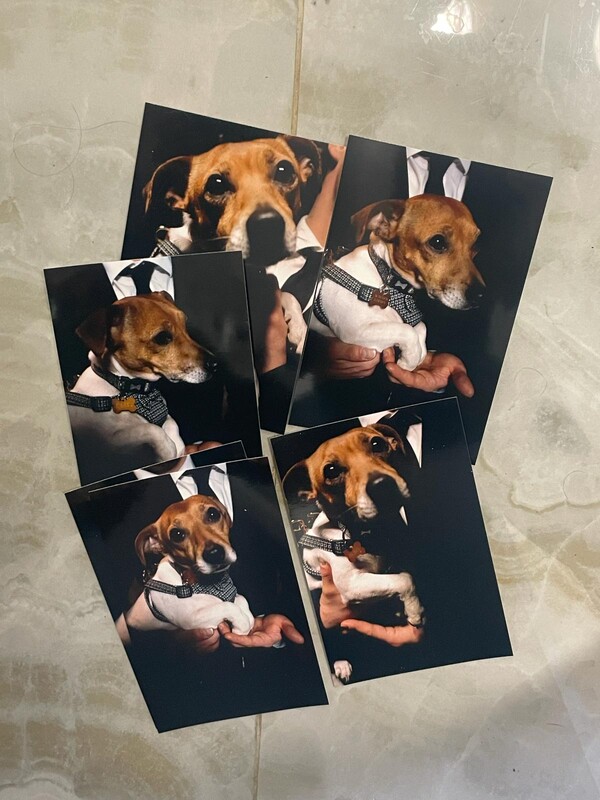
In London’s gritty underbelly, Jayce, a luckless thug with a heart of gold, must retrieve his boss’s dog, Diesel, who unknowingly carries a secret that could save a life. As Diesel becomes bait in a chaotic chase through the city’s labyrinth of underground tunnels, Jayce navigates deceit, betrayal, and comedic mishaps in a madcap adventure. The race is on to see who will get Diesel first.
Review by Julie C. Sheppard:
Chasing Diesel is a UK short that offers edgy, cheeky entertainment from start to finish. The murky lighting, mostly in small rooms and cavernous passageways outside a castle-like structure serves the plot – – thugs strive to retrieve a valuable dog named Diesel.
The coarse but witty banter of the screenplay allows for developing allegiances between characters, particularly the rather kind-hearted duo of a thief and his kidnapper. At times, the piece has a film noir feel to it as shady negotiations go on between criminals and at other moments there is an atmosphere of a head-to-head western, complete with harmonica and heavy country refrains.
Cinematography choices are fabulous, especially when following characters down the long hallways, and close-up eye only shots as if cast members are in a shoot out at the O.K. Corral. An entertained audience will more than likely draw a sigh of relief as justice is done, and the unlikely good guys dodge a bullet.
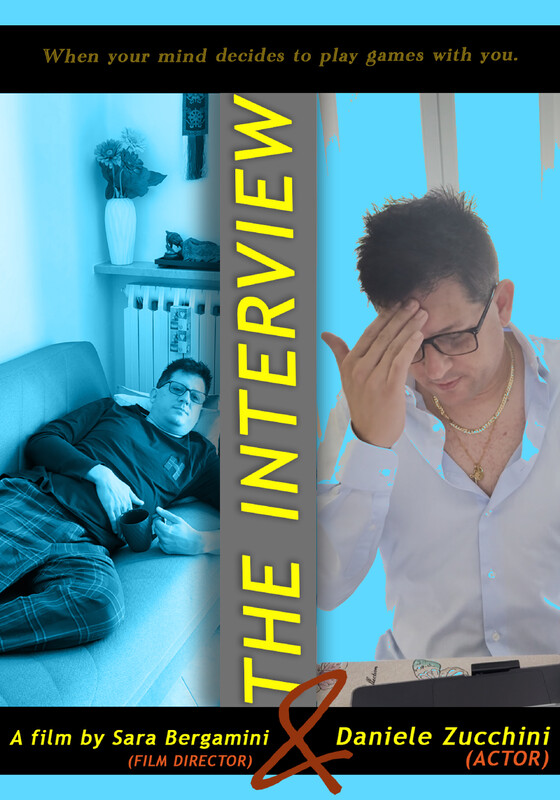
Daniel has a job interview via Zoom, but at one point, he finds himself face to face with a projection of his mind that puts him in difficulty and makes fun of him.
The short, The Interview, accurately plays into a nervousness many people experience before an important job interview. It clearly illuminates the negative self-talk that runs through the mind of the central figure, Daniel, personified by his alter-ego in the background in relaxed dress – – his harshest critic. Mental sabotage becomes a tangible thing, causing Daniel to question himself and to remember his interview mistakes of the past, and to worry about how the upcoming appointment will go.
A clever filmic convention is the ongoing use of a pesky laugh track, as if his annoying inner self is ridiculing his choices and how he will come off in front of the online interviewer, including if he has something in his teeth. The fact that we see just a central panel of video gives us the impression of the job seeker’s intense focus on the screen. Technically, it is also quite helpful to see the translated texts at the top of the scene, for ease of comprehension.
The set decoration that the interviewer will see in the background such as a stuffed toy, and Daniel’s wardrobe of a widely opened dress shirt and gold chains, both indicate that he is not the most professional of interviewees. But he is also relatable – – the fact that he has not considered wearing proper pants that may be viewed online is a problem for many in these days of Zoom meetings. He is indeed a sympathetic character, and viewers will likely still wish him the best in the job interview, a tense universal event that most of us have endured at one point or another.
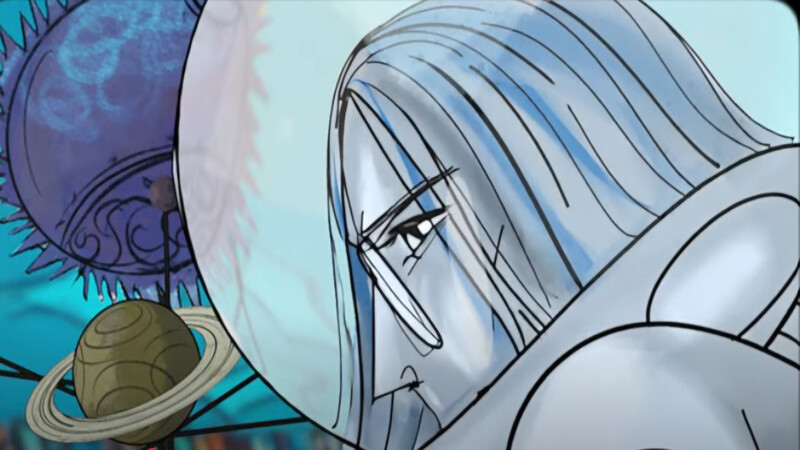
This is the tragic and emotional story of a young scientist, Professor of Astronomy Star l’Etoile, who did not have time to make her most significant discovery in life due to her untimely death. This story is symbolic because the author of this comic, Navy Bird, died without ever seeing her main book, “Arlekino & Pirrot,” published. She had been working on it for the last two years. She was killed at the age of 24.
A gripping sci-fi animation short, The Planet That Doesn’t Exist, combines a character study with profound existential musings about mortality. The credits inform the viewer that the project is sponsored by the “Mom of Navy Bird”. We discover that Navy Bird is a comic character created by her daughter, a brilliant young woman. You sense the admiration the mother has for her, in this lovingly created project.
The animation depicts her as sensitive and, perhaps, a classic science-focused introvert. The voice over artist does a superb job providing the character with a delicate balance of both quiet confidence and at, at times, deep insecurity regarding the validity of her calculations and the potential discovery of a new planet. This central voice is suitably amplified as if coming from a rather nervous mission controller. A ghostly echoey voice of death is also chillingly effective.
In addition to the emotional richness of the main character, the CGI-generated celestial imagery is breathtakingly beautiful, as the actual solar system. Another stunning component is the soundtrack with tinkling strains, and intense rumblings of an outer space echo chamber. Scenes of the “undiscovered country” of a massive outer space are perfect for this luminous short, in order to consider the bigger questions of the mysteries of science, life, and life after death.
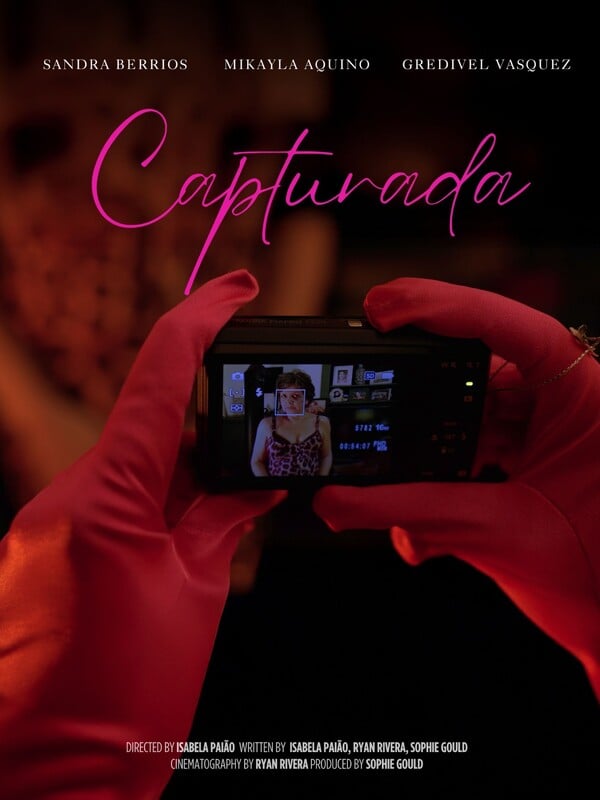
A grandmother, Alma, secretly explores a new relationship online, rediscovering her identity beyond the roles of mother and grandmother. When her hidden life collides with her family, Alma faces a transformative journey of self-love, desire, and liberation.
Review by Victoria Angelique:
The short film, CAPTURADA, follows the nuanced narrative of a widow, her daughter, and granddaughter while posing the question of when is it an appropriate time to move on after the death of a spouse. The characters are relatable to many families, which makes this such an endearing film.
Alma is a bit insecure after the death of her husband, especially since she’s not sure how her daughter will react to her meeting someone new on Facebook. Her daughter is concerned for her mother’s safety, while struggling with the idea that her mother has already found someone new since her father’s death. This theme is a dynamic in many households all over the world. Many children struggle with their parents finding new relationships after a death, but for Alma’s daughter, the dynamic of their relationship is what makes this film feel natural.
When parents get older, their adult children have a bad habit of treating them like children. Alma doesn’t appear to show any concerning health problems, yet her daughter scolds her like she’s a teenager caught breaking the rules. She is concerned for her mother’s safety on the internet, but the way she treats her causes Alma to be insecure. It’s clear that her daughter isn’t meaning to make her mother feel this way, as it is depicted through the character to come from a place of love, but Alma has to find the confidence to speak up to her own child.
It’s Alma’s granddaughter that seems to be able to understand both of the other women. Her grandmother wants to feel beautiful again, but struggles with taking photos of herself. The film ends in a sweet bonding moment as the three women join in taking the pictures. The man that Alma is talking to might be everything that her daughter is worried about, the audience doesn’t have enough information to decide. What the audience does know is that a widow is finding someone new that makes her happy and she wants the approval of her family. She doesn’t need to be treated like a child, she just needs to feel like she’s still wanted and beautiful.
CAPTURADA is a beautiful film. It has great characters and is written in a way that the story will stick with anyone that has aging parents. The story cleverly shows every side of the story without Alma ever leaving the scene. The realistic portrayal of the themes, from internet safety to the way people treat elderly family members, makes this a remarkable film.
No way out. These strings we have, both the visible and invisible. Tie us to places, people and faith. Hold us so tight even when we are literally running away.’
An apt title, the dance short – – Daffodils – – unfolds as a flower does. We gradually see the three dancers unfurl themselves from various forms of visual traps. The dance choreography is brilliant – – bodies are either enmeshed in cords, hampered by shards of the written word, or twisted up in contorted knots. The dancers are compelled to find escape from these prisons.
Exceptional talent and flexibility allow the dancers to relate with one another and eventually free themselves. It is the rhythmic synth soundtrack that helps to build the action, and the bleakness of the original locations breaks through to gorgeous sunshine, open water, and fresh mountain ranges. In turn, freeing group choreography moves to match this liberation.
The use of light white linen wardrobe for the dancers gives their presence an ethereal quality which is in line with their eventual freedom of expression. The audience is left with their positive autonomy, as a flower in full bloom.
The Moors were Arab and African Muslims from Northern Africa who liberated the people of the book in Spain.
Review by Parker Jesse Chase:
The Moors in Spain blends animation, narration, and historical dramatization to retell a story often overlooked in Western classrooms. This is the story about the arrival of Arab and African Muslims in Spain and their long-lasting impact on Europe. Based on the book The Moors in Spain: When Arab and Africans Led the World, the film reframes the Moors not as conquerors, but as liberators. A group of people who sought to bring education, technology, and coexistence to a region divided by ignorance and oppression.
The film opens in Mecca, 613 AD, “the age of ignorance,” as the narrator calls it. Through a mix of stylized animation and voiceover, we’re shown a harsh world where poverty rules and women are treated as less than human. The violence is softened by animation, yet it’s still deeply felt. The story then moves across regions from Tangiers to Guadalette, from Cordoba to Toledo each stop marking a key moment in the Moors’ mission to spread their faith and values.
At its core, the film is about the clash between religion, power, and principle. “Fear law, fear law, fear law,” echoes through one of its most memorable sequences, showing how religion, politics, and control intertwine. The filmmakers don’t shy away from depicting war and bloodshed. The battles between Muslims, Jews, and Christians are brutal, leaving viewers questioning what liberation really means when freedom must be fought for.
While the film clearly wants to honor the Moors as bringers of progress. A builder of cities, inventors of technologies, or even defenders of knowledge. Its visual storytelling often leans into the duality of contradiction. The closing narration praises their legacy of coexistence, yet the animation doubles down on scenes of chaos and rebellion. We see men cheering death, not dialogue. We see control replacing peace. It’s a tension that makes the film interesting, but also confusing in tone.
At times, the piece plays like an educational documentary and something that could be shown in a classroom. At other times, it feels more like a piece of propaganda, simplifying complex histories into a moral struggle between “white and brown,” “oppressed and oppressor.” The message is clear, but the nuance gets lost in the noise.
Still, The Moors in Spain deserves credit for tackling a subject rarely given space on screen. It reminds us history is not written by the victors, it’s rewritten by those who dare to challenge the narrative. Even with its uneven tone and heavy-handed symbolism, the film sparks important questions about faith, power, and what it really means to be free.
A visually bold, morally complex retelling of Moorish history that swings between education and agitation.
Its heart is in the right place, but its message sometimes gets buried under the weight of its own passion.
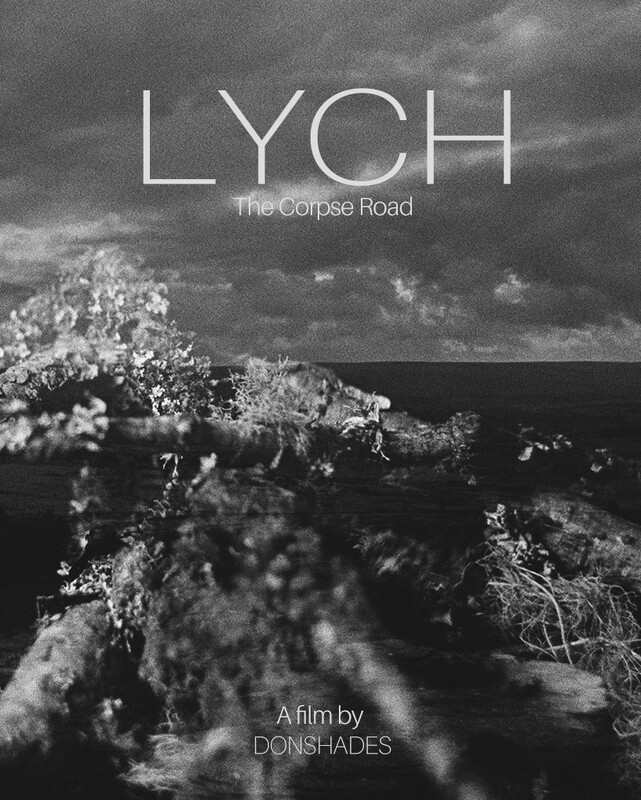
A Son rests in a barn alongside the corpse of his dead father. Tomorrow they will journey together over Dartmoor to the graveyard.
This deeply personal work sits at the intersection of experimental documentary and artists’ moving image in documenting the artist’s exploration of their Grief through the lens of a site specific response to the Lych Way (or Corpse Road) that historically connected rural settlements in the middle of Dartmoor with their parish burial ground over 16 miles away.
This sombre documentary short, Lych: The Corpse Road, strikes a curious balance: it is both experimental and intensely intimate. It mourns the loss of a father in such a honest, frank way with a basic onscreen text announcement of his passing, and what will happen to the body the next day – – to be carried 12 miles over the moor to be buried. In the meantime, it is a night of sleep with the body of the corpse present. The brilliant use of moss and scrawny tree branches reclined on a chair is an eerie suggestion of the father’s corpse. This image is shown repeatedly using glitchy close ups: the branches as if they are the deceased’s thin, skeletal limbs, and the clumps of moss, as if the flesh of the corpse is already rotting away.
We hear the distant funereal church bells that are to be rung as the mourners approach the parish graveyard. In addition to the church bells, there is a melancholy dirge of vocals and gloomy forest sounds, and the rush and trickles of water, suggesting dismal weather as the funeral procession moves along. There is even the brief sound of a fly, over the decomposing body.
The decision to film this in grey and black and white adds a “backward looking” essence – – a film of sadness and remembrance – – a memorable, inventive piece that anyone who has lost a beloved love one can relate to, on a deeply affecting level.
At first Montanans were not alarmed; influenza came and went with the seasons. But this virus was lethal. The 1918 influenza killed more people than WWI & WWII combined. This film explores six individual stories of how Montanans met this public health crisis. People helped each other in unexpected ways. What was the balance of trauma and resilience?
Blue Death: The 1918 Influenza in Montana is an epic film project elucidating moving details about this tragic event in history. The film does an exceptional job setting the stage of what must have been a terrifying experience for the people of the time, including for those who actually survived after losing many so loved ones around them to this flu.
The factual details of the event are clearly explained by articulate historians, who are sensitive to both the physical ailments of the illness and the surrounding societal problems, such as blatant racism towards health care providers. Archival photos are well-selected, often capturing educational and military institutions of the time.
In addition to two dimensional photos, evocative dramatizations by talented performers make the film all the more moving and multi-dimensional. The diverse group of people who persevered and made notable contributions to society during this flu are properly remembered and honoured, each with compelling vignettes. Another memorable feature of the film is the breathtaking cinematography of the land in Montana, both rugged and lovely.
With obvious comparisons that we can understand given Covid 19, this evocative documentary of the 1918 Influenza brings human bravery to the forefront.
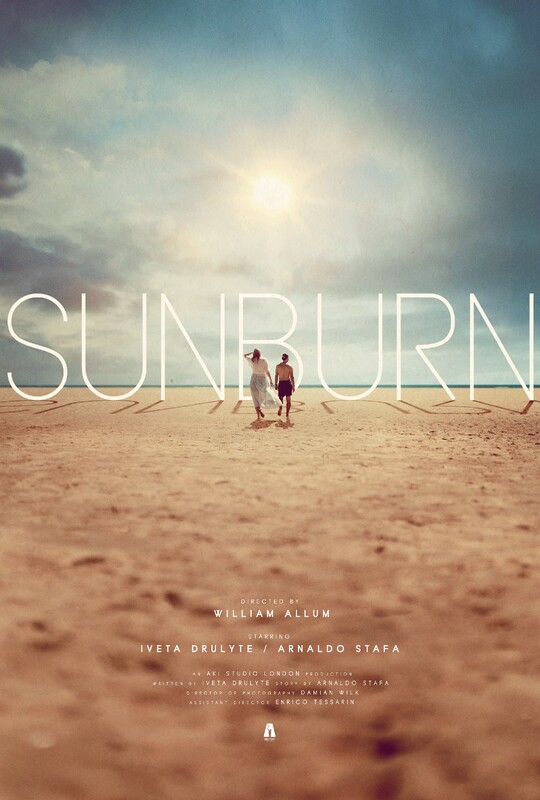
We all face trauma, some worse than others. It’s what makes us and sometimes breaks us. We follow Jason’s life as he enjoys his time with friends at the beach until it suddenly hits him in the middle of the game. Can he hold it in and hide it, or will it show and affect his life?
Trauma survival is the primary theme of the short film, Sunburn. It is a dramatic portrayal of someone who is intensely suffering from frightening past events. The film uses quick editing to expose a terrifying flashback, the catalyst for the lead character’s strife, that in turn hinders his social interactions with his friends on a beach volleyball court. The performance of the lead is sensitively done, as he gradually descends into helplessness and anxiety, as the hand-held camera wavers close to his uneasy face.
The lovely beach setting and the playful game of volleyball both serve as strong contrasts to the gloom that the central figure experiences. Sounds of ongoing waves eventually blend in with gentle music underscoring the lead’s interchange with his kind and similarly traumatized friend, who assures him that things will be okay, despite life’s challenges.
The motif of how we all suffer as humans is cleverly indicated by the convincing make-up of bruises on the bodies of many other friends on the beach. Equally poignant are the soulful vocals about the universal nature of pain and trauma we share and yet, with perseverance, we survive.
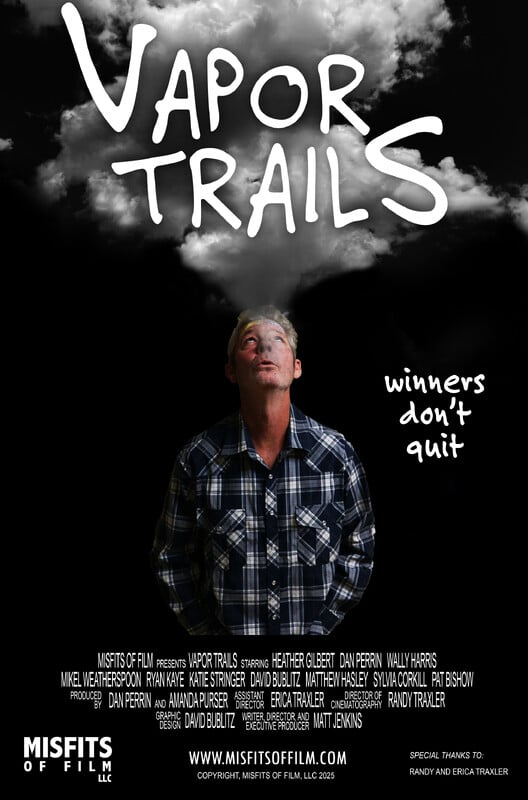
This short film is an over the top comedic look at addiction, support groups and helpfully unhelpful friends. Written, directed and produced by Matt Jenkins, Vapor Trails stars a cast of zany characters that Jethro ( portrayed by Dan Perrin ) navigates while he is trying to quit vaping.
The storyline was well put together and had some very funny moments, especially during the therapy group session. One of the things I thought was seamlessly well done is the vaping news brief on the television, the masking/insert/overlay the filmmakers used to make it look as if it was broadcasted on TV was great.
Randy Traxler handled the cinematography and it was beautifully done, everyone was lit really well and the clarity and coloring of the film was gorgeous. This was a light hearted and fun comedic film.


 Festival Reviews