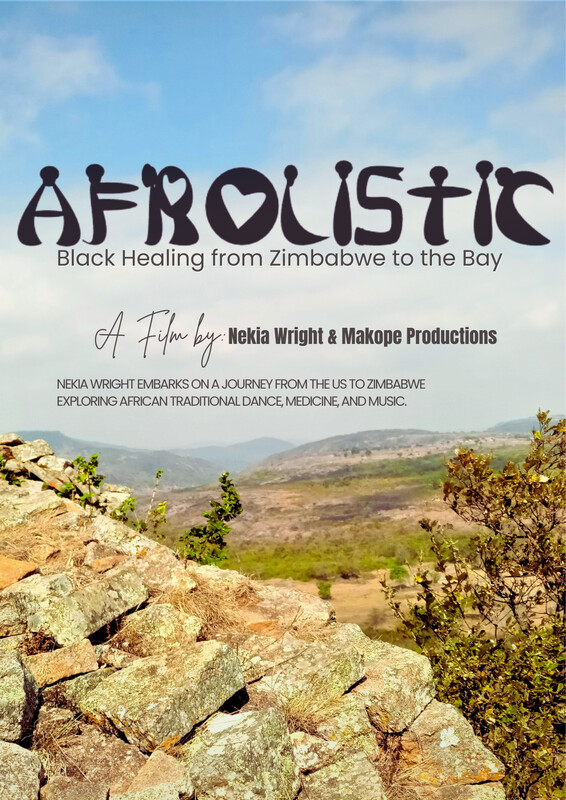
Black American healer shares about her practice and explores traditional healing, music, and dance in Zimbabwe.
Review by Julie Sheppard:
This joyful short, “Afrolistic: Black Healing From Zimbabwe to the Bay”, was produced as a real labour of love and discovery by healer Nekia Wright, who travelled from the US to Zimbabwe in 2021. The film was beautifully framed near the beginning and the end with exuberant youth dancers from Zimbabwe, which set a lively and celebratory tone to the piece. These young people displayed their incredible talents for dance, singing and percussion, and their stunning costumes were both versatile and culturally representative in nature.
Other remarkable talents were displayed throughout the film during interviews of many intuitive and compassionate healers in the area. There was a real sense of pride and confidence in these healers, who offered assistance using both traditional religion and such things as ancestral and spiritual communication. The drone footage of the massive stone mountains and welcoming village homes was breathtaking. Another well-done technical element was the crystal-clear sound recordings of community singing and rhythmic beats.
Congratulations to healer Nekia who courageously took on this project to connect with the spirit of her ancestors, to learn more about her heritage and, in turn, to find healing herself.
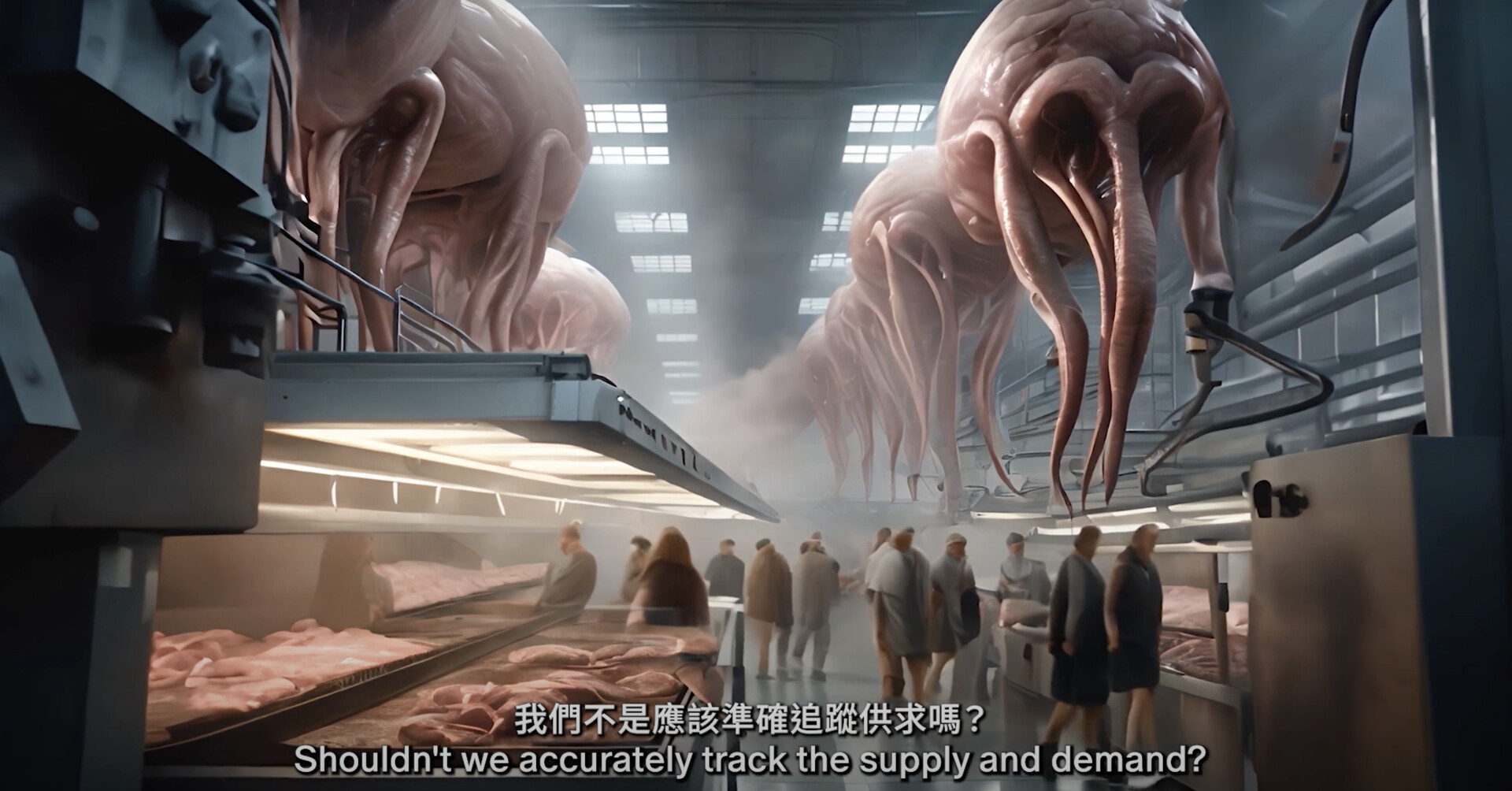
One hundred life forms received a distressing signal from the vanished civilization of Pharmakon, learning that Earth is on the verge of self-destruction. Time Lord has devised a way to destabilize time, propelled Earth beings to enter an alternate reality through “THE GAME” – a mysterious portal that reduces them to a single-cell form.
Directed by Amy Cheung
Review by Andie Karvelis:
It’s important to realize this was presented as part of the Hong Kong Shenzhe Bi-City Biennale of Urbanism/Architecture. A six week alternate reality game took place between 27, August to 26, November 2022. This very unique experience was written by Wing Yan Ng and writer/director Amy Cheung.
In true video game fashion you need to have a computer generated realm, this was thanks to Shence Mao for their 3D game design work, Erkka Nissinen ( 3D effects ) and Jeff Yiu who was responsible for the cinematography, A.I. motion and the editing. All of the A.I. and computer generated imagery was stunning and seamless. Amy Chueng and Jeff Yiu also handled the voice over for the A.I. robot and the visual effects which were exceptional.
However, TimeBank ( the game ) wasn’t just solely computer generated with A.I. There were some very impactful live action sequences that addressed serious issues concerning our eco systems, solar energy and food waste. Personally, I would have enjoyed more time spent on what each individual group was doing to help with these environmental concerns.
This film is a great educational tool that would fit perfectly in schools to spark the interest of our youth to become more involved in protecting this little blue rock we all call hom
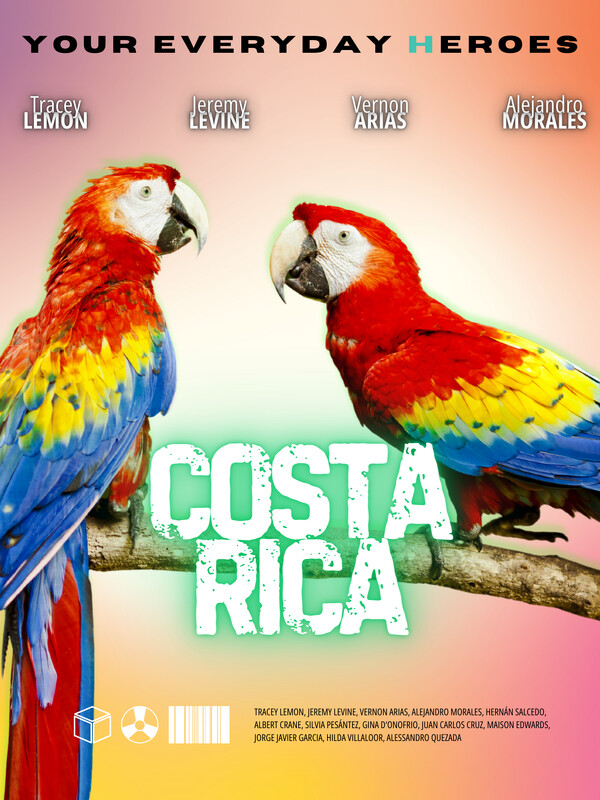
Your Everyday Heroes traveled to Costa Rica and searched for inspirational everyday people who are changing the world. Jeremy, Tracey, Vernon and Che are clearly all examples of what it takes to be a Hero, and we’re proud to share their stories with you.
The film, EVERYDAY HEROES OF COSTA RICA, is a remarkable tribute to three amazing people that are working on conversation and restoration of the vanishing wildlife in the region. The storytelling is captivating, physically showing the work of Vernon, Tracey and Jeremy through Wild Sun rather than just telling the audience what they are doing to restore the populations of the red macaws, turtles and howler monkeys.
Most conversation films focus on the facts surrounding the species needing to be saved, coming off as preaching activism, whereas this documentary established who the people were and why others thought they were heroes. It made the film more about the people and the wildlife in a way that everyone would agree with the filmmaker. Vernon, Tracey and Jeremy are individuals with a deep passion for their conservation efforts. They are people who clearly care about the culture of Costa Rica while at the same time wanting to preserve the native wildlife.
The volunteers are people who care, inspired by the passion of the everyday heroes. These are the type of people that the world should hear more about as they bring a light to the dark world. They are leaving an amazing legacy behind by working directly with the animals and helping them adapt so that they can survive in the wild.
This documentary makes it clear what a hero is, a role model that someone wants to learn from and follow in their footsteps. Vernon, Tracey and Jeremey deserved this inspiring tribute. They truly are heroes as they work to preserve and restore the Costa Rican wildlife populations. It’s a call to action film that actually makes people want to volunteer in conservation efforts.
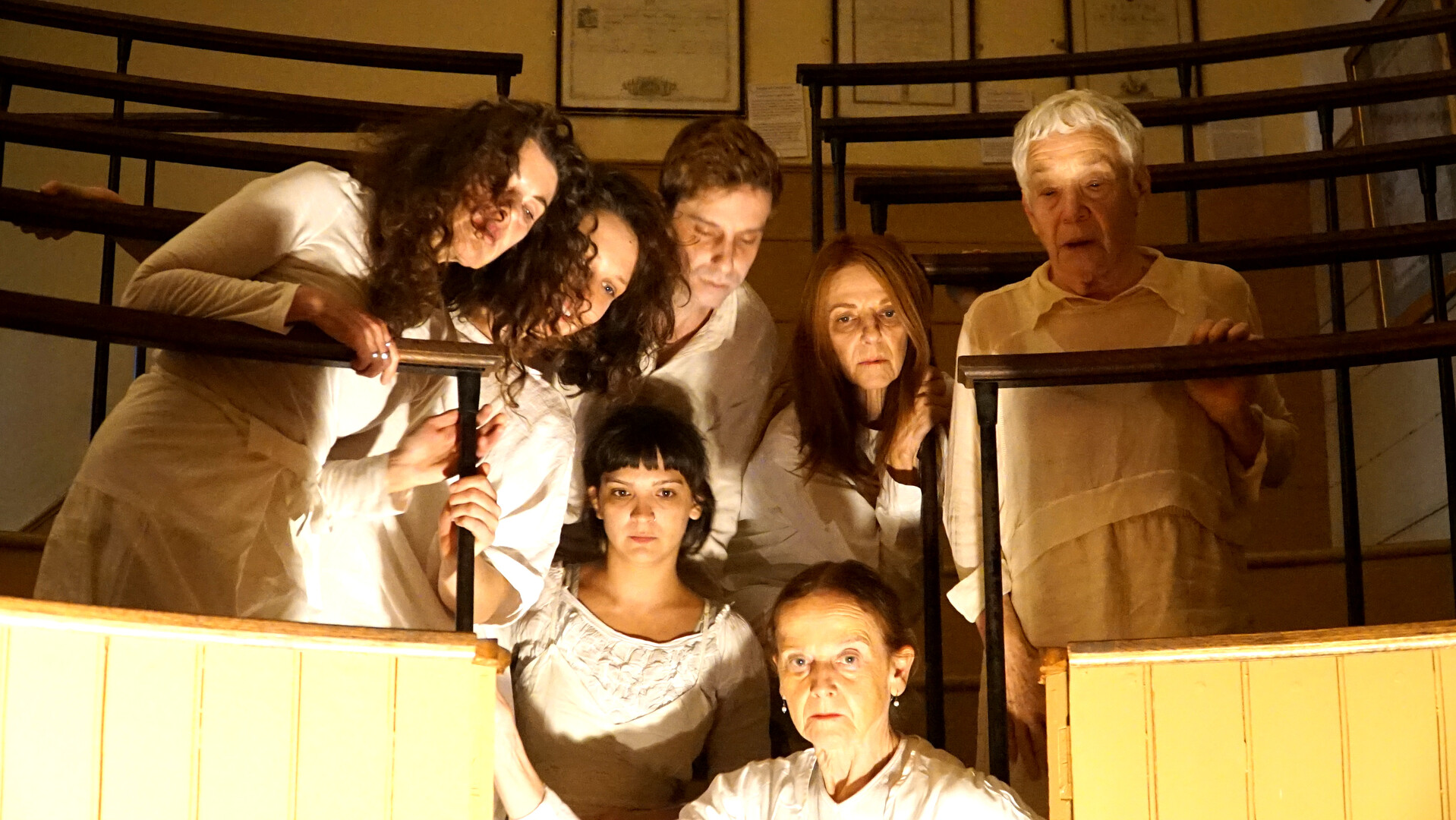
In 1935 Egas Moniz, renowned Portuguese neurologist, visit psychiatrist Sobral Cid in order to persuade him allow his patients to be act as subjects for Moniz’s experiemntal treatment – frontal leucotomy. After some resistance Cid agrees. The first such operation is staged, but Moniz’s exhaltation is cut short by an attempt on his life. This self-contained chamber opera is actually scene 7 from a longer opera of the same name that tells three stories from the history of 20th century brain science (rather than a screenplay we worked with a libretto). it was filmed very quickly with little resources and involved professional and non-professional cast & crew.
‘The historical short film, BRAINLAND, is a creative way to depict the origin of the use of brain surgery for people suffering from mental illness. Neurologist Egas Moniz has his story told as opera, sung rather than spoken. The operatic lyrics (this is subtitled) take us through a disagreements between Moniz and psychiatrist, Cid, whose patients he needs to test his experimental treatment. This is a rare time where a musical makes sense for the characters to sing, rather than just making an operatic film where the audience has to submerge themselves into a world other than our own.
The use of one room, a surgical theater, helps depict the control that Moniz implemented on the patients. It allows for tall shadows to dance on the walls, giving an eerie feeling that something is going to go wrong. The dark yellow color contrasts against the white wardrobe and surgical blood. The only question left unanswered is, how did a patient get a gun into the controlled setting as a psychiatric patient that is implied to have been institutionalized.
BRAINLAND, directed by Chiara D’Anna, is a cinematic masterpiece that goes to a moment in history when 1949 Nobel Prize Winner for Medicine, Egan Moniz, first conducted his psychosurgical experiments in 1935. He survived being shot by a patient but remains a controversial figure.’
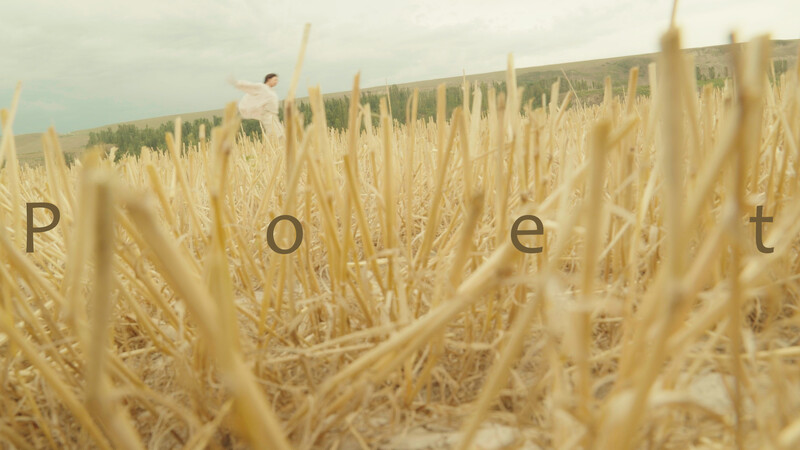
“Poet” is a dance film inspired by Chinese poet Yu Xiuhua, a rural woman with cerebral palsy, who recently became famous in China. Many started to know her works from her audacious Poem “Crossing Half of China to Sleep with You”. Living in a conservative rural village in southern China where prejudice against women, disability, and divorce are high, she managed to break free from an unwanted marriage and live her life as a writer despite the satirical voices around.
Review by Parker Jesse Chase
“Poet,” is a visual exploration inspired by the life and work of Chinese poet Yu Xiuhua. Known for her bold and audacious poem “Crossing Half of China to Sleep with You,” Yu Xiuhua’s story is one of resilience and triumph over societal prejudice. Living in a conservative rural village, our leading lady breaks free from an unwanted marriage and pursues her passion for writing despite the challenges posed by her disability and societal expectations.
The film begins with a striking black-and-white series of special insert b-roll shots. These close-ups—feet moving, a bundle of sticks, serene landscapes, wheat fields, and trains—set an intimate and contemplative tone. The inclusion of mundane objects like a mop across the floor juxtaposed with nature and movement creates imagery immediately drawing the viewer in.
As the scene shifts amidst the atmosphere of the company inside the train, we see the dancer amidst a group of passengers. In the confined space between two train carts, the dancer’s movements mimic the accelerating pace of the train, a metaphor for the poet’s journey and the momentum of her life. The choreography is tight, the movements deliberate, capturing the intensity and urgency of breaking free from societal constraints.
The transition to an open field is a pivotal moment in the film. Here, the pace slows, reflecting a shift to a more serene and introspective state. The night sounds—whistles and rustling—underscore the dancer’s movements, which now emulate the gentleness of the wind.
This segment beautifully contrasts the previous scenes, offering a sense of calm and freedom. The introduction of color marks a significant transformation in the narrative. A close-up of an insect and the accompanying rattling buzz symbolize the vibrancy and complexity of life. The dancer, now in a wheat field, moves with a sense of liberation, fluttering arms like a bird in flight. The sight of an actual bird passing overhead reinforces the theme of freedom and connection with nature.
The scene where the dancer cradles a haystack exudes joy and peace, capturing a moment of pure, carefree interaction with the natural world. The transition from the frenetic energy of the train to the tranquil beauty of the open field mirrors the journey from struggle to emancipation. The actor’s performance is exceptional, maintaining a dynamic pace through the dance transitions. The choreography effectively narrates the arc from the mechanical movements of the train, through the darkness of night, to the brightness of a new day. The dancer’s white attire likely symbolizes a new beginning, emphasizing themes of rebirth and renewal as color infuses the film in its latter part.
“Poet” is a moving homage to Yu Xiuhua’s work. Through its evocative imagery and dance sequences, the film not only celebrates her life and work, but also offers a universal message of hope and resilience.
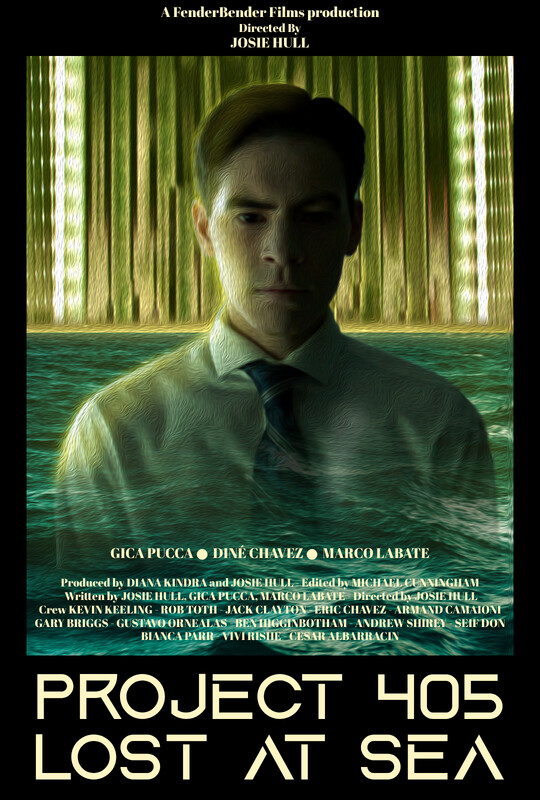
Aspiring artist Alexia, grieves the loss of a loved one and struggles to finish her painting. The-o, her personal AI assistant, who has little understanding of human emotions, tries everything in his power to feed her longing soul.
Review by Parker Jesse Chase:
“Project 405: Lost at Sea” is an exploration of grief, art, and the disconnect between human emotions and artificial intelligence. Directed with a keen sense of disconnect, the film centers on Alexia, an aspiring artist struggling to complete her painting while mourning the loss of a loved one. Her personal AI assistant, The-O, strives to console her, despite his limited understanding of human emotions.
The cinematography uses a muted color palette to evoke a sense of dullness and melancholy. This choice effectively mirrors Alexia’s internal struggle. One of the most striking sequences features Alexia staring into the vast expanse of water, seamlessly transitioning from reality to the canvas, blending her grief with her art. This pull-out shot, revealing a work of art on an easel and a man gripping a framed photo, introduces an element of unease and mystery, hinting at deeper emotional undercurrents.
As the film progresses, we see Alexia’s daily life, including her interactions with The-O. When Alexia returns home, The-O attempts to bring her comfort, even offering physical relaxation. His fascination with her painting, which he claims is far from finished, prompts a telling exchange. The-O’s remark that the ocean is the thirteenth easiest landscape to paint in acrylics underscores his mechanical perspective, leading viewers to question his nature and the depth of his connection with Alexia.
The-O’s actions reveal a genuine, albeit flawed, attempt to care for Alexia. He takes a bottle from her hand to ease her burden and shows an interest in extending the life of flowers, indicating his desire to understand and help. Yet, his efforts to assist with her painting falls flat, leading to confrontation. When Alexia declares “art is a feeling,” The-O’s inability to grasp this concept highlights the chasm between human experience and artificial comprehension.
The film subtly reveals the source of Alexia’s grief through glitchy, fragmented memories of a man who is no longer present. This loss, incomprehensible to The-O, triggers a powerful emotional response in Alexia, showcasing her frustration with his unhuman-like qualities. The film beautifully juxtaposes The-O’s attempts to understand humanity with Alexia’s immersion in her art. The sounds of ocean waves and chirping birds provide a temporary respite, allowing Alexia to embrace a fleeting moment of peace.
However, the reality of her depression is starkly portrayed through the growing disorder in her home and The-O’s own attempt at art, depicting Alexia decaying in a charging box.
This short offers a moving reflection on the intersection of technology and human emotion. It portrays the limitations of AI in comprehending the depths of human grief and the essence of art. The film’s haunting imagery and thought-provoking narrative linger long after the credits roll, leaving viewers to ponder the true nature of creativity and connection.
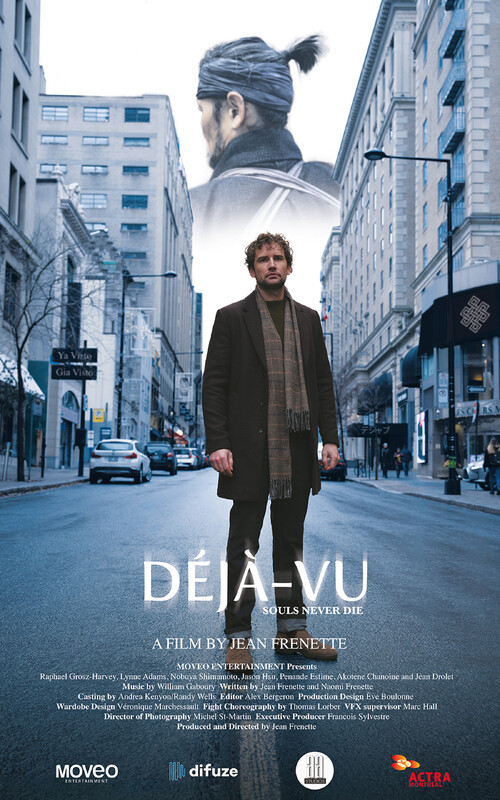
John is convinced he’s been on this planet for longer than his lifetime. This feeling of knowing more than what meets the eye troubles him deeply.
Review by Julie Sheppard:
“Déjà Vu – Souls Never Die” is a riveting short film, taking the viewer down a far-reaching road of past lives. From the opening scene of the hustle and bustle of a big, modern city, to a quiet, meditative therapist’s office, to a majestic forest, the editing was top notch. These settings helped tell the narrative in such a profound way. It is the main character’s current existence in his mystifying present, his search for truth with his therapist, and his memories of a vivid past that drive this high-paced, exciting film. Each talented cast member plays a part in this puzzle, as the lead character finally understands his feelings of déjà vu.
The dynamic cinematography was fearless in its scope, shooting from all angles, and the fight choreography was incredibly powerful and vicious – each clang of the metal blades took such energy and precision from the warriors – and the heightened sound effects were both startling and breathtaking. The fabulous soundtrack matched the intensity of this drama and would definitely hold its own to any major action blockbuster in the cinemas today.
This was an immensely satisfying film all around, and it really challenges us to contemplate feelings of déjà vu in our own lives. Have we also been down our far-reaching roads before?
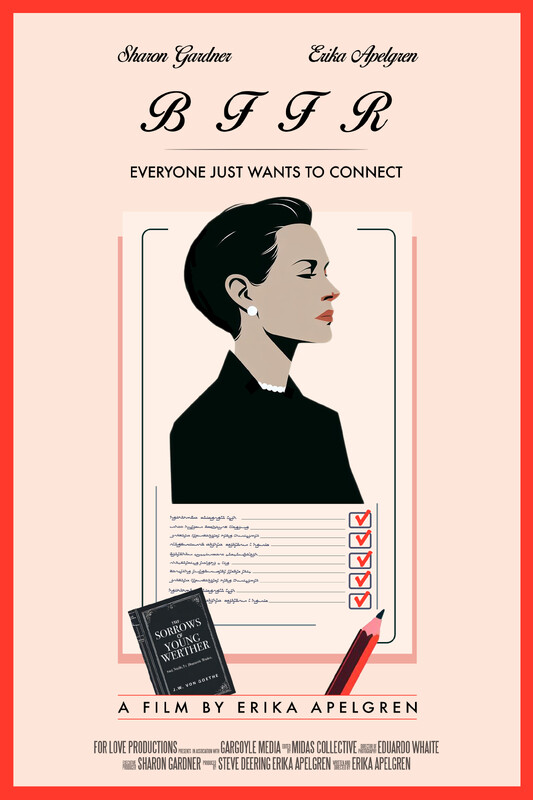
The story unfolds as Angelica and Patricia navigate a night of wine, food, and conversation. Patricia’s detached and cold approach to the interaction becomes evident, but Angelica, desperate for connection, overlooks her flaws.
“BFFR,” a short film written and directed by Erika Apelgren, explores the dynamics of an unlikely friendship through a night of wine, food, and a banter of conversation. Angelica (portrayed by Sharon Gardner) and Patty (portrayed by Apelgren) are significantly dignified as foiled characters; their approaches to life create an intriguing and heartfelt dynamic and narrative.
The film starts by trying to define the connection between Angelica and Patty, two women with distinctly different energies. Angelica, desperate for connection, overlooks Patty’s detached and frivolous demeanor. This contrast keeps the audience guessing about their relationship, leading to a surprising revelation: Patty is a Best Friend For Rent.
Patty’s introduction is memorable: a bright, colorful personality hyping herself up with a swig of Jack Daniels before meeting Angelica. This starkly contrasts with Angelica’s nervous demeanor, sitting quietly in a conservative black 2-pc dress suit. The careful placement of food, the candle lights, and the delicate movements all contribute to the film’s aesthetic and emotional tone.
As they converse, the differences in their views on love and life philosophies become apparent. A moment of tension arises when Patty needs a break and runs to the bathroom, with a humorous moment with bright orange index cards, only to return with renewed determination to support Angelica. The film hints at Angelica’s grief and need for companionship, culminating in a tender moment where Patty asks if she can call her “Angie.” Angelica’s response, revealing her mother’s disdain for nicknames, adds depth to her character and hints at a troubled past.
The concept is both fun and relatable, reflecting a reality where loneliness drives people to seek out companionship in unconventional ways. The script is quick witted yet engaging, with great performances that make you question the nature of their relationship. Are they long-lost friends or mere acquaintances yearning for connection? The story is a commentary on the human need for companionship.
One standout scene features a simple knock-knock joke that highlights the personalities of the two women. The joke, “Knock knock. Orange you glad you didn’t cancel?” brings a light-hearted childlike moment amidst the dimly lit, intimate setting. The lighting and the combination between camera movements and the editing room enhance the dialogue, overall creating a sense of closeness and vulnerability.
“BFFR” is a quick-witted craft of a short film with a strong emotional core. Erika Apelgren’s direction, coupled with Sharon Gardner’s and her own compelling performances, creates a touching story about the human need for connection.
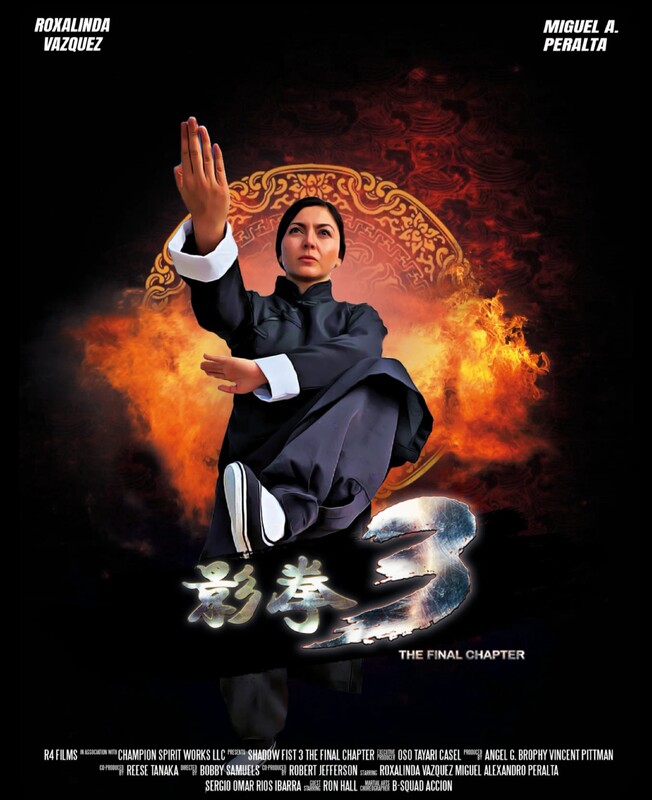
From the moment this opens it grabs your attention with its visually striking introduction. The set up of the story is creative and beautifully tailored and lets the viewer know they are going on a journey. I stand corrected, an epic journey!
Robert Jefferson wrote and co-directed this film with Robert Samuels and they knew how to tell a story. This wasn’t just visually stunning with the cinematography but it was also emotionally engaging. It’s always nice to see a strong female lead in an action film, and they couldn’t have cast it better with Roxalinda Vasquez! She is likable, interesting, and definitely has the stunt chops to pull this off beautifully.
There is such a fantastic relationship between Roxalinda and her on-screen brother. You feel the affection they have for one another, which is exactly what you want in a film like this.
Any action film needs a great stunt team and B Squad Accion, Robert Samuels and Angel Brophy did a sensational job. The hits were perfect and what helped sell the believability was the sound effect and camera angles. Speaking of effects, the special effect work really helped sell the supernatural aspect of this film too!
I loved the very epic journey this film took me on, and the filmmakers knew how to make a gorgeous and heartfelt action film.
“The Earth is Created. It is day number one.” A spiritual, self-reflective, series of short poems about creation – about all the gifts mankind has been given: the rhythms of night and day, of life, the seasons, the oceans and more. All with the promise of peace and love, which man sometimes abuses, but for which he is always forgiven.
Review by Victoria Angelique:
The moving photo essay, POETRY MOVIE THE RHYTHMS NEVER END, is a spiritual journey that resonates with God’s love and promises to His children. The narration feels like a storybook, as if this is a soothing bedtime story with the warning to take care of Earth as it was given to humanity as a gift.
The pictures that are in sync with the poem displays the rhythms of Earth, proving how there is a Creator behind the seasons, oceans and every life on this planet. God created the perfect rhythm, as the eternal cycle of life is depicted through the generations of motherhood in comparison with the beauty of nature to display the promise of everlasting life.
The film even shows the harsh realities of the world when humans began forsaking the promises of God, nature began to suffer and as a result, people stopped reproducing when they forgot about eternity. The uplifting narration reminds the audience that if we begin to adhere to our Heavenly promises, then as the children of God we will begin to benefit from His promises and the gifts from Heaven as other people have since the beginning of time.
Everything on Earth is a gift, given to humans to care and nurture. This is a poetic tale with the universal truth that displays God’s beautiful Earth and how humans have begun to fail Him by taking care of the planet given to our stewardship. A beautiful masterpiece that depicts Heavenly promises and warnings, spoken in a soothing tone so that people of all ages can enjoy the message to once again live for eternal life by seeing the gifts of God all around us in a call to protect and continue life on our Earth as commanded.

 Festival Reviews