Go to the Daily Film Festival Platform http://www.wildsound.ca and sign up for the free 3-day trial to watch a new and original festival every single day.
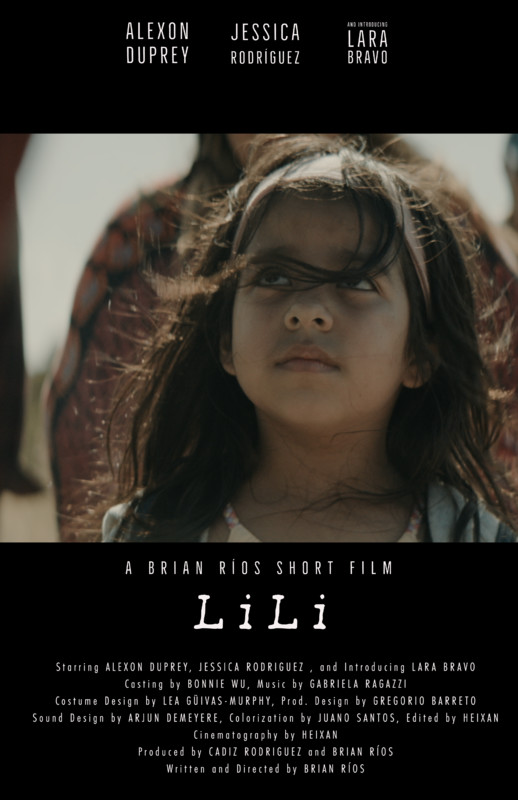
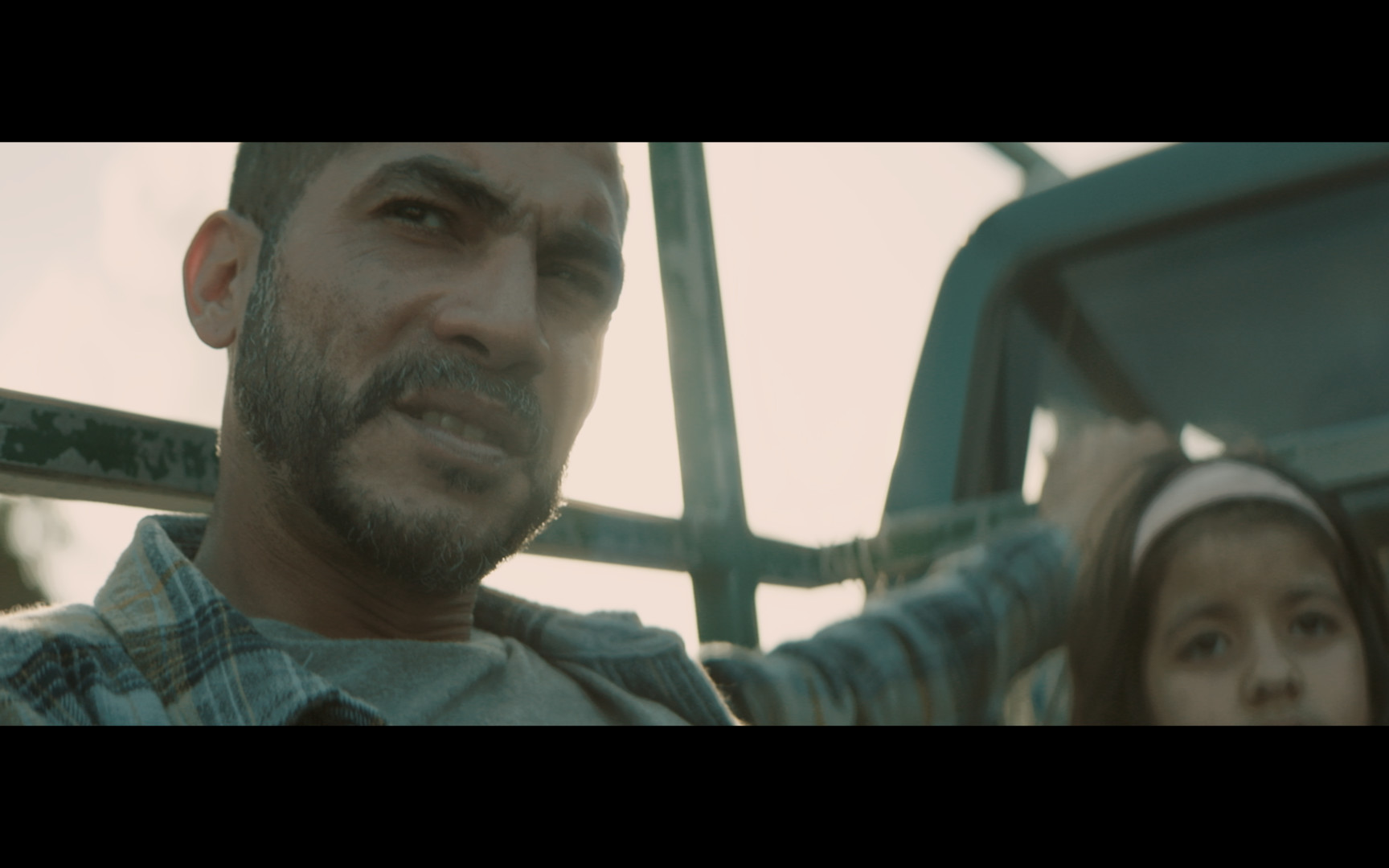
LILI, 15min., Puerto Rico, Drama/Thriller Directed by Brian Rios A father and daughter must cross the border in order to find a better life, but the daughter cannot speak.
Go to the Daily Film Festival Platform http://www.wildsound.ca and sign up for the free 3-day trial to watch a new and original festival every single day.
Directed by Yolanda Reid Chassiakos Ethnic Cleansing in Smyrna, 1922: A Family’s Odyssey
Go to the Daily Film Festival Platform http://www.wildsound.ca and sign up for the free 3-day trial to watch a new and original festival every single day.
Frank, a tile and mosaic specialist receives a mysterious videotape that turns his life into pieces.
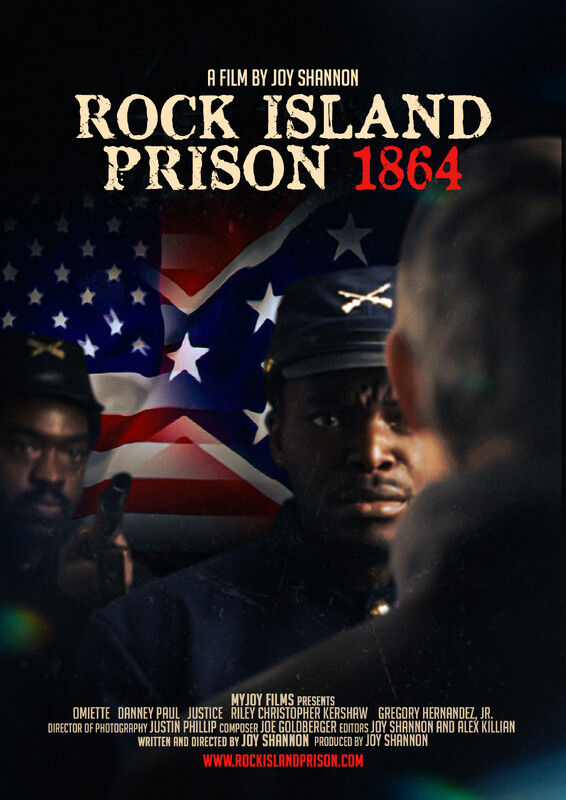
Guarding Confederate POWS in a Civil War prison, a runaway slave now Union soldier, desperately fights for power, or faces returning to slavery.
Review by Victoria Angelique:
The short film ROCK ISLAND PRISON 1864 tells the fictionalized story of the 108th regiment of the United States Colored Infantry of the Union Army. It’s a moment in time many people don’t know about and this film educates in a way that uses modern themes so that the audience can relate to Shiloh as he confronts his former master Mr. Clement within the prison.
The themes are complex, with the biggest one showing that the hardest thing that one can do is advocate for oneself. This is what Shiloh struggles with as it introduces topics such as PTSD, the struggle to face his own fears and the most important, being strong enough to face his demons. Mr. Clement makes it clear that no matter what happens, he will own Shiloh again as he does everything he can to get into his former slave’s head. He makes Shiloh coil as he berates him, reminding him of the horrors he has inflicted on Shiloh’s family. It is with the support of Shiloh’s fellow soldiers and his resolve to finally stand up for himself that puts Mr. Clement into his rightful place. After all, Mr. Clement is the one that got caught and is in Rock Island Prison being guarded by Shiloh.
The cinematography and editing in this film is brilliant. Writer and director, Joy Shannon, utilizes many different techniques to tell this story. The beginning looks like a documentary, with stock footage to appear historical before transitioning into the narrative story. The past is shot in black and white, with the present in color. Distinguishing the moments in Shiloh’s life clearly. Text is used to give subtext, intermingling a technique from the silent era of film to quickly move the story.
ROCK ISLAND PRISON 1864 is a film that gives a quick introduction to moments in history that are rarely taught. It is presented in a way that makes one want to learn more about the events at Rock Island Prison during the American Civil War. The story is interesting and emotional, which poses the question how many other former slaves had similar stories to Shiloh and were they all just as brave.
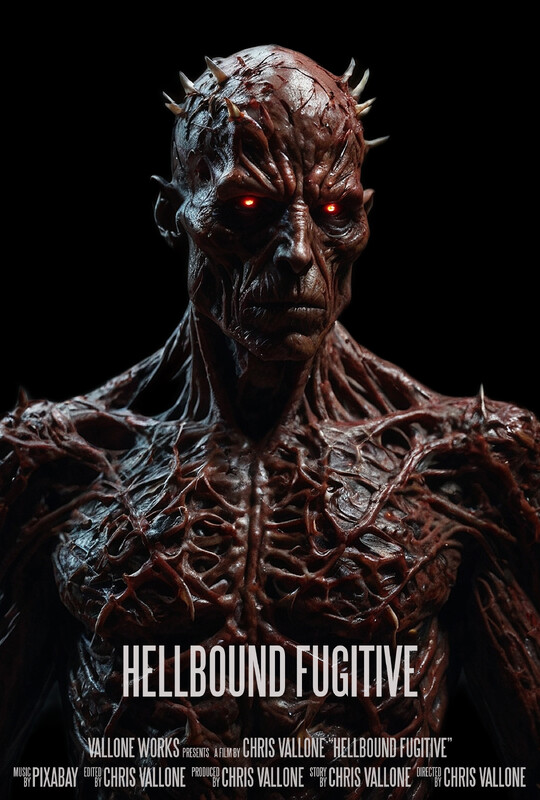
In a desperate bid for freedom, a convict seeks refuge in a decaying fortress within the mountains. He inadvertently enters a nightmarish arena where ancient demons punish the wicked, and survival means fighting hell itself.
Review by Julie C. Sheppard:
Hellbound Fugitive is a horrifying yet masterful short that takes an escaped convict literally and figuratively down a highway to hell. The brilliant AI generated imagery tells a gruesome tale of judgment and justice.
The endless stream of police cars after the prisoner gives him little choice but to enter an ancient, crumbling castle to meet his doom. Artful choice to contrast the gloomy rainy night of pursuit with the lava hot flames emanating from the hallways and the demonic monsters in the castle — flames so intense that you can almost feel the heat they generate. The soundtrack deftly moves along with the central figure, from melancholy outdoors to explosive and booming indoors, as bloody and grisly tentacles finally seal death.
The classic narrative of evil life choices resulting in hellfire and eternal damnation is an ancient one, but this short retells the story with dramatic full force, using the all the advantages of modern technology.
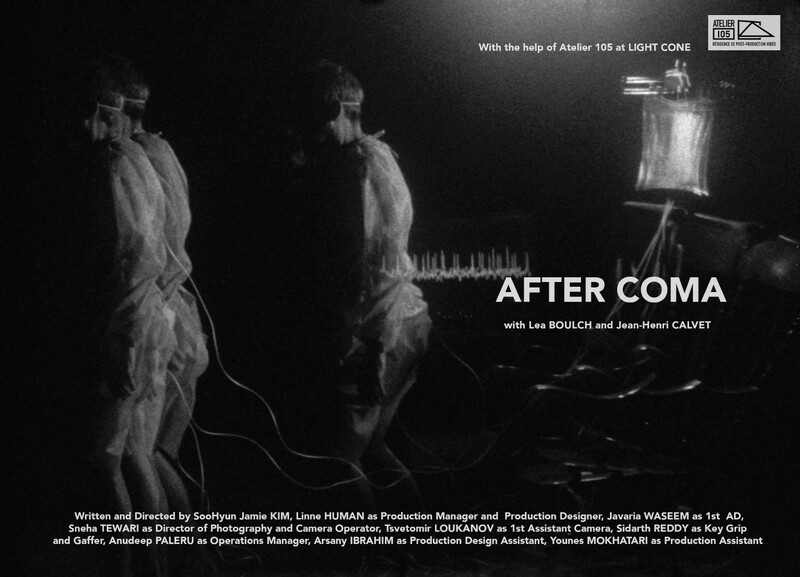
After Coma is the 2nd film of the trilogy that express about grief. This film is composed of 7 poems that take the viewers into the journey of spending the last moment with the loved one as a views of both people who leave and who is left. Each poems are represented with symbolic image and sound.
Review by Parker Jesse Chase:
The poetic film After Coma, directed by Soohyun Kim, encapsulates the raw and visceral emotions of grief, memory, and rebirth in a matter of a two minute time span. Through seven hauntingly poignant poems, it explores the final moments shared between a loved one departing and the one left behind. This dual perspective creates a deeply intimate and universal reflection on loss, memory, and the fragile boundaries of existence.
Visually, After Coma evokes a sense of nostalgia, deviating from the modern digital aesthetic to one that feels tactile, almost like flipping through weathered prints. This choice enhances the emotional weight of the poetry, making each moment linger. The film masterfully intertwines symbolic imagery with evocative sound design—a broken mirror not only shatters visually but resonates audibly, allowing the audience to feel the crunch of shards beneath a step. This meticulous attention to detail immerses the viewer in an almost sensory experience.
The words are delivered in an alluring voice, their impact amplified as the screen cuts to black, presenting the poetry in written form. This interplay between auditory and visual interpretations deepens the connection to the material. The imagery of counting scars and hearing wind chimes intertwines with poetic metaphors of despair and rebirth—drowning in water and tasting the salty ocean as symbols of grief. The poet’s words remind us that the act of swallowing tears can choke, a powerful metaphor for unprocessed emotions.
The narrative also delves into the profound transformation trauma brings. The daughter, played by Lea Boulch, confronts the reality that her father, portrayed by Jean-Henri Calvet, is no longer the man she once knew after his coma. He exists as a mere shadow of his former self, a concept many can resonate with when facing the altered state of loved ones post-trauma. The film poignantly captures the gut wrenching realization that even as breaths continue, the essence of a person can fade, leaving behind an aching void.
Flowers bloom as a recurring motif, symbolizing mourning and the human tendency to romanticize death. This juxtaposition of beauty and sorrow underscores the film’s thematic exploration of life’s impermanence.
With Sneha Tewari’s evocative cinematography bringing the poetic visuals to life, After Coma delivers an emotional gut punch in its brief runtime. It’s a testament to the power of poetry, sound, and image in storytelling. Beautifully crafted and profoundly moving, the film leaves an indelible impression—a reflection on love, loss, and the enduring scars they leave behind.
Water. It’s one of our most precious resources and I know I am guilty of taking it for granted. To be able to have a hot shower, brush my teeth, have good drinking water and natural springs or lakes to swim in. It’s priceless.
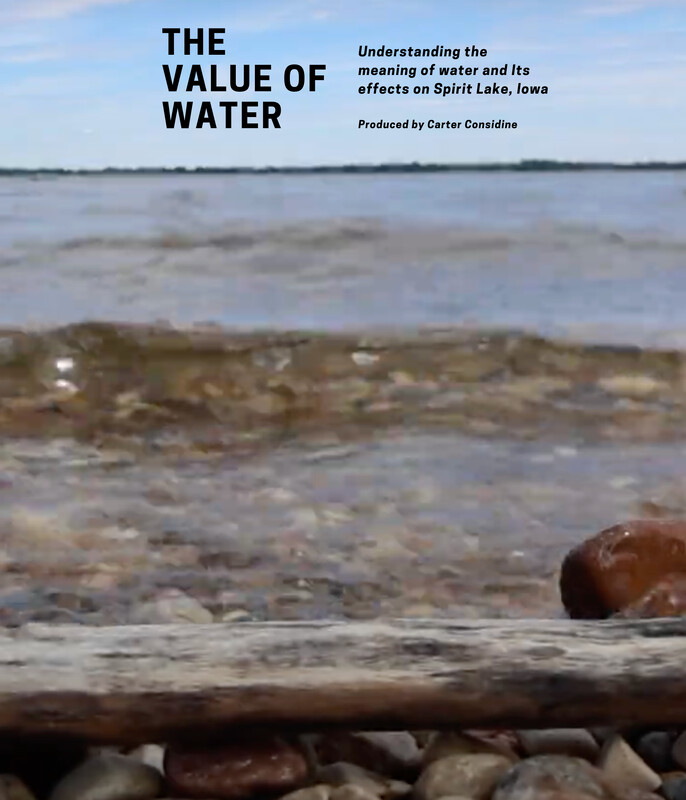
Over ⅓ of U.S. lakes are contaminated by toxic Blue-Green Algae and an invasive species called Zebra Mussels. I honestly had no idea it was this many lakes until watching The Value of Water. This candid documentary by Carter Considine centers around Spirit Lake in Iowa. Not only is it a visually stunning film but it’s really educational and fascinating.
For instance, I was unaware that the usual way contaminated lakes are treated is with copper sulfate and herbicides. Which is really harsh for the wildlife and the environment, but it’s just as dangerous to leave the lakes untreated since you can’t drink, swim or fish in the water. If you want to let your dog “Fluffy” off leash to play and he stops to take a drink of lake water? Needless to say, it’s bye-bye Fluffy.
Here’s the wonderful part…The residents of Spirit Lake, political representatives of Iowa and nearby townspeople have all gotten together with scientists and found a way to cleanly prevent the algae from growing and to stop the spread of the Zebra Mussels. It’s really ingenious and the beautiful thing is that everyone was on board to do their part.
Each interview was impactful and educational. I really enjoyed how these simple solutions could help improve and clean our fresh water lakes, preserving them to future generations.
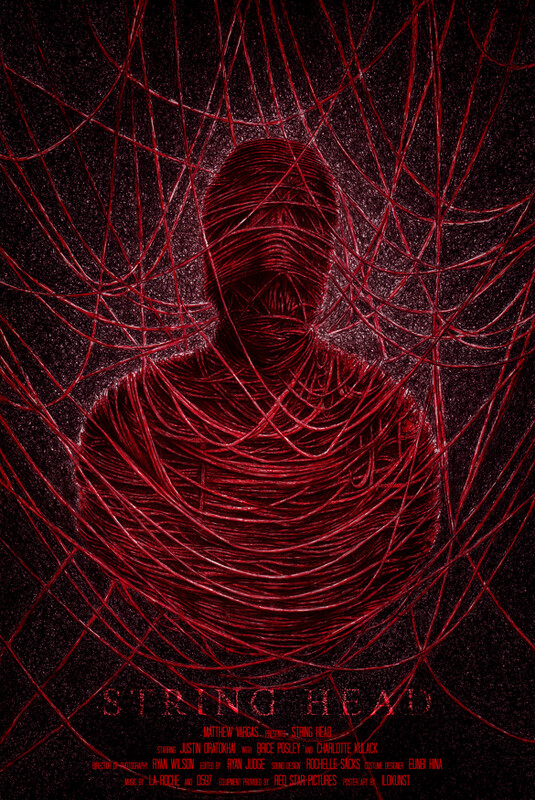
A man in bed, after failing to fall asleep, is forcefully kept awake by String Head – an entity made of string that psychologically tortures him by wrapping him in a cocoon made from the deepest, darkest thoughts of his mind.
Review by Julie Sheppard:
String Head is a nightmarish, evocative short — the quote off the top, “Somewhere in the night a human being is drowning”, truly captures the film’s haunting visuals, as a man finds himself sinking into a nighttime world between ruthless insomnia and fearsome dreams. These dreams seem to haunt him about his past life — a life full of regret, anger, loss and disappointment.
The lead performer is brilliant, twisting and turning in frustration and angst. The red string creature does a convincing job playing a harsh figure of control and judgment, with its taunting finger and fist.
Well-selected props are central to the film. Items hanging down from the blood-coloured strings, such as a forlorn stuffed toy and an old sports trophy, seem to indicate his childhood long ago and a swinging racy red bra perhaps represents a wild past life. These images are surrounded by terrifying, echoing breaths, ominous whispers and powerful minor-key piano, adding to the lead’s portrayal of extreme emotions.
The tone shifts with soulful vocals and folksy guitar (along with footage of a retreating woman and a smashed couple’s photo) and seems to highlight his remorse surrounding a heartbreaking, failed relationship. The film is relatable to anyone, except for those lucky few with a fully clear conscience, where icons of our past come creeping into our subconscious dream state.
Healing for the Nations is a captivating animated short that uses striking imagery to encapsulate the heartbeat of Canada. It does an excellent job contrasting Canada’s natural landscape with symbols of its industry: dynamic pencil drawings move across the screen at a rapid pace moving from frozen tundra and rocky shores to farming equipment, fishing boats, oil rigs and skyscrapers, kayak transportation in the north and a breathtaking caribou hunt.
The talent of the animator, Christopher Angus, is crystal clear. He deftly uses soft pencil crayon and watercolours and prominent black outlines to create a whole host of icons, often associated with Canada, as well as dizzying rotating maps. The sound scape is riveting, moving listeners everywhere, from freezing winds to sounds of city traffic.
The upbeat coastal fiddle music, indigenous percussion, and bagpipes reveal the many cultures in Canada. This is complemented by the sewing of a blanket of international flags supported by two courageous Indigenous chieftains. At times wistful, given the fact that Canada is indeed in need of healing, the film ends with a rather optimistic outlook. Perhaps the hope is that Canada’s heart will be sown together because of, and not in spite of, its multicultural nature.
At a showing of a rental apartment, a young woman stumbles upon a gruesome mystery while taking pictures with her phone.
Review by Parker Jesse Chase:
The film opens with Natalie (Cynthia Galant) visiting an apartment that checks all the boxes for her dream rental, but this seemingly perfect scenario spirals into terror as her phone camera reveals a sinister mystery.
First & Last wastes no time immersing us in the action. Natalie’s excitement is palpable as she captures pictures of the apartment to share with a friend. It’s through this casual act she uncovers something chilling—a bloodstain visible only through her phone. This clever use of the camera as a window into a hidden reality drives the tension, offering a fresh spin on a classic horror trope.
Writer-director Alexander Nonaka Galant’s storytelling effectively layers suspense, from the trail of blood leading to a closed bathroom door to the climactic reveal behind the shower curtain. The gruesome discovery of the homeowner’s body, followed by a ghostly confrontation, feels both shocking and inevitable. Carmen Gillespie’s portrayal of Avira, the ghost unaware of her death, adds a haunting yet tragically human dimension. Her line, “It looks like you’ve seen a ghost,” punctuates the film with dark irony, cementing its eerie tone.
The foreshadowing in the film is subtle yet clever. The phone acts as a metaphorical mirror, reflecting the hidden truths of the crime scene. Everyday elements—a hopeful apartment hunt, casual photos, and the excitement of sharing a potential home with a friend—set the stage for the unfolding horror. Details like a restraining order buried among lease applications hint at the darker backstory, while the music composition intensifies the growing dread.
While First & Last effectively builds tension and delivers an intriguing premise, it doesn’t aim to break new ground. Its execution is solid, but it doesn’t reinvent the genre, its clever use of visual and narrative elements makes it a worthwhile watch. Still, in its brief runtime, the film manages to craft a satisfying story arc with strong pacing and atmosphere, leaving the audience to question, what exactly happened to Avira?




 Festival Reviews