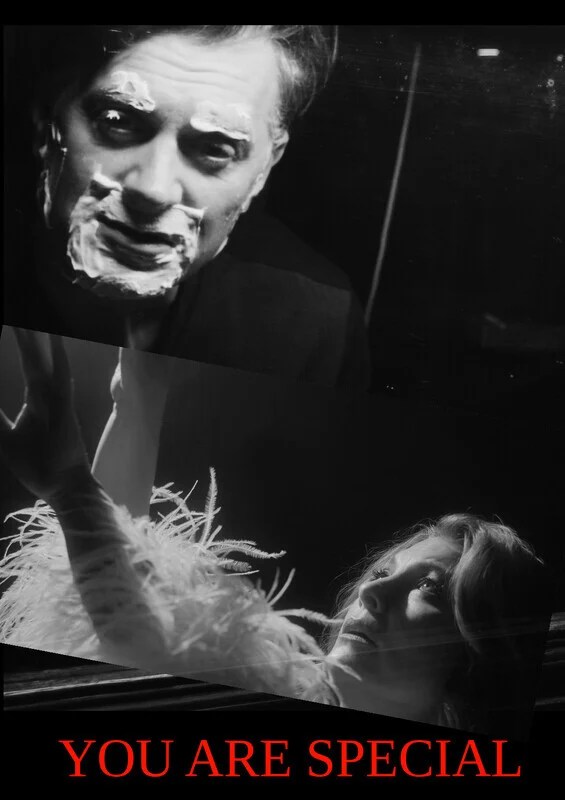
Short Film Review: YOU ARE SPECIAL. 18min., Ukraine

Directed by Ilya Noyabrev

A little boy, fascinated by the legend that the white keys on the old Steinway piano, which “lives” in his parents’ house, are made of elephant tusks, dreams every night of meeting the gray giants one day and never being separated from them…This desire grows from day to day along with the lullaby that his mother sings to him, because there are words in it: “You are special!”
Review by Andie Karvelis:

What an intriguing tale the filmmakers came up with, it really captures your attention and draws you in. We start with a little boy fascinated by the ivory keys on a Steinway piano in his home. He believes that the majestic elephants willingly shed their tusks to create the piano keys. A child’s innocence and imagination are second to none. HIs mother is a musician and she wants nothing more than her son to grow up and be a musician. So each night she sings to him a very special lullaby.


One of the things I really loved was how the filmmakers used a gaussian blur on the footage to give it that memory/dream feel. The colors were vibrant and yet everything was just slightly out of focus to simulate memories. The voice over was perfectly paced and had nice emotion and inflection. The music was beautiful but anytime you have dialogue being said over sung lyrics it’s going to pull your focus and make it hard to understand what to pay attention to.


As we transition into the present, the cinematographer gave us desaturated tones and a crisp picture. We meet the little boy, now an adult. He is not the musician his mother wanted him to be and he admits this to us. The areas where he addressed the camera and spoke directly to the audience was a fascinating choice and it worked. As the film progressed, it became less and less desaturated and more colors started to come in when he moved that Steinway piano to a local bar and played for them.


The story was very well told and engaging. The leading actor did a marvelous job in the voiceover and on camera. His performance was believable and organic. The choice to end the film on the lullaby was great because it had everything come full circle

Short Film Review: BLUEBERRIES. Directed by Eric A. Eisenstein

Terrance needs to convince his fiancé, family and friends he does not have a drinking problem. But can he convince himself?

Review by Andie Karvelis:

In this short film we get to meet Terrance. Terrance has a lovely fiancee, nice friends and family who care about him and one big problem. A problem that everyone else can see except Terrance. Addiction. 18.7 million people suffer from alcohol addiction or alcohol use disorder. I’m not certain which is the politically correct term so I wanted to let you decide. Now, I know what you’re thinking ‘Oh, not another heavy, depressing film about the dangers of substance abuse’. Nope, this is not that film. Don’t get me wrong, substance abuse is a serious matter but this film handles it in such a way where you still take it seriously but have some lighthearted moments.


Written by Josh James, who also plays Terrance – this dramedy is part love story, part comedy and part cautionary tale. All without hitting you over the head with the message. I love and appreciate that. There is a nice on screen chemistry between Josh and Elizabeth Renyolds who portrays Terrance’s fiancee, Elsie. They both had some wonderfully funny as well as endearing moments.


Producer/Director Eric A. Eisenstein did a wonderful job finding that balance between humor and seriousness with the actors. Director of Photography Anh Nguyen did some amazing work making each shot look beautiful. The lighting and camera angles were just perfect and it had a very intimate feel without being invasive. I also need to commend everyone on the musical choices throughout the film, it fit the sections perfectly and let you know the more lighthearted segments. All in all, Blueberries leaves you with a great moral to the story and a yearning to receive a wedding invite from Terrance and Elsie.

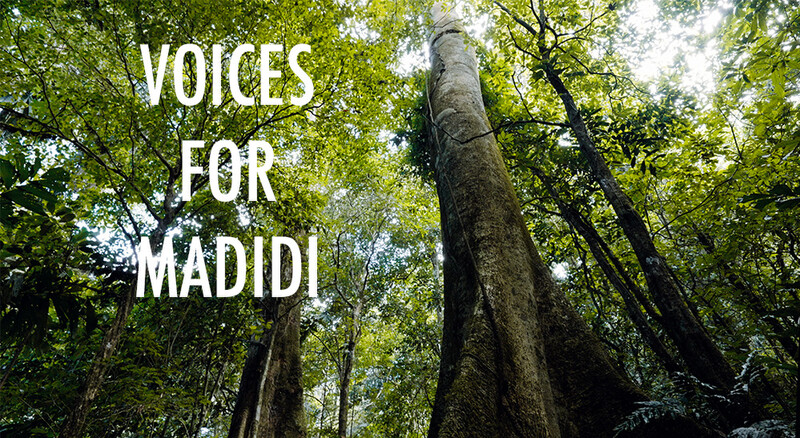
Short Film Review: VOICES FOR MADIDI. Directed by Jonathan Derksen

Bolivia’s Madidi National Park is considered to be the most biodiverse place on planet earth. The Uchupiamonas people, who call the park home, are in a constant battle against forces eager to exploit the protected area for its hydroelectric potential, hardwoods and gold. In this documentary, we hear from of the eco-warriors at the front lines.

Review by Julie Sheppard:

The short documentary film, Voices For Madidi, highlights the striking beauty and biodiversity of Bolivia, notably the Madidi National Park.  This piece is a feast for the eyes and ears as we are guided into this park of gorgeous foliage, shining waters and a multitude of creatures living there. We are privileged to hear from local people who serve in roles such as guides, lodge managers and nature experts. 

There are impassioned speeches by those who want to keep the area protected from threats to its wonderful ecosystem, such as hydro dams that, in their making, destroy wildlife creatures and their forest homes, and mining companies that dump toxic mercury in the waters. 

The cinematography is breathtaking with many extreme close ups — especially of a wide variety of colourful native birds. It also allows the viewer to see the lush expansiveness of the park with the use of drones, along with helpful CGI names that are superimposed over the footage of various landmarks. 

This stunning place is described by a narrator whose voice is kindly and gentle, which serves this lovely film well. Voices For Madidi is a must see for anyone who cares about protecting our beautiful planet, including this biodiverse jewel in Bolivia.

Short Film Review: JUST A CAR. Directed by Marlisa Doubell, Simon Antoneli

Synopsis:

A short film about a young women who is going to sell her car. The narrative depicts all the past memories the old car holds for her. (A story based on the director/actor’s own experience.)

Project Links

Review by Julie Sheppard:

This touching short from South Africa, Just A Car, takes us on a sweet, sentimental road trip. The pace is just right, as we gradually understand what the old car means to the central figure. The heartfelt narration is both poetic in nature and a thoughtful memory scape. Fond recollections of time between father and child are laid out in front of us, with the emotive performance of the lead, the gorgeous fields, the long country roads, the setting sun, and eventually the stunning vista by the ocean, as the daughter lets her father’s ashes fly in the coastal wind.  

The narrator’s voice is laden with a wistful sadness but also with a grateful tone, having had such a loving, supportive father. One of the most moving images is that of the weathered, dusty hat at the back of the car. It is understood that once upon a time it had been worn by the father, during their sunshine-filled trips together. 

The sound design must also be mentioned, as it sweeps the viewer along. The music moves from soft and gentle refrains to a crescendo of swirling orchestral tones which coincides with the splashing booming waves on the rocky coast. As the film moves to a close and the daughter’s task is complete, the music then fades again, leaving just the sounds of the ocean. Near the end of this soulful road trip, the narrative is forward-thinking as we are led into the future, as another father and his young daughter start a fresh journey together. 

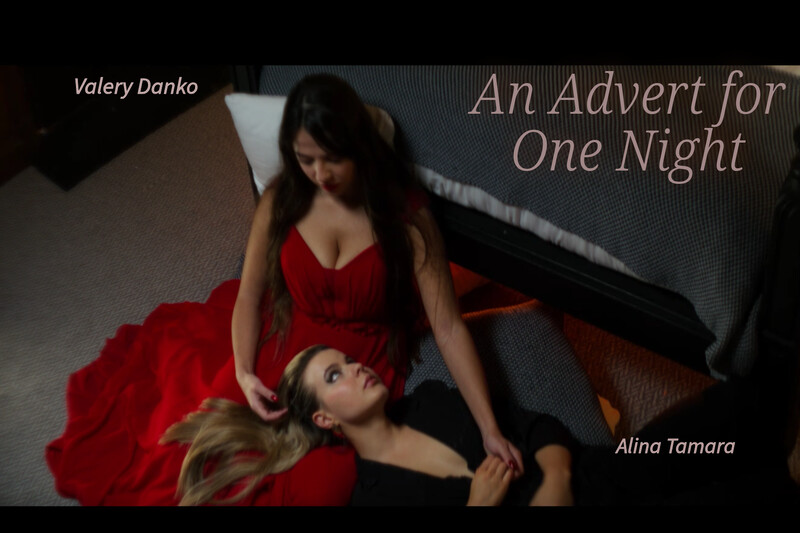
Short Film Review: An Advert for One Night. Directed by Graham Birch

Lisa responds to a newspaper advert to meet Sarah in a hotel room for a night. They meet and have a wonderful night that sadly uncovers that one was badly abused and the other is currently suffering serious mental and physical bullying from a partner. Will this allow them to bond? What will they do?

Review by Andie Karvelis:

Ever hear the expression “Don’t judge a book by its cover”? That applies to this film, except maybe we should say “Don’t judge a film by its title”. An Advert for One Night begins with a deceptively simple concept that soon propels you into a much deeper and emotional story. Graham Birch wrote and directed this short film about Lisa answering Sarah’s advert in the newspaper and the bond that forms between them. This unfolds beautifully and answers the viewers immediate questions about the film’s premise. Director of Photography, Ross Yeandle did a wonderful job and was incredibly smart with the lighting. I loved the lighting change to let us know that both our leads were attracted to each other. Plus the music choices the filmmakers picked were spot on.


Valery Danko and Alina Tamara portrayed Lisa and Sarah and they had a lovely rapport on screen together. I believed they were attracted to one another, and when they shared the personal trauma they’d been through, it felt real to me. Their playful banter during the montage section was really well done, I wish there was more of that prior to the discovery of the trauma each had been through.

To tell this powerful and moving story in just 15 minutes felt a little rushed. I wanted it to be longer because it is such an impactful film that tugs on your heartstrings. All in all, Graham Birch and his team created a wonderful film that leaves you feeling hopeful.

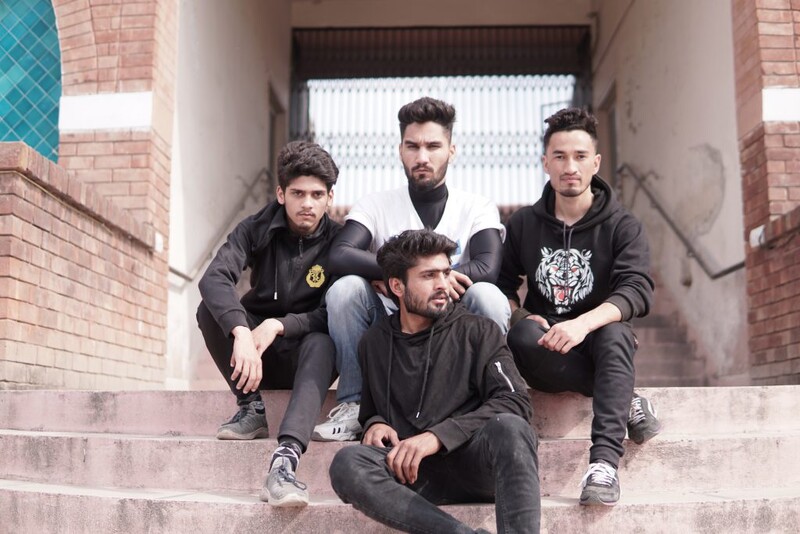
Short Film Review: Asim Khan “AK” | PARKOUR – Discover the differences between Parkour and Freerunning

Pakistan native Asim Khan Yousafzai is more than a freerunner: he is a teacher, a fighter, and above all, a survivor. As a child, he lived through the 2005 Kashmir earthquake. Freerunner Asim Khan explains how he rose above limited resources to become a hero.

Directed by Ali Imran Ch

Executive Producer: Albert Crane

https://youreverydayheroes.com/hero/ali-imran-ch/

https://www.instagram.com/youreverydayheroes/

Review by Julie Sheppard:

This exhilarating short film Asim Khan “AK” | Parkour inspires the viewer to embrace dreams against all odds. Asim Khan allows us to see his path from being exposed to the horrors of the tragic Pakistan earthquake of 2005 (with heartbreaking video footage of the quake and the resulting carnage), to displaying his repeated acrobatic attempts and failures, to recounting his wildly successful career as a freerunner. 

The swift, inquisitive eye of the camera catches Asim’s intense athleticism as he jumps, twists, and flips — extreme close ups allow us to see his determined facial expressions and his agile limbs doing the work. It is thrilling to hear his underdog story about how he moved from enduring ridicule from others at the start of his pursuit, to being highly respected and honoured for his gravity-defying craft. The rapid-fire shots of him (and his equally determined teammates) running through the streets and scaling cement buildings were particularly electrifying. 

It would be remiss not to mention the film’s soundtrack — moving from gloomy ominous refrains during the earthquake footage, to powerful rhythmic sounds during the dizzying parkour/freerunning scenes. Despite his painful struggles in the aftermath of the earthquake, the film proves that Asim is still able to fulfill his dream to literally “fly on earth”.  

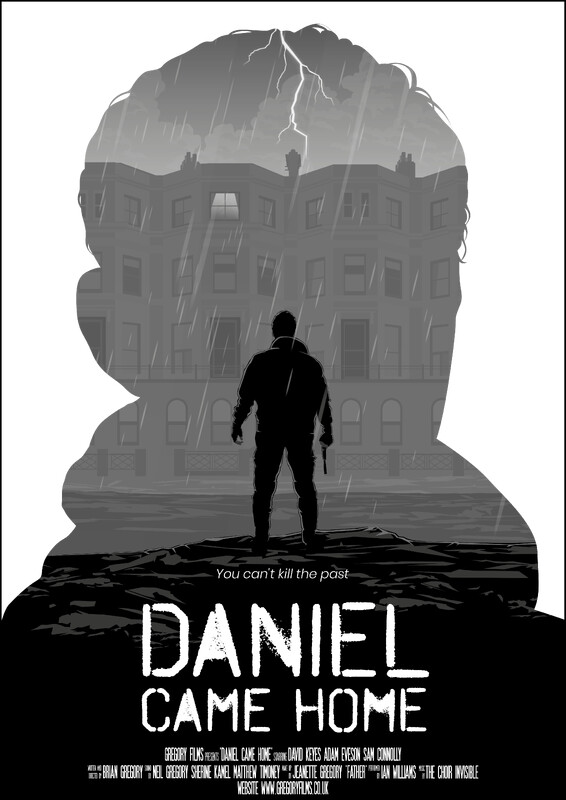
Short Film Review: Daniel Came Home. Directed by Brian Gregory

A dead soldier comes back from the grave to confront his abusive, fascist father.

Project Links

Review by Parker Jesse Chase:

In Daniel Came Home, written and directed by Brian Gregory, the opening words, “Daniel is down & I think he is dead,” immediately jolt the audience into a state of alertness. Before we can settle into what might follow, the title card appears, confirming Daniel is, indeed, alive. However, the journey that follows is not the homecoming one expects to be welcomed with.


Set in a stark, black-and-white world, we meet Daniel, played by Adam Eveson, as he rocks on a chair—an image as eerie as it is telling of his fractured mental state. The atmosphere of the film, almost suffocating in its minimalism, allows the tension to build slowly, and we soon learn the man sitting across from him is his father, Jack, portrayed by David Keyes. The film unfolds with a simmering, quiet intensity, where the past collides violently with the present.


The heart of the story lies in their confrontation—rooted in family traditions, military service, and ultimately, a son’s rage against the abusive, fascist authority of his father. Daniel’s physical appearance, marred by facial scars and a disquieting tension in his movements, reflects the trauma that haunts him. His identity as a soldier, shattered by war, has left him no longer human but something primal, monstrous. He refers to himself as the “angel of death,” declaring both he and his father will be dead by sunrise. This line delivers a gut punch, foreshadowing the inevitability of their tragic end.


The performances are intense, particularly in the verbal sparring between father and son. Jack’s accusation, “You’re a monster,” and Daniel’s chilling response, “You created me,” reveal the film’s core: the destructive inheritance of violence and trauma. The moment Daniel shoots his father, the film becomes less about the act itself and more about the cold, intimate aftermath. Daniel cradles his father’s corpse with an unsettling tenderness, as though the bloodshed has finally brought him peace.


Daniel Came Home delves into the ravages of war, not just on the body but on the soul, highlighting how both the battlefield and the domestic sphere can become arenas of violence. In Daniel’s final moments, as he army crawls out of the room—triggered by PTSD flashbacks—it’s clear this film is about the emotional toll of war and the inescapable grip of family legacies. Brian Gregory’s direction, combined with haunting musical compositions that distinguish both Daniel and Jack, adds layers of emotional texture to the short’s grim, inevitable conclusion. Based on Gregory’s story Daniel from “The Fifth BHF Book of Horror Stories”, the film offers a chilling exploration of familial ruin, revenge, and the unrelenting scars left by both war and patriarchal oppression.


Daniel Came Home leaves a deep, unsettling impression—a compelling narrative bearing witness to the psychological horrors of abuse and the devastation of unresolved trauma.

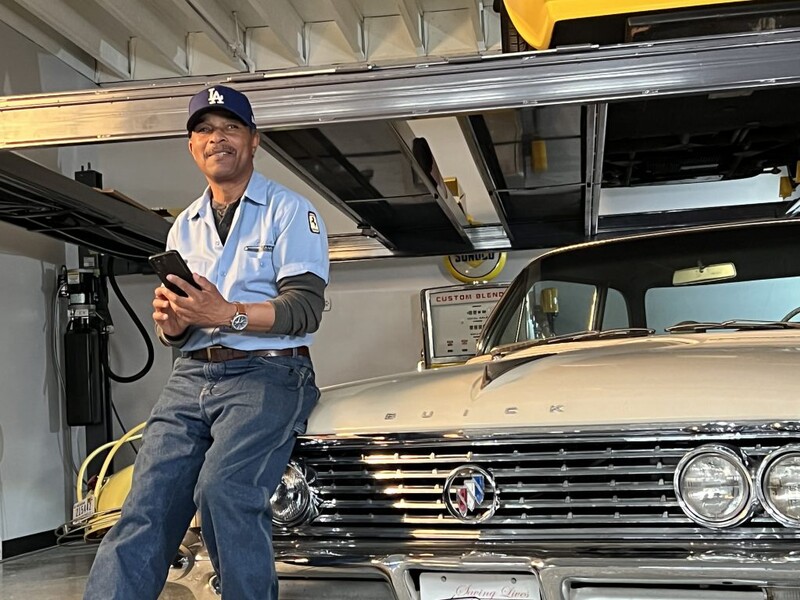
Short Film Review: Alex LeVesque | Mentoring Gang Members with Classic Cars

Alex LeVesque is the founder of the Automotive Mentoring Group (AMG), a nonprofit that works to counter gang violence in the city of Chicago, Illinois. The organization recruits gang members from across the city and teaches them the skills needed to build careers as auto mechanics, thus giving a chance at reform to those who would otherwise likely fall victim to violence in the streets.

Directed by John Snyder

Executive Producer: Albert Crane

https://youreverydayheroes.com/video/alex-levesque/

https://www.instagram.com/youreverydayheroes/

Review by Andie Karvelis:

Your Everyday Heroes film group introduces us to Alex LeVesque, the CEO and founder of the AMG ( Automotive Mentoring Group ) in Chicago. This non-profit organization works to counter gang violence by giving gang members the opportunity to learn the skill sets needed to become auto mechanics as well as restoring vintage cars. However, Alex provides so much more than just that.


Alex and the AMG have created a community that gives gang members a choice at what kind of life they want to lead. Teaching them how to restore classic cars from the 1930’s all the way up to 1970’s. Alex is not only a mentor but a friend, big brother and positive role model in their lives showing them they can make another choice away from gang life. Alex truly has made a massive difference in so many young adults’ lives.


The cinematography in this film was wonderful, the vibrancy of the colors and high definition detail was perfect. The filmmakers did a wonderful job with the interview and how it was edited. Chicago is lucky to have Alex LeVesque and it was a joy to see the work he is doing.

Short Film Review: I’M NOT A ROBOT. Directed by Victoria Warmerdam

OSCAR Winning Film for Best Live-Action Short film in 2025!!!!

After repeatedly failing Captcha tests, music producer Lara becomes obsessed with a disturbing question: could she be a robot?

Review by Julie Sheppard:

The short film I’m Not a Robot is a fictional tale, but it is so convincing that a viewer can almost believe in its validity. There are so many corporations using AI these days, instead of real humans, that the film’s premise does not stray too far from the truth. The performer playing Lara does a stellar job infusing her character with a wide variety of “human-like” emotions such as annoyance, doubt, embarrassment, anger and eventual desperation. The performers playing the sheepish, cowardly Daniel and the cold, dismissive Pam serve as superb foils to Lara, as she passionately defends her humanness. 

Most of us are familiar with the rather annoying CAPTCHA test. After viewing this film, it will be forever hard to forget what we witnessed; when doing our obligatory CAPTCHA tests, we might ponder the surreal idea that we are all just bots, too — so much of our human connection has a technical element dividing us because of the computer generation in which we live.   

The choice to play a version of the Radiohead song “Creep” to frame the film at the top and end is smart, encouraging us to question if we really are all “special”, or replaceable by technology. Suitable office and stairwell locations and the parking garage, in particular, serves the narrative for the jarring, unexpected ending. This intriguing film gives us existential pause and does a fabulous job blurring fact from fiction.

Watch the Audience Feedback Video from the Female FEEDBACK Film Festival:

Submit your Film & Screenplay to the Female FEEDBACK Film Festival:

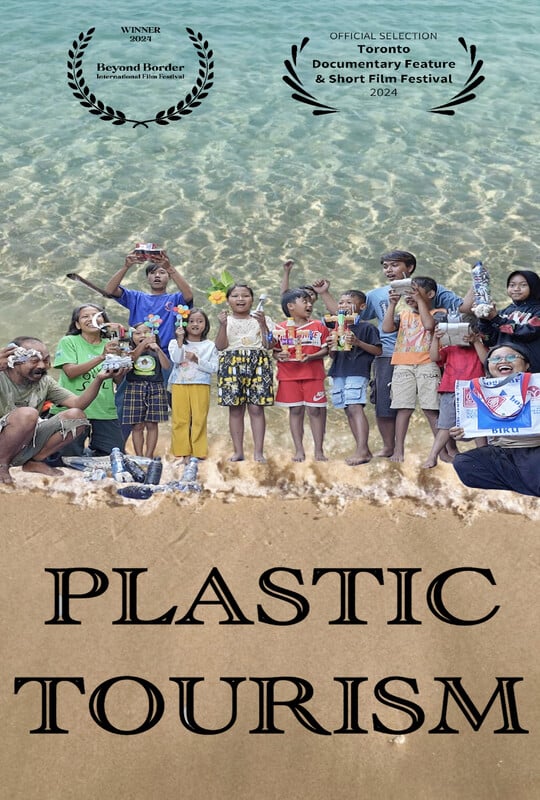
Short Film Review: PLASTIC TOURISM documentary. Directed by Ira Setiawati

“Plastic Tourism” is more than a documentary; it challenges viewers to confront uncomfortable truths. It is a call to action and testament of the delicate balance between human leisure and environmental responsibility.

Review by Victoria Angelique:

The documentary film, PLASTIC TOURISM, showcases people that are stuck between a rock and a hard place when it comes to the plastic waste that floods their coastal shores. They want the rubbish to stop, but in the meantime have to find a way to repurpose it in an attempt to clean up their land. It seems like a never ending cycle that as more is cleaned, more trash is washed ashore. 

The locals are innovative with the solutions to the plastic that is constantly washing up on their beaches from the ocean and filling their landfills. The children craft creative toys and artwork from the rubbish collected, using hot glue and the materials to connect the pieces together. Women repurpose plastic bottles to build what they call “ecobricks” for home foundations by using dried out pieces of plastic stuffed inside that other locals have separated by weight and material, then prepared for the foundation. The people of Gunung Sewu live by the motto “anything can be sold”. 

The most remarkable thing about this documentary is not the fact that this land is covered with rubbish, but that the locals remain happy and still consider life a blessing. They don’t complain about what the world is doing to their land, but find a way to repurpose the materials and set an example to the rest of the world. They clean up as best they can, longing for the day their beaches will be clean again, but continue to use what washes ashore to build their land. The people of Gunung Sewu show that anything can be reused, though it would be better to take care of the Earth.