Get FULL FEEDBACK on either the 1st chapter or entire novel book from our committee of professional writers and writing consultants. Get your novel performed by a professional actor at the festival.
NEW OPTION: Or, just submit for an actor performance reading transcript of your novel (any 5 pages of your book). Great way to promote the sales of your book if you’re already published.
Submit your ROMANCE short story to the festival, and we will automatically have it performed by a professional actor and turned into a promotional video for yourself.
This festival has a guaranteed 4-tier set up for each accepted script. (No matter what, all screenplays submitted receive FULL FEEDBACK on their work.) 1) Full Feedback on your script 2) Actors performance video reading of your script 3) Blog interview promotion. 4) Podcast interview on the Film Festival ITunes show
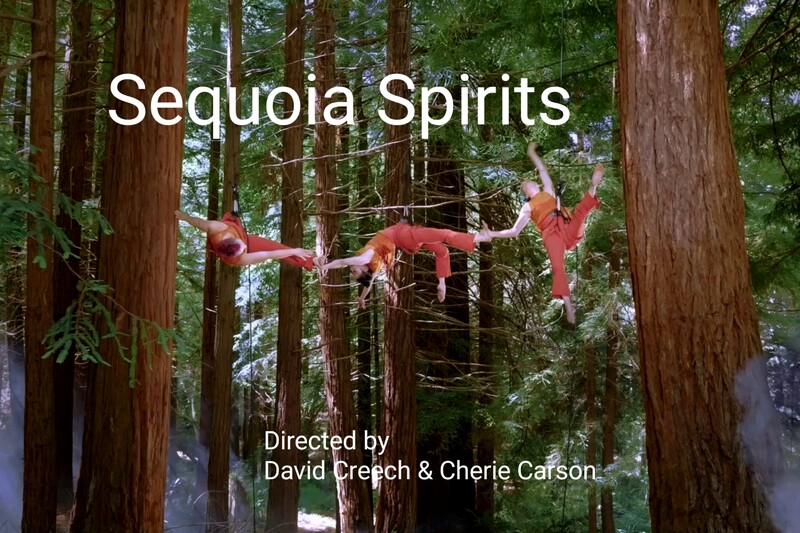
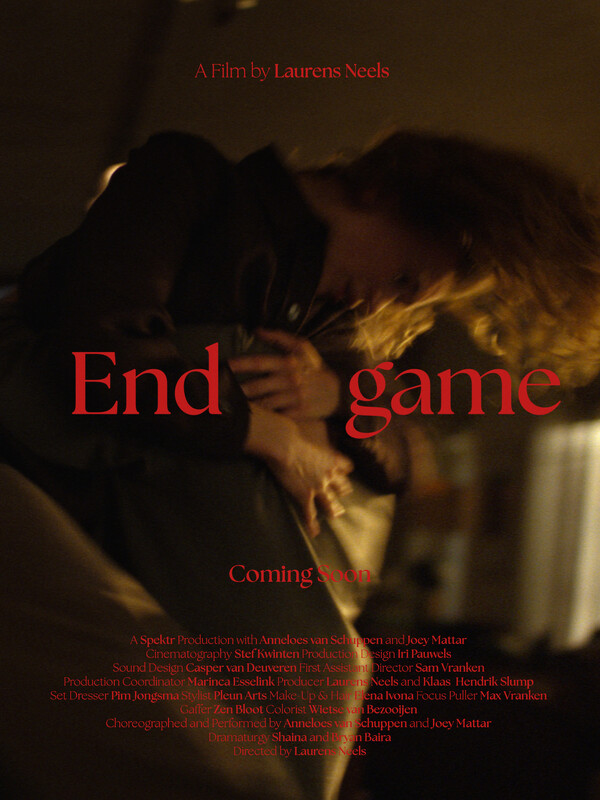
WILDsound is proud to showcase the best Experimental, Dance, Music films from the last year from around the world today.
Thursday, March 27th, 7pm SHARP. Event ends at 9pm. 90 minute program of films. Followed by Q&A with filmmakers in attendance.Carlton Cinemas in downtown Toronto. 20 Carlton St., Toronto, ON M5B 2H5 (College Street Subway)
Tickets are FREE or Pay as you like. Tickets generally sell out. First RSVP. First served.
REPLY to this email to RSVP your FREE tickets! Or, text the festival directly at 416-568-9046
PAGES IN THE WIND, 14min., USA Directed by Lucas Haviland As Bailey sits in the park, he starts to reminisce about his journal entries over the past month. Through flashes to these entries, Bailey and his boyfriend, Gavin, experience the various intricate elements of their relationship. All the while Bailey takes in the environment around him in the present day. When his best friend, Corrine, stops by to surprise him, they start to catch up on the past week. Bailey quickly remembers that his entries might be less realistic than he wants them to be. And that his roommate, Gavin, will probably never be the man he needs in his life.
The film’s exploration of romantic love and the lengths someone would go to experience it are rooted in my own thoughts surrounding the lack of that kind of love in my life. The exploration and need to put an image to these thoughts and showcase yearning is what drives my motivation in making this film. All to answer the question: To what lengths will someone go to feel love? Seeing and working on the creative projects of my friends and classmates, this motivation was kept alive and continued to grow until the final results of the film that was screened at this festival.
2. From the idea to the finished product, how long did it take for you to make this film?
It took roughly a year and a half from idea to finished product; however, the idea itself was not something I entertained in executing and creating until about half a year after I wrote it. This put the pre-production, production, and post-production process at about a year, with plenty of bumps along the way.
3. How would you describe your film in two words!?
Queer Yearning
4. What was the biggest obstacle you faced in completing this film?
I think the biggest obstacle as a first-time director was handling the intimacy and the plan of action in the approach to it. While other obstacles like weather and crew members graduating all played their parts, the attention to detail and ensuring actor safety and comfortability was definitely a major obstacle that was worth working through and utilizing an intimacy coordinator to achieve the final product. As a director handling intimacy for the first time, I felt like I have grown in my understanding of both writing and working through intimate moments between characters.
5. What were your initial reactions when watching the audience talking about your film in the feedback video?
Going into the audience feedback video, I was nervous solely because of my perfectionistic tendencies and the miniscule things I wanted to try to change. This quickly changed to excitement and general appreciation for the thoughts, praise, and constructive feedback from the audience. It was reassuring to hear about parts that I was hesitant about being well-received by the viewers and for the themes to come across even in the ambiguity of the film.
6. When did you realize that you wanted to make films?
I realized I wanted to make films and write for film and TV going into my senior year of high school. After coming out and starting to embrace my queer identity, I knew that I wanted to write and create stories that gave visibility to emotions and feelings that many people in the LGBTQ+ community experience. I also wanted to portray queerness in manners that were missing as I grew up. Not to mention, I realized that I wanted to use film and screenwriting as a medium to explore the intricacies of relationships (romantic, platonic, familial, etc.) and connections between people of all identities.
7. What film have you seen the most in your life?
For enjoyment, I watched The Hunger Games films, specifically The Hunger Games: Catching Fire, many times. In terms of films that have influenced my writing and work, Brokeback Mountain is a film that I consistently revisit.
8. What other elements of the festival experience can we and other festivals implement to satisfy you and help you further your filmmaking career?
I was very satisfied with my festival experience thus far and have appreciated the email communication and updating that takes place. I think it could be interesting if there was a way for other filmmakers who were voted on by the audience could get in contact with each other to talk about their films and respective creative processes.
9. You submitted to the festival via FilmFreeway. How has your experiences been working on the festival platform site?
It was pretty intuitive and user-friendly! I didn’t have any issues submitting my project and filling out all of the information for the project file.
10. What is your favorite meal?
One of my favorite meals is a sushi platter of a variety of different rolls and seafood combinations.
One day, I woke up and went to the bathroom, and a moth flew out of my hair. This was such a ridiculous experience I wanted to use it as catalyst for my film, blending it with my personal experience of accepting myself as queer.
2. From the idea to the finished product, how long did it take for you to make this film?
It took me about 350hrs personally, though I had a small team working on music, sound design, clean up animation, and background.
3. How would you describe your film in two words?
Existential Dilemma
4. What was the biggest obstacle you faced in completing this film?
The biggest obstacle that I faced was finalizing the more abstract sections of the film, outside of her chasing the moth. Nailing the pacing, the meaning of the symbols and the shots was difficult.
5. What were your initial reactions when watching the audience talking about your film in the feedback video?
It was so incredible to hear everyones thoughts about it, and how they interpreted the meaning of the film. I was really honored that everyone took the time to think deeply about the film that I poured so much effort and care into.
6. When did you realize that you wanted to make films?
I have always loved consuming stories, and how you can much can communicate with just visuals. The idea of making my drawings move felt like my ideas were coming to life.
7. What film have you seen the most in your life?
Lion King 1 and 1/2
8. What other elements of the festival experience can we and other festivals implement to satisfy you and help you further your filmmaking career?
You all offer so many opportunities already! And receiving the feedback is so meaningful.
9. You submitted to the festival via FilmFreeway. How has your experiences been working on the festival platform site?
It has been very accessible and easy to use.
10. What is your favorite meal?
Sushi for sure
11. What is next for you? A new film?
I am working on my thesis film right now! Still in very preliminary stages right now, but will be centered on the themes of jumping into the unknown when you may not be ready.
The screenplay The Sabbath of The Dead follows Rachel, a determined woman, who, along with a group of survivors, faces a zombie apocalypse centered around an abandoned synagogue in Eastern Europe. As the undead rise, Rachel retrieves ancient scrolls and a shofar from the synagogue, initiating a series of rituals to stop the undead threat. The survivors must hold off the zombies long enough to complete a final ritual that aims to banish them for good. The story combines elements of Jewish mysticism, faith, and survival against the odds, culminating in a climactic battle where faith and unity ultimately defeat the undead.
Get to know the writer:
1. What is your screenplay about? The Sabbath of The Dead is a supernatural horror screenplay set in present-day Eastern Europe, where an ancient battle between the living and the dead unfolds. Rachel, a determined survivor, retrieves a sacred shofar and ancient scrolls from an abandoned synagogue just as the dead begin to rise from a nearby cemetery. Joined by David, Sara, and Jacob, a group of skilled fighters and spiritualists, she must use Jewish mysticism to combat the growing horde of undead—former members of their faith now twisted by an unknown force.
As the group fights for survival, they retreat to a hidden camp and attempt a powerful ritual to banish the undead. With the sound of the shofar and sacred chants, the zombies begin to disintegrate, but a shadowy figure watches from the darkness, hinting that the true evil is yet to be defeated. Blending Jewish folklore, faith, and apocalyptic horror, The Sabbath of The Dead offers a fresh take on the zombie genre, where ancient rituals hold the key to humanity’s survival.
2. Why should this screenplay be made into a movie? The Sabbath of The Dead deserves to be made into a movie because it offers a fresh and unique take on the zombie horror genre, blending Jewish folklore, mysticism, and apocalyptic survival. Unlike traditional undead narratives, which often rely on viral outbreaks or supernatural curses, this screenplay introduces faith-based horror, where ancient rituals and sacred objects become weapons against the rising dead. This cultural and spiritual depth adds a layer of originality that sets it apart from standard zombie films.
Visually and thematically, the film has the potential to be both atmospheric and terrifying, with eerie, abandoned synagogues, crumbling cemeteries, and haunting supernatural forces. The action-driven survival elements, combined with deep character dynamics and existential stakes, create a compelling mix of horror, suspense, and heroism. With an increasing demand for diverse storytelling and folklore-driven horror (like The Vigil and His House), The Sabbath of The Dead could resonate with both mainstream horror fans and those seeking something innovative and culturally rich in the genre.
3. How would you describe this script in two words? Mystical Horror
4. What movie have you seen the most times in your life? Brick and Night of the Living Dead
5. How long have you been working on this screenplay? a few months
6. How many stories have you written? 10-15
7. What motivated you to write this screenplay? I’ve always been drawn to horror as a way to explore fear, faith, and the unknown, but I rarely saw Jewish folklore and mysticism represented in the genre. That’s what motivated me to write The Sabbath of The Dead—to merge supernatural horror with the rich traditions and spiritual depth of Judaism. I wanted to create a story where survival isn’t just about fighting the undead but about reclaiming lost wisdom and using sacred rituals as weapons against darkness. The shofar, Hebrew incantations, and ancient scrolls aren’t just relics; they’re lifelines in a battle against forces beyond comprehension. By setting the story in eerie, atmospheric locations like abandoned synagogues and forgotten cemeteries, I aimed to craft a haunting, cinematic experience that blends folk horror, survival thriller, and spiritual warfare. More than just a terrifying tale, this screenplay is about resilience, history, and the power of belief—offering a fresh, culturally rich perspective in a genre that thrives on fear of the unknown.
8. What obstacles did you face to finish this screenplay? One of the biggest obstacles I faced in writing The Sabbath of The Dead was finding a way to make it truly unique in a genre oversaturated with traditional zombie and supernatural horror stories. I didn’t want to write just another apocalyptic survival film—I wanted to create something that felt fresh, culturally rich, and deeply rooted in folklore that hasn’t been widely explored in mainstream horror. Balancing authenticity with cinematic horror was a challenge; I had to ensure the spiritual and mystical elements felt organic and powerful, rather than just surface-level decorations.
9. Apart from writing, what else are you passionate about? Sports, Coaching, and Teaching. I also love sports cards and watching movies.
10. What influenced you to enter the festival? What were your feelings on the initial feedback you received? I submitted The Sabbath of The Dead to the HORROR Underground Film & Screenplay Festival because of the exposure it could bring, the festival’s prestige, and the incredible opportunity to have my work read and evaluated by horror enthusiasts and industry professionals. Seeing the script come alive for the first time was an unforgettable experience, and the feedback I received was both insightful and invaluable. The festival provided a platform to refine my vision, and the constructive critiques helped me make meaningful edits that strengthened the script. The process not only validated my creative approach but also pushed me to elevate the story, ensuring it was as compelling and unique as possible.
11. What genres does your screenplay fall under? supernatural horror
The Susurrus is about a dollmaker who starts to date a year after her husband abandoned her. The jump back into the dating scene, and the world at large, proves dangerous, and ultimately, she must decide to keep-on despite the world’s evils, or retreat back to the familiar evils of her solitary life.
2. Why should this screenplay be made into a movie?
The Susurrus explores the many forms that abusive relationships take, and how they can be near-impossible to escape from. The subject is unfortunately timeless and universal, across gender, religion, and culture. So, why not now?
3. How would you describe this script in two words?
Creepy and sexy.
4. What movie have you seen the most times in your life?
Probably The Goonies.
5. How long have you been working on this screenplay?
I’ve been working on this on-and-off for about eight years.
6. How many stories have you written?
I have two as-of-yet unpublished novels, three pilots, four features, and too many short films and short stories to count.
7. What motivated you to write this screenplay?
I watched a creepy story of a man who was obsessed with a woman and when she died, even though he had no rights as a husband or any other relation, he stole her body from her grave and kept it like a doll until he was discovered.
8. What obstacles did you face to finish this screenplay?
The biggest obstacles to finishing the screenplay were time and self-confidence.
9. Apart from writing, what else are you passionate about?
I love acting and I love directing actors.
10. What influenced you to enter the festival? What were your feelings on the initial feedback you received?
I was inspired to enter the festival because I thought the idea of a filmed staged reading was exciting. The feedback I received was top tier; inspiring, thorough, and insightful.
11. What genres does your screenplay fall under?
I call it a moral horror: a cross between a psychological thriller and mystery.
Summary: An American footballer has the greatest super human strength and is undefeated on the field. What make him stand out even more is that he had a terrible car accident which could have killed him but surprisingly he survived and is now a force putting his underdog team back on the map. However, a deeper backstory lurks in the shadows and its up to Cali Neal, a new journalist to figure out what’s happening to Robert.
Get to know the writer:
1. What is your screenplay about?
It follows a superhuman football running back, Robert Pettibone, who comes has no past. Unbeknownst to the team, he is secretly receiving treatments to preserve his exceptional strength and agility. He begins to suspect something odd about a doctor administering his shots and begins to question his past and what he’s experiencing, but he is experiencing amnesia. He enlists a new beat reporter, Cali, to help him investigate. As they find out more behind the scenes, it points to some sort of conspiracy. Eventually, he finds out that he was nearly killed in Afghanistan and was kept alive by an experimental surgery.
2. Why should this screenplay be made into a movie?
It not only exposes the brutality of football, it illustrates the loss of identity and the ethical view of cloning human beings – how far should we go?
3. How would you describe this script in two words?
Difficult question. I can think of a sentence but at the spur of the moment I’d say, “losing control”
4. What movie have you seen the most times in your life?
There are two that come to mind: Casablanca and Once Upon a Time in the West
5. How long have you been working on this screenplay?
Two years off and on. Too many revisions to count.
6. How many stories have you written?
I have written six feature screenplays and five short scripts.
7. What motivated you to write this screenplay?
I was initially motivated by being diagnosed with liver cancer and needed to fill a void in my life. However, now, it’s the excitement of creating something from my thoughts. My goal, as is all screenwriters’ goal, is to have one of my screenplays produced. I’m working toward that objective, realistic or not. I simply write because I have always had a passion for writing screenplays or making movies.
8. What obstacles did you face to finish this screenplay?
It’s a very convoluted story that must be pieced together without scenes being inconsistent with each other. I wanted to achieve quite a bit with The Red Zone: develop a plausible relationship between Pettibone and Cali as well as Pettibone and the sympathetic Dr. Meng; convey what is known and not known due to Pettibone’s amnesia and combine it with PSTD; creating a professional football world as well as what takes place behind the scenes with the commissioner; creating the goal for all of the characters involved and how Pettibone’s condition originated; figure out what Dr. Qay wants out of his scheming; etc. ; 9. Apart from writing, what else are you passionate about?
I read quite a bit, follow professional sports teams in Cleveland and Ohio State, and watch a great deal of movies.
10. What influenced you to enter the festival? What were your feelings on the initial feedback you received?
I was attracted to the festival because it was specifically looking for Sci-Fi screenplays. I was overwhelmed by the feedback. It commented positively on what I was trying to achieve.
Set in 1890, the Greens (the leftist) vs Reds (Right Wing Faction) fighting for control of the government. Lucretia, daugher of a Red falls inlove with Mariano a stage actor who also happens to be a green. Her father forbids her to see him, and orders him to be killed while she is sent to a convent. However, things don’t go as planned and they both end up running for their lives to Spain away from Columbia.
Get to know the writer;
1. What is your screenplay about? The Dwarf’s Tale explores a difficult theme. It’s about a man in love with a girl who does not see him as a suitor. Painful as that is to him, he is still willing to help her connect with another man, the one she loves, even at the cost of his own life.
2. Why should this screenplay be made into a movie? Mostly because The Dwarf’s Tale is a fun movie to watch. There is a circus underlying the whole story. The bearded lady, the strongman and the other performers add a fun side to the story. And of course the setting itself in Colonial Colombia, the jungle, the sea are also visually appealing. It also seems to me to provide a breakthrough role for a talented young actress to play Lucretia. I think the film would have strong appeal to filmmakers and through them to audiences in the four quadrants. This is a classic tale in the vein of pictures like the Hunchback, Pirates of the Caribbean, the Indiana Jones pictures – movies that benefit from exotic settings as well as human interest stories of adventure and romance.
3. How would you describe this script in two words? Fun Screenplay
4. What movie have you seen the most times in your life? Tough question. There are movies I’ve seen repeatedly but haven’t kept score. The Blues Brothers, Pirates of the Caribbean, Casablanca, The God Father, Cabaret, One Flew Over The Cuckoo’s Nest, Patton, West Side Story, So many favorites. These are movies I have and continue to watch.
5. How long have you been working on this screenplay? Not a long time, I would guess four or five months from start to end. I first drafted a treatment of several pages which I broke into scenes. So it was a fill in the blanks process. I presented select scenes to a small group of novelists and poets I’m in as I went. As long as they continued to think the work was good, I continued until it was written. Since completing the script this past January (typing “the end’) I’ve already written another screenplay.
6. How many stories have you written? Many. Probably two dozen short plays, five or six feature length stage plays and perhaps a dozen screen plays. Also a novel and two more at various stages. Unfortunately, I’m always into the next project without much effort marketing the last one.
7. What motivated you to write this screenplay? I’ve traveled to Panama and Colombia and was fascinated by the jungle and the canal. My novel, Culebra Cut, was set during the building of the canal. An actor friend of mine, a Colombian actor who has played in two of my stage plays, had a story about the civil war in Colombia he asked me to read. The Calabacillas character, a dwarf, was in that story. I became interested in the dwarf as it reminded me of the Dumas character. As in the Hunchback of Notre Dame, the girl in my story doesn’t see the dwarf as a man she can love. This was so compelling I drafted the story.
8. What obstacles did you face to finish this screenplay? There was never a question in my mind that I would finish “a” story because I had the whole story in mind when I started to write. In fact, I wrote the last scene first so I knew where it was going. The difficulty was I wanted the last scene at the beginning and the end of the film without giving away the end-end. Even now, I’m not sure that was a good idea.
9. Apart from writing, what else are you passionate about? I have a wide range of changing interests. It’s easier to say what I am not passionate about. (Marketing is certainly one of those). I’m an animal lover, a flaming political liberal, an amateur historian, a lover of music from Nessun Dorma to Iggy Pop and of Brit Box detective stories. Writing and directing for the stage was a real passion but a degenerative disease of the lower back has put the brakes on that. I did most of the black box work in NYC but travelling there has become a real challenge so I’ve stopped, or at least, paused.
10. What influenced you to enter the festival? What were your on the initial feedback you received?
I was encouraged by a reviewer’s comment to the effect The Dwarf’s Tale had an 18th Century classical literature feel. Who doesn’t want to write a classic? Even before writing I had the feeling a love story about a dwarf in love with a beautiful girl would be a really good tale to tell. When I read “Romance competition” I felt compelled to submit even with the intuition this was not a contemporary story to be received with open arms by TikTok oriented readers. But the postage was cheap.
11. What genres does your screenplay fall under? I think it crosses into more than one genre. Certainly, it’s a romance. In a larger sense, it’s a multifaceted drama about family conflict, civil war, social injustice, and friendship themes. It’s also an adventure as the lovers and the dwarf flee through the forests from the villainous police chief.
Logline: A young woman struggles with maintaining her relationship with her grandfather as she prepares to go to college.
Get to know the writer:
1. What is your screenplay about?
It’s about an elderly man’s loving relationship with his adult granddaughter that is threatened by life’s priorities and their conflicting views about Jewish identity.
2. What genres does your screenplay fall under?
Dramedy (by I’d say it’s primarily a comedy).
3. Why should this screenplay be made into a movie?
Even though I began writing this close to five years ago – before the recent and horrifying surge in antisemitism in our country — I think an uplifting, heartwarming, heart-breaking, and (I hope) funny story – replete with universal themes of family, love, forgiveness, and death – might, in some small way, mitigate the rancor and division that we are all currently experiencing.
4. How would you describe this script in two words?
Intergenerational dramedy.
5. What movie have you seen the most times in your life?
Superbad.
6. How long have you been working on this screenplay?
Close to five years!
7. What is your favorite song?
These Are Days (10,000 Maniacs)
8. How many stories have you written?
One!
9. What motivated you to write this screenplay?
My father-in-law was, simply put, one-of-kind – and perhaps the sweetest, gentlest person I have ever known. He and my daughter had an unusually close bond that transcended the typical grandfather-granddaughter relationship and grew stronger as she became an adult. An illness required him and his wife to move in with us, and that experience offered plenty of material for a screenplay. About five years ago our extended family gathered together on the anniversary of his death, and the wonderful and funny memories started flowing. I knew then I had the story for my script.
10. What obstacles did you face to finish this screenplay?
I’d say two: (1) I have a busy solo law practice, so it was just hard to find solid blocks of time to focus on it; and (2) while I have two wonderful friends who have provided invaluable and thoughtful feedback throughout the process, I don’t have any contacts in the industry who could provide guidance.
11. Apart from writing, what else are you passionate about?
My family. And I’m working on my golf game!
12. What influenced you to enter the festival? What were your feelings on the initial feedback you received?
I really liked the positive and encouraging feel to it and the emphasis on feedback. I thought the feedback was thorough, honest, and supportive. I am very grateful for this opportunity!


 Festival Reviews