Filmmaker Eric A. Eisenstein (BLUEBERRIES)

BLUEBERRIES, 24min., USA
Directed by Eric A. Eisenstein
Terrance needs to convince his fiancé, family and friends he does not have a drinking problem. But can he convince himself?

Get to know the filmmaker:

1. What motivated you to make this film?

The motivation for this film was pretty simple. As of this writing I am 345 days sober. I was always the “fun drunk” who thought everyone laughed at everything I said, when in reality i was obnoxious and a know it all. I knew i was spiraling down a dangerously stupid path. Finally I made the decision enough was enough and headed to Florida for a month of rehab. When I came home, I was changed…for the better…but changed. What I didnt realize at the time was how the necessary changes would effect those around me. As it turns out, there were people close to me that liked drunk Eric better, and I wanted to explore that with this film. Along with writer/actor Josh James, I put the story in the context of a young couple who’s future is in jeopardy becasue of all the changes in the character’s life, as opposed to making it about a sixty eight year old man who has already done plenty(me)..

2. From the idea to the finished product, how long did it take for you to make this film?

This film was originally made for a forty day festival, so from idea to finished product was pretty much forty days.

3. How would you describe your film in two words!?

Thought provoking ( i know thats a cliche’, but thats the hope)

4. What was the biggest obstacle you faced in completing this film?

The biggest obstacle we faced was that the prssure would have me drinking again (thats a joke:) Actually, thanks to good planning this film was basically obstacle- free and quite a fun shoot. The only obstacles really were the restraints of a forty day festival, such as scheduling and time restrictions on different elements such as editing.
5. What were your initial reactions when watching the audience talking about your film in the feedback video?

My initial reactions was that people GOT IT, which is always a big fear, that people will say “what the hell did I just watch.”

6. When did you realize that you wanted to make films?

I ALWAYS wanted to make films. Unfortunately i was sidelined by a forty year career as a television cameraman and director. Now in retirement from TV I can spend my time telling fun, meaningful narratives such as BLUEBERRIESS.

7. What film have you seen the most in your life?

The original 60’s “Planet of the Apes” with Charlton Heston in all likelihood . The chase through the ” museum” with its surprise climax and of course the ending of the movie is an all time classic.

8. What other elements of the festival experience can we and other festivals implement to satisfy you and help you further your filmmaking career?

I love the interactive-ness and communication of this particular festival. The audience feedback is a fantastic plus.

9. You submitted to the festival via FilmFreeway. How has your experiences been working on the festival platform site?

FlimFreeway has been a revelation to say the least. It opned up a whole world I did not know existed.

10. What is your favorite meal?

Favorie meal. A big old Porterhouse steak.

11. What is next for you? A new film?

I just finished principal shooting on my next film, entitled LOUSely Based. It’s based on a true story of a 31 Year old man with Asperger’s Disease that wants to be an actor. People will hopefully find it heartwarming and a mix of comedy and drama similar to BLUEBERRIES. We have two more shooting days in early 2025 then off to the editing races. My goal is to make one film a year that sends messages of hope and positivity. spend the rest of the year watching my grandkids grow and traveling the world

Filmmaker Graham Birch (AN ADVERT FOR ONE NIGHT)

AN ADVERT FOR ONE NIGHT, 15min,. UK
Directed by Graham Birch
Lisa responds to a newspaper advert to meet Sarah in a hotel room for a night. They meet and have a wonderful night that sadly uncovers that one was badly abused and the other is currently suffering serious mental and physical bullying from a partner. Will this allow them to bond? What will they do?

Get to know the filmmaker:

1. What motivated you to make this film?

My friend was going through an abusive relationship at the time and it was terrifying. He was psychologically destroyed. So I flipped it to the more common female perspective as it is simply not acceptable. Domestic abuse isn’t just physical. It’s wider than that and destroys people.
I also wanted to highlight the dangers of getting drunk and thinking you are in control of a situation. I want people to watch the film and maybe question if they should go home with that person. Particularly when you are young and at a night club. I always tried not to let my friends go off alone (male or female) as there are people who are simply not good.

I also wanted to create a film of exquisite beauty and use the lighting to enhance everything. You’ll notice that the colours change in the film, sometimes suddenly, sometimes from scene to scene. Showing differing emotions and settings.
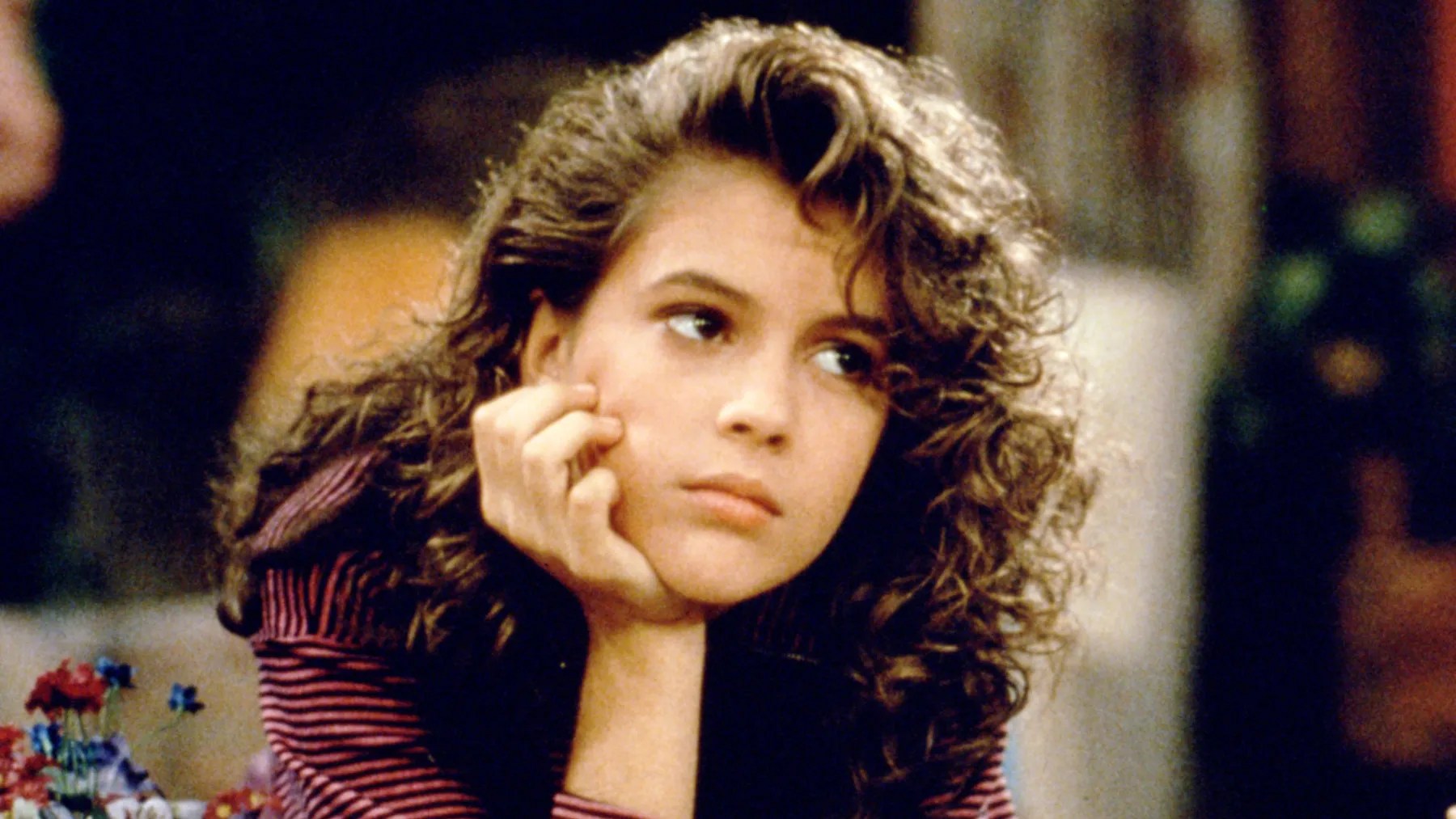
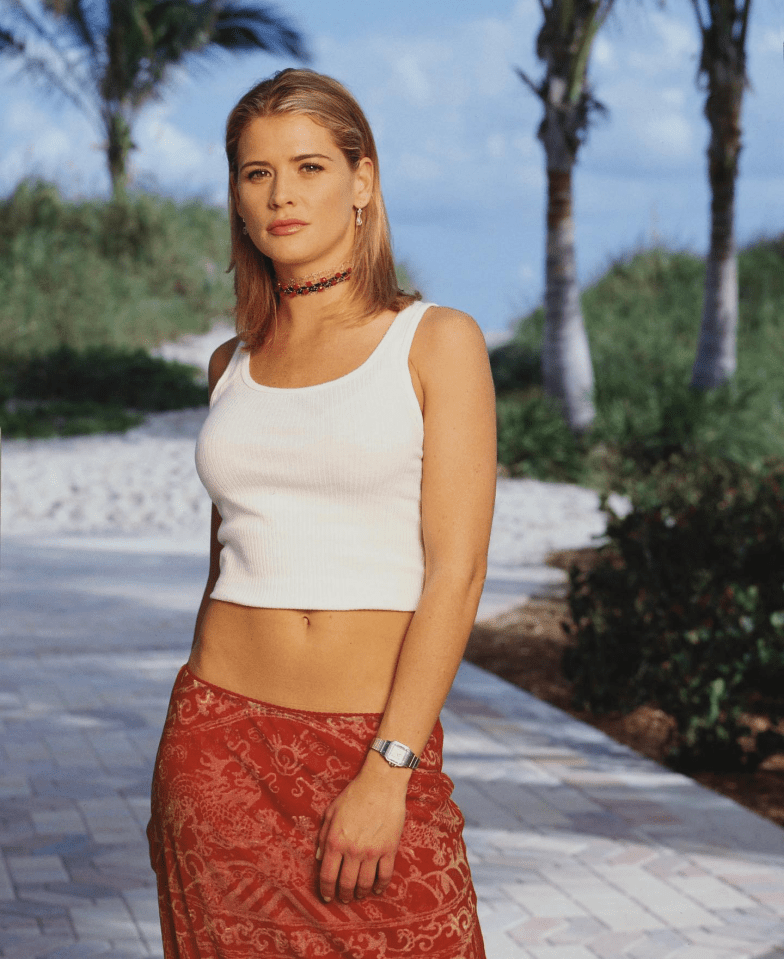
The actors were incredible and allowed us to really focus on the environment and lighting.

2. From the idea to the finished product, how long did it take for you to make this film?

Very quickly! 4 months!

3. How would you describe your film in two words!?

Powerful Revelations

4. What was the biggest obstacle you faced in completing this film?

Funding! It always is!

5. What were your initial reactions when watching the audience talking about your film in the feedback video?

I was delighted. I felt that they understood my message and how I wanted the feel of the film to be. They were true to what I wanted to achieve and I’m very grateful to the reviewers for taking the time to watch the film and also to vote it as best short

6. When did you realize that you wanted to make films?

Since I was very young. However, I only started in 2020 during the pandemic!

7. What film have you seen the most in your life?

Predator – I apologise but Arnie is my hero. When I was young I was bullied relentlessly and I looked at Arnie as my motivation to get through it.

8. What other elements of the festival experience can we and other festivals implement to satisfy you and help you further your filmmaking career?

Networking opportunities would be great.

9. You submitted to the festival via FilmFreeway. How has your experiences been working on the festival platform site?

Very good. I do feel that some festivals don’t take some submissions seriously but this festival has been amazing and very open with it’s entries.

10. What is your favourite meal?

Steak and Chips. Fillet steak though!

11. What is next for you? A new film?

I have 3 feature films and 3 other shorts that I need to get finished! All are powerful. A WW2 film in German occupied France. A Gen Z film about mental health. A thriller about women’s mental health.

Filmmaker William Eguienta (BUBBLING SYNAPSES)

BUBBLING SYNAPSES, 4min,. France
Directed by William Eguienta
An idea… needs space, time & love to grow…
But, at what cost? Your friends ? Your wife ? Your kids ?
Of course not, it needs to be set aside, in a bubble, waiting for the right moment…
The wait is long, too long… This must emerge from its bubble, it must come to life, now !

https://www.imdb.com/title/tt31189065

Get to know the filmmaker:

1. What motivated you to make this film?
I wanted to test 2d animation for the first time. so i was thinking about a subject that doesn’t need speaking characters, but with a strong emotional impact. 48 hours later, the script was written and I was starting working on a storyboard
It’s an impulsive creation, no filter, no overthinking, just pure expression of what’s in mind

2. From the idea to the finished product, how long did it take for you
to make this film? It was like for a kid : 9 month journey. mainly because I had to work on other things in the middle. If we count only working time, it’s around 3 months

3. How would you describe your film in two words!?
a surreal reality

4. What was the biggest obstacle you faced in completing this film?
I’m not a good drawer, and never done 2D animation before. so I learned the most i can by doing it. It was really fun to do !

5. What were your initial reactions when watching the audience talking about your film in the feedback video?
This kind of film is always strange to evaluate. it’s depends a lot on who is the viewer more than an exact message the filmmaker try to spread. I was happy to see that they all catched the poetry behind images and sound to serve the story as an intense experience
my film don’t hold the viewer by the hand, and everyone seems to understand subtilities in Bubbling Synapses’ metaphores, that help me to see and confirm ways to communicate emotions visually, so it’s a really important thing to me

6. When did you realize that you wanted to make films?
i think i did my first film around… 8 years old. I always loved to create stories, but I really thinked at this like a real carreer around 17 yo

7. What film have you seen the most in your life?
i guess it’s “The fountain”. to me, this film is one of the most underated masterpiece of the last 50 years.

8. What other elements of the festival experience can we and other festivals implement to satisfy you and help you further your filmmaking career?
a live feed to view the screening on internet can be great

9. You submitted to the festival via FilmFreeway. How has your experiences been working on the festival platform site?
to me it’s by far the best plateform. I almost use only it. it’s clear and efficient. we can track things easily, no hidden cost or something

10. What is your favorite meal?
lasagna ! like Garfield

11. What is next for you? A new film?
many things ! 2025 will be a busy year.
I’m writing a series right now, that i will try to sell to distributors in next months
I also work on season 2 of a documentary series calle “Declics”, we are half way of the production right now, it may reach the screen at the end of 2025 i guess
and if everything goes well, i will do a new short film in 3 months

Filmmaker Justin Taylor (UNDERTOW)

UNDERTOW, 3min,. USA
Directed by Justin Taylor
Margaret takes the train into the city, as she does every morning, plunging herself into a sea of commuters, memories, & anxiety.

https://www.tayloredanimations.com/
https://www.instagram.com/justin_taylor_2/

Get to know the filmmaker:

1. What motivated you to make this film?

The boring answer is that it was the culmination of my MFA program at SCAD. I might have been apprehensive to take on what is by far my biggest project to date. But if we’re discussing what motivated me to make THIS film, that’s a more interesting answer.

In part, at the start of the thesis process my professor encouraged us not to see it as the time to pursue a passion project but as our first contribution to our field. That forced me to consider what I could do within 2D animation that would be atypical. Something I think about often is the gap between our own subjective experience of life versus that of others. If 30 people are at a party, there are 30 different stories of how that party went. Much of our media today is centered around an epidemic of isolation from others and a growing divide in how we all experience life.

In animation, visual style is an intentional, thought-out tool through which a story is told. While animators are extremely creative, as an industry we tend to get stuck in trends of certain styles in large part for economic reasons that outweigh artistic freedom. At a certain point, the style is so ubiquitous that it becomes arbitrary and unrelated to the message being conveyed. I chose to put style at the center of the film’s focus by juxtaposing multiple as representations of different commuters’ perspectives to illustrate the difference of subjective experience I discussed before.

The intent behind all of this was to serve as an expression of my personal experience of the world today while also serving as a more general cultural critique. My hope is for us to one day repair the current fracturing we all feel.

2. From the idea to the finished product, how long did it take for you to make this film?

From end to end, the film took about 2 years to complete. Granted, it began as an entirely different story that was picked up, fully re-storyboarded, then put back down when elective courses took up more of my time. If I’d consolidated the process it probably could’ve taken 7-9 months. It’s funny and humbling to think about how long it took me to make a sub-three minute short film on my own.

3. How would you describe your film in two words!?

“Anxious Monotony”

4. What was the biggest obstacle you faced in completing this film?

Time. Time, time, time. I decided to animate it on my own because while at SCAD there’s a lovely culture of younger students contributing to senior/thesis films, it becomes a whole other commitment and high expectation to place on kids who are making free work to put on their reels in their off-time.

5. What were your initial reactions when watching the audience talking about your film in the feedback video?

In the moments before, definitely stress. This was my first blind feedback I’ve received for the film and subconsciously you know friends/family will always be supportive. But the audience members’ feedback was so kind and helpful. I’m truly grateful to have had this opportunity. The feeling of hearing a stranger describe exactly what you wanted to convey and for them to appreciate it is I think at the heart of why every artist does all of this.

6. When did you realize that you wanted to make films?

It was some time during late highschool/early college. My family moved when I was halfway through high school. It was an isolating, unhappy time for me but a small, local movie theater was a 5-minute walk from our new house. On weekend nights if I wasn’t doing anything (which was often) I’d walk over to Park Plaza. It really helped me through that time.

7. What film have you seen the most in your life?

Besides the movies I’d fall asleep to for months on end as a child it’d probably be Lost In Translation. It’s my favorite film and heavily influenced undertow which I don’t think will be a surprise to anyone who has seen both. I’ve always admired Sofia Coppola’s ability to subtly convey emotion through subtext & atmosphere which I think really informed how I pursued this story.

8. What other elements of the festival experience can we and other festivals implement to satisfy you and help you further your filmmaking career?

I wish more festivals offered this digital feedback opportunity like your festival does. While I’ve gotten my film into a good number of festivals there’s an ironic continuation of the sense of isolation I discuss in undertow in that since I don’t have the funds to travel to most of these festivals, the only concrete evidence of them taking place is a FilmFreeway email saying “Write a review for ____ festival” and occasionally some photos if I’m lucky. Don’t get me wrong I’m grateful for every selection I’ve received and many of these smaller festivals are run by tiny, hard-working teams.

9. You submitted to the festival via FilmFreeway. How has your experiences been working on the festival platform site?

Despite my joking comment before FilmFreeway is extremely useful. None of what I’ve done in pursuing festivals would’ve been possible without it. It really makes getting your work seen as an indie filmmaker much more approachable.

10. What is your favorite meal?

Any cheese-filled pasta, probably with pesto sauce. Or a pastry and iced coffee in the morning.

11. What is next for you? A new film?

I’m job-searching in the animation/motion design fields while living in Savannah, GA after finishing my MFA and working at a local bar that helped me pay my way through school. I certainly want to make another film but I want to be much more efficient this time given everything I’ve learned from my first go round.

Filmmaker Mary Hawkins (SKATE FAST TURN LEFT)

SKATE FAST TURN LEFT, 1min., USA
Directed by Mary Hawkins
Two friends, Fifi Fleshwound and Little Mary Switchblade, have a quick conversation about their roller derby years…

http://tookaturn.com/
https://www.instagram.com/thngstookaturn/

Get to know the filmmaker:

1. What motivated you to make this film?

My friend Andrea came up with Things Took a Turn, and I’d wanted to submit ever since I’d heard about it. It’s an animation anthology for women and gender minorities, and it just sounded like good weird fun… I told Fifi about it, since I’m not a writer-of-things and she is, and we chatted a bunch about ways to react to the prompt for that season: the End of the World. We’d meet in a diner, talk for about fifteen minutes about how we were going to approach the project and then veer off into old derby gossip. Eventually, I told her that we needed to nail things down and while we were at it… why didn’t we make the film about us and our experiences. We’d been coming up with little fictional scenarios, but our actual experience was better and more interesting. We’d put years of work into roller derby. It’s an all-consuming hobby and a really interesting community.

2. From the idea to the finished product, how long did it take for you to make this film?

We took a while to settle on a good theme, but once we had the script in place, I took a month off of work and edited together photos and animated the film.

3. How would you describe your film in two words!?

derby love

4. What was the biggest obstacle you faced in completing this film?

We had soooo many photos! I looked through photos from maybe 100 games and needed to narrow things down. It felt like I was moving through molasses as I made the selects, but then I realized that I was essentially inventing the footage as I went. I think I spent three weeks just on the photo edit and everything came together quickly from there.

5. What were your initial reactions when watching the audience talking about your film in the feedback video?

I loved the reactions! People put so much love and thought into their feedback and I really enjoyed hearing what they had to say, especially since most of the people who’ve talked to me about my film have been people I already have a connection to, either because they’re friends or also played roller derby or live in NYC. To see that total strangers were also interested in my film and really got what it was about really made my morning. My movie is only 45 seconds long. so nearly any description of the film is longer than the film itself.

6. When did you realize that you wanted to make films?

It’s funny — I’ve nearly-always wanted to be an artist, but I always thought of myself more as a sidekick than the lead. It’s only been in the last few years that I’ve been willing and able to make a full film, start-to-finish, by myself. I’ve had the ideas and the skills, but it’s rough to make your own film as a single practitioner. I grab friends to help with the stuff that I don’t know how to do or that I feel isn’t in my wheelhouse, but the visuals are mine. At work, I’m usually in a dozen meetings before we hammer out what we want and I’m on a team that has other designers and animators and creative folks. I do believe that that sort of process and discussion does improve that type of work, but sometimes I just want a change of pace. On these personal projects, I can waffle a bit and spend time sorting things out, but I also don’t have to — I can take an idea and run with it.

7. What film have you seen the most in your life?

I rarely re-watch anything — there’s just too much out there! — but when I was a kid I had a videotape of Disney’s Robin Hood and as a teen I watched Benny and Joon a bunch. Those are probably the two films I’ve seen the most often in my life. I don’t know that either of them really fit into my current filmmaking, but they do give you an odd little snapshot of who I was in those slices of time.

These days, I mostly read. My work day is so heavily visual that I need a break, and I feel less scattered when I read. I read three books over the last week.

8. What other elements of the festival experience can we and other festivals implement to satisfy you and help you further your filmmaking career?

One of the things I really enjoy at festivals is meeting other filmmakers, but sometimes it’s just impossible to enter a room that you know is full of super cool people and approach one of them to chat. I went to a film festival recently where the organizers set up a wall of post-its and had people do give-get notes for people, and they’re going to type those up and send them out to all of us so we can find more collaborators for the next go-round. I thought that was a great way to connect people.

9. You submitted to the festival via FilmFreeway. How has your experiences been working on the festival platform site?

It’s really good, although you do have to sift through to find festivals that are the right fit for your film.

10. What is your favorite meal?

Pizza. Super easy here in NYC.

11. What is next for you? A new film?

Yes! I just started working on another animated film about my cats: The Ladies’ Wrassling Society. I’m having to learn to do cel animation and draw cats, but I’m enjoying both… It’s a good stretch.

Filmmaker Rafael Puga Valega (WIN/WIN)

WIN/WIN, 5min., USA
Directed by Rafael Puga Valega
A group of friends gathers to drink beer and play cards after their national football team suffers a tough defeat in a tournament. While playing one of them mentions an interesting idea on how to confront the team situation

https://www.imdb.com/title/tt32642576/?ref_=hm_rvi_tt_t_1

Get to know the filmmaker:

1. What motivated you to make this film?

I basically wanted to start my first steps as a filmmaker with a short film that wasn’t difficult (or too difficult) to produce and that also had a short runtime. This story fitted well with that.

2. From the idea to the finished product, how long did it take for you to make this film?

Around five years. The idea basically came in 2019 when there was this south american football tournament going on and Peru (where I’m from) was in a similar position in the group stage as the team of the friends in the short. So I asked myself what if I bet so I can make the tough defeat feeling not to feel that bad. Then the short idea just came and I basically wrote the screenplay the next year (in 2020). I even thought on filming it with my ex roommate, but with the pandemic going on at that moment was kind of complicated; plus I felt I needed more experience, as well as more confidence behind cameras, especially if I was also going to deal with the whole production or part of it.

Then it seemed that 2023 was going to be the year to film it, but still I wasn’t feeling sure enough to deal with the project just by myself. So as time and work goes on, you start postponing the project until the Hollywood strike comes in and most of the industry shuts down. My main income since I moved to LA was doing background jobs and it was hard to deal with the short budget in a situation like that. Although (and mostly) on strike time I went to some meetings with producers and crew people, and worked a couple of days as a PA (production assistant) for a small production which I felt helped with my confidence on dealing with production issues.

Finally, after the strike ended and the industry came back to work, I felt 2024 was the moment and year to make the short.

3. How would you describe your film in two words!?

Hmmm… Is hard to just pick two words to describe it. Maybe the title of the film? Haha. But I would probably pick: first step(s).

4. What was the biggest obstacle you faced in completing this film?

Basically production, as well as budget (which is part of production)… and even confidence. As a friend told me: “once you make your first film, it won’t take you that long to make the next ones”. I think that’s something really true. Especially when dealing with those two issues (production and confidence). Then in post-production dealing with color grading and sound editing gave me more issues than I thought, but I’m mostly sure that happened because it was the first time I dealt with them.

5. What were your initial reactions when watching the audience talking about your film in the feedback video?

I was afraid of hearing them at first, but I had already seen the film had won an award for best story so I felt they were going to be mostly positive. And I was glad after hearing them most of the time! Still I have to admit I heard them in low volume for the first time just in case hahaha. But I think that’s my way when dealing with reactions or reviews.

6. When did you realize that you wanted to make films?

When I watched Inception in a movie theater in 2010. That movie was mind-blowing, inspirational and even enlightening. Although, I always loved going to the movies when I was a kid, so in a certain way I always had that bug in me. But the realization moment was definitely after watching Inception.

7. What film have you seen the most in your life?

Probably The Dark Knight. And when I was a kid Hercules, maybe tied with The Lion King.

8. What other elements of the festival experience can we and other festivals implement to satisfy you and help you further your filmmaking career?

Definitely the possibility of screening your film in a movie theater. At least the winners. I was surprised when I saw on FilmFreeway that a bunch of festivals don’t screen the films there. That’s something that can make the filmmakers have a whole process of fulfilling experience.

9. You submitted to the festival via FilmFreeway. How has your experiences been working on the festival platform site?

It’s been great so far. I never expected to see that amount of festivals where I could submit my short. Also the webpage is well designed.

10. What is your favorite meal?

I’m between two peruvian seafood soups. One is called Chupe de Camarones (camarones is shrimp in english) and as the name says that one is only with shrimps; and the other one is called Parihuela. That one has different seafood animals in it.

11. What is next for you? A new film?

Yes. I wanna make my next short in Peru and in spanish. The runtime will be longer. Hopefully I will film it next year, but I’m not sure if the post-production will be ready next year though. After my experience with this first short and especially because they are an investment and I’m not being paid for making them, it might take a bit longer than expected. But I’m sure it won’t be that long because of the confidence after making this first one.

Filmmaker Jonathan Derksen (VOICES FOR MADIDI)

VOICES FOR MADIDI, 24min., Canada
Directed by Jonathan Derksen
Bolivia’s Madidi National Park is considered to be the most biodiverse place on planet earth. The Uchupiamonas people, who call the park home, are in a constant battle against forces eager to exploit the protected area for its hydroelectric potential, hardwoods and gold. In this documentary, we hear from of the eco-warriors at the front lines.

https://www.instagram.com/jonathanderksen/

Get to know the filmmaker:

What motivated you to make this film?

The Madidi area of the Bolivian Amazon is perhaps the most biodiverse place on earth. I first visited the area in 1982 as a teenager, when a group of friends and I ventured down the Beni River in a motorized dugout canoe during the rainy season, only to almost meet our fate in deadly rapids, whirl pools and a maze of giant tree snags. Fortunately, we were taken in by some Moseten hunters, who fed us and gave us shelter until the rains abated and we could carry on.

I returned to the area in the nineties as a photojournalist on a national parks beat, then, in 2007 as an expedition leader. In 2008, I filmed with National Geographic on Bolivia’s infamous “Death Road” traversing the Andes to the Amazon. In 2016 and 2017, I worked on a coffee table book “Madidi: an uncertain future” with photographer Sergio Ballivian.

On each expedition, I interacted with the extraordinary Uchupiamonas people, who taught me the ways of the jungle and the profound importance of protecting such unparalleled biodiversity. They also educated me about the various existential threats to the region and its indigenous people. This lit a fire under me.

In 2023, I returned with a film crew in hopes of bringing their story to the rest of the world, culminating in “Voices for Madidi”, a bilingual expression of the eco-warriors serving the front lives of a little-publicized battle.

2. From the idea to the finished product, how long did it take for you to make this film?

The idea germinated in 2017 while working on the Madidi coffee table book. My research and interviews with the movers and shakers in the region made it clear there was an important story to be told, and it needed to be told NOW.

Of course, NOW is relative in the documentary-making world. After completing the documentary “Rescue in the Andes” about Senda Verde Animal Refuge, and “Return to Old Crow” about a young Vuntut Gwitch’in woman returning to her native village in the Yukon’s far north, I was finally freed up to head south to Bolivia. In 2023, our three-person crew spent a month in the Madidi jungles getting our story.

Editing took from May, 2023 to August, 2024 (with various interruptions!). A total of seven years from inception to completion!

3. How would you describe your film in two words?

Indigenous voices

4. What was the biggest obstacle you faced in completing this film?

Creating a compelling narrative from a monumental amount of footage.

5. What were your initial reactions when watching the audience talking about your film in the feedback video?

While we have done some private screenings with feedback, hearing from people who had gone into the doc cold was profoundly meaningful, especially the second reviewer in our audience feedback reel. If we can inspire even a handful of people to pick up the torch to help, or to visit the area, then we have accomplished what we set out to do. But first and foremost, we wanted viewers to respond/react to the film in context of their own lives, which they did, and that was, perhaps, the most valuable part about the feedback.

6. When did you realize that you wanted to make films?

In 1996, while teaching at Woodstock international School in the Indian Himalayas, a film student and I completed a joint film project called “Highroad to India” about Tibetan children fleeing oppressive Chinese rule in Tibet and crossing the high Himalaya to be near His Holiness the Dalai Lama in India. Completing that film (and eventually giving a copy to the Dalai Lama), was a life-changing experience that paved both of our paths to filmmaking.

7. What film have you seen the most in your life?

Movie: Shawshank Redemption

Documentary: Restrepo

8. What other elements of the festival experience can we and other festivals implement to satisfy you and help you further your filmmaking career?

It’s worthwhile to consider the array of films chosen as finalists in a given category. I also think watching the audience feedback reels from other docs/films is a useful undertaking.

9. You submitted to the festival via FilmFreeway. How has your experiences been working on the festival platform site?

I’ve been very impressed with straight forward nature of the site and the quality of the film festivals using the FilmFreeway platform. I think it’s important for filmmakers to know that, while the ‘Gold’ standard festivals are preferable (it usually means more submissions), not to overlook those up-and-coming festivals or those with a smaller budget or venue. I really like the spectrum of festivals. Some, like Wildsound Environmental & Screenplay FF are effectively geared toward providing feedback and helping a filmmaker build a press kit and marketing material.

10. What is your favorite meal?

My favourite meal is assorted Japanese dishes.

11. What is next for you? A new film?

I’m currently working on a novel, and starting a film about the importance of connecting to the land and protecting nature in ones own community. I’m also considering a documentary about rewilding.

Filmmaker Christopher Angus (HEALING FOR THE NATIONS)

HEALING FOR THE NATIONS, 3min., Canada
Directed by Christopher Angus
An animated vignette built on dreams and visions for the nation of Canada.

http://www.attic-films.ca/
https://twitter.com/attic_films

Get to know the filmmaker:

What motivated you to make this film?

My experience of growing up and living in Canada, with a desire for a remembrance of some of its important facets together with a hope of how they can be brought into the future.

2. From the idea to the finished product, how long did it take for you to make this film?

About 8 months.

3. How would you describe your film in two words!?

Canadiana identity.

4. What was the biggest obstacle you faced in completing this film?

At first the Canadian anthem was to play through most of the film, but that really didn’t work, so I spent some time figuring out how to adjust the film’s score.

5. What were your initial reactions when watching the audience talking about your film in the feedback video?

It just made me smile. I liked how they understood the essence of the film and then even added a couple of connections that I hadn’t thought of.

6. When did you realize that you wanted to make films?

Around 1993

7. What film have you seen the most in your life?

Probably The Last Starfighter. I don’t think it’s the greatest film, but it’s fine enough and I really liked it as a teenager.

8. What other elements of the festival experience can we and other festivals implement to satisfy you and help you further your filmmaking career?

I think you are all doing a fine enough job, generally speaking. There’s nothing I can really think of.

9. You submitted to the festival via FilmFreeway. How has your experiences been working on the festival platform site?

I like it. I have submitted through other sites and it is my favorite.

10. What is your favorite meal?

I like to try different things when we go out, but really, one can never go wrong with a steak sandwich or a good cheeseburger.

11. What is next for you? A new film?

Yes. I am working on a new short animated film right now, and I have ideas for another.

Filmmaker Sue A. Schroeder (HOME)

HOME, 30min,. USA
Directed by Sue Schroeder, Adam Larsen
Filmed in France and Poland, Larsen and Schroeder, alongside an international community of gifted artists – from Columbia, France, Germany, Israel, Poland and the US- seek to create connection, impact, and meaning through a visually rich and poetic experience of beauty and loss, tenderness and urgency, action and recognition, mirroring and magnifying light. The work is gentle and steadfast, sharing and protecting life and in its surest moments, revealing the “we”, instead of the “I”.

Get to know filmmaker Sue A. Schroeder:

What motivated you to make this film?

Adam Larsen and I have collaborated on a number of projects with one or the other of us taking the lead. For HOME, we chose to start with a “shared” idea, tied to our kindred artistic vision – beauty and nature. An urgency developed as the climate crisis raged on. Activating empathy in our viewers, a “felt” sense became all the more important – hence the personal stories and human figure within the film.

2. From the idea to the finished product, how long did it take for you to make this film?

We initiated the film prior to Covid – mid-2019. Then the shooting came to a halt. We picked up again in late 2021 and premiered in October 2022.

3. How would you describe your film in two words!?

Beauty & Loss

4. What was the biggest obstacle you faced in completing this film?

Covid

5. What were your initial reactions when watching the audience talking about your film in the feedback video?

Curiosity and amazement – how each viewer has their individual experience of the film and yet all are true.

6. When did you realize that you wanted to make films?

Adam and I have made films throughout our careers, most notably over the last 15 years.

7. What film have you seen the most in your life?

Like Water for Chocolate (Sue), I can’t speak for Adam (😊)

8. What other elements of the festival experience can we and other festivals implement to satisfy you and help you further your filmmaking career?

It all comes down to people experiencing the work and from there seed funding is possible. A personal recommendation to other festivals is super helpful.

9. You submitted to the festival via FilmFreeway. How has your experiences been working on the festival platform site?

It’s great. Easy and a central location for a large part of the film festival world.

10. What is your favorite meal?

Breakfast! Beginning the day well nourished!

11. What is next for you? A new film?

I just completed & premiered 2 short films, breath (https://www.coredance.org/breath-at-bmcm-ac) which will become a performance installation in 2026) and I am a word and also its echo (https://www.coredance.org/word-echo a collaboration with Portuguese filmmaker and composer, Nuno Veiga). Now my focus is on the curation of my first exhibition at Leicester Gallery in Britian which opens in February 2026. Adam is working on 2 documentaries – Neurotypical 2 https://www.hum-bar.com/documentary/neurotypical/ and WORK – as well as Access Point, a hybrid documentary/immersive installation (all connected to giving voice to people with disabilities). Adam is also developing The Pinecone, https://www.hum-bar.com/direction/pinecone/ a mobile 360-degree projection venue designed to bring immersive cinematic experiences to new audiences. We would be honored to share more about these projects!

Filmmaker Samuel Hart (SPARE ME THE DECISION: NATION OF LANGUAGES)

SPARE ME THE DECISION: NATION OF LANGUAGES, 3min., USA
Directed by Samuel Hart
A dance music video exploring the pull of longing and Self Isolation

https://www.samueljhart.com/
https://www.instagram.com/samuel.j.hart/

Get to know the filmmaker:

1. What motivated you to make this film?

I had heard this song come up on my Spotify, and I knew pretty immediately that I wanted to make something for this song. I was really inspired by the music video Degrau a grau by Hugo França. He used these matching cuts as he jumped from location to location, and I wanted to make a project where doing that would energize the piece and add depth.

2. From the idea to the finished product, how long did it take for you to make this film?

It took us 3 months to produce the film. It took two months of preproduction, two days of shooting and and three and half weeks of post production.

3. How would you describe your film in two words!?

Expansive isolation

4. What was the biggest obstacle you faced in completing this film?

We had to be incredibly precise in our pre-production work. We shot everything on an iPhone in the studio and used it as a template to know how many shots we needed at each location and the exact points in which we would be cutting.

5. What were your initial reactions when watching the audience talking about your film in the feedback video?

It’s always so nice to hear when people enjoy something that you make. I sat on the link for a couple weeks too nervous to open it. But I’m grateful it was so well received! 🙂

6. When did you realize that you wanted to make films?

I always thought I would be a photographer, but in my last couple years of college I started being introduced to film and was encouraged by my professor Robert Machoian to pursue it more seriously. I’ve always loved film but he helped me see the crossover possible of transitioning photography to film.

7. What film have you seen the most in your life?

My parents loved old films. I grew up watching What’s Up Doc all the time with my family. I loved the absurdist humor that never stopped in the film.

8. What other elements of the festival experience can we and other festivals implement to satisfy you and help you further your filmmaking career?

For where I’m at, I feel like it’s been a great experience.

9. You submitted to the festival via FilmFreeway. How has your experiences been working on the festival platform site?

Great! No complaints.

10. What is your favorite meal?

Chili

11. What is next for you? A new film?

I think another music video is definitely on the horizon. 😉