A Fair Sister, 8min., USA Directed by Matt LaCorte Two sisters meet up and share secrets.
Get to know screenwriter Ray Chang:
1. What motivated you to make this film? I wanted to explore the grey areas of having and affair and also what love is. Life is not black and white. Can an affair actually strengthen relationships? Is sibling love greater than life partner love? Is there a difference between sex and love? And if you say yes, and most of you will, why can’t a healthy relationship have a sexually charged one on the side. If your partner is not interested in sex but is an amazing partner in life, is it so wrong to “self care” and find someone else to have sex with? I don’t offer answers, only questions.
2. From the idea to the finished product, how long did it take for you to make this film? In this day and age, with the equipment and technology, it should not take long. That said, I do think it’s important to have something to say. or ask good questions. if there is substance behind your film and why you want to make it, it’ll not seem long at all. And who cares. I’ve been on big films that literally finished editing days before a huge nationwide release and I’ve seen things sit and stew forever.
3. How would you describe your film in two words!? She didn’t?!?!
4. What was the biggest obstacle you faced in completing this film? Bad excuses. No time. No money. Procrastinating the promotion of this film. I just want to get on set and create.
5. What were your initial reactions when watching the audience talking about your film in the feedback video? It was the most satisfying part of this festival, seeing film pros get it.
6. When did you realize that you wanted to make films? When I
7. What film have you seen the most in your life? Cinema Paradiso.
8. What other elements of the festival experience can we and other festivals implement to satisfy you and help you further your filmmaking career? I would love to get together with other filmmakers and work as a team ala Sundance Film Lab. Can you get together a bunch of creatives in Toronto? Get an airline and a hotel to get us there and put us up. We can spend a couple weeks together creating.
9. You submitted to the festival via FilmFreeway. How has your experiences been working on the festival platform site? This is a great way to do the festival thing. I love it.
10. What is your favorite meal? I had the best meal ever in a Chinese Monastery, all vegan (I’m not vegan at all). It blew me away that there could be so many tasty things without meat being the center of the meal.
11. What is next for you? A new film? American Sons, a feature that I’m producing will be shot in spring time. “A Priest, A Rabbi, A Bhukkhu and an Imam Walk Into a Diner…” is a fun documentary that I’m directing about human connection. I’ve got two daughters who just graduated from college and are in show business, I expect to be helping them on their projects as well.
NOT MY COAT, 1min., Russia Directed by Denis Talanov Too often other people push their own life rules on us guided by their own fears, doubts and restrictions. It’s like they try to put someone else’s coat on us sewn not to our bodies and souls.
1. What motivated you to make this film? At the end of last year, I faced a situation where people again tried to tell me how I should live and create — putting their fears and limits on me. I felt like I was being pushed into a coat that didn’t belong to me — again. That moment made me realize: I can’t be quiet anymore.
2. From the idea to the finished product, how long did it take for you to make this film? It happened really fast. The whole process took about a month and a half — from idea to the final film.
3. How would you describe your film in two words!? Inner protest
4. What was the biggest obstacle you faced in completing this film?
Actually, everything went really smoothly. We enjoyed the whole process and didn’t have any serious problems. Funny thing — we wasted a full Polaroid cartridge just trying to check if the old camera worked.
5. What were your initial reactions when watching the audience talking about your film in the feedback video? It was an incredible feeling. People from different countries understood what I wanted to say. It felt like we spoke about something important — and it really touched people all around the world.
6. When did you realize that you wanted to make films? When I was 15, I started shooting a web series with friends. It was a very naive idea, but that’s how my journey began. We made episodes about teenage life, and they got 100,000 views without any promo. I learned filming and editing by doing it. Later I started doing event videos — weddings, birthdays. I didn’t study film directing (I have a degree in show direction) but after working in the show industry, I realized I really missed personal expression — so I came back to filmmaking. And now, for the last few years, I’m fully focused on it.
7. What film have you seen the most in your life? Definitely Harry Potter. I watched all the parts again and again as a kid — I was a huge fan. I spent so many hours watching those movies.
8. What other elements of the festival experience can we and other festivals implement to satisfy you and help you further your filmmaking career? It would be amazing to get photos and videos from the screening of my film in the cinema. That would really help to feel the presence and share the moment.
9. You submitted to the festival via FilmFreeway. How has your experience been working on the festival platform site? FilmFreeway is super easy to use. It’s great that with just a few clicks you can send your ideas to the other side of the world.
10. What is your favorite meal? Pasta. I love pasta in all forms.
11. What is next for you? A new film? Yes! Me and my team are now working on a new big project. It’s an art film about psychological trauma and the way it shapes our soul. We’re reimagining the story of The Snow Queen by Hans Christian Andersenand through dance and performance, we focus on the character of Kai.
Submit to these exciting festivals today. Festivals that offer feedback from the industry, plus performance videos.
FANTASY/SCI-FI Screenplay Festival:
This festival has a guaranteed 4-tier set up for each accepted script. (No matter what, all screenplays submitted receive FULL FEEDBACK on their work.) 1) Full Feedback on your script 2) Actors performance video reading of your script 3) Blog interview promotion. 4) Podcast interview on the Film Festival ITunes show
Submit your MYSTERY Short Story to the Festival here and we will automatically have it performed by a professional actor and turned into a promotional video for yourself.
History is a narrative that describes, analyzes, and questions past events, and examines the patterns of cause and effect. It’s a collection of stories told by many different people, and is subject to constant revision and reinterpretation.
3 options to submit: 1st chapter. full novel. performance reading.
antisocial, 2min., Germany Directed by Tobias Rothacker I am the hero, I’ll remain, See only me, push you away, Embrace destruction, face the pain, Transforming swiftly in my own domain!
DEADLINE TODAY: Submit to the Festival via FilmFreeway:
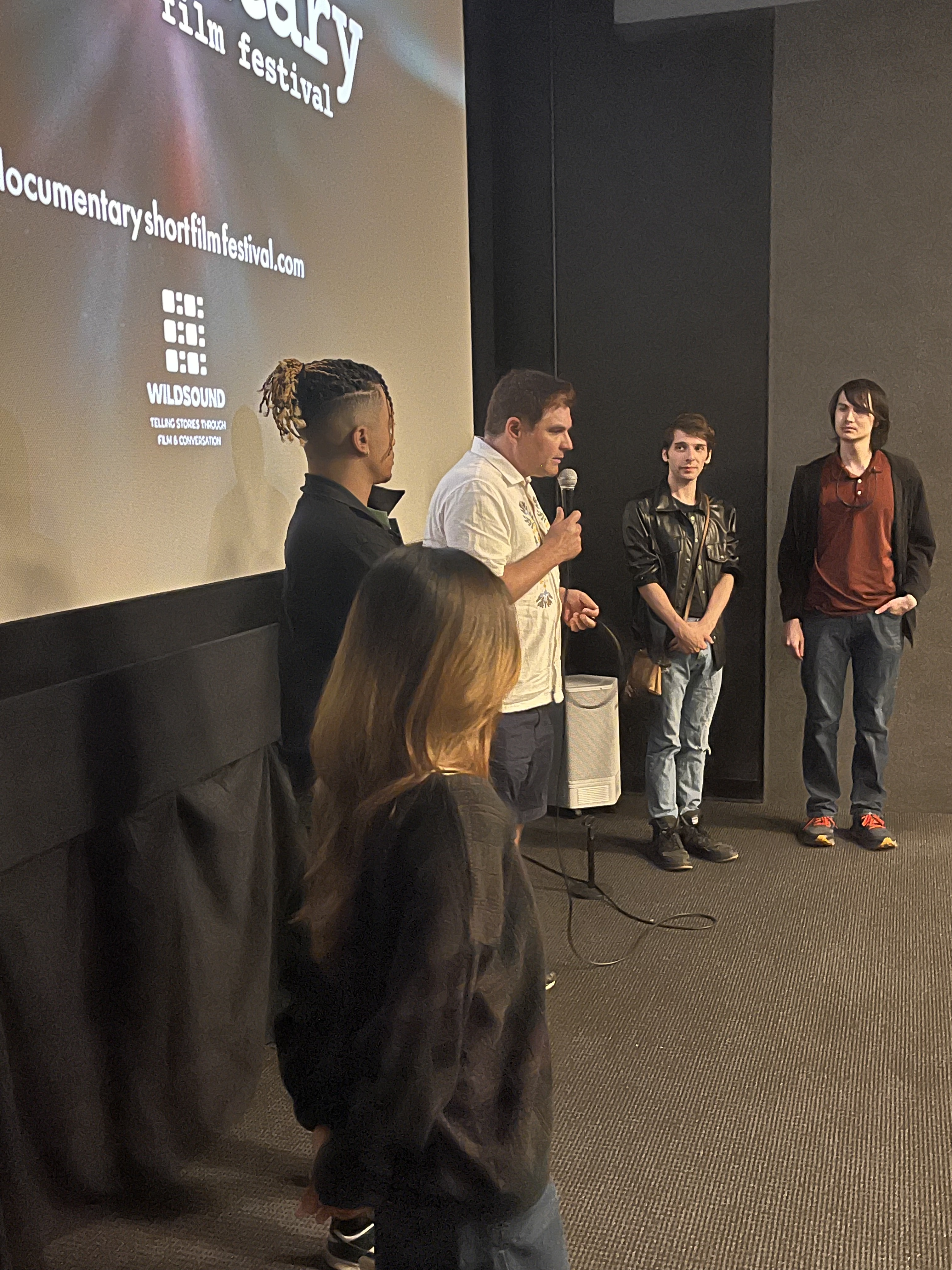
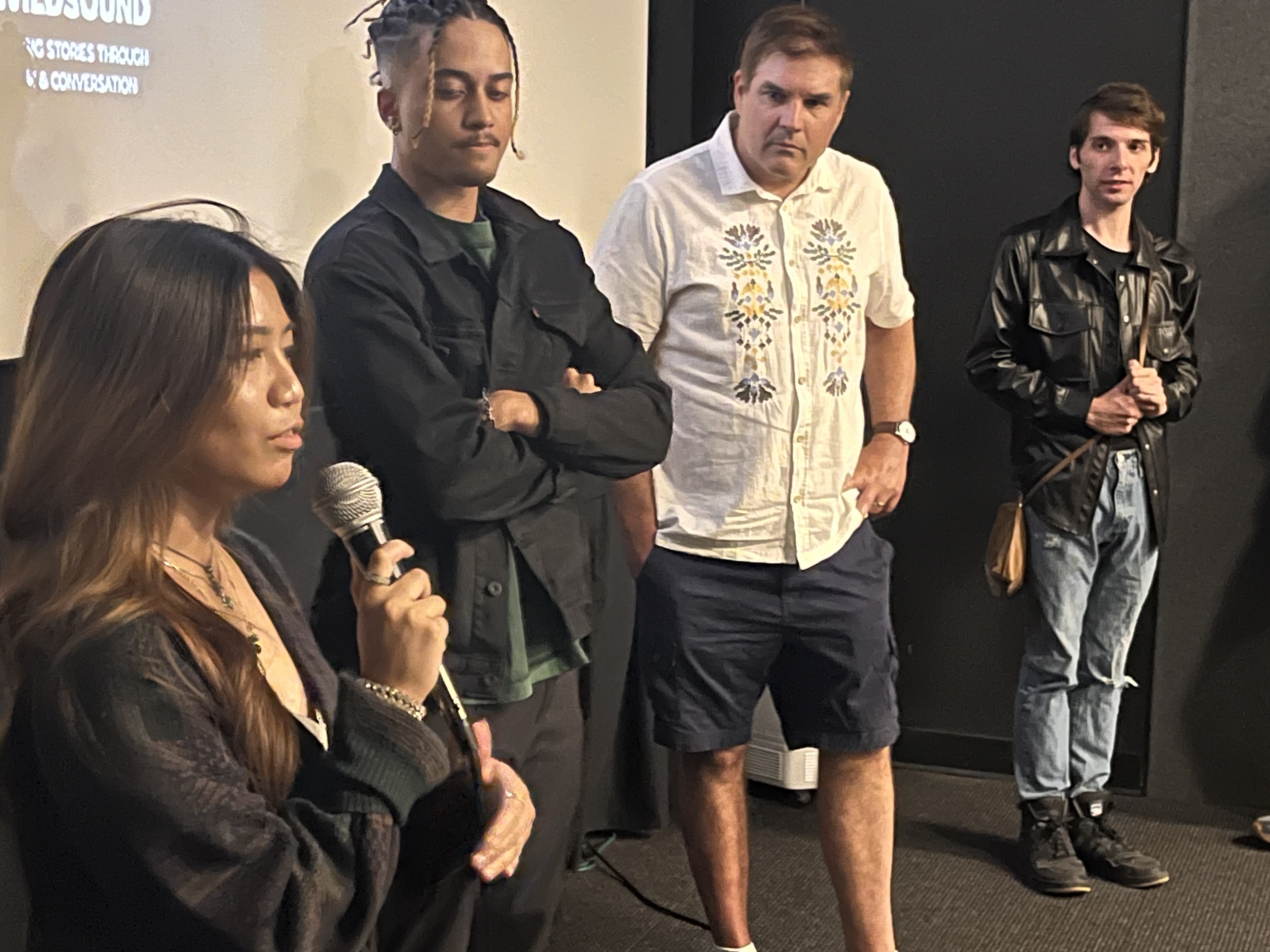
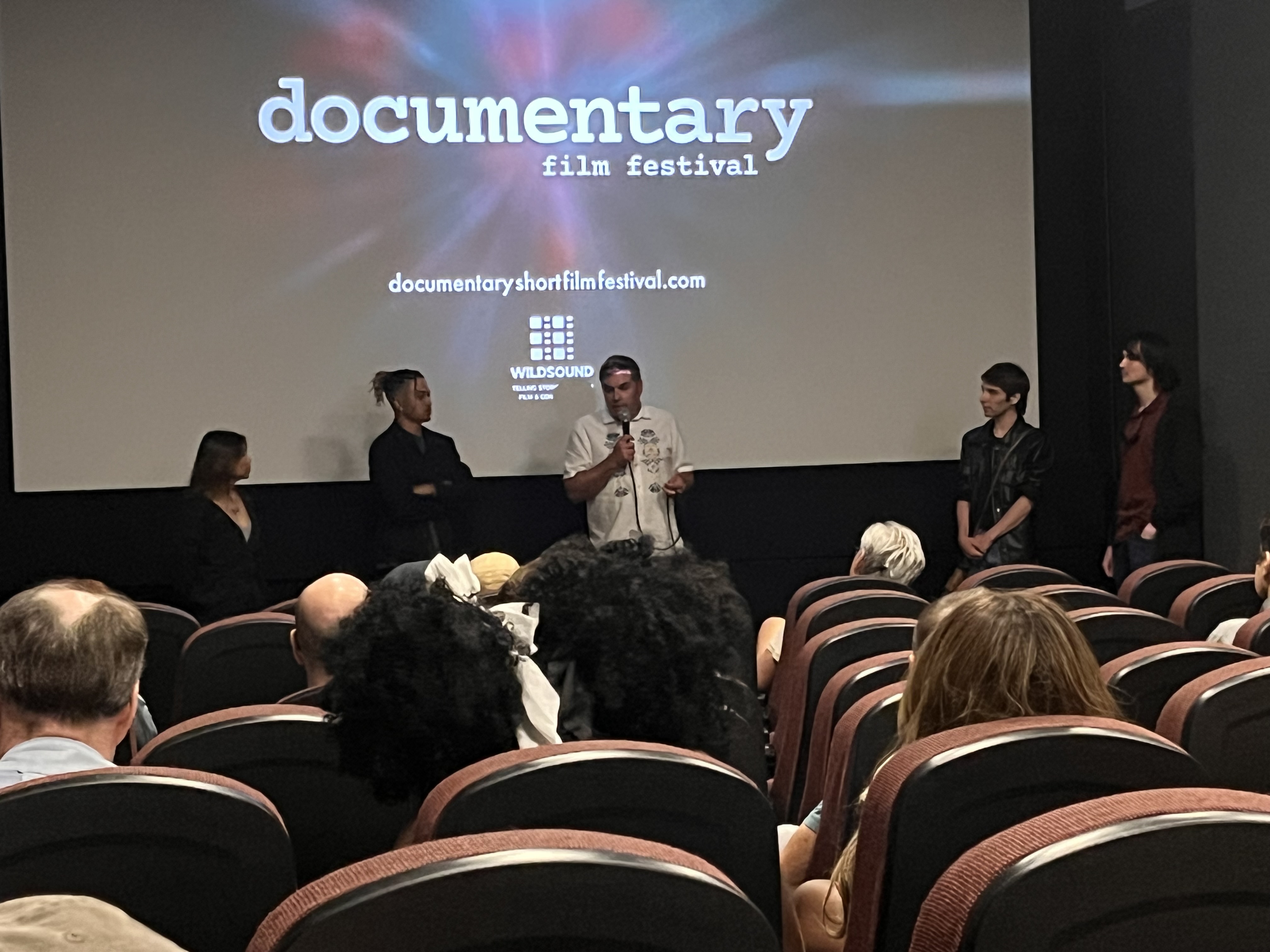
IN-PERSON screenings and HYBRID Festival Mode: Entering its 9th year, the Toronto & Los Angeles Documentary Festival now gives filmmakers 5 tiers to showcase and promote their film. (All accepted films get all five tiers).
1) Screening #1: Where you will obtain your audience feedback video.
2) Screening #2: (optional) virtual festival (48-hour promotional showcase) on the film festival streaming service.
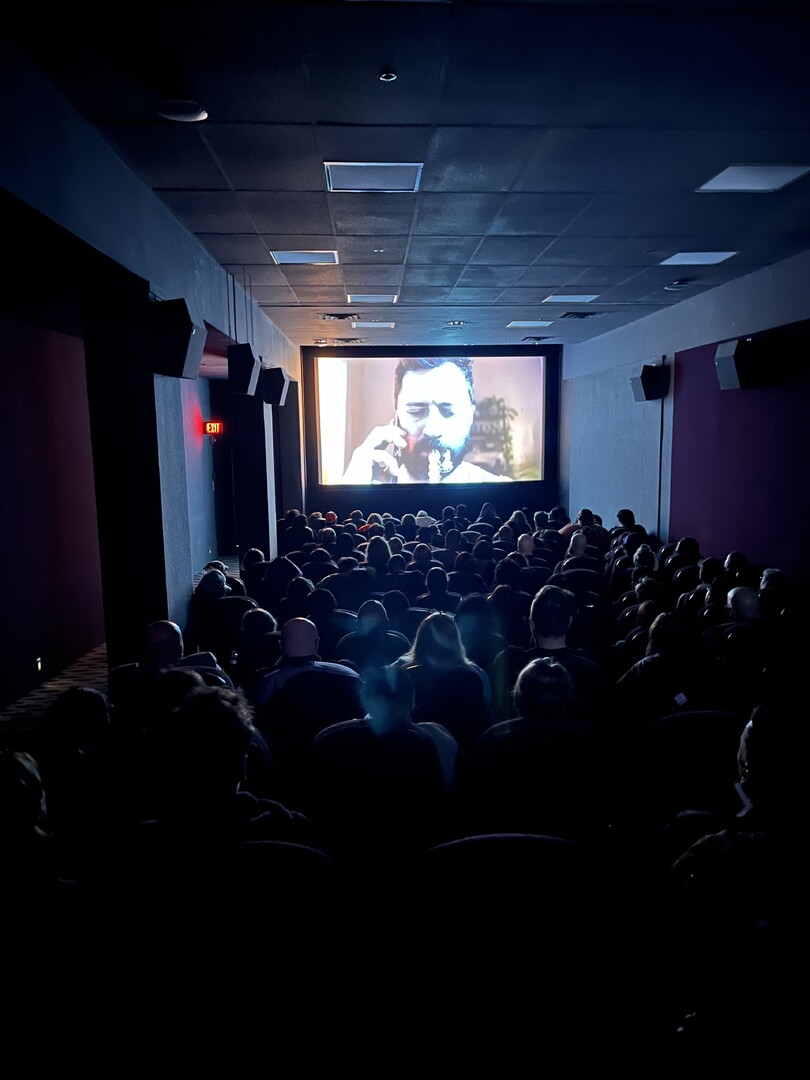
3) Screening #3 at a sold-out public screening at the Carlton Cinemas in Toronto OR the LA LIVE Regal Cinemas in downtown Los Angeles. (note: 3rd screening only for short films and also not guaranteed for the guaranteed submission option.)
4) Podcast interview at WILDsound Radio on ITunes
5) Blog interview promoting you and your film.
The first film festival screening gives you our award-winning audience feedback videos made for the short & feature films.
Since 2016, the FEEDBACK Film Festival has been showcasing the best of documentary short films. We now will be showcasing a documentary film festival every month in the heart of downtown Toronto at the Carlton Cinemas.
Thank you for awarding “Best Direction” to our film SWEET DREAMS! So humbled by the recognition. This festival is by far one of the best we’ve screened in. The feedback from audience members was inspirational; the podcast interview is one-of-a kind; the additional screening online brought us into homes across the world and communication from staff was timely and professional. WILDsound makes filmmakers feel welcomed, seen and supported–highly recommended!
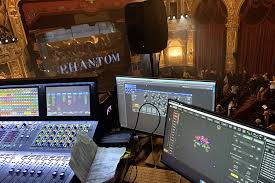
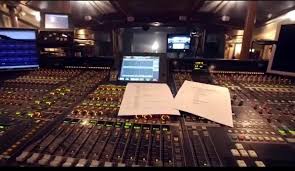
Tony Dawe has definitely witnessed a lot of things on set working sound, working on over 120 productions in the last 40 years. It was an honor to interview him after the craft of sound mixing on set and preparing the post-production sound department.
Matthew Toffolo: How would you describe what a sound mixer does in one sentence?
Tony Dawe: I don’t think you can describe it in one sentence, as the job encompasses so many different variables. To get the best sound really starts with reading the script, and then going on the recces to look at all potential problems on set, background noises, can we do anything about it, where the sparks want to put their generators, are we under a flight path etc. Talk to the director to see if they have any special things they want done with the sound. Go and see the costume department and find out if there are any potential problems with the artists costumes, as every artist now has to wear a radio mic on films and TV. Inspect the sets when they are built, and with all the props in, to look for squeaky floors and other minefields. Liase with the DOP, to see what he is trying to achieve, and how we can work with him on set without interfering with his lighting. There are many other things I could mention!
OK, in one sentence: Get the best possible sound under any circumstances that will enable the audience to follow the plot without saying “What did he say?”
MT: Is there a difference in your job description when you work on a drama like “The Hours (2002)” in comparison to working on a genre action like “Indiana Jones” or “Alice in wonderland”?
TD: If you mean, do I work in exactly the same way on both types of production, the answer is yes. Weirdly though in TV, my job credit is Sound Recordist, and in Feature films it is Production Sound Mixer; however its still the same job. Do I feel there is more kudos working on a large film rather than a TV film just because of the job description, no I don’t.
MT: You’ve worked on many Tim Burton productions. How is your working experience with him. How is he different than other directors?
TD: I have worked with Tim since “Batman” in 1987. I love working with him as there is always a great creative atmosphere on set, and I have learned more about film making from him than any other director just by watching my monitor. For instance, watching how a shot develops through several takes until the timing and the acting and everything else comes together in that magic moment, and then the reaction from Tim when he knows that is the best take. Incidentally, with all the directors I have worked with, Tim is the one I talk to the least. I just don’t like to interrupt his creative processes by talking about trivial sound matters. We both trust each other completely job wise.
MT: You’ve been nominated for an Oscar in the “Best Sound” category 4 times. How has the Oscar experience been like? Were you surprised that you didn’t win?
TD: I was delighted to be nominated each time and someone has to win, but that doesn’t make the others into losers. Every year there a lot of amazing sound tracks that never even get mentioned in dispatches. Validation comes from within, and having honesty about your own work. You have to ask yourself if you did do a good job; the best you could in fact, if so, there is the validation.
Advertisement
MT: You were nominated for “Return of the Jedi”. What was that working experience like? How involved was George Lucas?
TD: George Lucas was very involved in the making of “Revenge of the Jedi”, and spent a lot of time on the sets. I got on very well with George, and we had many discussions about the use of computers in film making and where that was going to go. Looking back, of course he was absolutely right. He is a most incredible person and visionary and I really loved working with him.
However, working on “Revenge of the Jedi” (which was its original title), was very intense and not one of my favourite experiences.
MT: You’ve been working in the industry for 50 years on over 100+ productions. Is there a film or two that you’re most proud of?
TD: I’ve been a sound engineer for 58 years, starting at Abbey Road (before the Beatles!), and ABC television (405 line B&W!) before I even got to work in film in 1967 at Shepperton Studios sound department, so there are a lot of projects to think about.
There are two productions that I’m most proud about, the first is “The Sweeney” TV series in the seventies, where all of us on the crew were pioneers in using small lightweight 16mm cameras and the Nagra tape recorders for the first time in drama’s and making it work. The rule was, there would be no ADR, so the sound had to be usable all the time. I did not use any radio mics on that show, but I always had the final word on what we could do or not do as the sound department. That concentrated a few people’s minds on the set! I learned so much from that experience over the 53 episodes.
The second project was very similar, and was series 4-7 of “Inspector Morse” in the 1980’s. Again, although the company would budget for small amounts of ADR, it was expected that all sound would be usable, so I was very proud when they did use it all, and the sound received an award from Bafta.
I’m not overly proud of any of my feature film work, as all of the budgets included a large amount for ADR, (the money for which always has to be used), and most of the time they would prefer to ADR something instead of spending time doing another take. This does not apply to the wonderful Directors who fully understand the role of sound in film, and will always go again when asked by the sound department. As the blending of my recordings and other peoples is usually very good, who knows then what has been recorded by whom?
By the way, one of my most favourite films to work on was “Dean Spanley” (As a movie it is an underrated masterpiece, well worth finding the DVD and watching it).
MT: Is there a type of film you haven’t worked on yet that you would love to work on?
TD: Yes, I’ve never worked on a cowboy film (and never likely to in the UK!). Also I’ve only worked on one film that had war scenes in it, and I would like to do another one sometime.
MT: How has sound mixing changed from a technology and creative point of view from the year you started to today?
TD: It has changed absolutely, but mostly in the last 20 years. When I started in 1967, we were still using 35mm full coat magnetic film to record on at Shepperton studios. They did not even have a Nagra recorder to do sound effects on, only very large Leevers-Rich reel to reel recorders which were not portable. When I recorded my first film in 1969 as a sound mixer I used a Nagra 4 with a small Nagra mixer, and that worked well. Microphones were all Sennheiser 805’s, with no radio mics. This type of equipment continued well into the 1990’s, except I had added radio mics (to be used mostly for wide shots!) Then came DAT, and the early machines which were not reliable, and ran very hot (and I didn’t adopt until later). Eventually the DAT machines became as portable as the Nagra’s, and they worked very well, except on cold mornings when the rotating heads stuck to the tape and had to be warmed up with a hair dryer.
In the last 12 years or so, we have had hard drive recorders, which again improved immensely very quickly. I started with an 8 track recorder which proved to be rather quirky and difficult to use, and for 7 years I had a Deva 16 as my main recorder, which was very good, but I now have a Fusion10, and Fusion 12 which have no moving parts, except the mixing knobs on the front and work wonderfully well. I hope to acquire a Deva 24 in the future. Just think of that, 24 tracks in a machine not much bigger than a Nagra!
I adore digital recording immensely as it is so flexible and totally transparent. On my sound trolley I still have a wonderful Coopersound analog mixer at the front end which makes it sound a bit like a Nagra.
Editing sound with Pro Tools is a dream, and I wish it been around when I was editing sound at ABC TV in the sixties.
Some of the magic from the early days has gone however, such as being able to do impossible mixes with only one or two channels. Today we just record everything in the hope that there is enough there to satisfy the sound editor. I still use open boom mics for most things, with the radio mics there as a backup. Basically what I am saying is that there is now very little creativity left in my job. What I used to produce as a finished track that would find its way into a film or TV drama rarely happens any more, as the tracks are dismembered and remade in post production. I have been asked quite a few times how I mixed a particular editors track on a feature film, so that post could undo it and re-assemble the track. What is the point in that? Because what I do is so instinctive, that I can’t usually tell them.
As for the profusion of radio mics on set, don’t even get me started on that one. Most other people on the set think that it solves all the problems with sound that can arise, but in practice it gives many more problems than it solves, and sometimes it involves fiddling about with the actors and costumes, which they hate, and so do I. Unfortunately we are not in control any more as we are beholden to other departments.
MT: What makes a great sound mixer? What skills does he/she need?
TD: Firstly I think that you need a great deal of patience, no arrogance, or the “look at me” concept that some mixers have. Know your place in the hierarchy, be very confident with your own ability, and sometimes exceed the boundaries to see if you can do it, and own up if you can’t!
Never argue with a Director, but reasonably discuss possible ways of getting round a sound problem with them. Always be as pleasant as possible, as it gets you much further than aggression.
Oh… and it helps if you know what you are listening for!
****
Interviewer Matthew Toffolo is currently the CEO of the WILDsound FEEDBACK Film & Writing Festival. The festival that showcases 10-20 screenplay and story readings performed by professional actors every month. And the FEEDBACK Daily Festival held online and in downtown Toronto on the last Thursday of every single month. Go to http://www.wildsound.ca for more information and to submit your work to the festival.
Submit your Horror Short Story to the Festival, and we will automatically have it performed by a professional actor and turned into a promotional video for yourself.
Get FULL FEEDBACK on either the 1st chapter or entire novel book from our committee of Professional Writers, and Writing Consultants. Get your novel performed by a professional actor at the festival.
NEW OPTION: Or, just submit for an actor performance reading transcript of your novel (any 5 pages of your book). Great way to promote the sales of your book if you’re already published. (see examples on the video playlist below)
This festival has a guaranteed 4-tier set up for each accepted script. (No matter what, all screenplays submitted receive FULL FEEDBACK on their work.) 1) Full Feedback on your script 2) Actors performance video reading of your script 3) Blog interview promotion. 4) Podcast interview on the Film Festival ITunes show.
Summary: Researching transfusion therapy on different blood groups, something goes completely wrong when the test subjects start mutating and transforming into Zombie like creatures.
CAST LIST:
Narrator: Steve Rizzo Marv: Geoff Mays Ruby: Val Cole










 Festival Reviews