Devil Makes Three, 9min,. Canada Directed by Loken Charon When two punk bands are double booked to headline Halloween night, they must decide who will play before something else does.
1. What motivated you to make this film? Our team had just come off a featurette production with the same cast. There was a short film competition coming up shortly around halloween time and so we decided to try our hand at a low budget horror/slasher. We didn’t take it too seriously and just ran with what we had. Ended up becoming a fan favourite amongst the team!
2. From the idea to the finished product, how long did it take for you to make this film? We wrote it over a couple of weeks and then shot it over two days which were nearly a week apart. Post Production probably took me another 10 days or so!
3. How would you describe your film in two words!? Punk Insanity
4. What was the biggest obstacle you faced in completing this film? We were on a bit of a time crunch with the locations we were using, so we did not get to have any rehearsals for the cast or crew and we had to make sure we got our shots done quickly. We only had the two locations for less than a day each.
5. What were your initial reactions when watching the audience talking about your film in the feedback video? I was just eager to hear what they thought! It was a bit of an ambitious film for our team to complete in two short shoot days, so hearing that the audience enjoyed the film was wonderful to hear!
6. When did you realize that you wanted to make films? When I saw Hereditary on opening night in 2018 I knew then and there that I wanted to make horror films. I started out in Editing and it wasn’t until the COVID-19 pandemic where I decided to get into Writing and Directing to fill my time!
7. What film have you seen the most in your life? That’s a hard guess. I think it might be either Finding Nemo or A Bug’s Life. I watched those films over and over again growing up.
8. What other elements of the festival experience can we and other festivals implement to satisfy you and help you further your filmmaking career? I think the audience feedback videos are such an underrated tool for filmmakers to get first impressions and personal reactions from people about their work. Something I would like to see in the future is a detailed rundown from the judges on why your film was chosen for a specific award, and then having an opportunity for the filmmaker to talk about those key points for others to hear/read. Maybe in a workshop or separate interview. I think if we can hear firsthand from a filmmaker about why their film won an award will give other filmmakers some valuable insight into how films are graded and what elements to consider when submitting to other festivals.
9. You submitted to the festival via FilmFreeway. How has your experiences been working on the festival platform site? I’ve been using FilmFreeway for a while and I personally have enjoyed how the platform operates. Simple and easy to use!
10. What is your favorite meal? I’m a big fan of pasta. Lasagna or Spaghetti Bolognese are top favourites!
11. What is next for you? A new film? I am working hard at getting a feature film off the ground!
inner necessity, 10min., USA, Experimental Directed by Ethan Wagner “The artist is not only justified in using any form necessary for their purposes, but it is [their] very duty to do so.”
Get to know the filmmaker:
1. What motivated you to make this film?
“inner necessity” is the first in a four-part film series I created, inspired by some of the great abstract painters. This piece draws from the work of Wassily Kandinsky, often regarded as the inventor of abstract art. In his book Concerning the Spiritual in Art, he argued that art should not only depict what we can see, but it should also express what he called our inner necessity. He envisioned a future where audio and visual art would eventually merge into a single art form.
Given the current discourse around AI-generated art, I saw this as the perfect opportunity to explore how new technology can shift our understanding of and relationship to art. Much like the invention of the camera during Kandinsky’s era, AI now offers new possibilities for creative expression, both in collaboration with it and in response to it.
Inspired by action painters like Jackson Pollock, I recorded the audio in a single, improvised take. I then generated visuals influenced by Kandinsky’s paintings and his philosophy, combining the two guided by my own inner necessity to create.
2. From the idea to the finished product, how long did it take for you to make this film?
The audio recording for the film took exactly as long as its length, so 9 minutes and 57 seconds. It took me about a month and a half to generate and compile all the animations.
3. How would you describe your film in two words!?
neo-abstract expressionism
4. What was the biggest obstacle you faced in completing this film?
The time it took to generate the animations was the longest part of the process, but that was limited by how much I was willing to pay to speed up the process. I could have gone faster.
5. What were your initial reactions when watching the audience talking about your film in the feedback video?
One of Kandinsky’s hopes was that the form and color of a picture would allow the observer’s mind to wander and find their own meaning. People seemed to have this experience with the film, so that makes me happy!
6. When did you realize that you wanted to make films?
I grew up making music, so that has always been a part of my life. Once AI video generation became available, it gave me a way to bring the images in my mind’s eye to life. My ability to express myself visually has continued to grow ever since.
7. What film have you seen the most in your life?
I love physics so it would probably be Oppenheimer.
8. What other elements of the festival experience can we and other festivals implement to satisfy you and help you further your filmmaking career?
This is the first time I have submitted to a festival so I have no complaints.
9. You submitted to the festival via FilmFreeway. How has your experiences been working on the festival platform site?
It was my first time and it was pretty easy.
10. What is your favorite meal?
Sushi!
11. What is next for you? A new film?
I am working on the rest of the abstract film series, as well as making a multi-sensory immersive experience using all five senses with my wife.
The Once Upon a Time that Never Was, 3min., Canada Directed by Deb Ethier Animated experimental music video for the original song “The Once Upon a Time that Never Was”. With words and music by Deb Ethier and sung by Belén Mariscotti, the song evokes those compelling (and often disquieting) moments from childhood fairy tales, challenging our memories of them.
Get to know the filmmaker:
What motivated you to make this film?
I was an avid reader as a child and devoured volumes of folk and fairy tales, most of them in their original (as in “non-Disney”) forms which tended to be dark-ish and sometimes didn’t have happy endings. I was fascinated with the idea that the world holds so much more than we see. The song emerged from this, but also the fact that memories (like my memories of that time) are often at odds with the reality.
My interest in traditional Celtic music is, I think, also reflected in the song.
From the idea to the finished product, how long did it take for you to make this film?
Interesting question, the answer to which could be three years or could be one month! I wrote the song in 2022 and recorded it, but it sat around in a basic form until I fleshed it out and had it mastered this year. In the meantime I was developing the layered technique that I ended up using in the finished film.
How would you describe your film in two words!?
Evocative. Wistful.
What was the biggest obstacle you faced in completing this film?
At first, finding the right vocalist (but Belen Mariscotti knocked it out of the park!).
What were your initial reactions when watching the audience talking about your film in the feedback video?
It’s amazing to know that my vision translates well to others!
What other elements of the festival experience can we and other festivals implement to satisfy you and help you further your filmmaking career?
You folks do it right! The reaction videos and interview/podcast opportunities are really helpful with marketing.
You submitted to the festival via FilmFreeway. How has your experiences been working on the festival platform site?
I’ve used FF since 2016 and it’s always worked well for me, but that’s because I do the crucial step of researching a festival before entering it.
What is next for you? A new film?
My standard answer – there’s always a new film (or two!).
KHENTOPIA, 72min., USA Directed by Job Michiel van Zuijlen Khentopia is a peaceful society on the planet Zeeray, where ethereal energy generated through chanting at Harmony Center is used to feed a protective shield that envelops the planet. All is well, until one June morning in 2502, the crew of raider ship Space Wolf is intent on breaking through the shield to carry out a pillage mission. They succeed in obliterating the ethereal power generation and so the protective shield. On top of that, a parallel universe emerges with an alternate Khentopia that is harsh and hostile.
The idea for Khentopia already existed for another story, but the inauguration of Trump 1 in 2017 made me think that we had entered a parallel world. I developed a new story with that in mind.
2. From the idea to the finished product, how long did it take for you to make this film?
It took about seven years. To get the story itself right was a challenge. I knew the beginning and the end, but I struggled with the middle.
3. How would you describe your film in two words!?
Khentopia regained.
4. What was the biggest obstacle you faced in completing this film?
Because it took such a long time, the biggest challenge was to stay interested. It is also a lot of work, and some scenes are necessary but kind of tedious to do.
5. What were your initial reactions when watching the audience talking about your film in the feedback video?
I was pleasantly surprised by the insightful comments, especially from the second woman. She was able to distill various elements that I had put into the story and expressed them clearly.
6. When did you realize that you wanted to make films?
Making films has never been my profession, but I have composed music for a few animated films in the past. That got me interested in making animated films myself and I started about 15 years ago.
7. What film have you seen the most in your life?
Generally, I’m not someone who will see a film more than once. I have seen “Strangers in a Train” a few times. Hitchcock films are worth seeing at least a second time. At the moment, I like discovering movies I have never seen before, especially old black-and-white ones, which can now be viewed on streaming platforms.
8. What other elements of the festival experience can we and other festivals implement to satisfy you and help you further your filmmaking career?
I think the biggest challenge for any independent filmmaker is to get some kind of distribution, so if festivals could add assistance for that to their offering that would be a great help.
9. You submitted to the festival via FilmFreeway. How have your experiences been working on the festival platform site?
FilmFreeway has worked out very well and they come through when something goes wrong with a festival. I had that a few years ago when a festival was suddenly cancelled. FilmFreeway reimbursed the entry fee. I appreciate that.
10. What is your favorite meal?
This may change in the future but currently it is Massaman Curry with Duck.
11. What is next for you? A new film?
I have a few film ideas. One is another Sci-Fi feature film, but it will be a challenge to make because of the work involved. I’m polishing the script of that one. I also have a few short films that I’m developing.
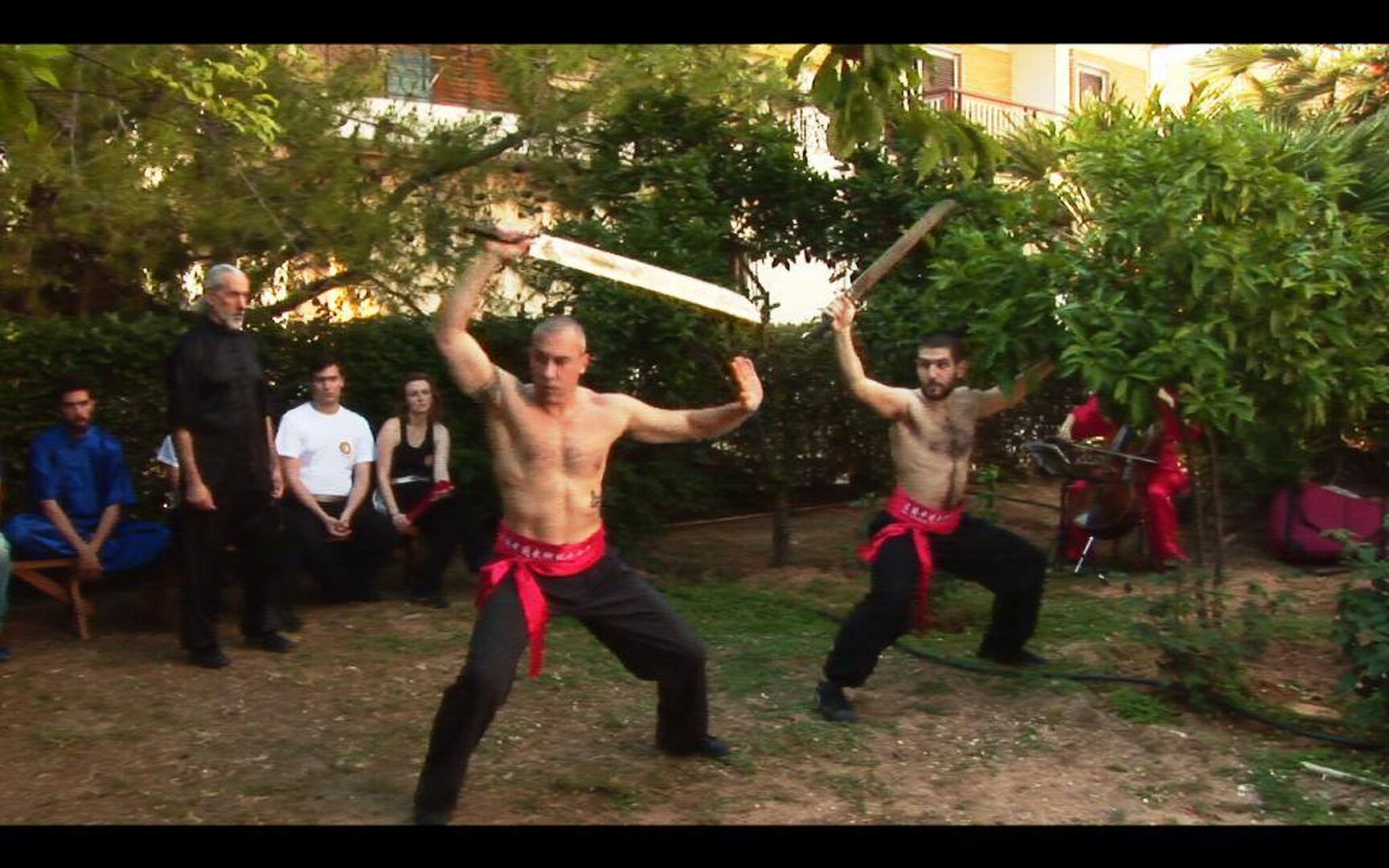
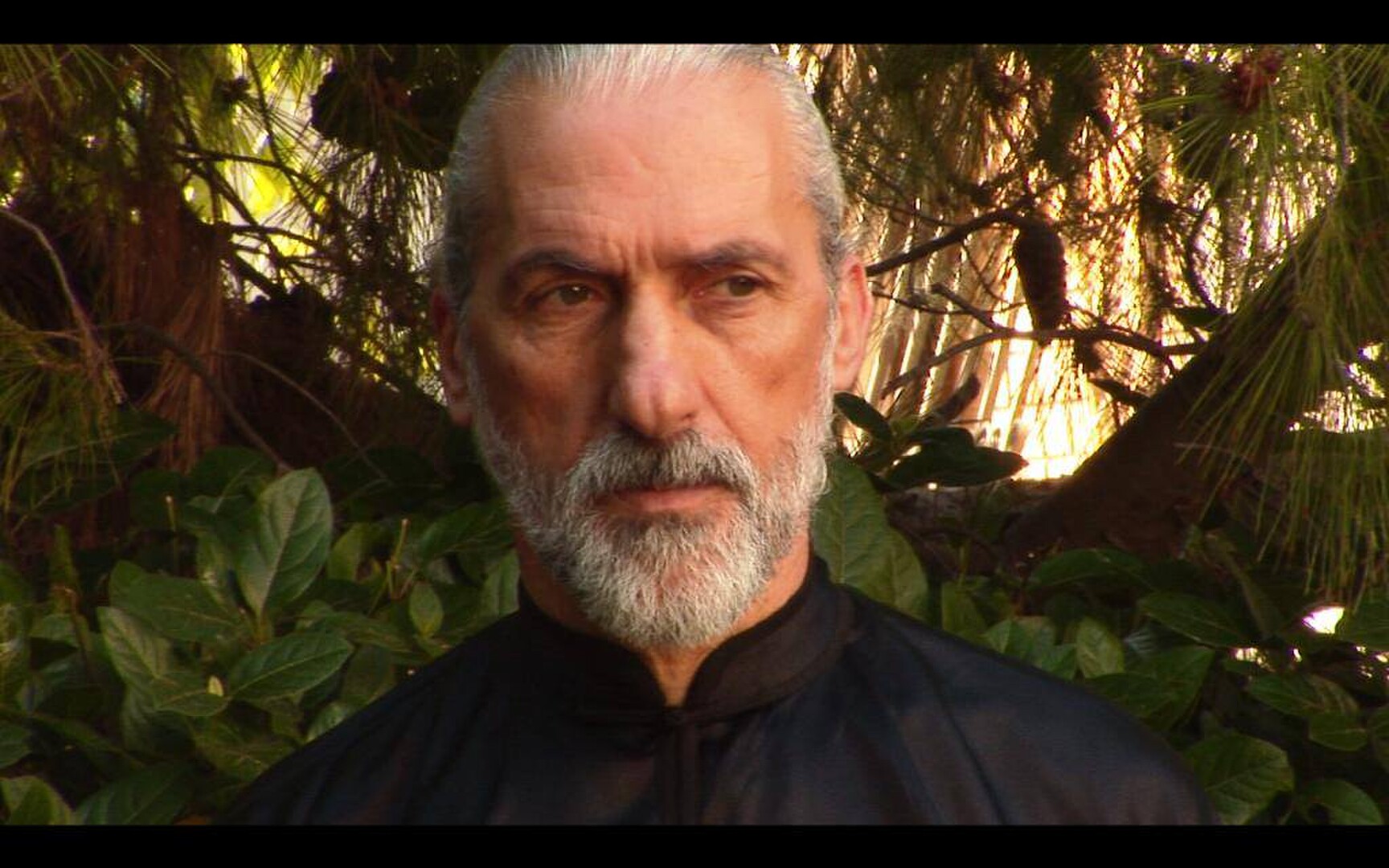
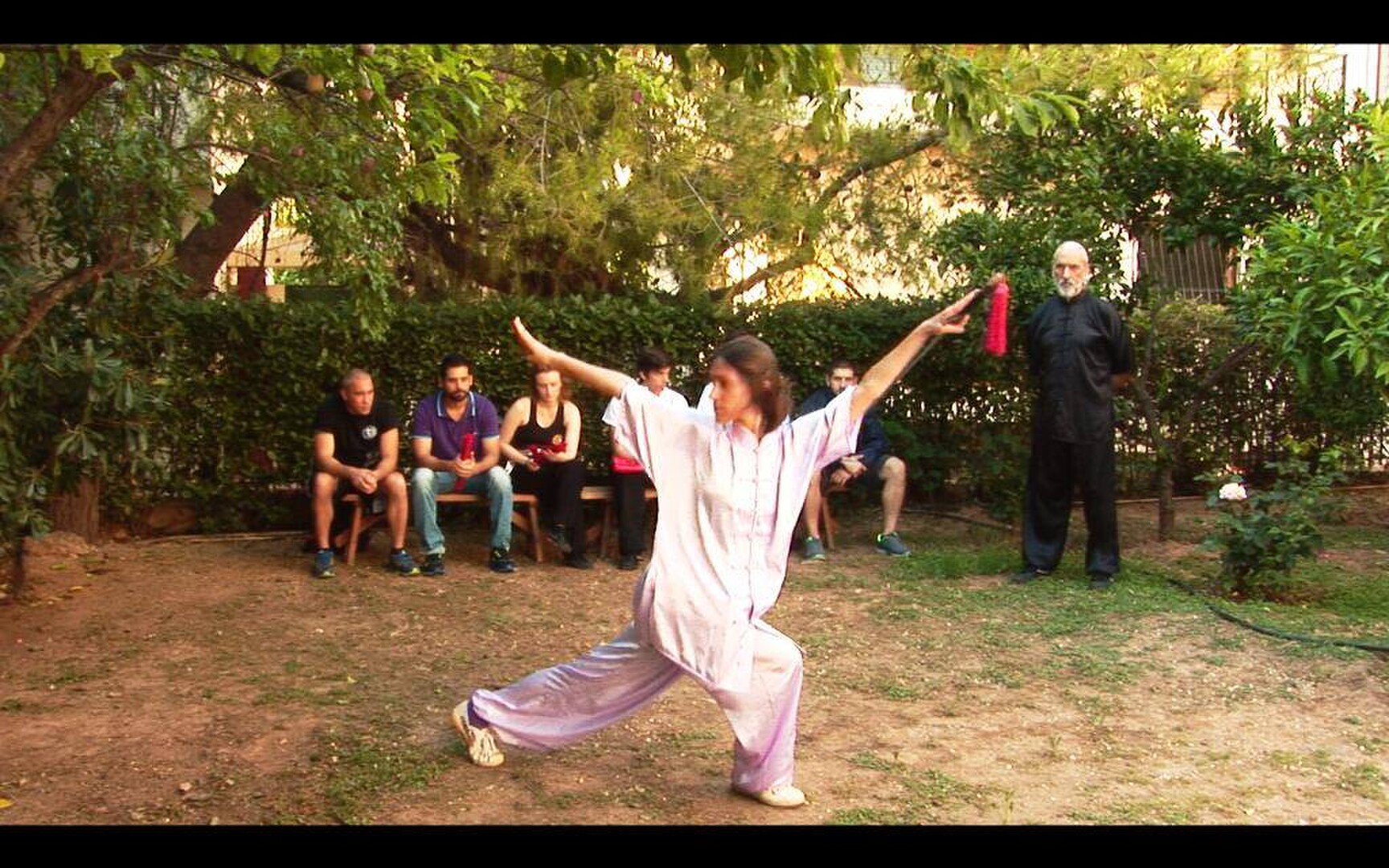
The Razor’s Edge, 67min., Greece Directed by Christos N Karakasis, Χρήστος Ν Καρακάσης The first Greek documentary about the art of Kung Fu by the Director and Producer Christos N. Karakasis with the central figure being the teacher Sifu Kyriakos Eleftheriou.
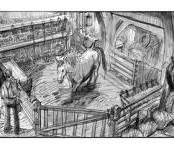
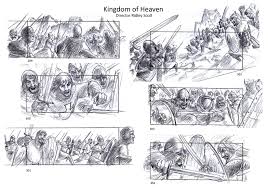
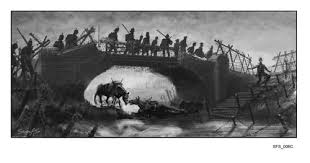
A storyboard artist, or story artist, creates storyboards for film productions.
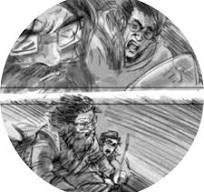
I had a blast sitting down with the very talented storyboard artist Stephen Forrest-Smith. Stephen has worked on some of the most popular films in the last 15 years, including “The Dark Knight,” the last three “Harry Potter” films, and last year’s “Star Wars” film.
His candor in the following interview is educational and very entertaining. Enjoy:
Matthew Toffolo: When coming aboard a project on a Hollywood film, how does the process generally work? Do you start with a preliminary chat with the director about themes etc..? How early do you arrive before production? When do you generally exit the job?
Stephen Forrest-Smith: There really is no normal to my job anymore. Every project seems to be different now and asks for a different approach. A film project could call on a storyboard artist at any stage from pre-pre production, ( when the film is trying to get funding) right the way through to post production for VFX, (after principal photography has been completed). The bulk of my work tends to be early in the pre-production taking the first pass at sequences to get the ball rolling on them. Usually I’d start with a chat with a Director, though it could be VFX supervisor or production designer and then work on from there. I used to expect to finish when filming starts but now I might stay almost to the end of shooting then be called back for reshoots and post production.
Matthew: How was your recent experience working on the live-action version of Beauty and the Beast with director Bill Condon?
Stephen: Beauty and the Beast is shaping up to be a really beautiful and wonderful production of the fairytale. I didn’t work directly with Bill Condon but instead was briefed by Tobias A. Schliessler, the director of photography. This doesn’t happen very often but I like working with the DOP as I get to see more of the technical side to the filmmaking process. The film also has many amazing musical routines that were carefully choreographed which needed storyboards added to them. This was fun as I never work on a musical before. I think this is my favourite part of the job – getting to work with and learn from such a variety of very talented people across all the departments.
Advertisement
Matthew: World War Z is such a visual film. How many boards did you do for that film?
Stephen: World War Z was a very troubled production, which stumbled to the finish somehow! I think that film chewed up 5 storyboard artists over its run. I had two spells on that job. The first spell I worked on the escape from Malta sequence. I returned to work with the second unit director the battle for Moscow part which was cut from the movie.
Matthew: When you watch the final product, like Star Wars for examples, and you see your visual designs on screen in live-action, how does that feel? It must be a goose-bump experience.
Stephen: It’s always a strange feeling watching the films that I’ve worked on. Its quite a long time between finishing on them and seeing them in the cinema. I might have worked on two or three films in-between seeing the finished movie. This means I tend to sit there trying to remember what i drew for which part of the movie and if anything made it! Sometimes a sequence will run out just as it was storyboarded then you get a feeling of “deja vu”. Other times its nice to sit back and watch the response of the audience to see if a moment works or not.
Matthew: You’ve been credited as being a “Conceptual Artist” in films like Speilberg’s War Horse. What does that job detail?
Stephen: Conceptual Artist is a cover all title for film illustrators / 3d artists / designers who are involved in the initial visualising of the designs of the film. It can also include producing images on the sets as they are being designed to communicate them to the director and producer.
Matthew: What’s your ideal working experience with a director?
Stephen: For me the most satisfying part of the job is seeing the boards being used on set and being shot from. Making movies rapidly becomes an insanely complicated endeavor and a good set of storyboards is the best way of communicating to all the crew what they are all trying to achieve. A director who’s invested in the boards and wants them to be used, and sent out to the crew is my ideal.
Matthew: You also worked on The Dark Knight, which ended up being an iconic film. Did you expect it to be so popular? What part of the film did you do boards for?
Advertisement
Stephen: I was very excited to work on The Dark Knight, Chris Nolan was my favourite director at the time. It was clear from reading the script that he had a great take on the Joker that Heath Ledger went onto realise. My friend Jim Cornish got me the job. Jim was booked to go onto Harry Potter and the Half blood Prince so he recommended me to come and finish off for him. He had done the bulk of the work when I started so I had amendments to make on his sequences. I then drew the Jokers attack on Bruce Wayne’s apartment and Batman and Two Face’s stand off at the end of the film. Yes I did expect it to be popular as Batman Begins and had been a big hit already.
Matthew: When is does the “I’m now allowed to talk about it” statue of limitations with Star Wars end? When are you allowed to talk about your experiences working on the film and put the storyboards that you worked on for the film in your portfolio?
Stephen: I think this is the most onerous part of the job now. We have to sign NDA’s for every project and they last forever. So I shouldn’t talk to you at all!
Matthew: Do you have a storyboard mentor?
Stephen: The person who not only gave me my break but was the best mentor ever was Stephen Sommers of “The Mummy” fame – His best advice was ‘ don’t give me hundreds of angles but show how few shots I need to shoot the sequence”. I’ve kept that as my philosophy since and i love the rigour of working in this way.
Matthew: What film have you seen the most in your life?
Stephen: The Directors I return to again and again are Alfred Hitchcock, Akira Kurosawa and Sergio Leone. So probably “North by Northwest”, “Seven Samurai” and “Fistfull of Dollars”. Not a moment is wasted in their movies – they are true cinema for me.
Matthew: Do you worked on over 30 productions in the last 17 years. Do you have a favorite working experience?
Stephen: I’m sure I’ve worked on more than that!!! My jobs can vary from a days world to years so I’ve done a lot now. “The Mummy” is still by far my favourite ever film experience as every moment was exciting and new. I’d also taken a big gamble changing my career from architecture to film and the Mummy was my first chance to make the gamble work out. I started with a two week trial then worked on for 9 months storyboarding the whole film on my own. I got to travel to Marakesh and the red sahara. Got to swim in a swimming pool with Kate Winslet and rode on camels in the Sahara. Not bad for a first job.
_____
Interviewer Matthew Toffolo is currently the CEO of the WILDsound FEEDBACK Film & Writing Festival. The festival that showcases 10-20 screenplay and story readings performed by professional actors every month. And the FEEDBACK Daily Festival held online, and in downtown Toronto on the last Thursday of every single month. Go to www.wildsound.ca for more information and to submit your work to the festival.
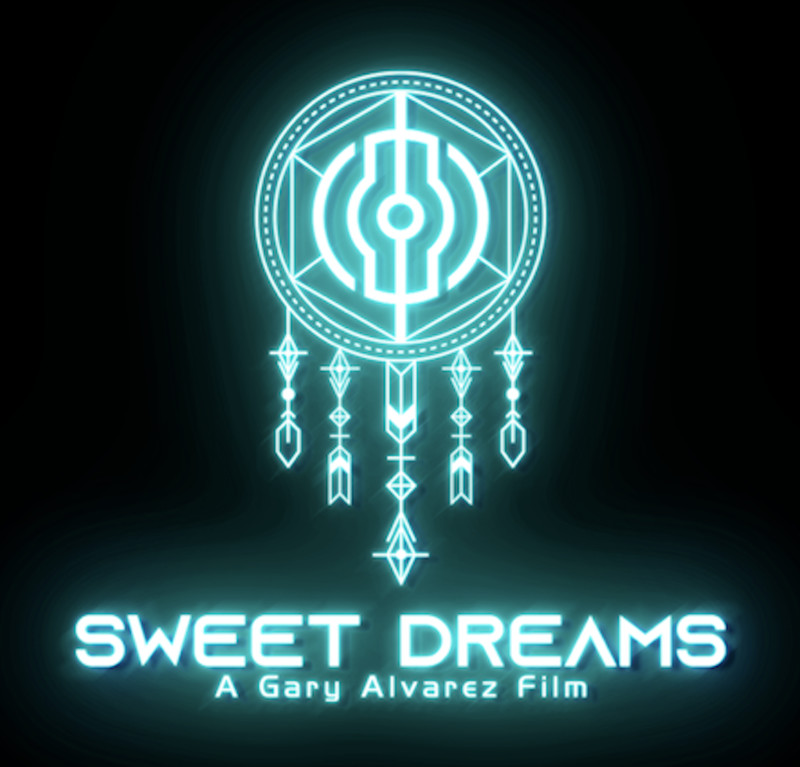
SWEET DREAMS, 34min., USA Directed by Gary Alvarez Set in the near future when most people can no longer dream, “Sweet Dreams” follows the story of Esperanza, a young woman who’s excited to be a mom for the first time. Weeks before the baby is due, her partner Kiké goes missing. As she searches for him and her savings dwindle, she comes across an opportunity to make some quick money: surrogate dreaming, a new technological advancement which allows her to sell the dreams of her unborn child through a dreamcatcher clinic. After a trial run, Esperanza begins to suspect that the clinic is somehow connected to Kiké’s disappearance.
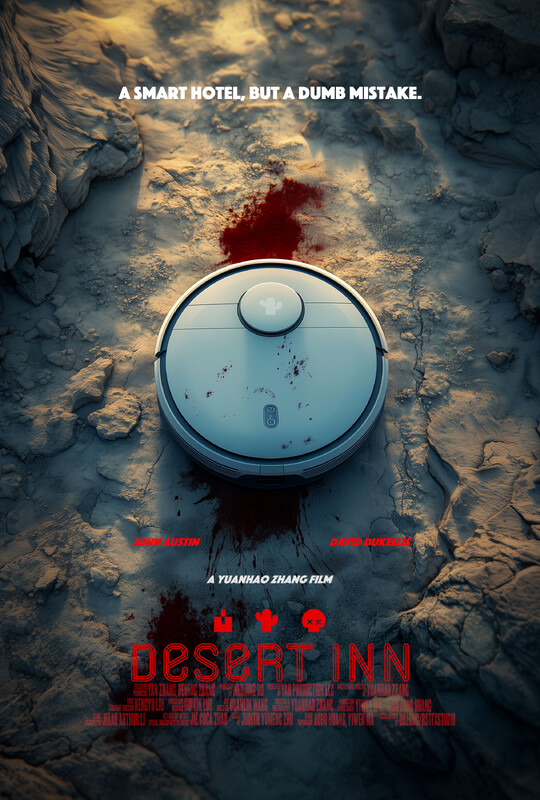
DESERT INN, 8min., USA Directed by Yuanhao Zhang Arthur, a primitive anti-electronics hillbilly, must confront Jim, the young electronics-enthusiast receptionist at a smart-device hotel in the desert, in order to find a room for the night and defend his traditional way of doing things.
Triggered 2.0, 22min,. USA Directed by Mario Ricardo Rodriguez, Marcus Nel-Jamal Hamm A diabolical madman known as The Director 2.0, with a vendetta against Wolverine, plots a way to take his powers and use him as a distraction as he enacts his ultimate means of destroying all superpowered beings, by pitting him against his one ally, Blade, in a fight to the death. Lucas Bishop must find a way to break free of his control so he can save his friends and the rest of humanity.
Tendon, 13min,. USA Directed by Jannik Ehret Recovering addict Rene sees a creature poison the city’s water supply and has to convince his skeptical sister and her no-nonsense boyfriend to stay away from the tap water.
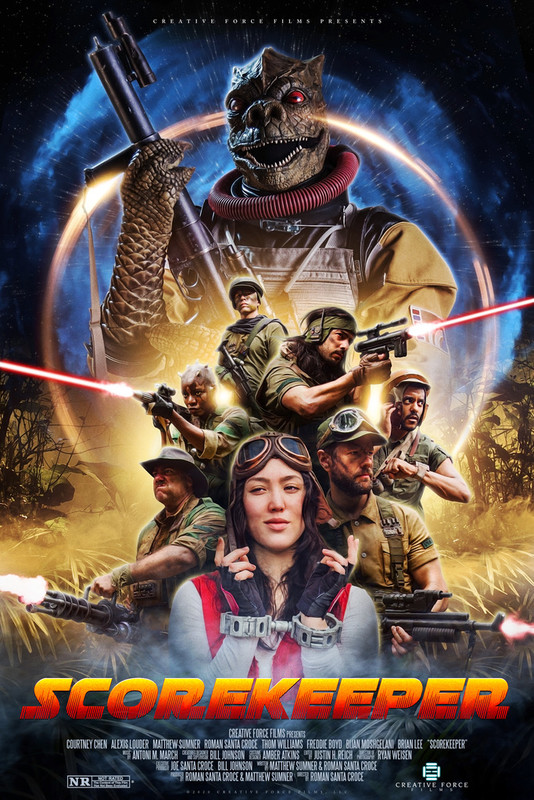
Scorekeeper: A Star Wars Fan Film, 16min., USA Directed by Roman Santa Croce An Elite Rebel Team infiltrates an Imperial outpost on a mission of securing an asset that has vital information. Unbeknownst to them, they are not the only ones on the hunt.
LEFT, 15min., Egypt Directed by Seif Abdel Raouf “Loay,” a young man invites his friend “Oday” over to help him move into a new house. As “Oday” finishes bringing in boxes, “Loay” asks him for one last favor: to take a specific box upstairs while warning him to avoid the mysterious room on the left. Curiosity gets the better of “Oday”, and he enters the forbidden room, initially finding it ordinary. However, he soon hears unsettling knocking from the room bathroom and discovers that each time he closes the door, the knocking resumes.
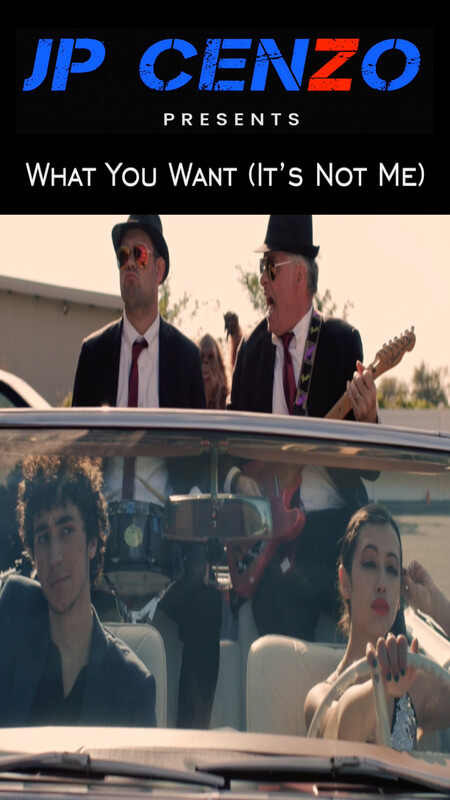
JP Cenzo – What You Want (It’s Not Me) Official Story Video, 4min,. USA Directed by Paul Cenzoprano JP Cenzo band music story video, the birth, life and death of a relationship.
The Abiding, 11min., USA Directed by Ally May A lonely woman reminieces about the three great loves of her life while she decides if trying again is a risk worth taking.
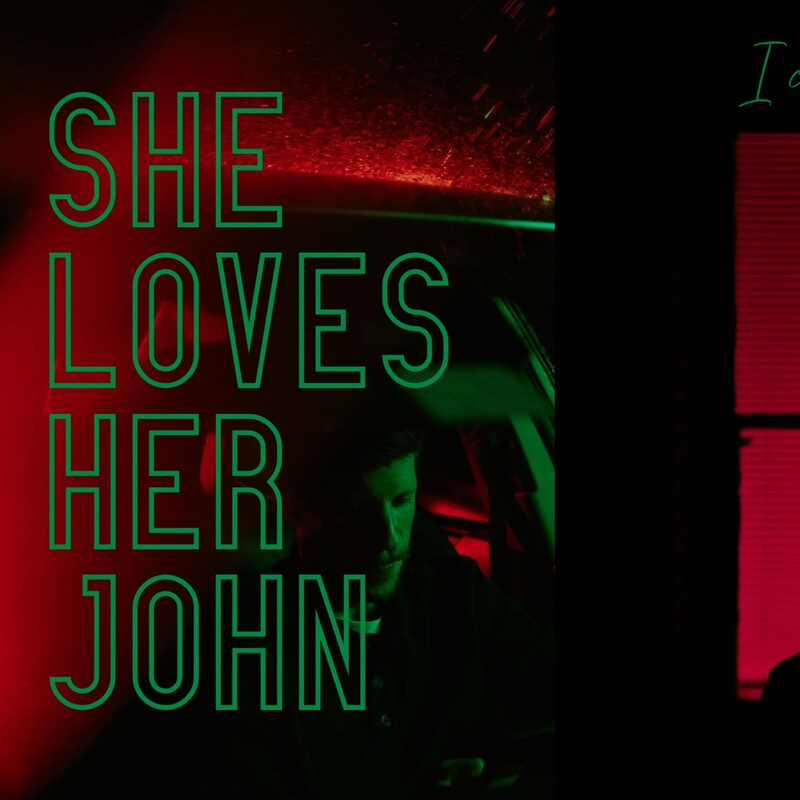
She Loves Her John, 7min., USA Directed by Ivan Alejandro Rivero “She Loves Her John” is a story about redemption, the feelings that arise after betrayal, and the thoughts of moving forward.
Sun Poisoning, 13min,. Canada Directed by Chelsea Hana Williams Sun Poisoning is a coming-of-age short film that follows Ellie and Neil – a young couple who begin to realize that the foundation of their lifelong relationship is not as steadfast as they once thought. Coming to terms with losing what was once an anchor point of certainty, they embark on a poignant journey as they navigate towards unfamiliar roads.
The Abiding, 11min., USA Directed by Ally May A lonely woman reminieces about the three great loves of her life while she decides if trying again is a risk worth taking.










 Festival Reviews