Children in Exile, 58min., USA Directed by Christopher Swider In Children in Exile survivors of Soviet deportation to Siberia describe their experiences as the youngest victims of the Soviet system. These crimes against humanity have never been legally confronted, and as one of the interviewed victims states, “a crime should be called a crime.”
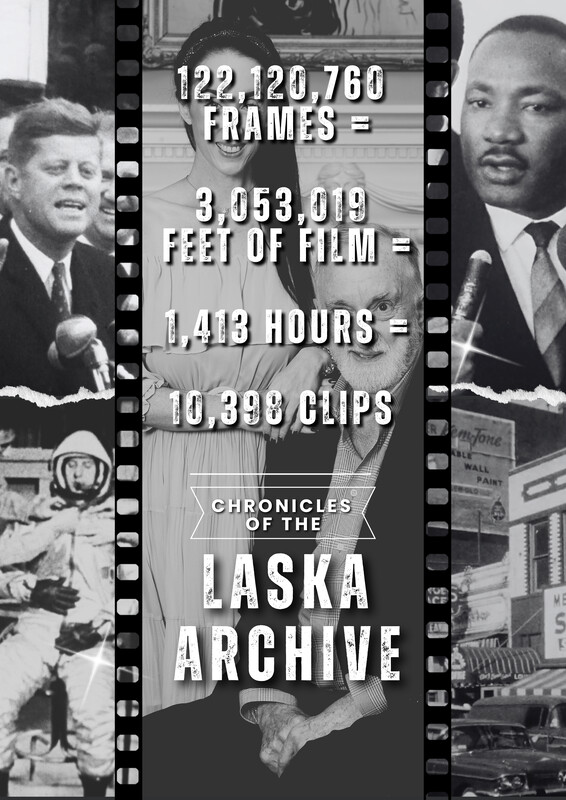
Chronicles of The Laska Archives, 38min,. USA Directed by Jennava Laska A documentary about the creation of one of the largest private archival 16mm film collections in the world. A self-confessed “pack rat” father, Lewis and his filmmaker daughter, Jennava brought this archive back from the brink of being lost forever. The remarkable collection of news footage captured American history from 1952 to 1974 uncovered long lost clips of John F. Kennedy, Muhammad Ali, Martin Luther King Jr., Malcolm X, Oprah Winfrey and many more. The collection was digitized, cataloged and made available to the public from 2020 to today. In total the massive collection spanned 122,120,760 frames… 3,053,019 feet of film… 1,413 hours, 26 minutes, 5 seconds, 10,398 clips archived…58.7 terabytes… This documentary chronicles how the Laska Archive came to be.
Connie – the powers and possibilities of community engagement, 25min., USA Directed by Dorothea Braemer “Connie” is a 30-minute documentary about the life and work of 91-year-old activist, women’s advocate, and inspirational leader Constance Bowles Eve. Her most important accomplishment was the creation of Women for Human Rights and Dignity, Inc. (WHRD) an initiative that helped incarcerated women by offering alternatives to incarceration, mentoring, job training, housing, and more. Connie also worked hand in hand with her husband Arthur O. Eve, who was Deputy Speaker of the New York State Assembly from 1979-2002. The film seeks to inspire with Connie’s can-do spirit and deeply lived belief in collective action.
Conscious Co-Working, 22min., Mexico Directed by Matt Crowe Conscious Co-Working is an award winning heart-led documentary exploring the rise of spiritually conscious entrepreneurship and community in the digital age. Set in Playa del Carmen, Mexico, the film follows a global tribe of creatives, healers, spiritual digital nomads, and conscious entrepreneurs who are redefining work as a sacred act of self-expression, collaboration, and inner growth. Through intimate interviews, rituals, and raw moments of transformation, the film captures how a coworking space became a sanctuary for purpose-driven humans building businesses that align with soul and service. This is not just about work – it’s about healing, connection, and the future of how we live and create together.
THROW IT BACK, 8min,. Canada Directed by Vicente Gacitua, Lucas Vollicks A story about a young man who started his own vintage store in North Bay called Talbots Throwback, and he shows and explains his love of vintage items and explains why it is so important to keep these items alive.
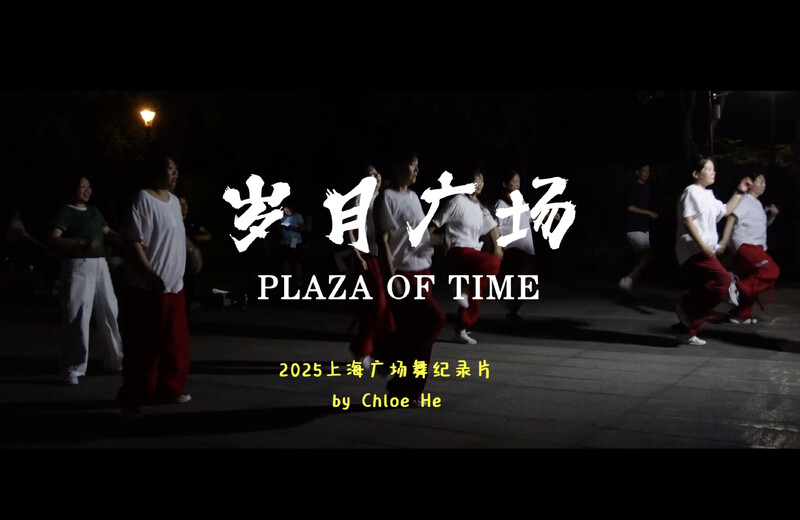
THE PLAZA OF TIME, 11min., China Directed by Xinyuan He The Plaza of Time is an observational documentary directed by a teenage dancer, chronicling the lives of three elder performers—Auntie Yuan, Auntie Zhang, and Mr. Li—who each bring their own rhythm, resilience, and reason to dance on the public plazas of urban China.
NIGHT SHIFT, 29min,. Ukraine Directed by Megumi Lim In the still hours of Kharkiv’s curfewed nights, a quiet resilience hums through its empty streets. Night Shift is a short film about people who work under the cover of darkness, navigating both routine and risk as Russia often attacks when residents try to sleep. Those who stay awake to work do so for the city’s survival. The film explores how nighttime in Ukraine’s second largest city has transformed because of war, its nightly hope that dawn will arrive quietly, and the human need to carry on.
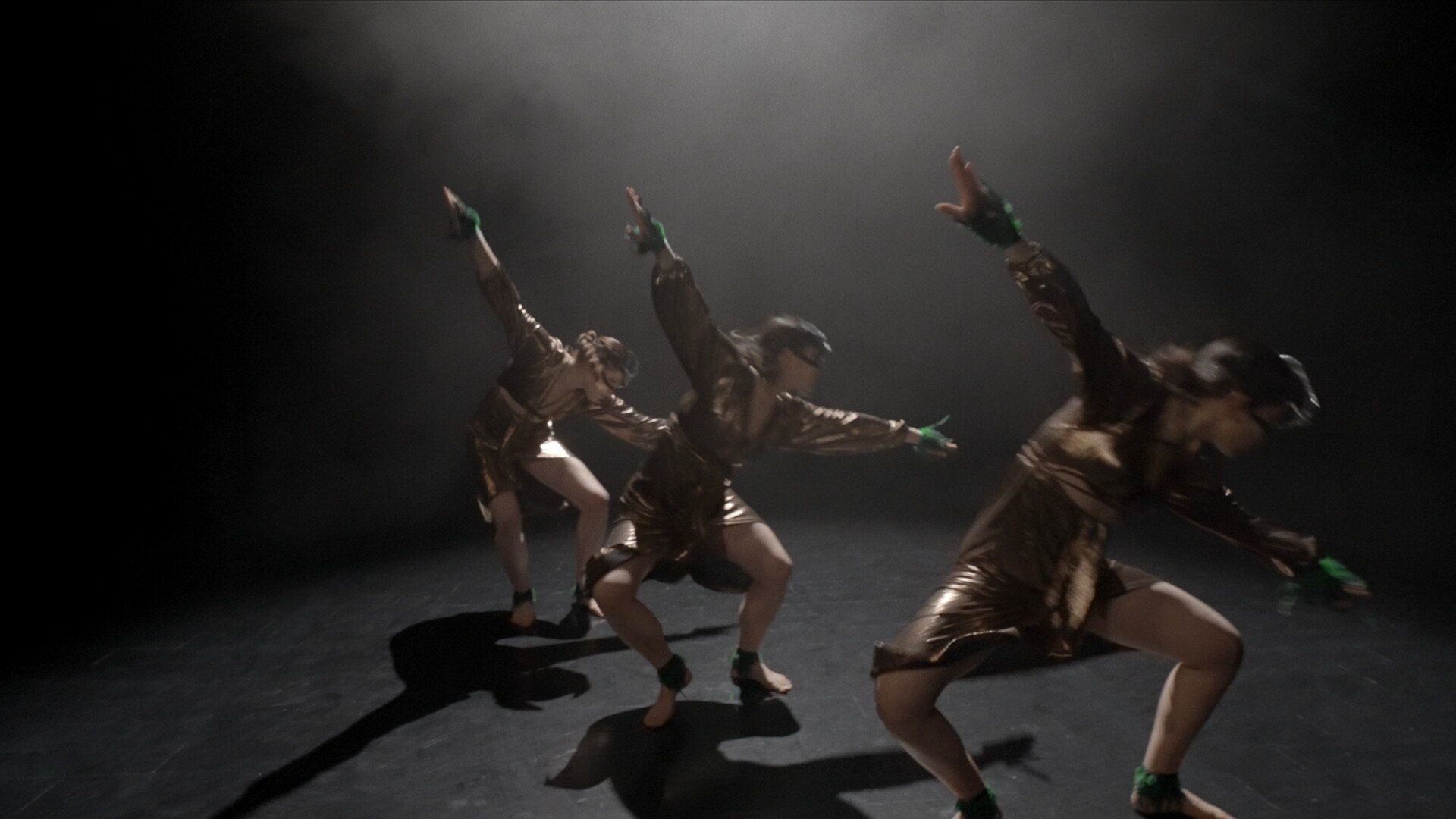
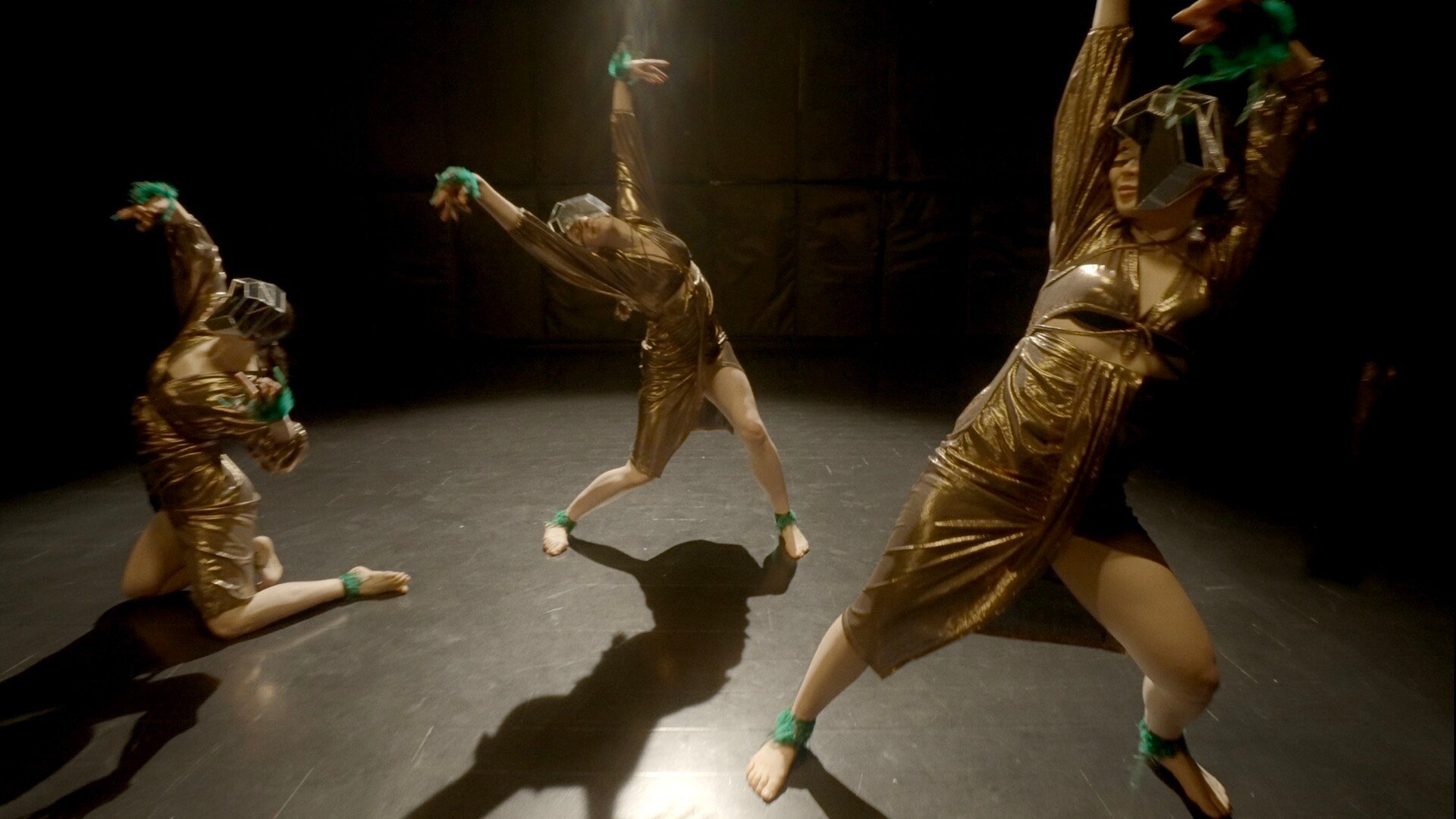
In today’s world us humans have developed a complex social system of rules and expectations. Children are taught from the day they are born on how they are expected to behave. They are told what is right and wrong, what is possible and what not. That is, by the standards of the children’s parents and other people in their surroundings, in other words the society they grow up in.
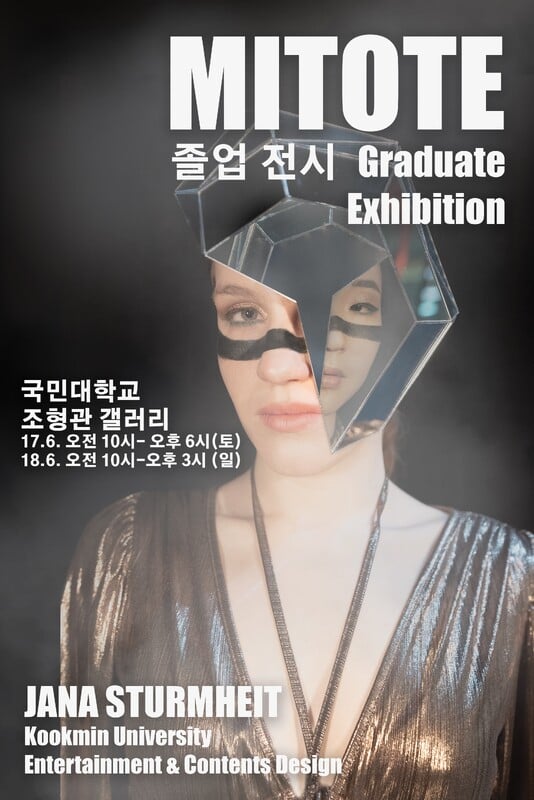
These seemingly endless rules and regulations lead many of us humans to live a life encaged by society. We constantly worry about what other people think. In addition, we let the limitations of our brain capacity to predict the future decide that “it’ is impossible” or “this is not okay” or “that is not how it should be done”. The old Mesoamerican culture Toltecs referred to this problem as the ‘Mitote’ – or translated ‘the smokey mirror’.
Small children are curios, creative and adventurous. When eating, children will eat with their hands until we teach them how to eat with fork and knife, or with chopsticks. So depending on which part of the world you were born in, you will think differently on how you should act when you eat. But what if you feel more comfortable with using a spoon upside down to eat? Is that a problem? Yes, because it does not fit into our society, but technically if that is the most convenient way for you to eat, why should you not do it? Who does it hurt if you eat like that?
These social constructs were developed in part to make living together as humans as unproblematic as possible. At the same time people of higher status to use them differentiate themselves from those of lower status. These seemingly endless rules and regulations lead many of us humans to live a life encaged by society. We constantly worry about what other people think. In addition, we let the limitations of our brain capacity to predict the future decide that “it’ is impossible” or “this is not okay” or “that is not how it should be done”.
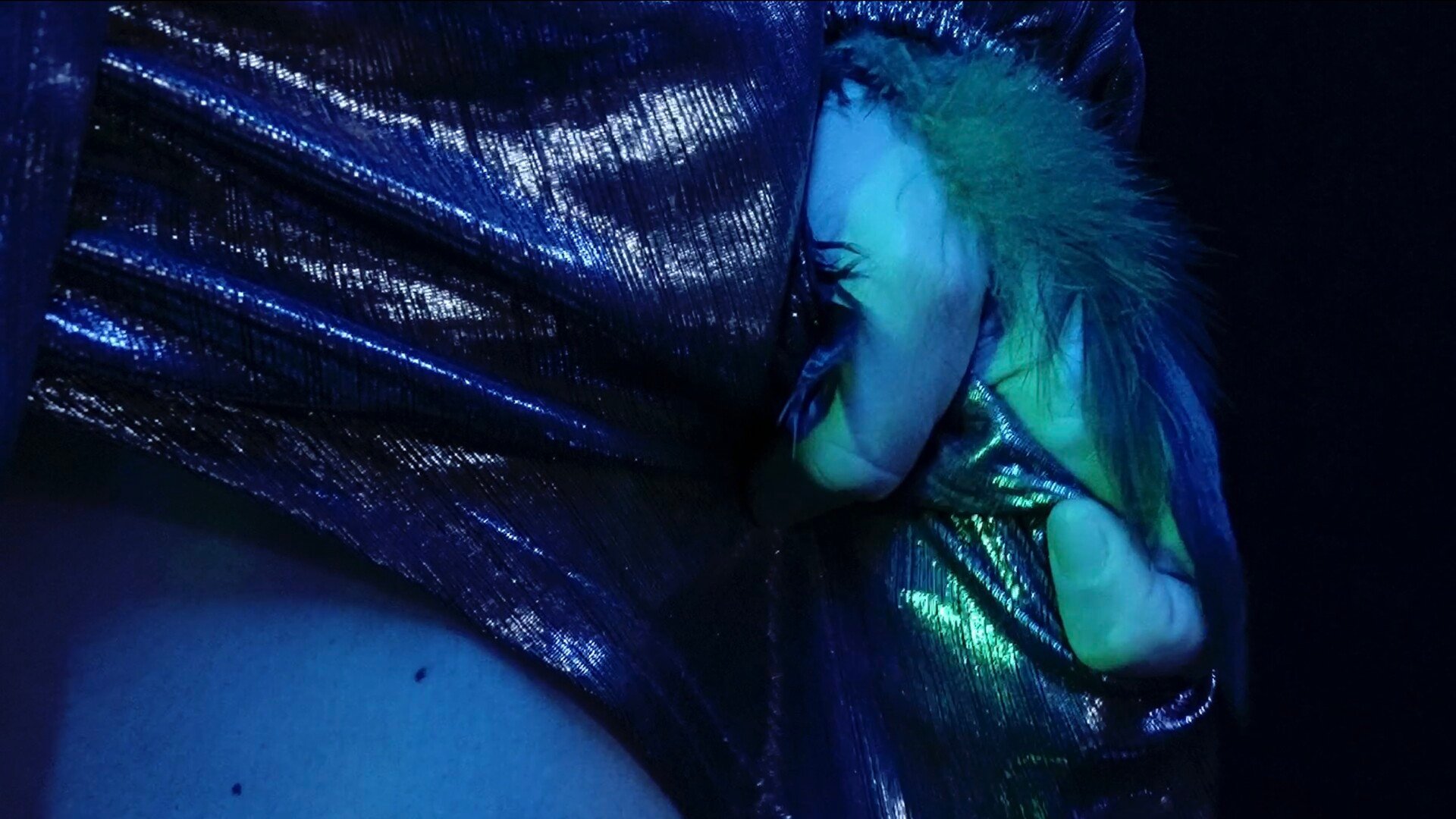
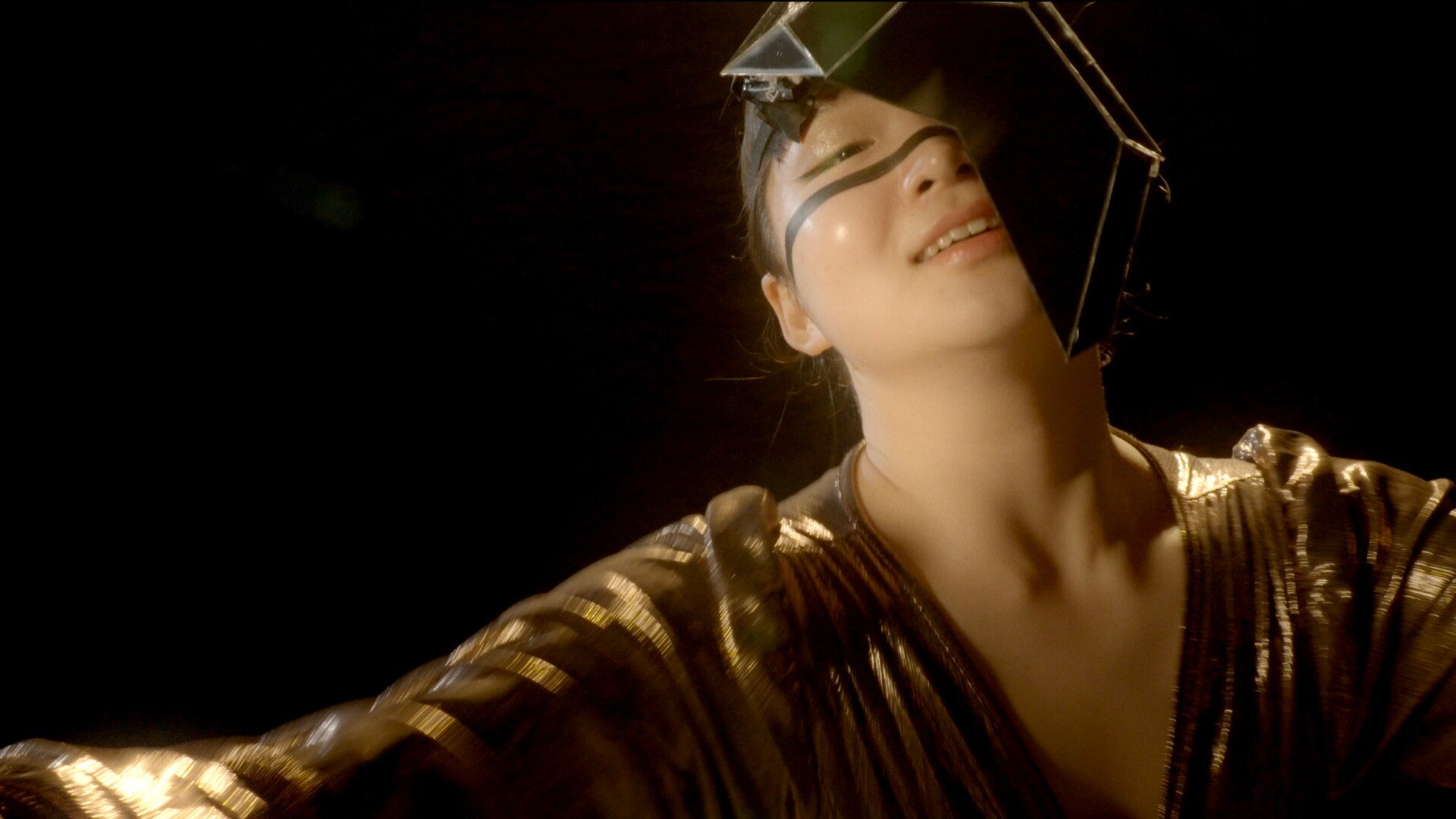
The old Mesoamerican culture Toltecs referred to this problem as the ‘Mitote’ – or translated smoke mirror. They were known for their philosophy, artistry and religious beliefs. In Toltec philosophy all humans live in their own dream, not just when they are sleeping but also when they are awake. This refers to how the society we live in dictates how our mindset should see the world. We will always see the world subjectively, since we are subjects – human – not objects. From a negative perspective that means our mind creates endless unnecessary limitations on the possibilities of life.
In an old Toltec saying there was a man who dreamt that he was in space. In space the stars created light and he himself reflected that light. He then realized that all humans are mirrors, since they reflect the light that comes from the stars in our universe. This means that we are all the same but the problem is many of us cannot see it because of the fog in our mind. This fog represents the limiting misconceptions that we have about the world, which prevents us from seeing it in its full beauty and reaching our true potentials.
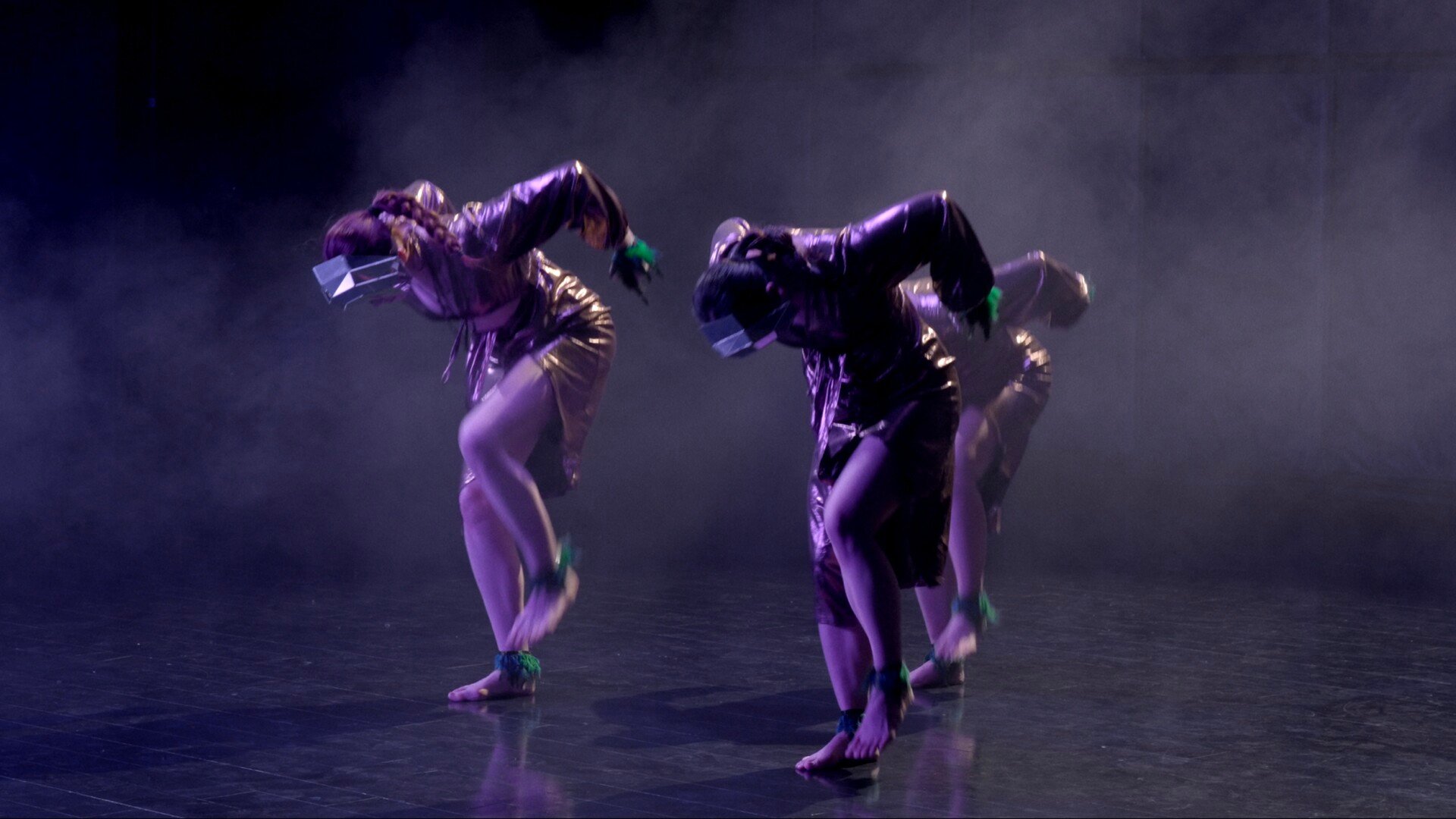
The uncertainty stemming from this subjectively distorted view of the world in the human mind is the Mitote, the foggy mirror. We all are Mitote. But once we realize the basis of our society’s subjective world view, we can change our mindset by actively training against the misassumptions in our brains. The Toltecs believed we can change the way we perceive our life and thus how we feel, how we act and how our own future will unfold. Through this piece I want to showcase how our emotional state of mind reflects on the outside world and the people around us, and that we can change it at any given time.
BEEKIND, 11min. Canada Directed by Olivia Bronwyn Follow Gregg Scott and the keepers of Circling Hawk Honey & Mead, as we’re taken under their wing to get an up-close look at the species so relied upon by our kind. Beekind gives insight on the nature of the honeybee as a member of the colony, their interactions and relationships to each other and to humans, as we look within, and take one big sustainable step back. We’re welcomed into Circling Hawk, the business and home of Gregg and Michelle Scott, our owners and operators, and caretakers of the 25 acres of land. Alongside their two protégé’s Julia and John, they take us on their journey as stewards, artists, and guides to the life they lead at the apiary. A life of peace, love, and earthly balance.
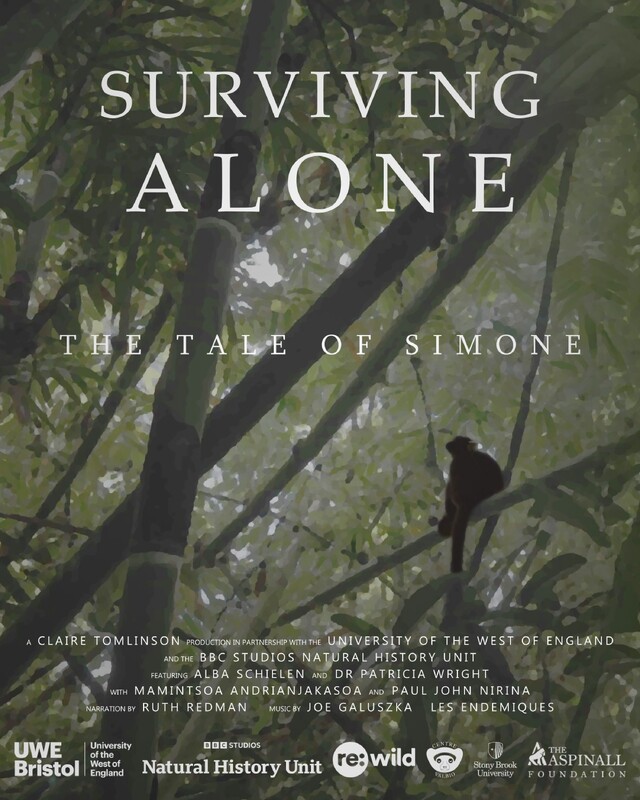
Surviving Alone: The Tale of Simone, 15min., UK Directed by Claire Tomlinson Simone is the last Greater Bamboo Lemur in Ranomafana, a protected rainforest in south-east Madagascar. After a happy start in life, surrounded by family, Simone finds herself alone, as members of her family disappear one by one. Three years on, and she’s still alone – a social animal, a primate, just like us; how has this isolation affected her mental state?
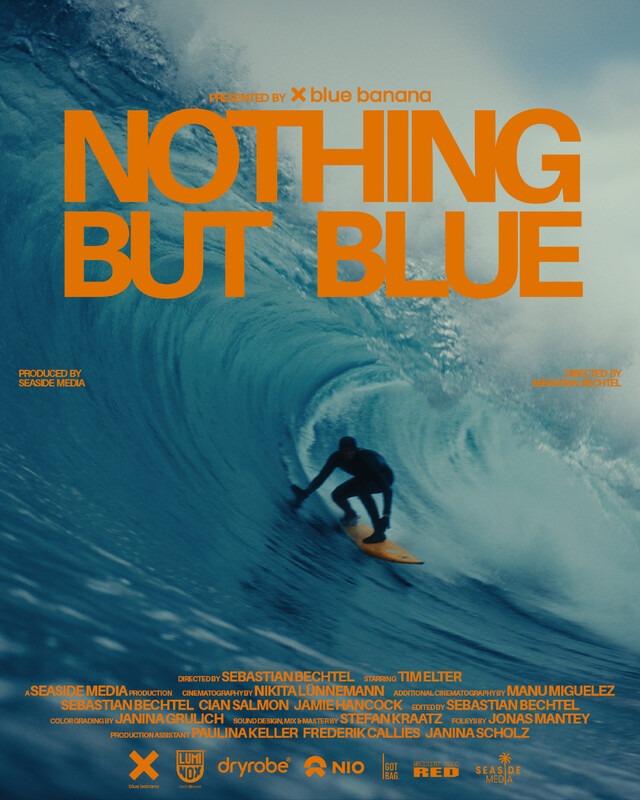
NOTHING BUT BLUE, 16min., Germany Directed by Sebastian Bechtel NOTHING BUT BLUE is a 16-minute short film about German Olympic surfer Tim Elter – and his uncompromising passion for one of the most extreme and primal forms of surfing: tube riding.
Lovebirds, 4min., USA Directed by Maria Corso Betty and Ray, a wild couple on the run, live fast and love hard while staying one step ahead of the law. With their lives on the line and a clean getaway just out of reach, they attempt one more job — one which may cost them more than they can afford.
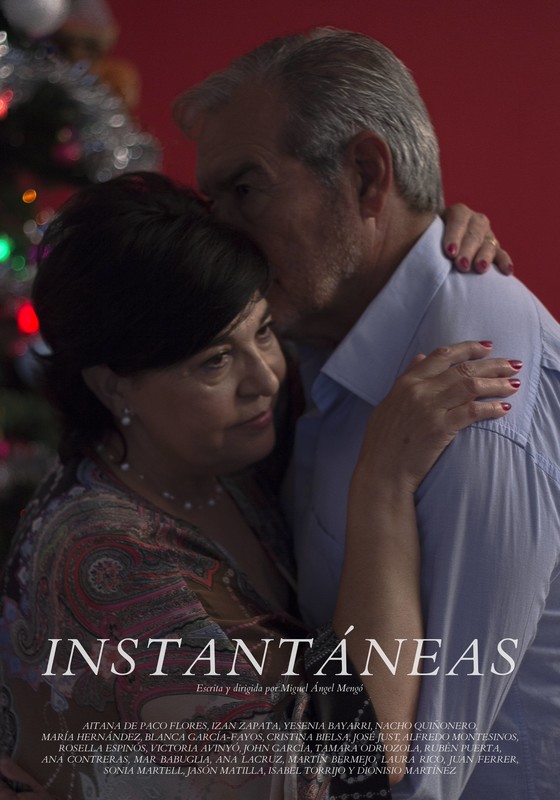
Snapshots, 84min., Spain Directed by Miguel Ángel Mengó Snapshots reflects twelve dialogues without beginning or end, held between twenty-four characters, inhabitants of the outskirts of a city, at some point in their lives, always marked by incommunication and time lost in the era of access to information and immediacy.
Lovebirds, 4min., USA Directed by Maria Corso Betty and Ray, a wild couple on the run, live fast and love hard while staying one step ahead of the law. With their lives on the line and a clean getaway just out of reach, they attempt one more job — one which may cost them more than they can afford.
Snapshots, 84min., Spain Directed by Miguel Ángel Mengó Snapshots reflects twelve dialogues without beginning or end, held between twenty-four characters, inhabitants of the outskirts of a city, at some point in their lives, always marked by incommunication and time lost in the era of access to information and immediacy.
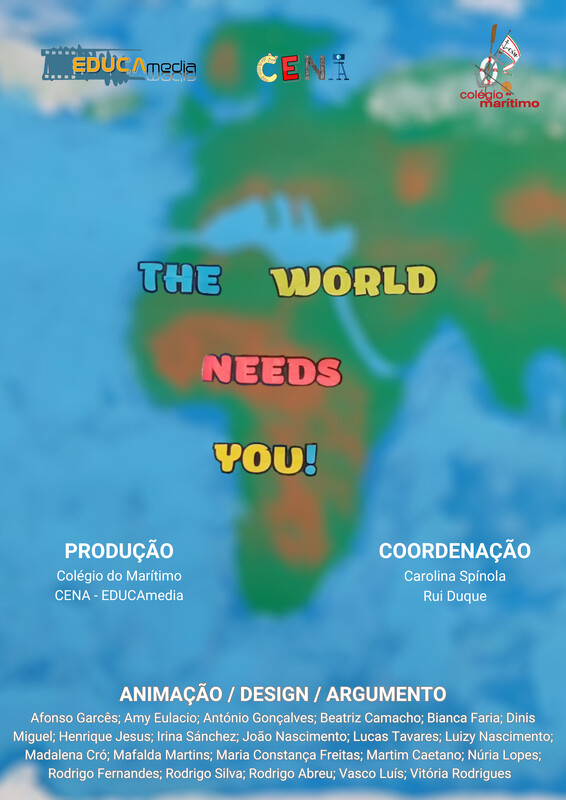
The World Needs You, 3min., Portugal Directed by 4.ºB Class Colégio do Marítimo In a world where unity makes a difference, small gestures build bridges, but a lack of cooperation builds walls. And you, will you be part of the problem or the solution?
(mis)Match, 3min., Portugal Directed by Grupo 5.º Ano ESC A self-centered man lives locked in his world until he has a moment of shock. A story of regret, empathy and cooperation.
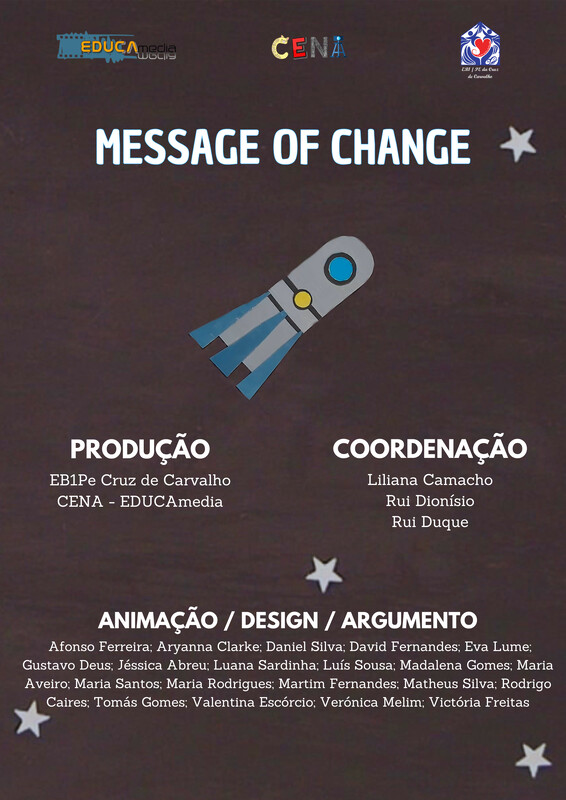
Message of Change Directed by Grupo 3.º/4.º EBCC Two astronauts have a mission in space. Unexpectedly they issue a worldwide alert as a way to spread a message!
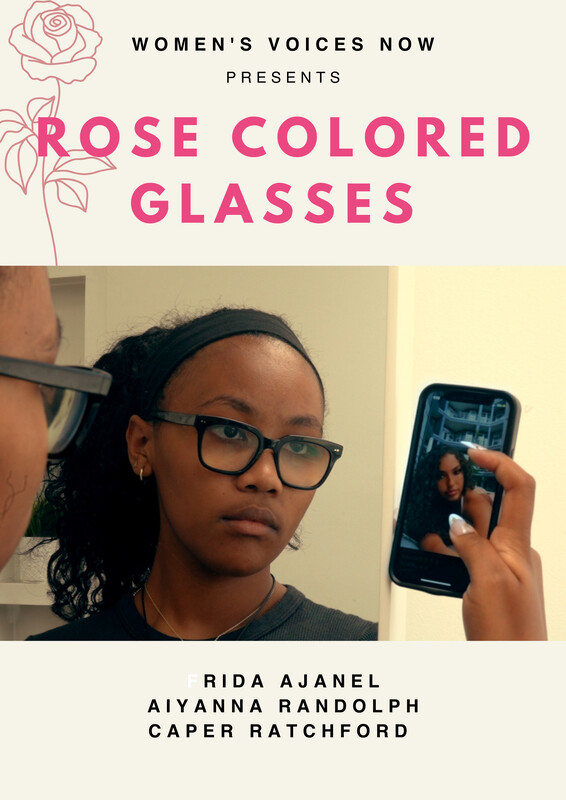
Rose Colored Glasses, 12min., USA Directed by Aiyanna Randolph, Frida Ajanel, Caper Ratchford A young girl meets a guy through social media and realizes that he has different expectations of her than she has of herself. This film follows the girl as she changes herself so that the guy will accept her, with interviews from young people who has experienced the male gaze a tried to change the status quo.
The Beauty in Being Different, 8min., USA Directed by Rebekah Grace de Guzman, Jairemei De Padua, Madison Mcmorrin Watson, Jennifer Tecum Three girls share their story about not fitting the mold due to their feelings of inadequacy stemming from the harmful effects of beauty standards and how they overcome it.
Work in Progress, 12min., USA Directed by Claudia Shin, Olivia Smith, Lenny Vargas Four women in positions of power discuss the hardships and triumphs of working in politics, academia, business, and entrepreneurship.
All You Need is Less, 9min., USA Directed by Adira Blades, Angelica Guillen, Erin Dela Cruz “All You Need Is Less” is a documentary film that unravels fast fashion’s hidden costs, from the factory floor to the For You page. Consumers don’t take into consideration the effects that trends have on the world, targeting mainly women who are more susceptible to fashion trends because of underlying societal issues. Everything comes at a price. The future of fashion is in our hands.
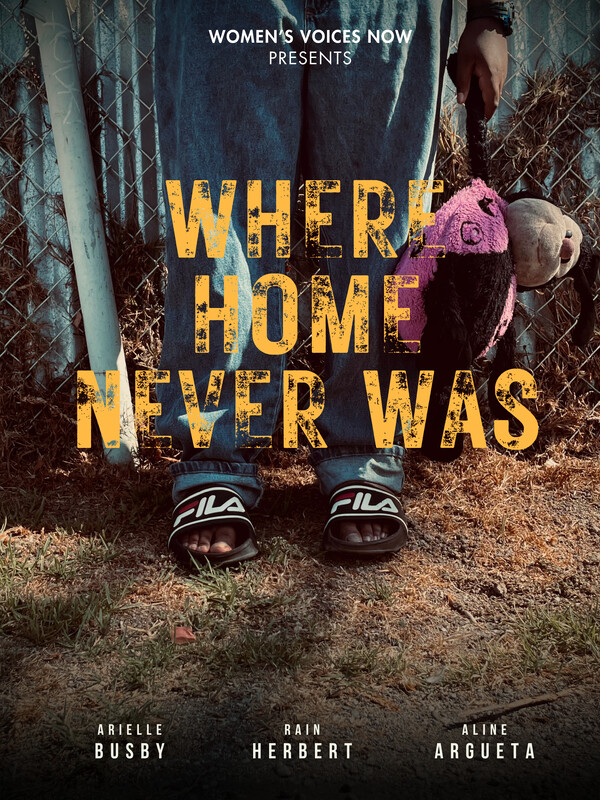
Where Home Never Was, 9min., USA Directed by Rain Herbert “Where Home Never Was” chronicles the lived experiences of Arielle Busby and her mother, whose lives are upended by homelessness. As mother and daughter confront the systemic barriers and personal challenges of homelessness, their story unfolds with raw honesty and emotional depth.
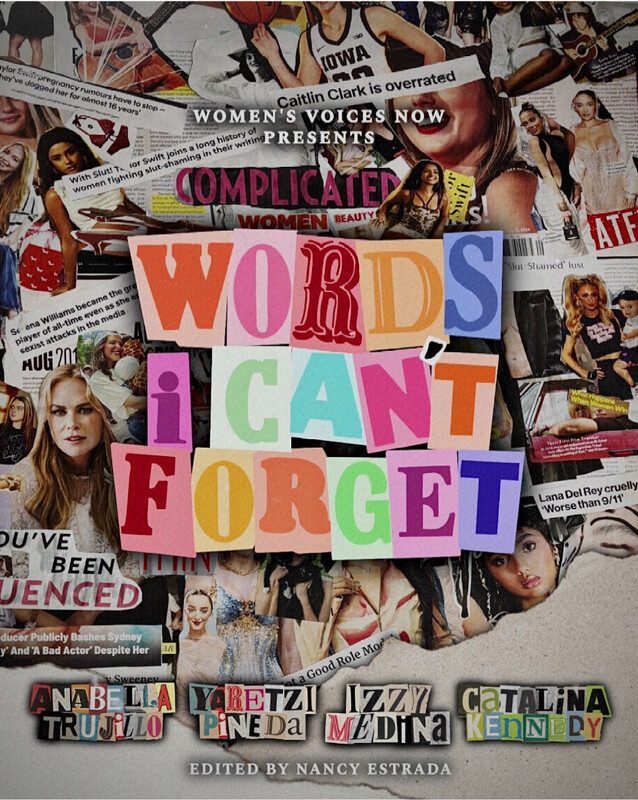
Words I Can’t Forget, 9min., USA Directed by Anabella Trujillo, Yaretzi Pineda, Catalina Kennedy, Izzy Medina “Words I Can’t Forget” follows multiple women’s experiences of being criticized on social media and in their own communities, and how this affects their personal and professional aspirations. Throughout the film, women reflect on their personal stories and take solace in the stories of others.
Roses Through the Cracks, 10min., USA Directed by Nargis Fazili, Alexandra Abundez, Leonora Garcia, Kimberly Ortiz-Ortega Story about 4 immigrants within Los Angeles, conveying their stories about the challenges and struggles within the immigrant experience that can also birth moments of beauty. Though there do exist challenges faced by a majority of immigrants, the immigrant experience isn’t miserable but accompanied by lively and joyful moments. The film de fpicts a contrast embedded within the concept of this experience, sharing how the difficult and virtuous coexists.
Da Terra, 30min., Portugal Directed by Miguel Chichorro Emília Pedro e Fernanda Jorge revisit childhood memories to identify over 70 land parcels inherited from their father. As physical traces fade, memory and oral tradition become the only way to ‘see’ what is no longer visible. The film captures the emotional and cultural depth of the minifúndio system, revealing how memory sustains identity, heritage, and community in rural areas.
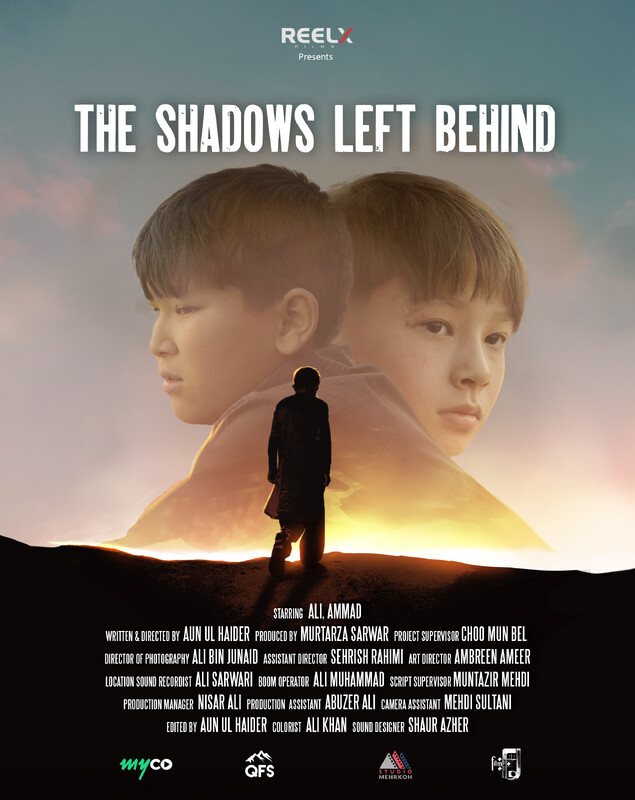
The Shadows Left Behind, 13min., Pakistan Directed by Aun Ul Haider Two twelve-year-old friends, Ali and Noor, share an unbreakable bond. Noor, an Afghan refugee, faces sudden deportation. Torn between loyalty and fear, Ali promises to see him off. But what remains is a farewell that echoes in silence, and a friendship lost to the shadows left behind.
Fragments / Palestine, 16min., Germany Directed by Samu Morys Cornelissen Through a montage of sound and pictures, “Fragments / Palestine” explores the silence of German media during the genocide in Gaza.
Hempman vs. the State, 28min., Finland Directed by Sampsa Huttunen Hempman vs. the State is a story of a man who wants to cultivate cannabis openly and without asking for permissions. Authorities are not in favour of his endeavour, and although the fields are blooming, many obstacles stand in the way of the harvest.
Da Terra, 30min., Portugal Directed by Miguel Chichorro Emília Pedro e Fernanda Jorge revisit childhood memories to identify over 70 land parcels inherited from their father. As physical traces fade, memory and oral tradition become the only way to ‘see’ what is no longer visible. The film captures the emotional and cultural depth of the minifúndio system, revealing how memory sustains identity, heritage, and community in rural areas.
The Shadows Left Behind, 13min., Pakistan Directed by Aun Ul Haider Two twelve-year-old friends, Ali and Noor, share an unbreakable bond. Noor, an Afghan refugee, faces sudden deportation. Torn between loyalty and fear, Ali promises to see him off. But what remains is a farewell that echoes in silence, and a friendship lost to the shadows left behind.
Fragments / Palestine, 16min., Germany Directed by Samu Morys Cornelissen Through a montage of sound and pictures, “Fragments / Palestine” explores the silence of German media during the genocide in Gaza.
Hempman vs. the State, 28min., Finland Directed by Sampsa Huttunen Hempman vs. the State is a story of a man who wants to cultivate cannabis openly and without asking for permissions. Authorities are not in favour of his endeavour, and although the fields are blooming, many obstacles stand in the way of the harvest.













 Festival Reviews