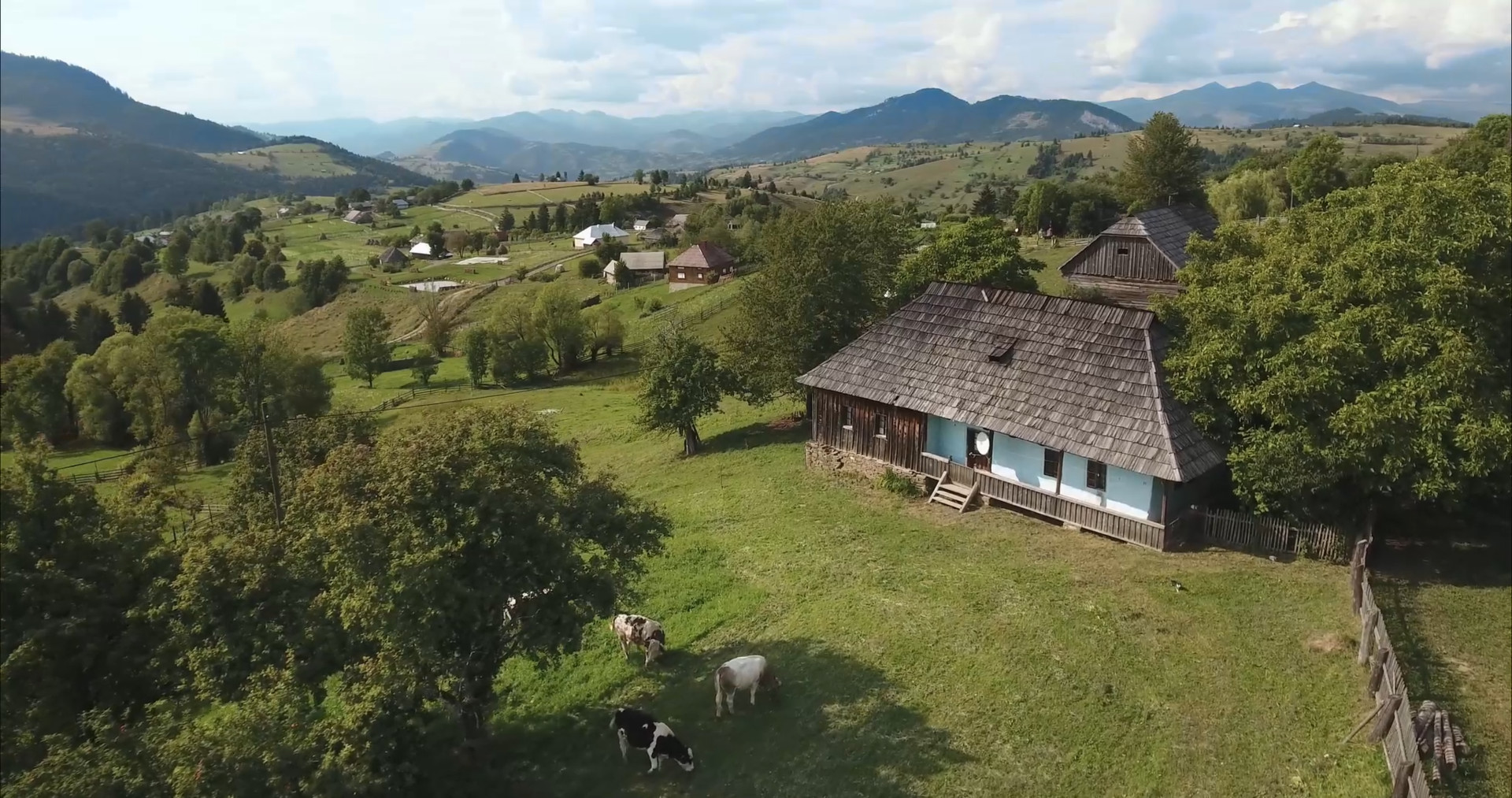
New Film on the Platform: THE MEMORY OF THE MOMENT, 60min., Documentary, Romania

Watch the film: https://www.wildsound.ca/videos/the-memory-of-the-moment

THE MEMORY OF THE MOMENT, 60min., Romania
Directed by Ovidiu Georgescu
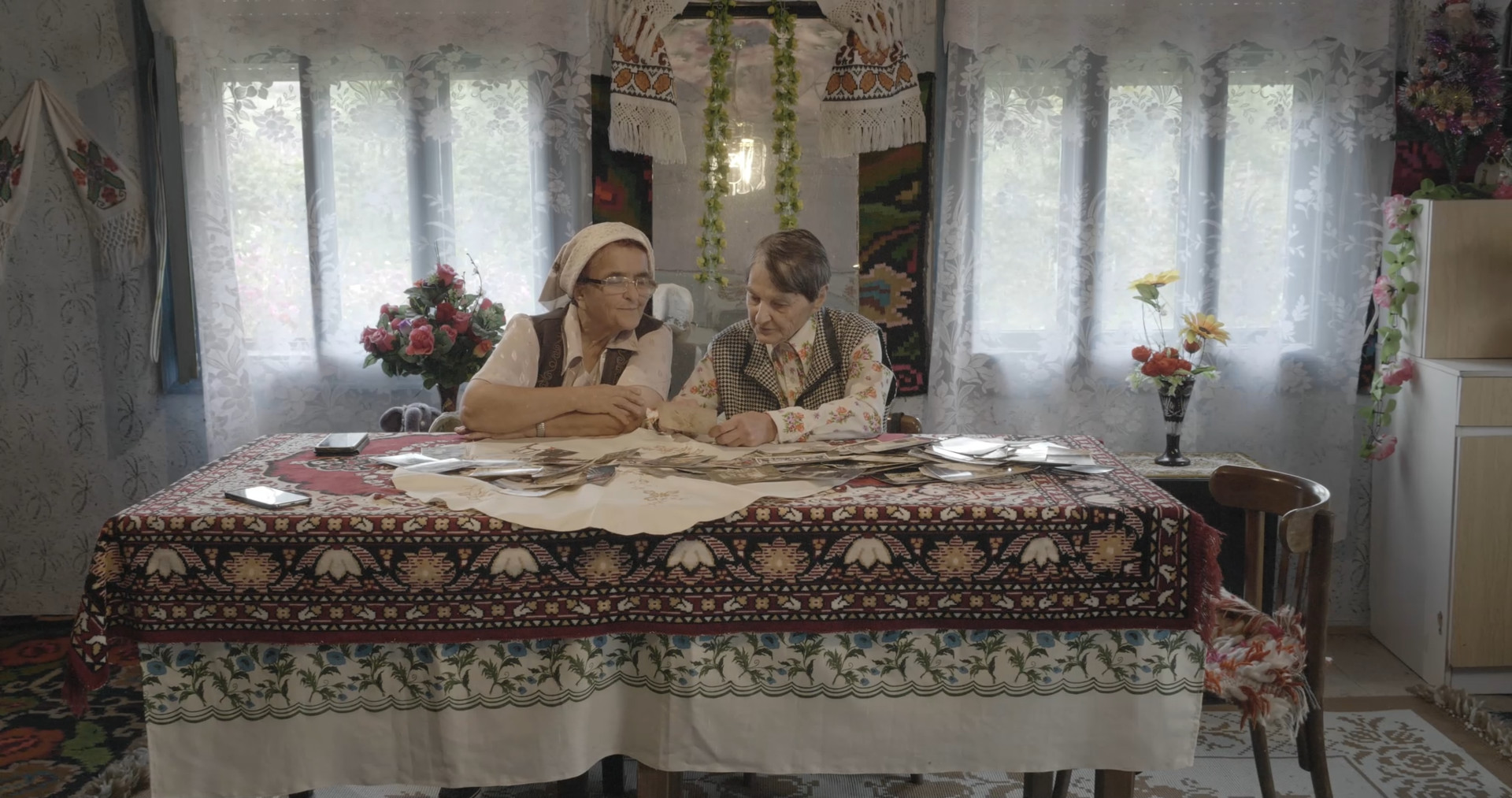
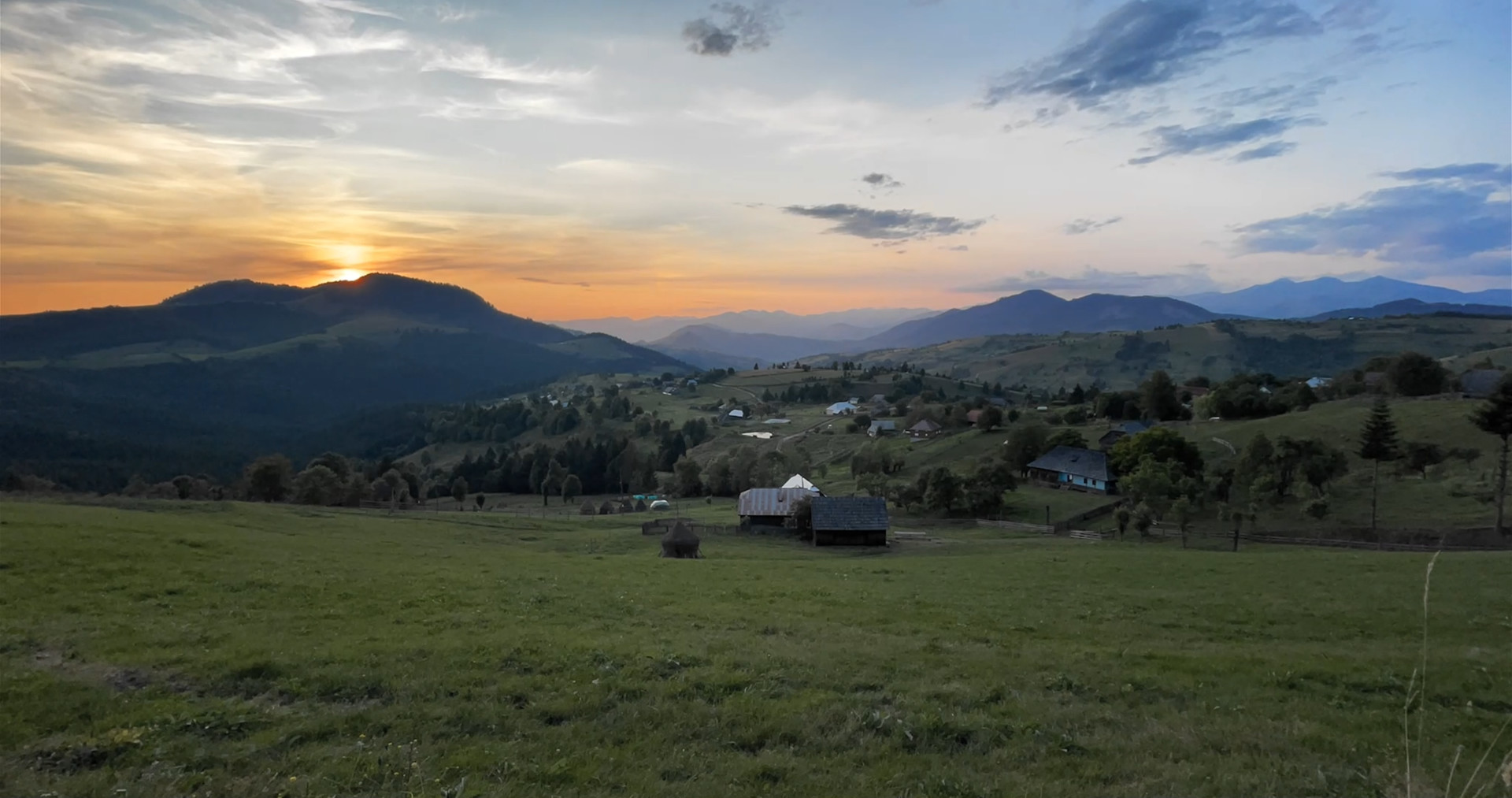
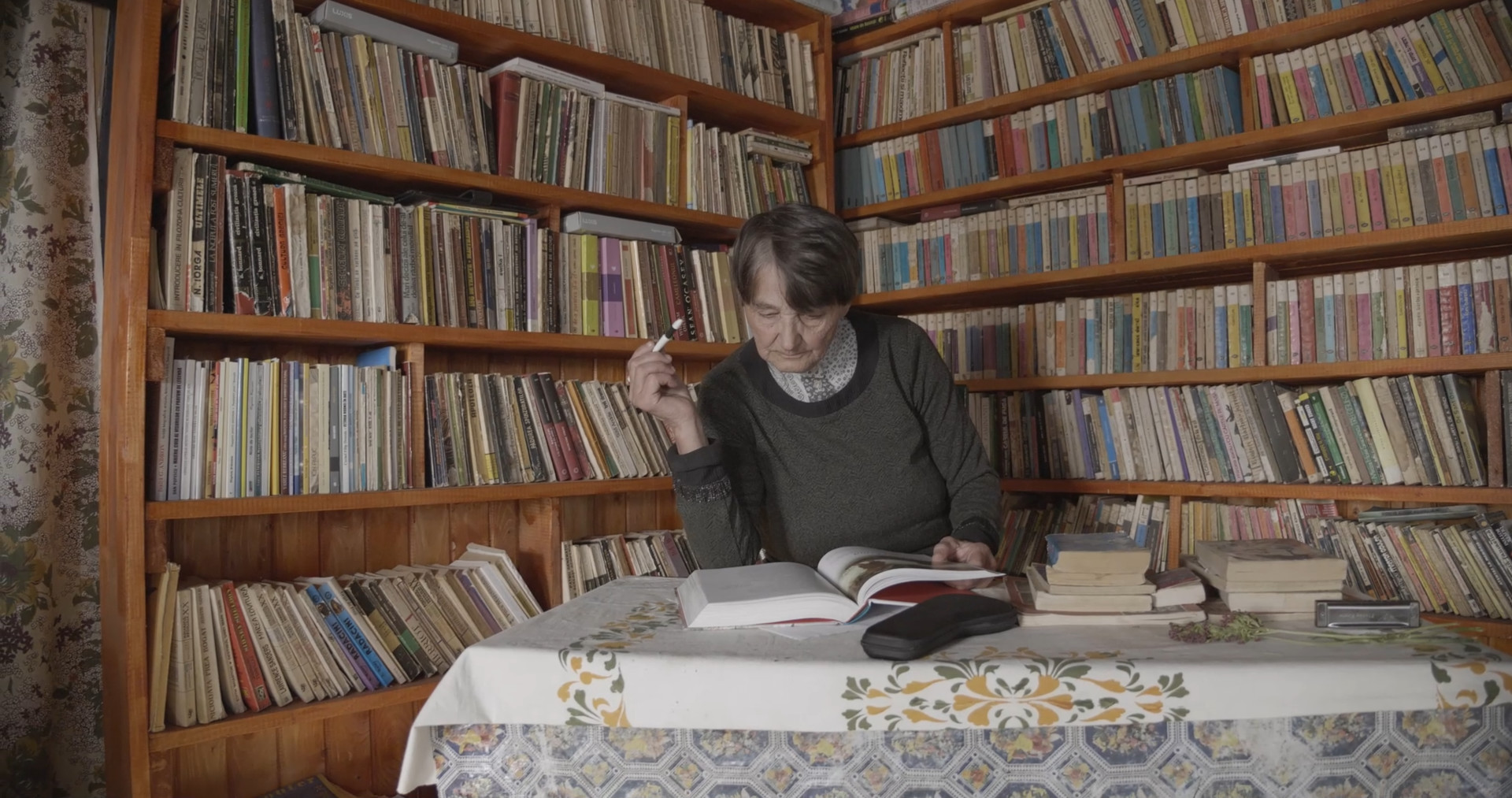
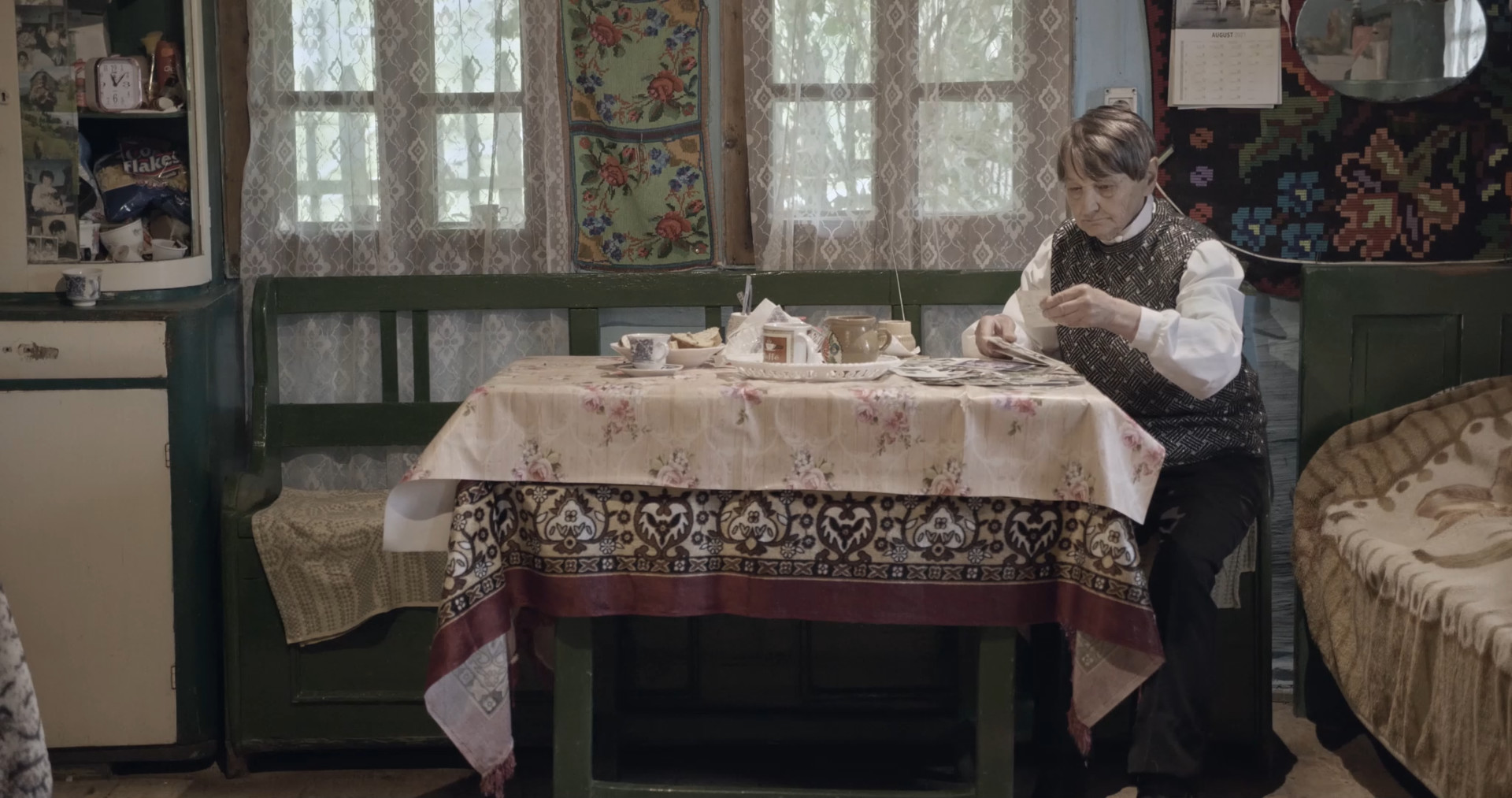
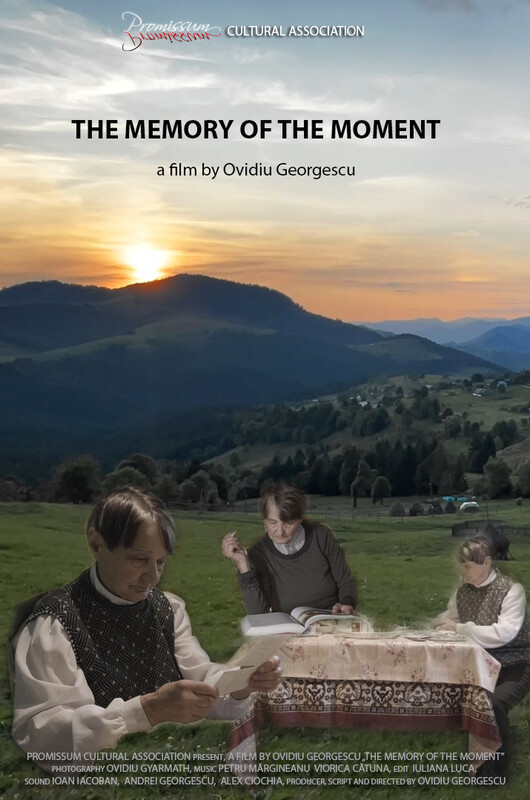
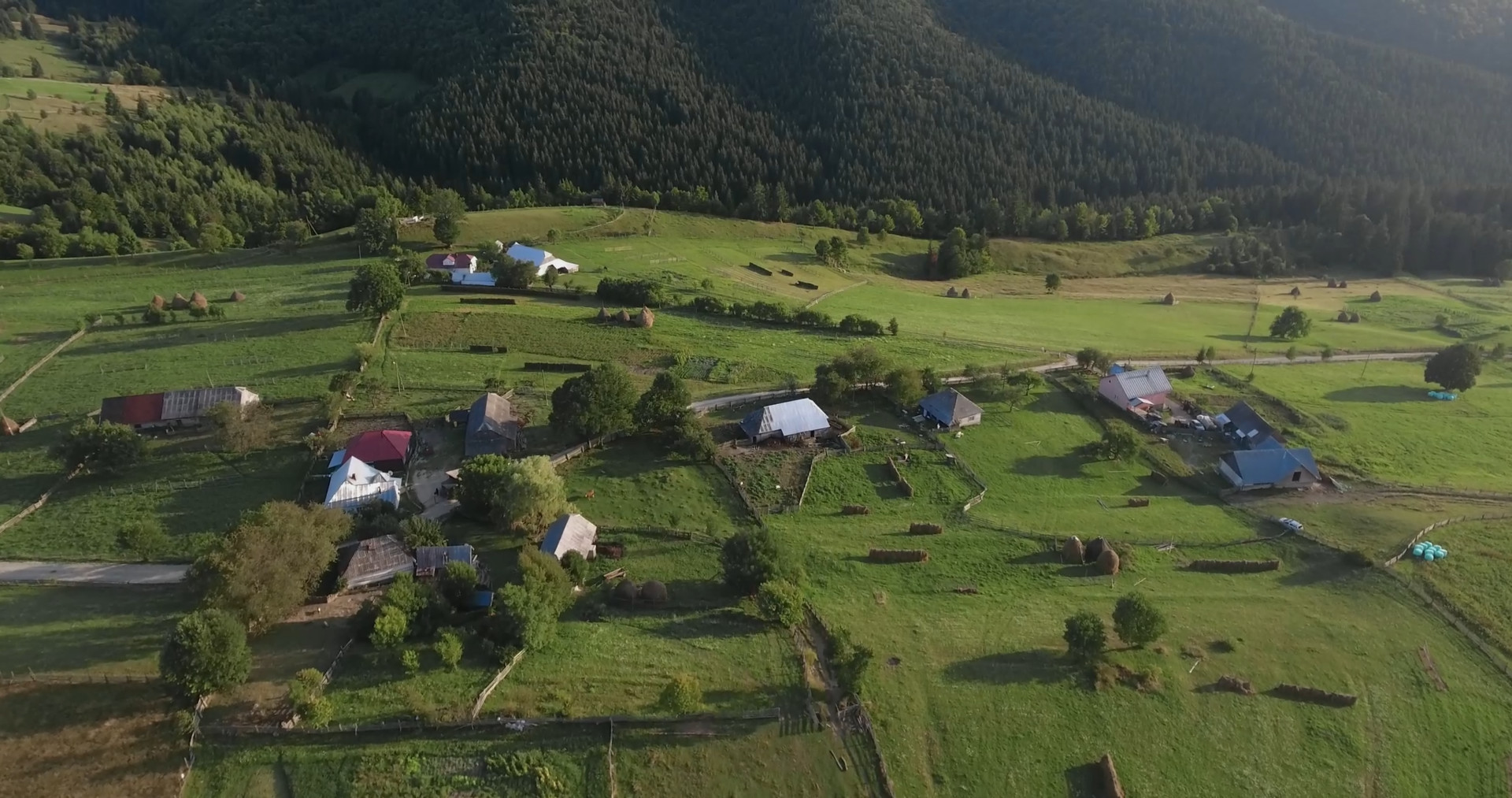
An 80 years old woman, former teacher, lives alone in an isolated village in Transilvania, located on a 1200m high mountain. She’s created an important space for books, music and poetry next to her assets and the animals that live in her homestead, built over 90 years ago by her family. At the end of this journey we’ll discover a world of the past, present and future – the world of Viorica C?tuna.

https://www.wildsound.ca/videos/the-memory-of-the-moment-review

Watch NEW Short Film: THE FULL CATASTROPHE, 4min,. USA, Documentary

Watch the film here: https://www.wildsound.ca/videos/the-full-catastrophe

Go to the Daily Film Festival Platform http://www.wildsound.ca and sign up for the free 3-day trial to watch a new and original festival every single day.

Directed by Yolanda Reid Chassiakos
Ethnic Cleansing in Smyrna, 1922: A Family’s Odyssey

https://amphitritepublishing.com/

Filmmaker Daniel W. Smith (CALAMITY & MERCY)

CALAMITY & MERCY, 98min., USA
Directed by Daniel W Smith
Calamity and Mercy is a feature length documentary film detailing the stories of individual Ukrainian refugees submerged in the chaos of battle, fleeing war, and integrating into new cultures, along with the NGOs and efforts in place to assist the incoming migrants.

https://www.facebook.com/calamityandmercy/
https://www.instagram.com/calamityandmercy

Get to know the filmmaker:

1. What motivated you to make this film?
I lived in Japan for two years as a kid, then as a US service member, I deployed to Bosnia, Iraq, Horn of Africa, and Germany. I saw how war and conflict make it hard for civilians to survive both during and in post war periods. When Russia invaded Ukraine I saw the documentary as a document of witness. Something that could be a voice for the refugees and perhaps influence people to support them regain their homelands.

2. From the idea to the finished product, how long did it take for you to make this film?
It has been about 2 years. We filmed the interviews in the late Spring of 2022. It was self funded so I had to go slow after the filming to work through Post Production.

3. How would you describe your film in two words!?
Calamity & Mercy

4. What was the biggest obstacle you faced in completing this film?
Funding.

5. What were your initial reactions when watching the audience talking about your film in the feedback video?
I was happy to see the audience understood and appreciated what I was trying to express.

6. When did you realize that you wanted to make films?
2008 thru 2014. I attended the Berlinale Film Festival a few times and realized I wanted to create films on a human scale. That is ordinary people dealing with extraordinary situations. I didn’t want superpowers, or angelic presences helping them as much as their own effort and assistance from others.I retired from the military, finished a contractor job at US Africa Command in Germany and used the GI Bill to attend film school.

7. What film have you seen the most in your life?
It’s a five way tie between, The Searchers, Lawrence of Arabia, the Seven Samurai, Two Women, and Casablanca.

8. What other elements of the festival experience can we and other festivals implement to satisfy you and help you further your filmmaking career?
Distribution and streaming. Perhaps production grants/loans.

9. You submitted to the festival via FilmFreeway. How has your experiences been working on the festival platform site?
It was simple to do.

10. What is your favorite meal?
Steak with a nice salad.

11. What is next for you? A new film?
A documentary about Afghan refugees. In particular those who served with US or NATO and were left behind. They are being hunted down by the Taliban. A second project is about Disinformation campaign strategy and tactics used by Iran, Hamas, and Hezbollah.

Filmmaker Maclovia G Martel (SPACE FOR ART)

SPACE FOR ART, 15min., USA
Directed by Maclovia G Martel
Space for Art is an extraordinary documentary film on the power of hope, courage, and healing. Featuring astronatut, and artist, Nicole Stott the film follows her on perhaps her most important mission of uniting a planetary community of children through the awe and wonder of space exploration and the healing power of art. Meet some of the young children who are wise beyond their years.

https://www.spaceforartfoundation.org/space-for-art-film

Get to know the filmmaker:

1. What motivated you to make this film?

This had all of the great ingredients for a remarkable story.

Space is sexy. Everybody loves an astronaut.

But for me healing children through art, completely grabbed my heart.

This is a story that was certainly worth telling!

2. From the idea to the finished product, how long did it take for you to make this film?

This film took a year and a half to complete. This is a long time for a documentary short.

But for us it was important to get this right.

The film is global, which is a great part of the story, but adds to the challenge of the story as well.

3. How would you describe your film in two words!?

Healing Power

4. What was the biggest obstacle you faced in completing this film?

We wanted the audience to appreciate the power of healing for children.

But we also wanted to tell the story of a remarkable start-up no-profit organization.

5. What were your initial reactions when watching the audience talking about your film in the feedback video?

Tremendous satisfaction that a story that we struggled to get right, seemed liked it was clearly understood and deeply appreciated. We felt like all of the hardwork was fully redeemed.

6. When did you realize that you wanted to make films?

I was speaking to astronaut Nicole Stott, and she humbly was explaining the purpose of her new mission in life.

Because she was so down to earth and so humble it took me about 20 minutes to appreciate how beautiful and impactful her initiative really was.

I begged her to trust me to try to capture this remarkable initiative and this remarkable story.

7. What film have you seen the most in your life?

I have seen “Die Hard” the most.

But I have recently been touched deeply by the documentary “Wild Life.”

8. What other elements of the festival experience can we and other festivals implement to satisfy you and help you further your filmmaking career?

We were super satisfied. We always are open to cross social media leverage!

9. You submitted to the festival via FilmFreeway. How has your experiences been working on the festival platform site?

Of the entire film project, this was probably the most efficient experience!

10. What is your favorite meal?

Foreign, exotic and spicy

11. What is next for you? A new film?

We are looking at doing a documentary short on the California desert flower superbloom

Filmmaker Karl Fallon (GHOSTS MOVING FLOWERS AND PHYSICAL MEDIUMSHIP)

GHOSTS MOVING FLOWERS AND PHYSICAL MEDIUMSHIP, 60min., UK
Directed by Karl Fallon
This Ghostcircle film by Director Karl Fallon, is a thought provoking documentary about Physical Phenomena never captured before on film. The documentary is captures moments in time about modern day Physical Mediumship with Physical medium Patrick McNamara in which he explains that by providing the necessary conditions with people in a “Psychic Circle”, it will allow spirit entities the opportunity to move flowers in people’s hands. These Psychic or Physical Circles were demonstrated repeatedly and held in independent and reputedly haunted locations around the UK and Ireland. The film explores and captures the phenomena as he discusses the process around the demonstrations. All attendees were unknown to the medium and his team before turning up to see what they would get. The individual independent Psychic Circle sitters actually see and feel amazing phenomenon, and then give witness statements about that they experienced. See the strange and flower moving by the spirit entities with the sitters.

https://www.instagram.com/karl_fallon/

Get to know the filmmaker:

1. What motivated you to make this film?

I originally made a TV series called “Ghostcircle” 5 individual Series now, and I have been filming our group of psychic mediums doing some pretty unique and amazing things, so I wanted to showcase some of the best of it from many different episodes. I selected the clips I wanted and put a narrative around it which was done by Patrick McNamara. Patrick explains what is actually going on in the filming from a spiritual or psychic side. It’s quite a complicated, and difficult to process because we never know how it’s going to turn out when we roll the camera, so to speak. The phenomena that we get is related to the conditions that we film in, and it’s affect by such things as the environment and the peoples energy that they bring. The more positive and excited people are, the more we get, and with that excitement there seems to be more energy created. How that all works I don’t know, but you know things are going well because it just feel good and the phenomena starts to happen. Some people don’t believe it, but you can’t argue when a flower moves in their hand and they are gripping it tightly too. So, if they aren’t doing it themselves and you can see that, who or what is doing it? That’s my motivation.

2. From the idea to the finished product, how long did it take for you to make this film?

The idea took shape about a year ago, and I have already been putting clips together from time to time during my editing as I had always wanted to make a showcase documentary, something with impact. I had already filmed Patrick McNamara, who does the narration in “Ghosts Moving Flowers”; quite a while back and he basically sat down with me and we just did a Q&A about how we would explain things to a lay person. Basically, explain to the ordinary man or woman in the street as they say.

So Patrick has a great understanding of how it all works, he is also an excellent communicator, so he knew how to just do an inspirational talk without any script or prompting. I just asked a question off camera and he went off and answered it. We both knew the example clips that would be used in the documentary, so he just reeled off the explanation around the clips to be used. We could never use a script anyway, it wouldn’t work because Patrick cannot remember lines anyway!

3. How would you describe your film in two words!?

Totally unique

4. What was the biggest obstacle you faced in completing this film?

The biggest obstacle I faced is just filming it, hoping to capture something. When you make a film or documentary you generally have a script or story board maybe. Even with reality documentaries you can plan to a certain extent, and just follow the subject so there is always some result by doing this. However, what I have to do I end up just hoping to capture the phenomena and get an interview which is so difficult to do, and sometimes nothing or very little happens.

And there is no story board, and no script, or nor actors, or planning like in most filming. The team literally turns up and see what we can get. And normally as you probably know, it’s all so slow the filming business.

But that’s not the case with us. We do everything quite fast, usually within a couple of hours because it’s very tiring for us (especially Patrick and the other psychic mediums) and you are working with people who are not being paid, it’s all public volunteering, and they just turn up to see our psychic experiment. We have no idea most times who, or even how may will be there when we start the experiment. On one occasion, three people promised to turn up in the evening to film with us. We had only met them during that day, and in the end they never came back later on that evening. So, we actually went into a pub and asked three guys having a drink with some girls if they would like to do a psychic experiment in a function room we had next door. They said yes, and within 20 minutes, they had flowers moving in their hands. That’s what it can be like. We would do experiments with a lot of the staff at locations we film in, so we can only film them when they finish work which is usually quite late. Also, just trying to get the post interview reactions after filming was always a struggle because we usually filmed quite late like I said, and people normally wanted to get home straight afterwards. Patrick and I had a bit of an effort to try make people just stay behind, he would do a chat like a Q&A while I selected the people I wanted to interview. I normally had my interview targets after the psychic experiment, and I picked those who had the best experiences that I saw while I was filming. So, just to get a 5 minute reaction straight afterwards I would do it in a separate room because there was always chat afterwards and the noise can be quite loud, people were always excited after we did these psychic experiments. I would literally ask them for a quick reaction shot, with the emphasis on quick, and go do run and gun interviews with off the cuff questions. Then bang get the next person in who hopefully had not left by then. Next person, same thing again……

On one of the interviews on the documentary I had knocks on the door from the pub manager, that was a tricky edit to do as he was giving some great reactions too….I had to ask him to repeat what he just aid…but it was like 2:20am on a Wednesday night, so we had only finished about 1:30am…Filming for all of this, it was always a bit frantic.

5. What were your initial reactions when watching the audience talking about your film in the feedback video?

It was kind of emotional a bit because the only people to see the documentary up till then, were our crew members who were involved with the making of it. And while they all loved seeing it, I wanted to get an independent reaction to the documentary. So it was great to hear their thoughts and reactions to the viewing which I really enjoyed.

6. When did you realize that you wanted to make films?

Well, strangely enough…I was actually told by a psychic many years ago that I would be doing this…filming and creating lots of videos. It was shown or explained to me, as “I was standing next to piles of DVDs”. I didn’t even buy DVDs at the time. Yes DVDs remember those old things LoL? And, since then I have done about 50 episodes for a TV series called Ghostcircle. I did actually make DVDs afterwards for a while, and it was probably a large pile….So, there you go…I actually never had any interest in photography, or filming when I was told that prediction in the mid 2000’s.

Then when I started editing, I found I had a bit of knack, or aptitude for doing it…And I really enjoy doing trailers for different episodes I have done. I like putting the music and video together, that’s my fun bit.

7. What film have you seen the most in your life?

I’m not one to obsess over a favorite film, watching it over and over like some people do, but I do love “Back to the Future” and if it’s on I’ll stop and watch it. And one of the funniest I lie is “Some Like it Hot”. These days some people won’t even look at black and white films, which is just crazy, but for me they are both fantastic films.

8. What other elements of the festival experience can we and other festivals implement to satisfy you and help you further your filmmaking career?

I think the reaction or feedback you do is really worthwhile, so thanks for doing that. And maybe other festivals should take note of that too and include it in their format somehow.

9. You submitted to the festival via FilmFreeway. How has your experiences been working on the festival platform site?

It’s a really great platform, I had not heard of it until recently but now it’s quite vital for submitting your films and documentaries.

10. What is your favorite meal?

Steak, mash potatoes, onions and gravy. Or chips instead of mash. And if the chef has no Steak, I will take roast chicken. And if there’s no Chicken, then the chef should be fired. He knew I was coming!

11. What is next for you? A new film?

I am thinking of another documentary, something a bit different, but storytelling. I have some filming already done, the core bits of interviews are in the can so I need to put some narration around it. And edit it.

However, my main focus is that I have also recorded some Music with the London Symphony Orchestra in London over 2 days, which is now being mixed and mastered at the moment. The music was actually created for the TV Series “Ghostcicle” and we have re-mixed it with the composer Jamie Wilkins to create 12 Classical Music tracks which were recorded in February. Jamie actually also appears in the TV series too, but he is a composer and conductor. This will be his first Classical music album, and it’s all as a result from the filming we did, and the music he wrote for the episodes that we filmed.
Short Film Review: VOICES OF HAKKA WOMEN. 30min. Documentary

Wisdom behind the poetic words, rather than visuals guide the film VOICES OF HAKKA WOMEN. The introduction forces the viewer to focus on the words to impart the history and culture of the Hakka women as the short documentary delves into the unique experiences of six different women through the art of poetry in a way that is compassionate, yet understanding of the hardships that multiple generations of women went through within the Hakka culture. 

Ya-Ling Peng and Suzon Fuks went above and beyond to show the differences in the way each poem was recited, making each one unique. The filmmakers utilized various types of techniques in order to tell the stories in each piece to make them stand apart while seamlessly working as a collective. The powerful visuals aided in the storytelling process by using still photography, animation, dance and objects analyzed is explicit detail to name a few of the methods employed within the film.   

VOICES OF HAKKA WOMEN begins with a brief history of the Hakka women, a much needed segment so that all viewers can understand how women are using poetry to finally find their voice in a culture where they were oppressed for several generations. The six poems are similar while very different, with each one imparting wisdom even though the women were uneducated to prove the filmmaker’s statement at the start of the film as a strong truth, that despite the lack of a formal education, the matriarchs of their families were still quite smart. 

Stated in the fourth poem, “Going to Open-Air Theatre with Grandpa” by Mei-Yen Chen, is a theme that rings true throughout all six of the poems. She states that “poetry is healing to the soul,”  which is apparent in the passionate way each poem is recited over the complimentary visuals. The women who wrote these powerful pieces have a distinctive voice that imparts the culture in a way that is heartwarming to their culture by being able to show the memories both good and bad throughout the written word. Peng and Fuks were careful in deciding the techniques used to add unique visuals is what really makes the documentary different than other documentary shorts because they force the viewer to really focus on the importance of the words rather than showing off with fancy cinematography. They make it clear, the stories behind the poems are what is important when the images behind the words compliment rather than distract the viewer. 

Peng and Fuks did an excellent job at educating about the Hakka women and anyone who wants to learn about these remarkable women should view this film. The filmmakers seem to know best to let those who experienced the hardships of being Hakka women should be the ones to tell their own stories rather than through a secondary source. The way each poem was written and visualized is a way that will stick with the viewer for quite some time. 

By: Victoria Angelique (Olson)

Directed by Suzon Fuks, Ya-Ling Peng

Watch the Audience Feedback Video:

Feature Film Review: NAFKOT – YEARNING, 70min., Documentary

What is an anthropologist?

I’m sure most have heard of the word, but perhaps don’t know what it is, or what they do. Before writing this review I reached out to 10 random friends and asked them if they knew what an anthropologist was. Only 3 people did, as the others had no idea. I’m not saying this a perfect poll. The reason I asked this question in the first place is because it also gave me pause to what it actually was.

So here is the definition:

Anthropologists study the origin, development, and behavior of humans. They examine the cultures, languages, archeological remains, and physical characteristics of people in various parts of the world.

In laymen’s terms, it’s an expert of human nature. Most anthropologists are doctors, which is the case for documentarian filmmaker Malka Shabtay, who made the amazing feature film “Nafkot -Yearning.” It makes a lot of sense for someone who studies human nature for a living to venture into documentary filmmaking. It feels like an easy transition. This is Shabtay’s 2nd film and I’m sure it’s not her last.   

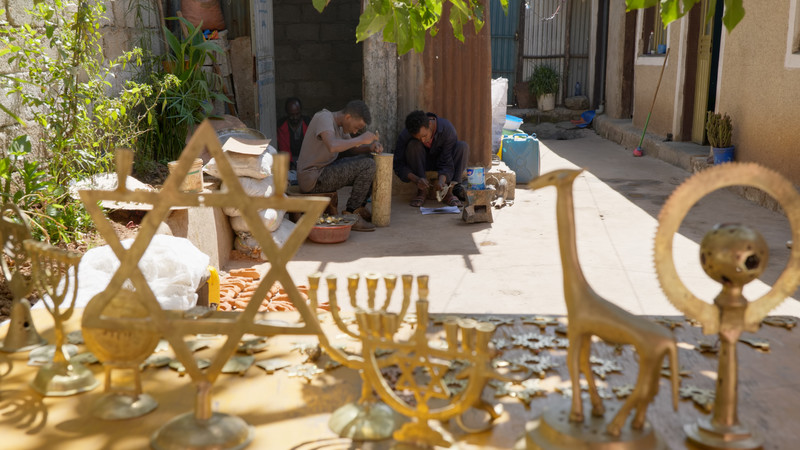
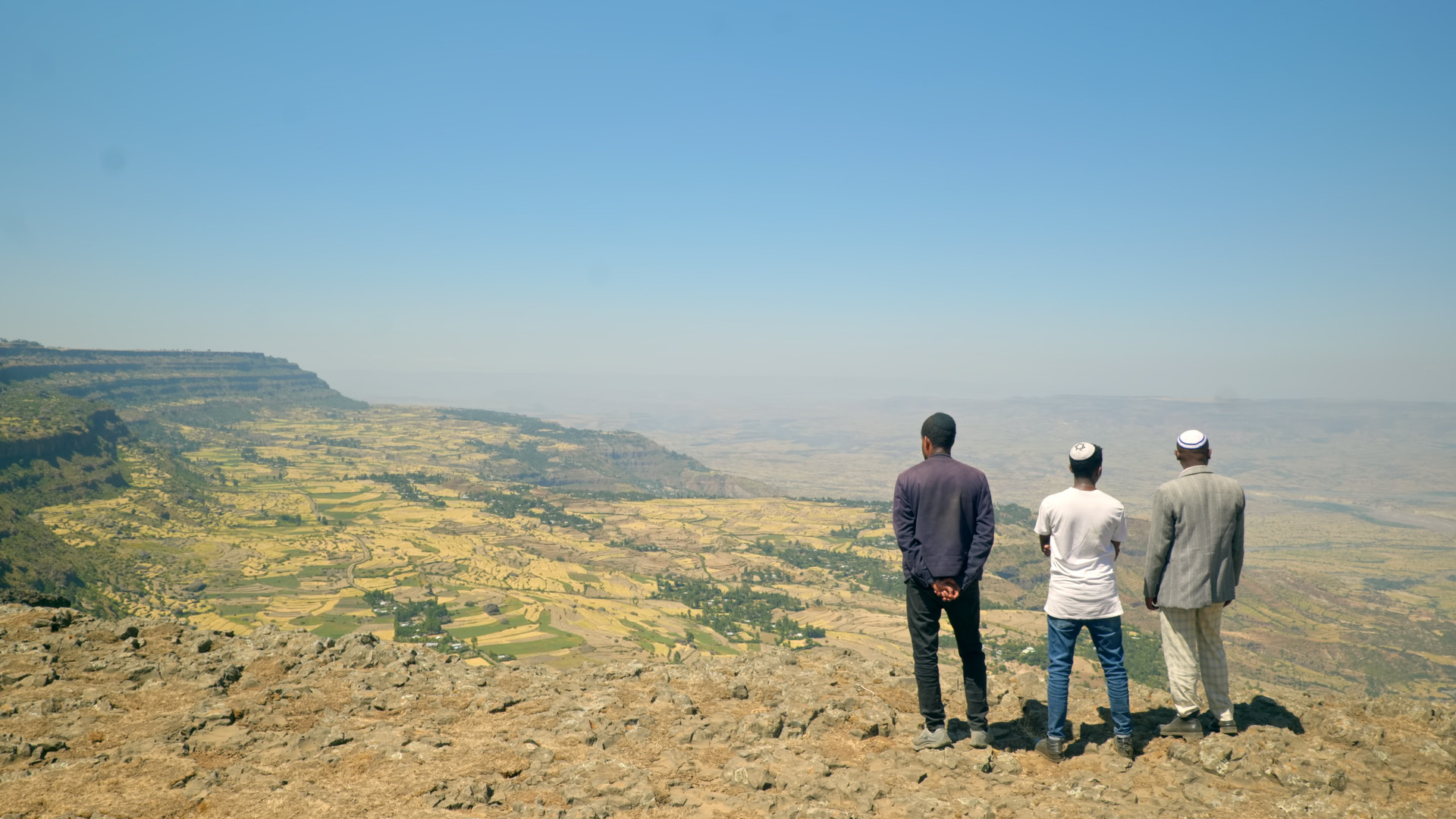
“Nafkot – Yearning” is about a hidden Jewish community in north Ethiopia who tell their special story of survival. I’m sure it took a lot of time and trust for Shabtay to convince this community and their people to actually go on camera and show the world. It’s still dangerous in their country and environment to be Jewish. And that is the thematic and point of this film. What people will do to keep their culture intact. It’s the legacy of the Jewish faith and culture itself. There is something amazing and honorable about this, and when researching Malka Shabtay, this seems to be what her life’s work is all about. To make sure that people know about the Jewish culture and to make sure their rich and conflict filled history remains constant throughout mankind’s future until the last human on earth perishes.

The film follows three main heroes living in Ethiopia who also happen to be Jewish. And Shabtay is another character in the film and she’s been a visitor for the last 5 years. She’s a woman with a camera and crew in a dominate patriarchal society, and that’s another sub-theme of the film. This brilliant anthropologist pulled off the making of this film. This community and world is now documented for life for all to see. The film has played all over the world at various festivals in every Continent minus Antarctica.

“Nafkot – Yearning” is a must-see film for anyone and everyone. Bravo. 5 stars

By Eli Manning

Directed by Malka Shabtay

Watch the Audience Feedback Video from the Documentary Festival:

Short Film Review: ROE V. WADE: A NATION DIVIDED. 9min., Documentary

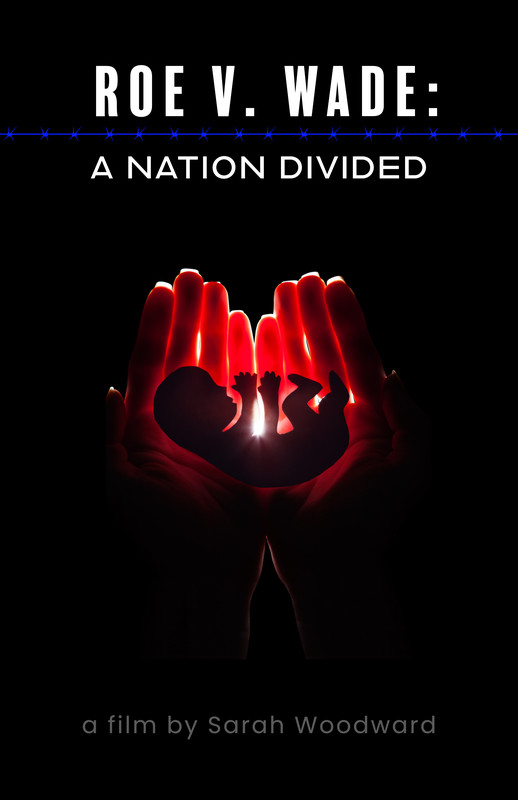
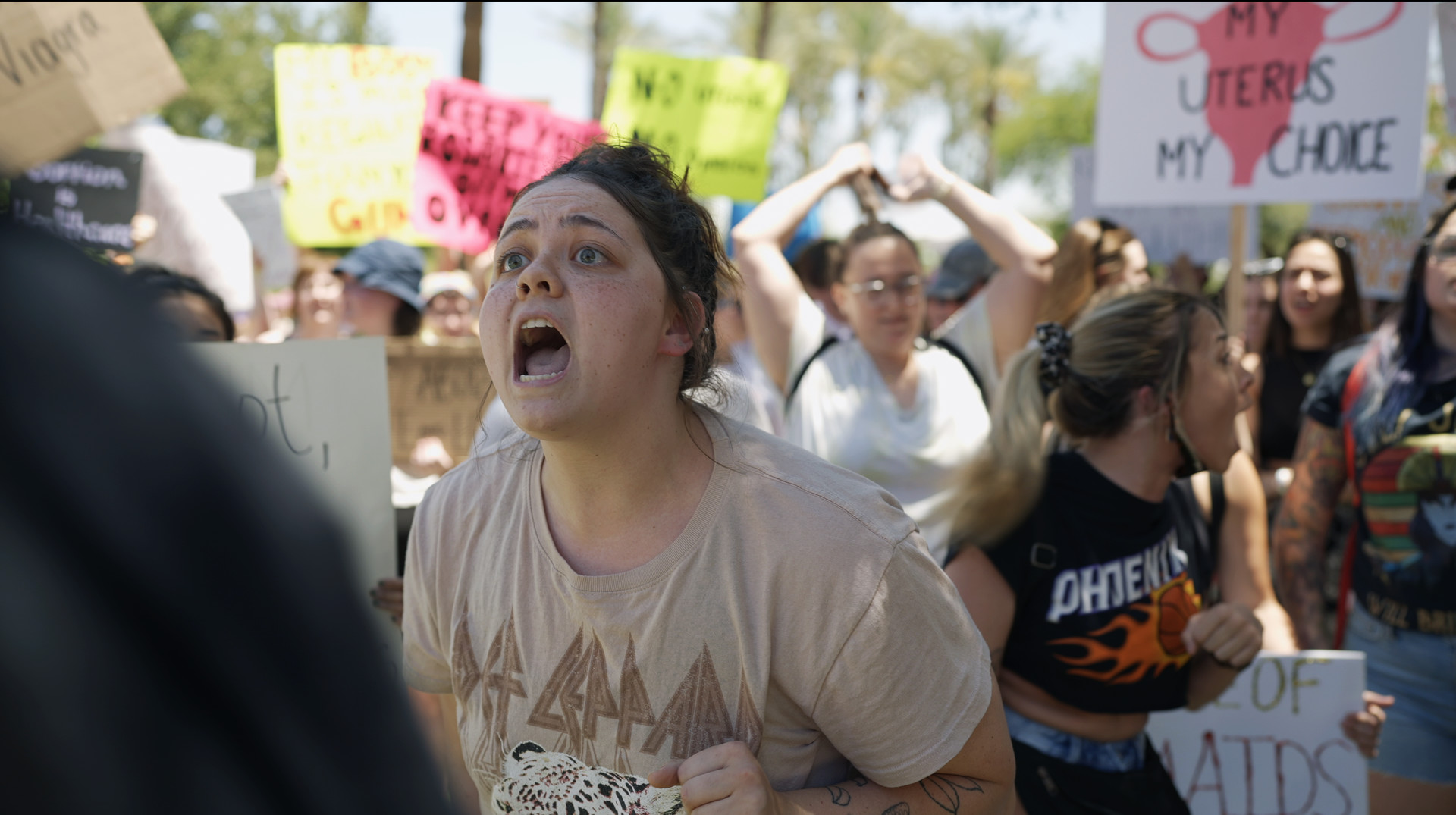
“Roe v Wade: A Nation Divided” is a short film, within the framework of 2022-23, that is simply gutsy. It takes an issue that is polarizing and extremely divided in the Western world and attempts to show both sides of the intensity.

In full disclosure, we contacted the owners of this website (WILDsound Corp.) about the showcase of this film at their Political Feedback Film Festival to gauge a reaction. The festival owner Matthew stated that out of over 7,000 short film screenings at their various festivals since 2007, this was the film that had the toughest time getting audiences to go on public record giving their opinions about the film. It’s an issue that people feel very strongly about and in today’s world you either are on one side or the other. Most don’t want to hear another perspective, even though it’s probably what we need to hear.

There is a segment in the first 3 minutes from the HBO show “Real Time with Bill Maher” where the host, Bill Maher, calls out the American Civil Liberties Union (ACLU) for tweeting that abortion harms a list of groups, including the LGBTQ community, immigrants, the disabled, to name a few, but not saying that it harms women themselves. Maher says it in his usual intelligent smug way and the filmmaker chose to edit out the laughter from the audience that occurred when that segment happened live. I remember watching this episode months back. Maher’s point was that he’s pro-choice and a liberal himself, but perhaps even the side he agrees with has also gone a bit far. I don’t know the filmmaker personally, but perhaps that’s what she’s attempting to say with this film and it’s her overall theme and point.

The film starts off with a pro-choice point of view, then veers off to the pro-choice extreme after this moment in the film, and with that a pro-life point of view. Like Maher’s show, where he consistently calls out the “woke left” and their extreme takes on wanting to cancel people from the past who don’t agree with “them”, documentarian Sarah Woodward is doing a bit of the same about the levels of extreme with the pro-choice group. This reviewer, full disclosure, believes in a woman’s right to choose as it’s her body and she can do whatever she wants with it. So even I had a bit of a bias when the film veered into talking points of what an actual abortion is from a medical standpoint. The film physically shows us the elements how an abortion is done and then what they do with the dead tissues and carcasses. It’s not for the faint of heart, which is why there is a disclaimer at the beginning of the film. These are images that are not going to leave you anytime soon.

And that is the entire point of the film. It’s easy to pick a side while you sit on the sidelines. The analogy I give is that most people will agree that it’s okay to eat meat and for populations to profit from the selling of meat by killing animals in an assembly line way. I eat steak, hamburgers, hot dogs etc…, but I’m not at the meat plant seeing these animals get killed in the violent and soul-less way they do. Perhaps if I did witness it then I wouldn’t eat the meat provided for me at the everyday grocery store, or a quick UberEats scroll and click. Perhaps I would. So by showing what actually occurs when an abortion actually takes place and what they do with the undelivered baby’s carcass, it gives people context on their issue and choice. See what you believe!

This is a film that people really don’t want to see because it forces them to be accountable for their “choice”. And perhaps that’s why it’s an important film to see. Bravo to the filmmaker.

By Eli Manning

Directed by Sarah Woodward

https://www.cinesarah.com/

Watch the Audience Feedback Video from the POLITICAL Festival:

Short Film of the Day (Watch): PLEASURE BOYS, 8min., UK, Documentary

Directed by Elliott Watson

Rippling muscles, screaming crowds and non-stop attention. Is it ego or alter-ego that defines ‘The Pleasure Boys’ strip group? Exploring the motives and sacrifices of four male strippers, this documentary challenges masculinity as a construct in the modern world.

CLICK HERE – and see full info and more pics of the film!

Watch Film:

Watch the Audience FEEDBACK Video:

Film Review: 2019 Oscar Nominated Shorts (Documentary) **** Highly Recommended

Oscar nominated shorts will be screened at the Bell Lightbox from now (Feb 8th) till Oscar Presentation Day – on February the 24th.  There are 3 categories – animated; live action and live action documentary.

Watching shorts is a real treat and less tiring than watching a full length feature. Plus, not knowing what these shorts are about, one will surely be in for a nice surprise as well.

One thing about this program of shorts is that they are true stories about life and hardships.  The subjects of these docs are as different as night and day and range from the U.K. to India and Africa.  These are docs are both educational and entertaining and most will leave one teary-eyed as well.  Total length of program around 140 minutes.

BLACK SHEEP (USA 2018) ****
Directed by Ed Perkins

This gut-gut-wrenching emotional shocker has my vote for best doc short.  It all begins for rather innocently for a black kid Damilola Taylor returning from school.  A 10-year old school Nigerian boy has just been murdered in his neighbourhood.  Camilla finds his mother crying when he got home  The family move out of London (from Peckham to Essex) only for Damilola to find matters worse – in terms or racism in his new neighbourhood of all whites.  His first encounter is a young boy calling him nigger.  I understand and feel for Camilla as I experienced the same thing while in Ireland while walking when kids in a car made slanted eye faces at me.  The short works as what transpires is real and the enactment is terribly effective.  One can never predict how the narrative of the short will lead to making it even more intriguing.

END GAME (USA 2018) ***
Directed by Rob Epstien and Jeffrey Friedman

This doc follows medical practitioners and several patients as the patients live their last years of their lives.  The staff try their utmost best to make the patients comfortable and their last days meaningful., thus encouraging the audience to re-evaluate their own lives in the light of what is happening.  Many of the subjects in the film have now passed away.  END GAME is a very sad and needless to say, emotional film about life and death.

LIFEBOAT (USA 2018) ***

Directed by Skye Fitzgerald

This well intentioned short has the aim of informing audiences of the plight of refugees as they risk their lives for a better life.  The film has many disturbing scenes such as overcrowded raft lifeboats filled with refugees with their legs dangling over the side.  They have nowhere to do their business.  Many are sick with fever.  Many die  The short begins with  a search of dead bodies on a beach.  The film follows volunteers from a German non-profit organization as they risk the waves of the Mediterranean to pluck refugees from sinking rafts pushing off from Libya in the middle of the night.  LIFEBOAT puts a human face on one of the world’s greatest contemporary global crises and provides a spark of hope surrounding how civil society can intervene in the refugee crisis in a meaningful way.  Unfortunately, the narrative is fragmented resulting in the film seeming all over the place.  Still LIFEBOAT is quite the eye-opener.  This one will likely win the Oscar because its theme is the most current.

A NIGHT AT THE GARDEN (USA 2017) ***

Directed by Marshall Curry

This is a short, black and white short doc that is no less disturbing for its theme.  Assembled from archive footage, A NIGHT AT THE GARDEN  details a ‘German-American Bund’ rally held at the Madison Square Garden on February 20, 1939.  American Nazi leader Fritz Kuhn speaks to the gathered crowd when one man, 26-year-old Isadore Greenbaum, rushes the stage to protest the gathered National socialists.  What happens to Greenbaum is gut shattering.

PERIOD. END OF SENTENCE (USA 2018) ***

Directed by Rayka Zehtabchi

This feminist (in such a good way that it will leave even the males cheering the women) short starts of on the ignorance of Indians on menstruation and slides from topic to topic ending with the manufacturing of women’s pads.  The film centres o a few Indian women from a rural village outies Delhi, India who strive to do more as women.  One wants to join the police force.  Others make, sell and market women’s pads.  This is the lightest of all the documentary shorts but no less educational, informative and entertaining.