Geoffrey Rowland has worked in the film and television industry for over 50 years. We chatted on the phone for 2 hours with topics ranging from our mutual love for baseball, life lessons, being Canadian, and of course film and editing. He was a pure joy to chat with. Enclosed are the highlights of our conversation:
Matthew: “The Young Messiah” was the last film you worked on. How was your experience working on the film?
Geoffrey Rowland: Terrific experience. I worked 77 straight days editing that film. It became a part of me. I gave it my all and I think it’s a very good film.
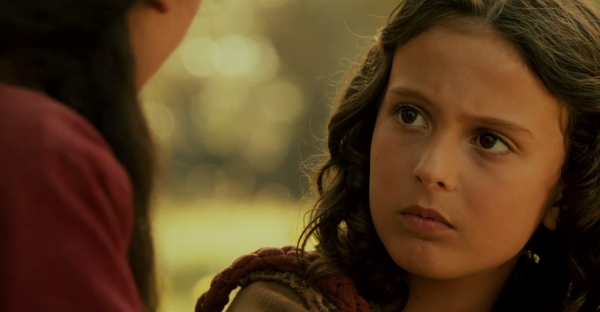
PHOTO: Still from “The Young Messiah” with actress Sara Lazzaro. Geoffrey called her one of the finest actresses he has ever edited. “Amazing eyes”. He praised.
MT: You’ve worked on over 80 productions as an editor in the last 40 years. Do you have a favorite experience? What film/TV episode are you most proud of?
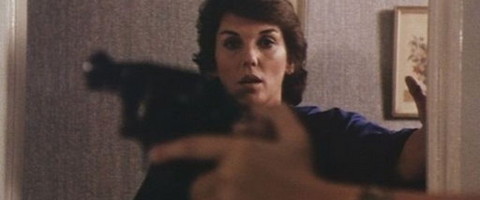
GR: There was a “Cagney & Lacey” episode in 1984 called “Heat”. It was about a hostage situation. The producer of the show called it a movie that was also a TV episode. I’m very proud of that episode because the director Karen Arthur won an Emmy for it. The first time a female won a Best Directing Emmy.
There was a scene where someone gets shot in the episode and instead of showing them get shot down, I focused on the reaction of the husband and let the sound of the gun and his face tell us what happened. That’s editing!
PHOTO: Tyne Daly in “Cagey & Lacey”. Geoffrey edited multiple episodes of the series and considers working with director Karen Arthur as one of his finest working experiences:
MT: I have to ask about your experience working on “Rocky” early in your career as an assistant editor. The film ended up winning the Oscar for Best Picture. What are you memories working on the film?
GR: I was an apprentice editor for Richard Halsey on the TV series “Peyton Place”. One day as I was driving home from work on a show I was assisting for, I realized I forgot my wallet and had to go back to the Production Lot. I ran into Richard who was looking for an assistant editor for this film called “Rocky”. The only reason I got the job was because and I was lucky to run into Richard at the exact time he was going to hire someone. I wasn’t his first choice, but because I was eager to do it, he went with me. That’s faith! If I remembered my wallet my career could have gone in a different direction.
Advertisement
MT: You then moved onto “Close Encounters of the Third Kind”. You worked on an Oscar winner to Steven Spielberg! What were your duties working on that production?
GR: I watched, assembled the dailies, and organized the footage. From Memorial Day 1977 to the fall of that year, I had two days off. We worked tirelessly on that film.
Steven was a terrific guy. It was all about the film. That’s what made the working relationship great. No one needs to know anything about you except what you know about the film. A sole focus always leads to the best relationships.
MT: You won an Emmy for the “Path to 911” mini-series. I had a few friends working on that production in Toronto, so I visited the set for a few days. Every shot, no matter what, had at least three cameras rolling, sometimes 4-5 cameras. I remember thinking that the editor and his team are going to have SO much footage – it’s going to be a nightmare. What were your experiences working on that film? You must have had a big team of assistant editors to go over all that footage.
GR: There was almost 3 million feet of film shot on that production. Yes there was a lot of coverage – which is amazing for an editor because you have choice and can really dig into the story.
We had 5-7 editors at a time working on the project editing scenes. The trick on that film was to make it look like it was edited by just one person when it came all together. That was my job. The director David L. Cunningham is a brilliant guy. Shoots the film like it’s a documentary in a very unique style. He reminded me of a young Spielberg.
We were proud to receive the Emmy but it wasn’t us who won it, but the entire production and people who worked on the show.
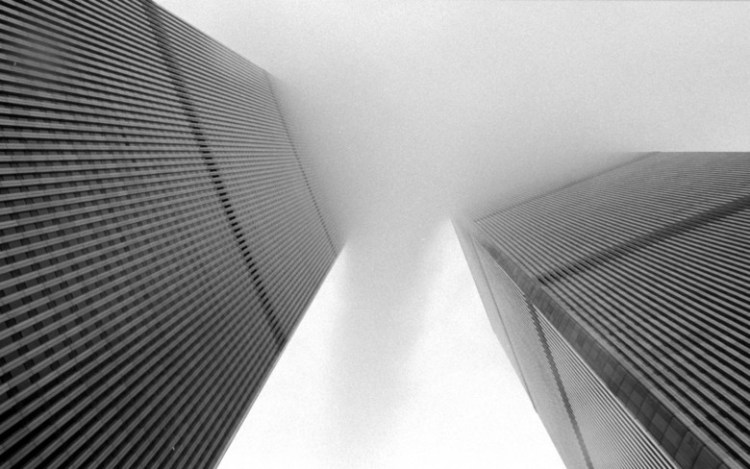
PHOTO: Still Shot from the mini-series “Path to 911”. A controversial series when it premiered in September 2006. Geoffrey wins his first Emmy after 5 previous nominations:
MT: What’s the key difference between working on a TV episode in comparison to working on a feature film?
GR: TV is a Producer’s medium. That’s who you’re working with. They know the show and how the episode needs to fit into the context of the entire season and series. Film is a director’s medium. The director knows the film better than anyone else. In TV, it’s a faster process versus working on a film.
MT: What is an editor looking for in their director?
GR: Hand ons. Hands off. Instense. Casual. They are all different and you always learn a ton from them. As long as they are passionate, that’s all that matters.
MT: What is a director looking for in their editor?
GR: Do the job and don’t bring your ego to the film. A director has one focus (to finish the film) and has a 1000 things going on in their head. They want you to be professional. Don’t cross boundaries and tell them your life story or anything for that matter that’s not about the film. When you finish working with them they’ll know whether they want to work with you again and vice/versa. You don’t have to say anything more about it.
In professional situations and when putting a film together, less is always more.
MT: What film, besides the ones you’ve worked on, have you seen the most times in your life?
GR: The Immortal Beloved. Probably seen it 2 to 3 dozen times. When I want a good cry, I watch it.
Great films leave an impression. My daughter Brooke was 15 years old when we went to see the film together. She just quit the piano weeks before, but went right back to it after she saw the film because she was so inspired. And stayed at it. When Gary Oldman (who played Beethoven) heard that story, he wept.
Stories like that is the reason why most of us get into the business. It’s all about leaving an impression in this world.
MT: What type of film would you love to edit that you haven’t worked on yet?
GR: The next project. Whatever the next project is.
MT: What suggestions would you have for people in high school and university who would like to get into the industry as an editor?
GR: Learn subtext. A great way to do learn is to listen to classical music. Listen to the instruments and how it all comes together. It’s the same way when editing a film.
Get your foot in the door and be a sponge. You have to be obsessed with editing. Nothing else matters.
Also, buy the book: http://www.CUTTINGITINHOLLYWOOD.com
And remember when editing – it’s all in the eyes!
PHOTO: Banner of the book “Cutting it in Hollywood”, where author Mitchell Danton interviews the great film editors, including Geoffrey Rowland.
____
Interviewer Matthew Toffolo is currently the CEO of the WILDsound FEEDBACK Film & Writing Festival. The festival that showcases 10-20 screenplay and story readings performed by professional actors every month. And the FEEDBACK DAILY Fesitval held online and in downtown Toronto on the last Thursday of every single month. Go to www.wildsound.ca for more information and to submit your work to the festival.
 Festival Reviews