Carbon stored in fire-damaged redwoods produces new sprouts directly from tree trunk. The film is about understanding better the details at the chemical level of how these trees are able to come back to rebuild a crown of vigorous green foliage after losing everything.
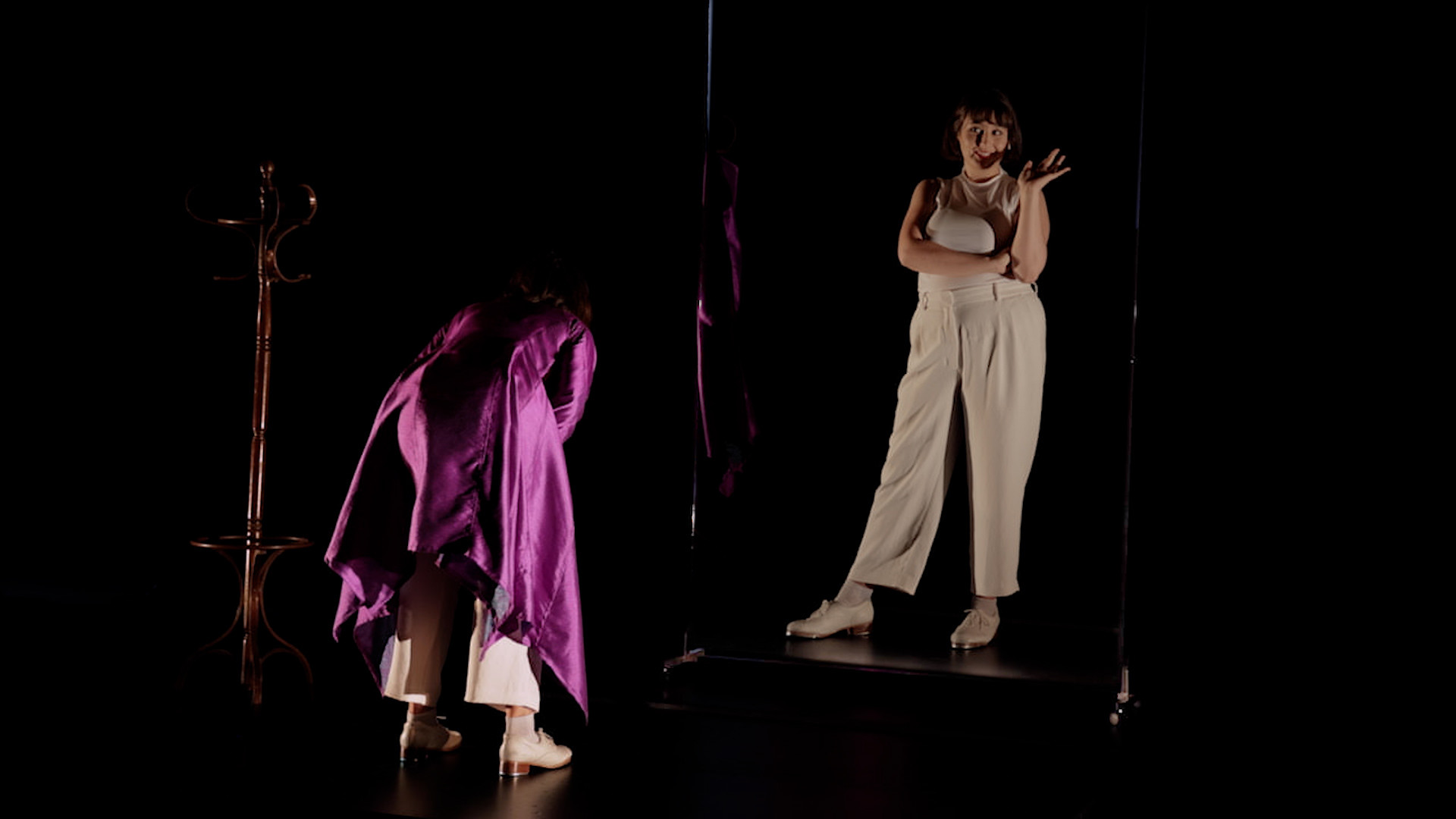
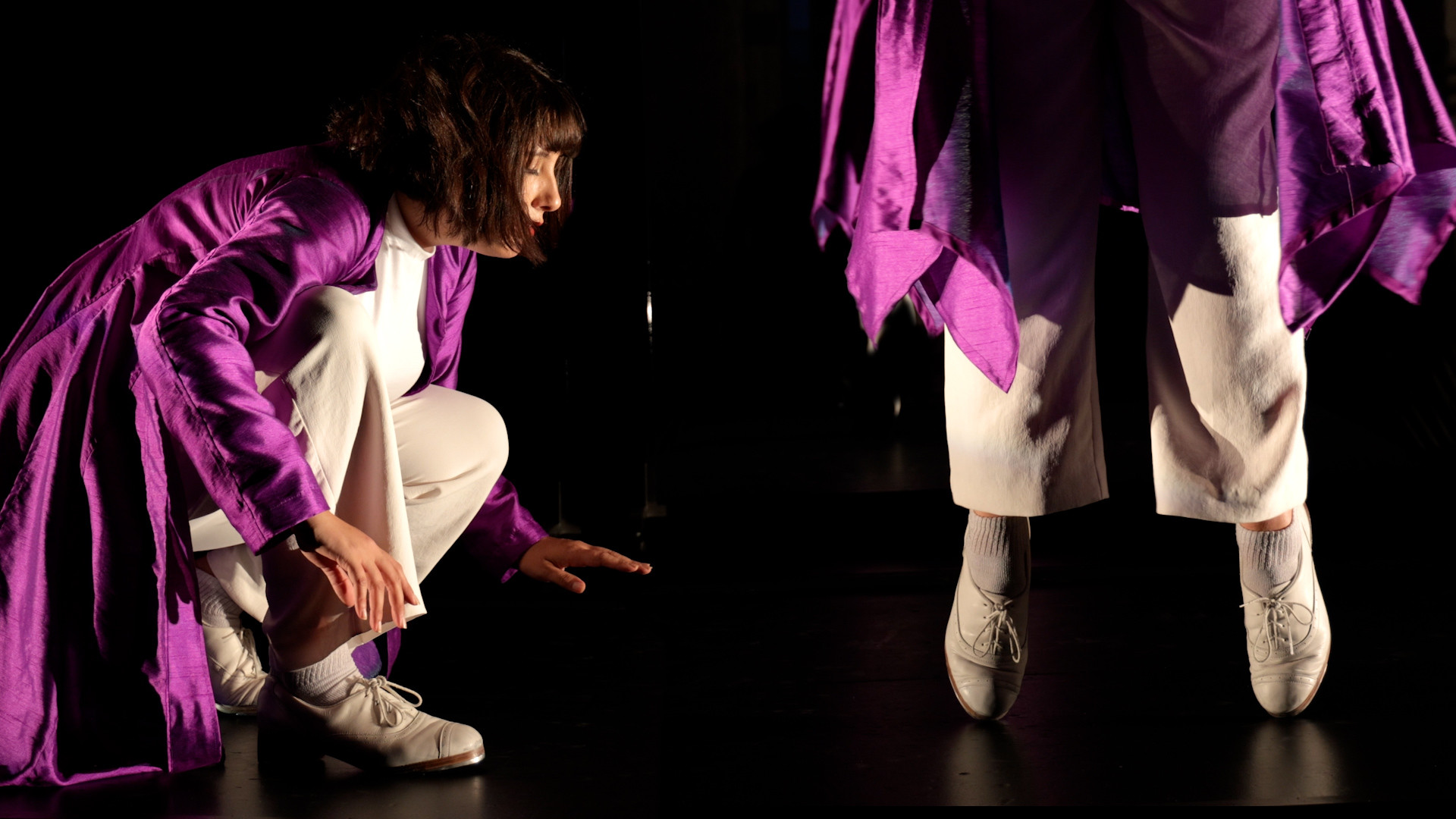
Is art “essential”? This is a story of how a multi-disciplinary artist of Chinese and Indian descent in New York survived the pandemic and attempts to “return to normal” when the world is now anything but.
Directed by Fahim Hamid
Director Statement Is art essential? This film is a meditation on the value of art in the midst of the global COVID outbreak and lockdowns, as well a personal story of a multicultural, multidisciplinary artist.
Director Statement Vulpes is one of the first short films I’ve ever written that has been made. I studied screenwriting in upstate New York before moving to Boston in 2021 to complete my studies at Emerson College. At Emerson, I found an amazing group of people who helped me execute my writing on the screen. I am always fascinated with the human condition and the story of Vulpes represents just that by exploring human’s purpose on earth.
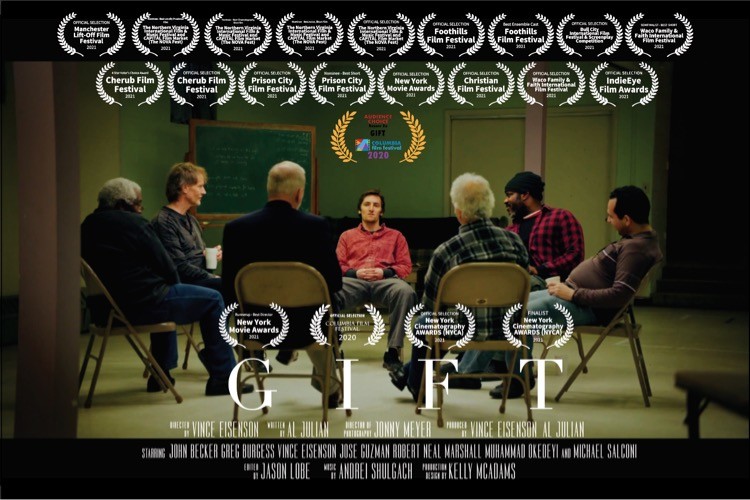
Director Statement This film was based on a real experience our screenwriter (Al Julian) had while leading group therapy sessions several years ago. The project went through a few iterations, and my involvement changed at different steps along the way. Eventually, I realized I had become attached to the characters, the story, the atmosphere, and the central questions to such a degree that I needed to direct the piece. This wasn’t an easy decision, especially since I had signed on to act in it. I guess sometimes you just have to go all in. The story for me was always about a simple question: what does it take for people to really change? A lot of these characters are locked in – mentally, physically, emotionally, spiritually. They have decided what life has to offer and aren’t interested in looking beyond their current views. I’m sure we all know people like that – or believe we do. Perhaps we feel that way ourselves. Hopefully this short will provide some answers we hadn’t considered. Or maybe it will just raise the right questions.
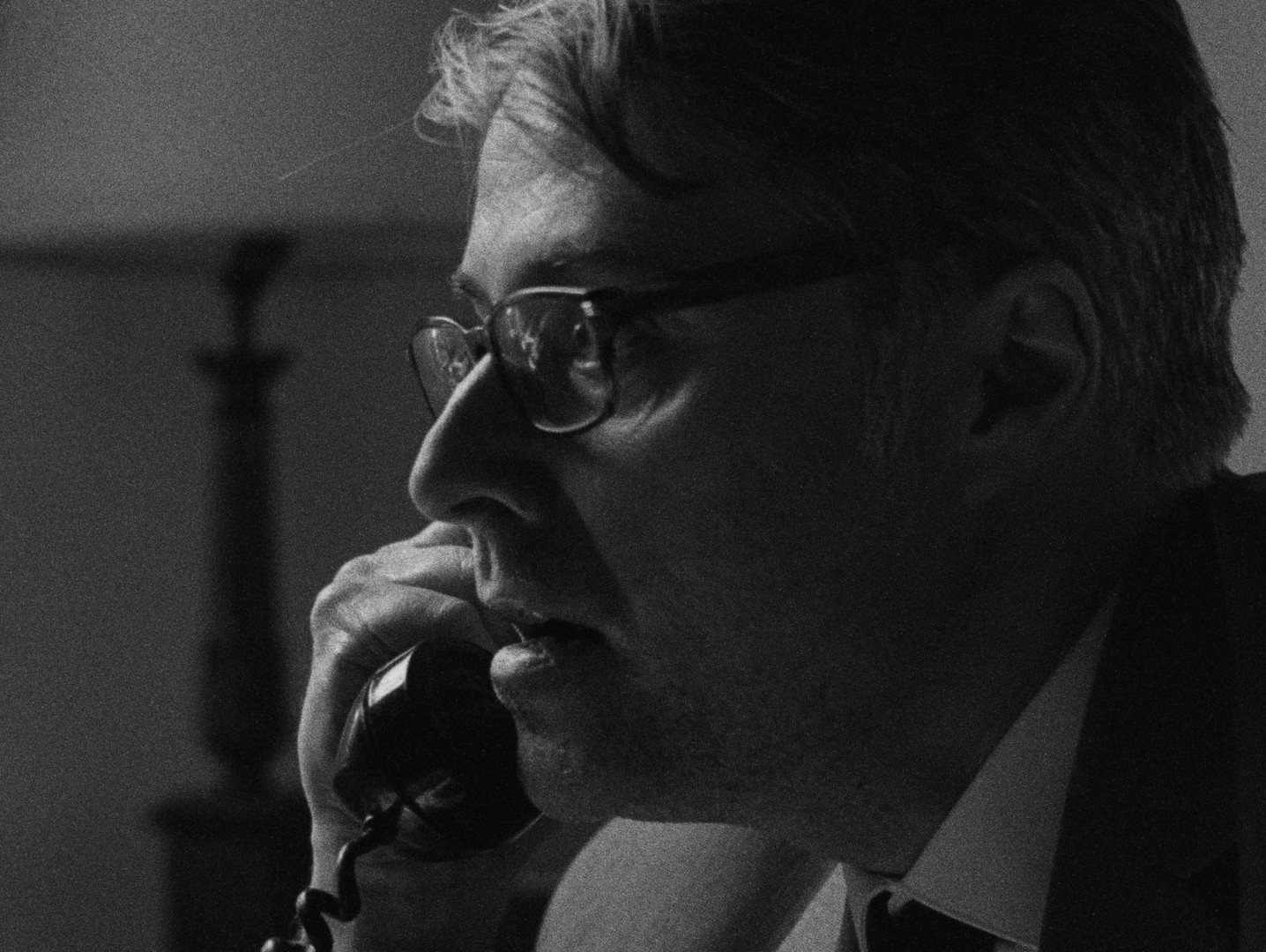
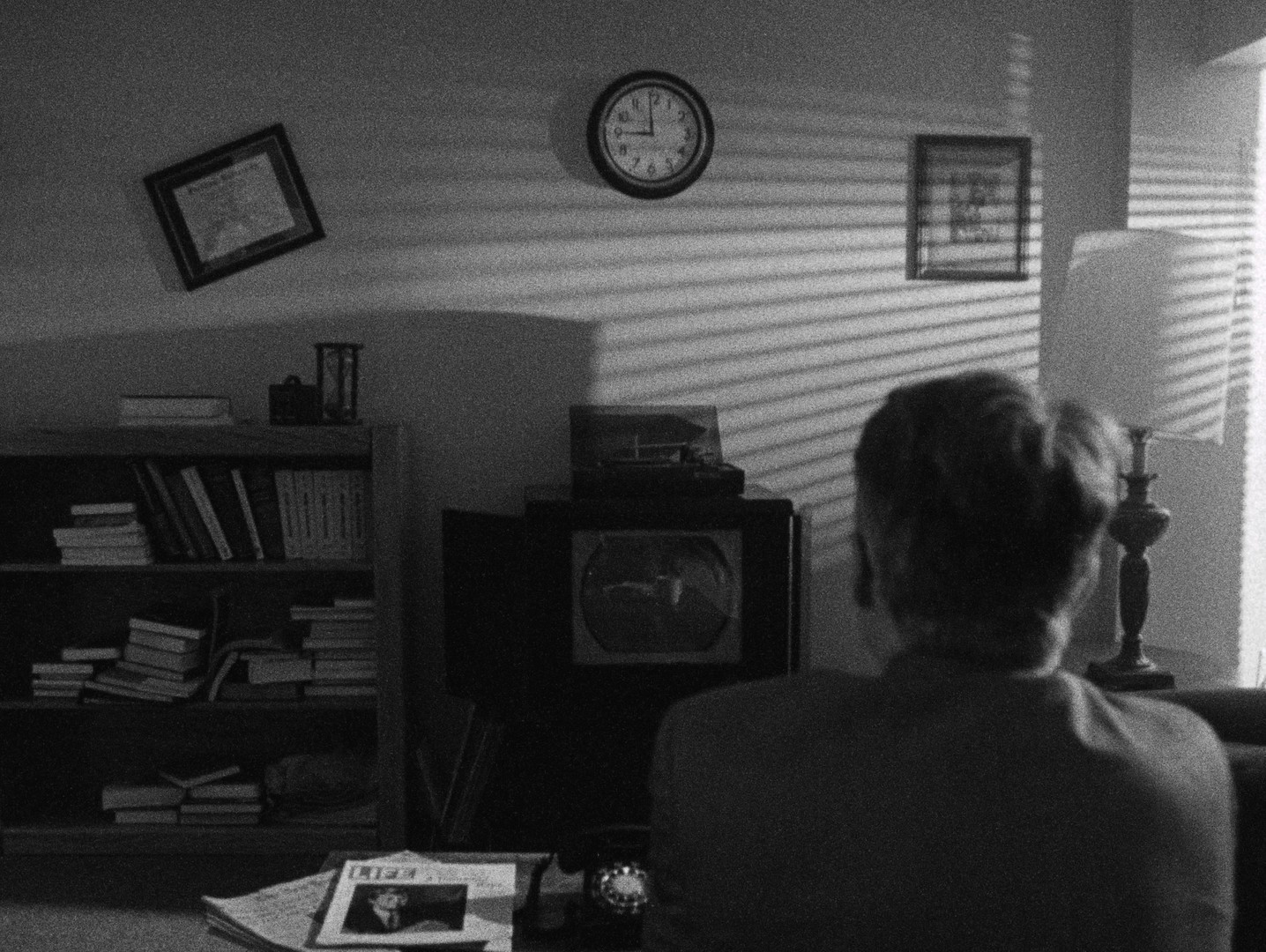
1965. A small man in a big world works hard to close a deal, doing everything he can to please his boss. But the clock is ticking, and someone is out to get him.
Director Statement I’ve always been intrigued by films that have compelling stories told within the confines of few settings. That is why directing The Call, as well as co-writing it, means a lot to me. Despite the film’s one setting and the protagonist’s seemingly trivial predicament, its story still takes a deep dive into the darkest corners of the human condition. The film stems from my fascination with dark and sinister tales that are grounded in reality. Thus, I saw The Call as an opportunity to create a metaphor for the anxious and paranoid times we live in.
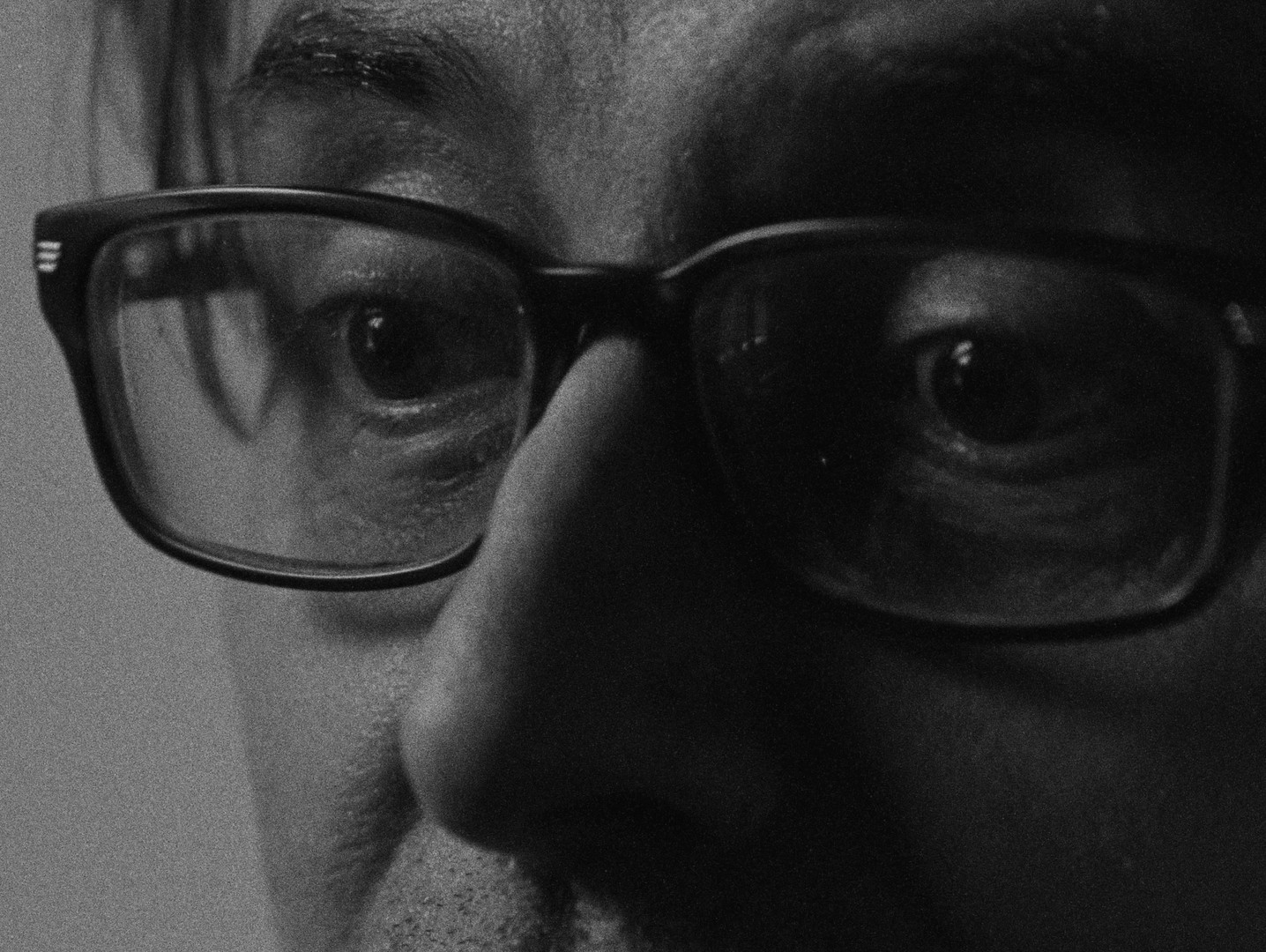
This production was truly a labor of love. From the very beginning, I envisioned the film to be shot on 16mm black and white film with a 4:3 aspect ratio. This combination was very effective in terms of creating a sense of claustrophobia which speaks to the protagonist’s state of mind. The cinematographer, Armaan Virani, completely understood the look I was going for and implemented it perfectly. Casting the film was very exciting. As soon as I watched Tom’s audition I knew he was the right choice. His talent, dedication and attention to detail shine thru in his performance.
Unfortunately, production was delayed twice due to the challenges presented to us by the pandemic. But my collaborators and I didn’t let these setbacks stop us. We worked hard on getting all the details right knowing the film will get made no matter what. And that it did. I am proud of the film and look forward to screening it for festival audiences.
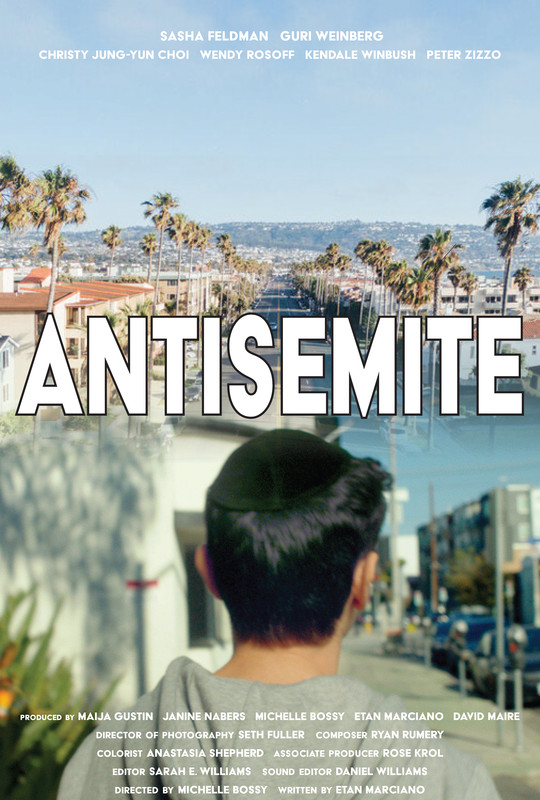
Seth, a college senior, is home for winter break. He’s spending a day relaxing and shopping on Fairfax Avenue when he’s suddenly confronted by an Orthodox Jewish man asking Seth if he’s Jewish. Seth’s chance encounter leads to a profound spiritual experience with life-changing implications.
Director Statement ANTISEMITE is a film about self-discovery in a time of fear and violence. Fear of one’s heritage, and fear of exploring and expressing one’s identity. For the past two thousand years, Jewish people have been the victims of antisemitism, being forced to live at the margins of whatever society they happened to call home at the time. Sure, assimilation provided some cover, but the fact remained and still remains to this day, Jews have always been Other. ANTISEMITE explores the themes around a unique component of being Jewish in today’s world, the capacity to be Jewish without actually being Jewish. It’s a paradox that many modern Jews face, and it’s a sense of inner conflict that many seek to avoid. Following the uptick in violence against Jewish people in North America last year, our writer Etan Marciano channeled his anger, fear, confusion, and sense of ambiguity into a narrative that sought nuance in the face of an increasingly binary conversation about what it means to be Jewish in today’s world.
Seth, our film’s lead, is a version of a growing Jewish American archetype. His Judaism is only as deep as his vague awareness that he’s Jewish. He’s a born and raised Angeleno. He’s the son of an immigrant Israeli father who rejects his religious past, and an American-born mother who never cared to embrace her Judaism. His parents have offered him no sense of what it means to be Jewish, and in that void of his identity, Seth has naturally sought a sense of self in the secular culture around him. Instead of his faith or spirituality, he defines himself by his taste in fashion, music, the content that he consumes and the multicultural friends he surrounds himself with. But however much of an echo chamber Seth has created for himself, he still yearns for deeper meaning, purpose and connection. Seth’s chance encounter with an Orthodox Jewish man– similar to the type of encounter Etan experienced all the time as a teenager growing up in New York City — acts as a catalyst that changes Seth’s life. But the question remains, does Seth have the courage to pursue his Jewish identity knowing that it could alienate him from his family and friends? And if so, does he have the resolve to cope with the specter of hate and violence that awaits?
ANTISEMITE is a film that I believe will resonate with everyone who sees it, as the themes are universal. It’s a film about finding your place in the world and the consequences of that. I too have a father from another culture, who overcorrected and assimilated into American culture, erasing his ties to his native land. I have had to discover that for myself, in a journey similar to Seth’s, and have faced the repercussions of living between being Other and an American upbringing. This is a film that audiences will surely identify with, and garner some deeper understanding of themselves.
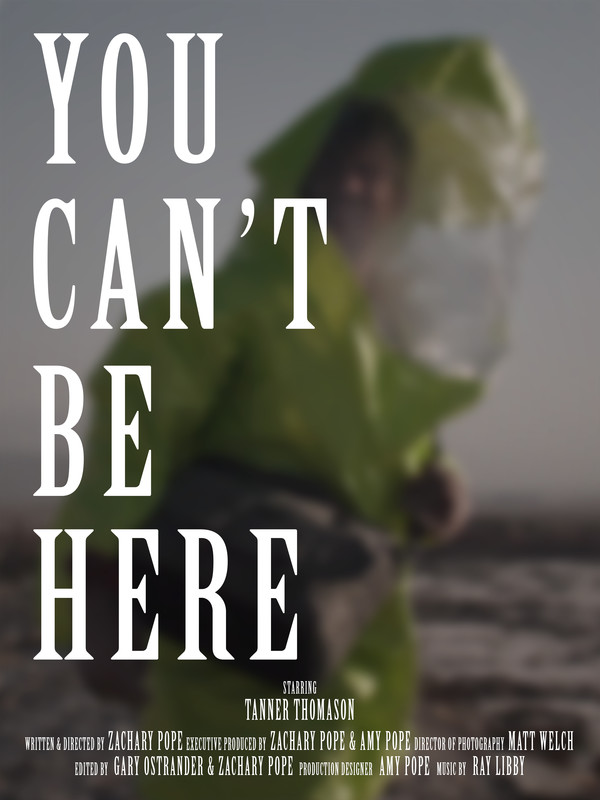
After humanity’s destruction, one man wanders the wasteland in search of a safe place to settle down, until one day he is confronted by a group of people who don’t belong.
In war-torn 2062, a grounded fighter pilot agrees to raise a genetically-modified child, only to discover his precocious daughter’s DNA is designed for nefarious purposes.
Cast: Tasos Hernandez, Isabella Salazar, Steven Dudley, Jade Holman-Travis, Sami Martinez, Rhianna DeVries
Director Statement TEST DRIVE is a film about the lows to which those in power will stoop in order to maintain control.
On a personal note, TEST DRIVE borrows heavily from a time in my life when I was a single dad: all the good intentions, bad mistakes, and ugly things I’d do to keep my daughter safe.















 Festival Reviews