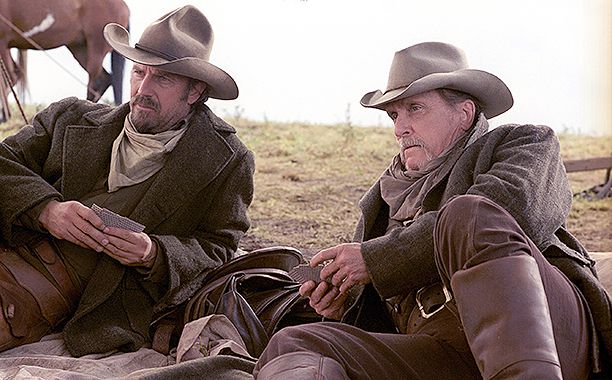
The Western is a film genre defined by the American Film Institute asfilms which are “set in the American West that [embody] the spirit, the struggle, and the demise of the new frontier.” Generally set in the American frontier between the California Gold Rush of 1849 and the closing of the frontier in 1890.
FULL FEEDBACK on your screenplay from our committee of Professional Screenwriters, Production Heads and Script Consultants. Get your entire script performed at the writing festival.
SUBMIT your FEATURE, TV PILOT or SHORT SCREENPLAY.
Submissions take 3-5 weeks for evaluation. Looking for screenplays from all over the world.
This festival has a guaranteed 4-tier set up for each accepted script. (No matter what, all screenplays submitted receive FULL FEEDBACK on their work.)
1st Tier: FULL FEEDBACK on your screenplay (all submissions)
2nd Tier: Accepted scripts (25% on average of submitted entries) get a best scene of their screenplay performed by professional actors and made into a promotional video.
3rd Tier: We will send you a list of questions to answer for our blog interview that will promote you and your film.
4th Tier: Then we will set up a podcast interview on our popular ITunes show where will we will promote the winning writer and script.
(BONUS: 5th Tier. A winning screenwriter’s WhatsApp group has just been formed. Over 50 writers to date. Great way to share ideas and contacts with people in the industry.)
Submit your Film to the Festival. Guaranteed Acceptances:
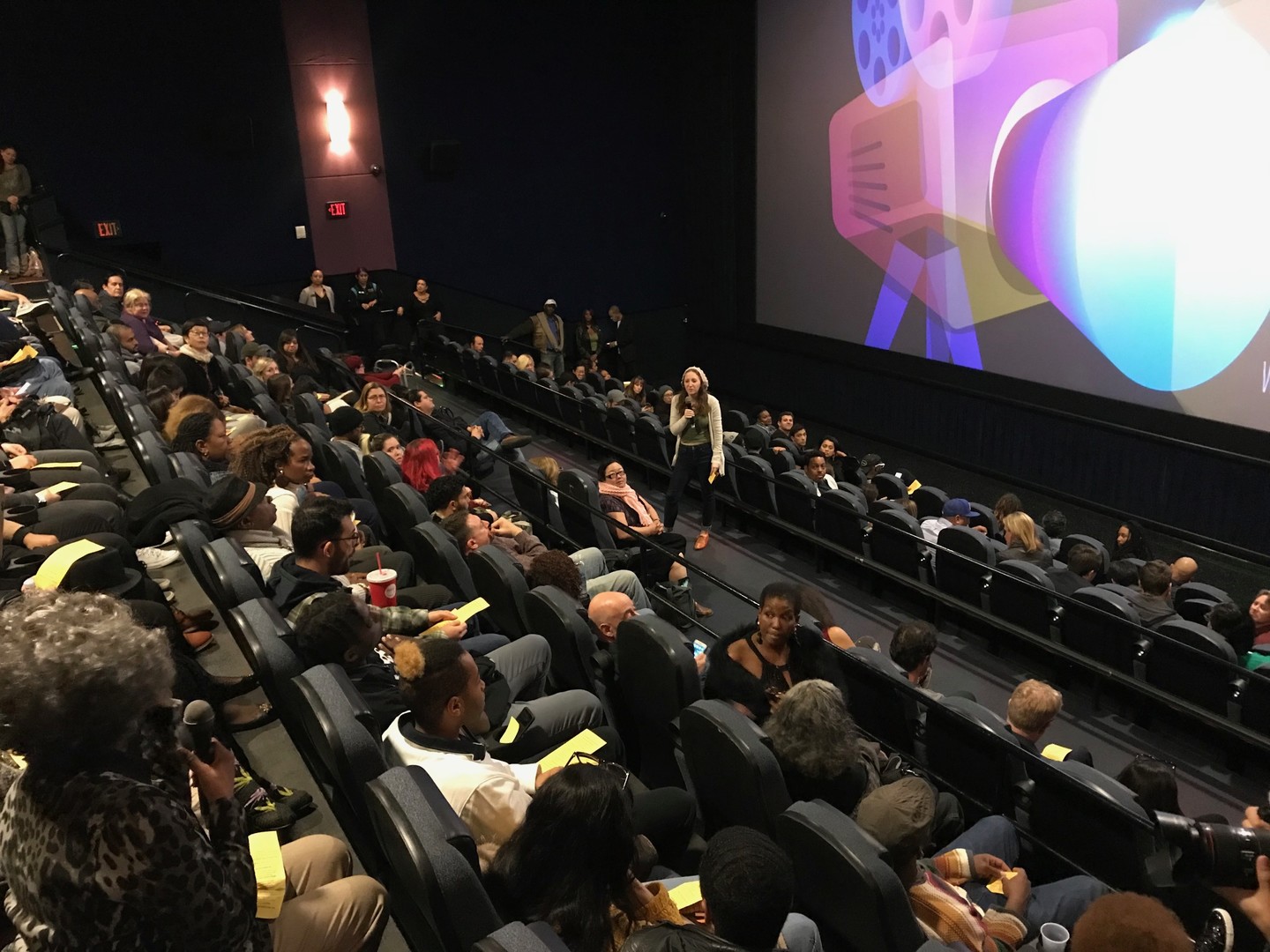
We are incredibly grateful to the L.A. FEEDBACK FILM FESTIVAL for showcasing “AVE GRADIVA” and for the amazing audience feedback. indeed, this festival is really something special and outstanding in that it allows direct contact between the film creators and the audience. after all, we create films not for the awards, but to excite the viewers and to be excited together with them! Sending all our love and warm regards from Tel Aviv to L.A. Yours sincerely, Yuri Riklis, & AVE GRADIVA Team.
GROCERY SHOPPING, 38min., USA Directed by Harry Roseman I am at the grocery store three to five times a week. It has become a ritual, picking out the items, going over the shopping list, interacting with the same people year after year. It seems to me, an important aspect of my and many other people’s lives. Something utterly familiar. Though filmed it becomes somewhat mysterious, seen anew, to be rethought about.
Harry Roseman is a sculptor, photographer, draftsman, practitioner of web based works, and professor of art at Vassar College where he currently chairs the Department of Art. In addition to having had many solo exhibitions, Roseman has produced a number of major commissioned public sculptures.
My work takes many forms. An aspect of some of my work in photography, installation, and film centers on my interactions with people in my community as I go about doing errands. I had done some shorter film focused on checking out at the register with my purchases. These interactions are important to me because of the frequent interactions I have with the same people over months and years. They are specific kinds of relationships, These exchanges have an aspect of friendship, though bracketed by the relatively brief interchanges but enlarged by time and repetition. This film stems from those interactions, but also a way of showing a frequent and mundane activity as being worthy and possibly interesting as art. Possibly giving the viewer a new take on their own regular day to day activities, In addition I found aspects of the visual possibilities rather beautiful, as still lives, such as piles of fruits and vegetables. The added addition of bits of conversation that either I had with people or overheard was also interesting to me.
[commenting in 2004 on Britain’s proposed Racial and Religious Hatred Bill] To criticize a person for their race is manifestly irrational and ridiculous, but to criticize their religion, that is a right. That is a freedom. The freedom to criticize ideas, any ideas – even if they are sincerely held beliefs – is one of the fundamental freedoms of society. A law which attempts to say you can criticize and ridicule ideas as long as they are not religious ideas is a very peculiar law indeed.
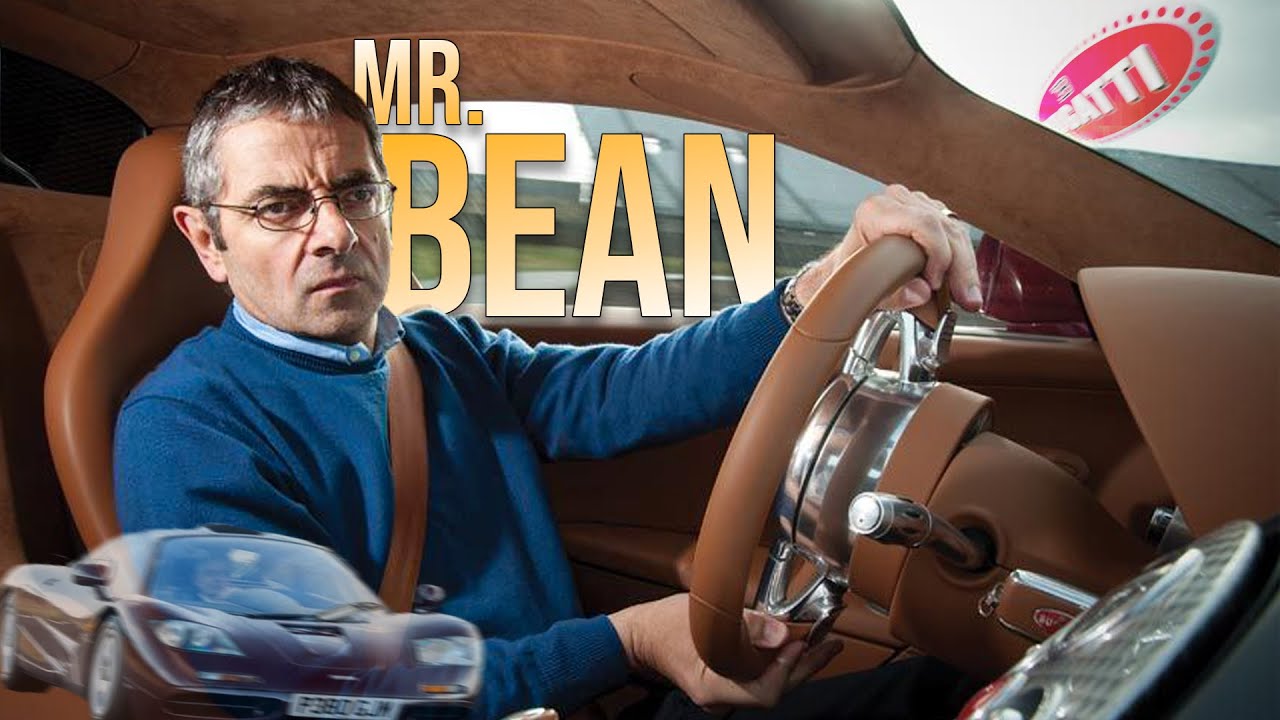
Mr. Bean is essentially a child trapped in the body of a man. All cultures identify with children in a similar way, so he has this bizarre global outreach. And 10-year-old boys from different cultures have more in common than 30-year-olds. As we grow up, we acquire this sensibility that divides us.
I remember looking up Johnny English (2003) in a film guide and it said ‘intermittently hilarious’ – quite a good description of five good jokes and a lot of longueurs. I find it frustrating that, apart from Four Weddings and a Funeral (1994), I have yet to be involved in a film of which I am totally proud.
The casual ease which some people move from finding something offensive to wishing to declare it criminal – and are then able to find factions within government to aid their ambitions – is truly depressing.
[on being an actor] I think all actors have a similar deal. You want some people who understand. Although it looks great – and is great – there are also shoddy moments when you feel really rotten, and when it’s going well, you’re not allowed to complain. Your actor friends will understand the nuances of a painful director, or the loneliness of being… okay, in a beautiful hotel room somewhere exotic. But you’re by yourself for six months, and you’re thinking, “Oh God, I wish I could share it with someone.” I’m trying to buy a house and set some sense of roots because otherwise you’re constantly chasing one job after another, and you look back and you’ve had all these very extraordinary experiences with extraordinary people, but there’s not a line of continuity to it. [Interview with Fran Babb, November 2011]
[on the process of learning lines] That’s what’s been keeping me up at night. What I love about this, though, is that Daniel Day-Lewis and Ryan Gosling have to learn lines, too. Do you know what I mean? However, genius Ryan Gosling is on the ukulele, however brilliant other people are, it’s reassuring to know that even Ben Kingsley has to walk around his room learning lines. It’s the great leveller.
[on his favorite color] The color that Yves Klein does. Wet paint has a luminosity that dies when it dries and it loses the gloss. So Yves created this color scientifically that retains that luminosity. He was a big showman, so he got it copyrighted. The color is called IKB-International Klein Blue. And it sounds all bullshit-y and ridiculous, but when you stand in front of those canvases, the color is sublime and dumbfounding. So that specific color is my favorite color in the world. Are you going to follow this up with a colorblind question? (No, wasn’t planning on it, but if you want to discuss it. [interviewer vs. salisbury]) No, I talk passionately about that color and then people go “But you’re colorblind.” And I go, “I know. I don’t know what I see but I see it and I like it.”.
For an impression, I just find that I can do a lot of the people I love without much research, because I’ve already watched hours and hours of them on video and it seeped into my brain while I wasn’t thinking about it.
I started watching ‘SNL’ when I was thirteen or so; those were the Molly Shannon/Ana Gasteyer/Cheri Oteri years. I was very serene, and I still am, until I start talking in another voice, then suddenly I have a lot of volume and I’m frantic. But I didn’t want to be one of those people who’s always talking in accents in real life, so I started doing sketch comedy.
If you asked me to seriously kiss someone on a screen, I would be very uncomfortable. But I will lick any part of your face.
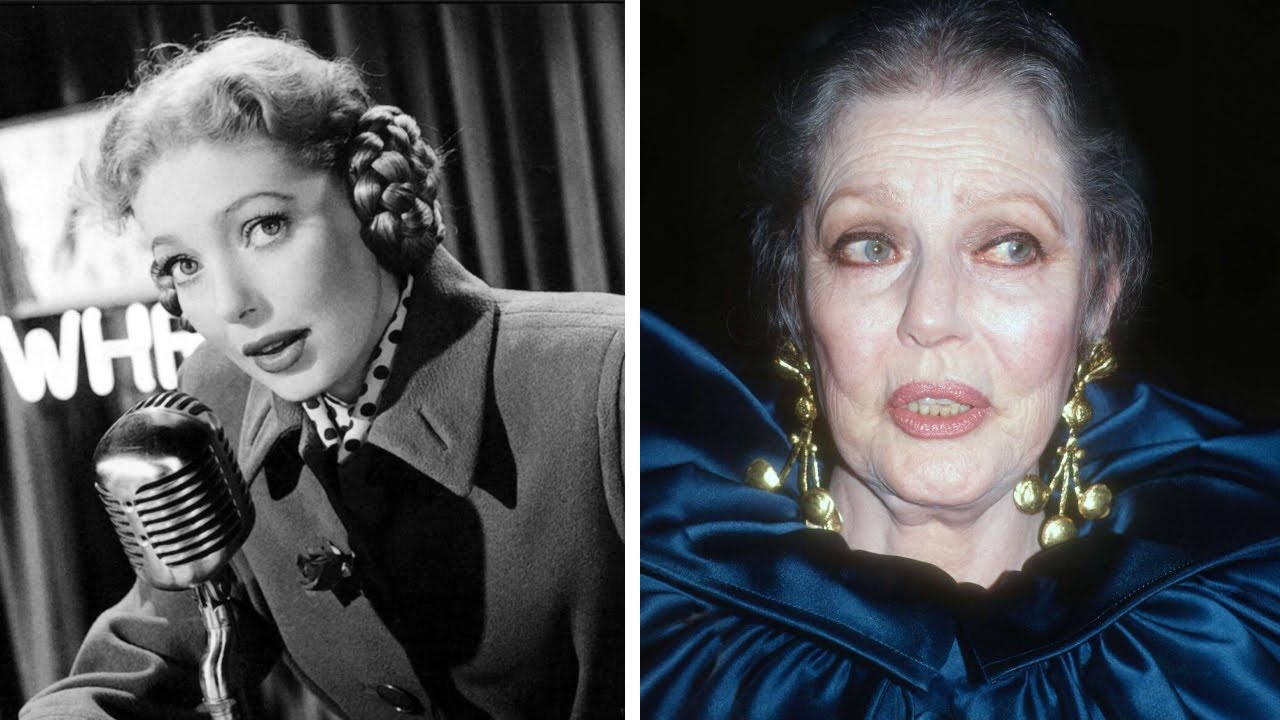
Died August 12, 2000 · Los Angeles, California, USA (ovarian cancer)
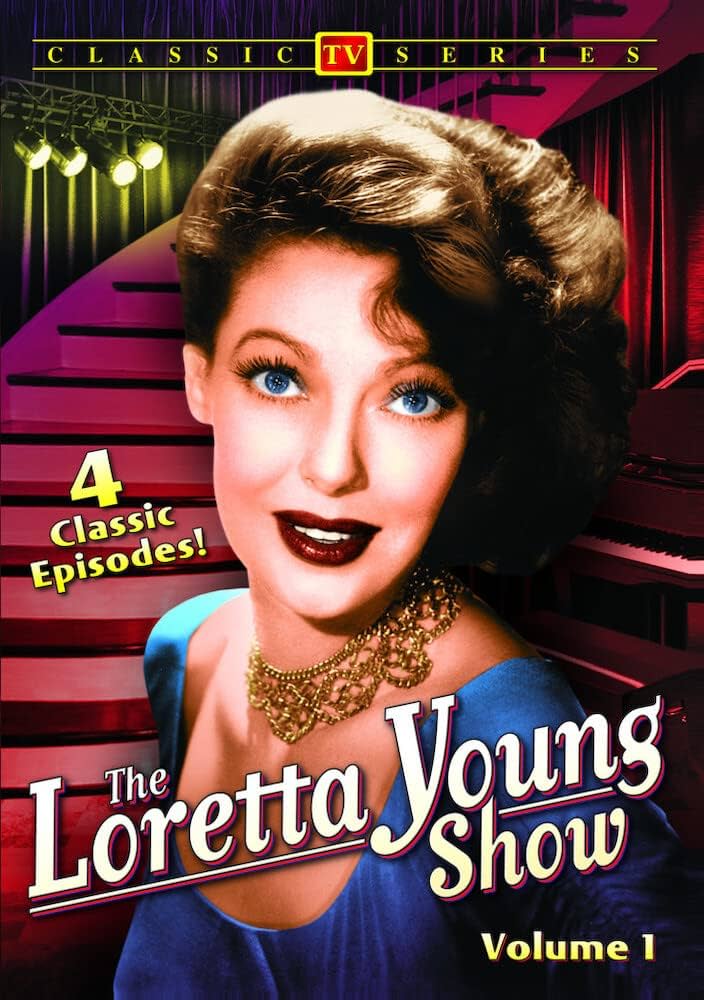
Birth name Gretchen Michaela Young
Spouses Jean Louis (August 10, 1993 – April 20, 1997) (his death) Tom Lewis (July 31, 1940 – August 20, 1969) (divorced, 2 children) Grant Withers (January 26, 1930 – September 15, 1931) (divorced)
QUOTES:
Wearing the correct dress for any occasion is a matter of good manners.
I believe that if we have lived our lives fully and well, and have accomplished, at least in part, the things we were put here to do, we will be prepared – mentally, physically and spiritually – for our separation from this world. Our human connections are guided by God, and ultimately all of us are linked through His love. Thus, we have all already met, not as actress and fan but as His children, and we can never be lost to each other.
What you don’t know intrigues you more than what you do know. I believed all those love stories – the hero was the hero – because that’s what I grew up with. I loved the romance and the roses, but when it came to a more realistic life, I would back away.
Go to the Daily Film Festival Platform http://www.wildsound.ca and sign up for the free 7 day trial to watch a new and original festival every single day.
THE PARTY, 24min., Brazil Directed by Maria Maya Adapted from the theatrical play “A festa” by Italian playwright Spiro Scimone, the short film portrays the misconnections and unsatisfied affections of an ordinary, less affluent family consisting of a father, a mother, and a son, isolated within a kitchen. The dramatic situation revolves around the preparations for the parents’ wedding anniversary. In an atmosphere that blends comedy, melancholy, suggestive silences, and mundane phrases filled with double meanings, they react in various ways to the celebration of the marriage.
CHOLO, 10min., USA Directed by Joe Saldana, Aaron HuisenFeldt Set in 2005, thugs rob a factory where Cholo’s sister works. After they realize there’s not much cash, they kidnap, rape and murder Cholo’s sister. Cholo, who was very close with his sister, becomes a drug addict after her murder and spends his life looking for those responsible for her death.
AFTER, 10min., USA Directed by Joe Saldana, Aaron huisenfeldt, Yonash Breneman A disturbing conversation between two friends takes a turn for the worst. The discovery of a loved one’s death creates new paths when the horrific truth is revealed.
CROSSING WOMEN -THE INVISIBLE SUPPORT OF THE BORDER, 30min., Argentina Directed by Pablo Mardones Charlone, Javier Astudillo Through the wandering, life and work of women in the Andean Triple-Border (Bolivia, Chile and Peru), and the Paraná Triple-Border (Argentina, Brazil and Paraguay) we know a story of female invisibility and vulnerability. Through a voice-over that personifies them, we understand that, despite precarious working conditions, the tasks of caring for and maintaining the family have always rested on them. It will be a chain of (trans) border sorority that will allow, despite the adversities, that they invisibly sustain the rhythm of these borders.
DEFENSELESS, 16min., Canada Directed by Javier Augusto Nunez After years of being the victim of domestic violence, Dolores gathers the courage to conquer her fears.
NEBULA, 14min., Mexico Directed by Valentina Hernandez After surviving a kidnapping, Isabel and Clara find comfort and connection in the midst of trauma. As their bond strengthens, they confront their own emotional demons and discover the sacrifices necessary to heal.
FLORES & CIENFUEGOS, 15min., Mexico Directed by Henry Bedwell A couple of rusted-old fashioned-middle aged police investigators got themselves stuck in an old parking lot with a blood-thirsty creature, wondering their next move in order to escape this supernatural experience.

























 Festival Reviews