The Corner Room, 15min., USA Directed by Gita Farid An homage to the tragic ending of the Ann Frank story. It always saddened me that Ann Frank didn’t survive to see the Liberation although it was only months away. Two women hidden in an attic apartment in the Jewish Quarter in a town in Poland are joined by their younger brother, a fighter in the Resistance. There is a round-up…
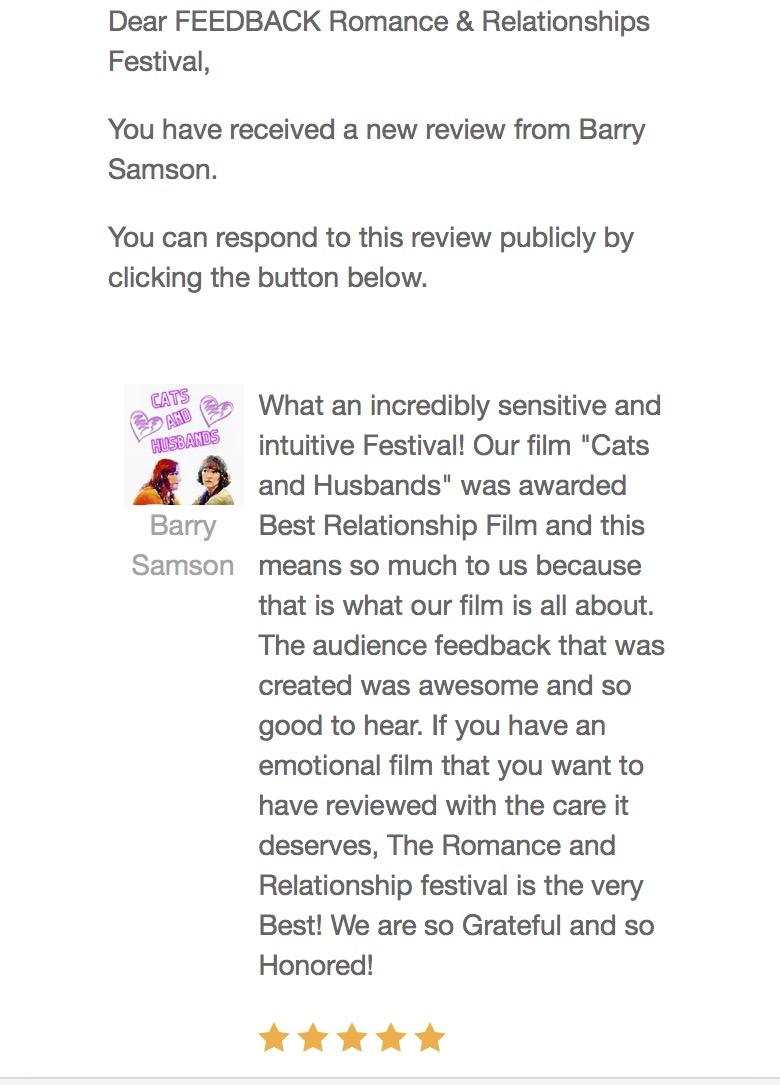
The FRR Festival was a magical experience! The vibe was exciting, intelligent, very welcoming and the communication was easy and smooth. It’s clear to see why this festival has done so well as they really love this particular genre and excel at it. I highly recommend that you put FRRF at the TOP of your list and hope to see you later this year!
Thank you for selecting my screenplay for a table read! It was immensely helpful to hear the words from the ‘outside’. I have finally been able to understand where and why I was stuck in the first pages of my script. I’m very grateful for this opportunity and for all that you do and for the quality of the festival.
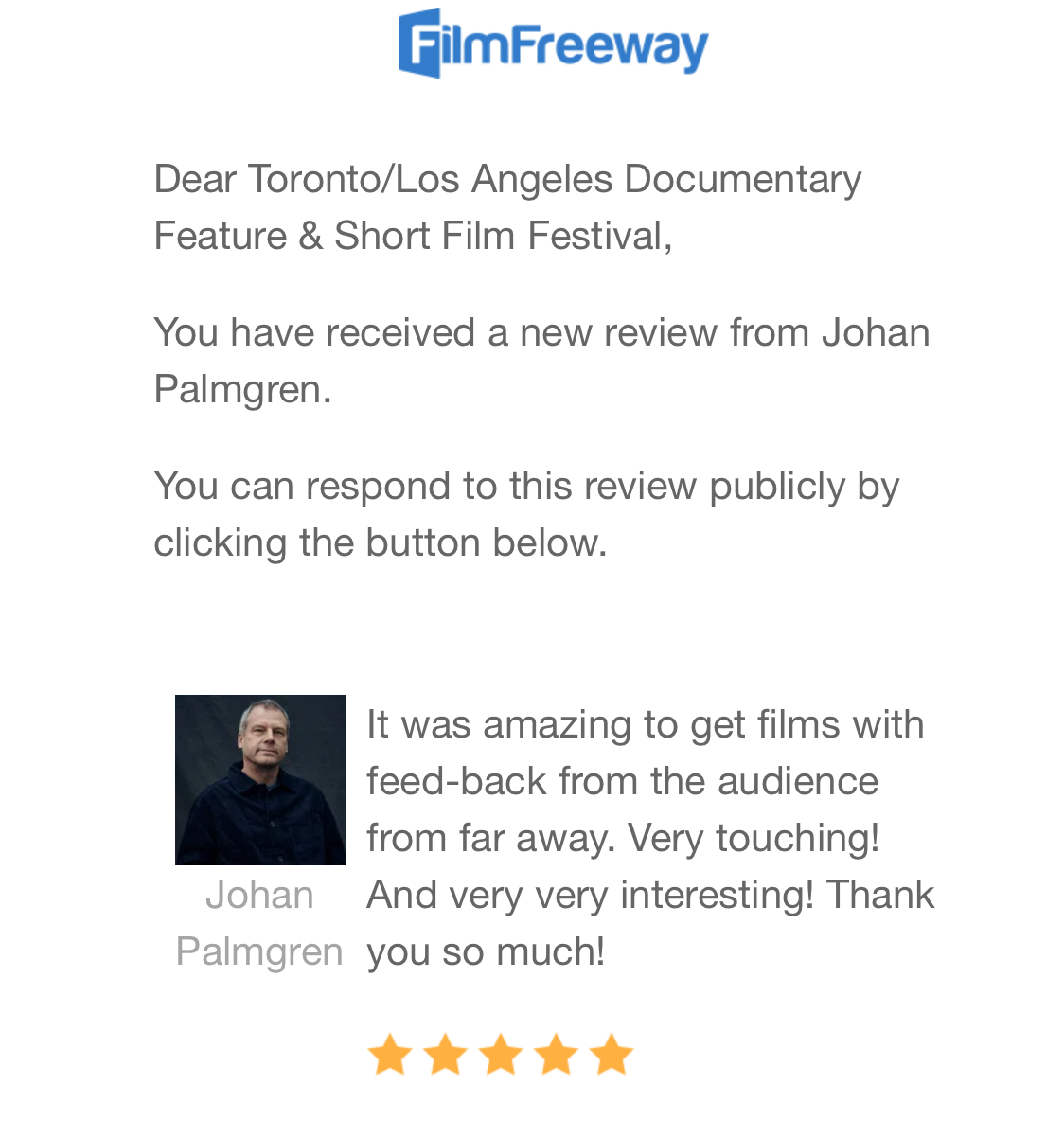
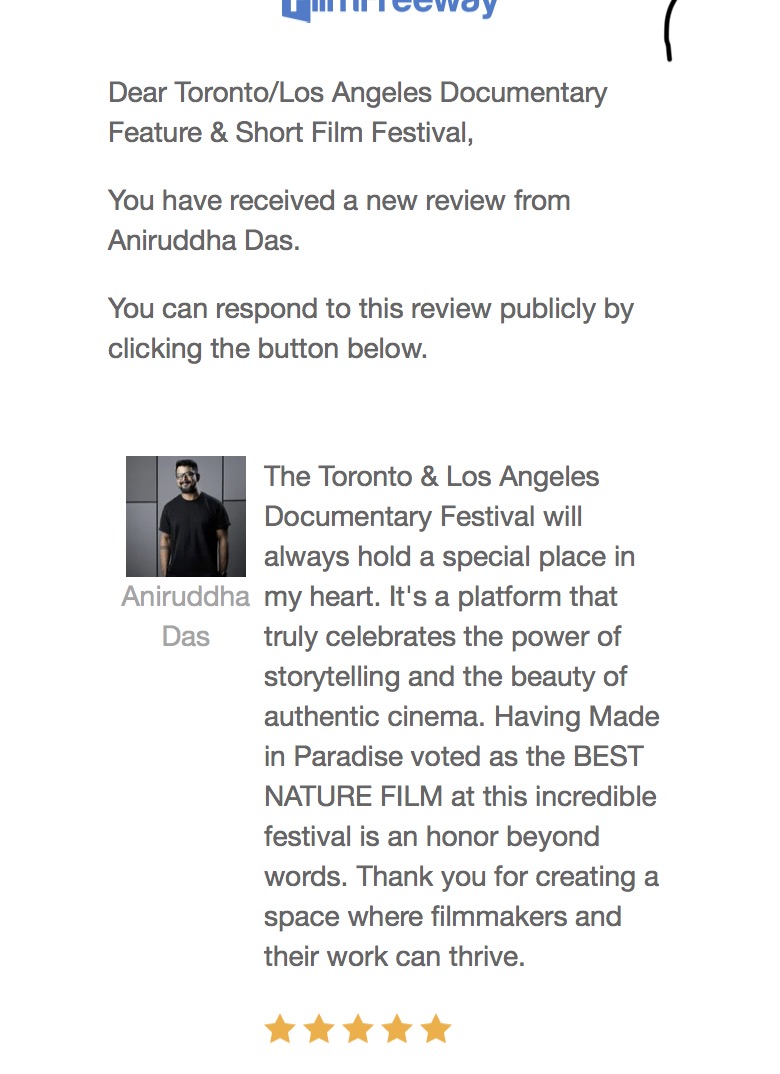
It was an absolutely pleasure, joy and honor to take part in this beautiful festival and be award with the Best Long Form Short Film award for our project “you Breakfast”. The care, respect and attention they put towards the filmmakers is outstanding, making it an amazing experience for all the participants. The reviews and comments provided by some of the audience members are incredibly valuable and speaks about the great organization behind this festival. I would seriously recommend it to any filmmaker. Thank you very much
What an honor and pleasure to be a participant in this excellent festival and what a total thrill to see GPS recognized as Best Short Film. You had me at “congrats” — but the detailed attention and consideration paid to filmmakers and especially the inestimable value of the comments from the viewers simply blew my mind. Kudos to the folks who put this festival together and worked to make it a thing of such value. And of course, thank you! Nell Dashiell
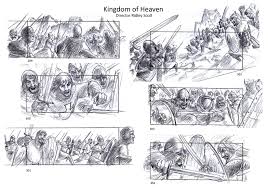
A storyboard artist, or story artist, creates storyboards for film productions.
I had a blast sitting down with the very talented storyboard artist Stephen Forrest-Smith. Stephen has worked on some of the most popular films in the last 15 years, including “The Dark Knight,” the last three “Harry Potter” films, and last year’s “Star Wars” film.
His candor in the following interview is educational and very entertaining. Enjoy:
Matthew Toffolo: When coming aboard a project on a Hollywood film, how does the process generally work? Do you start with a preliminary chat with the director about themes etc..? How early do you arrive before production? When do you generally exit the job?
Stephen Forrest-Smith: There really is no normal to my job anymore. Every project seems to be different now and asks for a different approach. A film project could call on a storyboard artist at any stage from pre-pre production, ( when the film is trying to get funding) right the way through to post production for VFX, (after principal photography has been completed). The bulk of my work tends to be early in the pre-production taking the first pass at sequences to get the ball rolling on them. Usually I’d start with a chat with a Director, though it could be VFX supervisor or production designer and then work on from there. I used to expect to finish when filming starts but now I might stay almost to the end of shooting then be called back for reshoots and post production.
Matthew: How was your recent experience working on the live-action version of Beauty and the Beast with director Bill Condon?
Stephen: Beauty and the Beast is shaping up to be a really beautiful and wonderful production of the fairytale. I didn’t work directly with Bill Condon but instead was briefed by Tobias A. Schliessler, the director of photography. This doesn’t happen very often but I like working with the DOP as I get to see more of the technical side to the filmmaking process. The film also has many amazing musical routines that were carefully choreographed which needed storyboards added to them. This was fun as I never work on a musical before. I think this is my favourite part of the job – getting to work with and learn from such a variety of very talented people across all the departments.
Advertisement
Matthew: World War Z is such a visual film. How many boards did you do for that film?
Stephen: World War Z was a very troubled production, which stumbled to the finish somehow! I think that film chewed up 5 storyboard artists over its run. I had two spells on that job. The first spell I worked on the escape from Malta sequence. I returned to work with the second unit director the battle for Moscow part which was cut from the movie.
Matthew: When you watch the final product, like Star Wars for examples, and you see your visual designs on screen in live-action, how does that feel? It must be a goose-bump experience.
Stephen: It’s always a strange feeling watching the films that I’ve worked on. Its quite a long time between finishing on them and seeing them in the cinema. I might have worked on two or three films in-between seeing the finished movie. This means I tend to sit there trying to remember what i drew for which part of the movie and if anything made it! Sometimes a sequence will run out just as it was storyboarded then you get a feeling of “deja vu”. Other times its nice to sit back and watch the response of the audience to see if a moment works or not.
Matthew: You’ve been credited as being a “Conceptual Artist” in films like Speilberg’s War Horse. What does that job detail?
Stephen: Conceptual Artist is a cover all title for film illustrators / 3d artists / designers who are involved in the initial visualising of the designs of the film. It can also include producing images on the sets as they are being designed to communicate them to the director and producer.
Matthew: What’s your ideal working experience with a director?
Stephen: For me the most satisfying part of the job is seeing the boards being used on set and being shot from. Making movies rapidly becomes an insanely complicated endeavor and a good set of storyboards is the best way of communicating to all the crew what they are all trying to achieve. A director who’s invested in the boards and wants them to be used, and sent out to the crew is my ideal.
Matthew: You also worked on The Dark Knight, which ended up being an iconic film. Did you expect it to be so popular? What part of the film did you do boards for?
Advertisement
Stephen: I was very excited to work on The Dark Knight, Chris Nolan was my favourite director at the time. It was clear from reading the script that he had a great take on the Joker that Heath Ledger went onto realise. My friend Jim Cornish got me the job. Jim was booked to go onto Harry Potter and the Half blood Prince so he recommended me to come and finish off for him. He had done the bulk of the work when I started so I had amendments to make on his sequences. I then drew the Jokers attack on Bruce Wayne’s apartment and Batman and Two Face’s stand off at the end of the film. Yes I did expect it to be popular as Batman Begins and had been a big hit already.
Matthew: When is does the “I’m now allowed to talk about it” statue of limitations with Star Wars end? When are you allowed to talk about your experiences working on the film and put the storyboards that you worked on for the film in your portfolio?
Stephen: I think this is the most onerous part of the job now. We have to sign NDA’s for every project and they last forever. So I shouldn’t talk to you at all!
Matthew: Do you have a storyboard mentor?
Stephen: The person who not only gave me my break but was the best mentor ever was Stephen Sommers of “The Mummy” fame – His best advice was ‘ don’t give me hundreds of angles but show how few shots I need to shoot the sequence”. I’ve kept that as my philosophy since and i love the rigour of working in this way.
Matthew: What film have you seen the most in your life?
Stephen: The Directors I return to again and again are Alfred Hitchcock, Akira Kurosawa and Sergio Leone. So probably “North by Northwest”, “Seven Samurai” and “Fistfull of Dollars”. Not a moment is wasted in their movies – they are true cinema for me.
Matthew: Do you worked on over 30 productions in the last 17 years. Do you have a favorite working experience?
Stephen: I’m sure I’ve worked on more than that!!! My jobs can vary from a days world to years so I’ve done a lot now. “The Mummy” is still by far my favourite ever film experience as every moment was exciting and new. I’d also taken a big gamble changing my career from architecture to film and the Mummy was my first chance to make the gamble work out. I started with a two week trial then worked on for 9 months storyboarding the whole film on my own. I got to travel to Marakesh and the red sahara. Got to swim in a swimming pool with Kate Winslet and rode on camels in the Sahara. Not bad for a first job.
_____
Interviewer Matthew Toffolo is currently the CEO of the WILDsound FEEDBACK Film & Writing Festival. The festival that showcases 10-20 screenplay and story readings performed by professional actors every month. And the FEEDBACK Daily Festival held online, and in downtown Toronto on the last Thursday of every single month. Go to www.wildsound.ca for more information and to submit your work to the festival.
DEADLINE TODAY: Submit to the Festival via FilmFreeway:
I’m new in professional film making. After a friend recommended film freeway to promote& show case our documentary, I had no clue were to start among thousand’s… With very limited budget, I had to give up with the famous one. But luckily found this little gem. I decided to invest most of my budget on the full package. I can tell you that it was worth it. The rview & podcast very professional. The online screening too and last but not least my film will be screened today among 3 others on a full booked cinema. Unfortunately I can’t be there because of Canada not giving me a visa. The crew are great professional people, very open minded on new talents and Indie movies. Even helped me, giving instruction on the post editing version for the screening. Our crew had experience for online low fi only. All those bit rate, fps and 422, 424, DCP, were only foreign language… But we could learn a lot thanks to them
This festival has a guaranteed 4-tier set up for each accepted script. (No matter what, all screenplays submitted receive FULL FEEDBACK on their work.) 1) Full Feedback on your script 2) Actors performance video reading of your script 3) Blog interview promotion. 4) Podcast interview on the Film Festival ITunes show
Submit your MYSTERY Short Story to the Festival here and we will automatically have it performed by a professional actor and turned into a promotional video for yourself.
History is a narrative that describes, analyzes, and questions past events, and examines the patterns of cause and effect. It’s a collection of stories told by many different people, and is subject to constant revision and reinterpretation.
3 options to submit: 1st chapter. full novel. performance reading.
Watch the festival NOW for the next 48 hours by signing up for the FREE 3-DAY trial using the link, or go to http://www.wildsound.ca
once upon a time, 16min., Tunisia Directed by Zouhaier MAHJOUB Once upon a time … an island, populated by fishermen, who operate a system of fixed fisheries; called “charfyas”.
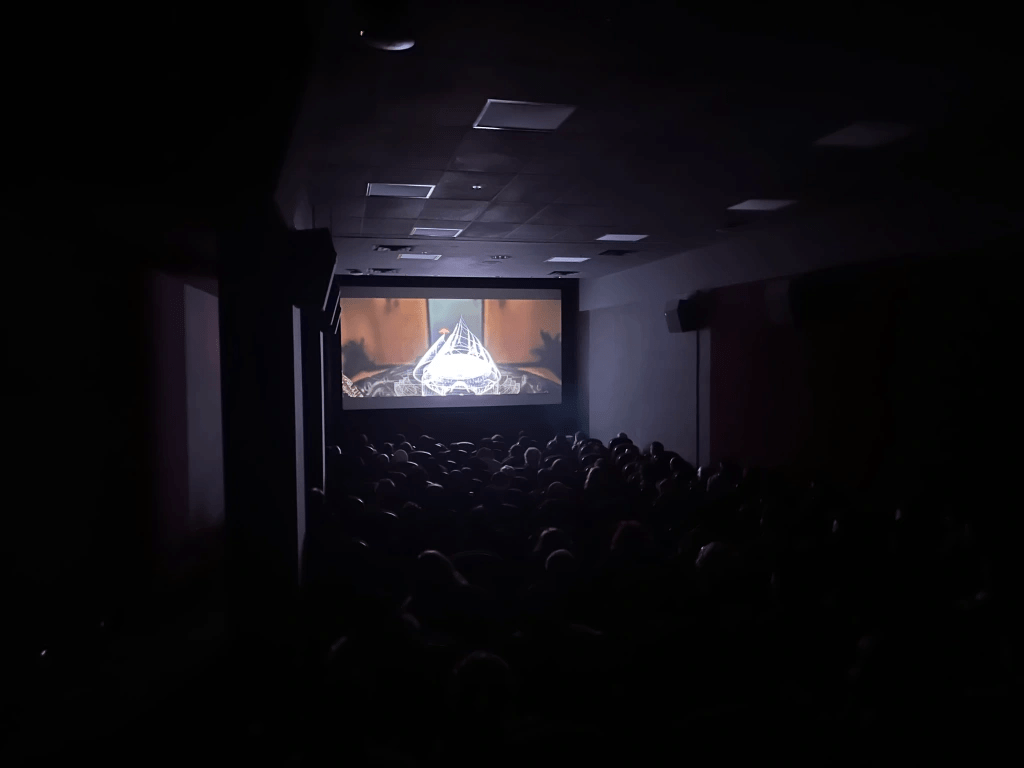
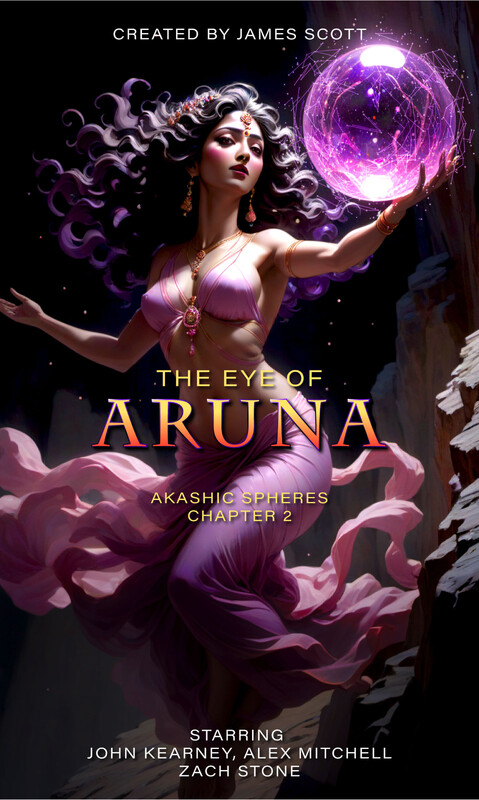
The Eye of Aruna, 15min., USA Directed by James Scott In the second installment of the Akashic Spheres series, Captain Everest embarks on a perilous journey alongside the resourceful Alicia Whittle to unravel the mysteries concealed within the enigmatic Akashic Spheres. The duo faces imminent danger when their investigation into a potential sphere takes a treacherous turn, putting their lives at stake. In a desperate bid for answers and safety, they enlist the expertise of their trusted colleague, Dr. Campbell, whose insights may hold the key to unlocking the secrets hidden within these ancient artifacts. As the trio delves deeper into the unknown, they discover that the Akashic Spheres harbor not only the promise of enlightenment but also a darkness that threatens to consume them all.
The Golem of Gabirol, 30min., USA Directed by Olga Volozova My puppet film “The Golem of Gabirol” follows the legends about Solomon Ibn Gabirol (XI century, Andalusia, Spain), famous Hebrew poet and philosopher who allegedly created the female golem, for the sake of love…It i is a dramatic story that deals with the mysteries of the Creation and human existence. It has been told from the point of view of the young Andalusian girl.
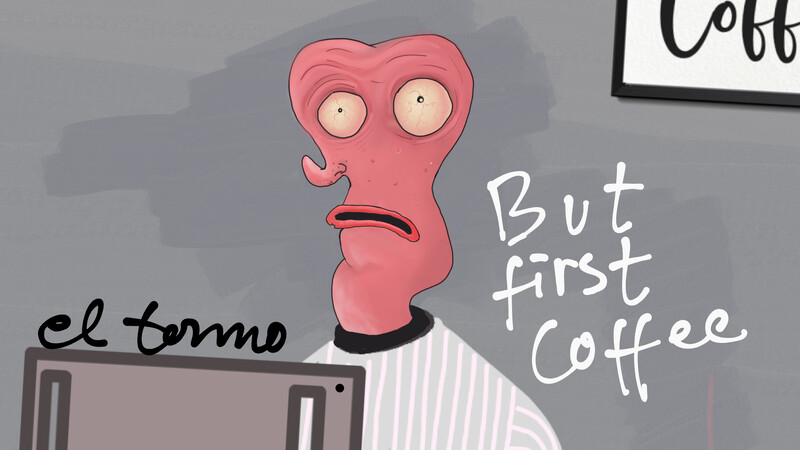
But First Coffee, 1min., Germany Directed by El Tonno A dead-end office job. A clueless employee. A boss who breathes too loud. Welcome to the fluorescent purgatory of German corporate life.
once upon a time, 16min., Tunisia Directed by Zouhaier MAHJOUB Once upon a time … an island, populated by fishermen, who operate a system of fixed fisheries; called “charfyas”.
The Eye of Aruna, 15min., USA Directed by James Scott In the second installment of the Akashic Spheres series, Captain Everest embarks on a perilous journey alongside the resourceful Alicia Whittle to unravel the mysteries concealed within the enigmatic Akashic Spheres. The duo faces imminent danger when their investigation into a potential sphere takes a treacherous turn, putting their lives at stake. In a desperate bid for answers and safety, they enlist the expertise of their trusted colleague, Dr. Campbell, whose insights may hold the key to unlocking the secrets hidden within these ancient artifacts. As the trio delves deeper into the unknown, they discover that the Akashic Spheres harbor not only the promise of enlightenment but also a darkness that threatens to consume them all.
The Golem of Gabirol, 30min., USA Directed by Olga Volozova My puppet film “The Golem of Gabirol” follows the legends about Solomon Ibn Gabirol (XI century, Andalusia, Spain), famous Hebrew poet and philosopher who allegedly created the female golem, for the sake of love…It i is a dramatic story that deals with the mysteries of the Creation and human existence. It has been told from the point of view of the young Andalusian girl.
But First Coffee, 1min., Germany Directed by El Tonno A dead-end office job. A clueless employee. A boss who breathes too loud. Welcome to the fluorescent purgatory of German corporate life.
Watch the festival NOW for the next 48 hours by signing up for the FREE 3-DAY trial using the link, or go to http://www.wildsound.ca
MONDAY’S CHILD, 22min., USA Directed by Jodi Leib Coden Monday’s Child speaks to the heart of a woman’s right to choose. After the fall of Roe v. Wade, Jenny faces untenable circumstances when she learns that her inviable pregnancy will compromise her health. As her sense of self begins to unravel, Jenny must make the most difficult choice of her life.
Symphony of Screams, 11min., Brazil Directed by Fernando Lazzarini, Jordan Mihailovsky Two lazy sound guys from Chile are on a film shoot in Uruguay. They are upset because they have to work on their day off. They decide to exploit a local man to do their job for them, but soon realize that he harbors a dark truth they never suspected.
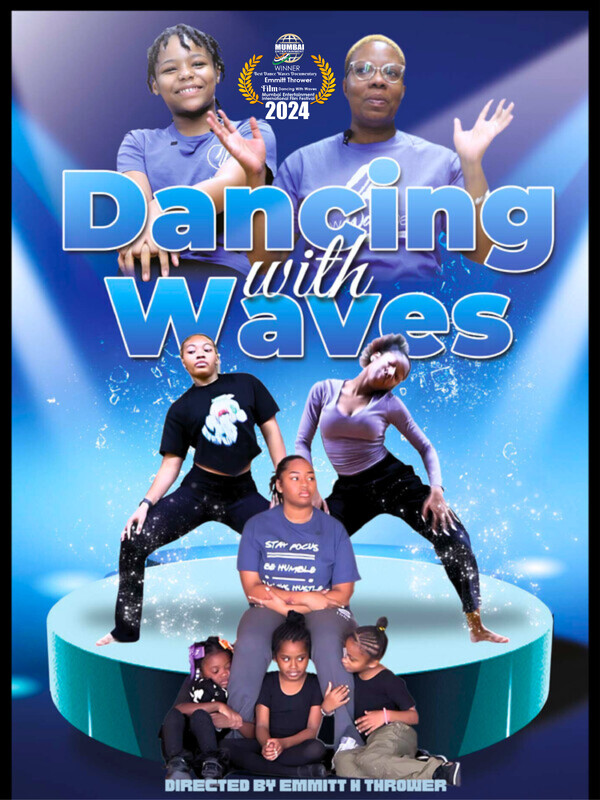
Dancing With Waves, 29min., USA Directed by Emmitt Thrower Tammi Judge, the founder of a transformative dance program, leads young dancers on a journey of self-discovery and personal growth, using the power of movement to heal, inspire, and change their lives forever.
10 MIN. MORE, 9min., Canada Directed by Atoosa Moshashaee A schoolgirl is waiting for her mom to pick her up from after school and the last 10 minutes seems very hard to get through, until her drawing comes to make her companionship.















 Festival Reviews