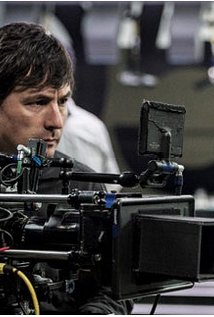
Director Biography – Roger Gallant Roger Gallant is a filmmaker, animator, and composer from western Newfoundland, Canada. His work reflects a somber and tranquil tone, with some of it being influenced by his 20+ years of working in environmental management and species conservation.
Sign up for the FREE 3-day trial to watch the film and 470+ award winning films.
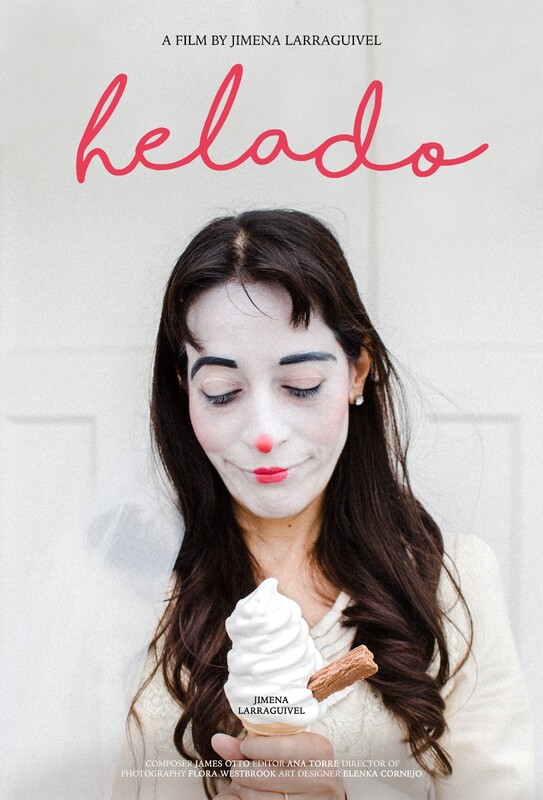
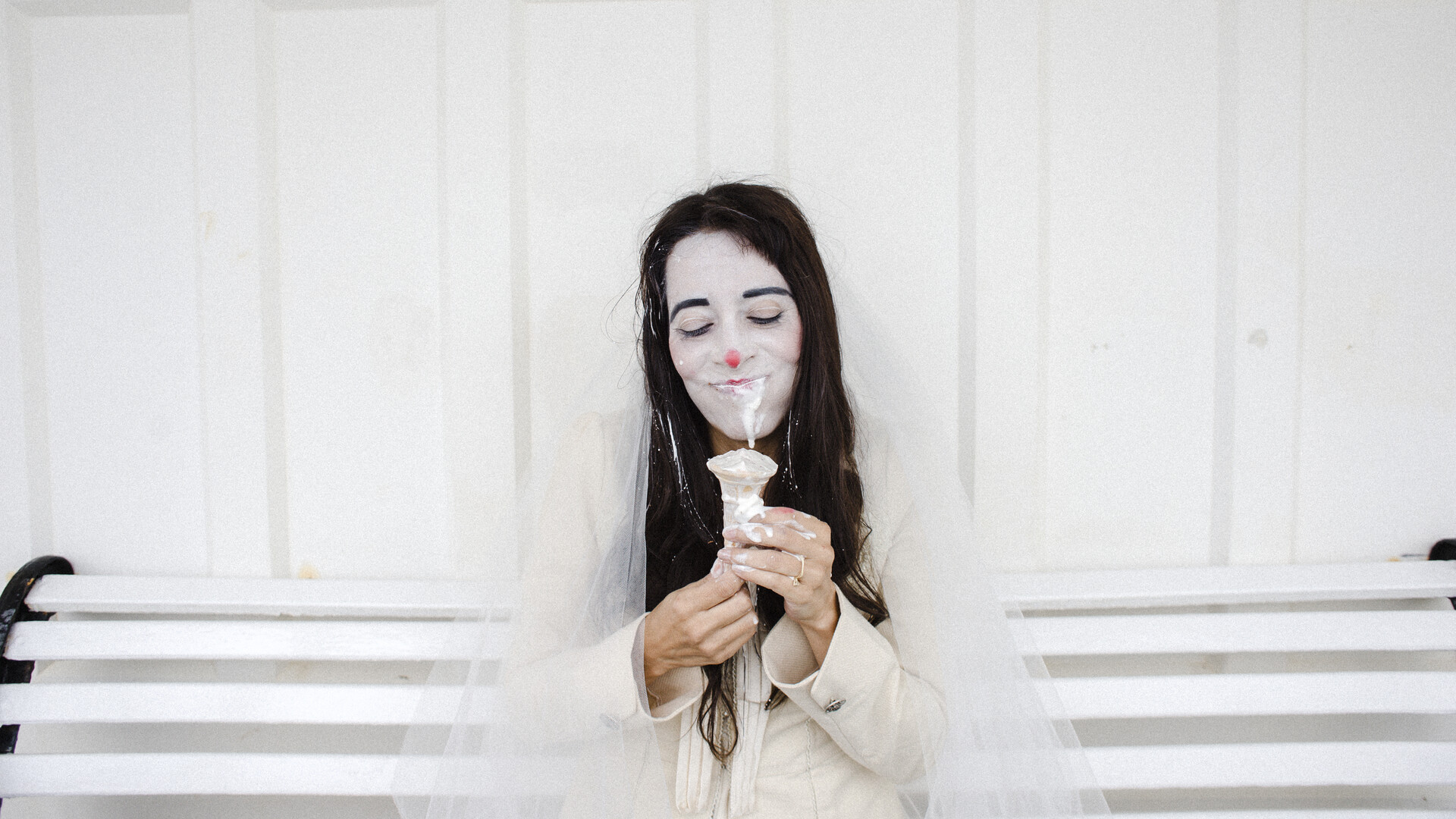
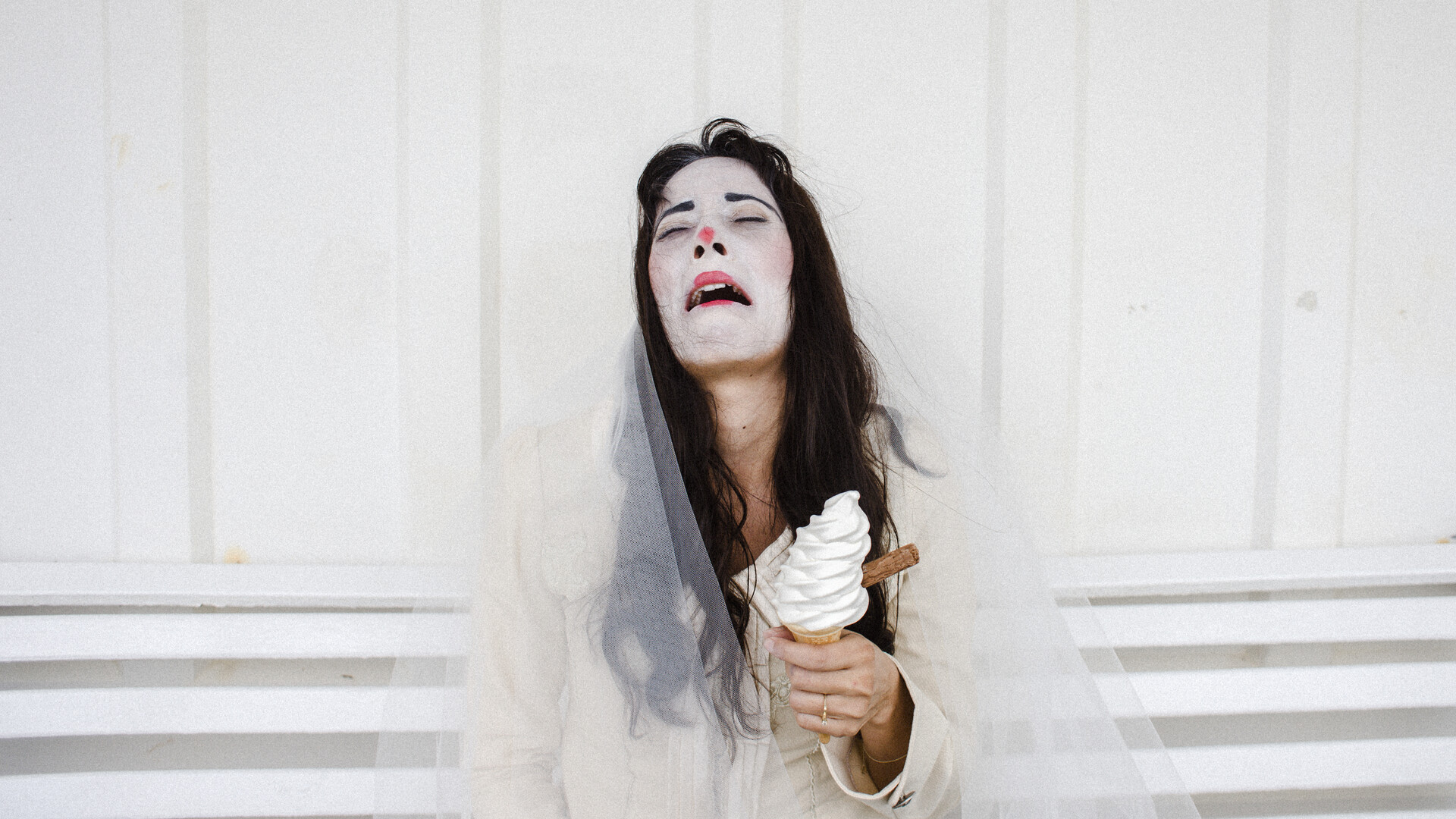
HELADO is a short-film which reflects on how the choices we may or may not make are directly related to how truthful we are to ourselves. It does this through a clown exploration which alludes to our inner most honest feelings and emotions in contrast to our adult overthinking mind.
Director Statement We are all at some point confronted with big life decisions. It’s difficult to know what to do in these situations when we have conflicting voices in our head. Through HELADO I wanted to explore what connecting with our emotions and our true inner self can do for us in making certain life-changing choices.
NOW offering guaranteed acceptances for all submissions in 2025.
This festival is designed to showcase the best of student short films and screenplays. Plus, short films and screenplays from young artists under the age of 30.
Over the last 5 years, the FEEDBACK Festival has noticed a dramatic increase of quality in young artist’s projects. So the time has come for a distinct showcase of the many amazing student films and screenplays from around the world.
FILM FESTIVAL:
Each submitted film is guaranteed acceptance.
1) Screening #1, where you will also obtain your audience feedback video. 2) Screening #2 virtually on the streaming service WILDsound TV (optional)
3) Podcast interview at WILDsound Radio on ITunes 4) Blog interview promoting you and your film.
SCREENPLAY FESTIVAL:
1st Tier: FULL FEEDBACK on your screenplay (
2nd Tier: Garner a best scene of screenplay performed by professional actors and made into a promotional video.
Then (Tier #3), we will send you a list of questions to answer for our blog interview that will promote you and your script.
Then after that (Tier #4), we will set up a podcast interview on our popular iTunes show where will we chat with you about the process of how the film was made.
Submit your FAMILY short story to the festival here, and we will automatically have it performed by a professional actor and turned into a promotional video.
Get FULL FEEDBACK on either the 1st chapter or entire novel book from our committee of Professional Writers, and Writing Consultants. Get your novel performed by a professional actor at the festival.
NEW OPTION: Or, just submit for an actor performance reading transcript of your novel (any 5 pages of your book). Great way to promote the sales of your book if you’re already published. (see examples on the video playlist below)
This festival has a guaranteed 4-tier set up for each accepted script. (No matter what, all screenplays submitted receive FULL FEEDBACK on their work.) 1) Full Feedback on your script 2) Actors performance video reading of your script 3) Blog interview promotion. 4) Podcast interview on the Film Festival ITunes show.
rent Opaloch is easily the most talented and sought after cinematographers in the world today. He has DP’d for director Neil Blomkamp on “District 9”, “Elysium”, and “Chappie”, and director’s Anthony & Joe Russo on “Captain America: Winter Soldier”, and the upcoming “Captain America: Civil War”. It was an honor to sit down with him to chat about his career and the art of cinematography.
Mathew Toffolo: You first worked with director Neil Blomkamp on the short films “Tempbot” and “Yellow”. How did you two meet? What makes your director/DP relationship so successful?
Trent Opaloch: I met Neill shooting low budget music videos. We shot a handful of videos & short films while I was working at Clairmont (camera rental house) & he had just left a vfx house here in Vancouver.
He used to do all his own vfx work back then so it was really interesting to see the the whole process. That was all happening at a very exciting time for vfx where some pretty sophisticated tracking software was coming out and it really freed up the camera & made it possible to use that hand held energy with extremely realistic visual effects. It was great because it was the first time your imagination wasn’t limited by what you were able to build in reality. It opened up the possibilities for story telling and those shorts and small projects were a great training ground for the big vfx movies that we’re doing now. You can apply those same basic principals on a much larger canvas at bigger budget levels.
MT: You both leaped into the feature film world in the highly successful film “District 9”. How was the initial experience moving from shorts to features? Do you remember the initial cinematic design conversations you had with Neil about the film?
TO: It was a pretty easy transition for Neill & I to go shoot District 9. We had developed a good short hand over the years on the shorts and music videos so it was just a matter of doing our thing with a much larger crew. The challenge is to communicate with the crew so everyone is on the same page. That’s a different dynamic to how we would have worked on the smaller things with just a few people.
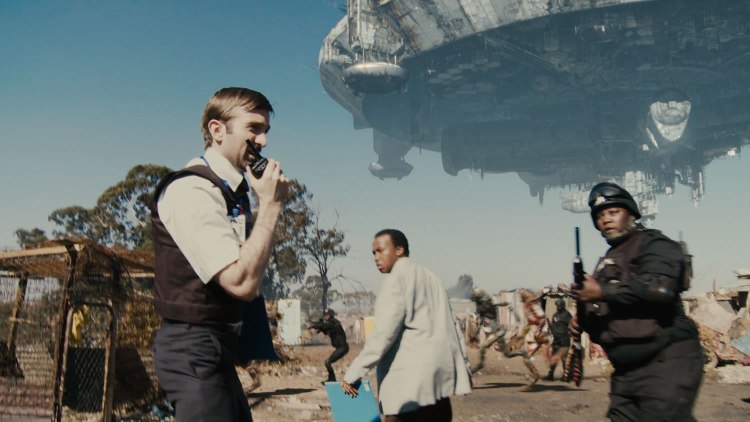
The way Neill described the film to me, and to this day this is the best pitch I’ve ever heard. He said imagine there was a documentary made by the NFB (National Film Board here in Canada) that was about these aliens landing in Johanessburg in the 80’s. And someone taped that documentary when it played on tv in the 80’s on a vhs tape and then threw that tape in a drawer for 20 years. And you come along and blow the dust off it & pop it into your retro vhs machine & press play. That was his pitch for District 9 and it instantly communicated everything you needed to get the film. Brilliant.
Now things changed in the process of course so it wasn’t as degraded an image as that. I actually wanted to shoot on 16mm with the NFB doccie esthetic in mind but Peter Jackson bought a boatload of RED ONE cameras so that was nipped in the bud.
PHOTO: Cinematography of the film DISTRICT 9:
MT: What were your reactions to the success of “District 9”? It must have really changed your life and career path?
TO: Well it was pretty amazing to work on something that was so well received around the world. It was a difficult film to make in some pretty harsh environments but we had a great group of people on it. It sort of felt like there weren’t any ‘grown ups’ around to tell us what to do really. Neill had set things up so that were on our own to make the movie our own way which was pretty amazing when you think it was his first feature.
MT: What brought you to the Captain America movies? How is it to DP a film that has two directors?
TO: I’ve actually worked with directing duos quite a bit in commercials so it wasn’t that strange for me to step into that sort of thing for Winter Soldier. I got the call for the first meeting with Joe & Anthony Russo and I was really impressed with them and their approach and how they wanted the film to feel.
I actually don’t mind the director duo thing as long as they have their dynamic figured out between them. Different directing teams work in their own way that is specific to their combined personalities so you get different approaches. The fact that Joe & Anthony are brothers is great because they have this great bond between them that goes back decades and they’ve worked together on so many things in films & tv shows that they have a good system down.
MT: “The Winter Soldier” was an amazing comic book/action film. Even the Fanboys couldn’t help but give it ultimate praise. What were the broad strokes ideas you had with the Russo’s in terms of the cinematic life you gave the film? It was a different feel to the other Marvel films, but it still was a Marvel film. A fine line to balance one would assume!
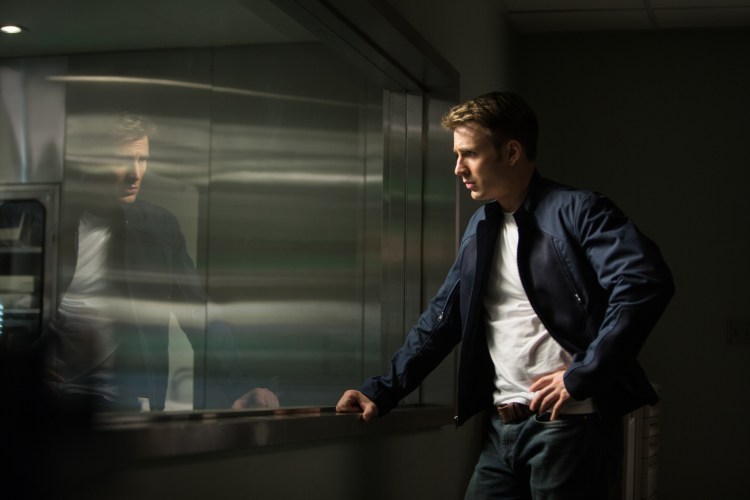
TO: It’s funny because I never really planned on ever shooting anything like that but I loved the creative approach that the Russo’s had for the film. Our whole thing was to take the edge off the genre of it all by basing it in reality as much as we could. I really liked the idea of shooting the film like a 70’s conspiracy thriller to ground the whole thing a bit. We referenced films like “Marathon Man” & “The Three Days of The Condor” early in prep.
PHOTO: Chris Evans in Captain America: Winter Soldier:
MT: You have a big film coming up in “Captain America: Civil War”. How were you experiences working on that film? Can you give us a sneak peak as to what to expect? It seems like all of the stars of the Marvel Universe are in this film!
TO: It was great to get back with the Russo’s and the team again for Civil War. We had just an amazing crew so that makes the whole experience so much better. The people around you are very important when you’re up against challenging situations. We shot quite a bit of our exteriors on the Pinewood backlot in Atlanta & the heat & humidity can be quite brutal.
On a movie of this size it’s assumed that everybody knows their jobs at this point so it really comes down to having a great attitude under pressure and being there together for the film.
We were also very fortunate to work with a great German crew in Berlin that made our transition over there very smooth.
There were a ton of actors on this film and that was actually quite challenging to shoot them all with their crazy schedules. The tough thing is that you can end up shooting someones close up in another country and weeks after you’ve shot the other side of the conversation so it’s always a challenge dealing with changing weather conditions etc. to maintain some cohesiveness to the scene.
I’m starting up prep on the new Infinity Wars films that we’re shooting back to back with the Russo’s later this year & the scale of those two films combined is a bit mind blowing so it’s good that these last two films have ramped up in terms of scale and complexity because each one prepares you for the next.
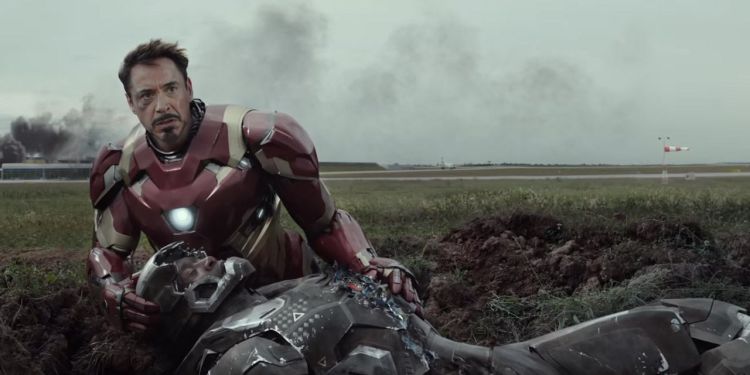
PHOTO: Robert Downey Jr. in Captain America: Civil War:
MT: How much of the Captain America films are storyboarded? Are you a part of that process in pre-production?
TO: These films are heavily boarded & pre-vised, far more than anything else I’ve ever done. The pre-vis process starts very early in the film’s development so that’s when you have to get in there to help start guiding the process along with the directors so that it fits in with what everyone is aiming for and what the production team is going to do on set.
The Marvel films are incredibly collaborative and that’s a huge part of their success I think. We have worked with the vfx supervisor Dan Deleeuw on these last two films and he is in charge of building the pre-vis sequences so that is an invaluable resource to start the discussion with the whole team before you get out there on the real-time clock burning production money.
MT: You have obviously mastered the cinematic artform of the intense action/thriller film. Is there another genre that you like to work in?
TO: I don’t have any specific genre goals as far as the types of films I’d like to work on really. I’m always just looking for scripts that I enjoy and that hopefully have something to add to what’s out there already. I shoot a lot of commercials in between film projects so I don’t mind turning down things & waiting until something interesting comes along. Feature films have such a long development period & then you’re away from home for most of the year prepping & shooting so you have to choose your projects carefully.
MT: What advantages/disadvantages do you think you have had starting in the short film/indy world in comparison to other DPs who worked through the Unions to become a cinematographer?
TO: The biggest thing I feel was missing from the early days was the opportunity to see how other cinematographers worked. That’s the nice thing about working your way up through the ranks. You’re in the front row watching how the big boys do it. I used to do set visits when I worked at the rental house & it was always cool to see the different lighting approaches or specific rigging that someone had done.
Also my step dad had a subscription to American Cinematographer so I had read every single page of every issue since I was 16 years old. That was invaluable, of course this was years before the internet and the behind the scenes special features on dvd’s & blu rays that we have now so that was the best way of seeing how things were done at the time.
I think the advantage of starting the way I did is that you’re doing what you want to do from the beginning so you start developing right away. The trap in working your way up through the different crew positions is that you can get trapped there. All of a sudden you’re 15 years into working sets and paying off a mortgage so it’s tough to make the leap & reimagine your career as a DP. I think if you want to do something than you should just start doing it at whatever level you can.
MT: Do you have a Director of Photography mentor?
TO: I don’t have one individual really but there are countless people that I learned from when I first started shooting. I started working at Clairmont Camera in Vancouver after film school so I was around professional camera crews full time & just tried to learn everything I could, just hoover up as much information as you can. Why that lens over this one, when to use a fluid head vs. wheels etc. Just tons of little details that you absorb over time. I think that was a great introduction to how things worked on set but at the same time I wasn’t that interested in working on tv shows or MOV’s at the time so I shot my own stuff or with friends on the weekends & was able to develop over time and make mistakes in a safe environment where there wasn’t a ton of money on the line.
MT: Where do you see the future of camera/lighting technology in film?
TO: Well it’s an exciting time as far as what’s out there already & what’s coming out. The camera technology just keep getting better every year and LED lighting is really coming into it’s own so it’s great to have options available to you to choose from the toolbox for different scenarios. I’ve really been enjoying running our lighting setups through DMX lighting consoles and media servers for the last couple of years. You just have almost infinite control over the quality and the dynamics of the light as far as movement and colour.
MT: What film, besides the ones you’ve worked on, have you seen the most times in your life?
TO: That’s a tough question. Probably “Blade Runner”, “Heat”, “Close Encounters of the Third Kind”, “Jaws”, “Godfather 1&2”, “Stalker”, “The Conversation” “Apocalypse Now” all the classic iconic movies. There’s a ton more for sure. There are just some films that you come across on tv and it’s impossible to stop watching even if you’ve seen it a hundred times. My parents had “Das Boat” and “Fitzcarraldo” basically on infinite repeat in my house when I was young too which drove my sister and I crazy at the time.
MT: Where did you grow up? Did you always want to be a cinematographer?
TO: I was born and raised in a place called Thunder Bay in Ontario Canada. It’s quite a small town and I moved away for high school but went back to film school at Confederation College so it was great to be back in my home town, starting a new chapter of my life. I was more into music as a kid and played in different bands growing up so I never really thought of film as a career until my early 20’s when I went to film school.
My step dad was a nature cameraman when I was a kid so he took me out on his shoots and taught me how to load film and thread the camera etc. Of course it was more documentary work so there was no lighting at all but it was a good introduction to camera and sound equipment. I used to go into the post production offices where they cut his films and would see shots that we had taken cut into the edit so it was almost like pre-film school for me as a kid.
_____
Interviewer Matthew Toffolo is currently the CEO of the WILDsound FEEDBACK Film & Writing Festival. The festival that showcases 10-20 screenplay and story readings performed by professional actors every month. And the FEEDBACK DAILY Festival held online & in downtown Toronto on the last Thursday of every single month. Go to www.wildsound.ca for more information and to submit your work to the festival.
Awesome festival, but what really sold me was the audience feedback videos they made. Great marketing material for the project! Would definitely recommend for indie filmmakers.
Really, this film festival is one you should enter! So much more than some others that are simply laurel factories.
Great festival with many interesting events. Feedback from real people. Great communication and very fast. Thank you for giving opportunity to show our work to the world! Strongly recommend!
An especially motivating festival. The feedback component was greatly appreciated and helpful to our overall development. Super excited to have placed as a winner within this festival. Thank you very much for your awesome recognition!
The first festival with the feedback videos we’ve participated in. It’s an honor. Thank you for everything you do!
Mark Tyler gets out of prison after twelve years for a robbery gone awry. The loot is still out there. A corrupt cop, a local grifter, a femme fatale and the partner he left for dead all come marching out of his past to come for it.
Get to know the writers:
What is your screenplay about? Jeremy Hogan: To me it’s about time. Lost time, how we spend our time, the futility of trying to catch up or outrun it.
Aaron Krygier… Lost people looking for something to fulfill that emptiness. Whether it’s something tangible or not. Love, revenge, greed.
What genres does your screenplay fall under? JH: Neo-noir or crime thriller AK the same
Why should this screenplay be made into a movie? JH: I’m biased, but I think it’s well written. Meaty characters that actors might relish playing, and it’s true to its genre, while subverting conventions and expectations in interesting or surprising ways.
AK it wears its influences on its sleeve and its simplicity offers a ton of options for outlandish Ness.
How would you describe this script in two words? JH: uncertain redemption AK… Evoking humanity.
What movie have you seen the most times in your life? JH: Probably a tie between “The Good, the Bad, and the Ugly” or “Miller’s Crossing,” though “Adaptation” is catching up.
AK… Heat, Blade Runner, Alien, Se7en are all contenders.
Salem Aftermath Sizzle, 2min., USA Directed by Tom Phillips The dialogue in this film clip is derived from the latest research and historical analysis of Ann Putnam. By incorporating newly discovered documents, human behavioral science, and AI, we have reconstructed what Ann likely would have said if given the chance.
Mysterious Moments with Millie Mallory, 3min., USA Directed by Mysti Smith Millie is learning how to solve mysteries on her vlogging channel in the town of Willow’s Run.
OUR FAMILY PRIDE, 2min., USA Directed by Dominic Giannetti, Glen Evelyn Our Family Pride offers a compelling exploration of how different family members are impacted when a father comes out as gay later in life. The story delves into each individual’s personal struggles as they navigate the emotional journey of understanding and accepting their father’s difficult coming out story.
SUPER ME, 3min., Brazil Directed by Marcelo Presotto 1980s. Marcelo is 17 years old and has been in conflict with his mother, an abusive relationship since childhood. Martial arts have become a form of armor for him. But will it be enough to protect him?
SMILE FOR THE DEAD, 2min., USA Directed by Charlie Puritano Trailer for the feature documentary Smile for the Dead
(Not) Awakening, 7min., Italy Directed by Antonio Montefalcone A story tinged with mystery and characterized by disturbing visions of which a woman is prey, in her dual physical and metaphysical representation. Within a natural and a supernatural dimension, reality, premonitory nightmares and traumatic memories have the same enigmatic, distressing substance; and everything intersects and interchanges until every boundary is abolished. The disturbing story is also allegorical, as a metaphor of the limited and limiting human condition.
Apocalypse Death Party, 2min., USA Directed by Russ Emanuel How is the world affected by a catastrophic event? Everyday people live through a government mandated quarantine during a global pandemic while desperate scientists race to find a cure before it’s too late.
Chatting with Costume Designer Malgosia Turzanska was inspirational, educational, and fun! She’s a true talent and someone who is obviously in love with her job. Maggi
Matthew Toffolo: I recently interviewed director Rebecca Miller about the film “Maggie’s Plan” and she raved about her working relationship with you. How did you find working on the film and collaborating with Rebecca?
Malgosia Turzanska: Rebecca is a wonderful artist. She is a fearless writer and director and honestly, she took a chance on me. The images I brought to the first interview were so abstract, that it really took courage to trust they would end up as regular clothing rather than people dressed as snowflakes. I am very grateful to her for that trust, because it lead to one of my favorite collaborations. I am very proud that the costumes ended up a little pushed and I have Rebecca and our fantastic actors to thank for embracing them and encouraging me to push further. Julianne, Greta and Ethan are such smart and sensitive artists and working with them was very inspiring.
The rest of the team as well — DP Sam Levy, Production Designer Alexandra Schaller, Producer Damon Cardasis — they’re wonderful to work with and created an environment where we could really find the world of the film together and end up in a very satisfying place, having a lot of fun on the way.
PHOTOS: Original Maggie design sketches from “Maggie’s Plan:
MT: Do you have a favorite working experience? What film are you most proud of?
Malgosia: I’ve been incredibly lucky to have worked with talented directors whose vision I fully believed in, so I enjoyed basically every project I’ve been on, but there’s a few stand outs.
“Ain’t Them Bodies Saints”, directed by David Lowery was an amazing experience. David Lowery is one of the most brilliant directors of his generation, and I absolutely love the lyrical, sensuous movie we made.
The people I met during that shoot have become my dearest friends and I hope to continue working with them forever, as they bring out the best in me.
“In A Valley of Violence” directed by Ti West was an absolute blast. It’s a revenge western set in late 1870s, with Ethan Hawke, John Travolta, Karen Gillian, Taissa Farmiga, and Jumpy the amazing dog. It was just joyous, and brought back together part of the ATBS team. I am very very proud of that one and can’t wait to share it with people. It’s opening in theaters this September, but will screen at BAM in New York during the upcoming cinema fest if you want to see it before then! That shoot was a also a beautiful adventure, including rattle snakes, tarantulas and a whole lot of mice. I also learned the hard way how difficult it is to shave a buffalo hide.
But I’d go back in a beat.
“Hell or High Water” was another favorite New Mexico escapade. A modern western with Jeff Bridges, Ben Foster and Chris Pine, it was written by Taylor Sheridan, who also wrote Sicario, and directed by David Mackenzie.
David was wonderful to work with and fearlessly walked the tight rope between bleak and sexy, hopeless and funny, making a film that is enjoyable and entertaining, but also incredibly heart wrenching and valid. I really can’t wait for August, when it’ll open in theaters.
PHOTOS: Original sketches from Malgosia and on set photos from the film “Hell or High Water”:
MT: What type of film (genre, setting etc..) would you love to do costumes on that you haven’t done yet?
Malgosia: I love movies that are firmly set in reality, and then have an unexpected, magical element introduced to that reality, shifting the rules and creating a new logic, unraveling into a different dimension. My absolute dream would be an adaptation of Mikhail Bulgakov’s “Master and Margarita”, which is one of my favorite books. I get goose bumps just thinking about it! The second one would be an adaptation of “The Tiger’s Wife” by Tea Obreht, who is an outrageously talented young author and whose next book I’m waiting for very impatiently.
MT: Rebecca talked about you building a character from the inside out. How you need to know the person before you dress them. Can you share your plan/structure when you begin a project?
Malgosia: It starts with the script. I read it once or twice and create a primary, emotional response to the whole piece or to specific characters. That phase tends to be pretty abstract, raw and untethered. I’m often drawn to images that are seemingly not relative to the story, but I later discover that they become the core of the design. So I don’t censor myself at that phase and just go with my gut. Then I do a proper breakdown, which helps me learn the script by heart, and research it properly. I study the specifics of the period and environment where the story takes place, which includes reading books, looking at photos, going to museums, watching movies — whatever is available. That’s one of my favorite stages, because you come across so many unexpected tidbits that gradually shape the design. I then create a moodboard for each character and start sketching. I find that sketches are a crucial part of my process. It’s a moment where I start asking specific questions about the characters, when the initial abstract ideas begin to take a concrete, realistic form. Fabric swatches are very informative and inspiring during that phase too — color and texture are my favorite things to play with, and often I’ll dye or fade swatches to see what happens to the color or pattern and find surprising outcomes that I wouldn’t necessarily think of off the bat. Of course throughout the whole process, I talk to the director, DP and PD and exchange ideas to make sure we’re on the same page.
Then comes the actual shopping/building stage. We use the sketches and boards as a roadmap, and decide what we’re making from scratch and what we’re buying or renting. Usually the things that are purchased are either altered heavily or dyed, so very few things actually are off the rack, unless the character calls for it.
For Maggie’s Plan for example, my design for Georgette was inspired by frozen twigs and cracked ice and various textures of snow and fur, to emphasize her Viking nature, so we ended up building quite a few pieces in house. Her grey leather minidress, the fur vest and one of the fur stoles.
We added leather trim to a few tops for more detail. She also wears beautiful custom-made No.6 Store clog boots that I ended up changing the color of to fit in more with her controlled palette. But there were a few pieces that we were in love with from the very start that became her signature, like the gorgeous blush pink Ryan Roche sweater which was just perfect the way it is. For Maggie’s costumes, it was crucial to feel the handme-down and reused nature of the clothes— she is so practical and so careful of not being wasteful that we did not want anything of what she wore to feel new, but still wanted to retain the unabashedly vibrant hues.
We used a lot of vintage clothes that we altered and dyed (a big thank you to my husband for letting me turn our home bathroom into a dye room for weeks) and also were very lucky to get pieces from Archerie NY that have the feel we desired but fit a modern shape beautifully. We found a lovely men’s double breasted coat and turned it into a single breasted women’s one for her, changed buttons on pretty much every garment for various reasons (like the ones on the dressing gown that Ethan Hawke’s character unbuttons, one by one). And just all in all, made every garment personal to the character.
I feel this specific process is emblematic to my general way of working. And it’s exciting every time!
PHOTOS from “Maggie’s Plan”. Pictures taken by Jon Pack:
MT: How early do you get hired in pre-production? Do you work and report to the Production Designer? Is your wardrobe budget already set in stone by the time you begin your first day?
Malgosia: It varies from project to project, but around 5-6 weeks of prep is what I’ve usually been given so far.
The budget discussions happen during prep, so all should be agreed upon, unless there’s a huge change to the script, or for example a shift of a number of period extras from 20 to 200. It’s all a living, shape-shifting organism until it’s picture locked!
The collaboration with the Production Designer as well as with the DP is crucial. We perform a creative cross-pollination of sorts, exchanging ideas, lookbooks, comparing fabric swatches and paint chips and making sure the various layers of the world we’re creating are congruent and that we’re not stepping on an another’s toes in any way.
MT: What are the key differences when working on a TV series in comparison to working on a movie?
Malgosia: In film, you have the luxury of having a complete arc of the story and of each of the characters from the get go. You can break down each character and graph their progress through the story and plan out the emotional or practical changes to the costumes to design it from the beginning to the end. In TV, you have a script to an episode or two and then a general idea of what’s happening further in the season, but without the specifics. Also, the arcs are more open-ended, as you’re never sure if season 2 will or will not happen, or will a certain character be involved in the following season or not.
MT: What do you look for when hiring your assistants?
Malgosia: I’ve been very lucky to find incredible people that I work with over and over again, who are talented, hardworking and generous. They know me through and through and speak my language perfectly, so there’s no need to establish an alphabet every time we start a new project. I hope they know how much I treasure their presence in my life, both professional and personal.
But when hiring new team members, I look for honest people who are not sissies, who are curious, efficient, don’t melt under pressure, have a sense of humor and who treat work as an adventure and an opportunity to learn rather than clocking in and clocking out.
MT: What type of skills do you need to be a great costume designer?
Malgosia: I think imagination and the love of story-telling are key. Not being afraid to get your hands dirty, whether digging through batches of moldy thrift store bails for treasures, or some last minute distressing of a too-pristine hem.
Finding sunrises enough of a reward for getting up at ungodly hours. Creative problem solving. Letting little things like an unusual button or a faded piece of lace speak to you. Being ready to be creatively challenged at every step, and to challenge others if need be. But most importantly, understanding that the initial sketch is not the be all end all — it doesn’t exist in a vacuum, it’s not a fashion plate, but a tool to collaboration with the whole team.
MT: What movie, besides the ones you’ve worked on, have you seen the most times in your life?
Malgosia: It’s not the movie that I’ve seen the most, but it’s seminal enough that I feel I should mention it —Almodovar’s Kika was the first movie that I ever saw that made me think of costume design as an art form. I was in high school probably skipping a math test or something like that, and happened upon its screening. I had no idea who Almodovar was, and sat there saucereyed, having some sort of a religious experience. I was especially blown away by Jean Paul Gaultier’s creations for Victoria Abril’s character. Such joy!
But the two films that I love beyond anything else and that perfectly reflect my own film aspirations are Gondry’s “Eternal Sunshine of the Spotless Mind” (Melissa Toth’s costumes) and Spike Jonze’s “Being John Malkovich” (Casey Storm). Both written by Charlie Kaufman, so I guess there’s that!
But also, I would be dishonest if I didn’t mention my guilty pleasure — Wayne Wang’s “Maid in Manhattan” with costumes by Albert Wolsky. I love that it’s a Cinderella story where the magical garment that transforms a maid into a princess is a pant suit! How brilliant!
_____
Interviewer Matthew Toffolo is currently the CEO of the WILDsound FEEDBACK Film & Writing Festival. The festival that showcases 10-20 screenplay and story readings performed by professional actors every month. And the FEEDBACK DAILY Film Festival held online, and in downtown Toronto on the last Thursday of every single month. Go to www.wildsound.ca for more information and to submit your work to the festival.
1) Submit for FREE and have your film shown at the Virtual Festival Platform www.wildsound.ca
(Includes awards and other options for movie reviews, interviews)
OR
2) NEW OPTION: All submissions receive an automatic acceptance to the festival!
We have created a hybrid festival with 4 tiers to enhance your film and your festival experience. All accepted films receive all four tier options:
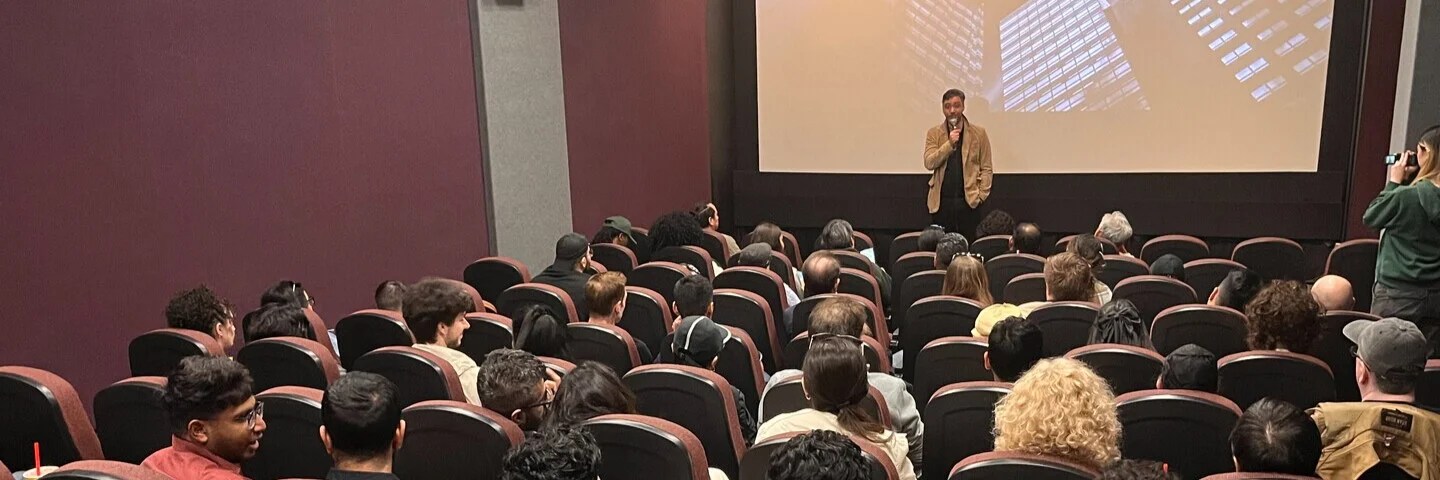
Tier #1 – Your film plays at a private festival event where the audience will record their comments/reactions to your film on their camera or phone, then we edit them and send you a promotional video. No matter what you will receive a promotional video of your film of people commenting on your film.
Tier #2 (optional) – Your film plays on the Film Festival streaming service for 30 hours and invite a select industry audience to watch it. With this system, some films have already received a distribution deal as many platforms are looking for solid feature and short documentaries. We can not guarantee anything of course but this has been very helpful to many in the past. (see testimonials below)
Then (Tier #3) we will send you a list of questions to answer for our blog interview that will promote you and your film. Then after that (Tier #4) we will set up a podcast interview on our popular ITunes show where will we chat with you about the process of how the film was made.