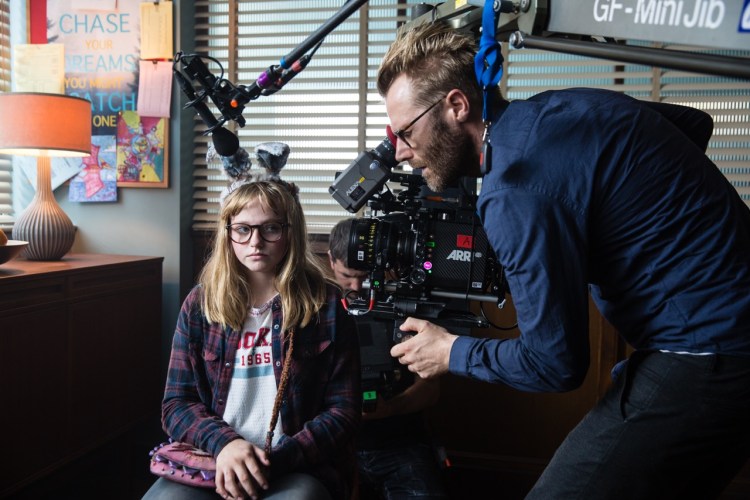
Interview with Editor Valerio Bonelli (Darkest Hour, The Martian, Philomena)

If you’re interested in storytelling, this is the interview for you. Editor Valerio Bonelli has edited over 30 films in the last 20 years, working with some of the top directors, including many collaborations with Ridley Scott (The Martian, Black Hawk Down, Hannibal, and the Oscar winner Gladiator), and Stephen Frears (Philomena, The Program). In this interview, he gives a lot of amazing insight on the art of editing a feature film and what it takes to succeed in Hollywood.

Matthew Toffolo: You’ve worked as an Assistant Editor on many big Hollywood productions. What is the role of Assistant/Associate Editor? What is the biggest thing you’ve learned doing this task to help you grow as an editor?

Valerio Bonelli: It’s now quite a while ago but what I remember of my experience working on those big movies is that I felt that I was like a kid in a candy store. I was working and learning from people I respected a lot in the industry like Ridley Scott and Pietro Scalia and at the same time I was given challenging tasks mostly to do with the organization of the cutting room. That sometimes can be seen as boring and not so creative but I believe that learning to run those big cutting rooms gave me the confidence to become a film editor and to handle very stressful situations.

MT: What film that you’ve worked on has been your most valuable experience?

VB: It’s difficult to say because every film I worked on somehow added something to my knowledge as an editor and as a person. Each film is different even if you work with the same director, but I can say that there are few films that have stayed with me for one reason or another. Recently I’ve cut a documentary feature called “Palio”, this film was particularly challenging for me because unlike most conventional documentaries the story is narrated in the present time and not retrospectively with a narration voice but with the voices of all the characters of the film. The film is about the famous ancient horse race in Siena, Italy, it did not have a script, and was ‘written’ during the editing process by me and Cosima Spender.

Advertisement

PHOTO: Still Shot from the documentary “Palio”:

palio_documentary.jpg

The Palio is possibly the only race in the world where in order to win you have to spend a lot of money in bribes. The story is about a young jockey that challenges his old master, who has monopolized the game for the last 16 years and won it 13 times.
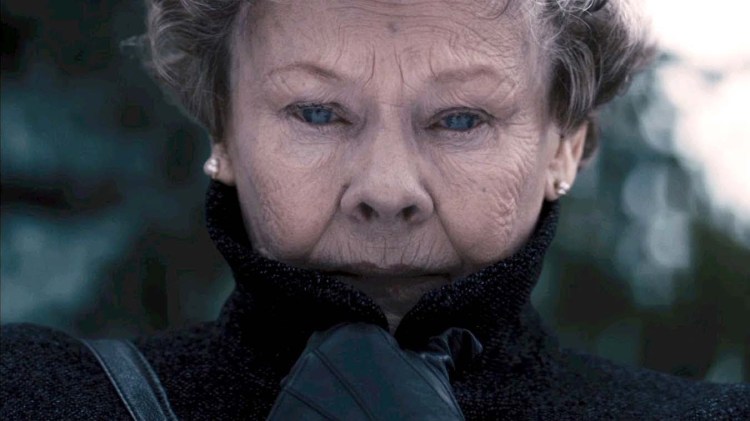
In terms of feature film one of my favourite experience was cutting Philomela by Stephen Frears. For me this was a unique experience for several reasons because not only I was given a chance to work with such a great master of cinema like Frears (who by the way was one of my Teachers at the Nation Film and Television School) but I was cutting a story that was very important for me because of my upbringing in a Catholic country. Also I was cutting Judi Dench’s masterful performance. I learned a lot from looking at her performances in the rushes.

MT: What is the art to being a great DOCUMENTARY editor? How is working on this type of film different than a conventional live-action film?

VB: The most important thing you have to remember when you cut a documentary is that almost everything is possible in terms of narrative. There is no script and the way the material is cut decides the narrative of the film. As an editor I feel you have even more responsibilities.

I try to bring narrative documentary techniques of editing in the feature genre and vice versa.

One example is when I cut “The Program” for Stephen Frears. The film is about Lance Armstrong and I was given a lot of documentary footage and news reports as well as all the live coverage from all the Tour de France Lance won by Lance between 1999 and 2005. I was able to use this footage cut together with our footage of Ben Foster playing Lance mostly because the impressive physical change that Ben did in the months before shooting in order to look like Lance. Also the news footage helped us to build narrative threads of stories particularly around the media buzz that Lance’s victories generated, most of this sequences were not scripted in the original script.

PHOTO: Judi Dench in the feature film “Philomena”:
philomena_judi_dench

MT: Generally, when does the editor join the production on a feature film? Do you begin editor when the film is still in production?

VB: I always start at the start of the shooting but often I get to talk to the directors I work with in the weeks and months before the film is shot and I give my feedback and opinion on the script.

Advertisement

MT: What is an editor looking for in their director? What is a director looking for in their editor?

VB: In a director I look for a relationship where I feel that I learn something new, at the same time I like to be challenge by a director, it is also important for me to know that I can contribute to his vision of the film. Probably a director feels that the editor is a collaborator but also the first audience that sees the film and so he looks for his objectivity as well as his understanding of what he’s trying to achieve.

MT: Is there a type of film that you would love to edit that you haven’t edited yet?

VB: I’m very eclectic in my taste and so I’ve switched already quite a lot of genres so far but I must say that I sometimes would like to cut a Western movie, maybe because as a kid I’ve seen so many.

But mostly I react to stories, so for me when I worked on The Martian as a co-editor with Pietro Scalia it was a dream come true to do a Sci-Fi; but for me that was not the main exiting thing, the story was what exited me, the humanity that came out of the film was relevant for me.

MT: What film, besides the ones you’ve worked on, have you seen the most times in your life?

VB: The Good, The Bad, and The Ugly by Sergio Leone.

MT: What suggestions would you have for people in high school and university who would like to get into the industry as an editor?

VB: Try to cut as much as you can (Short films, Docuentaries, music videos…anything) and if you can go to a good film school like the NFTS in the UK because is a good place where you can meet talented and motivated people.

MT: Where did you grow up? Was working in the Film Industry something you always wanted to do?

VB: I never imagined that I was going to end up in the film industry when I was a kid, I actually dreamed of becoming an orchestra conductor!

I was born in Naples but my parents moved to Florence very early on in my life. I feel I grew up in a beauty box, surrounded by stunning hills and monuments and this beauty is for sure an element that has influenced me a lot in my choices in life and still is part of me. Sadly I had to leave my county in order to flourish but I can’t explain why otherwise I would turn this blog into a political and sociological critique of Italian life!
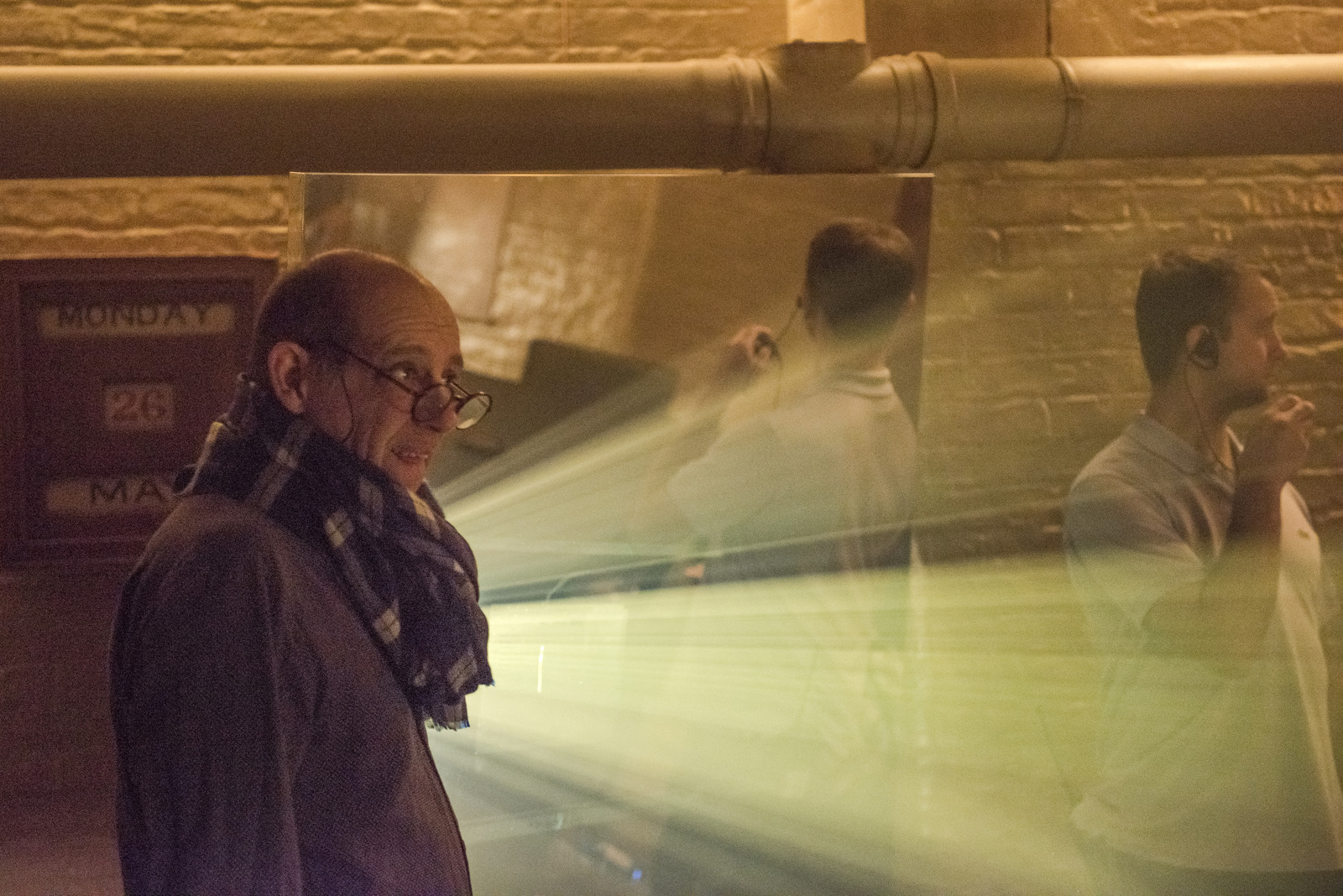
_____

Interviewer Matthew Toffolo is currently the CEO of the WILDsound FEEDBACK Film & Writing Festival. The festival that showcases 10-20 screenplay and story readings performed by professional actors every month. And the FEEDBACK DAILY Fesival held online and in downtown Toronto every single Thursday . Go to www.wildsound.ca for more information and to submit your work to the festival.

Interview with Cinematographer Julio Macat (HOME ALONE, PITCH PERFECT, WEDDING CRASHERS)

What an honor it was to sit down with Director of Photography Julio Macat. Julio has DP’d most of the top comedy films in the last 25+ years. His list of credits include: Home Alone 1, 2 & 3, Ace Ventura: Pet Detective,  The Nutty Professor, The Wedding Planner, Wedding Crashers, Winnie the Pooh, Pitch Perfect, and the upcoming comedy The Boss, starring Melissa McCarthy.

juliomacat.jpg

Matthew Toffolo: You have worked in the Hollywood Film Industry scene for the last 36 years. What has been the biggest change in the filmmaking process from 1980 to present?

Julio Macat: The biggest change in our industry has been the choice of material that studios and most independent financing companies green light, as what films are made. It used to be that a film like ORDINARY PEOPLE would have no problem going forward, especially with a good director attached. Now, great films like that rarely get made anymore. I miss that.

MT: Of all the productions you’ve worked on, what film are you most proud of?

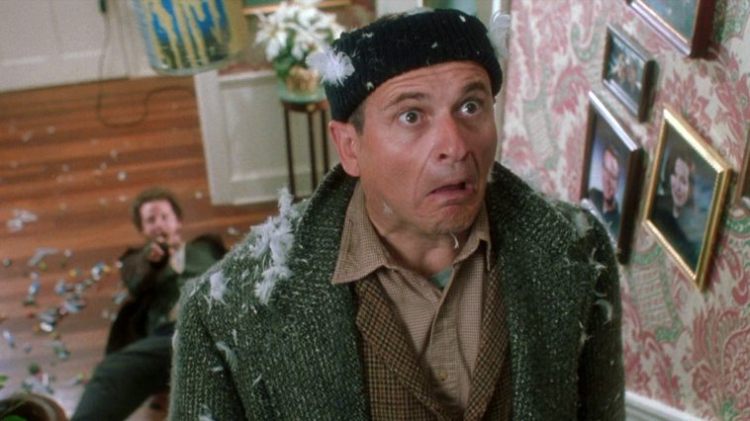
JM: Without hesitation it’s HOME ALONE, it was a rare combination of all the elements of film making coming together harmoniously with a result better than expected.

PHOTO: Cinematography in the film Home Alone:

homealone.jpg

MT: Home Alone is one of the most successful films in movie history, and it’s a film that really stands the test of time. During filming, did you ever imagine that this film would be as iconic as it was?

Advertisement

JM: No I didn’t. My hope was that it would be liked as much as I liked A CHRISTMAS STORY and that kids could relate to and be empowered by it. But It’s unusual to sense that you are doing something that special because you are in a vacuum, trying to do the best you can in your department (the visuals) and just hope that everyone else had their act together as well…Fortunately our young director Chris Columbus, had a great vision of what “it could be” and he guided us all in a great direction. The film was that unique circumstance where every layer that was added made the film even better…and John Williams’ score was truly icing on the cake.

MT: You’ve definitely been a part of some of the most successful films in the last 25 years (Home Alone, Wedding Crashers, Pitch Perfect to name a few). Is there a film that you worked on that didn’t do well at the box office that you consider a terrific film that people should see?

JM: Yes In comedy, I loved MY FELLOW AMERICANS which came out at an odd time and no one saw and the drama CRAZY IN ALABAMA which was a bit too long and did not connect with American audiences.

PHOTO: Crazy in Alabama. Starring Melanie Griffith:

crazyinalabama.jpg

MT: You just wrapped “The Boss” starring Melissa McCarthy, Peter Dinklage, and Kristen Bell. Can you give us a sneak peak as to what to expect?

JM: I have not been this excited about a comedy coming out since I photographed WEDDING CRASHERS!

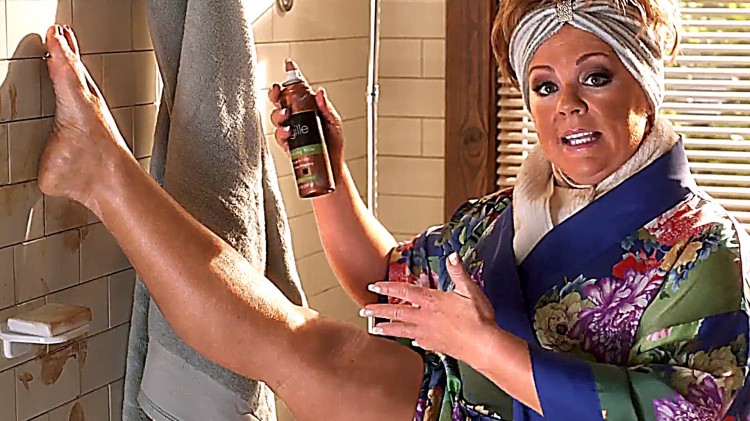
JM: THE BOSS is the perfect vehicle to show Melissa McCarthy’s incredible talent. I think she is the present day Lucille Ball, someone who can and will do ANYTHING for a laugh and unlike other comedians, it’s ALWAYS really funny. She has the uncanny ability to step outside herself and correct situations to make them hilarious without being self conscious! There is a scene in which she puts on a teeth whitener to have Kristen Bell clean her teeth and holds a conversation while they are being cleaned. I assure you that this will have the people in theatres roaring with laughter! We had to start the scene again repeatedly, because the other actors and the crew could not stop laughing during the takes.

PHOTO: Melissa McCarthy in THE BOSS: 

theboss

MT: Some of the comedies you work on the director demands the actors stick to the script, whereas other films, like Wedding Crashers, there is a lot of improvising occuring. Do you have a preference when shooting? How does the scene lighting setup change when you know the actors are going to go off script?

JM: It’s been my experience that comedy is an imperfect and individual science. The best results come when you leave an opening for great accidents to happen. So I try to not lock in actors with blocking that is too precise, and for example, if the scene develops into being filmed in an area that we had not anticipated, well, that then turns into a fun challenge!. Hopefully this adds to the piece. Ben Falcone and Melissa were eager to want overlaps in dialogue and action in some of our scenes, to be a part of the looseness of the jokes, so they asked that I cover these scenes with three angles simultaneously. It was challenging photographically, but the results were worth the effort and we got many “improvised “ moments with the proper intercut coverage.

Advertisement

MT: Since you started in the camera department, do you prefer operating the camera yourself? Or does this all depend on what type of film (budget/Union guidelines) you’re working on?

JM: I love operating the camera myself, and on some productions I prefer it.

But since I’ve now done 17 films with first time directors, lately, I find that all can go faster when I spend more time by the director’s side and away from the camera. I do love stunts, however, and I love operating on the tough shot …so that we get it in one.

MT: What’s the main thing you look for from your main crew members? Gaffer, Key Grip, Camera Operators etc…

JM: My most important criteria in choosing crew is PERSONALITY. After this many years in the film industry, I found that many people are qualified for the job description, not as many have the agreeable, kind and respectful personality that I require to be in my crew.

I like to be the example of being respectful to actors, directors, producers and other crew members. I expect my crew to do the same.

It’s amazing how much you can achieve with a hand picked crew that has a positive attitude and general kindness toward each other, I am always amazed at this, especially when we work under such tough circumstances that we often encounter. With this approach, when the pressure mounts with things like weather challenges, not enough time, locations changing, etc. etc. which by the way, are actually the daily obstacles of filming, one can rely on the crew to process it, deal with it professionally and find a solution with kindness achieving much better results.

MT: What do you look for in your working relationship with your director?

JM: A collaboration, Hopefully I look for this person to be someone who will do their homework, roll their sleeves up along with me and work as hard as I do.

I look for the director to be considerate of my craft and the elements I may need in order to help them realize their vision for the film And finally, maybe most importantly, a sense of humor.

MT: What movie, besides the ones you worked on, have you seen the most in your
life?

JM: It’s a three way tie: In this order though…

IT’S A WONDERFUL LIFE
LOST IN AMERICA
JERRY MAGUIRE

Cheers
JULIO MACAT, ASC

_____

Interviewer Matthew Toffolo is currently the CEO of the WILDsound FEEDBACK Film & Writing Festival. The festival that showcases 10-20 screenplay and story readings performed by professional actors every month. And the FEEDBACK DAILY Festival held online and in downtown Toronto every Thursday. Go to www.wildsound.ca for more information and to submit your work to the festival.
Stunt Performer Hannah D. Scott (The Enemy Within, Orange is the New Black)

I really enjoyed chatting with Stunt Performer/Actor Hannah D. Scott about her profession. She was very open about everything and you can feel her passion for the industry and what she does in her answers. Enjoy!

Matthew Toffolo: What job has been your most valuable experience?

Hannah D. Scott: I think that part of the answer lies in not actually working, but watching people work. The set is such a massive machine and being able to take a step back to listen and learn is priceless. I was once asked, a long time ago, to step in as kind of intern of sorts. Understanding the camera, understanding how the director communicates with actors in order to get the right result, what cues to give to help them understand and so on was incredibly valuable. I could see how different lenses worked, how framing could make or break a shot, how timing is essential as are reactions. I watched how gags were set up and every detail that goes in to even the simplest of stunts. Even for a small trip to the ground, the area has to be checked for hazards like glass for example, but someone outside of stunts might not think of those things because they never have to be the ones hitting ground.

Perhaps the most valuable experience was making a mistake on a job an realizing that that sort of stunt is not something I want to do, and being honest with myself about it. Why try and do something and risk not only yourself but others. We all have things we thrive at and fail at.

MT: Have you suffered a lot of injuries doing stunts? If so, what has been your worst injury?

HDS: Funnily enough everything has been outside of work. My Mirror fell off of my windowsill and went through my foot when I was at home…doing nothing. I always expect to get a little bruised even though I have pads for safety, but it comes with the territory. There have been some terrible accidents, perhaps some were avoidable and some were just simply tragic accidents, but we are all aware in going to work that we stand the chance of being hurt and maybe seriously. Everything in our power and the power of those working with us is done to keep things safe. I don’t think the general public realize how much danger there is involved and how much of the physical stuff we actually do without it being CGI or some such thing.

MT: Has there been a stunt that you love to perform that you haven’t performed yet?

HDS: I haven’t done burns yet, being set on fire. There are full and partial burns, each with their own skill set and risks. For some reason that’s high on my list of things I’d like to learn and have the opportunity to do.

MT: How did you get into the stunt performer game? Was there extensive training involved?

HDS: This is always a hard one to answer as there in no one ‘way’ in. Personally I was picked to work on a film as I had a background in martial arts, gymnastics and fighting. I very much had to learn as I went that day because the most I had was stage combat for a base in understanding reactions and so on, but it’s a whole different world with a camera, pretty much polar opposite. I was lucky enough to be hired, do a good job and keep connections in order to find out how to progress once I’d made a choice to commit to stunts.

There is no ‘training’ for stunts in a way, you can’t go to a school and then come out with a range of skills and find recruiters. There are workshops available and they’re certainly more frequent in NY now. It has been very hard in the past to attend workshops without already being ‘in’ the working community and without a resume. Most were private invites and with good reason. Things are becoming more open to those starting out now and giving people a chance to learn. It’s a catch 22. How do you get into stunts without training but how do you get training and invited without already being in stunts? Who should even be teaching it is another story and sometimes cause for friction, but at the end of the day it’s about keeping each other safe and using the best skills we have individually, working together to make the best picture possible.

We all train regularly at various sports complexes and in teams. You have to keep the muscles moving, work reactions and timing and watch yourself back all the time on video to make sure you’re not catching yourself for example, putting a hand down being shot in the head where in life you’d just collapse…if that makes sense. Conditioning is always important so you’re fit enough to do multiple takes and have the ability to take the impact, are prepared for it.

MT: Where do you see the future of green-screen stunt performing in the motion pictures?

HDS: I’m not sure I”m experienced enough to answer that, but I think that technology will obviously continue to grow in ways we can’t even imagine yet. Look at animation, it’s mind-blowing. But, I do think there will always be a need for physical bodies and work, so hopefully non of the advances will take jobs away.

MT: What’s the biggest high risk stunt you’ve performed to date?

HDS: I’ve done a dog stunt, which could easily go wrong should the animal decide he wants to do what he wants, but I’d say high-fall holds some of the highest risk. Falling off buildings, cliffs, over balconies and so on into boxes, airbags or porta-pits. There are so many factors that could go wrong either from the miscalculation of the person jumping or the people on the ground spotting or prepping the air-bag, it’s a very risky stunt and a speciality. It’s certainly not for everyone.

MT: Do you have a stunt performer mentor?

HDS: Yes, I am very lucky and honored by the people I’ve been surrounded and guided by. I think it’s somewhat essential in this part of the entertainment industry as it can be so hard to navigate. I was incredibly lucky on the first major job I did having the chance to work with some of the longest working members of stunt community, their generosity astounds me.

Whenever I’m confused about anything from a contract to what I might need to work on or where I can find who and what I need, they are all there. It’s never too much to check in and there’s never a question that’s too silly to ask. I feel like they all remember what it’s like to have had that first day and remember where they started. I would love to name them, should I name them? Manny Ayala, Elliot Santiago, Chazz Menendez and Joanne Lamstein are all those I consider it an absolute honor that I have them in my life.

MT: What movie, besides the ones you worked on, have you seen the most times in your life?

HDS: Oh boy…honestly? Probably ‘Pete’s Dragon’, no kidding. I know every part of that script and gutted they have made a new one. I’ve never wanted dragons to be so real in my life!

Her Website: http://www.hannahdstunts.com/

PHOTOS: More Hannah fight photos:

hannahscott_4
hannahscott_5
hannahscott_6
hannahscott_7

_____

Interviewer Matthew Toffolo is currently the CEO of the WILDsound FEEDBACK Film & Writing Festival. The festival that showcases 10-20 screenplay and story readings performed by professional actors every month. And the FEEDBACK DAILY Festival held online, and in downtown Toronto on the last Thursday of every single month. Go to www.wildsound.ca for more information and to submit your work to the festival.

The SCREWBALL COMEDY Genre. (Past, Present, Future)

Submit your film or screenplay to the WILDsound Festival today: https://filmfreeway.com/WILDsoundFilmandWritingFestival

What is a Screwball Comedy?

A comedy that is characterized by fast-paced, witty dialogue, farcical situations, and romantic storylines that often involve a battle of the sexes. They emerged in the 1930s and became popular in the 1940s.

How is it different than a straight up romantic comedy?

Screwball is a genre that focuses less the romantic courtship between two people, and more on the battle of the sexes. It always has a strong female protagonist, and usually a male protagonist trying to keep up with her. It puts the emphasis on the spoofing of love, rather than the “will they get together” plot. Where did the term “screwball” come from? It gets its name from the baseball pitch “the screwball”.

Famous screwball comedy films?

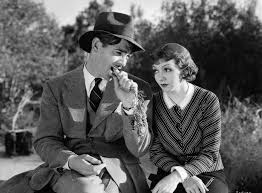
It Happened One Night (1934) Directed by Frank Capra. Starred Clark Gable & Claudette Colbert

Bringing Up Baby (1938) Directed by Howard Hawks. Starred Katharine Hepburn & Cary Grant

The Philadelphia Story (1940). Directed by George Cukor. Also Starred Katharine Hepburn, Cary Grant. With James Stewart added to the mix.

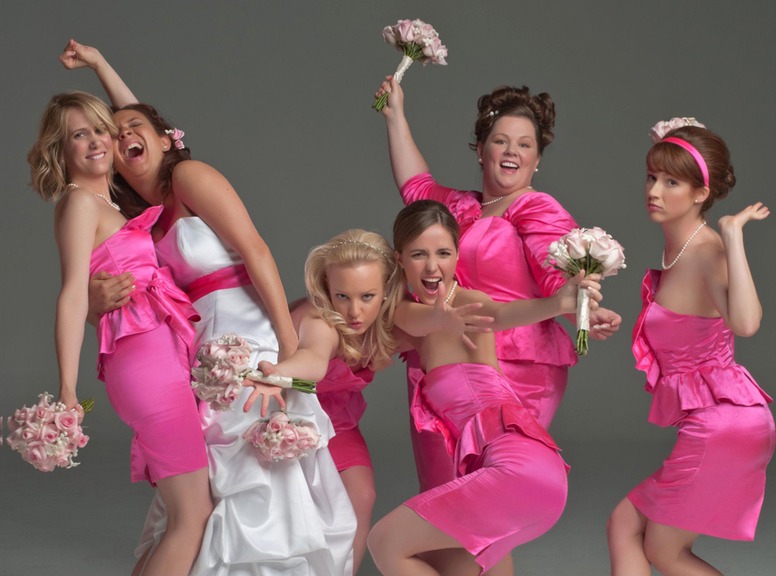
The brand declined in popularity through the years, but it still shows up in its style. The Coen Brothers have made a few with “Intolerable Cruelty”, “The Hudsucker Proxy”, and “Hail Caeser” Bridesmaids (2011), written and starring Kristen Wiig is considered a screwball comedy.

Is any one a fan of Amy Sherman-Palladino TV shows?:

Gilmore Girls. The Marvelous Mr. Maisel. Étoile. Those television shows are more definitely classic Screwball Comedies. From the characters. plot points. fast paced dialogue. Even the way the shows are directed – are classic screwball!

Enjoy the past, present, and future of the Screwball Comedy!

Interview with Film Graphic Designer Tina Charad (La La Land, Once Upon a Time…in Hollywood, Batman)

Graphic Designer creates the props and set-pieces for film productions and works directly with the Production Designer. Depending on the period and genre, these can be newspapers, love letters, shop signs, posters, cigarette boxes, logos. Basically, they create the original materials needed for a film that haven’t yet been invented.  

I was fortunate enough to interview the extremely talented Graphic Designer Tina Charad. In the last 10 years she has worked on over 30 productions including the films “Robin Hood”, “Edge of Tomorrow”, “World War Z”, “Pirates of the Caribbean”, “The Fifth Wave”, and “RocknRolla”.

Matthew Toffolo: Is there a film or two that you’re most proud of?

Tina: Well, in terms of pure indulgence, of being spoilt and designing beauty day after day, it would be 47 Ronin. Perhaps Maleficent too – for the same reasons.

Tina created images in the film “47 Ronin”:
47_ronin_image

Matthew: How long do you generally work on a film? How early do you come on in pre-production? Do you stay until the end of filming?

Tina: It really does depend. On the whole, a large studio film in the UK could be 9/10 months work. The prep time is longer as is the shooting schedule. I have worked both in the UK, where I started and the US, where I now live. In the UK the Graphic Designer is really responsible for a large amount more work than the US. That may sound bizarre in terms of the work load varying but in the US there are a lot more print houses and production places that can facilitate some of the graphic design parts where as in the UK, the Graphic Designer creates all the Art department, set dec & prop pieces – no matter how big or small.

Advertisement

Matthew: What’s the difference when working on different genres? From a straight up drama like “Body of Lies”, to a pure fantasy like “Maleficent”?

Tina: Well there is a huge difference. With something like BOL, you’re not creating fantasy. Often you are recreating reality but in a different location. So you’re making mobile phone stores, embassy clinics, roads signage. They are a huge part of what makes the film real, but not wildly creative. You have to be on the nose accurate, especially when working in foreign languages and alphabet like that film. We shot in Morocco, but were predominantly set in Jordan. The Arabic is different in these two countries. I had to have a translator who knew the differences. I then had to set about researching contemporary Arabic branding and identities as you would in the US. I had to create large scale banks and corporations but in Arabic. I spent a lot of money purchasing good contemporary Arabic fonts.
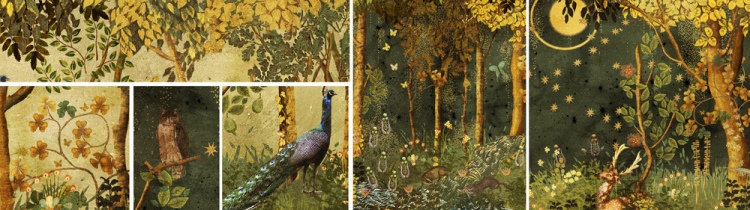
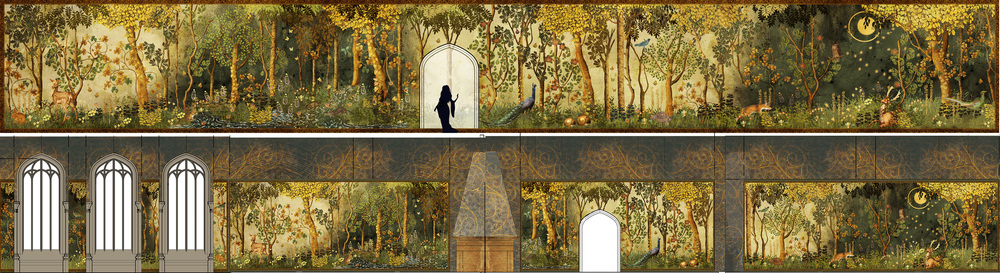
With Maleficent, I was re-united with a favorite designer. He wanted me to create a large scale tapestry for Sleeping Beauty’s bedroom. Whilst there were suggestions of medieval tapestries etc thrown in, he was very clear that he wanted to design something original. Also he pointed out that we were not a historical film, but a fantasy and the tapestry should show that. I think the brief was “Grayson Perry Meets Flemish”. So I worked on a fantastical forest scape that was a day and night scene. It has a wealth of lovely references and feels both fresh and stylistically fitted the brief.

Tina created the Sleeping Beauty bedroom images in “Maleficent”
malficifent_bedroom

Matthew: What about your experiences working on “American Ultra” or “The Crazy Ones” TV show? Is a straight up comedy an entirely different experience? Is your creative process all about making people laugh?

Tina: Well to be fair, In American Ultra I was doing reshoots especially of all the insert work. The producers and director found that the stuff didn’t work once they had shot it. For many reasons it had to all be recreated so it wasn’t really humorous at that point. You are just trying to get all these pieces and stick them together. In fact I didn’t get the script for that so I had no idea it was a comedy. It all seemed like a typical spy caper to me at the time.

I did a little on The Crazy Ones as they wanted to elevate the look and feel of the show. I had also worked at Leo Burnett where the show was supposedly based on. Despite what the designer hoped for, there is still only so much you can do with a comedy show – the jokes have to be pretty brash and in your face. No room for subtlety. It’s not my best genre – TV comedy. I find myself always fighting for the more subtle joke, and losing…

Matthew: What is the most challenging aspect of being a graphic designer?

Tina: Going to have to be clearances & the legal side.

Matthew: I have to ask you about the “Fifty Shades of Grey”
experience?

Tina: One of the most anticipated films of 2015. Were your design themes all about power and sex?

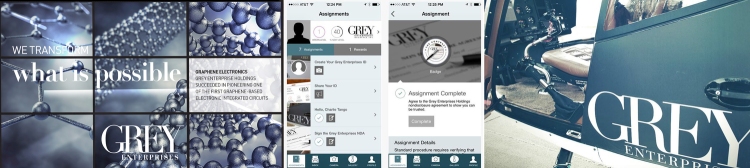
I started with David Wasco before any other art department. Initially we worked on researching the sex furniture for the red room of pain. David knows that I can do illustrative work so I looked at initial pieces of what these key pieces of furniture would look like. I have worked for a lot of designers sourcing reference and style imagery so we looked at humanizing the story. The book is pretty 2 dimensional as are the characters, so between Sam the director and David, they wanted to add life into it. In terms of the graphics in that film, trying to design a logo that doesn’t look like a film graphic and that could carry through 3 films and maybe 5 years without looking dated or getting changed, was a challenge. But I did several passes at first and Sam knew straight away which to choose. That initial Grey Enterprises logo is what Universal based their entire marketing campaign on. The other key logo was SIP – Seattle Publishing which actually didn’t make it into the film but is a key part of book2. I bet they use a new logo but that would be a huge pity. I rather liked my SIP wor

Tina’s created logos for “Fifty Shades of Grey”:
fifty_shades_of_grey_image

Matthew: You worked as a Graphic Designer on the David Fincher directed music video “Justin Timberlake Ft. Jay-Z: Suit & Tie”. How long did you work on the video, what did you do, and how was working with so many iconic people?

Tina: Good Question! I watched the video again to remind myself. Well that and sifted through my back up folders. I remembered doing a lot of etched mirror and glass for that video and sets. I remember there was a nightclub that was branded (signage, props etc) and had an old rat pack feel. What one has to remember is what is in the final edit does not show what was made. We prepare for what is initially discussed but things can change on the shoot day, the director or cast and request changes and then a whole scene can be cut. David Fincher is very particular about everything so the designer had all sets covered from an art direction, graphics and prop side. Better safe than sorry.

Matthew: Do you have a Production Designer or Graphic Designer mentor?

Tina: No – not really;

I spent 10 years in the real world of branding & advertising before moving into film. I loved Fabien Baron -you might guess from the fifty shades ;). So I didn’t really need mentoring when it came to graphics in the film industry with a designer so to speak, as I already had the skills. I have a couple designers I would work for regardless of pay or the job (let’s hope they don’t read this) they are David Wasco & Gary Freeman. Love the projects David chooses, they are often smaller and more interesting pieces. He is a designer that graphics are hugely important too. Gary uses me more as a Graphic illustrator on large scale pieces. Installations that normally are dreams briefs.

Matthew: What movie, besides the ones you’ve work on, have you seen the most in your life?

Tina: Another great question. There isn’t 1 but 3.
Gladiator – no explanation needed
Team America – I will never stop laughing or being furious I didn’t work on it
Love Actually – it’s on every Christmas

Matthew: You’ve worked as a Production Designer on more than a few short films. Is that a position that you aspire to hold in the Hollywood feature film world? Is there a place where we can watch your short films?

Tina: I have done that. I’ve also worked quite extensively as a stylist and assistant set decorator which is something I did pursue for a while I never wanted to design. All my design jobs have honestly been decorating jobs. Then I moved to the US and had to choose between 44 or 800 and I decided to focus only on graphics. I have no idea if you can watch these shorts. I’ll have to investigate…..

Matthew: What Production Designer and/or Director would you love to work with that you haven’t worked with yet?

Tina: That would be KK Barrett for Production Design and Tim Burton.

Matthew: You’re working on the new Bourne Identity sequel. Can you give us a sneak peek to what to expect?

Tina: No! Haha

For more information on Tina, please go to her website: http://www.tinacharad.com/
_____

Interviewer Matthew Toffolo is currently the CEO of the WILDsound FEEDBACK Film & Writing Festival. The festival that showcases 10-20 screenplay and story readings performed by professional actors every month. And the FEEDBACK Monthly Fesival held in downtown Toronto on the last Thursday of every single month. Go to www.wildsound.ca for more information and to submit your work to the festival.
 The original creation of the spanking bench in “Fifty Shades of Grey”spanking_bench

The original creation of the bedroom in “Fifty Shades of Grey”

the_bedroom

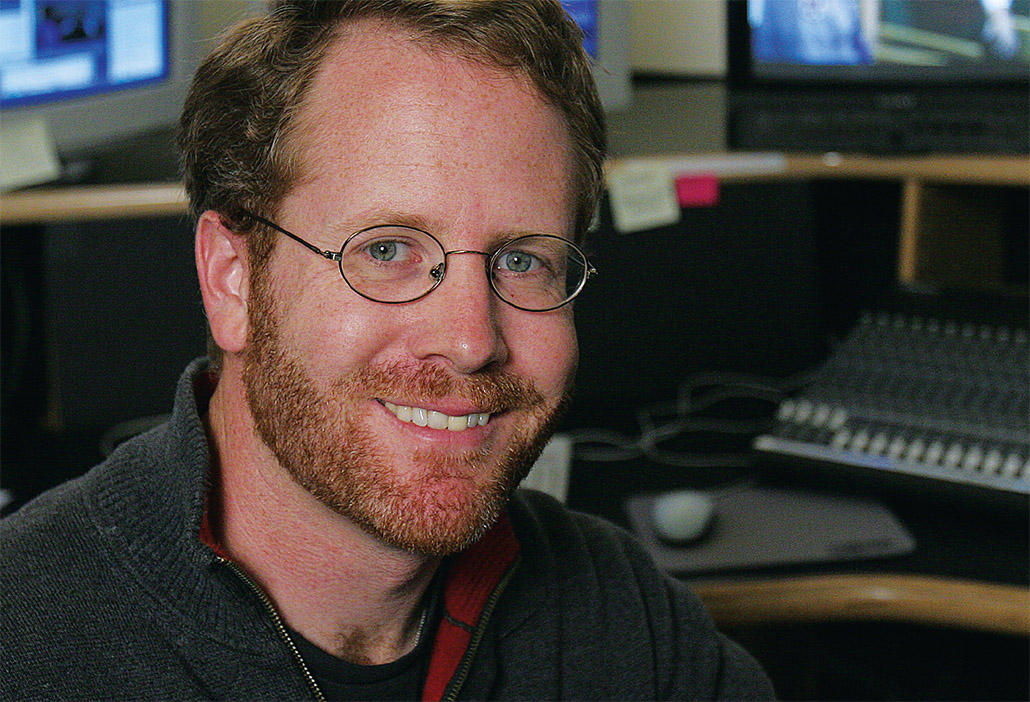
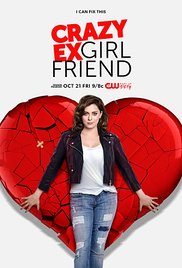
Interview with Editor Tod Modisett (High School Musical Series, My Crazy Ex-Girlfriend)

t was a privilege to chat with the talented editor Tod Modisett on the art of editing.

Matthew Toffolo: You have edited many television shows. Do you have a favorite experience?

Tod Modisett: The best experience is when you understand the show you’re working on. You get the director or the producer, and he or she gets you. Then interesting things can happen pretty quickly. Some editors can talk articulately when they’re working. I usually can’t.

Sometimes I mumble. It’s great when a director can hear me mumble something and he or she knows what I’m saying. It reminds me of how some dentists can understand you even when you have all kinds of crap in your mouth. Jeff Schaffer, the creator of “The League,” was like that. Once I mumbled something as I hit command-Z to put the edit back to what it was before I started messing with it and he said, “It’s okay. I know what you were going for.”

I have to ask about the “Bachelor” experience as there are tons of fans out there who want to know. What was the process like editing an episode together? Was the episode already written and you simply needed to piece together the story with the hours of footage you had? How much footage did you (or your assistant) have to go through?

I had to look this up on my calendar program. I stopped working on “The Bachelor” in December of 2008 and my last “Bachelorette” was July of 2009. So it’s been a while! Back when I was there, the story side of the show was run by Martin Hilton, who is certainly one of the smartest people I’ve met in Los Angeles. Martin always had a strong point of view about how the storylines should unfold, and he wouldn’t let the actual footage stand in the way. I learned a lot from him about how to shape the footage to achieve the desired result.

More importantly, he helped me realize that an editor needed to have a perspective when cutting a scene. There’s no point in being passive.

Martin started as an editor at Next Entertainment, so he empowered editors there to work the stories out themselves and pitch him their ideas. The story producers were there to help the editors find the interview bites the editors wanted. Not every reality company worked that way.

There was, of course, a lot of footage on those shows. But usually I didn’t watch everything. If something amazing happened in the house during a down period, a field producer would note it for us. You can’t watch every frame on that kind of schedule.

Did the TV show “Redneck Island” actually happen?

Yes! But I wasn’t on it for very long. I think I only cut one or two episodes. I don’t know why they put me down as having worked on all of them in IMDB. I left that show to cut
“Burning Love” for Ken Marino.

What is the biggest thing you’ve learned working as an assistant editor early in your career that helped you grow as an editor?

Every show ends. No matter how bad it gets, it’ll be over sooner than you realize.

What makes a great editor? What skills does he/she need?

First, you need all the stuff people talk about in seminars, like sensitivity to performance, a sense of pace, etc. A lot of editors I know are former musicians, so they feel rhythm and dynamics better than other people. But that’s only half the battle. You also should understand how you come across in a room and how you’re best able to work with other people. You need to know how you can personally convince others of your ideas without being overly combative. It’s different for everyone, because what works for one guy might not work for another. In the beginning, I was too much of a push-over. I’d say, well, it’s your show, do what you want to it. I’m just the editor. But what happens is, after a couple of years directors and producers have a way of forgetting what it was they insisted on in the cutting room, and they blame the editor if the show is bad. So now I try harder to push back if I think someone is making a real mistake. I don’t always prevail.

What is an editor looking for in their director? What is a director looking for in their editor?

Just to be on the same wave-length. With comedies, we have to think the same general stuff is funny, otherwise it just won’t work.

Is there a type of film or TV series that you would love to edit that you haven’t edited yet?

So many! I like a lot of stuff.

What film, besides the ones you’ve worked on, have you seen the most times in your life?

Through no design or intention, I’ve probably watched “The Godfather,” “Alien” and “Blackhawk Down” the most. The first two are kind of obvious. I don’t know why I find “Blackhawk Down” so watchable, but I’ve seen it five or six times.

What suggestions would you have for people in high school and university who would like to get into the industry as an editor?

I don’t know those people. Most kids want to write and direct. Or act. Usually if they’re in high school and they’re talking about wanting to edit, it just means that they lack the confidence to say they want to direct, because very few teen-agers know what editing is all about. So my suggestion is, don’t say you want to be editor. Just go make short films of your own. Write them, shoot them and edit them. And see how you feel after doing all of that. Maybe during that process you’ll find you have a comparative advantage in one area.

Where did you grow up? Was working in the Film Industry something you always wanted to do?

I grew up in San Pedro, which is the harbor of Los Angeles. I lived with my Dad. Every Friday night, he would take me to pizza and then afterwards we’d go to the Wherehouse and he’d let me pick out a VHS movie to rent. I was maybe 12 or 13 then. He never looked at what I picked, so I got all kinds of inappropriate stuff. After watching Scorcese’s “Taxi Driver,” I thought, wow, that seems like a cool job; I’d like to do that.

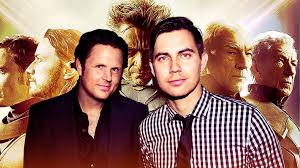
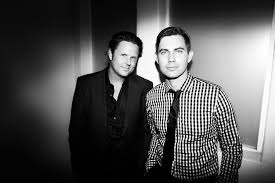
Interview with Composers The Newton Brothers (DAREDEVIL: BORN AGAIN, X-MEN ’97)

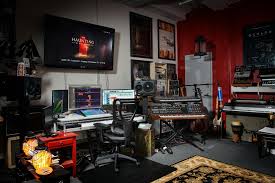
the_newton_brothers.jpgWhat a great time I had chatting with the extremely talented Newton Brothers (Andrew Grush & Taylor Stewart). A composing team that has already “scored” an impressive resume. I talked with them while they were in the midst of promoting their composing work on the horror film “Ouija: Origin of Evil.”

Matthew Toffolo: You guys are called the Newton Brothes but you’re not actually brothers.

Taylor Stewart: Yes, we wanted to write under one entity. Whether that is writing for film, TV, or an Opera. So we named ourselves after the great Isaac Newton.

MT: So not the bank robbers then?

Andrew Grush: We found out about them after we named ourselves..but we just decided to go with it.

Have any of you ever played with a Ouija board?

AG: That scared the crap out of me when I was a kid. I stayed away from all of that stuff. Only since we came aboard this project is when we have played with them. And we’ve now played with a ton of Ouija boards.

Do you believe?

TS: I personally think that people believe what they want to believe and things manifest. I do believe that there are things beyond us – and whether people want to believe that a Ouija board can bring that out is up to them to believe or not believe.

Did you play the board to inspire you to write the score?

AG: The sound designer was playing with the board in the post studio to grab folly off of it and it was laying around. So we did play with it.

We attended a few parties leading up to the premiere of the film and the played on different boards that some of the fans had. Some people had these amazing boards. Very old and artistic. I think I may be done with them. Don’t want to tempt faith.

I heard that you recorded the score of the film in an old church and that it got a bit creepy.

TS: Lucky enough we recorded it in only a day. It had a vintage feel. A traditional sense that others things have gone on there in the past. The owner of the church mentioned that “things” have gone on. So that brought another feeling. The church was beautiful and it definitely helped bring the emotions needed to execute the score.

With this score you went full out with your score – lots of intruments, with lots of layered emotions. Your rough cut. Then you scaled back and removed a lot of stuff. Is this your general process with scoring films?

AG: Yes that’s our usual approach. To take it too far just to see how far we can take it. Then go backwards and ween things out. We found that in the end that it worked out nicely. In the original score we had a lot of brass and ended up removing it entirely to have a more timeless feel. So it’s now more of a woodwind score. It now has the quality of the era of the film.

It’s almost like it was too busy with the brass.

AG: Exactly. To enhance the themes of the film and the amazing cinematography, less was definitely better.

Speaking of that. When I was researching you guys you were talking a lot about silence. To set up your score, you need silence first to enhance things.

TS: That’s true. There are so many movies with wall to wall music and usually when that happens it’s a student film or a young filmmaker’s film. They want to push the emotional buttons and many times they go too far. Silence gives more reality to the film. It’s a mistake that many student films make.

Sometimes the composer just wants their music in the film and they don’t think about the entire scope of the film. And sometimes to get the best overall score, a score isn’t needed in certain moments of the film.

AG: It’s very true. There are so many themes in so many films we do. We write music for all of it. Sometimes we work a week on a cue in a scene that just doesn’t work and no music is needed for that particular scene. But you have to try it. Explore the themes in the film. And doing that makes the rest of your score better.

It’s very important to know what we aren’t making an album. We don’t need to paint our sound all over the place.

What do you look for in your director?

TS: We welcome as much input as possible from the director. Getting to know what they want to relay what they want to give the audience. Whether that’s a two note score, or a very detailed score with many counter points. We want to work on the story with them and interject our talent onto the film.

The more that director gives us, the better it is for us.

How did you guys meet?

AG: We meet through a mutual friend in 2001. We started working together on songs and bank stuff. That turned into working on films. We decided to work on it together and came up with the Newton Brothers. Then we just started jumping into stuff.

It’s really nice to bounce ideas off each other. To work alone and go down out own natural roads. Then collaborate and bring those ideas and feelings together.

So you guys are basically a creative married couple?

AG: Yes we are. Good call.

What movie have to seen the most times in your life?

TS: E.T.. Star Wars. Back to the Future. Predator.

AG: The film I watched the most is Aliens. I recorded it on VHS in 8th grade, and I would watch it over and over again.

What type of movie would you want to score that you haven’t scored yet?

TS: Sometime futuristic and electronic. Or a period epic movie like Braveheart. We write a lot of stuff like that and I guess people will hear it eventually.

AG: Same. That is our goal.

____

Interviewer Matthew Toffolo is currently the CEO of the WILDsound FEEDBACK Film & Writing Festival. The festival that showcases 10-20 screenplay and story readings performed by professional actors every month. And the FEEDBACK DAILY Festival held online, and in downtown Toronto on the last Thursday of every single month. Go to www.wildsound.ca for more information and to submit your work to the festival.

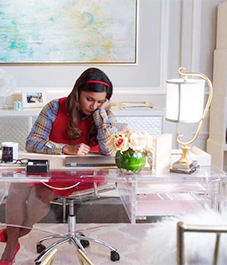
Interview with Set Decorator Lori Mazuer (The Mindy Project, Insidious franchise)

ori Mazuer is a pure talent. She has worked in the Art Department on over 50 productions in the last 20 years, including her recent stint as the lead Set Decorator for the hit TV show “The Mindy Project”. She was also the Set Decorator for the 2016 hit movie “Popstar: Never Stop Never Stopping”, starring Andy Samberg. Lori also has worked on many horror films, including Lords of Salem, Halloween I and II, and Insidious: Chapter 2 and 3. It was an honor interviewer her. Enjoy!

mindy_project

Matthew Toffolo: How is “The Mindy Project” experience? What is your typical work week setting up an episode?

Lori Mazuer: The Mindy Project has been an incredible experience. We are headed into Season 5 soon which will be my 3rd season with the Mindy team. Our main goal is to make Mindy’s world come to life, every week with a very ambitious schedule. We shoot our half hour episode every 5 days. This means we are prepping, shooting and wrapping all at once. We often crossboard which means we shoot multiple episodes at once.

My typical work week involves Concept meetings with the creatives, midweek art dept. meetings, which involve detailed discussions with the producers and directors about how the sets should look. Weekly production and tech scouts. While all of this is happening I am shopping and dressing multiple sets at the same time. I have 2 amazing shoppers who help me find the best pieces for our sets and a team of set dressers who are constantly picking up furniture from vendors, dressing sets and returning furniture that has been shot.

We typically have anywhere from 4 to 10 swing sets.Depending on the length of the scene the built sets on stage are 2,3 or 4 wall sets. Once a week we usually dress the Universal back lot to look like a typical NY street. This could be one block, with multiple store fronts, or several blocks. Its a really challenging show but we all manage to rise to the occasion thanks to a great team. The entire crew is smart, kind and helpful. When you have these key qualities in any situation you can succeed in anything.

Advertisement

MT: What is the fundamental difference between working on a television production in comparison to a feature film? I’m assuming the hours are less hectic when working on a TV show?

LM: I think it comes down to the prep time and the amount of details you put into a set. I learned very fast that in TV.

Its head and shoulders. Layering the set with smaller personal items for the characters is my favorite thing to do but we often do not have the time to do this in TV . I have found in film that you are given more days to dress a set so there is time for everyone to see it, discuss it and make changes if needed. We are moving too fast in TV to do this.

I think the hours you work really depends on the TV show. I’ve worked on a few TV shows where we only have one or 2 small swing sets. So there is plenty of time to layer and even adjust if you want too. By comparison the Mindy Project has several more per week.

MT: You’ve worked on many horror feature films. What do you like about the genre?

LM: I fell into working on horror movies by chance. Its kind of funny because I am actually a huge scaredy cat! I am always the one with their hands over their eyes and screaming. I don’t see very many horror movies..they stress me out.

From a creative perspective I do enjoy working on them because of the often unrealistic charm they have. Some of my favorite sets were on the Lords of Salem. The Production Designer, Jen Spence and I have done a few horror movies together and we work very well together. We created a surreal apartment for Sheri Moon Zombies apt which was meant to give the audience the idea that she could actually be losing her mind. We found some images we liked and printed them 10′ x 10′ . Then stretched them on huge canvases.The end result was pretty fantastic. It added to the make believe, surreal world that Rob strived for. We also painted eerie trees on her living room walls. The entire apartment was done in grey, black and white with touches of red. This was something that evolved once Jen, Rob and I delved further into her character. You often don’t have the time for this creative process in great detail in TV. Its something I really love doing in features.

PHOTOS of the Set Decoration from the film “Lords of Salem”:

DSC_0151
DSC_0161

MT: Describe the working and collaboration relationship between the Production Designer and Set Decorator?

LM: The set decorator helps to fulfill the designers vision both creatively and logistically. We will meet and discuss how we see the character and the environment that the scene takes place in. He or she will give me a few visual references which can be anything from furniture pictures or wallpaper samples that might set the tone or mood for the set. I like to show the designer a few pictures before we begin locking everything in to make sure that we are on the same page and then I just run with it. Its a great feeling to create something with someone else. If a piece of art or furniture inspires me I love telling the story or reasoning to the designer or director on why I think it is right for them. Its an incredible creative process. Sometimes one piece of furniture that we both love can turn into a big back story just between the 2 of us,

MT: How soon before production begins does the Set Decorator begin working? What is your initial task?

LM: I usually start about the same time the production designer does whether doing a film, TV or commercial.

My first task is to break down the script and note any hard to find items. If I am doing a period piece I will immediately start researching that era and start sourcing the right pieces.

Advertisement

I start with broad strokes, the main pieces in the room and build around that. However, I have been known to be inspired by the smallest thing .I once decorated a set because I was inspired by a blanket I found in a thrift store. It was the perfect color and had beautiful stitching. Sometimes something will catch my eye and that item to me can tell a whole story for the character.

MT: What are the key qualities to being a Set Decorator?

LM: Observe how everyone lives. You never know what kind of apartment or house you will need to create. In a sense you have to be able to empathasize with every kind of character there is in the world..from a serial killer to a nun, to a single mom living off of welfare checks.

Organization and communication are very important. You need to be able to be clear in your instructions and what you want to achieve to your crew .I think the tiny details you put in are what make the actors feel that the set you created for them is right for their character. It can inspire them and if that happens you have done your job.

MT: Besides the films you’ve worked on, what movie have you seen the most in your life?

LM: I’m a girl from Pittsburgh who grew up one mile from a multi plex and 2 miles from the art house cinema. My taste in film is very eclectic. My inspirations run the gamut.

Female Troubles / John Waters
Dreams/Akira Kurasawa
Barton Fink /Cohen Brothers

I am, a huge fan of Dante Ferretti. I have watched the Adventures of Baron Munchausen too many times to count because I love the production design in that movie

MT: Do you have any advice for high school and university students who want to work in the Art Department in the film industry?

LM: Work hard. Draw as much as you can, it often helps in communicating your vision. Its important to understand design in film and to know your designers as they are often brought up as reference.

Pay attention to how people live. Not just in what type of furniture they would have but other contents, personal items, photographs, artwork that can tell a story. Don’t be afraid to think outside the box. You will be working with very creative people and new ideas are often found to be refreshing.

Watch movies and observe how they are designed. There’s a lot to be learned from other Production designers, Art Directors and Set Decorators.

PHOTOS of the Set Decoration from “Popstar: Never Stop Never Stopping:

popstar_never_stop_1
popstar_never_stop_2
popstar_never_stop_3

_____

Interviewer Matthew Toffolo is currently the CEO of the WILDsound FEEDBACK Film & Writing Festival. The festival that showcases 10-20 screenplay and story readings performed by professional actors every month. And the FEEDBACK DAILY Festival held online, and in downtown Toronto on the last Thursday of every single month. Go to www.wildsound.ca for more information and to submit your work to the festival.

What is a Screwball Comedy?

Submit your film or screenplay to the WILDsound Festival today:
https://filmfreeway.com/WILDsoundFilmandWritingFestival

What is a Screwball Comedy?

A comedy that is characterized by fast-paced, witty dialogue, farcical situations, and romantic storylines that often involve a battle of the sexes. They emerged in the 1930s and became popular in the 1940s.

How is it different than a straight up romantic comedy?

Screwball is a genre that focuses less the romantic courtship between two people, and more on the battle of the sexes. It always has a strong female protagonist, and usually a male protagonist trying to keep up with her.

It puts the emphasis on the spoofing of love, rather than the “will they get together” plot.

Where did the term “screwball” come from?

It gets its name from the baseball pitch “the screwball”. For those unfamiliar with baseball, it’s a pitch a pitcher throws to a batter that moves in the opposite direction than a typical baseball pitch like a fastball, curveball, or slider.

A screwball is an oddball pitch, like the female leads in the 1930s comedy films where they played the “opposite” of your typical female stereotype that were back in the day.

Instead of wanting to find a husband, birth a few babies and be a homemaker – the female leads in the “screwball comedy” are strong, independent from men, and want to focus their life on their passions.

They are attracted to men, but will only begin a courtship of any kind if it was on their terms – not the mans.

Famous screwball comedy films?

It Happened One Night (1934)

Directed by Frank Capra. Starred Clark Gable & Claudette Colbert

Bringing Up Baby (1938)

Directed by Howard Hawks. Starred Katharine Hepburn & Cary Grant

The Philadelphia Story (1940).

Directed by George Cukor. Also Starred Katharine Hepburn, Cary Grant. With James Stewart added to the mix.

The brand declined in popularity through the years, but it still shows up in its style. The Coen Brothers have made a few with “Intolerable Cruelty”, “The Hudsucker Proxy”, and “Hail Caeser”

Bridesmaids (2011), written and starring Kristen Wiig is considered a screwball comedy.

Is any one a fan of Amy Sherman-Palladino TV shows?: Gilmore Girls. The Marvelous Mr. Maisel. Étoile.

Those television shows are more definitely classic Screwball Comedies. From the characters. plot points. fast paced dialogue. Even the way the shows are directed – are classic screwball!

Enjoy the past, present, and future of the Screwball Comedy!


Interview with Cinematographer Rasmus Heise (I KILL GIANTS)

Rasmus Heise is the cinematographer of the Netflix Original series “The Rain” and the drama/fantasy feature film “I Kill Giants”. The Danish DOP started out working on a string of short films including Oscar-winning family drama “Helium”.

Matthew Toffolo: Where were you born and raised? Was photography something you always wanted to do as your career?

Rasmus Heise: I was born in Copenhagen and raised in different cities around Denmark. I picked up a VHS camera at summer camp, age 13, and did a short film starring my sister. I overheard some adults prasing my work. That never left me. It wasn’t untill I was around 21, that I fund out that cinematography was what I wanted to do. I was taking the 8 months course at the European Film School in Ebeltoft, Denmark. This is where I met the people that I would go on making short films with for many years ahead. Later I studied cinematography for 4 years at the National Filmschool of Denmark in Copenhagen.

What has been your most proudest work of your career? Or, what has been your favorite project to date?

The first real big challenge was the two final episodes of the TV show called “The Protectors” (Livvagterne, Denmark, director Mikkel Serup). We had to shoot locations in Denmark and Marocco and studio in Denmark. It was a big challenge making it all flow seamlessly, and I think we did a great job. In more recent times I’m very proud of I Kill Giants. A huge challenge for everybody involved. Shooting a challenging script in only 35 days in two countries and with many cgi and in-camera effects. I’m also proud of the work on the Netflix show The Rain. I shot 4 episodes for director Natasha Arthy. We had a huge amount of stuff to do, and very little time. But somehow we and the hardworking crew made it work.

Tell us about the film I KILL GIANTS. How did you get involved in the project? What makes this film unique?

I have worked with director Anders Walter for many years. I have shot about 20 music videos and 4 short films for him. After our short film Helium won an Oscar for best live action short, things started to happen. He was offered to direct IKG, and I jumped on the project with him. The american producers didn’t know me, but luckily I had shot the first season of Amazon Studios’ show Hand of God for director Marc Forster. So they called him up, and he must have said something nice about me I guess 🙂

The film is based on a really beautiful graphic novel from 2008 by the same name. It’s a very beautiful story, and I feel very lucky to have been a part of making it in to a movie. I want to thank producer Kim Magnussen for also helping me get onboard.

Is there a type of film/TV show that you love to work on that you haven’t worked on yet?

I would love to make something gritty. A twisted thriller.

What are you generally looking for in a director in order for you to do your job as best as possible?

It’s all about being on the same page I think. I always try and spend time getting to know each other. The better I know someone, the better a job I tend to do for him or her. I love directors who has a vision, but are not afraid to let go and let the project take you somewhere you hadn’t planned.

What do you think a producer/director is looking for when they bring on you to DP the film?

I know my craft, and I work fast! Haha. I know that many producers like it. I think directors likes me, because I can work in many genres and maybe also because I’m easy to talk to. I see my job as becomming the directors best friend, and I try to be the best collaborator in every way. I want to help the director, but also challenge him or her to push the project to become even better.

What is your passion in life besides photography and film?

These days it’s my beautiful family. They are amazing every day.

What movie have you watched the most times in your life (besides the ones you worked on?

I have MANY favorite movies. My all time favorite is Heat by Michael Mann. Have seen that so many times. My biggest dream would be DP-ing a movie directed by Michael Mann. Or PT Anderson. Or David Fincher. Or Marc Forster. Or.. well the list is very long.

What advice do you have for young cinematographers who would eventually like to DP movies for a living one day?

What you need is collaborators. Find like-minded people. Learn and grow together. Film school is not essential. But it’s a great place to learn from your mistakes without anybody out in the film industry noticing you screwed up. So if you don’t get into film school, or don’t have the money for it, find another way to get experince and learn. Make non-budget shorts or do music videos or art projects. Go to a film work shop or find collaborators some other way.

Please follow me on instagram: rasmus_heise

rasmus.jpg

_____

Interviewer Matthew Toffolo is currently the CEO of the WILDsound FEEDBACK Film & Writing Festival. The festival that showcases 20-50 screenplay and story readings performed by professional actors every single month. And the FEEDBACK DAILY Festival held online and in downtown Toronto, and Los Angeles at least 3 times a month. Go to http://www.wildsoundfestival.com for more information and to submit your work to the festival.