Submit to the WILDsound Festival Today:


Thank you for the very helpful feedback on my screenplays.


Submit to the WILDsound Festival Today:
Thank you for the very helpful feedback on my screenplays.
Upcoming Deadlines for FREE Film Festivals to Submit to via FilmFreeway::
There’s also an option for GUARANTEED ACCEPTANCE submissions. Interviews, audience feedback video etc… Geared to help promote the filmmakers and their films!
DIVERSITY Film & Screenplay Fetsival https://filmfreeway.com/diversity
EUROPEAN Film & Screenplay Festival:
https://filmfreeway.com/europeanfeedbackfestival
ASIAN Feedback Film Festival:
https://filmfreeway.com/ASIANFeedbackFilmFestival
FAN FICTION Film Festival:
https://filmfreeway.com/FanFictionFestival
DRAMA Film & Screenplay Festival
https://filmfreeway.com/dramafestival
SPORTS, Fitness, and Recreation Film Festival:
https://filmfreeway.com/SportsFilmFestivalMonthly
LATINO Feedback Film Festival:
https://filmfreeway.com/LatinoFEEDBACKFilmFestival
DOCUMENTARY Feedback Film Festival:
https://filmfreeway.com/DocumentaryFilmFestival
Style, Experimental, Fashion Film Festival:
https://filmfreeway.com/stylefashionexperimental
POLITICAL Feedback Film Festival:
https://filmfreeway.com/PoliticalFilmFestival
ACTION/ADVENTURE Film & Screenplay Festival:
https://filmfreeway.com/LosAngelesFestival
STUDENT Feedback Film Festival:
https://filmfreeway.com/StudentFestival
BLACK & WHITE Film Festival:
https://filmfreeway.com/BlackandWhiteFilmFestival
Toronto FEMALE Film Festival:
https://filmfreeway.com/TorontoFemaleFeedbackFilmFestivalTOFFFF
LGBTQ+ Los Angeles Film & Screenplay Festival:
https://filmfreeway.com/LGBTLosAngelesFilmFestival
ANIMATION Feedback Film & Screenplay Festival:
https://filmfreeway.com/feedbackanimationfilmscreenplayfestival
Toronto FANTASY/SCI-FI Film & Screenplay Festival:
https://filmfreeway.com/torontoscifi
FAMILY Film & Screenplay Festival:
https://filmfreeway.com/FAMILYFilmFest
BLACK Filmmakers & Screenwriters Festival:
https://filmfreeway.com/BlackFestival
Los Angeles COMEDY Film & Screenplay Festival:
https://filmfreeway.com/ComedyFilmScreenplayFestival
TELEVISION Screenplay & Web Series Festival:
https://filmfreeway.com/TELEVISIONFEEDBACKScreenplayWebSeriesFestival











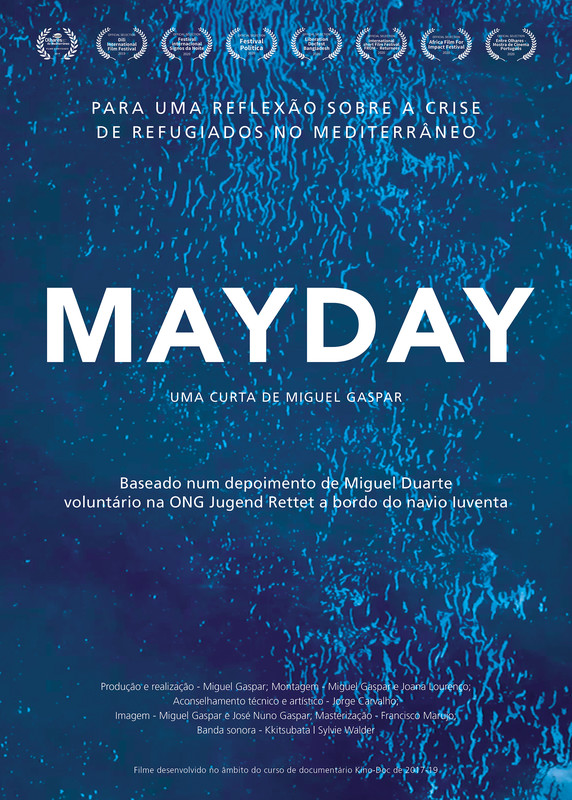
Watch Trailer: https://www.wildsound.ca/videos/trailer-mayday
Watch over 480 award winning short films now: https://www.wildsound.ca/watch-award-winning-short-films-1
Mayday, 7min., Portugal
Directed by Miguel Gaspar
From a report by a Portuguese volunteer who carried out maritime rescue missions on a ship of a German NGO during the current refugee crisis in the Mediterranean, “Mayday” builds a visual narrative, giving space to a reflection on the drama of this humanitarian issue.
Watch MOVIE TRAILER: https://www.wildsound.ca/videos/trailer-cold-isolation
FREE festival starts at 8pm EST tonight at http://www.wildsound.ca/browse
Watch over 480 award winning short films now: https://www.wildsound.ca/watch-award-winning-short-films-1
COLD ISOLATION, 4min., Portugal
Directed by José Augusto Carvalho
We travel in the empty interior of ourselves,
meaningless passengers.

Watch the Festival here: https://www.wildsound.ca/videos/movie-trailers-film-festival-july-2025
Salem Aftermath Sizzle, 2min., USA
The dialogue in this film clip is derived from the latest research and historical analysis of Ann Putnam. By incorporating newly discovered documents, human behavioral science, and AI, we have reconstructed what Ann likely would have said if given the chance.
SPADE, 1min.,
A prospect champion boxer gets caught up in the street life, and now he has to fight for his survival outside of the ring.
BLACK MAGIK, 2min., Italy
What happens when a group of kids find themselves sharing a passion, that of music that awakens the dark side of our consciences? What happens when you find yourself in your hands with the possibility of transforming into a demon?
Agents of Project Blue Book/Wrestling with Survival, 3min.,
A group of ragtag soldiers try to stop a Reptilian Alien Invasion that could alter history, featuring the music stylings of Bill Mumy of “Lost in Space” featuring Bill Mumy & Tom Sizemore.
FALLING INTO FRAME, 2min.,
This capstone project is a trailer to a hypothetical film:
After a magical painting sends June and Robert to a mysterious forest, they must learn that the best path is the one taken together. As they race against time to return home, will their love rekindle once again?
PURA SANGRE, 1min.
Frankie and Lucky, two young artists navigating love and identity in New York City, cross paths again after years of separation. Their reunion in a bookstore triggers a flood of memories, reopening wounds from their past relationship. As Frankie revisits the apartment they once shared, the film delves into their tumultuous past—Lucky’s struggle with trust, Frankie’s desire for autonomy, and the emotional weight of unspoken truths.
NONA DAY, 1min.
Black female vampire series.
SNOW Proof-of-Concept, 2min.
When an aspiring young American painter discovers that she’s pregnant with a child that her husband may not want, she’s forced to confront her troubled marriage, finding the strength to change her life when she falls in love with a Danish poet.
OUR KEYS, 22sec.,
As Chris and Lizzie are getting ready for their work days they realize that the keys to the house are missing leading to a bigger fight about their relationship.
FIRE IN MY BELLY, 40sec.
Richard was in his recording studio working on a new song when he suddenly fell unconscious to the floor… he was told his heart stopped for 19 seconds…
THE WISH FOR LOVE, 1min.
The story of a young man who is learning about life and is in search of his destiny.
TALK, 30sec.
“TALK” starring Detroit’s Tony J Black ( Sting; Apples Never Fall) is a drama delving into the nuances of love, communication, and the mysterious impact of silence. The narrative unfolds through the complex dynamics between characters, exploring emotional connections and the unspoken aspects of relationships. As the story meanders through intimate scenes, it gradually reveals the main character’s struggles with communication and the consequences of having unresolved conflicts in his relationships. The evolving plot touches on isolation, education, and transformation, leaving the audience to contemplate the intricate dance of human connections.
RED BIRD, 2min.
Maximilien Abadie learns of his father Alex’s death under mysterious circumstances. Officially, it was ruled a car accident—one seemingly caused by Alex himself. But Alex was more than just a father, he was a relentless police officer, known for his discipline and ruthless efficiency. Working in the shadows under the alias “Red Bird”, he was a secret vigilante who took on the city’s most complex cases.
Living 1 new day, 2min.
Nothing lasts in this cruel world, not even our suffering.
SWIFT CURRENT SWIMMER, 30sec.
Swift Current Swimmer is a sweeping, emotive piece that mirrors the epic life cycle of salmon from their birth in gentle mountain streams to their return as full-grown adults. It’s crafted for a full symphony orchestra, yet uniquely integrates beginner string players in a way that parallels the salmon’s growth.
TROPOS, 1min.,
The Final Mission, A Star Trek Fan Production, 1min.
Amid the chaos of war, the crew of the USS Pioneer faces a mystery that will push their ship, their values, and their bonds to the brink.
BORN, 17sec
This 2D experimental animation depicts a planet with reproductive functions, exploring the transformations associated with pregnancy and childbirth. By portraying these changes on both a psychological and physical level, the animation aims to highlight the impact of reproductive trauma and advocate for greater societal awareness and compassionate care.
SHOE DOWN, 43sec.
THE APOLOGY (ACT 1), 2min.
The Apology is the first of 2 short documentaries, by Métis filmmaker Matt LeMay and Inuk filmmaker Crystal Martin of Indigenous Geographic deliver an unprecedented, emotionally charged portrait of a pivotal moment in Canada’s journey toward truth and reconciliation. As the only film crew in the world granted exclusive access to the Indigenous delegation’s visit to the Vatican, they take viewers deep inside the historic week that led to Pope Francis’s apology for the Catholic Church’s role in operating the Canadian residential school system.
Watch the festival NOW for the next 48 hours by signing up for the FREE 3-DAY trial using the link, or go to http://www.wildsound.ca
Watch today’s Festival: https://www.wildsound.ca/videos/ringling-college-of-art-design-computer-animation-festival
What If?, 2min.
Directed by Bradley Bothwell
While working up the nerve to ask her crush out, an anxious high school girl is sucked into her imagination of what could go wrong.
https://www.instagram.com/whatif_film

Turduck-In, 2min., USA
Directed by Sydney Christensen
The animated origin story of how the turducken- a Thanksgiving delicacy- first came to be.
https://www.instagram.com/artofsydney

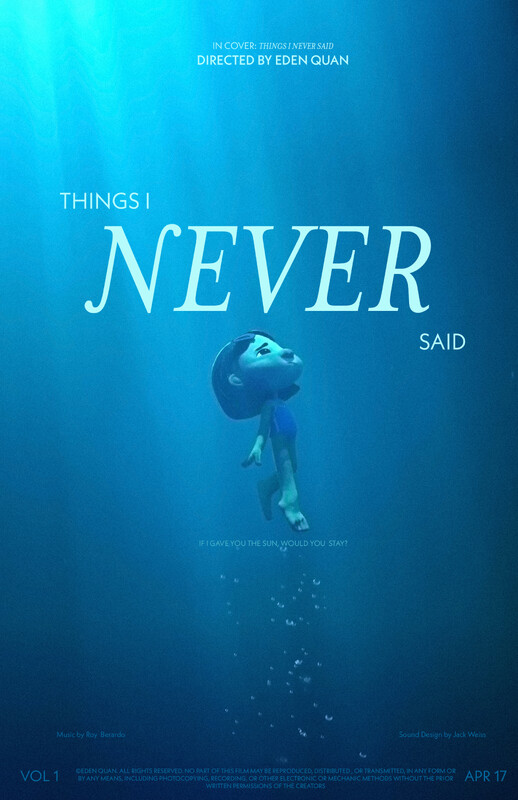
Things I Never Said, 2min
Directed by Eden Quan
A young girl reminisces on her memories with her brother. Searching for him, she finds that she is unable to catch up.
https://www.instagram.com/equan.art02/
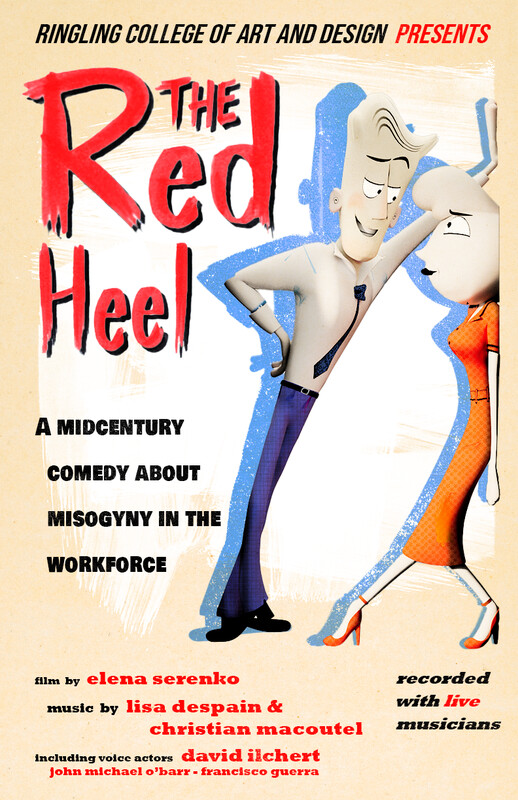
The Red Heel, 2min. USA
Directed by Elena Serenko
A midcentury misogynist gets what he deserves when he’s forced to spend a day in heels.
https://www.instagram.com/e.k.serenko
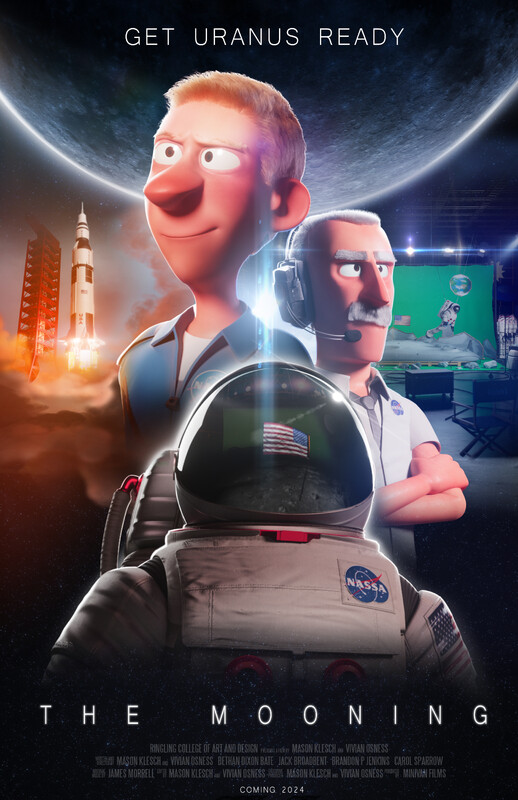
The Mooning, 3min.,
Directed by, Mason Klesch, Vivian Osness
The Mooning is an animated mocumentary that reveals the truth behind the 1969 moon landing.
https://www.instagram.com/viv.cg
Advertisement
The Bad Crow, 2min.,
Directed by Busra Sena Gazioglu
In an evil crow fairytale book, a bad omened adventurer crow tries to prove the narrator that he is good.
https://www.instagram.com/passiflora.alba/

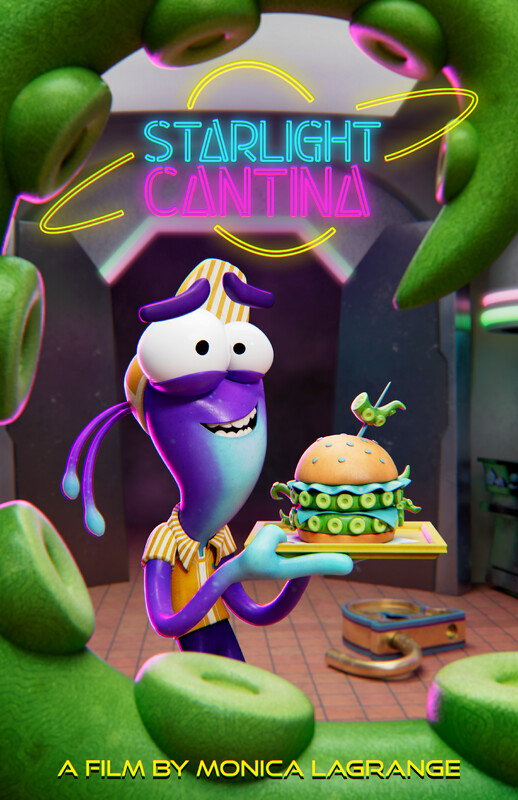
Starlight Cantina, 2min
Directed by Monica Lagrange
An 80’s fast food safety training video that gets aliens ready for their first day on the job, where each deadly task prepares the worker for the mortal dangers of the workplace, with the final task being to defeat the monster in the fridge.
Advertisement
https://www.instagram.com/monicaca.caca
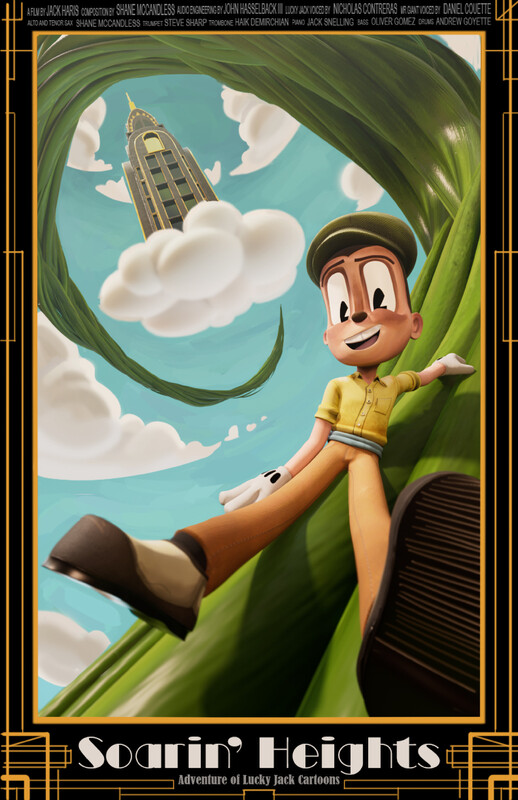
Soarin’ Heights, 2min.,
Directed by Jack Haris
After the ruthless mob boss of the city, Mr. Giant, steals the deed to Lucky Jack’s magic bean farm, the farmer must use his wits to sneak into the mob boss’s skyscraper in the clouds to do whatever he can to take it back.
https://www.instagram.com/animajac/
Advertisement
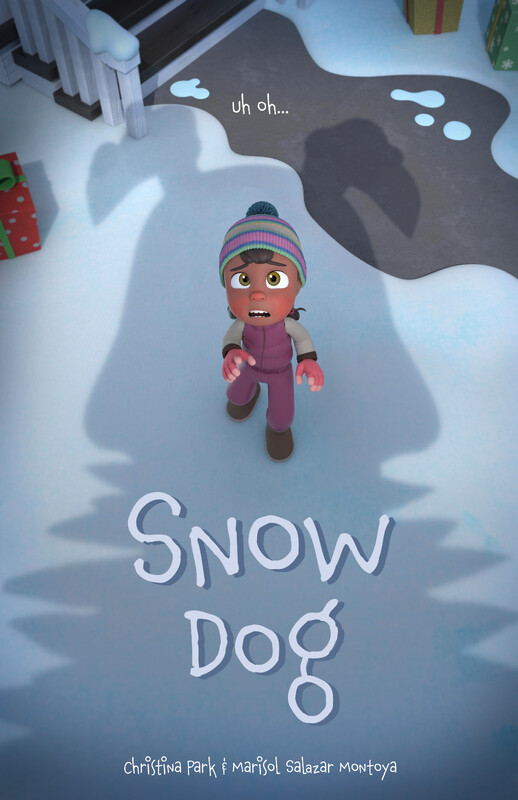
Snow Dog, 3min.,
Directed by Christina Park, Marisol Salazar Montoya
Holly’s Christmas morning takes a whimsical twist as her mischievous snow dog grows bigger and wilder.
https://www.instagram.com/chris_draws15
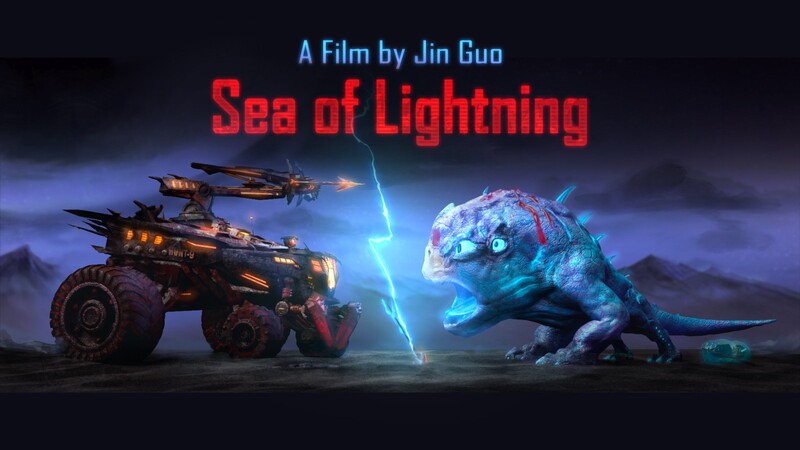
Sea of Lightning, 2min.
Directed by Jin Guo
On an Alien planet, a storm beast mother tries to protect her fragile eggs as she battles against a hunting vehicle preying on her Energy Spike
https://www.instagram.com/imperial_vector
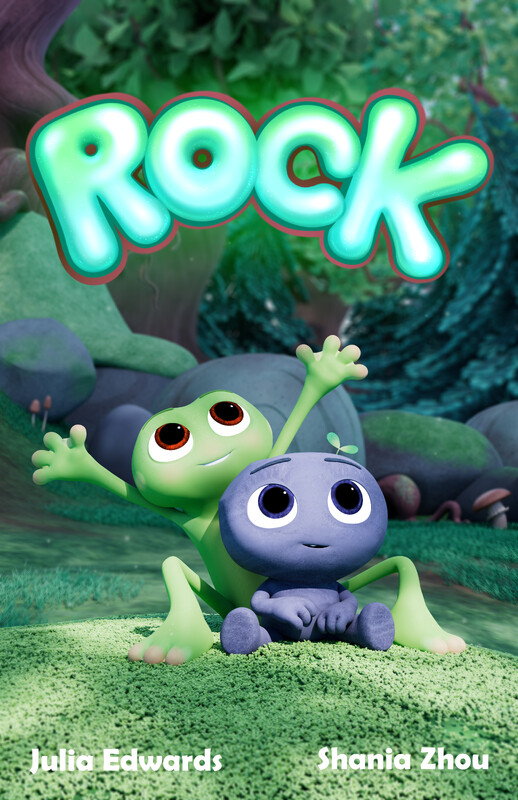
Rock, 3min.
Directed by Shania Zhou, Julia Edwards
A Rock is zapped to life by an evil witch’s wand and is terrified of her newfound sentience. A chill Frog helps her experience the joy of friendship and learn to appreciate life.
https://www.instagram.com/jigglytofu.art
Planet Fitness, 1min
Directed by Casey Schwarzschild
Getting fed up with the Flat Earth debates, Earth decides to prove his roundness and end the millennia old debate – through bulking up and working out.
https://www.instagram.com/caseylynnsart

Mantaur, 2min. USA
Directed by Sophia “Roo” Bakken
In ancient Greece, a reverse-centaur struggles with comparing himself to his perfect centaur brother and seeks to prove himself an Olympian challenge.
https://www.instagram.com/mantaurfilm

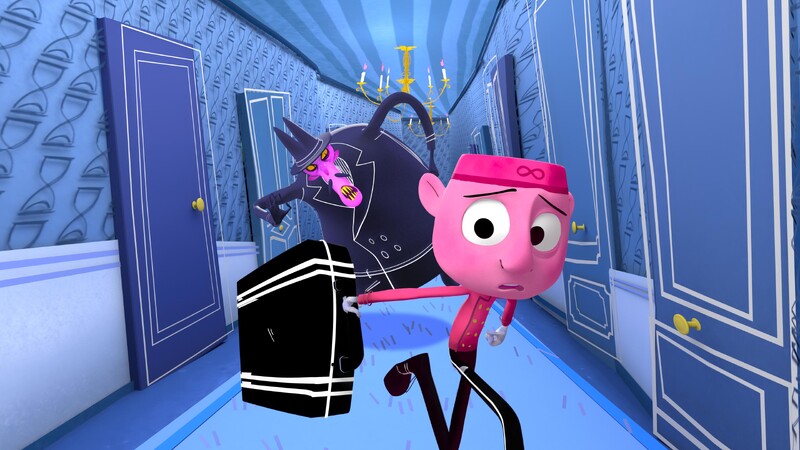
Hotel L’infini, 3min., USA
Directed by May (Hsi-Chen) Lee, Lindsay Browne
Jacque, a diligent bellboy of the extravagant Hotel L’infini, is
caught red-handed for possible murder by a brooding detective
who chases him through the hotel.
https://www.instagram.com/maylee.jpg/
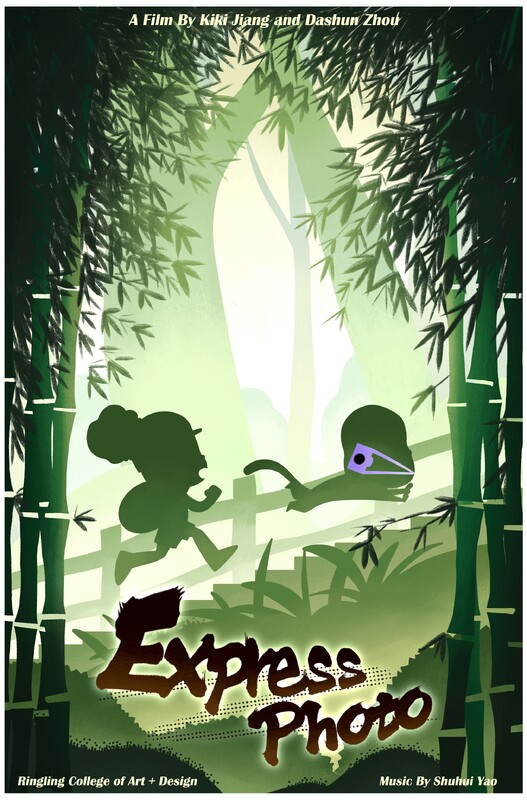
Express Photo, 2min
Directed by Dashun Zhou, Kiki Jiang
A tourist girl has her camera snatched away by a monkey, can she get it back?
https://www.instagram.com/kikij815/
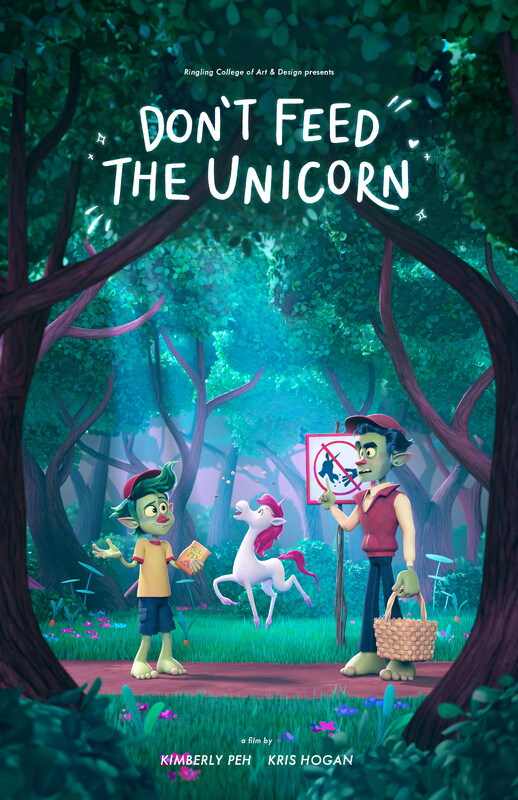
Don’t Feed the Unicorn, 3min.
Directed by Kimberly Peh, Katherine Hogan
While foraging in a magical forest, a young troll feeds a persistent wild unicorn behind his dad’s back. But once he runs out of food, Junior quickly learns through a dark twist why you don’t feed the unicorn!
https://www.instagram.com/batteryjuices/
Contracting the Cooties, 2min.
Directed by Skylar Levine, Maya Bayewitch
A pair of second grade girls, Parker and Maggie, are playing at a
playground when Maggie touches a boy’s hand, unaware that she just contracted the cooties, and Parker must help her find the cure before it’s too late.
https://www.instagram.com/scl_artwork

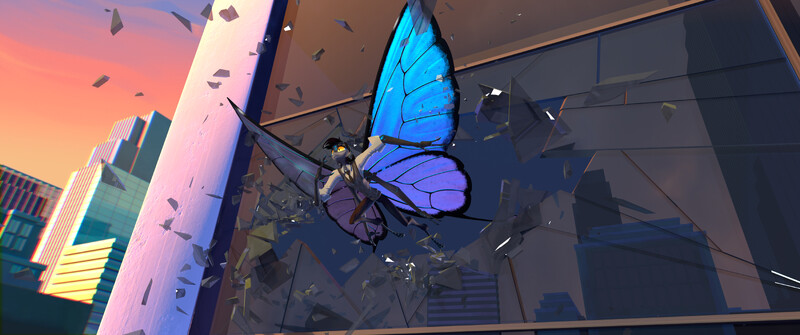
Butterfly Business, 2min.
Directed by Amanda Mai
An overworked office worker has the quirk of turning into a butterfly under stress. We watch him struggle to keep his insect side a secret as the pressure of his office life becomes so intense he can’t take it anymore.
https://www.instagram.com/aesopsjaybles/
Audience Awards:
Best Feature Film: Stratagem The Movie
Best Direction: Tea Time
Best Short Film: Excess Baggage
Stratagem The Movie, 111min.,
Directed by Rick E. Cutts
Rellik and his girlfriend Nosaer witness a crime and are immediately on the run as they try and elude a killer who seems to always be one step ahead of them. Will they escape can they escape? Follow along as Rellik and Nosaer try and escape a killer and even more important who is behind all the carnage?
https://www.wildsound.ca/videos/audience-feedback-stratagem-the-movie

TEA TIME, 9min., USA
Directed by B.T. Goldman
A detective interrogates a strange elderly Englishman about a missing person in his neighborhood.
https://www.instagram.com/cybereggproductions/
https://www.wildsound.ca/videos/audience-feedback-tea-time

EXCESS BAGGAGE, 22min., UK
Directed by Landon Vago-Hughes
After murdering his friend Luke, Kevin is ready to skip town to get rid of the evidence. As he is about to leave, Eric, a concerned friend, shows up looking for Luke begging for Kevin’s help in finding him. Little does he know, Luke is closer than he thinks.
https://instagram.com/landonvago
https://www.wildsound.ca/videos/audience-feedback-excess-baggage

FREE festival starts at 8pm EST tonight at http://www.wildsound.ca/browse
Watch the festival here: https://www.wildsound.ca/events/ringling-college-of-art-design-computer-animation-festival
What If?, 2min.
Directed by Bradley Bothwell
While working up the nerve to ask her crush out, an anxious high school girl is sucked into her imagination of what could go wrong.
https://www.instagram.com/whatif_film
Turduck-In, 2min., USA
Directed by Sydney Christensen
The animated origin story of how the turducken- a Thanksgiving delicacy- first came to be.
https://www.instagram.com/artofsydney
Things I Never Said, 2min
Directed by Eden Quan
A young girl reminisces on her memories with her brother. Searching for him, she finds that she is unable to catch up.
https://www.instagram.com/equan.art02/
The Red Heel, 2min. USA
Directed by Elena Serenko
A midcentury misogynist gets what he deserves when he’s forced to spend a day in heels.
https://www.instagram.com/e.k.serenko
The Mooning, 3min.,
Directed by, Mason Klesch, Vivian Osness
The Mooning is an animated mocumentary that reveals the truth behind the 1969 moon landing.
https://www.instagram.com/viv.cg
The Bad Crow, 2min.,
Directed by Busra Sena Gazioglu
In an evil crow fairytale book, a bad omened adventurer crow tries to prove the narrator that he is good.
https://www.instagram.com/passiflora.alba/
Starlight Cantina, 2min
Directed by Monica Lagrange
An 80’s fast food safety training video that gets aliens ready for their first day on the job, where each deadly task prepares the worker for the mortal dangers of the workplace, with the final task being to defeat the monster in the fridge.
https://www.instagram.com/monicaca.caca
Soarin’ Heights, 2min.,
Directed by Jack Haris
After the ruthless mob boss of the city, Mr. Giant, steals the deed to Lucky Jack’s magic bean farm, the farmer must use his wits to sneak into the mob boss’s skyscraper in the clouds to do whatever he can to take it back.
https://www.instagram.com/animajac/
Snow Dog, 3min.,
Directed by Christina Park, Marisol Salazar Montoya
Holly’s Christmas morning takes a whimsical twist as her mischievous snow dog grows bigger and wilder.
https://www.instagram.com/chris_draws15
Sea of Lightning, 2min.
Directed by Jin Guo
On an Alien planet, a storm beast mother tries to protect her fragile eggs as she battles against a hunting vehicle preying on her Energy Spike
https://www.instagram.com/imperial_vector
Rock, 3min.
Directed by Shania Zhou, Julia Edwards
A Rock is zapped to life by an evil witch’s wand and is terrified of her newfound sentience. A chill Frog helps her experience the joy of friendship and learn to appreciate life.
https://www.instagram.com/jigglytofu.art
Planet Fitness, 1min
Directed by Casey Schwarzschild
Getting fed up with the Flat Earth debates, Earth decides to prove his roundness and end the millennia old debate – through bulking up and working out.
https://www.instagram.com/caseylynnsart
Mantaur, 2min. USA
Directed by Sophia “Roo” Bakken
In ancient Greece, a reverse-centaur struggles with comparing himself to his perfect centaur brother and seeks to prove himself an Olympian challenge.
https://www.instagram.com/mantaurfilm
Hotel L’infini, 3min., USA
Directed by May (Hsi-Chen) Lee, Lindsay Browne
Jacque, a diligent bellboy of the extravagant Hotel L’infini, is
caught red-handed for possible murder by a brooding detective
who chases him through the hotel.
https://www.instagram.com/maylee.jpg/
Express Photo, 2min
Directed by Dashun Zhou, Kiki Jiang
A tourist girl has her camera snatched away by a monkey, can she get it back?
https://www.instagram.com/kikij815/
Don’t Feed the Unicorn, 3min.
Directed by Kimberly Peh, Katherine Hogan
While foraging in a magical forest, a young troll feeds a persistent wild unicorn behind his dad’s back. But once he runs out of food, Junior quickly learns through a dark twist why you don’t feed the unicorn!
https://www.instagram.com/batteryjuices/
Contracting the Cooties, 2min.
Directed by Skylar Levine, Maya Bayewitch
A pair of second grade girls, Parker and Maggie, are playing at a
playground when Maggie touches a boy’s hand, unaware that she just contracted the cooties, and Parker must help her find the cure before it’s too late.
https://www.instagram.com/scl_artwork
Butterfly Business, 2min.
Directed by Amanda Mai
An overworked office worker has the quirk of turning into a butterfly under stress. We watch him struggle to keep his insect side a secret as the pressure of his office life becomes so intense he can’t take it anymore.
https://www.instagram.com/aesopsjaybles/
Watch the script reading: https://www.youtube.com/watch?v=z8dO89qOZRk
An adventure seeking young girl comes of age, joins the Peace Corps, gets posted in the Congo and takes a wild ride through culture clashes and love affairs.
Get to know the writer:
1. What is your screenplay about?
My screenplay is about an adventure seeking young woman who joins the Peace Corps to advance her career, gets posted in the Congo, and ends up falling in love with two fellow volunteers.
2. What genres does your screenplay fall under?
The genre is Romantic Drama.
3. Why should this screenplay be made into a movie?
This movie needs to be made because there has never been a Peace Corps movie made before, and the Congo is the 4th world that Americans need to see.
4. How would you describe this script in two words?
In two words: compelling and original.
Subscribe to the podcast:
FREE festival starts at 8pm EST tonight at http://www.wildsound.ca/browse
Watch the festival here: https://www.wildsound.ca/events/family-shorts-festival
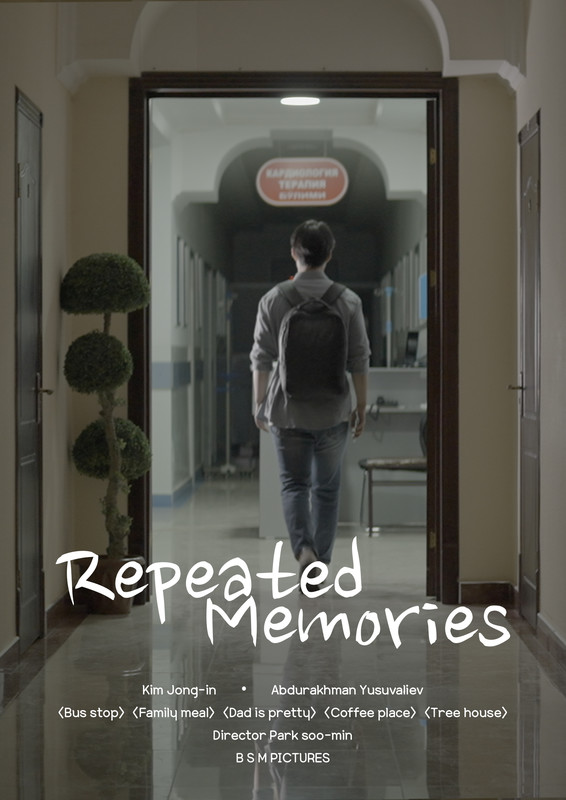
Repeated memories, 15min., Uzbekistan
Directed by Soo-Min Park
Jong in studies in Uzbekistan and works as a part-time carer. Same as always, he spoon-feeds patients, cleans rooms and also toilet. One day, he gets a call from his friend, Ha-yeong. “I have a job for you. There an one old man who is blind and deaf. He is just waiting for his dying day. Your job is acting like his son and eating dinner with him. It’s for 100 dollars for a day. I’ll send you some details.”
https://www.instagram.com/soomin_park07/
TREE HOUSE, 12min., South Korea
Directed by Soo-Min Park
Won-Jae (70) ‘s wife passed away a few years ago. He climbs the mountain to visit her grave for the memorial day of his wife’s death. The young married couple, Jung-Heon (38) and Moon-seon (36), think that the ceremony is nothing more than an simple act. They just want to finish things up quickly. Only Ha-yeon (6), his granddaughter, can understand his heart.

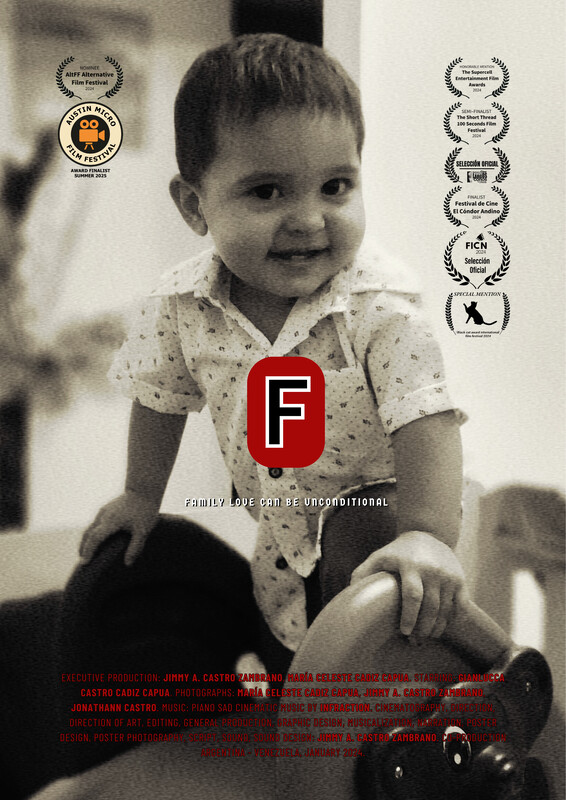
F (V), 1min., Venezuela
Directed by Jimmy Alejandro Castro Zambrano
Jimmy Alejandro Castro Zambrano
https://instagram.com/jimmyartista
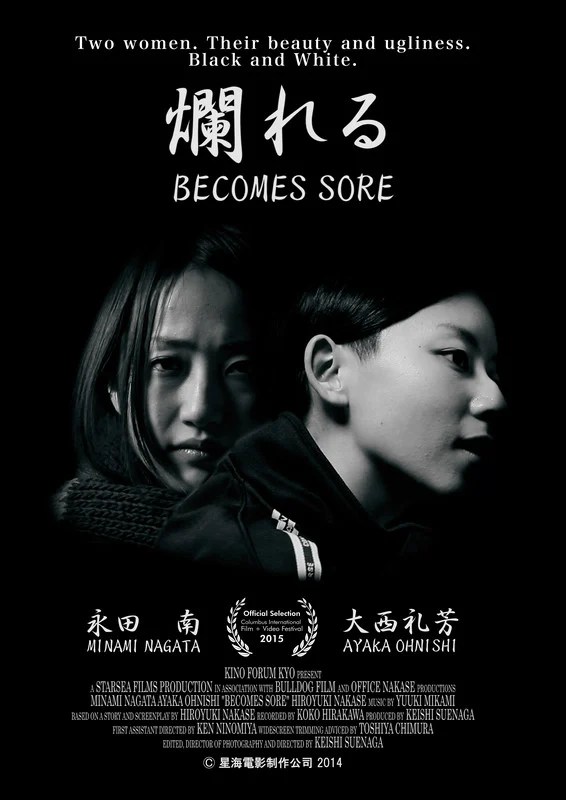
Tadareru/Becomes Sore, 17min., Japan
Directed by Keishi Suenaga
Kazuya and Miyuki Matsuhashi’s May-December marriage has lost its spark. It’s already been four days since Miyuki’s younger sister, Chiharu, showed up on their doorstep. Living each day in frustration, Miyuki can’t bear Chiharu’s reckless abandon, nor her husband’s favourable treatment of Chiharu any longer. One day on her way home, Miyuki spots Kazuya and Chiharu holding hands, and her suspicion grows…
https://www.imdb.com/title/tt4488810/
LARIAT, 5min.,
Directed by Komalankutty Methil
Any companion becomes an unwelcome companion at times

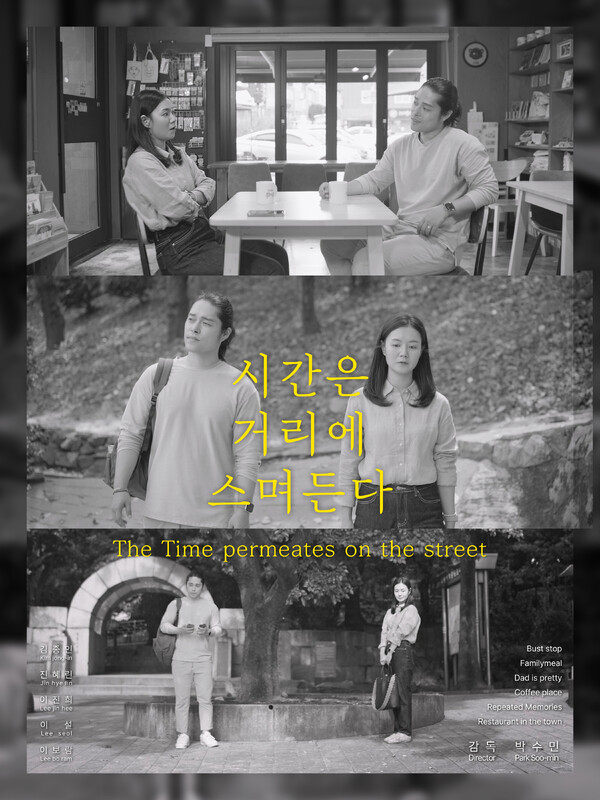
The Time permeates on the street, 28min., South Korea
Directed by Soo Min Park
After a successful experimental theatre performance in Seoul, Min-su is urgently asked to perform at an arts festival in Busan, so he goes back to his homeland. One day before the performance, he goes to his hometown of Suyeong to prepare for the play. There he meets his ex-lover, Su-min. She works in the office of the festival’s secretariat. She had to work on that day in the field because of her chef, which a fan of Min-su is. She asks him for an interview. He didn’t have time for it, but he said yes on the condition that she would help him prepare for the play. They walk along the streets and have formal interview(?) about recent updates. Suddenly, they meet someone who knows Min-su in front of a school and it makes them recall to the past. Su-min’s interview and Min-su’s play subtly change their relationship. With different ideas and values for the future, they begin to clash over the present and their marriage, which is another beginning for them. The two, travelling to the past, is subtle…
https://www.instagram.com/soomin_park07/
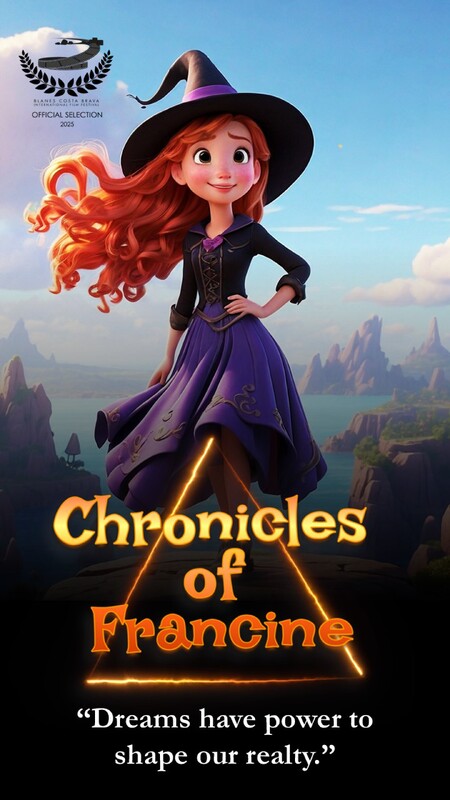
CHRONICLES OF FRANCINE, 3min., USA
Directed by Orlando Mendes
In the heart of the Bermuda Triangle lies Monster Island, a land of secrets, danger, and twisted power. Francine, known as Fran, returns to the island as a spy on a deeply personal mission. Raised by Dr. Frankenstein Jr. after losing her parents, Fran is the last heir of the Sorcerers’ Clan and carries her father’s legacy—a legacy shattered when the dark sorcerer Zoriky turned her father into a statue. Now, she’s back to end Zoriky’s reign and uncover the mysteries of Monster Island.
 Festival Reviews
