Cinematography Adam Stone (Bikeriders, Take Shelter, Midnight Special)

In his brief career, Adam Stone  has already established himself as one of the top DPs in the industry today. It was an honor to sit down with him to talk about his craft.


Matthew Toffolo: You have worked with director Jeff Nichols on many films. Where did you first meet? Why does your working relationship work so well? 

Adam Stone: Jeff and I worked on a total of 5 films (Shotgun Stories, Take Shelter, Mud, Midnight Special, and Loving). We met in film school at the UNC School of the Arts in the late nineties. I shot 2nd unit for a few of David Green’s early films (George Washington and All The Real Girls) and I guess Jeff liked what he saw. He asked me to come out to Arkansas to shoot Shotgun Stories in the summer of 2005. The project had absolutely no money but we convinced a core group of friends and family to crew-up and Joe Dunton Camera essentially gave us a Moviecam and some anamorphic lenses for free. We were fortunate to have talented people that believed in us. Without them the film would have never seen the light of day.

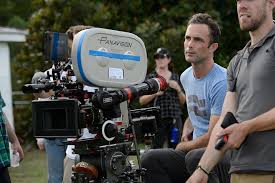
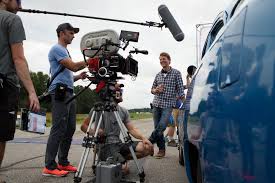
PHOTO: Cinematography for the film “Midnight Special”

midnightspecial-pic.jpg

While working on Shotgun Stories, Jeff and I found we had quite a bit in common. Aesthetically we liked to shoot in the South against a backdrop of kudzu, rusted out cars and interesting characters. We also shared a love of widescreen cinema with simple, yet stately, camera work. We combined those ingredients into a form of southern cinema people seem to enjoy. We have definitely come along way since the days of Shotgun Stories. It has been a great evolution with a true friend and mentor.

MT: Tell us about working on the landmark film Midnight Special?

AS: Midnight Special is a unique movie that’s kind of hard to categorize. It’s a genre bending mash-up of a road movie and sci-fi flick that pays homage to Perfect World, Starman, and Close Encounters. The movie starts without much explanation or backstory, all we know a man is on the run with his son. As the movie progresses we learn the boy has special powers and is dying. His father must keep him alive while the government and a religious sect are in pursuit. Despite all of the characters, themes, VFX events, and unanswered plot points the film is very simple. At the core, it’s a story about a father’s love for his son and how he will do anything to save his boy.

MT: Another film with Jeff, “Loving”, hit theaters in 2016. It’s set in the 1950s. When DPing period pieces, what type of research do you do? Was there another film(s) that was the inspiration to the cinematic design of the film?

AS: To be honest, Loving is the first period piece I’ve had the pleasure to shoot. Jeff’s script was based on a true story about a Supreme Court case so there was plenty of material to unearth. One of the greatest treasure troves was the work of Grey Villet. He was a super talented photographer that documented the story of Richard and Mildred Loving for Time Magazine in 1965. The pictures he took influenced the script, production design, costumes, and the cinematography.

I really fell in love with the objectiveness of Villet’s work. He always employed a wide lens so he really had to campout and wait for candid shots. Jeff and I adopted this technique and let a number of scenes play out in wide observational shots. We also recreated several of Villet’s photos in the movie. It was really cool to see his black and white work come to life in vibrant moving color. To be honest, Jeff and I had to get acclimated to dailies since we had been referencing Villet’s work for so long.

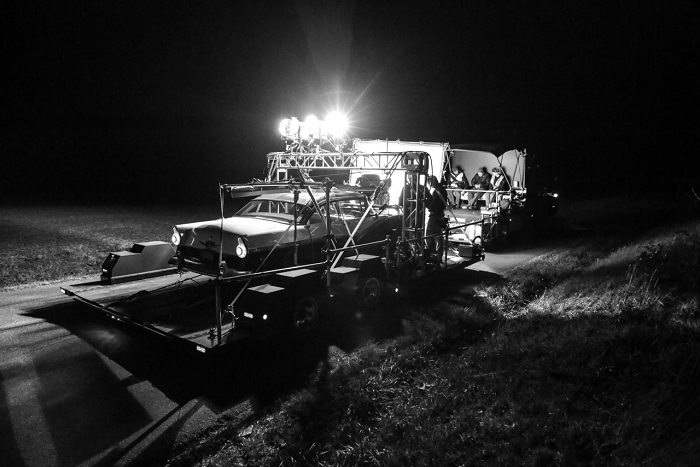
PHOTO: On set for film “Loving”:
loveless.jpg

MT: Do you have a favorite experience in your work as a Director of Photography? What film are you most proud of?

AS: Most of the projects I shoot, whether features or commercials, don’t ‘really’ contribute to the greater good of society.  They might be artful or compelling but they do not teach or enlighten. That’s why I’m proud to have worked on Loving.  Loving sheds light on an important part of history while telling a meaningful story.

I’m also proud how Loving looks. The camerawork is very simple and the lighting is very organic. My main goal was to let the cinematography be an afterthought.  I wanted the audience to pay full attention to the story, characters, and locations – not the camera.

MT: You have Dp’d a few documentary films. What is the general difference between the working on a documentary in comparison to regular narrative film?

AS: I have always had a deep fascination and love of documentary films. The cinematography of Ron Fricke and the still photography of Dan Eldon compelled me to get behind a camera in film school. At that point in life, I wanted nothing more than to travel the world and shoot amazing people and locations at golden hour (to be honest I still have that desire and wanderlust).

Production-wise documentary work and features are not too different. Both utilize similar equipment, call sheets, tons of planning, long hours, and figuring out a creative way to shoot the story. The biggest difference between the two is the time it takes to complete a documentary. Many docs enlist several shooters because of the length and sporadic nature of the schedule.

Advertisement

MT: What type of film would you love to work on that you haven’t worked on yet?

AS: That’s a great question. I’d love to work on a film where the camera is constantly on the move and has the ability to effortlessly traverse every spatial plane. That approach totally goes against how I usually shoot a film where the camera is moored, grounded, and is always someone’s point of view. Seldom do I move a camera for the sake of moving a camera – I guess that’s why I have a fascination with moving it.

I believe my lust for camera movement is directly attributable to the amount of the Red Bull Channel I consume. I really love to veg-out and watch how they fly the camera. Fortunately, I might shoot a film this summer that begs for some fun full-throttle camera movement and I’d love to incorporate more techno crane and steadicam into the equation.

MT: What does a DP look for in a director?

AS: Before I take on a project I have to be intrigued by the script and most importantly believe in the director. The director is the captain of the ship and must have a clear vision and game plan to lead the film from its inception to the very end. Besides being a strong leader the director should be compassionate, open-minded, and have a sense of humor. If all these qualities align, I’m more than enthusiastic about taking on the project and working with the director.

MT: Do you have a Director of Photography mentor?

AS: I had a dear friend that was my cinematography teacher and mentor in film school. His name was Robert Collins and he really taught me to be a compassionate filmmaker. One of the biggest lessons I learned from him was to surround myself with good people on set. He always said the friends you make in film are more important than anything you shoot. I totally agree with his sage advice. Unfortunately, Robert passed away several years ago and he is deeply missed.

MT: What do you look for when hiring your main team? Gaffer. Key Grip. Camera Operator. Etc…

AS: I’ve been very fortunate in my career to work over and over with same core group of individuals.  The crew I work with are my best friends and co-creators. On occasion, when I hire a new member he/she must share the same attributes as the rest of the crew. He/she should be kind, artistic, hard working, honest, and most importantly soulful. It can also be noted, I rather hire someone that is green and enthusiastic over someone more experienced and jaded.

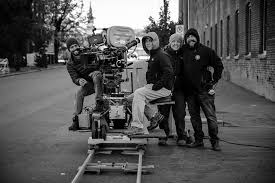
PHOTO: Adam and the camera department from the film “Midnight Special”

midnightspecial_cameradept.jpg

MT: Where do you see the future of camera/lighting technology in film?

AS: Though I’m a proponent of celluloid I love where digital filmmaking is headed. Digital filmmaking has come a long way over the past decade. Camera sensors have gotten better and the lenses look more filmmatic and less clinical. I really admire films such as Revenant that use digital cinema in a smart way. Lubezki made a beautiful movie harnessing the best attributes of digital. He used great equipment (Alexa 65 and Panavision Master Primes), shot in amazing light that accentuates a digital sensor, and flew lightweight digital cameras. That coupled with jaw dropping landscapes, a simple story, and seamless VFX work made for a movie that really resonated with me. I truly love when movies use technology to advance a story instead of letting technology overtake the story.

Lighting has also come a long way in the past 10 years. LED, plasma lights, and iPad enabled dimmer boards have evolved and become onset staples. The ability to control all of the lights on set, whether on a stage or location, from a tablet is amazing. With just a few finger swipes you can audition lights (even dim and recalibrate the color temperature). This is a great timesaver when lighting a big exterior night scene.

MT: What film, besides the ones you’ve worked on, have you seen the most times in your life?

AS: I really don’t watch the films I shoot once they are released – since I see them so many times in post. I guess the two films I’ve seen the most is Some Like It Hot and Baraka. I have a weird ‘thing’ for old screwball comedies and I have always been obsessed with Baraka. I guess if I was stuck on a deserted island those would be my go to films.

PHOTO: Adam Stone at work: 

adamstone4

_____

Interviewer Matthew Toffolo is currently the CEO of the WILDsound FEEDBACK Film & Writing Festival. The festival that showcases 10-20 screenplay and story readings performed by professional actors every month. And the FEEDBACK DAILY Film Fesival held online and in downtown Toronto on the last Thursday of every single month. Go to www.wildsound.ca for more information and to submit your work to the festival.
Interview with Oscar Winning Editor Alan Heim (All That Jazz, Network)

Alan Heim is an Oscar & Emmy winning editor. Many will say that he’s one of the greatest editors in the history of cinema. All you need to do it watch “Network” (1976), and “All that Jazz” (1979) to see the uniqueness of his talent. If you haven’t seen those films I highly suggest you do because they are timeless in their themes and character studies. It was an honor to chat with Alan about his career. A career that’s still going strong  at 80 years of age.

Matthew Toffolo: In recent years you’ve worked with director Nick Cassavetes in collaboration (The Notebook, My Sister’s Keeper, The Other Woman, Alpha Dog). How did you first meet? What makes your working relationship so strong?

Alan Heim: I believe Dede Allen (Editor: The Hustler, Bonnie & Clyde) suggested I cut “The Notebook” and Nick and I have gotten along together very well since. He likes my honesty in assessing the material and I love his rather rebel ways.

MT: You won the Oscar for the amazing “All That Jazz”. A film that still holds up today. How were your experiences working on that film? How did it feel when you went up to accept your Academy Award?

AH: All That Jazz was wonderful to work on because the material was so unusual and Fosse and I had a wonderful collaboration. Every day was a challenge and filled with discovery. Bob had written many of the structural things we had found in the cutting room on ‘Lenny’ into the script of “Jazz” but we discovered that we still had to struggle with certain areas to make the film work as planned.

As far as the Oscar, I was thrilled, as any winner should be. I even forgot to kiss my wife when they called my name. It was also very rewarding to share the stage with so many of my coworkers on the film.

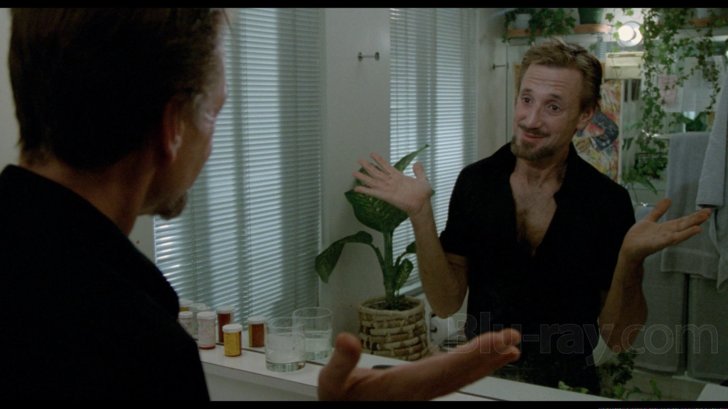
PHOTO: All that Jazz starring Roy Scheider:

allthatjazz

MT: What is the key to editing a musical?

AH: The key to editing a musical is to always keep an eye on the story and always try to make the audience follow the flow of the dance. A good script keeps the musical numbers integrated into the structure of the film.

MT: You also worked with Bob Fosse on “Lenny”. How was your working relationship with the iconic musical Choreographer/Movie Director? “Lenny” also appears in “All that Jazz” too! It’s almost like you edited “Lenny” twice!

AH: Bob and I worked together well because we both wanted the very best we could get out of the film. I love working with directors who won’t settle and always want to reach for perfection. I feel the same way about Nick Casavettes.

As far as editing “Lenny” twice….I always like my films to be an adventure of discovery and I’ve been pretty lucky this far.

MT: The film “Network” is a masterpiece that really was ahead of its time. It’s a film with themes and settings that still ring true to today’s world and situations. What are you feelings and memories working on the film as it approaches its 40th anniversary?

AH: “Network” has always been one of my favorites. Paddy Chayefsky was a brilliant, prescient polemicist and wrote a near flawless script, beautifully acted and directed perfectly by Sydney Lumet. What more could an editor want? Except for some unfortunate clothing choices and sideburns, the film can be released today with great pride and timeliness.

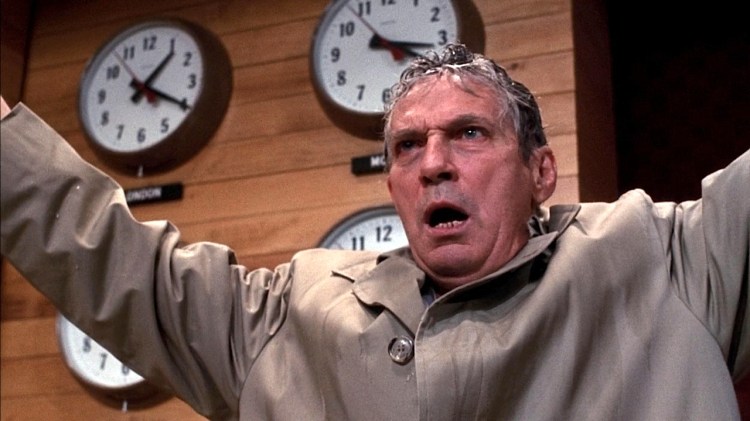
PHOTO: Peter Finch is “Mad as Hell” in Network:

network

MT: You also edited (and won the Emmy for) the landmark TV mini-series “Holocaust”, which premiered in 1978. It stars a young Meryl Streep and James Woods. Were you aware when editing this series how important it was going to be for the education of many people watching?

AH: I only worked on one of the four episodes and I had to re-edit it. It was the first time I ever “doctored” a film and basically put it back in dailies form and totally recut it. It was very meaningful for me and I’m happy for whatever it has done to retain the Holocaust in people’s memories.

MT: What is an editor looking for in their director? What is a director looking for in their editor?

AH: I think the answer is the same to both questions. Editors and directors should both try to find a person that they can spend a LOT of time with in close quarters working to get a vision on the screen. One hopes for it to be the same vision or herd will be a lot of tension in those close quarters.

MT: Is there a type of film that you would love to edit that you haven’t edited yet?

AH: I’m very happy to have worked on the type of film I’ve worked on, mostly films with emotional reality on a fairly small scale. Few fights and those mostly with fists, not lasers.

MT: What film, besides the ones you’ve worked on, have you seen the most times in your life?

AH: Probably “Citizen Kane”, “Casablanca” and lots of older comedies.

MT: What suggestions would you have for people in high school and university who would like to get into the industry as an editor?

AH: If you really are devoted to becoming an editor try to hang around cutting rooms, look at lots of movies and practice cutting wherever you can.

Don’t neglect reading, listening to all kinds of music, seeing plays and art shows and generally opening your mind to all things cultural. It all helps when you’re trying to tell a story and that’s what editing is all about..

_____

Interviewer Matthew Toffolo is currently the CEO of the WILDsound FEEDBACK Film & Writing Festival. The festival that showcases 20-20 screenplay and story readings performed by professional actors every month. And the FEEDBACK DAILY Festival held in downtown Toronto and online daily. Go to www.wildsound.ca for more information and to submit your work to the festival.
Today’s Podcast EP. 1350 – Filmmaker Moumita Das (CHRISTMAS CREW)

LISTEN to the podcast: http://www.wildsoundpodcast.com/the-film-podcast-by-wildsound/2024/11/8/ep-1350-filmmaker-moumita-das-christmas-crew

CHRISTMAS CREW, 7min., Canada

Directed by Moumita Das

“Christmas Crew – A Story About Collective Kindness” is a heartwarming documentary that follows the inspiring journey of John and Junie White, affectionately known as the Christmas Crew. What began as a simple act of generosity in their living room has blossomed into a remarkable community tradition, transforming the lives of many in Cape Breton’s Sydney and Glace Bay areas.https://www.facebook.com/dasmoumita

Get to know the filmmaker:

What motivated you to make this film?

I am always drawn to human interest stories. They captivate me because of their realness, and I find immense joy in discovering and sharing the stories of real-life heroes. By pure coincidence, I came across the Christmas Crew, a group of kind-hearted people who spread joy during the holiday season by providing turkey dinners to those in need. Their generosity and compassion inspired me to create a film that would tell their story and share it with the world.

What were your initial reactions when watching the audience talk about your film in the feedback video?

The audience feedback was invaluable. I am incredibly grateful to everyone who took the time to watch and review my film. I was overjoyed that they appreciated my work, and winning the Best Human Interest Film award, as chosen by the audience, was a truly humbling experience.

Subscribe to the podcast:

https://twitter.com/wildsoundpod

https://www.instagram.com/wildsoundpod/

https://www.facebook.com/wildsoundpod

Today’s Podcast: Filmmaker Al Chang (award winning short filmmaker)

Al Chang, a distinguished filmmaker from Los Angeles’s Koreatown, is passionately pursuing his dream of crafting authentic narratives in the film industry. With a background that includes 10 years of service in the U.S. Army and a deep connection to the post-L.A. riots culture, in addition to being a dedicated husband and father of four, Chang brings a unique perspective to his work. Currently pursuing his Master of Fine Arts (MFA) with an Editing emphasis at Chapman University, Chang is an emerging talent in the world of filmmaking. His journey began with a passion for editing, which eventually led him to write and direct his own short films, driven by the desire to create entertaining short films. Despite the challenges of balancing life as a full-time student, husband, and father of four, Chang continues to push on, proving that creativity can thrive even in the busiest of lives. https://www.instagram.com/4lcfilm/ Listen to previous podcast interview with

Al Chang: https://www.wildsoundpodcast.com/the-film-podcast-by-wildsound/2024/1/18/ep-1091-filmmaker-al-chang-viral

Subscribe to the podcast:

https://www.instagram.com/wildsoundpod/

https://www.facebook.com/wildsoundpod

Filmmaker Alijah Johnson (CIRCLES)

CIRCLES, 6min., USA
Directed by Alijah Johnson
“Circles” is a visually stunning short film that takes the audience on a symbolic journey of personal transformation. The protagonist undergoes a profound metamorphosis, depicted through allegorical scenes representing different stages of self-discovery and growth. “Circles” explores the intricate dance between self-discovery, vulnerability, determination, sacrifice, and artistic power. Through its rich symbolism and powerful visuals, the film invites viewers to reflect on their own journeys of transformation and the circles they navigate in becoming their true selves.

https://www.instagram.com/alijah.aj/?hl=en

https://www.wildsound.ca/videos/circles-review

Get to know the filmmaker:

1. What motivated you to make this film?

Well, the inspiration behind “Circles ” stemmed from a deeply personal experience I went through a breakup with my ex-girlfriend. Instead of letting that experience crush me, I decided to channel that energy into something transformative. It was like becoming an alchemist, transmuting pain into creative fuel. As I delved deeper into exploring energies and self-discovery, I realized the power we have over our own filters. I believe we create filters we have a process of interpreting information that we’re not fully aware of and become aware of we choose to let in and how we process it. Which takes a lot of self exploration to become aware of. This journey of self-awareness and transformation became the driving force behind the film. I wanted to emerge from that dark phase as a completely new person, (dark night of the soul double entendre for the mountain scene) and this film captures that journey of metamorphosis. This film was like medication for me, especially during a period of depression and profound personal transformation. Going through a metamorphosis is very uncomfortable, much like many processes in nature where growth is necessary. For instance, plants breaking through soil or butterfly coming out a cocoon. It’s not pretty or comforting, but it’s necessary for growth. A lot was Inspired by Dante’s Inferno, the theme of circles reflects the idea that we can get stuck in one perspective or state of consciousness, trapped by our irreplaceable filters. This film served as a reminder that exploring new perspectives is essential for personal growth, even if it means destroying old aspects of ourselves. The process of making the film was just as therapeutic as the final product. It taught me that I have the power to bring my visions to life and that the journey as an artist brining things from the unseen world that you only have access to, to reality is challenging but rewarding. Ultimately, “Circles” became a message to myself, guiding me through my own transformation and helping me learn valuable lessons not only when I was making it but also for myself in the future.

2. From the idea to the finished product, how long did it take for you to make this film?

it took me 2 years

3. How would you describe your film in two words!?

Multilayered metaphor

4. What was the biggest obstacle you faced in completing this film?

Getting people to understand what I was making. One of the biggest obstacles in creating the film was integrating personal elements into the narrative. I deliberately infused the film with aspects of my own life, like little “landmines,” strategically placed for curious viewers to discover. These personal touches serve as hidden gems or Easter eggs for those who delve deeper into my story. Like me being a firefighter and paramedic, incorporating these aspects of my identity into the film was both challenging and rewarding. It required careful thought to ensure they seamlessly connected with the themes of the films. These connections between unrelated elements often led to moments of artistic epiphany, and when these different ideas merged they created something truly unique and fulfilling.

5. What were your initial reactions when watching the audience talking about your film in the feedback video?

I was very surprised because this film was so personal to me and it’s amazing to see that people are able to understand what it’s about because it so abstract, I was going through something very hard to articulate with words, im so grateful to create this as my first short film.

6. When did you realize that you wanted to make films?

Symbols are not compelling than words, I think one of the hardest things about having a conversation is that you can only use words.

7. What film have you seen the most in your life?

500 days of summer.

I can watch that movie every couple of months or years especially after every breakup or failed talking stage and come up with a new interpretation about relationships it interesting to see my brain notice and think of new things when I’m watching that movie. The last time I watched it I understood that you appear as a hopeless romantic to the wrong person.

8. What other elements of the festival experience can we and other festivals implement to satisfy you and help you further your filmmaking career?

I think what you guys did was great the the audience feedback video was very good because it was nice to see other peoples interpretation of it, and again it was very fulfilling that my ideas didn’t fall on deaf ears.

9. You submitted to the festival via FilmFreeway. How has your experiences been working on the festival platform site?

It was very easy process.

10. What is your favorite meal?

I would say pizza

11. What is next for you? A new film?

Right now I’m working on a fashion film for a hair show in August that I’m going to be a model in also. The theme is pollution and I found a new word that I’m drawn to which is eclectic. I have a lot of interest and wear many hats and I learn that a lot of things from different skills bleed over. Kinda like in the karate kid with wax on wax off. And it’s just coming with creating a visuals that conveys eclectic. And I think people might disagree but pollution is a byproduct of something that is helping us survive in this world. And I think stating that unpopular is what art is about controversy not to provoke anger but by presenting things with a new prescriptive.

Filmmaker PODCAST : EP. 1154 – Tim Searfoss & Michael Ortoll (One Second at a Time)

A powerful documentary about a father and the resilience of his daughter Christine Ortoll as she confronts mental illness, addiction, and the transformative power of support. Through her personal journals and the unwavering dedication of her loved ones, witness a journey of hope and the creation of a meaningful legacy by her father.

Interview with Christine’s father and producer Michael Ortoll, & director Tim Searfoss

https://www.onesecondatatime.com/

Director Statement

This is a film about family, about love, about wanting to escape your personal pain and finding yourself addicted to a substance that takes over your life. It’s a story about Christine Ortoll and the family and friends who love her.

This powerful film helps us understand why we fall for addiction, and hopes to humanize and de-stigmatize this powerful disease.

You can sign up for the 7 day free trial at http://www.wildsound.ca (available on your streaming services and APPS). There is a DAILY film festival to watch, plus a selection of award winning films on the platform. Then it’s only $3.99 per month.

Subscribe to the podcast:

https://www.instagram.com/wildsoundpod/

https://www.facebook.com/wildsoundpod

LISTEN to the podcast:

https://podcasts.apple.com/ca/podcast/ep-1155-filmmaker-steven-speliotis-artist-naomi-hadar/id1406973270?i=1000650428331

https://www.wildsoundpodcast.com/the-film-podcast-by-wildsound/2024/3/25/ep-1155-filmmaker-steven-speliotis-amp-artist-naomi-hadar-dont-stare-see-me

Video Podcast: EP. 1156 – FILMMAKER LUKE REX (BONDING)

BONDING, 13min., USA

Directed by Luke Rex

A solitary figure at an empty bar, CIA clinical and forensic psychologist, Dr. John Flemington, is planning to visit his girlfriend in Mexico when he is pressured by mysterious underground operatives to join them on a secret mission. He really doesn’t have a choice.

http://www.9livesentertainment.net/

https://www.facebook.com/profile.php?id=100086267809895

https://www.twitter.com/9LivesEntertain

https://www.instagram.com/9_lives_entertainment/

LISTEN to the podcast:

https://podcasts.apple.com/ca/podcast/ep-1156-filmmaker-luke-rex-bonding/id1406973270?i=1000650429551

https://www.wildsoundpodcast.com/the-film-podcast-by-wildsound/2024/3/25/ep-1156-filmmaker-luke-rex-bonding

Get to know the filmmaker:

I took 3 months off after graduating with my doctorate in clinical psychology in the summer of 2022. I was wanting to be creative again and challenged myself to direct a short film and do this as thoroughly and professionally as possible (i.e.., form a production company, pay everyone involved, produce, direct, have great sound, compose the music). Having appeared in many shorts as an actor prior to becoming a psychologist I felt both confident and intimated by the process. As a writer, I thought I had a good idea and knew that the difference between backing myself and making the short versus keeping the idea in my head was simply courage – couraage to exercise the confidence to put my idea out there into the world. I also love the spy genre and James Bond, in addition to the spin off creative series we have been seeing with the Mandalorian, Boba Fett. Inspired by Jon Favreau’s passion for alternate universes, I thought it would be fun to explore an alternate Bond Universe, combined with an X-Files style genre. Bonding was born.

You can sign up for the 7 day free trial at http://www.wildsound.ca (available on your streaming services and APPS). There is a DAILY film festival to watch, plus a selection of award winning films on the platform. Then it’s only $3.99 per month.

Subscribe to the podcast:

https://twitter.com/wildsoundpod

https://www.instagram.com/wildsoundpod/

https://www.facebook.com/wildsoundpod

June 2019 – Interview with NEW Filmmakers from around the world.

9 interviews in total conducted by Matthew Toffolo:

Interview with Filmmaker Ciaran R. Maidwell (THERE’S STILL GOOD)
https://matthewtoffolo.com/2019/06/11/interview-with-filmmaker-ciaran-r-maidwell-theres-still-good/

Interview with Filmmaker Adrian Ramirez Leon (ACCOMPLICE)

Interview with Filmmaker Adrian Ramirez Leon (ACCOMPLICE)

Interview with Filmmaker Robbie Lemieux (THE WOODS)
https://matthewtoffolo.com/2019/06/11/interview-with-filmmaker-robbie-lemieux-the-woods/

Interview with Filmmaker Jasper Bronkhorst (BLOODBURN)
https://matthewtoffolo.com/2019/06/11/interview-with-filmmaker-jasper-bronkhorst-bloodburn/

Interview with Filmmaker Rachel Econ (WIDOW)
https://matthewtoffolo.com/2019/06/11/interview-with-filmmaker-rachel-econ-widow/

Interview with Filmmaker David Bradburn (BEFORE YOU WOKE)
https://matthewtoffolo.com/2019/06/11/interview-with-screenwriter-david-bradburn-before-you-woke/

Interview with Writer/Producer Rana Sowdaey (CAUGHT IN THE SPOKES)
https://matthewtoffolo.com/2019/05/31/interview-with-writer-producer-rana-sowdaey-caught-in-the-spokes/

Interview with Filmmakers Marlon Perrier & Keisha Richards Lafleur (THE TALK)
https://matthewtoffolo.com/2019/05/31/interview-with-filmmakers-marlon-perrier-keisha-richards-lafleur-the-talk/

Interview with Filmmaker Michele Manzini (IN THE HOUSE OF MANTEGNA)
https://matthewtoffolo.com/2019/05/31/interview-with-filmmaker-michele-manzini-in-the-house-of-mantegna/

May 2019 – Read the best of SCREENWRITER Interviews

Scroll, click, and read 18 Screenwriter interviews for May 2019 conducted by Matthew Toffolo:

Interview with Screenwriter Paul Nurkowski (CETACEANS)
Interview with Screenwriter Paul Nurkowski (CETACEANS)

Interview with Screenwriter Julia Sauder (DR. NEVES)
Interview with Screenwriter Julia Sauder (DR. NEVES)

Interview Screenwriter George M. Johnson (THE WONDER)
Interview Screenwriter George M. Johnson (THE WONDER)

Interview with Screenwriter Montgomery Burt (THE GIRL ON THE SKYTRAIN)
Interview with Screenwriter Montgomery Burt (THE GIRL ON THE SKYTRAIN)

Interview with Screenwriter Andrew Fisk (GEEKS: A LOVE STORY)
Interview with Screenwriter Andrew Fisk (GEEKS: A LOVE STORY)

Interview with Screenwriter Michael D’Ambrosio (Princess Pain)
Interview with Screenwriter Michael D’Ambrosio (Princess Pain)

Interview with Screenwriter Sean Sullivan (THE UPSIDE DOWNINGS)
Interview with Screenwriter Sean Sullivan (THE UPSIDE DOWNINGS)

Interview with Screenwriter Neal Doran (CHANGES)
Interview with Screenwriter Neal Doran (CHANGES)

Interview with Screenwriter James Greasley (THE EMERGENCE)
Interview with Screenwriter James Greasley (THE EMERGENCE)

Interview with Screenwriter Alice L. Lee (Purgatory: A Love Story)
Interview with Screenwriter Alice L. Lee (Purgatory: A Love Story)

Interview with Screenwriter Devone Jones (Pen and Pencil: Spring Break)
Interview with Screenwriter Devone Jones (Pen and Pencil: Spring Break)

Interview with Screenwriter Fujio Torikai (TO LIVE BEYOND HIS MEANS)
Interview with Screenwriter Fujio Torikai (TO LIVE BEYOND HIS MEANS)

Interview with Screenwriters Hank Biro & Kai Biro (Must Escape from the Slaughtercity)
Interview with Screenwriters Hank Biro & Kai Biro (Must Escape from the Slaughtercity)

Interview with Screenwriter Renate Grassmugg (FREE FALLING)
Interview with Screenwriter Renate Grassmugg (FREE FALLING)

Interview with Screenwriter James C. Peters (Soccer Babe)
Interview with Screenwriter James C. Peters (Soccer Babe)

Interview with Screenwriters Vicki Cargill, Adam Cargill (STEVE & OLIVIA)
Interview with Screenwriters Vicki Cargill, Adam Cargill (STEVE & OLIVIA)

Interview with Screenwriter Patrick Langille (BEYOND THEIR YEARS)
Interview with Screenwriter Patrick Langille (BEYOND THEIR YEARS)

Interview with Screenwriter Nick Perlman (A PORTRAIT)
Interview with Screenwriter Nick Perlman (A PORTRAIT)

April 2019 – Read FILMMAKER Interviews

19 Filmmaker interviews conducted by Matthew Toffolo:

Interview with Filmmaker Andre Sitolini (THE COOK AND THE CHEF)

Interview with Filmmaker Andre Sitolini (THE COOK AND THE CHEF)

Interview with Filmmaker Filippo Michele Guarna (MISTER EGG)

Interview with Filmmaker Filippo Michele Guarna (MISTER EGG)

Interview with Filmmaker Siqi Xiao (FARTMAN)

Interview with Filmmaker Siqi Xiao (FARTMAN)

Interview with Filmmaker Marco De Ornellas (THE DUCHESS)

Interview with Filmmaker Marco De Ornellas (THE DUCHESS)

Interview with Producer Rebecca Scotti (BUILD RAMPS NOT WALLS)

Interview with Producer Rebecca Scotti (BUILD RAMPS NOT WALLS)

Interview with Filmmaker Cynthia Hunt (ICE FLOW)

Interview with Filmmaker Cynthia Hunt (ICE FLOW)

Interview with Filmmaker Michael McCallum (LOVE IS WILD)

Interview with Filmmaker Michael McCallum (LOVE IS WILD)

Interview with Filmmaker Greg Tudéla (BREAKDOWN)

Interview with Filmmaker Greg Tudéla (BREAKDOWN)

Interview with Filmmaker Greedy Goons (Seth Scott™ – elxr Track3 v2 3)

Interview with Filmmaker Greedy Goons (Seth Scott™ – elxr Track3 v2 3)

Interview with Filmmaker Hadi Moussally (POSITIVE)

Interview with Filmmaker Hadi Moussally (POSITIVE)

Interview with Filmmaker Tim Jockel (HYPRA)

Interview with Filmmaker Tim Jockel (HYPRA)

Interview with Filmmaker Roisin Kearney (THE FAMILY WAY)

Interview with Filmmaker Roisin Kearney (THE FAMILY WAY)

Interview with Filmmaker Mahée Merica (A SIGN)

Interview with Filmmaker Mahée Merica (A SIGN)

Interview with Filmmaker Natacha Thomas (BLOSSOM)

Interview with Filmmaker Natacha Thomas (BLOSSOM)

Video Interview with Filmmaker Sashi Arnold & Stephen Gallacher (UNEXPECTED ITEM)

Interview with Filmmaker Erika Kramer (SHE’S MARRYING STEVE)

Interview with Filmmaker Erika Kramer (SHE’S MARRYING STEVE)

Interview with Filmmaker Camille Liu Nock (BO & MEI)

Interview with Filmmaker Camille Liu Nock (BO & MEI)

Interview with Filmmaker Daniel Montoya (HIM)

Interview with Filmmaker Daniel Montoya (HIM)

Interview with Filmmaker P.J. Norton (EXPIRATION DATE)

Interview with Filmmaker P.J. Norton (EXPIRATION DATE)

Interview with Filmmaker David Lykes Keenan (BODIES OF WATER)

Interview with Filmmaker David Lykes Keenan (BODIES OF WATER)