Interview with Festival Director ToM Zarzecki (PLANET 9 FILM FEST)

Planet 9 Film Festival is an independent festival that features unique & interesting films made by people from all over the world. The festival will take place in THREE cities this October! In Los Angeles, Detroit & Chicago.

Contact

 
Matthew Toffolo: What is your Film Festival succeeding at doing for filmmakers?

So far I think the Planet 9 Fests are bringing together groups of interesting filmmakers from both local communities and from afar. It’s bringing together individuals who could consider themselves artists or filmmakers. It creates exposure for their work in person as well as on the web. A worthwhile experience hopefully to say the least.

2) What would you expect to experience if you attend your next festival?

I intend to attend all the festivals. As long as everyone is having a good time and getting a kick out of it and or learning from the screenings. We aim to keep unique filmmakers motivated at what they’re doing.

3) What are the qualifications for the selected films?

Originality, creativity and overall execution are foremost what matters to us. I’ve seen some amazing films made from trash and I’ve seen some trash made from high budgets as well as vice versa. Whether it’s experimental art house or a heroes journey narrative, if we vibe with it and it moves us in some way, it’s in. Of course there is also other aspects we love from music score, acting, directing, and sfx. Creativity and execution are the main factors.

4) Do you think that some films really don’t get a fair shake from film festivals? And if so, why?

Absolutely. That’s one of the main reasons we created the Planet 9 Film Festival. We feel that the main big festivals are too damn expensive and that million dollar budgets should not classify as independent really. We also have a love for some lofi DIY films that never seem to do well in many smaller festivals. PLUS I was growing annoyed at having my own films, which I thought were cool, being denied, so we decided we needed to create a festival that was for more obscure, wacky, outsider types of films.

5) What motivates you and your team to do this festival?

See above answer + it’s part of an artistic compulsion to a degree. I love the experience of going to see films at a theatre type of environment, which seems like a dying culture in terms of quality non big Hollywood films. It’s part of a lifestyle and trying to create a community for weirdos.

6) How has your FilmFreeway submission process been?

It’s been great. The first year, I was surprised to have gotten as many submissions as we did and it was hard to keep up with them all, so this year we brought on some more help. It’s great.

7) Where do you see the festival by 2023?

The growth, stability and more fun activities and such for the screenings would be great. Creating a larger audience and having more collaboration with filmmakers working together would be dope.

8) What film have you seen the most times in your life?

The Star Wars movies I’m sure. The Child’s Play films probably come pretty close too. Maybe Tim Burton’s Batman.

9) In one sentence, what makes a great film?

A great film is made with passion, determination and has the viewer entranced.

10) How is the film scene in your city?

That’s a trick question, as I bounce around cities. Los Angeles is obviously still the major film capital of the world, where you have so many communities from it being a business for jobs, the corporate redundant crap that brainwashes people, to the anti-hollywood filmmakers who defy all convention for better and worse and then everyone in between. It’s vibrant, pure, tainted, and the scenery in the shots is over done.

Detroit, which is the area I’m from has a very small scene. I’ve been trying to encourage more filmmakers from Michigan to submit to the fest but, it being more of a hobby or artistic expression, I don’t think most of the filmmakers there even aspire or care to submit to fests. I feel like the best stuff is probably sitting on VHS tapes in someones basement, collecting mildew. It’s a city that’s had some of the most amazing art, music and overall creativity, but everyone is still very isolated from one another, so that’s one of my missions with the fest, I suppose.
planet 9 1

Interviewer Matthew Toffolo is currently the CEO of the WILDsound FEEDBACK Film & Writing Festival. The festival that showcases 20-50 screenplay and story readings performed by professional actors every single month. And the FEEDBACK Monthly Festival held in downtown Toronto, and Los Angeles at least 3 times a month. Go to http://www.wildsoundfestival.com for more information and to submit your work to the festival.

Interview with Festival Programmer Aaron Leventman (Santa Fe Film Festival)

The initial idea for a Santa Fe Film Festival was first introduced in May, 1980 when Bill and Stella Pence, founders of Taos Talking Picture and Telluride Film festivals, started an event with a New Directors/New Film program, co-sponsored by the Museum of Modern Art in New York City. The Pences led a festival for four years, with such notable guests as Francis Ford Coppola, Charlton Heston, Sam Peckinpah, and Lillian Gish.  The current form of the Santa Fe Film Festival was inaugurated in 1999 as a nonprofit and began showing films in the year 2000. Festival awards varied over the years. Initial categories included: Best Short, Best Documentary, Best Feature, Best Native American, and Best Latino Film. By 2006 the awards became the Milagro Award (best American independent film), the Independent Spirit Award, and the Audience Award, Honorable Mention in the Creative Spirit Award and Lifetime Achievement Award.The Film Festival has now continued for 16 consecutive years. The special setting of the festival in the unique and historic City of Santa Fe allows filmmakers, journalists, industry leaders and audiences from around the world to gather together in celebration of film. The festival’s annual program includes curated selections of over 40 film programs including narrative and documentary features, shorts of all types, tributes to world-renowned film artists and industry professionals as well as a spotlight on local, New Mexican filmmakers and crew. Embracing the full spectrum of cinematic arts, the Santa Fe Film Festival extends beyond screenings in theaters to panels, workshops, art exhibitions and fabulous parties. Come experience the beauty of Santa Fe and join us for our upcoming celebration of cinematic arts.

Matthew Toffolo: What is your Film Festival succeeding at doing for filmmakers?

Aaron Leventman: Our festival has provided an opportunity for filmmakers to screen their work for a film savvy audience of both locals and international attendees. There is also the opportunity to educate oneself on industry related topics with experts and celebrities at high-powered panels. They have the chance to make both industry and personal connections that in some cases has resulted in distribution deals and the development of new projects particularly for our festival award winners.

2) What would you expect to experience if you attend your next festival?

You will be able to see a variety of shorts, documentaries, and narrative films for both mainstream and underserved audiences in a beautiful southwestern environment with many great historic and cultural tourist attractions.

3) What are the qualifications for the selected films?

They must tell a good story, whether fiction or documentary, with high quality filmmaking. Locally made films are also given special attention.

4) Do you think that some films really don’t get a fair shake from film festivals? And if so, why?

Sometimes a submitted film with a similar theme from a major release comes out in the same year. Those films are often not selected because festival programmers are afraid that they won’t have an audience. For example, the year the 12 Years a Slave came out, other films with a similar topic had a hard time getting into festivals.

5) What motivates you and your team to do this festival?

I love the chance to showcase important works by lesser known artists and to provide additional opportunities for them. I also appreciate the chance to celebrate the life of seasoned filmmakers that have contributed to the industry for many decades.

6) How has your FilmFreeway submission process been?

We appreciate receiving submissions by both first time and famous filmmakers on FilmFreeway. We receive many shorts but would love to receive more features.

7) Where do you see the festival by 2023?

We will have more international attention because of the increase in popularity of the community of Santa Fe. Cross promotion with other film festivals will result in more recognition. I think we will receive more sponsors from major companies because of the increased interest in our film industry which will allow us to show more major titles and be able to bring in more filmmakers to present their work from around the world.

8) What film have you seen the most times in your life?

Annie Hall

9) In one sentence, what makes a great film?

Good structure, a well paced narrative, relatable themes, identifable characters, and strong visual storytelling makes a great film.

10) How is the film scene in your city?

We have a thriving film and TV industry where many Netflix and other major networks are shooting in New Mexico in additional to Hollywood films, independent features, and shorts. Local theatres are committed to showing both commercial and foreign cinema supported by our diverse audiences.

santa fe - 1.jpg


  Bio for Head of Programming, Aaron Leventman

Aaron Leventman was previously the producer of the Bioneers Moving Image Festival, part of the Bioneers Conference. and previously worked for the Sundance Film Festival. Most recently, he was the Director of Programming for Santa Fe Film Festival and the premiere event of the Albuquerque Film and Media Experience. Aaron has also given presentations with the Popular Culture Association Conferences around the country and has been on the awards jury for the Wild and Scenic Film Festival in Nevada City, CA. He has an M.F.A. from Columbia University’s film program, and is an actor who has appeared in many feature films, shorts, commercials, and industrials as well as theatrical productions in Santa Fe, San Francisco, Boston, and Provincetown, MA. He is also a published playwright (https://tinyurl.com/y9btfqen) whose works have been performed all over the U.S., most recently in New York City. Aaron is currently a writing coach and film and acting instructor at the Santa Fe Community College and Renesan for Lifelong Learning.


Interviewer Matthew Toffolo is currently the CEO of the WILDsound FEEDBACK Film & Writing Festival. The festival that showcases 20-50 screenplay and story readings performed by professional actors every single month. And the FEEDBACK Monthly Festival held in downtown Toronto, and Los Angeles at least 3 times a month. Go to http://www.wildsoundfestival.com for more information and to submit your work to the festival.
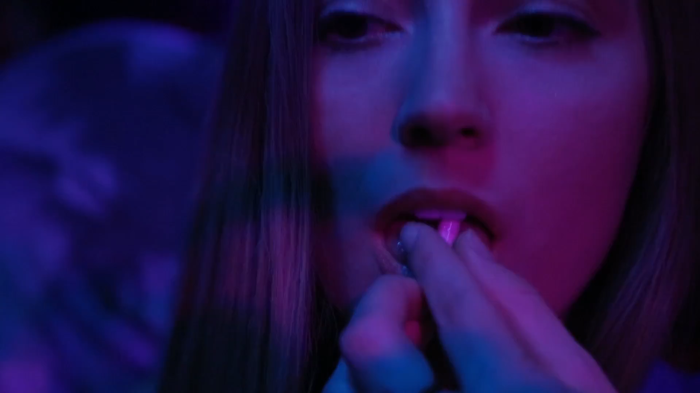
Interview with Actor Miranda Millar

Interview by Kierston Drier:

KD: Tell me a little about yourself? What inspired you to pursue a career in acting and performance?

MM: I don’t remember first time I was on stage because I was three years old! At four I started dance. You may have guessed, my parents are actor/writer/directors. They never pushed me, but gave me the opportunity to try it out to see if I enjoyed it. I obviously did.

KD: To date, what has been the defining role of your career. Why?

MM: This is a tough one.. I would have to go with my film Perfect for a few reasons; In this film, I play twins. It’s a unique challenge, playing two different people opposite each other. It’s a silent film, which means everything has to be communicated in the eyes, facial expressions, and body language. Also, the twins are violinists. I’ve played violin since I was a little kid, so being able to marry two of my passions in one project was especially gratifying!

KD: What are some of the most exciting projects you are working on right now?

MM: I have a couple projects in the works- one that films in Italy, and another in the states, and hopefully I can share more on those soon! I recently wrapped the first season of Six City. At the moment, I’m filming the horror series Raveage. Imagine Mr. Robot went on a Purge- lots of scary stuff ahead!

KD: Tell me more about Six city- what’s the most engaging thing about it?

MM: I’ve always really liked six-degrees-of-Kevin-Bacon type of films. I love seeing the small and not-so-small ways lives are intertwined and affect each other. Six City is exactly that, using the backdrop of Toronto to explore the intersecting nightlife, crime, and police force. My character Serena is a bisexual club go-er who may seem all fun and parties on the outside, but has a whole separate private life that her friends don’t know about yet…

KD: What are you most looking forward to with these new projects? What excites you most about Six City? About Raveage?

MM: I’m excited to delve deeper into Serena’s story, and for the audience to get to see just how far her story expands. Much like Six City, the world Courtney and Jennifer James have created is also connected to Raveage. Raveage is cool because it expands on the set up of Six City- it takes place in the same world. Serena is an even bigger lead in this next chapter, following her steep emotional journey and her ties to the worlds of politics, crime, and of course, love.

KD: Where can we find these new projects?

MM: Six City will be permiere in November on Facebook, and other media platforms after that. You can follow along for Six City here: https://www.facebook.com/sixcityseries/ and here: https://www.imdb.com/title/tt8205962/

Raveage is currently in production, but to stay up to date you can follow on Facebook here: https://www.facebook.com/raveagefilm/ and here: https://www.imdb.com/title/tt6267818/

miranda miller 2.png
Six City stills of Serena- Admit One Productions

KD: Describe your process. How do you get into the headspace of a really difficult character?

MM: It begins with text analysis. Getting everything I can from the pages provided to me. If the character has a specific job, or past, it helps to research if I’m unfamiliar with being, say, a surgeon. What are the hours like? What are the success rates of the types of surgery I do? How does that affect me, my mental state, my relationships? Even if my character is never at work on screen, the job will affect my home life. Knowing everything I can about my character makes it easier to be them in a believable way.

KD: What has been your most challenging role?

MM: My role on the hit Canadian show Murdoch Mysteries was challenging in a number of ways. It was exhausting because Amy MacFarlane (my character) experiences a lot of panic- and panic is draining on the performer. At one point in the season 7 premiere, I had my arms tied behind my back, I was gagged, and wearing a woolen dress – all under rushing water. It’s a lot going on.

KD: What has been the hardest part of being a professional actress? What is the most rewarding?

MM: The hardest part is the sometimes uncontrollable schedule. Over the span of two weeks, I was working on a movie full-time at night, and filming IRL: The Series during the day. On the weekends, I had scheduled a few other shoots. None of it could be moved. One ‘day,’ I was up for 40 hours working on three different projects. Sometimes it would be nice to be able to space things out, and give every project the time it deserves. But, you just have to plow ahead and do your best. When it rains, it pours. There are so many rewarding aspects. Like, finishing the two weeks mentioned above. And watching your finished product come to life, with everyone else’s work coming together. It’s a very bonding experience.

KD: Apart from performance, what else are you passionate about?

MM: I have a very deep love for fantasy novels. There’s nothing better than sitting down with a cup of tea and a really great novel. It’s one of my favourite forms of escapism. I love being able to bring a world in my bag, and jump into it whenever I can. I’m passionate about the environment- finding ways to keep and reuse materials I have, upcycling and recycling. I can’t wait until plastic is a thing of the past.

KD: What is next on the books for you, Miranda?

MM: After I finish filming Raveage, I’ll be heading down to LA next year for pilot season. I’m so excited for this next adventure!

KD: What advice would you give to someone just starting out in this industry, looking to be a professional performer as well?

MM: If you want to work on set, become a PA or work as an extra. It’s not just about the performance aspect, you need to know if you actually enjoy the environment you’ll be spending 12-17 hours a day in. Learn by helping. If you want to make your own projects, make connections by helping other filmmakers first. You can’t call in a favor you haven’t earned. Take classes, and don’t be afraid to suck. You will probably suck. But knowing what not to do is just as important as learning what you can be doing. And if you want it badly enough, you will find a way to make it happen.

miranda miller 1.jpg
headshot credit- Denise Grant Photography

Interview with Festival Director Alecs Nastoiu (SHORT TO THE POINT (STTP) )

SHORT TO THE POINT (STTP) is an international network of distribution, broadcast and promotion of short films. Since 2009, SHORT TO THE POINT has gone through several steps and right now it has gathered some awesome projects under its umbrella.

Contact

 
Matthew Toffolo: What is your Film Festival succeeding at doing for filmmakers?

Alecs Nastoiu: The most important thing I guess is that we screen films every month. The classic annual festivals usually screen few shorts, one time per year. And the next important thing is that we screen short films in unconventional spaces like pubs, bars, museums, theatres or terraces. We try to bring short films to the audience, not the audience to cinemas. And another good thing is that we screen short films simultaneous in over 30 cities from Romania and Moldova. And very soon we will start doing this all over the world.

2) What would you expect to experience if you attend the festival this year (2018)?

We are a monthly festival, with monthly awards and screenings. But we have an annual event as well. Each year we change the host city. This year we will organize the annual edition of the festival in Bacau, Romania at the end of July. We are screening all winner films of the monthly awards editions from past year. So we offer the opportunity to the filmmakers to discover new cities each year and to meet with filmmakers from all over the world. Every time we have new audience, and new locations. So I think the experience of Short to the Point Film Festival is continuous and you will never get enough of it.

3) What are the qualifications for the selected films?

We accept any kind of short films in our festival. We have a lot of categories. And each category has it’s own selections and winners. So the qualifications are different from category to category. But our jury is looking for good stories and good filmmaking all the way.

4) Do you think that some films really don’t get a fair shake from film festivals? And if so, why?

There are a lot of film festivals in the world so I think each film has its opportunity to make it to the big screen. It’s all about filmmakers. They have to know where to submit their films.

5) What motivates you and your team to do this festival?

First of all we are filmmakers. So we like films. And Short to the Point offer us the opportunity to meet people from industry, to find good ideas that maybe will inspire us in the future and of course to understand what is the trend in cinematography at the moment.

6) How has your FilmFreeway submission process been?

In my opinion FilmFreeway is the best thing in film festival industry that has happened in last 3 years. It’s the best film submission platform on the market. It’s easy to use and it has a lot of options that makes our job as a festival much more easier.

7) Where do you see the festival by 2023?

In 2023 Short to the Point will have screenings in unconventional spaces all over the world.

8) What film have you seen the most times in your life?

Because I edit my first feature length movie (Billion Star Hotel) for over 6 months, I can say that I saw it the most times. But If we speak about other directors, I can say that I saw over 30 times ‘The man who wasn’t there’, directed by Coen brothers.

9) In one sentence, what makes a great film?

A great film is a product that combines perfectly all ingredients: script, directing, cinematography, editing, acting etc

10) How is the film scene in your city?

I was born in Bucharest but for 6 years I live in a small city from Transylvania called Targu Mures. Here I started with some friends the first film production company in the history of the city. And I made 2 feature films. First of them Billion Star Hotel has 19 awards at festivals around the world and the second one is in post production. Short to the point is screening short films here every month, so I can say that the film scene is animated for the moment by my team.


short to the point 1.jpg

____

Interviewer Matthew Toffolo is currently the CEO of the WILDsound FEEDBACK Film & Writing Festival. The festival that showcases 20-50 screenplay and story readings performed by professional actors every single month. And the FEEDBACK Monthly Festival held in downtown Toronto, and Los Angeles at least 3 times a month. Go to http://www.wildsoundfestival.com for more information and to submit your work to the festival.

Interview with Stephen Byrne (WATERFORD FILM FESTIVAL)

The Waterford Film Festival was established in 2007 by local filmmaker Stephen Byrne. His objective was to bring something new to Waterford’s arts and cultural scene, promoting local, national filmmakers and writers, but in particular independent film.

Contact

 
1) What is your Film Festival succeeding at doing for filmmakers?

The Waterford Film Festival is a big supporter of short films and especially independent films. We screen a mixture from 1st time filmmakers to award winning films and have done so since our foundation in 2007. We also hold a short screenplay competition and this part of the festival is to support the writers.

Since the foundation of the festival, we have screened 500+ films from filmmakers around the world as well promoting writers with the short screenplay competition. Filmmakers from across Ireland, UK, France, Germany, Holland and as far as Canada and USA have attended the festival.
The festival has awarded prizes worth in excess of €35,000 with our partners at FilmLab, since 2007.

2) What would you expect to experience if you attend the festival this year (2018)?

This years festival we are in a new venue for us called Central Arts, which caters for a lot of different events throughout the year. This years event will be an intimate setting but we are also trying something new. The venue itself allows alcohol in the screening room so we want to bring that element into the festival.

The idea of seeing a wide range of national and international short films of different themes and genres while you sit back and enjoy a beer or a glass of wine, we feel will be a very enjoyable experience for all whom attend. We are currently working on our plans but we aim to put on a series of different events over the course of the 3 day festival.

3) What are the qualifications for the selected films?

There are a number of different reasons. We get several 100 submissions every year and the decision is never easy as there is a great body of work out there. We aim to have a variety of national films, foreign films from professional filmmakers to student and 1st time director/writer/producers. A strong story and well written script would be a big factor. We consider all films up to 20 minutes.

4) Do you think that some films really don’t get a fair shake from film festivals? And if so, why?

As an independent filmmaker myself I have had my work both accepted and rejected from film festivals, so I do have experience from being on the under end of things as well. There are many legitimate reasons that a film may get rejected from a festival. However I do think some film festivals and especially the big ones in, may be biased in certain cases. For example a big film festival may have influence from powerful producers and distribution companies.

My advice would be to do your research before submitting to a festival and the type of films that they have screened there in the past but also keep in mind there is a lot of competition out there. Certain festivals have mixed themes while others have a theme that may suit their project.

5) What motivates you and your team to do this festival?

When I founded the festival it was may objective to bring a world of film to the Waterford scene, to support independent film and it still is. The love of film and being apart of something where we get to view and screen films from all walks of life with different themes and to provide a platform for filmmakers is a major motivator for us. We enjoy the process of seeing so much talent and meeting a lot of great people during the event itself.

6) How has your FilmFreeway submission process been?

The festival is new to FilmFreeway and so far it is great. The system for us is very easy to use , to manage and judge the projects. Since we opened for submissions we have had entires from Ireland, UK, USA, Japan, Australia , Germany, France, Italy, Lithuania and surprisingly Iraq which is fantastic to see. The festival does get international films every year, however so far we have seen an increase from them and from more countries this year. We are looking forward to watching the projects and providing a wide variety of national and international film screenings at this years event.

7) Where do you see the festival by 2023?

Honestly hard to tell. Even though the festival is successful in many ways in the terms of the amount of submissions we get and we always get a good audience, our funding is very limited. We take one year at a time. It is my hope that we can keep it going, build it up and expand the series of events that put on.

8) What film have you seen the most times in your life?

Ha tough one! I have watched a lot of films many times over the years. Up there would be Shawshank Redemption, the Godfather, Back to the Future trilogy

9) In one sentence, what makes a great film?

A well written story with strong developed characters, performed by excellent actors.

10) How is the film scene in your city

Waterford has many beautiful spots for filming in the City and County. There is a lot of talent out there in the short film scene but in terms of funding for films it would be behind other cities in Ireland. There are people in the filming community who are working together to try and improve this and encourage filmmakers to use Waterford as a location, which is great to see. However In my opinion more investment is needed but I think within 5-10 years the overall scene will be bigger and hopefully we will see more filmmakers using Waterford as a filming location in the future.

waterford1.jpg

____

Interviewer Matthew Toffolo is currently the CEO of the WILDsound FEEDBACK Film & Writing Festival. The festival that showcases 20-50 screenplay and story readings performed by professional actors every single month. And the FEEDBACK Monthly Festival held in downtown Toronto, and Los Angeles at least 3 times a month. Go to http://www.wildsoundfestival.com for more information and to submit your work to the festival.

Interview with Festival Director Nicole Manoochehri (Los Angeles Dance Short Film Festival)

Los Angeles Dance Shorts Film Festival is a festival featuring dance films that are under ten minutes. The 2nd annual festival is taking place on June, 23rd 2018 and features a night of dance film, networking and a filmmakers Q&A.

 Website: http://www.ladanceshortsfilmfest.com/

Instagram: https://www.instagram.com/ladanceshortsfilmfest/

Facebook: https://www.facebook.com/ladanceshortsfilmfest/

Matthew Toffolo: What is your Film Festival succeeding at doing for filmmakers? 

Nicole Manoochehri: Giving filmmakers and dancers the opportunity to share their films in front of an audience, making connections and having the chance to speak about their films and the genre of screendance. 

What would you expect to experience if you attend the festival this year (2018)? 

A relaxed environment where you can grab a hot beverage and pastry from the cafe, watch dance films in the adjacent screening room, hopefully have a great time, learn something and bond with other dance film lovers. 

3) What are the qualifications for the selected films? 

Simply, dance under ten minutes. 

4) Do you think that some films really don’t get a fair shake from film festivals? And if so, why?

Since becoming a festival director, I have realized that there are so many factors to take into account when considering a film for the festival’s program. We only have a limited amount of time available and we try our best to fit as many films in that slot as possible. I know how much goes into filmmaking and I really wish we could screen every single film that we receive. Especially with dance films, you are looking at art. Art is subjective. When it comes down to it, everything is just an opinion and as an artist myself you always have to remember to take nothing personal and just keep doing what you do best “Create”.   

5) What motivates you and your team to do this festival? 

When we start receiving submissions from around the world and I see these amazing films. I want to promote the films and the artist to the best of my ability and spread an awareness of dance films. It really can be a powerful and beautiful form of storytelling. 

6) How has your FilmFreeway submission process been? 

FilmFreeway is great! We use it exclusively for our festival. I like to have everything in one place. It is my submission site of preference when submitting as well so I’m a huge fan here! 

7) Where do you see the festival by 2023? 

Hopefully, still around! Seriously though, I hope that in five years we have grown as a festival but still have the same vibe as when we first started. The goal would to be able to create more opportunities for the filmmakers and dancers. I would love to have multiple screenings with a full house in every single one! 

8) What film have you seen the most times in your life? 

 “Amélie”. Love that film! 

9) In one sentence, what makes a great film? 

A film that is thought provoking. 

10) How is the film scene in your city? 

We are located in Los Angeles so the film scene is pretty popping! As far as the dance film scene goes, we are one of only four dance film festivals. Three (including us) have started in the last couple of years so I feel like the screendance scene is definitely growing here! 

ladance1

____

Interviewer Matthew Toffolo is currently the CEO of the WILDsound FEEDBACK Film & Writing Festival. The festival that showcases 20-50 screenplay and story readings performed by professional actors every single month. And the FEEDBACK Monthly Festival held in downtown Toronto, and Los Angeles at least 3 times a month. Go to http://www.wildsoundfestival.com for more information and to submit your work to the festival.
Interview with Festival Director Warren Workman (Feature Film Festival)

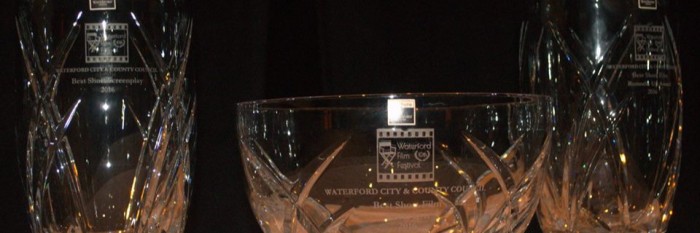
With a history of excellence in selecting the best films Feature Film Festival delivers a reputation that will draw attention to your film. Every submission is screened by no less than three committee members. All nominees are then viewed by the entire jury. The winner in each category will receive a beautifully engraved trophy.