Interview with Production Designer Maria Djurkovic (The Imitation Game, The Hours, Ferrari)

Maria Djurkovic is one of the most talented Production Designers in the industry today. She has created a multitude of worlds in many critically acclaimed movies and TV shows, including: Sliding Doors (1998), Billy Elliot (2000), The Hours (2002), Mamma Mia! (2008), Tinker Tailor Soldier Spy (2011), and Gold (2017).

Matthew Toffolo: Is there a film or two that you’re most proud of?

Maria Djurkovic: Yes – Tinker Tailor Soldier Spy.

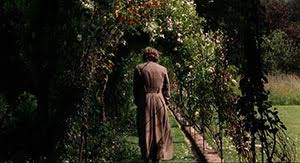
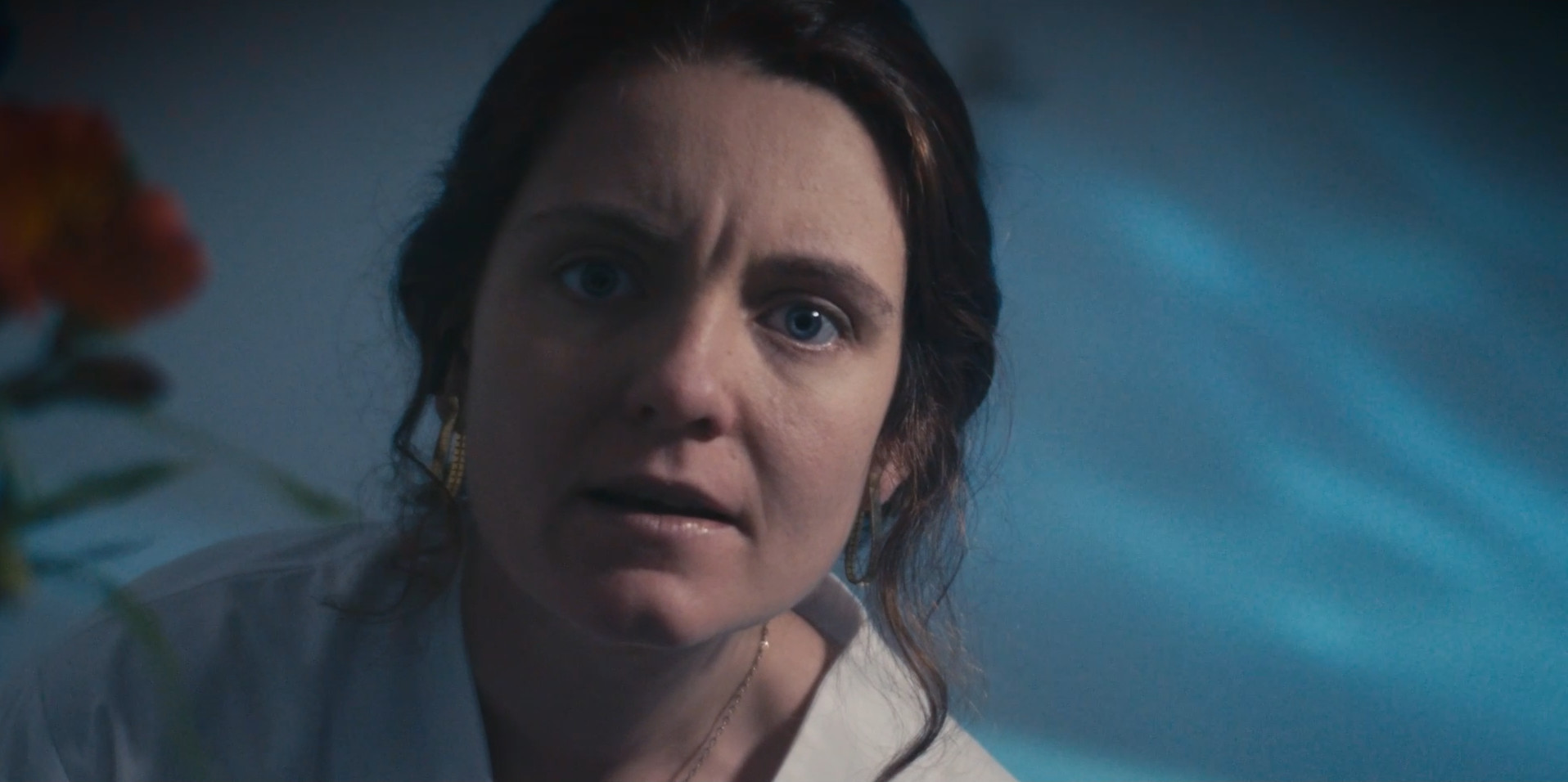
I also was very pleased with The Invisible Woman. I dont think you can tell we had a very small budget.

PHOTO: Still from the film”The Invisible Woman” (Director Ralph Fiennes)

the_invisible_woman.jpg

MT: What is a director looking for in a Production Designer?

MD: I am certain each director is looking for something different. Wes Anderson will be looking for very different qualities in a designer than Ken Loach.

Advertisement

MT: What is a Production Designer looking for in a director?

MD: I am certain that everyone is different. I like to work with directors for whom visuals are very important. This may seem obvious in such a visual medium as filmmaking, but believe me it isn’t.

I will meet a director for a job with a very clear idea of how I see their film. I actually like to stick my neck out, because I really don’t want to spend the next 6 to 9 months arguing. If a director likes my ideas I will get the job. If they don’t, or if they are not looking for an opinionated designer, I won’t.

The best working relationships for me are the very collaborative ones. Tomas Alfredson is my dream director. We practically finish off each other’s sentences. I enjoy working with directors who are unafraid of bold visuals and who dont get caught up in stuff that actually doesn’t matter. Those who are comfortable cheating locations and are not too literal.

Obviously the material they are wanting to direct has to be good and I have to like their work.

A sense of humor is hugely important to me. We will spend hours and hours in cars, looking at locations. We need to get on.

MT: You were nominated for an Oscar for The Imitation Game (2014). How was the Oscar experience? You didn’t win, but is it just as good being nominated? Or, did you really want to win!?

MD: It was crazy from beginning to end. I knew I would not win because I was up against “The Grand Budapest Hotel” that year. Knowing that I wouldnt win actually made the eremony much more relaxing. The year I was nominated for a BAFTA for “Tinker” I was a nervous wreck during the ceremony and had an anaphylactic shock during the dinner.

I was working in Boston in the coldest recorded east coast winter when I heard about my nomination. I had one Saturday to find a dress. Flew to LA one weekend for the nominees luncheon, the following weekend to London for the BAFTAS and the one after for the actual Oscars.

I was tired and jet lagged but the whole experience was quite extraordinary, and i am thrilled to have had it. Hair/ Make-up / the biggest celeb count on the planet, all huge fun.

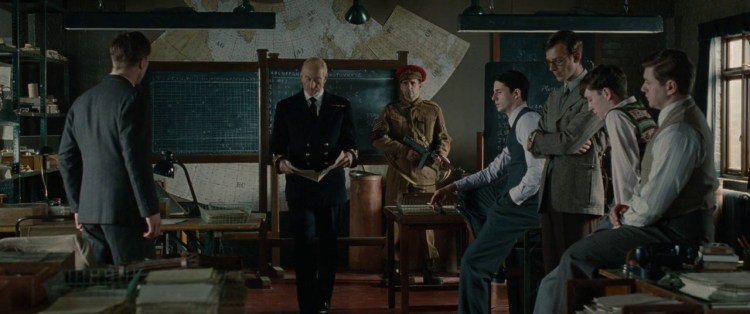
PHOTO: Still from the movie “The Imitation Game” Directed by Morten Tyldum:
the_imitation_game.jpg

MT: How early do you come into pre-production before shooting starts? When do your hire and bring on the rest of your key team members?

MD: I come on board very early, normally after the producer and director. The amount of prep I get varies from project to project. Anything from 10 to an incredibly generous 24 weeks I have had on the movie I am working on right now. The Art Dept. has a massive pyramidal structure and I try to secure my supervising art director and set decorator as soon as i am allowed, everyone else follows.

MT: What film, besides the ones you’ve worked on, have you watched the most times in your life?

MD: Probably Kusturica’s films.

MT: Do you have a Production Designer mentor?

MD: No

MT: Do you have any advice to kids currently in high school or in university who want to be a Production Designer?

MD: Be prepared to work insanely hard, be a monomaniac and really want to do it. Take every opportunity and be persistent. Be prepared to take knocks. Keep immersing yourself in visual culture, refresh your resources. I am always shocked how ignorant many students are about period. Period knowledge should run in your veins

MT: Where did you grow up? How did you get into the film industry? Was this something you always wanted to do?

MD: I grew up in Harrow, wanted to be a Production Designer from about the age of 8 – this is the Monomania I was talking about. Made period clothes for my Barbie dolls and loved going to the v& more than anywhere else.

My dad was an art director and hated the idea of me following in his footsteps. Said that the film industry was full of shits. He was right, but I persisted.

Studied fine art at Oxford. Did a post grad course in theatre design. Started at the BBC the day after I graduated. Stayed there for 3 years before I went freelance, built up my career step by step alternating between set decorating bigger films and designing small TV things and working my way up. I designed my first film in 1995…..

_____

Interviewer Matthew Toffolo is currently the CEO of the WILDsound FEEDBACK Film & Writing Festival. The festival that showcases 20-50 screenplay and story readings performed by professional actors every month. And the FEEDBACK DAILY Festival held online and in downtown Toronto, and Los Angeles at least 2 times a month. Go to www.wildsound.ca for more information and to submit your work to the festival.
Today’s FilmFreeway Deadline: WILDsound FEEDBACK Film Festival (118 FIVE Star Reviews!)

Submit to the WILDsound Festival Today:

Entering it’s 18th year, WILDsound now gives filmmakers 5 tiers to showcase and promote their film. (all accepted films garner the audience feedback festival, the 2nd bonus screening, and the interviews)

1) Screening #1 where you will also obtain your audience feedback video.
2) Screening #2 virtually on the streaming service WILDsound TV (optional)
3) Screening #3 at a sold out public screening at the Carlton Cinemas in Toronto, or the LA LVE Regal Theatre in Los Angeles.

4) Podcast interview at WILDsound Radio on ITunes
5) Blog interview promoting you and your film.

The first film festival screening gives you our award winning Audience FEEDBACK videos made for the short & feature films.

Festival is also known for it’s Screenplay portion of the festival. We do recorded script readings performed by professional actors. FULL Feedback no matter what on all submissions from industry professionals.

Today’s Writing Deadlines: June 26, 2025

Submit to these exciting festivals today. Festivals that offer feedback from the industry, plus performance videos.

MEMOIR & AUTOBIOGRAPHY Screenplay Festival:
https://documentaryshortfilmfestival.com/memoir-autobiography-screenplay-festival/

This festival has a guaranteed 4-tier set up for each accepted script. (No matter what, all screenplays submitted receive FULL FEEDBACK on their work.)
1) Full Feedback on your script
2) Actors performance video reading of your script
3) Blog interview promotion.
4) Podcast interview on the Film Festival ITunes show


ART & PHOTOGRAPHY Novel Festival:
https://documentaryshortfilmfestival.com/art-photography-novel-festival/

An art and photography novel is a nonfiction book that showcases or discusses art, including photography. Art books can include: The technical aspects of an art form, The life and work of a specific artist, The history of an art form or style, Personal expositions, and Craft and coloring books.


ACTION/ADVENTURE Short Story Festival:
https://actionadventurefestival.ca/action-adventure-short-story-festival/

Submit your ACTION/ADVENTURE Short Story to the Festival here and we will automatically have it performed by a professional actor and turned into a promotional video for yourself.

Accept only stories that fit into the ACTION or ADVENTURE genres.

Toronto COMEDY Film & Screenplay Festival:

Feature Film Review: IMMERSED – A Cinematic Immersive Album by Justin Gray

Immersed – A Cinematic Immersive Album by Justin Gray, 60min,. Canada

Directed by Justin Gray, Michael Fisher

Justin Gray’s Immersed is a groundbreaking cinematic album that transforms how audiences experience music. Composed, recorded, and produced as an immersive audio experience, the album features 38 artists from Toronto and around the globe, placing listeners at the center of a three-dimensional global orchestra.

https://www.instagram.com/justingraysound/

Review by  Julie C. Sheppard:

A bright, articulate opening monologue by Justin Gray, the mastermind behind this film Immersed, reveals how satisfying it can be to be completely engulfed in and surrounded by the arts. Given this heartfelt preamble, viewers are tipped off that they are in for a real treat.

The film’s structure is well framed with a series of section titles that help shed light about the tone of each of the upcoming musical interludes. The title Flow, for example, is apt in that we are presented a smooth, well-edited section — we are gracefully introduced to the work of several talented musicians who will be guiding us through the piece, such as the guitar of Justin to others on percussion, brass, vocals, keyboard and strings. Repose is a gorgeous meditative section with singing bowls, and the motif of Indian classical music and movement. The use of household items for foley sound effects in the section Tapestry is highly entertaining, as is the fine dance choreography enhanced with various fabrics and lighting, and upbeat, jazzy phrasing. The section called The River’s Edge utilizes striking indigenous movement with gorgeous winter vistas. Joyful, lively refrains come from the section called Orion’s Belt. Pendulum is a section full of rhythm and sensuality and, finally, the section entitled Illuminate blends images of waterfalls and butterflies with soaring violin and other orchestral groups.

The camera comes in close throughout and shows the skill of these artists and captures their heightened emotions when performing this dynamic piece. It is truly inspiring to hear from many of these people who have shared their talents. The extensive credit list alone displays the fierce commitment to this massive undertaking – artists, technicians and producers, all seeking to connect with a cinematic audience, while allowing viewers to immerse themselves in a feast of sight and sound.  

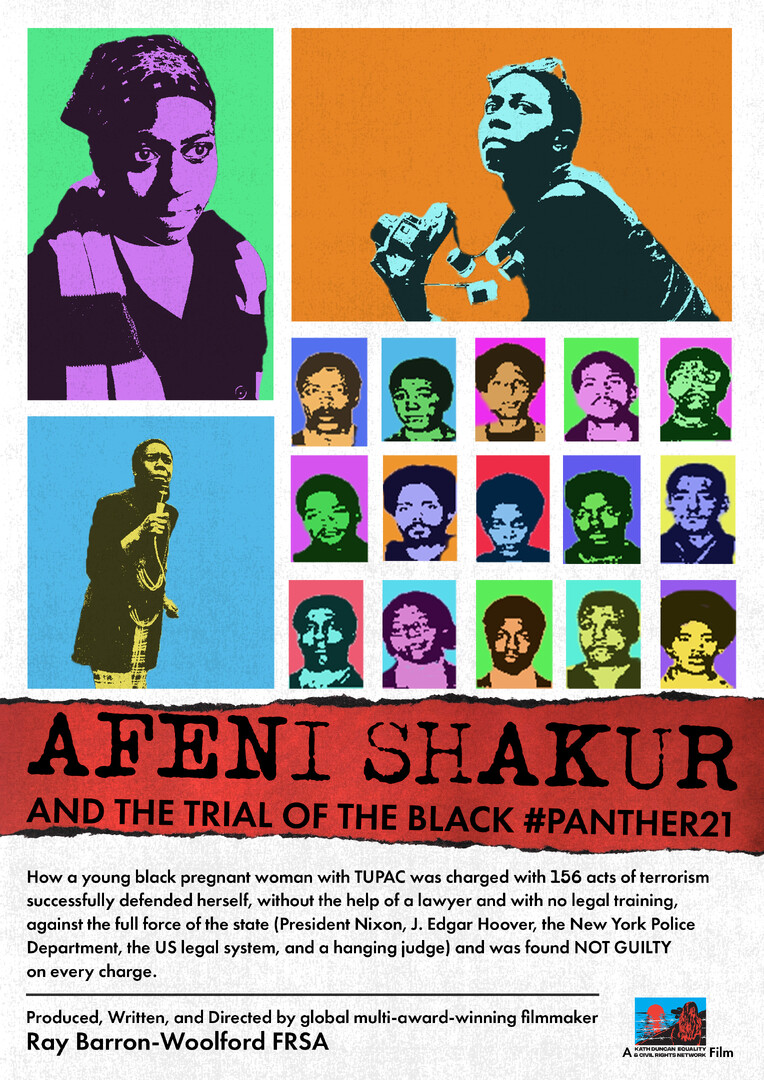
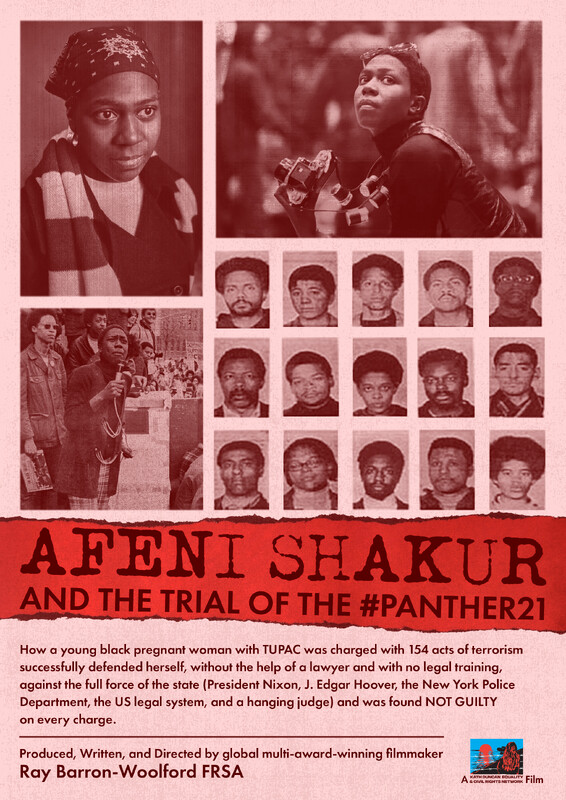
Watch Today’s FREE Festival: Afeni shakur and the trial of the Panther 21 (Feature Film)

FREE festival starts at 8pm EST tonight at http://www.wildsound.ca/browse

Watch the festival here: https://festivalreviews.org/2025/06/24/watch-todays-free-film-festival-winning-sci-fi-feature-fillm-reuniverse/

Feature Film Winner from the BLACK Feedback Film Festival.

Afeni shakur and the trial of the Panther 21, 70min., USA
Directed by Ray Barron- Woolford FRSA
The Untold inspired story of Afeni Shakur one black woman pregnant with the rap star Tupac, charged with 156 acts of terrorism with no lawyer or legal training fought her corner to be found NOT GUILTY on every charge

https://www.instagram.com/ray_woolford

Today’s Podcast: EP. 1527: Screenwriter Tom Pratt (ONE MAD APPLE)

Watch the best scene reading: https://www.youtube.com/watch?v=EJWMb6F1GVY

What is your screenplay about?

A dark comedy feature inspired by a true story and based on the book of the same name.

After a man moves to a small town to care for his dying father, he embraces the community and his new life as a stepfather and husband, until he finds himself in the crosshairs of an unhinged townswoman who challenges him in a school board election and makes him look like the crazy one.

What genres does your screenplay fall under?

Thriller/Dark Comedy

Why should this screenplay be made into a movie?

The story is inspired by real life and will be relatable to the viewer. Everyone has a crazy aunt like the antagonist!

Subscribe to the podcast:

https://www.instagram.com/wildsoundpod/

https://www.facebook.com/wildsoundpod

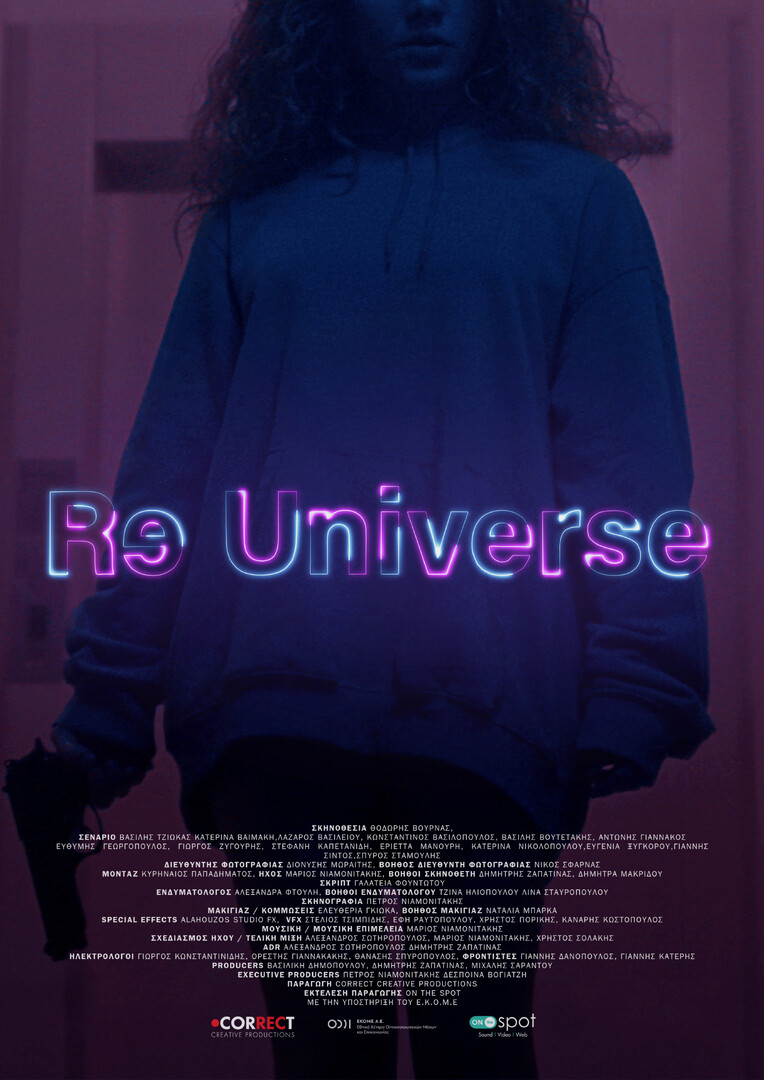
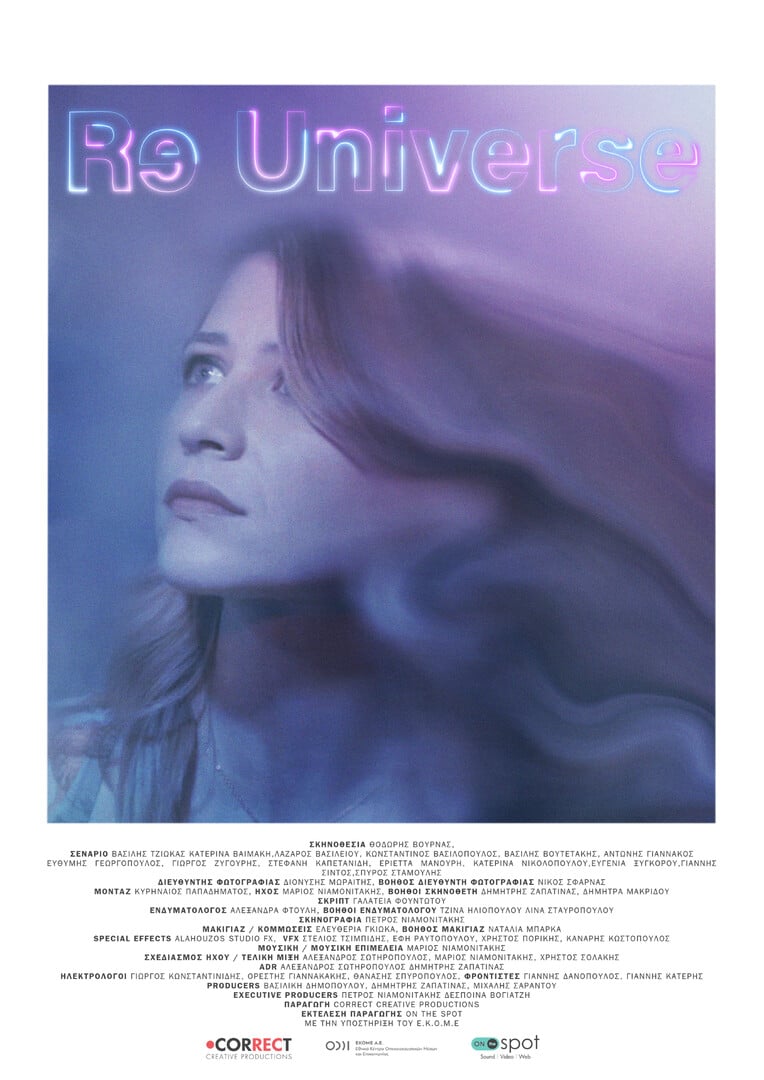
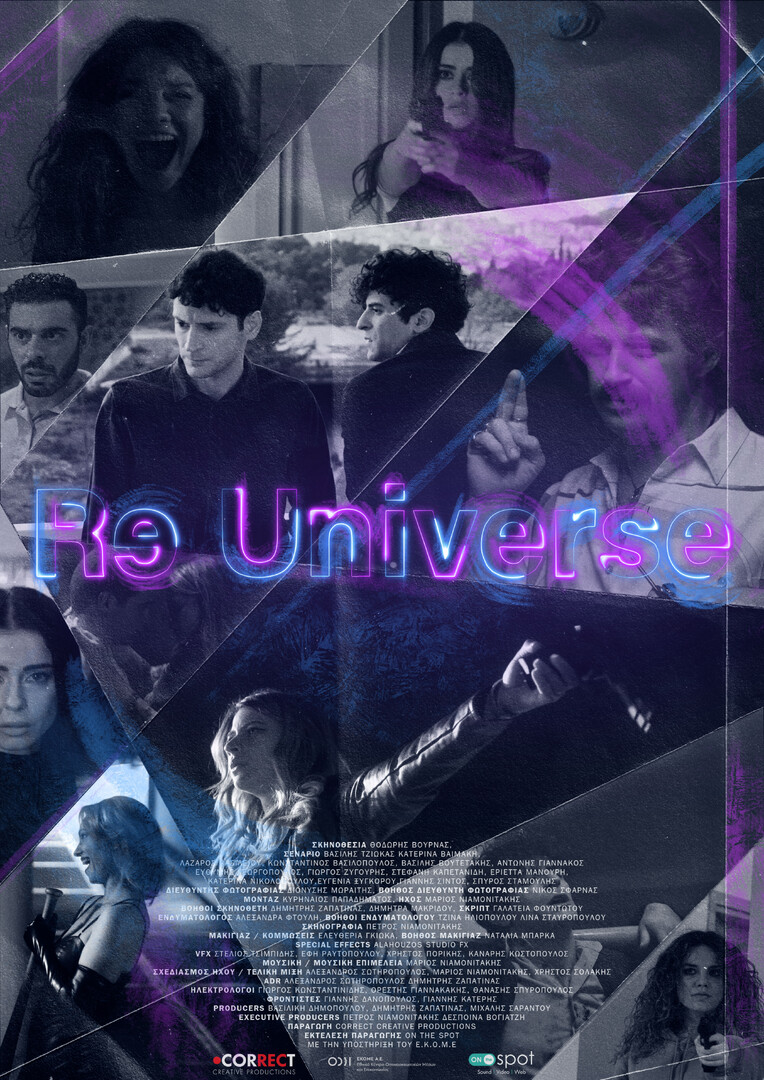
Watch the Winning SCI-FI Feature Fillm: ReUniverse (in case you missed it)

Watch the festival NOW for the next 48 hours by signing up for the FREE 3-DAY trial using the link, or go to http://www.wildsound.ca

Watch the Festival: https://www.wildsound.ca/videos/winning-sci-fi-feature-fillm-reuniverse

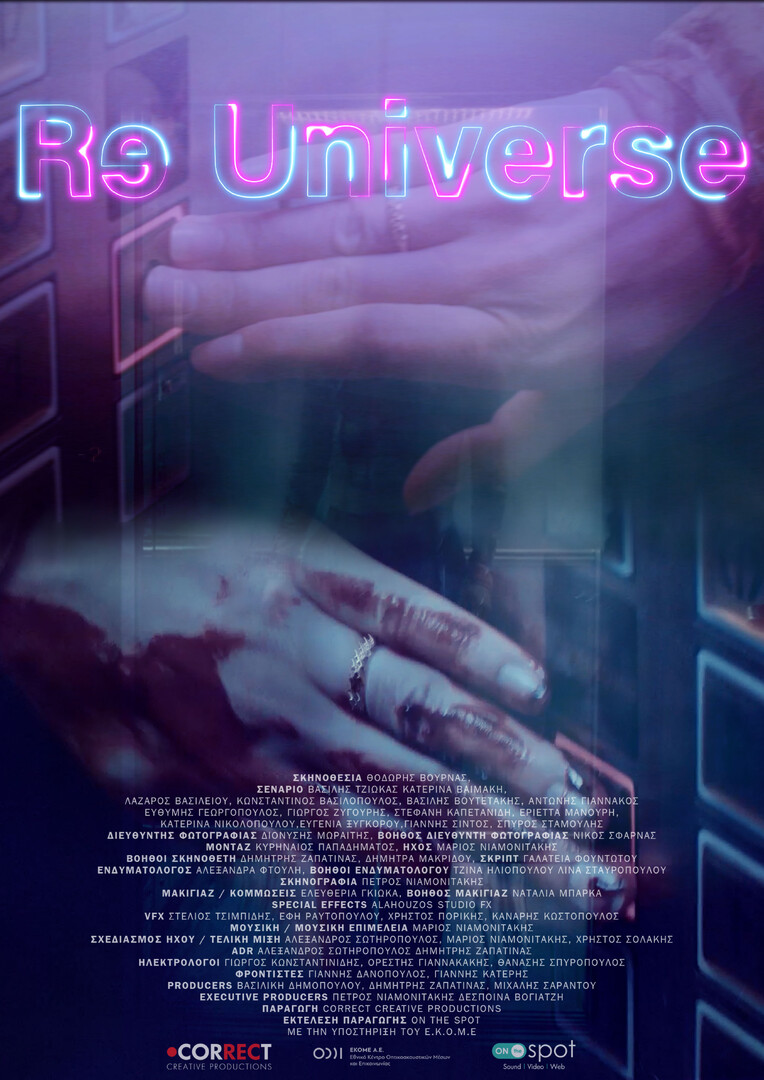
ReUniverse, 99min,. Greece
Directed by Thodoris Vournas
“The film ‘Re-Universe’ by Theodoros Vournas is a psychedelic science fiction journey with impressive visual effects, that intertwines personal exploration with cosmic concepts. A group of young people, faced with existential questions, find themselves entangled in a process of rebirth and reconnection with the universe. The film explores themes such as human relationships, identity, and humanity’s place in the infinite.”

Today’s FilmFreeway Testimonial: Toronto COMEDY FEEDBACK Festival

Deadline Today to submit to the festival:

FEEDBACK Toronto Comedy Film and Screenplay Festival is a must for filmmakers because you get direct feedback that allows you to know if your film works. Do people get it? Does it engage conversation? All of these questions were answered and more. Thank you. And Thank you for recognizing the actors that put in a great performance. There is a lot of talent out there and to tip your hat to two of ours, makes us giddy.

Interview with Editor Valerio Bonelli (Darkest Hour, The Martian, Philomena)

If you’re interested in storytelling, this is the interview for you. Editor Valerio Bonelli has edited over 30 films in the last 20 years, working with some of the top directors, including many collaborations with Ridley Scott (The Martian, Black Hawk Down, Hannibal, and the Oscar winner Gladiator), and Stephen Frears (Philomena, The Program). In this interview, he gives a lot of amazing insight on the art of editing a feature film and what it takes to succeed in Hollywood.

Matthew Toffolo: You’ve worked as an Assistant Editor on many big Hollywood productions. What is the role of Assistant/Associate Editor? What is the biggest thing you’ve learned doing this task to help you grow as an editor?

Valerio Bonelli: It’s now quite a while ago but what I remember of my experience working on those big movies is that I felt that I was like a kid in a candy store. I was working and learning from people I respected a lot in the industry like Ridley Scott and Pietro Scalia and at the same time I was given challenging tasks mostly to do with the organization of the cutting room. That sometimes can be seen as boring and not so creative but I believe that learning to run those big cutting rooms gave me the confidence to become a film editor and to handle very stressful situations.

MT: What film that you’ve worked on has been your most valuable experience?

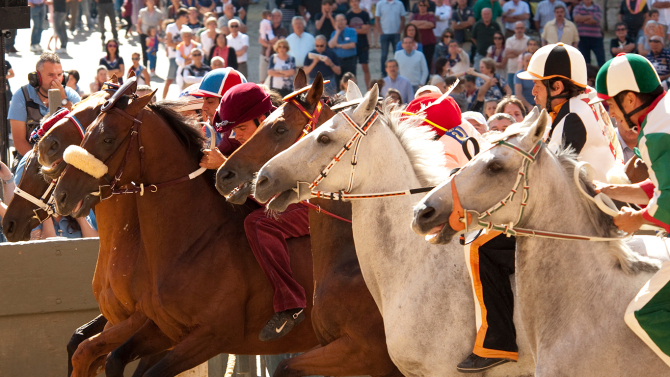
VB: It’s difficult to say because every film I worked on somehow added something to my knowledge as an editor and as a person. Each film is different even if you work with the same director, but I can say that there are few films that have stayed with me for one reason or another. Recently I’ve cut a documentary feature called “Palio”, this film was particularly challenging for me because unlike most conventional documentaries the story is narrated in the present time and not retrospectively with a narration voice but with the voices of all the characters of the film. The film is about the famous ancient horse race in Siena, Italy, it did not have a script, and was ‘written’ during the editing process by me and Cosima Spender.

Advertisement

PHOTO: Still Shot from the documentary “Palio”:

palio_documentary.jpg

The Palio is possibly the only race in the world where in order to win you have to spend a lot of money in bribes. The story is about a young jockey that challenges his old master, who has monopolized the game for the last 16 years and won it 13 times.
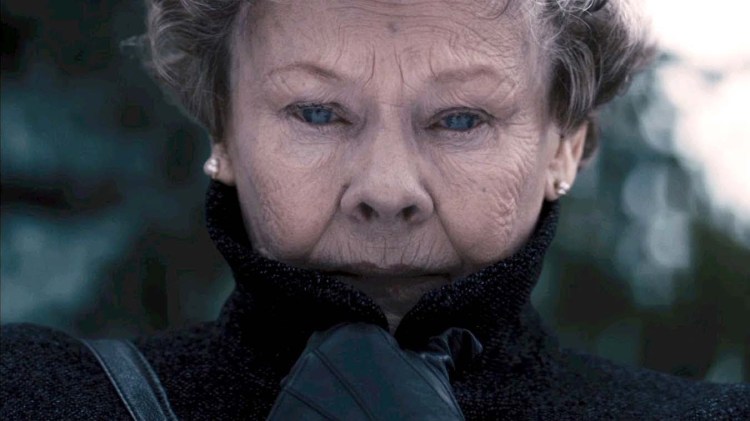
In terms of feature film one of my favourite experience was cutting Philomela by Stephen Frears. For me this was a unique experience for several reasons because not only I was given a chance to work with such a great master of cinema like Frears (who by the way was one of my Teachers at the Nation Film and Television School) but I was cutting a story that was very important for me because of my upbringing in a Catholic country. Also I was cutting Judi Dench’s masterful performance. I learned a lot from looking at her performances in the rushes.

MT: What is the art to being a great DOCUMENTARY editor? How is working on this type of film different than a conventional live-action film?

VB: The most important thing you have to remember when you cut a documentary is that almost everything is possible in terms of narrative. There is no script and the way the material is cut decides the narrative of the film. As an editor I feel you have even more responsibilities.

I try to bring narrative documentary techniques of editing in the feature genre and vice versa.

One example is when I cut “The Program” for Stephen Frears. The film is about Lance Armstrong and I was given a lot of documentary footage and news reports as well as all the live coverage from all the Tour de France Lance won by Lance between 1999 and 2005. I was able to use this footage cut together with our footage of Ben Foster playing Lance mostly because the impressive physical change that Ben did in the months before shooting in order to look like Lance. Also the news footage helped us to build narrative threads of stories particularly around the media buzz that Lance’s victories generated, most of this sequences were not scripted in the original script.

PHOTO: Judi Dench in the feature film “Philomena”:

philomena_judi_dench

MT: Generally, when does the editor join the production on a feature film? Do you begin editor when the film is still in production?

VB: I always start at the start of the shooting but often I get to talk to the directors I work with in the weeks and months before the film is shot and I give my feedback and opinion on the script.

Advertisement

MT: What is an editor looking for in their director? What is a director looking for in their editor?

VB: In a director I look for a relationship where I feel that I learn something new, at the same time I like to be challenge by a director, it is also important for me to know that I can contribute to his vision of the film. Probably a director feels that the editor is a collaborator but also the first audience that sees the film and so he looks for his objectivity as well as his understanding of what he’s trying to achieve.

MT: Is there a type of film that you would love to edit that you haven’t edited yet?

VB: I’m very eclectic in my taste and so I’ve switched already quite a lot of genres so far but I must say that I sometimes would like to cut a Western movie, maybe because as a kid I’ve seen so many.

But mostly I react to stories, so for me when I worked on The Martian as a co-editor with Pietro Scalia it was a dream come true to do a Sci-Fi; but for me that was not the main exiting thing, the story was what exited me, the humanity that came out of the film was relevant for me.

MT: What film, besides the ones you’ve worked on, have you seen the most times in your life?

VB: The Good, The Bad, and The Ugly by Sergio Leone.

MT: What suggestions would you have for people in high school and university who would like to get into the industry as an editor?

VB: Try to cut as much as you can (Short films, Docuentaries, music videos…anything) and if you can go to a good film school like the NFTS in the UK because is a good place where you can meet talented and motivated people.

MT: Where did you grow up? Was working in the Film Industry something you always wanted to do?

VB: I never imagined that I was going to end up in the film industry when I was a kid, I actually dreamed of becoming an orchestra conductor!

I was born in Naples but my parents moved to Florence very early on in my life. I feel I grew up in a beauty box, surrounded by stunning hills and monuments and this beauty is for sure an element that has influenced me a lot in my choices in life and still is part of me. Sadly I had to leave my county in order to flourish but I can’t explain why otherwise I would turn this blog into a political and sociological critique of Italian life!

_____

Interviewer Matthew Toffolo is currently the CEO of the WILDsound FEEDBACK Film & Writing Festival. The festival that showcases 10-20 screenplay and story readings performed by professional actors every month. And the FEEDBACK DAILY Fesival held online and in downtown Toronto every single Thursday . Go to www.wildsound.ca for more information and to submit your work to the festival.
June 2025 EXPERIMENTAL, DANCE & MUSIC Festival Testimonials (198 FIVE Star Reviews)

Deadline Today to Submit to the Festival via FilmFreeway:

Great festival. Thanks for what you’re doing.

A genuinely supportive and thoughtfully curated festival. The team behind the Experimental, Dance & Music Film Festival goes above and beyond to champion bold, emotional, and unconventional work. The audience feedback video was especially moving — such a rare gift to receive as a filmmaker. Honored to have been part of it!

We had a wonderful experience with this festival. Communication was clear, timely, and personal. What stood out was the effort they make to build community. We’re grateful that our short film ‘Home’ was awarded Best Art Film. Thank you for creating a space where experimental (dance) films can be seen, heard, and felt.

Thrilled to have won Best Sound & Music for my film Med Selkies – thank you so much ED&MFF team! I’ve found this festival to be wonderful, excellent and personal communication and the team really seem passionate about supporting filmmakers. So wonderful to have a festival like this which champions left field art films.


Thank you so much for awarding our music video »FRAGILE« with Best Experimental. We are thrilled!