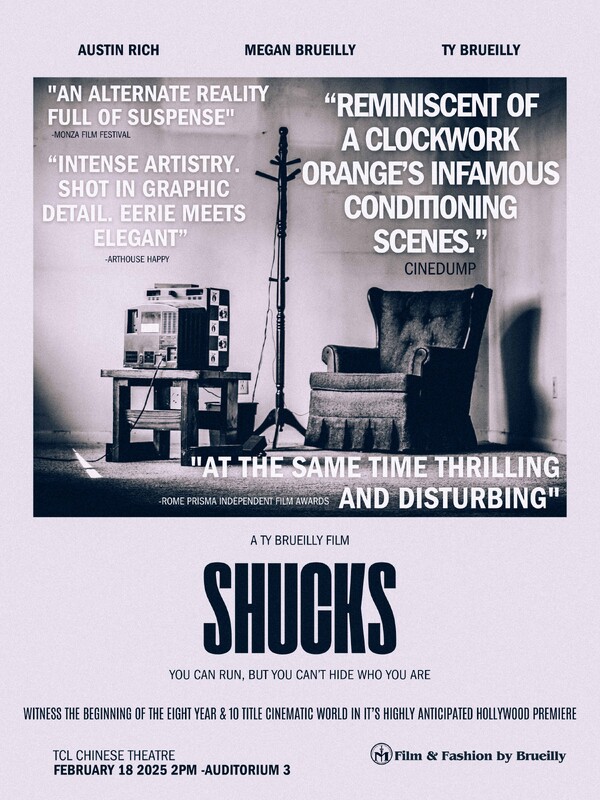
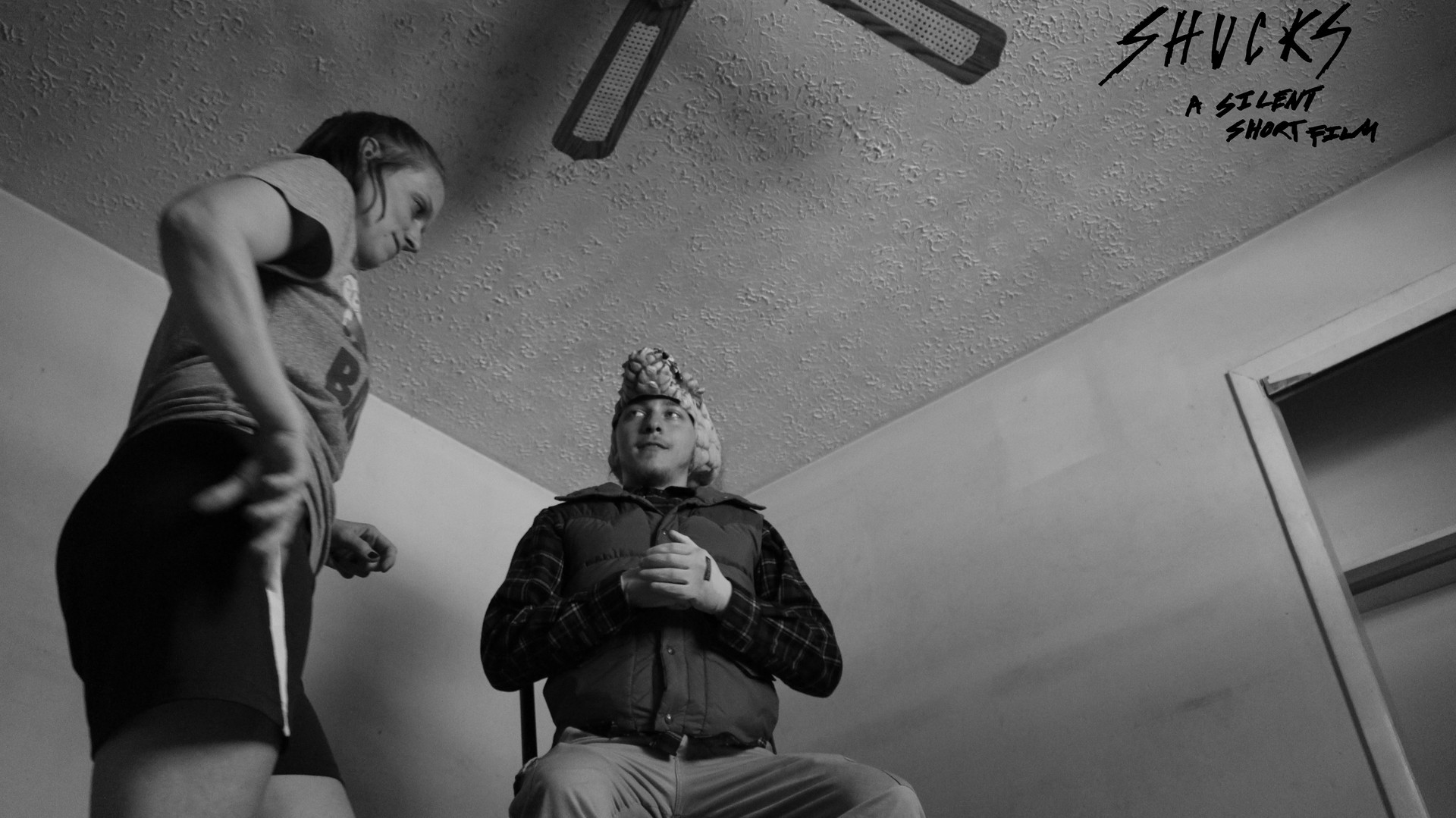
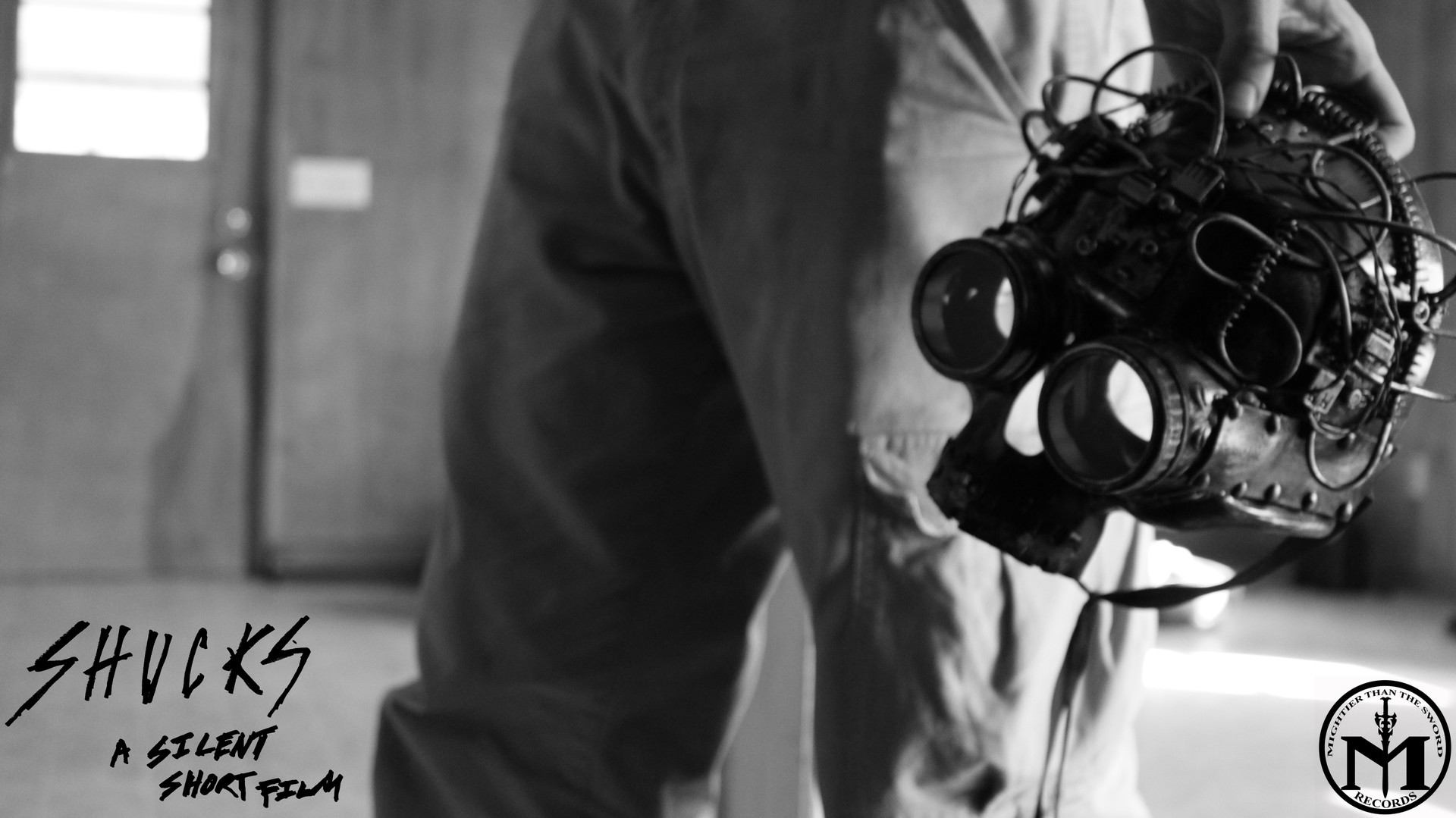
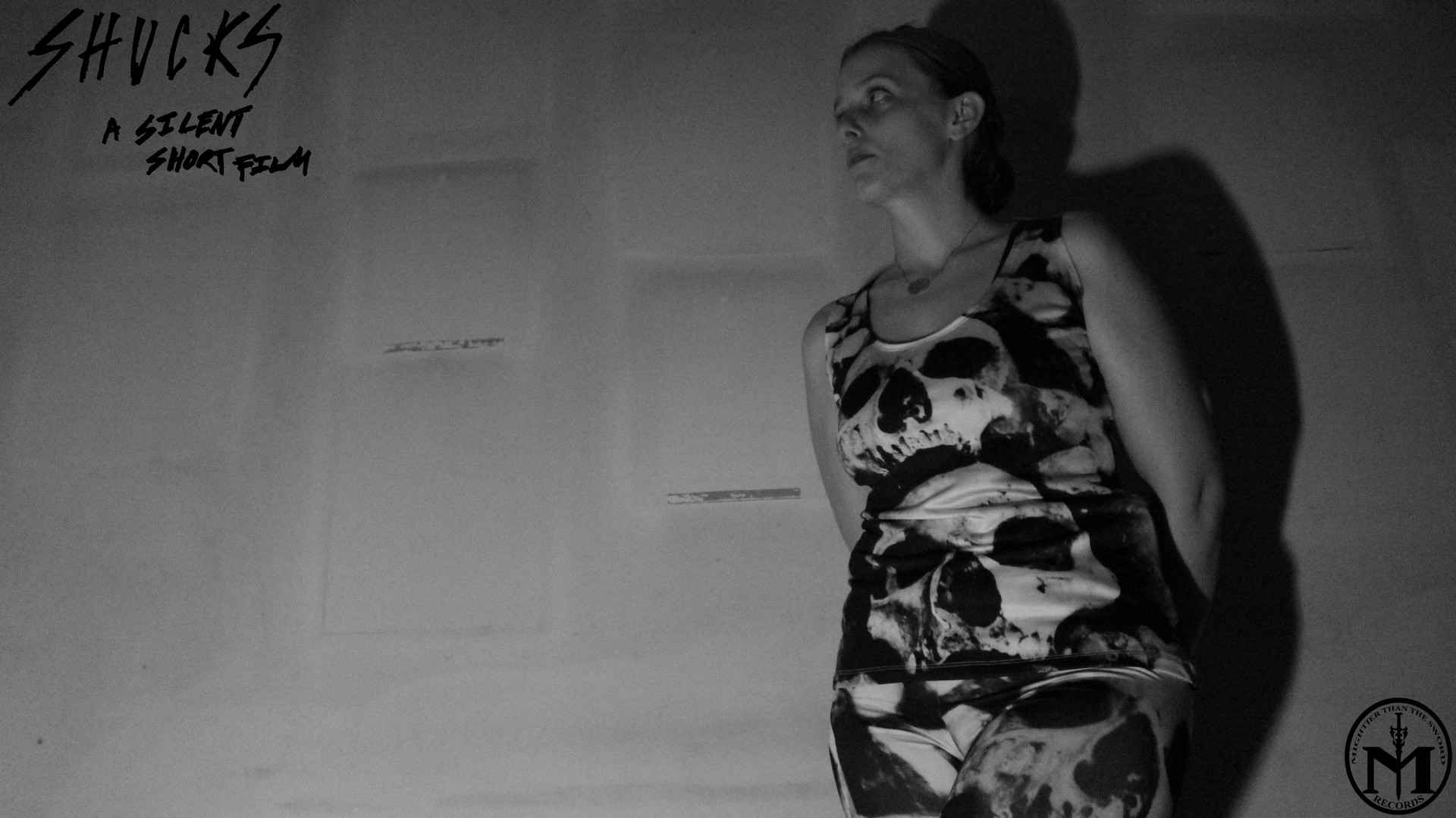
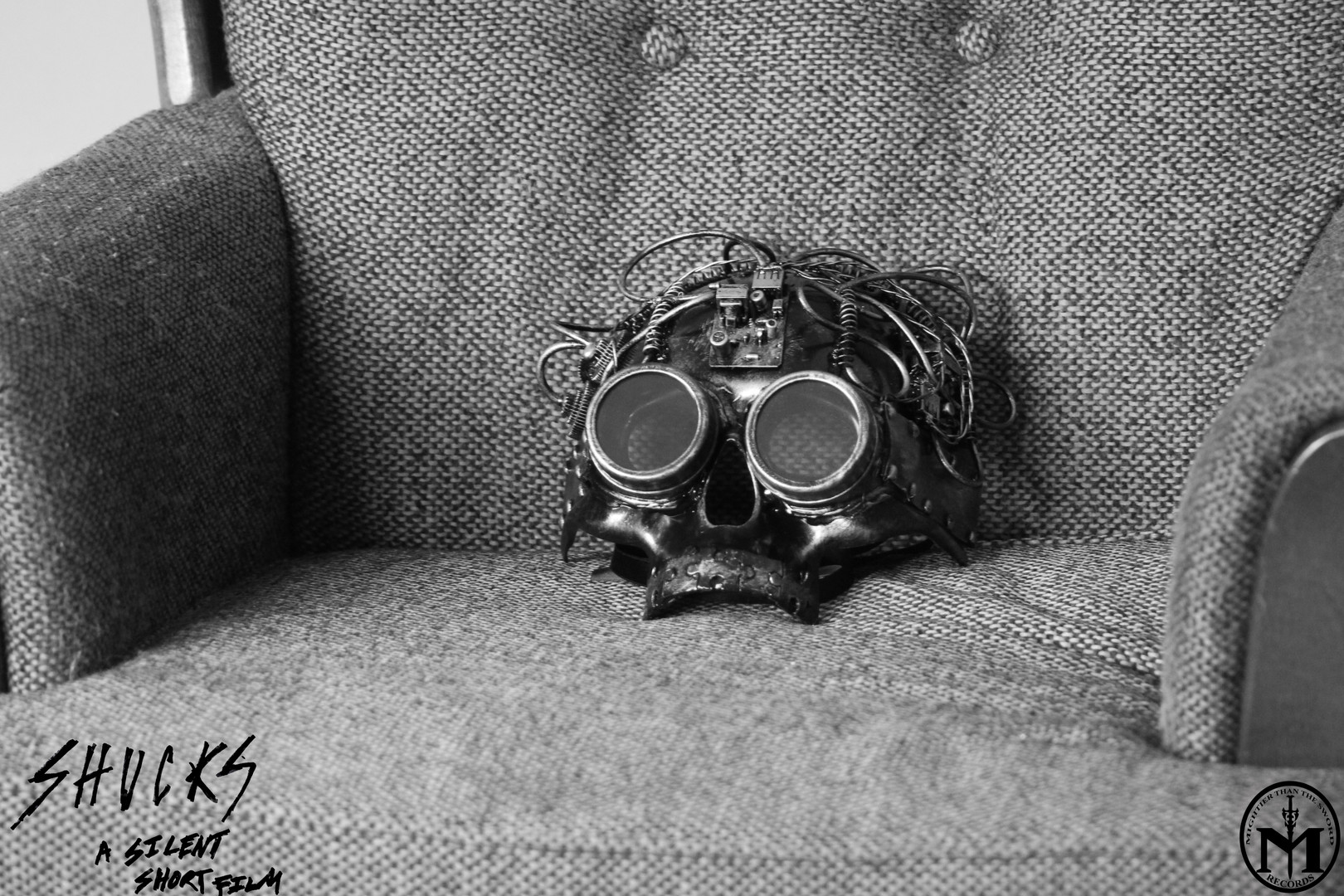
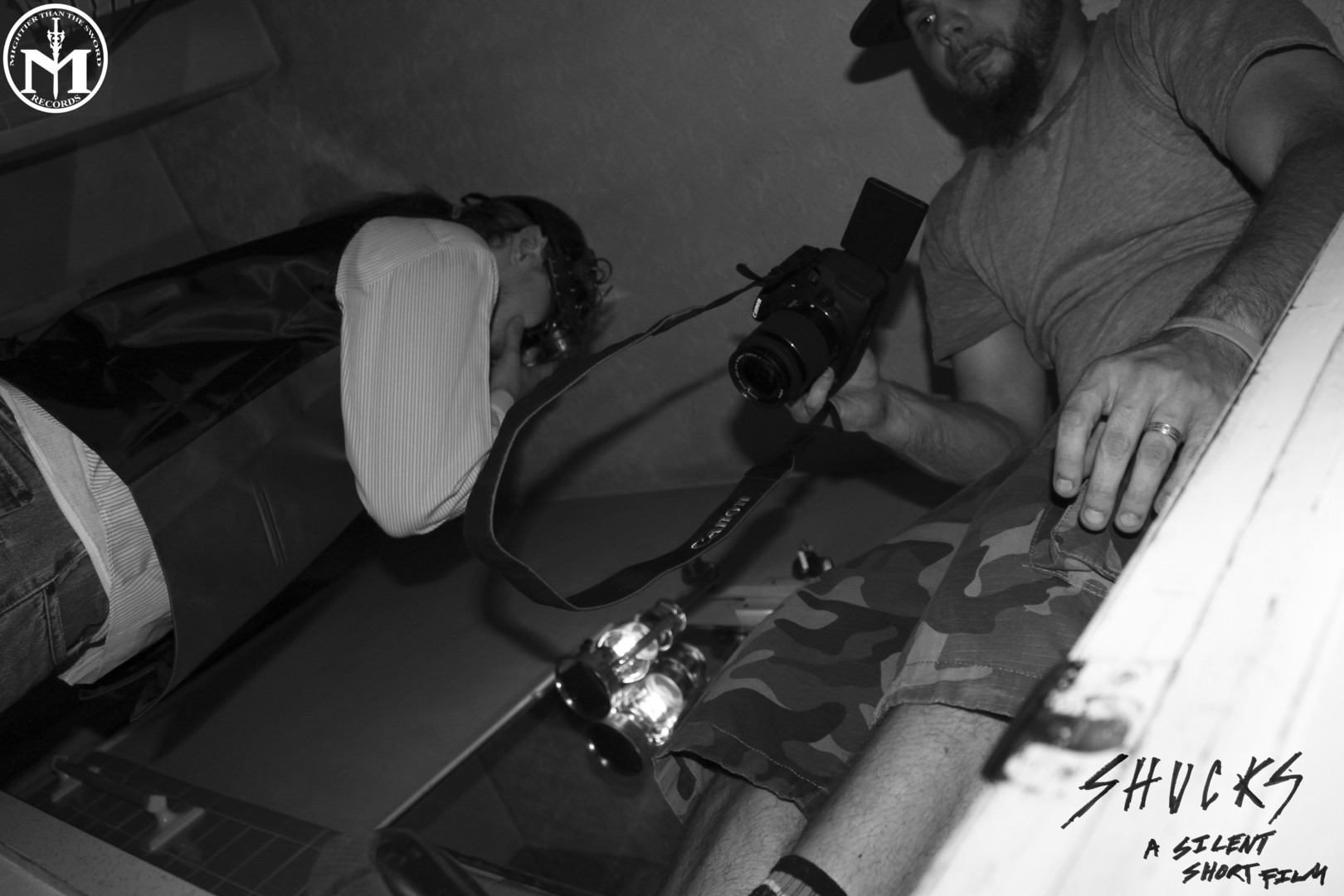
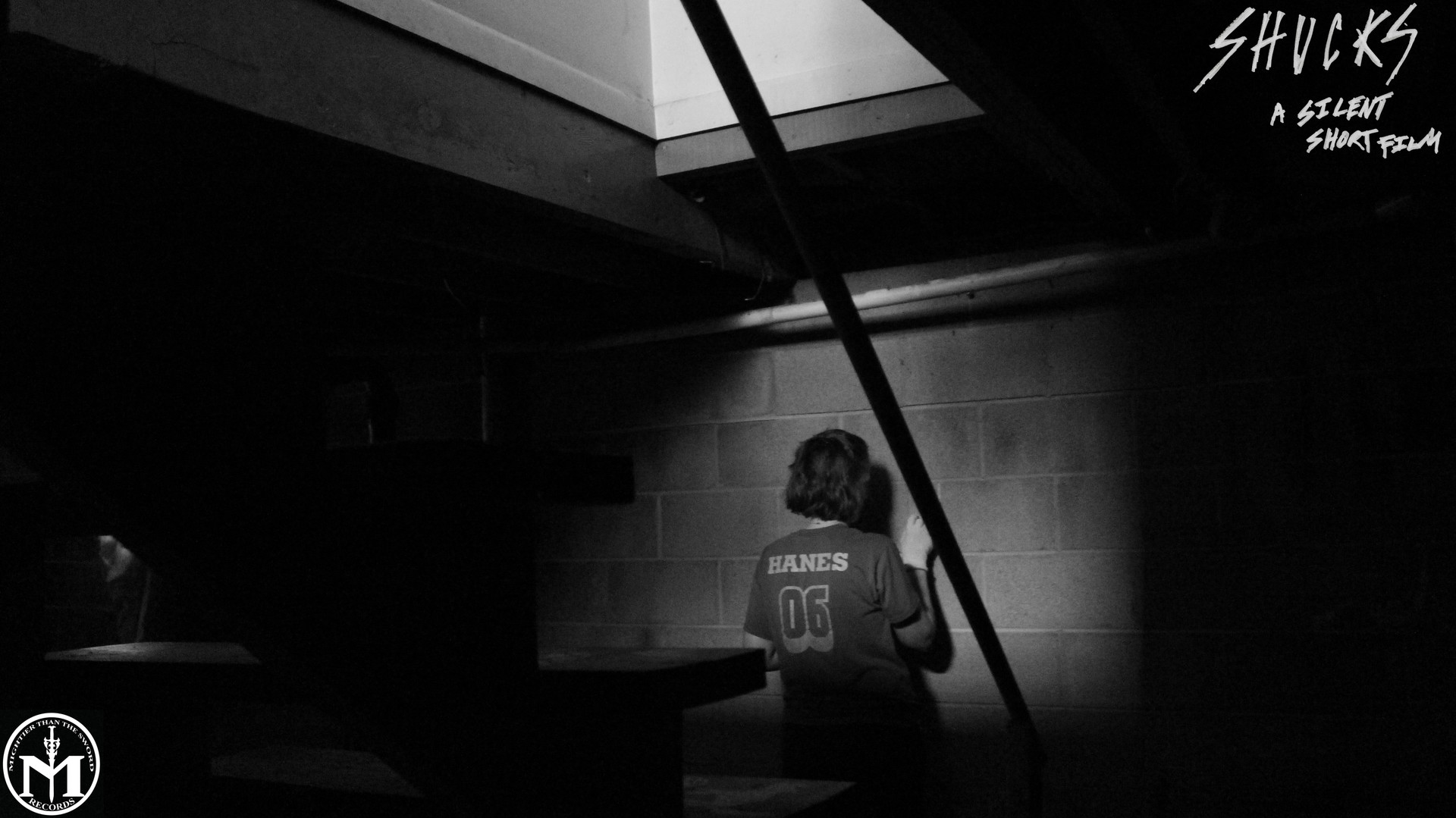
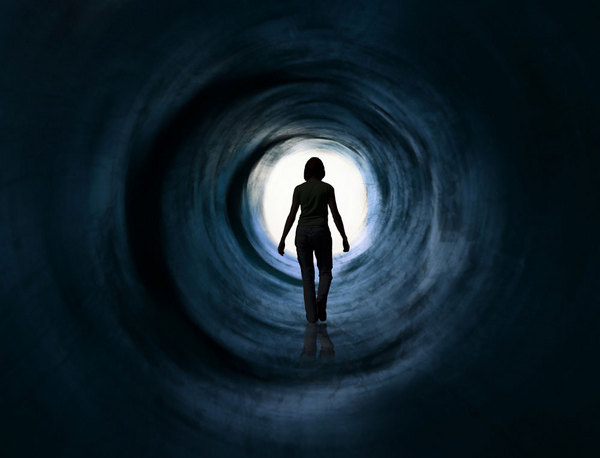
Shucks, 50min,. USA Directed by Ty Brueilly A slow burning and silent eerie tale about escaping followed by personal transformations, addiction, programed human nature and the primal urges of evolved creature comforts through a macabre metaphorical manufacturing process. Written, Directed and Scored by Ty Bru. Starring Austin Rich.
Shucks, 50min,. USA Directed by Ty Brueilly A slow burning and silent eerie tale about escaping followed by personal transformations, addiction, programed human nature and the primal urges of evolved creature comforts through a macabre metaphorical manufacturing process. Written, Directed and Scored by Ty Bru. Starring Austin Rich.
What fun it was to sit down with the extraordinarily talented artist Chris Paluszek. In many ways his career is just getting started as he’ll be helping create all of the upcoming LEGO Movies in the next few years.
Enjoy!
Matthew Toffolo: What job has been your most valuable experience so far?
Chris Paluszek: I think the first film I ever worked on, “The LEGO Movie.” The crew was relatively small and I had a lot of opportunity to work with really smart, talented people who were very patient and answered a lot of questions I had about storyboarding, storytelling, and the film industry.
MT: How is the LEGO MOVIE experience? It seems to be a franchise in the making and you’re on board for the creative experience.
CP: The first LEGO film was a bit of an outlier. The franchise hadn’t been established, so there weren’t many boundaries on what we could or couldn’t do. So, we had a ton of fun trying lots of crazy ideas that you just don’t usually have the freedom to try on other films. Definitely a highlight of my career.
MT: Is there a type of film that you haven’t worked on yet that you would love to work on?
CP: I would love to work on a short film, like the Pixar shorts that precede an animated feature. Small, self-contained narratives like that are great opportunities for artists to push themselves and experiment.
MT: What is the typical job storyboarding animation movies?
CP: It can depend, but usually there’s a working script that is constantly evolving in conversations between the writer and the director, and a story artist “boards out” a scene from the latest draft. The story artist draws whatever the scene calls for, whether it’s a high speed car chase, or two characters talking in a coffee shop. Whatever case, it’s up to the storyboard artist to depict the action and decide on what shot language best tells the story.
MT: What’s the general working relationship and process between a storyboard artist and the director?
CP: The director has a vision for their movie, and as a story artist you’re there to support that vision. When you’re given an assignment you meet with the director, who lays out how they imagine the scene. You ask lots of questions and at the end of the meeting you should hopefully have a clear idea of what the director wants to see. Within that framework, you can bring some of yourself into the scene, whether it’s acting choices, or maybe a really cool composition that frames the action, or even a small comedic beat (if it suits the tone of the scene).
MT: What film, besides the ones you’ve working on, have you watched the most times in your life?
CP: I’m always awed by Hayao Miyazaki’s “Kiki’s Delivery Service.” It’s fantastical, yet down to earth. It’s lighthearted and also deeply emotional. Everytime I watch it I see something new.
MT: Do you have a storyboard mentor?
CP: My first story position was an internship on a TV show, and the Story Lead for that crew really helped me out. He was patient and helped me with the basics, like maintaining shot continuity as you “cut” (draw a new shot) around the action.
MT: Where do you see the future of storyboards in the motion pictures?
CP: Most story jobs are within a tight crew of artists that work intimately with the director, so they can nimbly address major story changes in time for deadlines. However, some studios have made whole films by sending work out to freelancers, working from home. While I can’t say I love my commute, working alongside incredible talent has been the chief way I’ve improved as an artist and storyteller.
MT: Where did you grow up? How did you get into working in the film industry?
CP: I grew up in Virginia, and always loved art as a way of telling stories. I went to school for animation, and moved out to Los Angeles thinking I could be an animator. Unfortunately my animation skills weren’t very good! But I was lucky to bump into someone at the right time, who took a chance and offered me a production internship at a small TV animation studio. While there I crossed paths with the Storyboard department, who were looking for extra help. I was able to become a full-time Story intern, which eventually led to an official job as a Story Artist! It was a strange path, threaded with a lot of luck and kindness.
A biography is a written account of a person’s life that tells the story of their experiences, accomplishments, and challenges. The word “biography” comes from the medieval Greek words bios, meaning “life”, and graphia, meaning “writing”.
3 options to submit: 1st chapter. full novel. performance reading.
This festival has a guaranteed 4-tier set up for each accepted script. (No matter what, all screenplays submitted receive FULL FEEDBACK on their work.) 1) Full Feedback on your script 2) Actors performance video reading of your script 3) Blog interview promotion. 4) Podcast interview on the Film Festival ITunes show
Submit your DEATH short story to the festival and we will automatically have it performed by a professional actor and turned into a promotional video for yourself.
A death story is a narrative that describes how a loved one died, and may also include other parts of their life story. Death stories can be a way to uncover significant life events and are part of a person’s larger life story.
THE INTERNET OF EVERYTHING, 8min,. Canada Directed by Yusuf Begg In a world where every click, swipe, and search is harvested, Bill, a paranoid middle-aged man, becomes increasingly alarmed by the intrusive reach of technology. As devices seem to predict his every move, Bill’s paranoia grows, and he devises a plan to disconnect from the digital grid entirely.
I,doll, 16min., South Korea Directed by Dasol Jeon A woman prepares to go to the place she dreamed of. However, it actually feels scary unlike the place her imagined. How will she change with the changes in her life.
Steel Mother, 16min., Australia Directed by Nik Kacevski In a gritty underworld, Olivia transforms from a vulnerable stripper into an invincible force of maternal fury, dismantling the corrosive empire that once entrapped her to secure a better future for her unborn child.
Bottom-Feeder, 14min., USA Directed by Brandon D. Hill A reformed criminal must confront the demons of his past to save his estranged daughter from old sins and prove his innocence.
Project 405: Lost at Sea, 12min,. USA Directed by Josie Hull Aspiring artist Alexia, grieves the loss of a loved one and struggles to finish her painting. The-o, her personal AI assistant, who has little understanding of human emotions, tries everything in his power to feed her longing soul.
A woman prepares to go to the place she dreamed of. However, it actually feels scary unlike the place her imagined. How will she change with the changes in her life.
A special effects coordinator is an individual who works on a television or film set creating special effects. The supervisor generally is the department head who defers to the film’s director and/or producers, and who is in charge of the entire special effects team. Special effects include anything that is manual or mechanically manipulated (also called “practical effects” or in camera effects). This may include the use of mechanized props, special effects makeup, props, scenery, scale models, pyrotechnics and atmospheric effects: creating physical wind, rain, fog, snow, clouds etc.
Interview with Donnie Dean:
Matthew: Explain the process of being a Special Effects Foreman and Coordinator. What is your job description?
Donnie: To become a Special Effects foreman a person must demonstrate a certain level of competence and management experience. This is gained through years of learning the trade and being mentored by people who have been in the industry for some time, some of them for several decades. When you start in the business, you must earn the respect and trust of these professionals. Once you have that they will generally teach you anything you are willing to put in the effort to learn. Its all about attitude and persistence.
My current job description is Operations Coordinator for Spectrum FX. I’m responsible for the day to day operations for whatever films or television shows we are working on. Usually I’ll take on different roles depending on what the projects require, from “consulting” with the SPFX Coordinator who is running the project to acting as SPFX Coordinator or Foreman personally. The job requires knowledge of budgets, schedules, and most importantly how the Effects on the show are to be done and when. About eighty percent of the time I copy Matt Kutcher (FX Supervisor) on emails and/or photos and videos of the planned Effects for his input or approval. He has almost 3 decades of experience so his input is extremely valuable.
Matthew: You were the Special Effects Coordinator on the landmark TV series “True Detective”. How was your set experience? During the production did you and the crew know you were doing something special?
Donnie: True Detective brings back memories of sweating buckets in the sauna that is New Orleans in the summer. Carey Fukunaga is very specific about what he wants to see, which helps in planning the Effects on a show. This was the first show in which we filmed the whole season as if it were one huge feature, so keeping up with the schedule was a bit of a challenge. Matthew McConaughey and Woody Harrelson are both really strong actors, watching them perform in person was really amazing.
I would say it’s very difficult to judge how “special” a film is when you’re actually creating it. They all feel special in various ways sometimes only because you work so closely with so many really great people, and it can be sad to see all the heart that goes into a film like “Beautiful Creatures” or “Abraham Lincoln Vampire Hunter” and then it doesn’t really see success in theaters.
PHOTO: Matthew McConaughey in True Detective Season 1:
Matthew: You’ve worked on over 50 productions in the last 8 years alone. That’s amazing. Do you have a favorite experience?
Donnie: The final episode of American Horror Story: Coven was one of my favorites. We had to perform virtually every effect from the entire season in one night of shooting. The biggest moment for us was the tracking shot of Emma Roberts in the bathtub when the camera comes in and you see the fireplace light, then the bubbles fill the tub, and with a wave of her hand the candles on the floor light spontaneously. There was no VFX required in that shot, although it took 3 takes to get the timing right. Between the time it takes to ignite a fireplace and the bubbles filling a tub alone its a very difficult thing to provide cues. The call goes to the technicians ear (because he can’t see the set) then there is a delay to his hand moving the valves, and then the time for the propane to travel to the ignition source. There is a similar process for every mechanical effect. The whole crew cheered on the last one, they had seen the process as we developed these effects over the 6 months we filmed, on that last day it took literally 8 technicians on set to accomplish everything. Making a candle light on its own is an “impossible” practical effect to achieve all by itself, if its ever been done we don’t know of the instance but we did it over and over throughout the season. It was just a perfect end to that show.
PHOTO: American Horror Story: Coven. Emma Roberts bathtub scene:
Matthew: What job have you performed on set that you’re most proud of? Your crowning achievement to date?
Donnie: The job I’m most proud of is without a doubt the Emmy Award for American Horror Story: Freak Show. We spent a lot of time on so many details that showed up but are not so obviously Practical Effects. From the tents moving a little because they are supposed to be outside instead of inside a stage to spending days on the display tanks for the “freaks” to be in for the museum, it’s the little things things no one really recognizes as Practical Effects that help a set come to life.
I can’t really say it is “my” achievement however, as much as it was an achievement for everyone who has ever trained me or worked with me from day one. More than anyone, I think it reflects on Matt who has mentored me personally for the last seven years, being available every single day 24/7 on both a personal and professional level.
Matthew: You have also done some Stunt Driving too. How does one become a stunt driver?
Donnie: To become a real stunt driver requires time, training, and experience. I’ve worked with quite a few and am far from being a “professional stunt driver” by definition. I managed to get into it on True Detectives because we constructed a driving module on top of the car. As the actors were inside performing the car was driven from outside the vehicle, we constructed the “driving pod” and I was familiar with its operation so it was an easy step into driving the car.
Matthew: What do the Special Effects team look for in their director?
Donnie: The more details a director provides, the better. I think the same is true with all departments. For us the more interactive and approachable the director is, the easier it is to achieve the desired effect. As a matter of process we do demonstrations of the more specific effects to be used in a show and rely on the director’s feedback to make changes.
Matthew: What film, besides the ones you’ve worked on, have you seen the most times in your life?
Donnie: It’s hard to name one specifically, I’ve watched The Fifth Element so many times I know each frame, and the same with Tombstone. It would have to be a tie between those two.
Matthew: What suggestions would you have for people in high school and university who would like to get into the industry in special effects?
Donnie: The first thing is to find a mentor or a group to work with, you go in humble and you just do what is asked. Nobody really cares how cool you are or what you “know how to do”. You do what is asked and you do it to the very best of your ability every time.
It’s the same as for any industry. You have to really enjoy what you do, so much so that you don’t care about the money. You really have to give yourself over to it just like a Doctor in Medical School, it has to become the most important thing for a while. You don’t know what day that moment will come when you get the call and everything has to go on hold because it’s your opportunity. We work 12-14 hour days 5-6 days per week, you won’t even know what day of the week it is, much less if its a birthday or anniversary, and NO ONE understands why from your “real life”. You can’t RSVP to anything…well you can but you might have to cancel. There are a LOT of people who think they want to work in film in general, but its not for everyone.
If it is for you, then you show up every day, and show up on days you’re not getting paid, somewhere, anywhere there is a person who can teach you. You do jobs to demonstrate what you can do, if you are asked to sweep you smile and sweep better than any person ever could. If you’re asked to dig a hole its the neatest hold ever dug with the dirt that came out of it is on a tarp all nice and neat. You always say yes with a smile even if its fake. Once that door is open you never walk back out of it unless you’re sure you don’t care if you’re there or not. Because right outside is another guy like me that can’t wait to get in there and nail that door shut because he wants it worse than you, and if it takes 6 months of sweeping a shop or cleaning trailers for free, and doing other side jobs just to survive and be present, then that’s what he’ll do. The money and success will come if the passion and persistence are there.
One of my favorite quotes is from Will Smith to the point of “other people may have more talent and skill than you, but there is no excuse for anyone to outwork you.”