Writing PLOT for your Story and Screenplay

PLOT WRITING
FILMMAKING NOTES

How to Write a Screenplay? PART 3 – PLOT Screenwriting

For most writers, PLOT is the most interesting part of screenplay writing, and why they begin to write to write the script in the first place. They have a good idea for a story, and they want to write it.

PLOT Screenwriting is a mixture of two things:
1) What happens to the characters
2) What they do because of WHO they are

Most PLOTS wouldn’t happen if it wasn’t for the CHARACTERS. A CHARACTER(s) should drive the story, and vice versa.

You always know you’re watching a BAD FILM when any human being can insert themselves into the film. The UNIQUE character has to drive the PLOT.

The last thing you want is for you, the writer, to be a character in the plot.

“The stuff that I got in trouble for, the casting for The Godfather or the beginning scene I wrote in Patton, was the stuff that was remembered.”
-Francis Ford Coppola Writer/Director (Godfather Trilogy, Apocalypse Now)

LET’S TALK ABOUT THE BASICS

Every story has a BEGINNING, MIDDLE and END, and every story has to come from a certain point of view. It can come from the point of view of a character (or characters from scene to scene) OR it can come from the audience’s point of view. WE the audience are looking into the story and seeing what is happening.

Think about reading a NOVEL. Either it’s written in the first person, where the character is telling the story, OR it’s in third person, where the actions are telling the story. The same goes for a script.

KNOW WHAT’S AT STAKE IN THE MOVIE – WHAT IS THE CONFLICT?

1) SURVIVAL – Many good films are about survival – human instinct – do-or-die situations. If you’re into Hollywood scripts and stories, think about the top-grossing films of all time. 99 out 100 are stories with characters in DO-or-DIE situations.

2) SAFETY AND SECURITY – Need to find a secure/protected setting once again.
3) LOVE AND BELONGING – Someone longing for connection – wanting to feel LOVED.
4) ESTEEM AND SELF-RESPECT – Wanting to be looked up to, and be recognized for their skills.
5) THE NEED TO KNOW AND UNDERSTAND – Curiousity, and understanding how things happen and what they have to go through to get answers.
6) THE AESTHETIC – Trying to be connected with something greater than themselves – a higher power.
7) SELF-ACTUALIZATION – The characters need to express themselves – to communicate who they are. The audience roots for someone to succeed. A lot of comedies have this plot.
RAISING THE STAKES WHILE THE CHARACTER GOES AFTER THE GOAL: PRESSURE AND ROADBLOCKS

Advertisement

SCENE DESIGN

SCENES are unified around DESIRE, ACTION, CONFLICT and CHANGE

Each scene has to be a minor, moderate, or major turning point

The effects of TURNING POINTS are fourfold:
SURPRISE
INCREASED CURIOUSITY
INSIGHT
NEW DIRECTION

You need to lead the audience into EXPECTATION, make them think they understand, then CRACK and open a SURPRISE

SURPRISE and CURIOUSITY always bring the audience into the story

Give the audience the pleasure of discovering life, pains and joys at a level – and in directions – they have never imagined

SETUPS/PAYOFFS-Setup is layering-in knowledge-Payoff is closing the gap and delivering the knowledge to the audience

THREE POINTS YOU NEED FOR THE AUDIENCE TO FOLLOW YOUR STORY
1) Empathy with the characters. We don’t need to like them, but understand them and feel for them.
2) We must know what the character wants and let the character have it.
3) We must understand the values at stake in the character’s life.

The more often the audience experiences something, the less effect it has.

EMOTION peaks and valleys rapidly in a great story. It’s the catalyst for the PACE of the story.

THE LAW OF CONFLICT – Nothing moves forward in a story except through conflict.

As long as conflict engages our thoughts and emotions, we travel through the hours unaware of the VOYAGE that is leading us.

Make sure to check out WILDsound’s Screenplay Festival where you can submit your script and get it read in front of hundreds of industry people.

“Usually when you have a block, it’s because you’ve lost the motor of the story.”
– Amy Holden Jones, Screenwriter (Indecent Proposal, Mystic Pizza)

“The singular image is what haunts us and becomes art.”
-Julia Cameron, Author (The Artist Way)

REMEMBER, THE SCENE IS NEVER WHAT THE SCENE IS ABOUT
1) Define Conflict
-Who drives the scene, motivates it and makes it happen?
-Look at the character; what does she/he want?
Then ask:
-What blocks that which they want?
-What do the forces of the Antagonist want?
2) Break the scenes into BEATS
-A beat is an exchange of action/reaction in character behavior

3) Survey BEATS and locate the Turning Point
-Find the ARC in each character’s transaction
4) Note what begins the scene and what ends the scene
-The great industry cliche is to LEAVE THE SCENE EARLY and ENTER THE SCENE LATE

RHYTHM AND TEMPO – Set by the length of scenes. How long are we in the same time and place? Two or three minutes average for a scene (but come on – it’s not always that easy).

UNITY AND VARIETY – Because something happens in the beginning, something has to happen in the end.

PACING – Rhythm, serenity, harmony, peace, revelation. But we desire change – challenge, tension, danger, FEAR – never repetition.

JUST LET THE STORY BEGIN IMMEDIATELY, THEN LET THE CHARACTERS BRING NEW PEOPLE ON BOARD.

TRUST YOUR CHARACTERS TO TELL YOU HOW THE PLOT CAN EVOLVE IN THE RIGHT DIRECTION. THERE’S ALWAYS SOMEONE IN YOUR STORY WHO CAN BE INTRODUCED TO SEND THE ACTION TOWARD THE CLIMAX.

One of the greatest aids when writing a screenplay is to BELIEVE in the story – believe you are discovering it, instead of creating it. If you believe it already exists somewhere in your head in its entirety, there is no problem you can’t solve with a little detective work.
Today’s Podcast: EP. 1494: Filmmaker J.A. DellaRipa (ANOTHER SATURDAY)

Another Saturday, 14min., USA
Directed by J.A. DellaRipa
A young teenager decides to enjoy a day of fun with her crush only to return home to find her worst fears realized.

Get to know the filmmaker:

What motivated you to make this film?
The increase of mental health struggles especially in young children motivated me to make a film that shows that they are not alone if they have someone in their life struggling with mental health issues. Then the slowing of the industry during the 2023 strike allowed me to use the time to get the cast and crew together to make this film.

From the idea to the finished product, how long did it take for you to make this film?
I first wrote about this subject in a short story roughly 20 years ago. Over Covid, I turned it into a short script. The script was then nominated at the 2022 City of Angeles Film Festival. A year later with adjustments, we shot in December 2023.

How would you describe your film in two words!?
Innocence Lost

What was the biggest obstacle you faced in completing this film?
The biggest obstacle was coordinating schedules of the cast and crew in pre and post production. Originally, we scheduled to shoot in October, but due to changes in cast and crew, we had to push the shoot to December.

What were your initial reactions when watching the audience talking about your film in the feedback video?
I felt very proud because the audience’s comments and reactions showed me that the film’s message and vision were understood. I was overwhelmed with joy to hear their compliments about the actors’ deep and authentic performances, the beautiful score, the creative editing, and the quality of the cinematography.

Subscribe to the podcast:

https://www.instagram.com/wildsoundpod/

https://www.facebook.com/wildsoundpod

Today’s Writing Deadlines: May 15, 2025

Submit to these exciting festivals today. Festivals that offer feedback from the industry, plus performance videos.

HORROR Short Story Festival (everyone wins):

Submit your Horror Short Story to the Festival, and we will automatically have it performed by a professional actor and turned into a promotional video for yourself.


DYSTOPIAN Novel Festival:

Get FULL FEEDBACK on either the 1st chapter or entire novel book from our committee of Professional Writers, and Writing Consultants. Get your novel performed by a professional actor at the festival.

NEW OPTION: Or, just submit for an actor performance reading transcript of your novel (any 5 pages of your book). Great way to promote the sales of your book if you’re already published. (see examples on the video playlist below)


ROMANCE/RELATIONSHIP Screenplay Festival:

Deadline: Romance Screenplay Festival

This festival has a guaranteed 4-tier set up for each accepted script. (No matter what, all screenplays submitted receive FULL FEEDBACK on their work.)
1) Full Feedback on your script
2) Actors performance video reading of your script
3) Blog interview promotion.
4) Podcast interview on the Film Festival ITunes show.


THRILLER/SUSPENSE Film & Screenplay Festival:


New Film on the Platform: TRACES OF MEMORY, 14min,. USA, Drama

Watch the film: https://www.wildsound.ca/videos/watch-traces-of-memory

TRACES OF MEMORY, 14min,. USA

Directed by Jody Jaress

Stars

A woman’s mind fractured, and what happens when she no longer can differentiate between her reality … and the truth.

http://www.tracesofmemorythefilm.com/

https://www.facebook.com/tracesofmemorythefilm/

https://www.wildsound.ca/videos/traces-of-memory-review

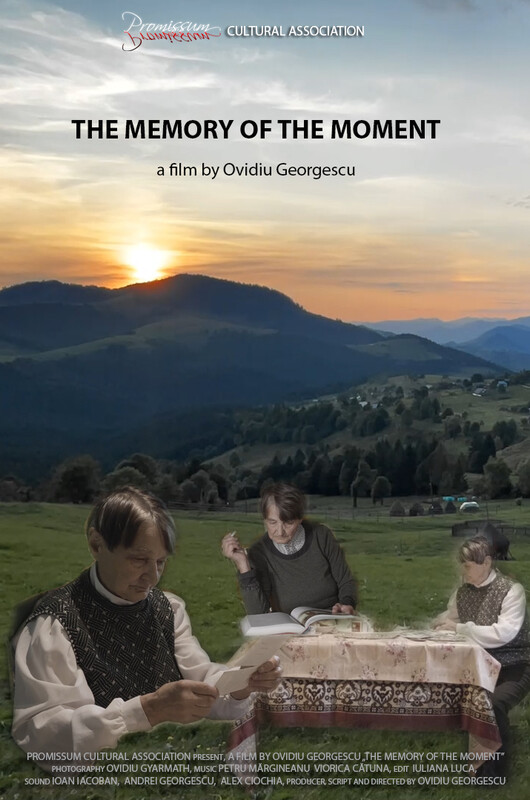
New Film on the Platform: THE MEMORY OF THE MOMENT, 60min., Documentary, Romania

Watch the film: https://www.wildsound.ca/videos/the-memory-of-the-moment

THE MEMORY OF THE MOMENT, 60min., Romania
Directed by Ovidiu Georgescu
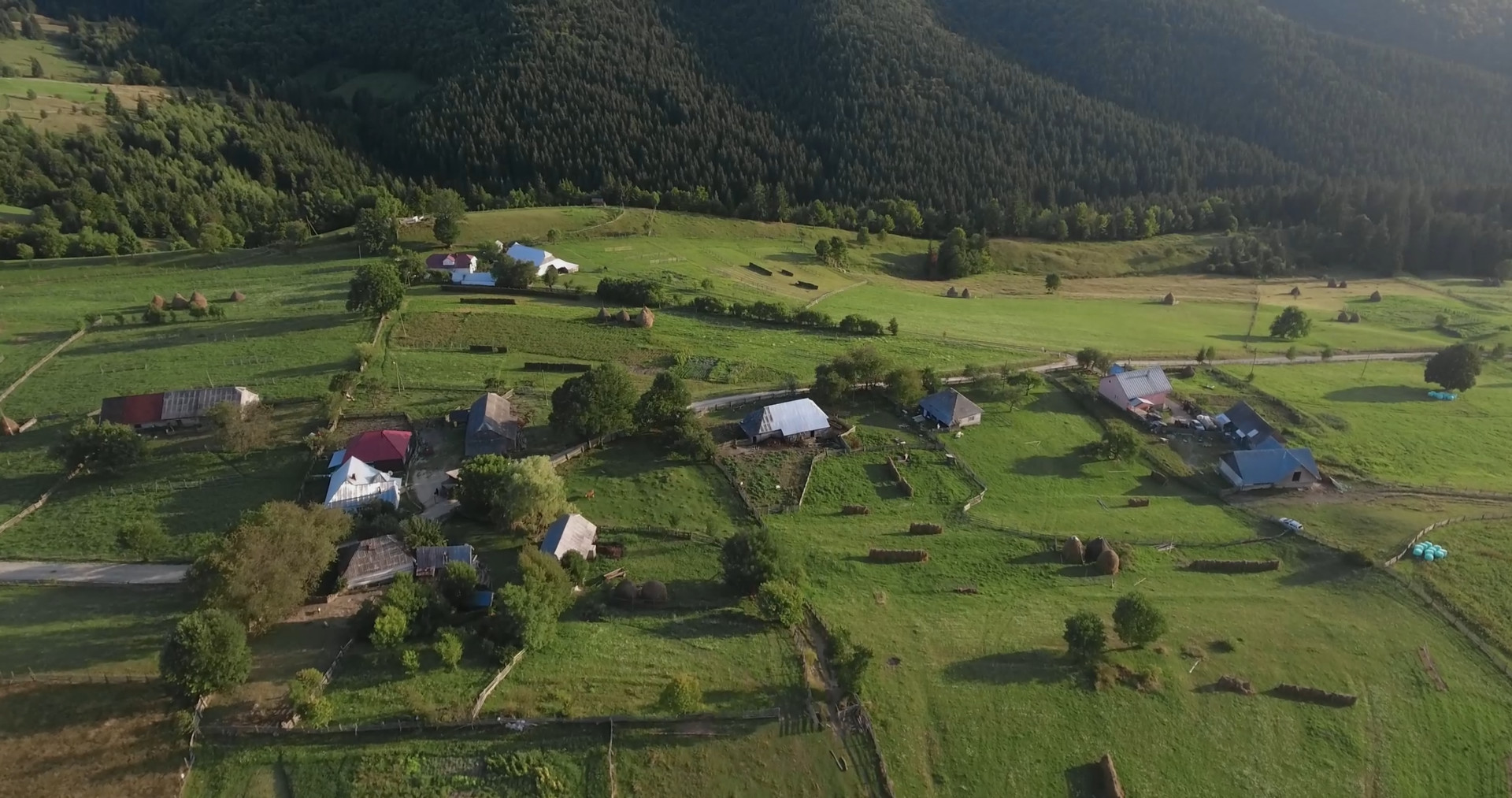
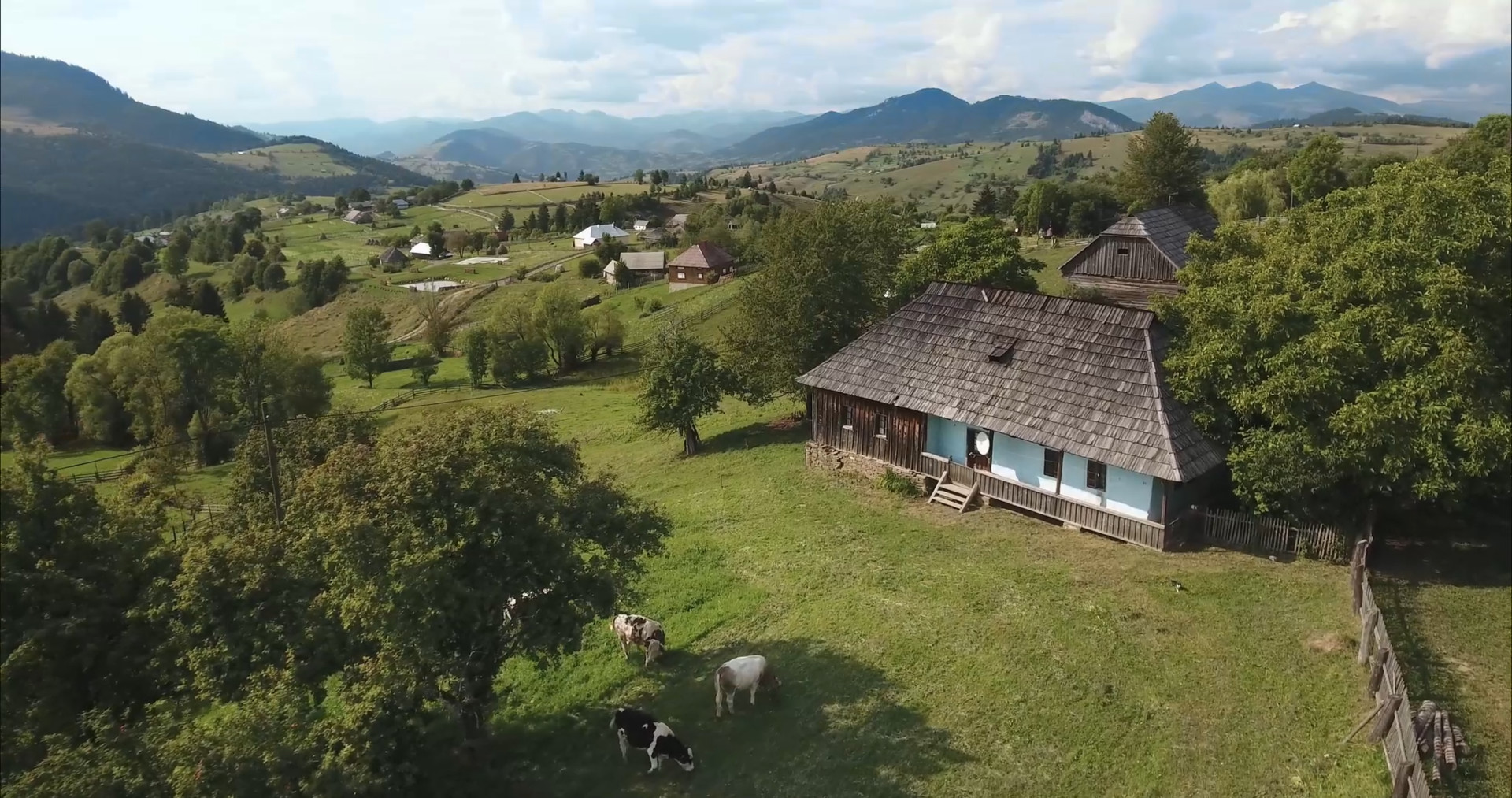
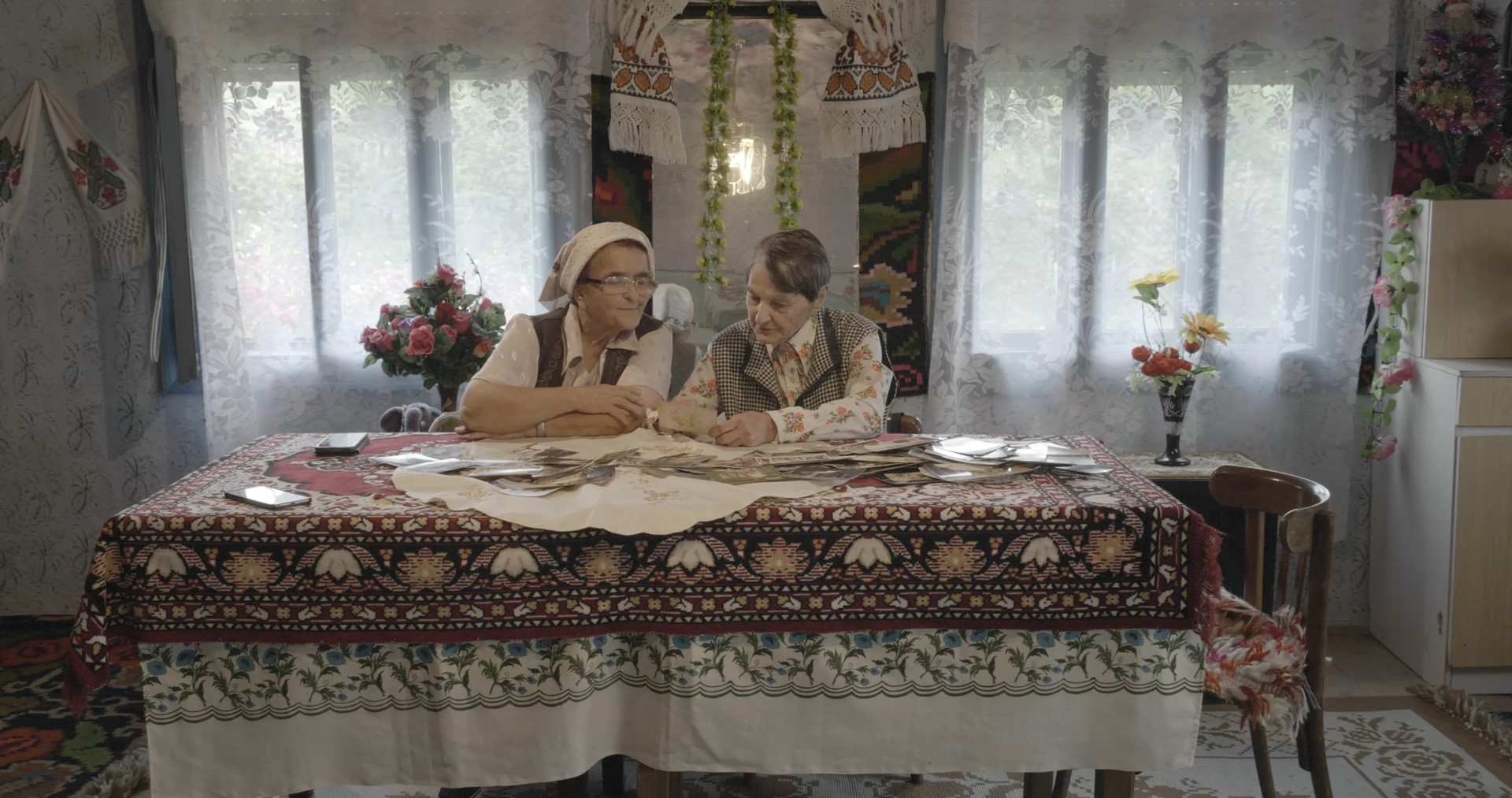
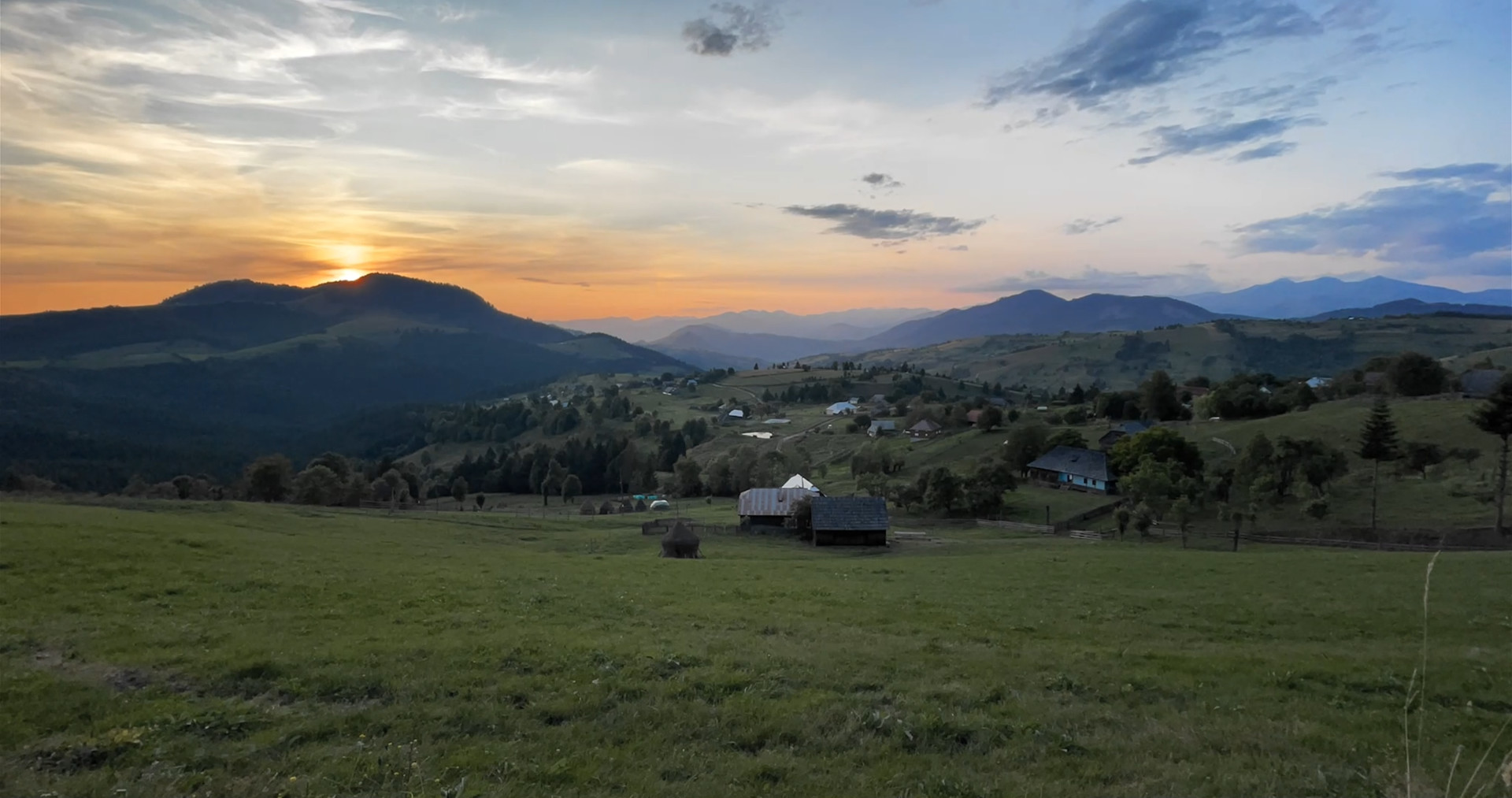
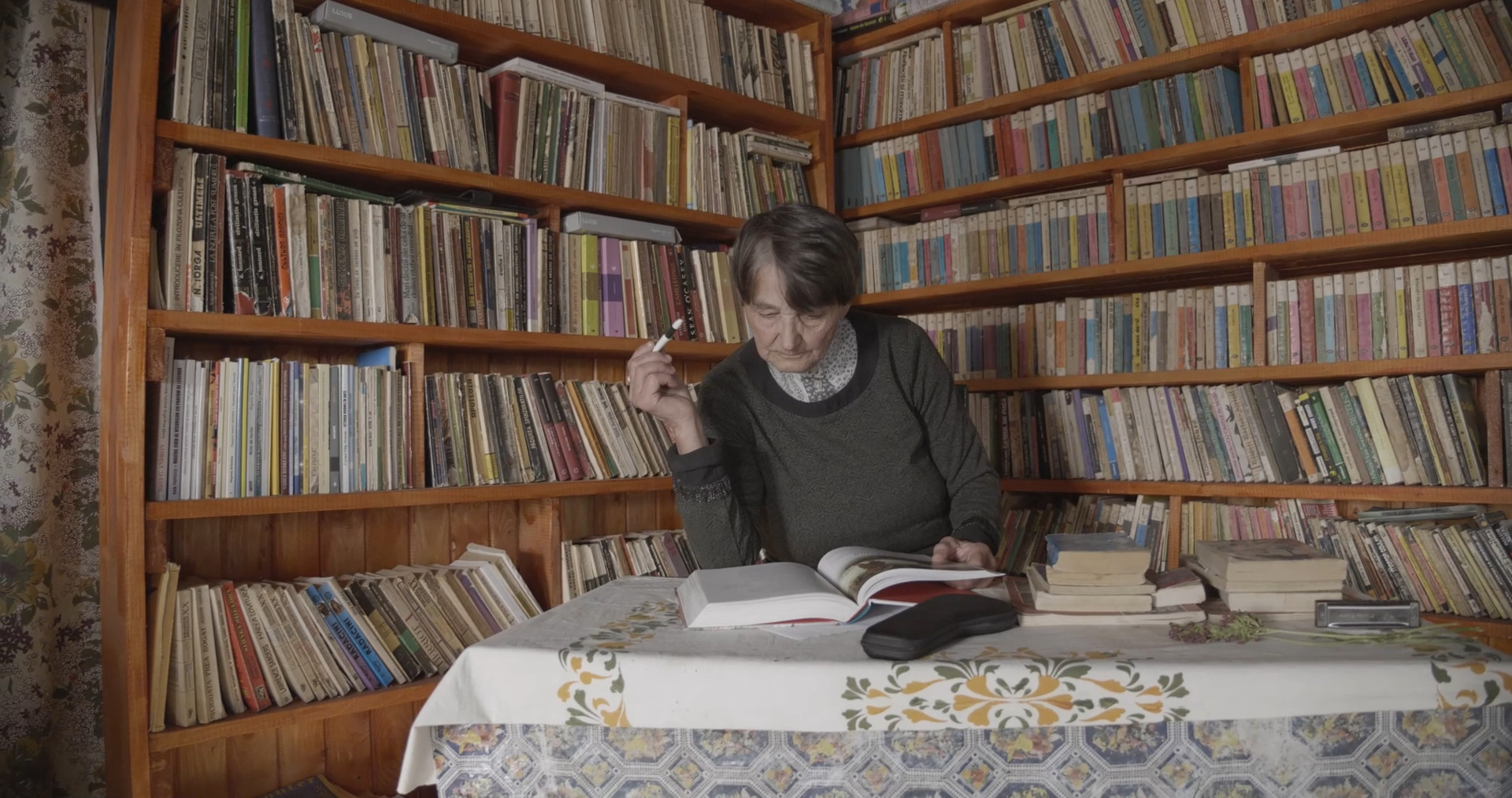
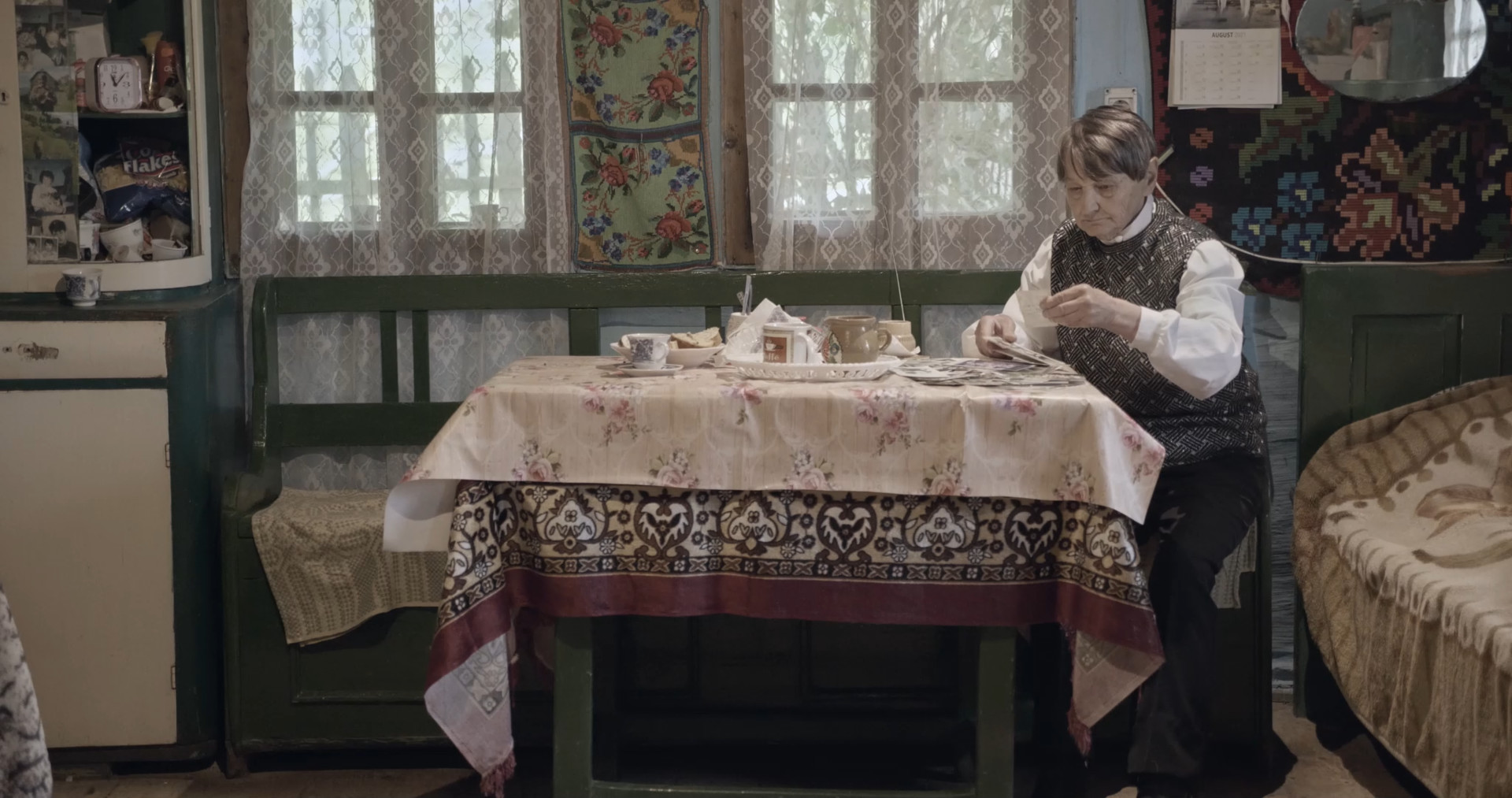
An 80 years old woman, former teacher, lives alone in an isolated village in Transilvania, located on a 1200m high mountain. She’s created an important space for books, music and poetry next to her assets and the animals that live in her homestead, built over 90 years ago by her family. At the end of this journey we’ll discover a world of the past, present and future – the world of Viorica C?tuna.

https://www.wildsound.ca/videos/the-memory-of-the-moment-review

Watch Today’s FREE Film Festival: FEMALE Filmmakers Shorts Fest

Event goes LIVE for FREE at 8pm EST (New York time) Wednesday May 14, 2025!

Watch on the site page: http://www.wildsound.ca/browse

Direct page link: https://www.wildsound.ca/events/female-filmmakers-shorts-fest

Or watch on the YouTube channel: https://www.youtube.com/wildsoundfest

BLOOD IS THICKER, 14min., USA
Directed by Melissa Skirboll
Two sisters living in the same city but completely different worlds reconnect over a meal. A mother suffering dementia pulls them back home but before they can return the trauma of their past must be addressed.

http://www.melissaskirboll.com/https://instagram.com/melhypnoschick/

https://www.wildsound.ca/videos/audience-feedback-blood-is-thicker-than-water


TALK TO ME LIKE THE RAIN, 15min. USA
Directed by Eloise Lola Gordon, Rose Trimboli
This is a story about the lies we tell in the name of love. In this adaptation of Tennesse Williams’ one-act “Talk to Me Like the Rain and Let Me Lie Here and Listen”, a couple grapples with opening up about their deepest desires while knowing that the truth of what they both want would hurt the other more than anything. This short film explores how people lie to themselves and each other in order to not feel the pain that the truth sometimes brings with it. In relationships, whether we minimize the gravity of a situation or deny ourselves the extent of our desires, it’s simpler to avoid honesty and stay in comfortable cycles than to face the unknown that comes with picking up and moving on.

https://www.wildsound.ca/videos/audience-feedback-talk-to-me

Grounded: Creating Space for Black Peace, 38min., USA
Directed by Brittney Brackett
Grounded: Creating Space for Black Peace is a tragically poignant documentary ​short exploring how Black and Brown communities navigate mental health challenges, trauma, and the journey toward healing​, that foster​s peace and wellness.

https://allmylinks.com/bdynamicproductions
https://www.instagram.com/bbactress85/

https://www.wildsound.ca/videos/audience-feedback-grounded

Today’s Podcast: EP.EP. 1493: Screenwriter Janna Jones (THE ART OF THE MATTER)

Watch the screenplay reading: https://www.youtube.com/watch?v=l_akiPTQU9g

Two strangers meet and sparks fly, but when he accidentally discovers forged paintings at her house, he leaves abruptly. That would be the end of their story except for the fact that he’s reported her to the FBI, and their children are marrying one another on Christmas day.

https://instagram.com/drjannajones

Get to know the writer:

What is your screenplay about?

It’s about two successful fifty-somethings who have had good lives but have avoided relationships because of the pain they experienced when they were younger. Because they are forced to spend time together, due to their children marrying one another, they eventually have to come to terms with the fact that they are flawed humans who care for one another.

What genres does your screenplay fall under?

The Art of the Matter is a romantic comedy and a holiday adventure.

Why should this screenplay be made into a movie?

Because it is an original take on the holiday movie, blending a Christmas romance with road trip adventure with heartfelt family drama.

How would you describe this script in two words?

Unconventionally conventional

How long have you been working on this screenplay?

I’ve been working on it for almost a year. I did a zoom script reading with you some months ago, and the feedback I got from the actors inspired me. It seemed to mean a lot of them, but listening to it, it was clear I still had work to do on it, and you mentioned a few things that made me think I still had a bunch to think about and rework. I’ve revised it multiple times since the reading. It may be getting close considering that the script won at this festival.
Subscribe to the podcast:

https://www.instagram.com/wildsoundpod/

https://www.facebook.com/wildsoundpod

MOVIE TRAILER: Grounded: Creating Space for Black Peace, 38min. Documentary

The film goes LIVE for FREE at 8pm EST (New York time): Wednesday, May 14, 2025!

Part of the best of LGBTQ+ Shorts Film Festival lineup.

Watch on the site page: http://www.wildsound.ca/browse

—-

Grounded: Creating Space for Black Peace, 38min., USA
Directed by Brittney Brackett
Grounded: Creating Space for Black Peace is a tragically poignant documentary ​short exploring how Black and Brown communities navigate mental health challenges, trauma, and the journey toward healing​, that foster​s peace and wellness.

https://allmylinks.com/bdynamicproductions
https://www.instagram.com/bbactress85/

https://www.wildsound.ca/videos/audience-feedback-grounded

The art of Cinematography

FILM PHOTOGRAPHY
FILMMAKING NOTES

Cinematography is the art of manipulating light and shadow, and capturing it as a moving image. We’ll be posting articles and insights – maybe a bit of inspiration too! Whether you’re a pro or have hardly picked up a camera except to point and shoot at a birthday party, we hope you’ll find some useful information below.

CINEMATOGRAPHY – SHOTS AND CAMERA ANGLES

QUESTIONS TO ASK:
-What is the best viewpoint for filming this position of the event?
-How much area should be included in this shot?

SCENE defines the place or setting where the action is laid
SHOT defines a continuous view filmed by one camera without interruption
SEQUENCE A series of scenes or shots complete in itself.

TYPES OF CAMERA ANGLES
OBJECTIVE The audience point of view
SUBJECTIVE The camera acts as the viewers eyes-movement
POINT OF VIEW What the character is seeing

CAMERA ANGLES Are the most important factor in producing illusion of scenic depth. Which angle the object is photographed.

FIVE BASIC ANGLES

EYE LEVEL SHOTS Provide frames or reference. Audiences sees the event as if in the scene. Most scenes in movies are photographed from eye level. 5 to 6 feet off the ground. Capturing the clearest view of an object.-Treating your characters as equals. Discourages viewers at judging them and permits audience to make up their own minds.

BIRDS EYE VIEW Photographing a scene from DIRECTLY OVERHEAD. Hovers from above like all powerful gods. Idea of fate.

HIGH ANGLED SHOTS Camera is tilted downward. Movement is slowed down. A person seems harmless and insignificant photographed from above.-The higher the angle, the more it tends to imply fatality

-Heightens the importance of a subject. Scenes depicting heroism

OBLIQUE ANGLE Lateral tilt of the camera. As though the object is about to fall to one side. POINT OF VIEW SHOTS.
-Suggests tensions, transitions, impending movement
IMAGE THAT SLANTS TO THE RIGHT Acting forceful
IMAGE THAT SLANTS TO THE LEFT Weak, static
ASK YOURSELF
-How much should be included in this shot?
-Where should the camera be positioned to view this particular part of the action?

A shot should be held no longer than required to make its point.

Approach each sequence with a fresh attitude and strive to treat the action in an individual matter.

A definite change in camera angles will assure a smoother flow of images.

Cinematography

“And later I thought, I can’t think how anyone can become a director without learning the craft of cinematography.”
– Nicolas Roeg

SIX BASIC SHOTS

1) Extreme Long Shot Taken at a great distance. Almost always an exterior shot and shows much of the locale. Establishing shots usually
2) Long Shot The distance between the audience and the stage in the live theater
3) Full Shot Barely including the whole body
4) Medium Shot Knees to waste up. Useful for exposition scenes, carrying movement and for dialogue
5) Close-Up Concentrates on a relatively small object. HUMAN FACE
6) Extreme Close-Up Might just show eyes or mouth

CLOSEUPS
-Are among the most powerful storytelling devices available to the filmmaker
-Allows removal of tedious or repetitious action
-Can be used to provide a time lapse
-Bring that dramatic punch

FRAMES
-Area near the top of the frame can suggest ideas dealing with power, authority and aspiration
-Left and right edges of the frame can suggest insignificance

DOMINANT CONTRAST Area that immediately attracts our attention because of a conspicuous and compelling contrast

SUBSIDARY CONTRAST Structured image so that specific images are followed in sequence. Whatever character or object that is most dramatically important will assume dominance.

The HUMAN EYE scans pictures from left to right

HORIZONTAL LINES Move from left to right
VERTICAL LINES Move from top to bottom
DIAGONAL OR OBLIQUE LINES tend to sweep upward
TERRITORIAL SPACE movie images must tell a story in time. A story that involves human beings and their problems.THREE VISUAL PLACES MIDGROUND, FOREGROUND, BACKGROUND

SPACE is one of the principal mediums of communication in film

Dominant characters are almost always given more space to occupy than others are.

You can define, adjust and redefine human relationships by exploiting spatial conventions

ACTOR CAN BE PHOTOGRAPHED IN FIVE BASIC POSITIONS
1) Full Front Facing the camera
2) Quarter turn
3) PROFILE looking off frame, left to right
4) Three quarter turn
5) Back to Camera

FULL FRONT Most intimate, vulnerabilities exposed-Audience agrees to become their chosen confidante.

QUARTER TURN Involves a high degree of intimacy but with less emotional involvements

PROFILE More remote.
-Character lost in their own thoughts.

THREE QUARTER TURN More anonymous. Rejecting audiences

BACK TO CAMERA Characters alienation from the world. Sense of concealment, mystery.

TIGHTLY FRAMED SHOTS Confined

LOOSLY FRAMED SHOTS Freedom

PROXEMIC PATTERNS Climax, noise level and the degree of light all tend to alter the space between individuals

1) INTIMATE Eighteen inches away. Distance of LOVE, COMFORT, TENDERNESS between individuals

2) PERSONAL Eighteen inches to about four feet away. Reserved for friends and acquaintances

3) SOCIAL Four feet to about twelve feet away. Business and casual social gatherings

4) PUBLIC – Twelve to about twenty feet away.

ANALYSIS OF ANY GIVEN SHOT – TWELVE ELEMENTS

1) SHOT AND CAMERA PROXEMICS
-What type of shot is it? How far away from the action is the camera?

2) ANGLE
-Are we looking up or down on the subject, or is the camera neutral?

3) LENS and/or FILTER
-How do these distort or comment on the photographed materials?
4) LIGHTING STYLE
-High or low key lighting? High contrast? Some combination of these?

5) DOMINANT
-Where is our eye attracted first?

6) SUBSIDIARIES
-Where does our eye travel after taking in the dominant?

7) COMPOSITION
-How is the two-dimensional space segmented and organized? What is the underlying design?

8) FORM
-Open or closed? Does the image suggest a window that arbitrarily isolates a fragment of the scene? How are the visual elements carefully arranged and held in balance?

9) FRAMING
-Tight or loose? Do the characters have room to move around in, or can they move freely?

10) DEPTH
-On how many planes is the image composed? What do we see in the background?

11) STAGING PROBLEMS
-Which way do the characters look from the camera?

12) CHARACTER PROXEMICS
-How much space is there between the characters?

MOVEMENT IS NOT SIMPLY A MATTER OF WHAT HAPPENS, BUT HOW THINGS HAPPEN.

The OBSERVER has to be the CAMERA and it needs to know where it�s going.

THE VALUE OF A SHOT ALWAYS DEPENDS ON A NARRATIVE.

” You make the movie through the cinematography – it sounds quite a simple idea, but it was like a huge revelation to me.”
– Nicolas Roeg

THE PRINCIPLES OF PERSPECTIVE

-Finding the right points of the sequence and getting to tell the best narrative story

AESTHETIC DISTANCE Phrase used to describe the degree to which a work or art manipulates the viewer

FIRST PERSON POINT OF VIEW Sees events through the eyes of the character

THIRD PERSON POINT OF VIEW Presents action as seen by an ideal observer

OMNISCIENT POINT OF VIEW Having to know what the character is thinking. Requires a type of narration, voice-over or graphics

PAN SHOT, Used to:
-Include space greater than can be viewed through a fixed frame-Follow action as it moves
-Connect two or more points of interest graphically
-Connect of imply a logical connection between two or more subjects

“Cinematography is infinite in its possibilities… much more so than music or language.
– Conrad Hall

CRANE SHOT
-Inherently majestic and holds our interest regardless of the subject because of the sheer physical pleasure of the move
-Permits us to feel the dimensions of the world by penetrating space, further endorsing its reality through the illusion of depth
-Eats up time on the set
-Careful planning and preparation is vital

TRACKING SHOT
-Used to follow a subject or explore space
-A dolly moves towards a subjects face can be used to emphasize a character’s moment of realization. A dolly always tends to isolate the subject as well

TRIPOD SHOTS
-Usually is used only in stable and relatively predictable shooting situations
-Makes very controlled transitions from subject to subject possible
-Makes very controlled image transitions possible
-Makes stable close-ups possible at the telephoto end of the zoom lens
-Conveys the cool, assured view

HANDHELD SHOTS
-Can react to events, much as we do in life
-Implies a spontaneous event driven quest
-Conveys a subjective, even vulnerable point of view

__

May 2025 ROMANCE/RELATIONSHIPS Festival Testimonials.

Submit via FilmFreeway. Deadline Today:

I love this festival! Definitely one of my 3 or 4 favorites (and I’ve sent my films/videos to many hundreds over the past decade). So great to receive a video of a bunch of smart audience members each giving their take on my submitted film “Rumi’s Rumba”. The festival also offers free or inexpensive “Extra Options” including podcast interviews, online film review write-ups and other promotional opportunities, which I was happy to take advantage of. Many thanks!


Fantastic— they sent me a 10 min. video of audience feedback / reviews that were very thoughtful, touching, and rewarding!


Top notch, fun, rewarding, and great festival overall!


Honestly, I cried. I long for this. It’s so rewarding to hear feedback from other genre-lovers you have never met before. No pressure, safe environment. In retrospect, these gorgeous reviewers are ones on the many who have see my film who had a deep impact from the film.


Great experience. The festival really cared about the film I submitted. It was very unique to hear reactions from the audiences. I am grateful that the festival selected my short film ‘Long Kiss Goodbye’ for Best Film. It was wonderful talking on the accompanying podcast as well.