Interview with Filmmaker Dawn Feather (JOY O’ DANCE)

Joy O’ Dance, 20min., UK
Directed by Dawn Feather
Where ballet tradition meets Yorkshire spirit. Boys challenge expectations, choreography dazzles, and young performers take their final bow before a new chapter begins.

Get to know the filmmaker:

1. What motivated you to make this film?
I was actually asked to do the video marketing to promote the show the dance school was performing. I did a half day shoot, spending time with the kids and watching them rehearse. I asked them all what it feels like to dance and their answers astounded me. I was struck by how candid and articulate they were, describing their feelings. I thought… I’ve got something here. Luckily the dance school were really happy for me to continue filming when I asked if I could explore the wellbeing question further.

2. From the idea to the finished product, how long did it take for you to make this film?
It was a passion project, so although I initially spent a couple of days and evenings filming, the post production process was about 6 months, mainly because I was fitting it around my other editing work. It’s actually really unusual that I can spend such a long time on an edit, going back, reflecting and reworking. I think it’s the most creative I’ve been in post in a long time.

3. How would you describe your film in two words!?
Pure joy

4. What was the biggest obstacle you faced in completing this film?
Although initially I’d gained all the correct permissions to work with the dance school, theatre and all the participants who took part, a little faux pas on my part was to assume that because the children were performing a dance, and I’d removed all of the music performed by the show (replaced by my amazing composer’s scores), I’d neglected to look at the actual subject matter of the show, which was The Lion, The Witch & The Wardrobe. I was halfway through the edit when it suddenly dawned on me that I’d probably need the permission of the C.S. Lewis estate too. This was a bit of a panic moment! So I sought out the advice of a copyright lawyer to see what my options were. Thankfully, with their expertise and guidance, I was able to negotiate the use of the show in the film, with a few caveats. For example, we can use imagery of recognisable characters within the film itself, but not in any promotion, which is why you don’t see them in any of the promos or press kits.

5. There are 5 stages of the filmmaking process: Development. Pre-Production. Production. Post-Production. Distribution. What is your favorite stage of the filmmaking process?
It has to be post production. I have a background in post so naturally I’m going to say that.

6. When did you realize that you wanted to make films?
I was 12 when I decided I wanted to be a director, but when I went through uni I realised I had an aptitude for editing and fell in love with that. I still work as an editor now. I’m also directing and producing so I can push what’s possible in the edit. It’s the most creative part of storytelling for me.

7. What film have you seen the most times in your life?
Back to the Future, or Ghostbusters. Love the 80s.

8. In a perfect world: Who would you like to work with/collaborate with on a film?
I’ve always admired the work of an editor called Christian Wagner. Most of the time an editor’s hand is invisible but their work with director Tony Scott is really creative.

9. You submitted to the festival via FilmFreeway. How has your experiences been working on the festival platform site?
It works well.

10. What is your favorite meal?
Full roast dinner with all the trimmings.

11. What is next for you? A new film?
I’ve been lucky enough to be chosen for the WFTV 2026 cohort of mentees. It’s a scheme that helps elevate mid career women in film and TV. It’s already opening doors and I’ve met some amazing women who’ve worked on some amazing shows. So I’ll continue to develop my skills as part of this scheme. I’m also in prep on a music documentary that I’m very excited about.

Interview with Filmmaker Luca Mazzara (KRISIS)

KRISIS, 11min., Italy
DIrected by Luca Mazzara
“Krisis” is a short movie that follows the emotional journey of a woman facing mental and physical illness and the isolation caused by painful events. Through the contact with nature, she transforms suffering into a new interpretation of life, discovering the inner strength to overcome pain and embrace joy. An ode to human resilience and the healing power of nature.

Get to know the filmmaker:

1. What motivated you to make this film?

What motivated me to create Krisis was, above all, love and a shared intention. The protagonist and I consciously decided to experiment together — to try to enter a subtle, living world filled with beauty. She has been living with illness for years, and my desire was to create a space where she could reconnect with well-being, even temporarily. Through contact with nature — plants, trees, the sea — and through simplicity and authentic human presence, something very real happened: for a moment she was able to re-experience a sense of health that had been missing for a long time. Witnessing this felt almost like magic, and it confirmed my belief in the healing power of beauty and human connection.

2. From the idea to the finished product, how long did it take for you to make this film?

The production itself took a few weeks. Many narrative elements emerged spontaneously and naturally during the process, because the film was closely connected to real experiences we were living in that moment.

3. How would you describe your film in two words?

Transformative tenderness.

4. What was the biggest obstacle you faced in completing this film?

I did not encounter major obstacles. The protagonist had an extraordinary ability to adapt to the role because she had genuinely experienced some of the suffering portrayed in the film. This authenticity made the process fluid and deeply truthful.

5. What is your favorite stage of the filmmaking process?

My favorite stage is production, when life itself enters the film. It is the moment where reality, emotion, and unpredictability transform ideas into something alive and meaningful.

6. When did you realize that you wanted to make films?

I realized that I wanted to make films when I understood that cinema could be more than storytelling — it could be a tool for connection, exploration, and even healing. The first film I saw in a movie theater was E.T. the Extra-Terrestrial, which moved me deeply. I was profoundly touched by its humanity, even though it told the story of a being coming from another world.

What fascinated me most was the purity of the bond between the characters, the film’s ability to speak about diversity without fear, and to show that encountering what is “other” can become an experience of love and transformation. The presence of nature and childhood in the story also made me feel, even at that age, how cinema could reach very deep parts of the human being.

7. What film have you seen the most times in your life?

Dead Man by Jim Jarmusch, starring Johnny Depp. I have watched it many times and I feel a strong connection with its relationship to nature, spirituality, and inner journeys.

8. In a perfect world: Who would you like to work with/collaborate with on a film?

In a perfect world, I would love to collaborate with Wim Wenders, a filmmaker I deeply admire for his sensitivity, his capacity for listening, and the way he creates an authentic dialogue between human beings, landscapes, and inner dimensions. I feel a strong affinity with his poetic gaze and his attention to the relationship between people and places.

9. You submitted to the festival via FilmFreeway. How has your experience been working on the platform?

My experience with FilmFreeway has been very positive. It provides an accessible way for independent filmmakers to connect with festivals internationally and share their work.

10. What is your favorite meal?

My favorite dish is eggplant lasagna, along with simple meals rich in Mediterranean aromas, such as spaghetti with basil, mozzarella, and fresh tomatoes. I love food that evokes the earth, the sun, and a sense of conviviality.

11. What is next for you? A new film?

Yes, Krisis has opened an important new path for me. At the moment, I am focusing mainly on documentaries. I am currently developing two projects: one about the beneficial power of laughter, and another about the world of work, centered on generational comparison.

Interview with Filmmaker Grace Ann Rathbun (SHAMDEMONIUM)

SHAMDEMONIUM, 6min., USA
Directed by Grace Ann Rathbun
SHAMDEMONIUM is a music video style narrative short film that follows young aspiring actor Barb as she leads up to her final moments alive and her time in the After Life.

https://instagram.com/graceannimation

Get to know the filmmaker:

1. What motivated you to make this film?

I wanted to make something that was fun to create and fun to watch! I leaned into the music video aspect as that allowed me to focus on the parts I love (animation, compositing, editing). The theme of exploitation within the entertainment industry is something I’ve wanted to explore for a while now. As I still draw closer and closer to entering the machine of corporate art I still didn’t know what it meant to make art for yourself. Not really. But miraculously enough it was while I was making this film I realized what it was that made me continue creating! I’ve always been a fake it until you make it person and when I had been a good 3/4ths into finishing SHAM I learned the very lesson I was wanting to teach my audience. It’s not until you strip yourself from expecting praise from your higher ups do you finally value your talent. Ignore the label of “good or bad art” latched onto you by those who see you as replaceable, and the path to a valuable artistic existence will reveal itself.

2. From the idea to the finished product, how long did it take for you to make this film?

This took me a total of 10 months to finish. Specifically 4 months for the animation.

3. How would you describe your film in two words!?

WHATS HAPPENING?

4. What was the biggest obstacle you faced in completing this film?

Definitely the deadline! As my student thesis film it had to fit into the two semester timeline, but had I had more time I’d make it even more grand and intricate.

5. What were your initial reactions when watching the audience talking about your film in the feedback video?

I always love the “I don’t really know what I just watched but it was cool!” perspective. It was always my intention to make it confusing in a way that draws the viewer back again and again. But even for those that don’t want to rewatch I’m always happy they still had a good time.

6. When did you realize that you wanted to make films?

I want to work in an artistic industry where the finished project is fulfilling for each individual. But having gone to school I found a deep satisfaction for finishing large pieces by myself. While hope to find enjoyment in the large industry I hope to continue creating individual projects and staying familiar with the festival scene.

7. What film have you seen the most in your life?

undoubtedly 10 Things I Hate About you triumphs, but Sinners is the latest one that I have on constantly!

8. What other elements of the festival experience can we and other festivals implement to satisfy you and help you further your filmmaking career?

I am already blown away by the effort of this festival! If anything more networking opportunities but I won’t be able to attend this year so I’m not too familiar with everything.

9. You submitted to the festival via FilmFreeway. How has your experiences been working on the festival platform site?

incredibly easy! I was so intimidated starting out but the site itself takes most of the stress away and allows you to enjoy the festivals you do make it into.

10. What is your favorite meal?

anything Thai

11. What is next for you? A new film?

I like the idea of striving for a smaller project, maybe 1-2 minutes, for the circuit later in the year!

Interview with Filmmakers Phoebe Burdick & Mio Gribskov (HOW WE HAMSTERS DIE)

How We Hamsters Die, 6min., USA
Directed by Phoebe Burdick, Mio Gribskov
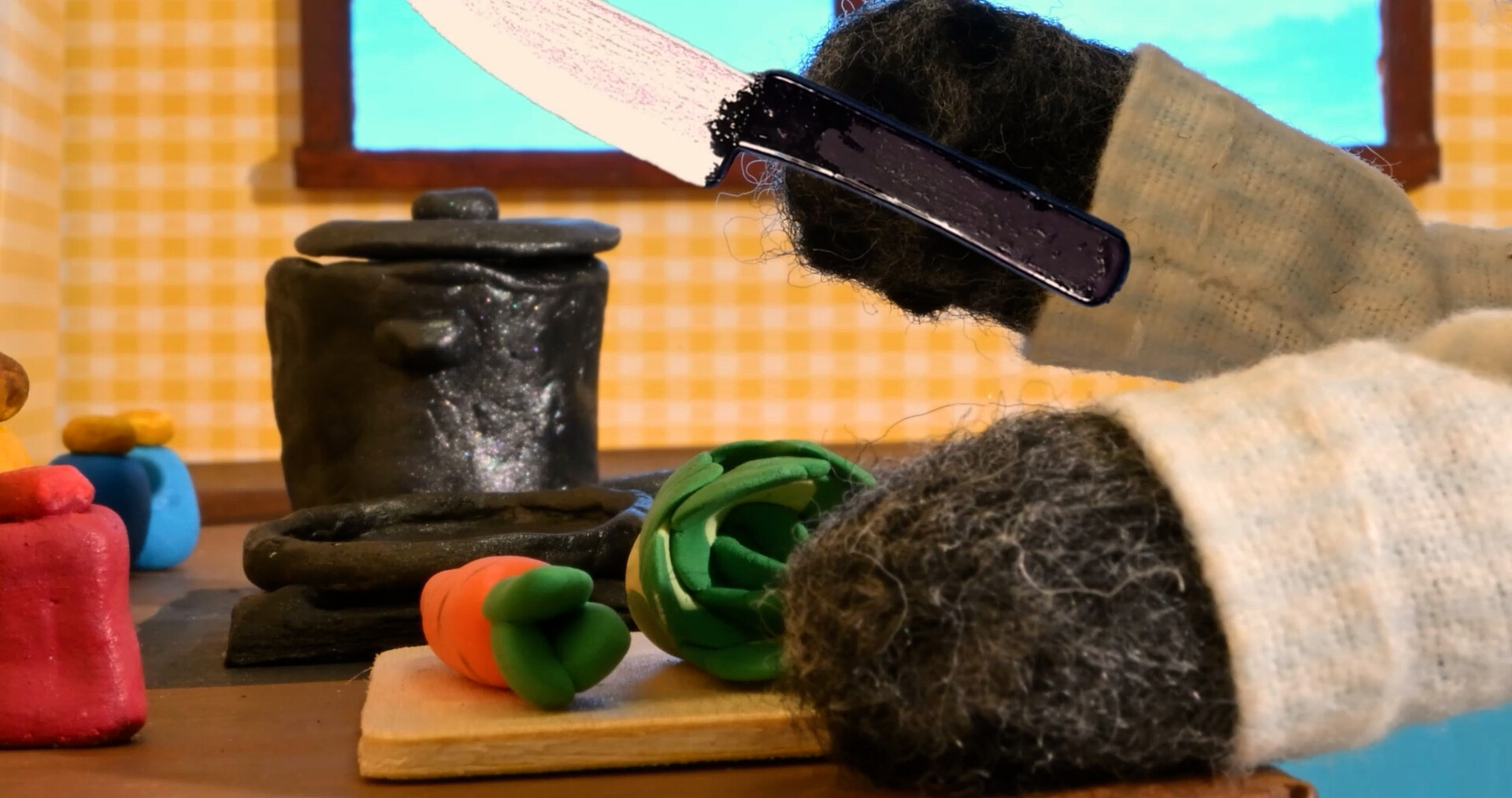
A comedic 2D animated short film that tells the absurdly tragic stories of hamsters from the after-life. Built upon interviews & true stories, the film aims to entertain while promoting responsible pet ownership and proper treatment of hamsters. Prepare to laugh, cry, and gasp in shock as this mixed-media, documentary-style film takes a look into how and why this colorful cast of pet hamsters died.

https://www.instagram.com/howwehamstersdie

Get to know the filmmakers:

1. What motivated you to make this film?

Mio: This film was born from my childhood guilt. I had hamsters as a kid, and I definitely did not take good care of them. My second hamster had a really long and painful death after falling off the second story of the house, and that guilt has stuck with me for years. It is a common belief that hamsters make great first pets for kids, so many parents will get pet hamsters for their kids not knowing how much responsibility and research is needed to properly care for one. It’s also been a trend on the internet where people will post their crazy hamster death stories online and laugh over how bizarre they always are. With this film not only did I aim to be silly and make people laugh, but I wanted to bring attention to why these crazy hamster deaths happen and what we can do as responsible pet owners to prevent it.

Phoebe: I was motivated to make this film because I believed in the message of proper pet ownership. I grew up with many different animals and my mother raised me with a strong sense of responsibility and education for the care of little critters. I also was interested in making a film with slapstick humor, like the Looney Tunes cartoons I watched as a kid.

2. From the idea to the finished product, how long did it take for you to make this film?

Mio: The idea for the film was conceived in February 2024 and we finished production in May

2025. So a little over a year!

Phoebe: Yep!

3. How would you describe your film in two words!?

Mio: Morbidly adorable.

Phoebe: “What’s Cute?”

4. What was the biggest obstacle you faced in completing this film?

Mio: The biggest challenge we faced while making the film was definitely trying to figure out the story. Unlike most other films, ours doesn’t follow a traditional story structure. The first thing we did was go around and collect crazy hamster death stories from our classmates, friends, and family. We collected over 40 stories and then had to pick and choose the best ones to showcase in our film. Trying to figure out how to take a bunch of completely separate stories and somehow turn it into a cohesive four-minute film that flows well and makes sense was one of the hardest things I’ve ever done. It took months of meetings and so many different versions of the script and animatic to finally hone in on a version we had full confidence in.

Phoebe: Another big struggle for us was actually creating the Hamster Afterlife. We went through a phase where our team created an entire Hamster City, complete with trains, a bar, a gym, and a Hamster animation studio! We ultimately decided it would be best to go for simplicity, but it was hard to let go of all those fun concepts!

5. There are 5 stages of the filmmaking process: Development.
Pre-Production. Production. Post-Production. Distribution.
What is your favorite stage of the filmmaking process?

Mio: Mine is the first one, development! The very beginning is what I like to call the vomit stage, because that’s when you can just throw out any crazy ideas you have and not have to worry yet about logistics. We would have team meetings where we would end up rolling on the floor laughing from the crazy and wacky ideas we were sharing with each other. It was very important to me that everyone on the team felt welcome to share their ideas no matter what their role was on the film. I think having so much collaboration, laughter, and excitement during the early development of the film really shows in the final product.

Phoebe: I’m fond of the Production phase because we got to witness our ideas actually coming together and it was pure magic. Our team did such an amazing job and we were rolling on the ground laughing so hard at some of the animation frames!

6. When did you realize that you wanted to make films?

Mio: The funny thing is, I never expected to be a director! I always thought I didn’t have what it took to direct, so for my senior capstone project I assumed I would just join another group as an animator. But when Phoebe and I came up with the pitch for our film, I knew the idea was SO GOOD that I was willing to do ANYTHING to make it happen. In a burst of passion I took the terrifying leap to direct. It was so fortunate that I found people who believed in the project just as much as I did, and I am still so honored that they put their faith in me as director. Leading a collaborative team to create something amazing was such an exhilarating experience that I would love to do it again, even if it was very stressful.

Phoebe: I have always been a bit of a performer and I have been interested in animation for pretty much as long as I can remember. For me it was like acting except I got to hide behind the scenes. In high school, I directed a comedic animated version of Hamlet and I knew I would be chasing that high for the rest of my life!

7. What film have you seen the most times in your life?

Mio: Probably School of Rock. I never get tired of it no matter how many times I see it. It’s a very silly film with an inspiring message about having confidence in yourself that always stuck with me growing up.

Phoebe: I watched Surfs Up a lot growing up and its mockumentary style actually became a big inspiration for our film!

8. In a perfect world: Who would you like to work with/collaborate with on a film?

Mio: In all honesty, I would do anything to get the Hamster crew back together! We had some of the funniest and most creative artists on our team and I had an absolute blast making the film with them. We all went our separate ways after graduation so unfortunately I don’t think that’s possible right now.

Phoebe: Same for me! I loved working with my peers on this film and I’d love to create something together again! I would also enjoy bringing in other young artists too. Everyone has a story to tell.

9. You submitted to the festival via FilmFreeway. How has your experiences been working on the festival platform site?

Mio: It’s been great! We’ve been able to apply to so many festivals because of how easy the process is. It’s been absolutely amazing to have our film be shown all over the world!

Phoebe: Ditto!

10. What is your favorite meal?

Mio: My Mom’s udon noodle soup! Tastes just like home.

Phoebe: Mio makes delicious chicken tortilla soup!

11. What is next for you? A new film?

Mio: I’ve been taking a much needed break after graduation, and since the job market for animation is so bad right now I’m not sure if I can break into the industry any time soon. But I’ve been working as an artist and animator on a fun passion project with another team, a video game called Pocket Pickers. It’s about a robber who died on a heist, trying to steal back his sins from a bank vault in hell. I’m continuing with the whole death theme I suppose. I do really hope I can make another film at some point. I’ve had some ideas rattling around in my head.

Phoebe: I’m exploring where life takes me. I’ve also been struggling to find a job in animation, so I’ve turned to more medical or environmental work to make a living. I would still love to continue making art and another film. So many possibilities!

Interview with Filmmaker Maurice Simmons (WAITING FOR NIA)

Waiting For Nia, 16min., USA
Directed by Maurice Simmons
Nia Kim, a 16-year-old girl, is rushed to Brookshire Hospital after a severe car accident. Her divorced parents, Justin and Tanya Kim, anxiously await news of her condition. As they confront their past issues and fears, they find moments of revolution, connection and understanding.

Get to know the filmamker:

1. What motivated you to make this film? The story is a tapestry of personal memories that stayed with me for years. I finally felt compelled to weave them together after seeing the Oscar-nominated short A-lien last year; it served as the creative spark I needed to finally bring these lived experiences to the screen.

2. From the idea to the finished product, how long did it take for you to make this film? It moved relatively quickly once the momentum started. I wrote the script in February 2025, moved into production in June, and we wrapped the final edit by September 2025.

3. How would you describe your film in two words? Family Drama.

4. What was the biggest obstacle you faced in completing this film? My biggest challenge was in the writing—specifically, ensuring each character possessed a distinct, individual voice. I wanted to provide the actors with enough subtext in the dialogue to keep the audience leaning in, avoiding anything that felt repetitive or predictable.

5. What were your initial reactions when watching the audience talking about your film in the feedback video? It was incredibly validating. I felt the comments were deeply honest, and it was a relief to see that the audience truly “got” the picture I was trying to paint.

6. When did you realize that you wanted to make films? The spark was there from a very young age. While life circumstances forced me to take a detour and start later than some, the delay hasn’t diminished the passion. Finally doing this now is immensely satisfying.

7. What film have you seen the most in your life? The original The Magnificent Seven. It was the first movie I ever watched in a theater alone. To this day, if it’s on TV, I’ll stop everything to watch it. It’s the quintessential “good vs. evil” story.

8. What other elements of the festival experience can we and other festivals implement to satisfy you and help you further your filmmaking career? As a filmmaker, I value any opportunity for direct networking and distribution resources. At this stage, however, I’m simply enjoying the platform provided to share this story.

9. You submitted to the festival via FilmFreeway. How has your experience been working on the festival platform site? It’s an invaluable tool. Without FilmFreeway, I wouldn’t know where to begin in terms of contacting global festivals or tracking my submissions. It streamlines the business side of filmmaking so I can focus on the creative side.

10. What is your favorite meal? A great Pasta dish.

11. What is next for you? A new film? I’m currently in development for a courtroom drama. It’s a compelling project, and I’m currently looking for the right partners and support to help bring it to life.

Short Film Review: UNPAID. Directed by Nicholas Tell

James (Nicholas Tell) had the unpaid internship of a lifetime, “employed” by one of the biggest film studios on the planet. However, the 2 year job is about to come to a close and all of the interns, including his mortal enemy Darren (Corey Elder), will have to interview for the one spot that can give them a permanent job. If that’s not enough, James has been staying on the couch of his friend Mark (Ronnie Lyall) for the entirety of his internship and Mark is fed up with his freeloading. James has no other choice than to get the job or become homeless. Come along as James and Darren butt heads in a hilarious interview war where the winner proves that they are the biggest fan of movies and the loser never works in entertainment again.

Project Links

Review by Andie Kay:

This lighthearted comedy gives an inside look into being an intern in Hollywood. It’s part underdog story and part tongue-in-cheek comedy with a gentle tug on your heartstrings. Nicholas Tell wrote, directed, produced, acted, edited, handled cinematography and lighting and probably handled krafty for the crew. He did almost everything and that is a sure sign of a labor of love. Nicholas did have help, Corey Elder was co-director, co-cinematographer, co-lighting guru and he also acted in the film. What is really cool is that you can see these two have a close friendship but in the film they are “mortal enemies”.


Nicholas and Corey did a great job with how it was lit and directed, plus the story is really sound. The music score from Daniel Nikolic was wonderful and fit the vibe of this film beautifully. I wish the sound was as stellar in the office as it was in the apartment sequences but you definitely got a feel of all the different relationships from each intern during their interviews. It was ending that warmed your heart and gave you a sense of hope that dreams can come true.

Interview with Screenwriter Beatriz Talerico (MIRACLE MAKERS)

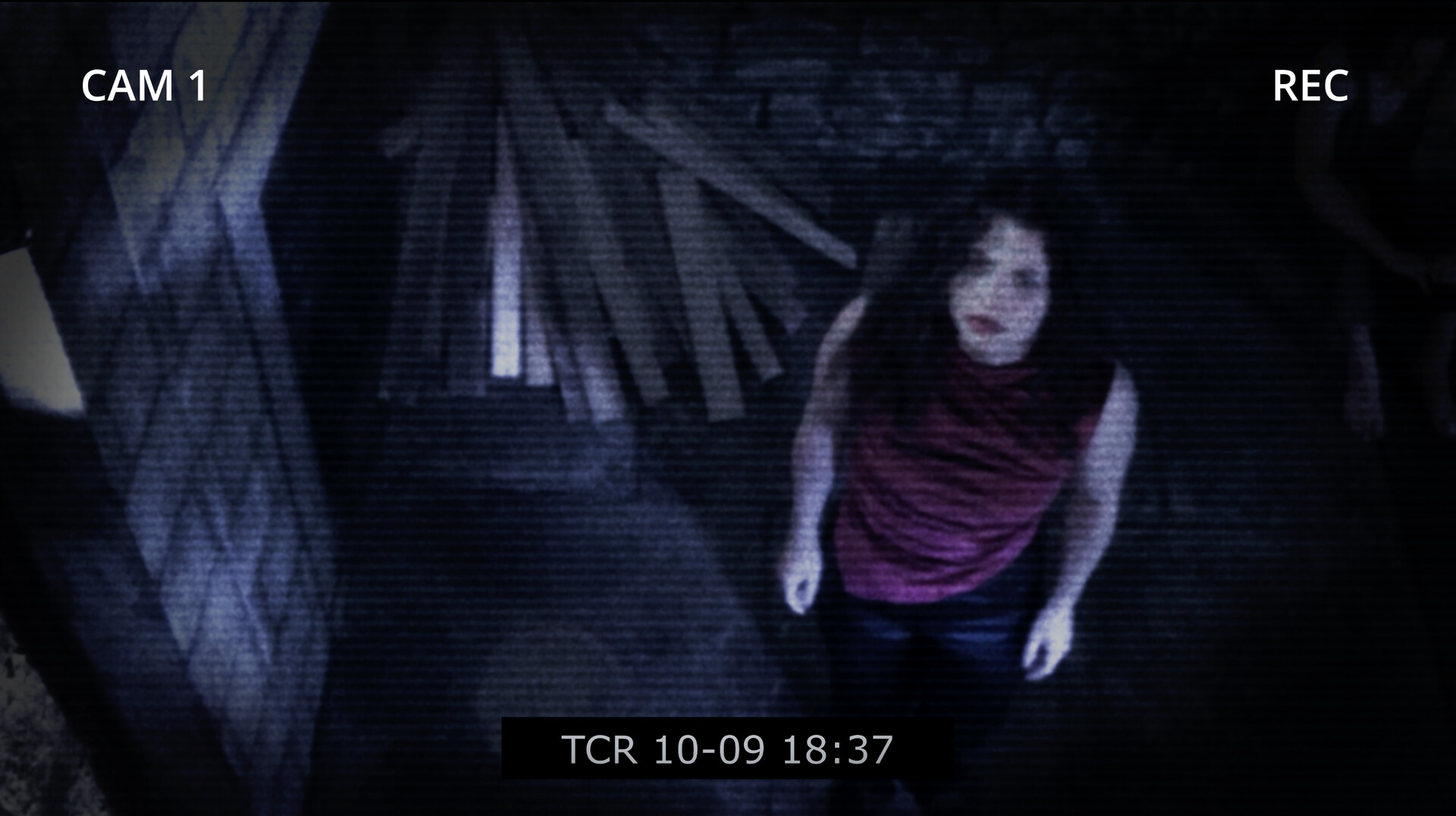
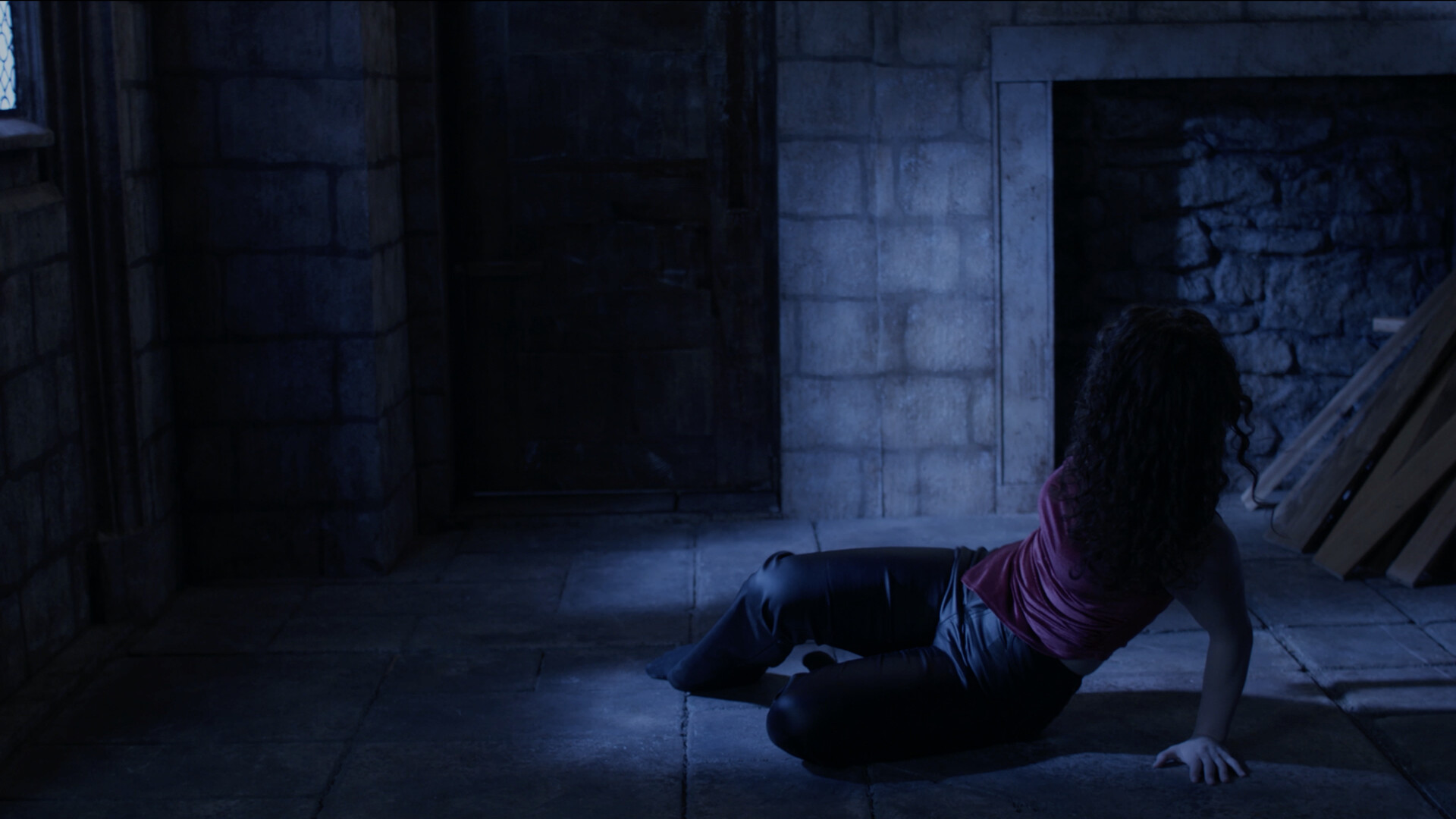
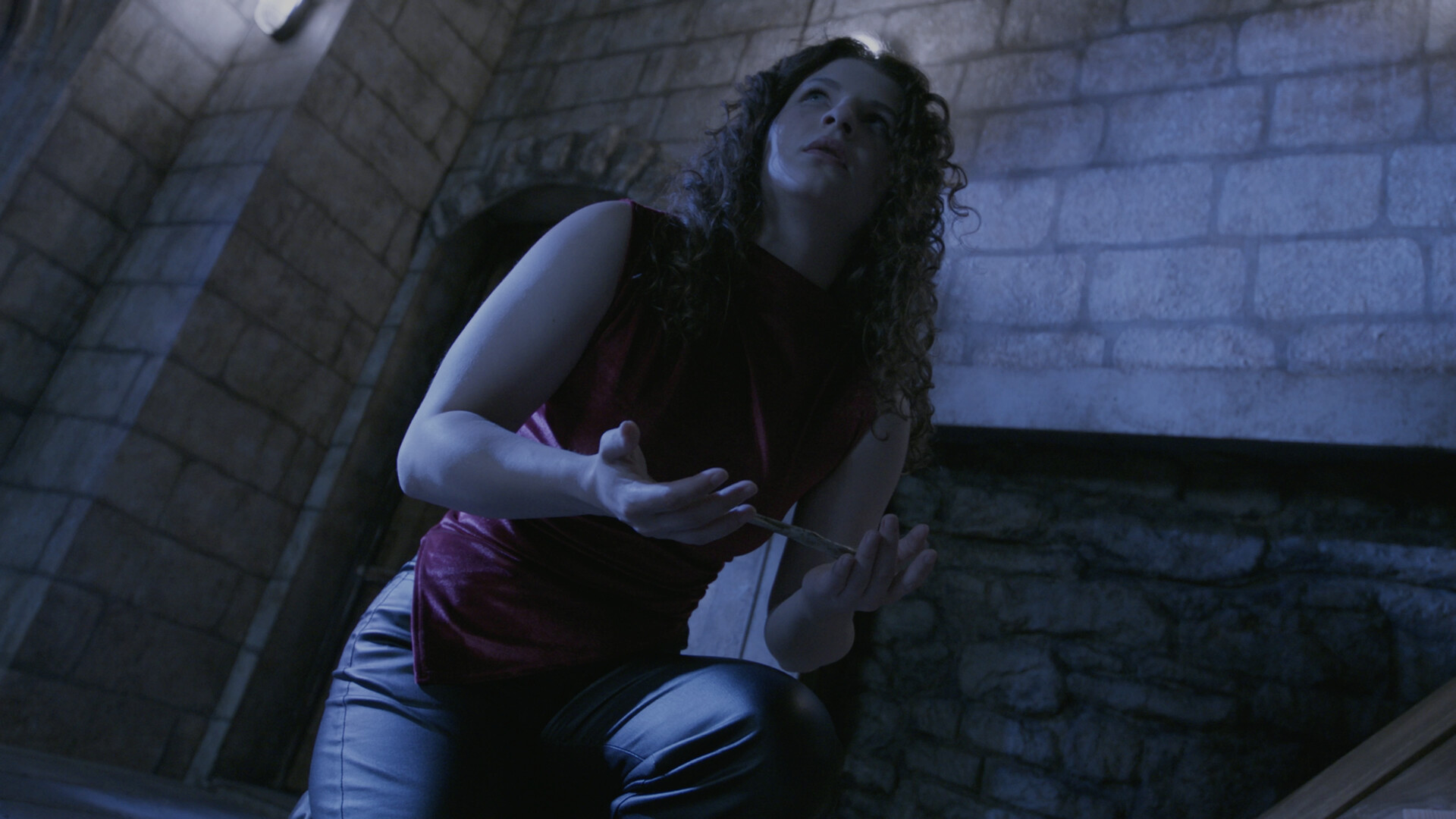
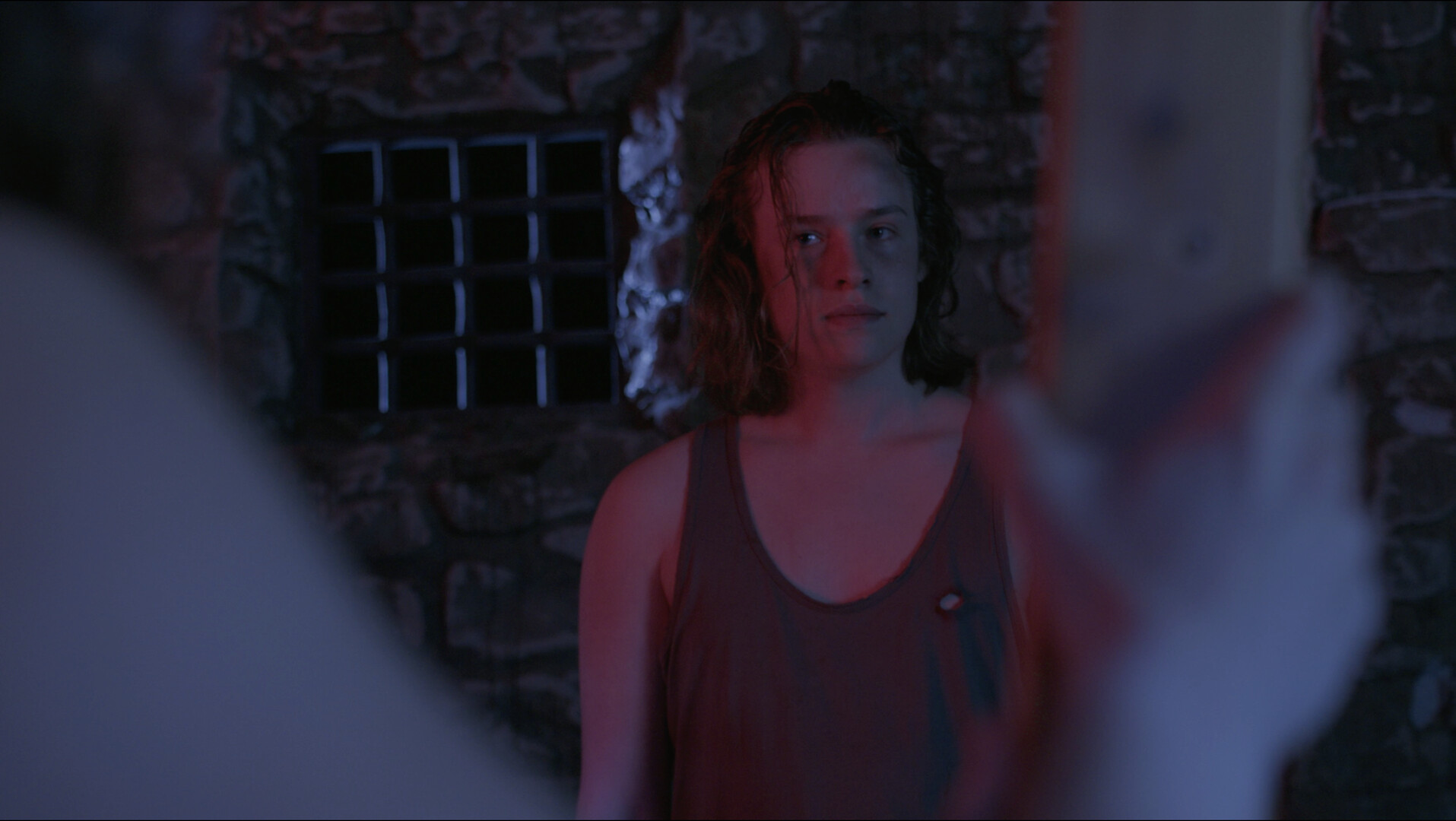
In a future where fertility is rare and tightly controlled, an eighteen-year-old girl is publicly selected as a Miracle Maker after failing to comply with a mandatory wellness check. As she is celebrated and subjected to months of ritualized spectacle broadcast to the world, she comes to believe her pregnancy is a blessing meant for her alone. Only after the birth does she awaken to the truth: the celebration was a trial, the child was never hers to keep, and she has been absorbed into a system that forces fertile women to endlessly repopulate society.

Get to know the writer:

1. What is your screenplay about?
Miracle Maker is set in a future where fertility has become rare and tightly controlled. An eighteen-year-old girl is publicly selected as a Miracle Maker after failing to comply with a mandatory wellness check. For months she is celebrated, watched, and ritualized, broadcast to the world as a symbol of hope. She comes to believe her pregnancy is a blessing meant for her alone. Only after giving birth does she awaken to the truth: the celebration was a trial, the child was never hers to keep, and she has been absorbed into a system designed to force fertile women into endless cycles of reproduction. It is a story about identity, bodily autonomy, and the violence hidden inside spectacle.

2. What genres does your screenplay fall under?
Dystopian sci-fi and speculative drama, with elements of psychological thriller. Think The Handmaid’s Tale meets Never Let Me Go.

3. Why should this screenplay be made into a movie?
Because the story doesn’t feel like the future, it feels like right now. It asks urgent questions about who controls women’s bodies, how systems manufacture consent through celebration, and what it costs to wake up too late. Audiences are ready for this conversation, and cinema is exactly the right place to have it.

4. How would you describe this script in two words?
Gilded cage.

5. What movie have you seen the most times in your life?
Honestly, it’s a tie between The Count of Monte Cristo and Zoolander, which tells you everything and nothing about me at the same time. Very different films, very different from what I write. But I like what I like.

6. How long have you been working on this screenplay?
About five months total, roughly a month writing and four months in the notes and revision cycle.

7. How many stories have you written?
Several, across different formats. On the feature side, I’ve written Domefall, a sci-fi screenplay about an astrophysicist who deciphers an alien signal with her AI, and Brooklyn’s Uber Hero, based on the true story of an Uber driver who rescued people from a burning building in Brooklyn and still got his passenger to the airport in time for her flight. I also wrote an adaptation of H.G. Wells’ The Country of the Blind. On the TV side, I have Sidebar, an animated dark comedy set aboard a U.S. Navy ship, and I’m currently developing a sci-fi TV pilot. I came to screenwriting after 22 years in the Navy, and that background, command structures, high-stakes decisions, systems with real consequences, runs through everything I write.

8. What motivated you to write this screenplay?
It started personal. My sister struggled with infertility, multiple rounds of IVF, and eventually, they stopped. Then my best friend experienced the same thing. When I started looking into it, the numbers were striking: estimates suggest up to 1 in 7 couples face difficulties conceiving, and roughly 10 to 11% of women in the U.S. have trouble getting or staying pregnant. The trend is moving in one direction. So, my mind went where it always goes, forward. What does a future look like where only a small percentage of the population can conceive? Who controls that? The answer is always either the government or a corporation. And I don’t think the women who are lucky enough to be fertile would have any say in what happens to their bodies or how many times they go through it. That’s the world of Miracle Maker. It’s speculative, but it doesn’t feel far off.

9. What obstacles did you face to finish this screenplay?
Writing while actively transitioning out of a 22-year military career, finishing a degree, and leading roles on two film festivals simultaneously. The obstacle wasn’t what to write; it was time. Protecting the hours to write is always the fight.

10. Apart from writing, what else are you passionate about?
Ocean exploration, hiking, and paddleboarding. I live in Hawaii, so the water is never far. I’m also developing a children’s book series rooted in Dominican and Latin American identity, and I care deeply about representation in storytelling across all age groups.

11. What influenced you to enter the festival? What were your feelings on the initial feedback you received?
What drew me in was that this festival performs the work. Script coverage is valuable, I’ve used it, but there’s something completely different about hearing your scene read aloud in someone else’s voice. That’s when you find out if the story actually does what you think it does. Hearing Liz, Porter, and the Narrator bring the scene to life confirmed that the emotional core landed. I really appreciated hearing it.

Interview with Writer Jack Cooper (MY MOTHER ROSE)

Performed by Val Cole

Get to know the writer:

*1. What is your short story about? *

A biomythography of a childhood experience: a difficult, traumatic memory,
and a healing that took many years. I describe the experience of growing up
with a mother who had mental health disorders, raising five children on her
own.

*2. What genres would you say this story is in? *

My story is a biomythography. Biomythography is a genre created by Black
lesbian author and poet Audrey Lorde in her 1982 book, *Zami: A New
Spelling of My Name. *She wrote that this genre enables us to use our
experiences to compose what identity means to us, and that we can use
emotions, along with imagery and perception, to express our truths.

*Biomythography – weaving together myth, history, and biography
in epic narrative form, a style of composition that represents all the ways
in which we perceive the truth. Biomythography is a writing down of our
meanings of identity… with the materials of our lives. We are the
culmination of it all; experiences are painted with imagery, perception,
and, mostly, emotion. Details that become true in the telling.*

*3. How would you describe this story in two words? *

Tragic, hopeful

*4. What movie have you seen the most in your life? *

Honestly, I don’t have an answer.

*5. What is your favorite song? (Or, what song have you listened to the
most times in your life?) *

*Cats in the Cradle* by Harry Chapin comes to mind.

*6. Do you have an all-time favorite novel? *

*Aunt Sookie and Me* by Michael Scott Garvin comes to mind.

*7. What motivated you to write this story? *

The need to heal, the need to remove the deep pain within me, and give it
another place to exist. To put the pain somewhere else to live instead of
within me.

*8. If you could have dinner with one person (dead or alive), who would that be?*

Oprah Winfrey, I have so many questions for her.

*9. Apart from writing, what else are you passionate about? *

The love of my life and the life we created together.

*10. What influenced you to enter your story to get performed? *

I needed to know whether it was worth sharing, whether others could relate
to and benefit from my experience. To let others know that there is hope.
And if my story got picked up for performance, that would answer my
question.

*11. Any advice or tips you’d like to pass on to other writers?*

Write what you feel. Write what’s deep inside you. Write what is most
uncomfortable. Let it live in writing. “Your body is not a coffin for pain
to be buried in.” (Ehime Ora). Write biomythographically.

Interview with Writer Kathy Haynes (THE PIRATE)

While Joe waits a dear friend he lost touch with to show up at their 50th high school reunion, he flashes back to how they met and the secret she asked him to keep.

Performed by Val Cole

Get to know the writer:

1. What is your short story about?

This story is about a man who reminisces about childhood as he looks forward to reconnecting with a former, female classmate.

>> 2. What genres would you say this story is in?
It’s a romance.

>> 3. How would you describe this story in two words?
Hopeful reconnection.

>> 4. What movie have you seen the most in your life?
The Princewss Bride

>> 5. What is your favorite song? (Or, what song have you listened to the most times in your life?)
Hallelujah by Leonard Cohen

>> 6. Do you have an all-time favorite novel?
Small Great Things by Jodi Picoult, but there are many others I consider favorites.

>> 7. What motivated you to write this story?
I recently reconnected with someone from high school, and that inspired me to write the story.

If you could have dinner with one person (dead or alive), who would that be?
Michelle Obama

>> 9. Apart from writing, what else are you passionate about?
I’m passionate about creating mixed media art.

>> 10. What influenced you to enter your story to get performed?
I don’t usually write romance, butI ended up admiring this sweet story and wanted to see where it could go.

>> 11. Any advice or tips you’d like to pass on to other writers?
Put your whole self in. Don’t just observe the work. Feel it. Be actively involved in it.

Interview with Poet Ricky Jude Barker (STICKS AND STONES)

Performed by Val Cole

Get to know the poet:

1) What is the theme of your poem?
Sticks and Stones explores memory, guilt, and the way childhood experiences
shape how we understand ourselves. It’s also about how coping is varied and
deeply individual — how different minds, different bodies, and different
people survive difficult moments in very different ways. At its heart, the
poem is about perception, responsibility, and quiet forms of compassion.

2) What motivated you to write this poem?
Much of my poetry grows from moments and people that linger long after
they’ve passed. This poem, in particular, comes from revisiting a childhood
memory and memorializing the people who mattered most to me when I was
young. Poetry, for me, is often an act of preservation.

3) How long have you been writing poetry?
I’ve always been a writer. I was fortunate to win awards for writing as
early as elementary school and continued through law school. I write poetry
because I have to — it’s less a choice and more a necessity.

4) If you could have dinner with one person (dead or alive), who would that be?
Alive.

5) What influenced you to submit to have your poetry performed by a professional actor?
Poetry changes when it moves from the page into someone else’s voice. Other
people give the work a shape, a rhythm, and an emotional texture it could
never have if it only came from me. I’m fascinated by that transformation.

6) Do you write other works? Scripts? Short stories? Etc.?
I’ve written personal essays and short stories, but in my heart of hearts,
I am a poet.

7) What is your passion in life?
Subtly shifting the people I encounter into being a little more
compassionate, a little kinder.